1916 Barber Quarter Error List with Pictures

An extra outline beside a tiny D helped distinguish a 1916 Barber quarter that sold for $149 in December 2021. The repeated mintmark is easy to miss without magnification.
These 1916 Barber quarter errors have estimated whole-coin values of $35–$3,000. This is the Liberty-head design, separate from the Standing Liberty quarter introduced in the same year.
Check the date, mintmark, and complete outline using the three guides below.
1. 1916 Barber Quarter Reported Extra Date Outlines
An extra trace beneath the date is reported for a Denver 1916 Barber quarter. The older Barber Coin Collectors’ Society survey calls it RPD-S, meaning a repunched date toward the south.
That name is the survey’s description, rather than proof of how the mark formed. The entry does not identify which numeral carries the visible remnant.
A candidate needs close examination of the lower digit edges. A scratched line or a flat shelf from striking can resemble another number.
The report concerns a Denver coin. It should not be extended to every 1916 quarter with thick date lettering.
Estimated Value
For a confirmed match to the date feature, estimate $35–$400. The range includes the value of the Denver quarter, not only its extra date trace.
A worn coin with faint remaining detail would fit below an attractive piece with a clear feature. Cleaning or scratches near the numerals can make both identification and resale harder.
This is an estimate, not an auction price for this date report. A vague shadow under a digit does not justify the upper range.
How to Identify
Read all four digits, then turn the coin over to confirm a D below the eagle. That pairs the date with the mint named in the survey.
With a 10× magnifier, examine the lower edge of each numeral separately. Keep the entire date visible in a second photograph so an isolated mark is not mistaken for another digit.
Use two light angles to compare the height of the extra trace with the original number. A shallow, flat shelf or a cut groove needs a different explanation.
An error specialist should compare the coin with an identified example. Focus the close view on the lower date edge that actually carries the extra shape.
2. 1916 Barber Quarter Repunched D Mintmark
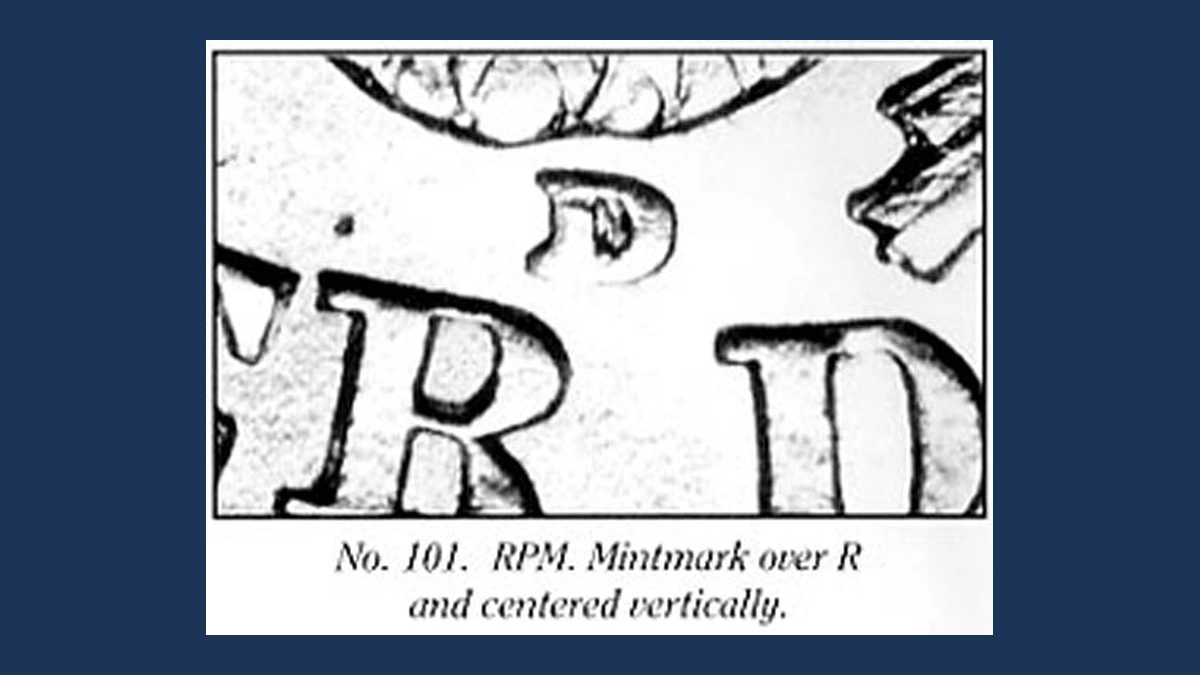
The small D below the eagle may have another curved outline next to it. Mint workers added that letter to the stamping tool by hand, and a repositioned punch could leave an earlier impression.
The resulting feature is called a repunched mintmark. It repeats only the letter, not the whole eagle design.
The specialist survey records several Denver patterns, including an earlier outline above the D and a smaller D below a larger one. Sideways remnants are also listed.
The smaller letter does not by itself prove that a punch intended for a dime was used.
Estimated Value
A 1916-D/D quarter graded ANACS AU50 sold for $149 in December 2021, according to PCGS’s auction record. AU50 means light circulation wear with substantial remaining detail.
Use an estimated $40–$600 for comparable repunched-mintmark coins across a wider condition range. Clear separation and natural surfaces make the repeated letter easier to appreciate.
Not all Denver patterns have the same appearance. Compare the actual extra D and the coin’s preservation rather than pricing every doubled-looking mark alike.
How to Identify
Start at the D below the eagle’s tail and compare its straight stem with its outer curve. Under magnification, a second impression should reproduce part of that letter rather than form a shapeless lump.
Look above, beside, and below the main D, because the listed patterns differ in direction. For the large-over-small form, concentrate on the smaller outline beneath the main letter and compare a clearly identified example.
Tilt the coin to separate genuine raised metal from changing glare, then inspect the base of the mintmark for disturbed surfaces. A cut around the letter, attached material, or an altered D can imitate an extra outline.
3. 1916 Barber Quarter Off-Center Strike
Liberty’s head can shift toward the edge when the blank enters the press in the wrong position. The other side of the outline then includes an unstruck crescent.
Part of the intended design falls beyond the metal. A complete design inside an unevenly widened coin instead points toward a broadstrike.
Year-specific reports describe Philadelphia and Denver 1916 Barber off-center quarters. They do not establish a particular direction or percentage for an individually identified coin.
Confirm both the denomination and portrait before comparing examples. A 1916 Barber dime or Standing Liberty quarter belongs to a different coin type.
Estimated Value
Estimate $150–$3,000 for an authenticated 1916 Barber off-center quarter with a readable date. Small shifts on worn pieces belong nearer the lower end.
A larger missing portion with attractive surfaces can be much more desirable. The surviving portrait, denomination, and date should make the coin’s identity clear.
This estimated range is not a quoted sale for a specific 1916 specimen. A blank patch created by grinding or other later damage does not earn an off-center premium.
How to Identify
Confirm QUARTER DOLLAR on the eagle side before judging the missing area. The front should show Liberty’s head, not a standing figure.
Compare the displaced picture with the blank crescent on both faces. Some intended lettering or design should run beyond the opposite edge of the original blank.
Use a magnifier to check that the empty surface has not been ground down. Faint remnants of finished lettering can reveal later removal.
A loose coin can be checked with calipers and a digital scale against the normal 24.3-millimeter width and 6.25-gram weight. These describe a normal silver quarter, not an exact measurement required of every error.
The readable 1916 date must belong to the same coin as the displaced design.
Conclusion
Estimated values extend from $35–$3,000, starting with small reported date traces and rising to stronger off-center strikes. A clearly repeated D has a documented auction comparison, while the date report needs a careful match.
Keep Barber quarters separate from the other 1916 silver designs. Inspect the lower date edges, the D below the eagle, and both faces of a shifted coin before selecting the most relevant comparison.