1983 Penny Error List with Pictures

Turn a 1983 penny over before putting it away. On the best-known doubled-back variety, ONE CENT has extra outlines that can be seen without a magnifier.
An exceptionally preserved example sold for $21,937.50 at GreatCollections. That is the high end of a 1983 penny error search, not the usual value of a thick-looking letter.
The types below have estimated values from $2 to $22,500. Read on for the visible clues, including the weight check that helps spot rare copper-alloy pieces.
1. 1983 Lincoln Memorial Penny Repunched Mint Mark (Estimated Up to $150)
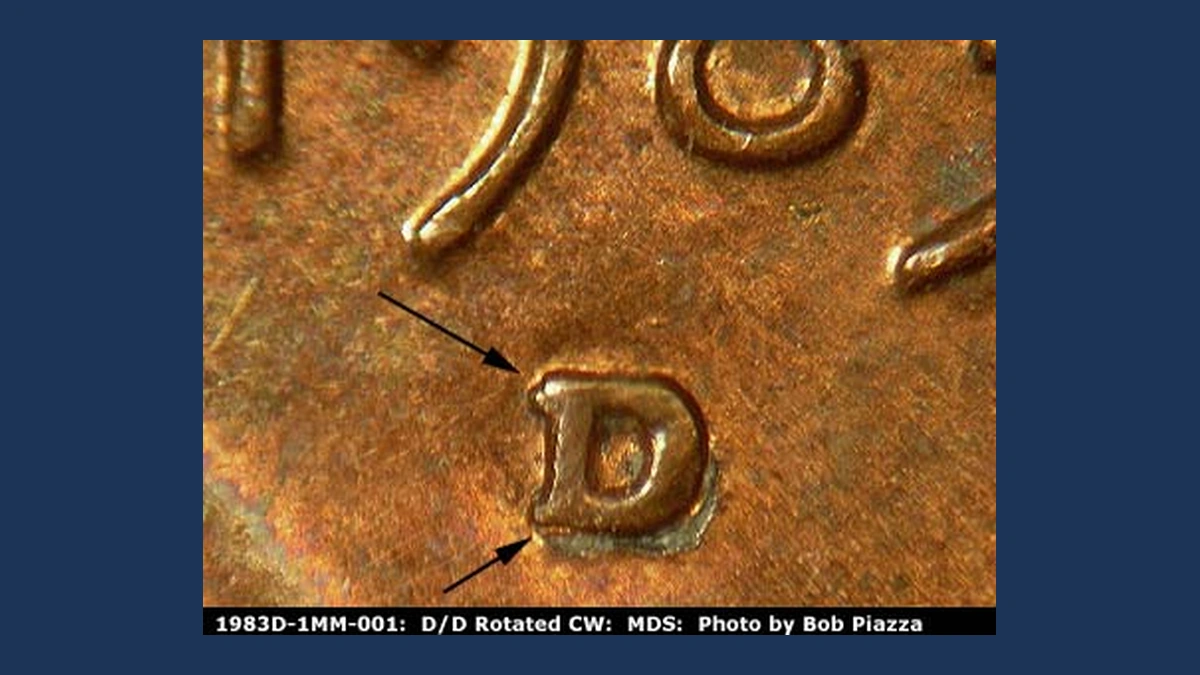
A fork at the top or bottom of a mint letter can reveal an earlier punch position. Several 1983-D varieties show this, and a 1983-S collector coin has a repunched S.
The mint letter was added separately to the steel stamping tool. If the punch moved, parts of its first impression could remain beside the final letter.
This is a repunched mint mark. The 1983-S example is a Proof, a specially made collector coin with a carefully prepared finish.
Not every bump beside a letter is another punch impression. A small break in the tool can also create raised metal.
Estimated Value
Allow an estimated $3–$150 for confirmed examples, with clear separation and attractive surfaces supporting the higher prices. This range compares minor Lincoln-cent mint-mark varieties rather than assigning one auction result to all eight forms.
A lightly circulated D/D can be affordable. An undamaged Proof with a well-matched S/S may appeal to a different group of collectors.
Neither a doubled-looking stain nor a shapeless bump deserves the same premium as a recognizable second letter outline.
How to Identify
Decide whether the letter is D or S before choosing a comparison photograph. The reported S variety belongs to a Proof, so its finish and mint letter should agree.
A 10× magnifier can show forked ends, an extra curve, or a separate line inside the letter. Follow the actual shape instead of interpreting every nearby bump as another mint mark.
Inspect the plain edge, and compare a loose coin with 2.50 g on a scale and 19.05 mm using calipers. Keep a sealed collector coin in its holder.
Compare only with the same mint and variety. A different location for a second D is a different pattern.
Find an extra recognizable part of the mint letter that matches the confirmed example’s position.
2. 1983 Lincoln Memorial Penny Curved Clip (Estimated Up to $200)
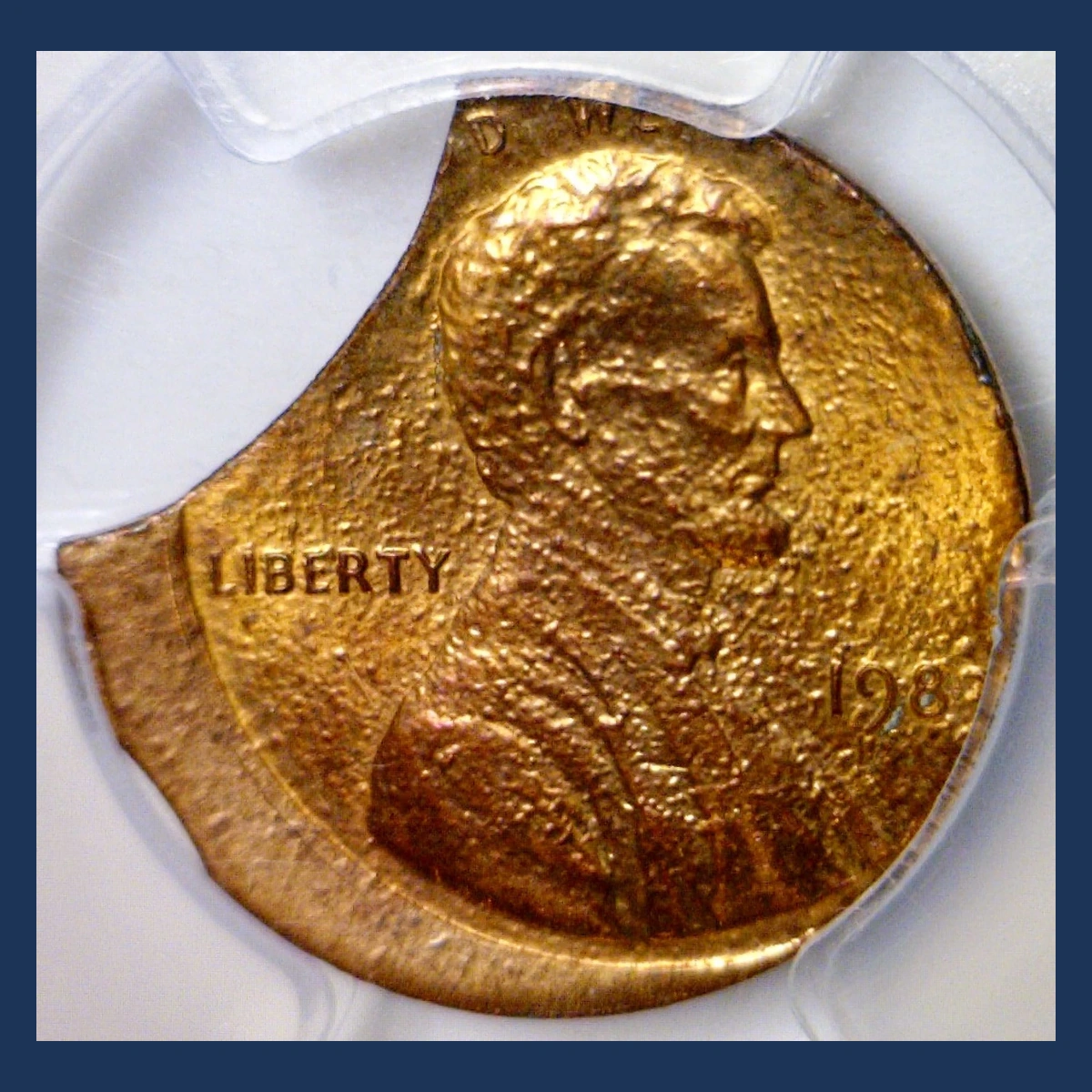
The outline has a curved gap where part of the metal disc is missing. Year-specific reports include both Philadelphia and Denver examples from 1983.
A clip can form when the machine cutting new discs overlaps an earlier hole in the strip. The incomplete disc then reaches the coin press.
The design is struck onto metal that already has the gap. Its edge and nearby rim can respond differently to the pressure.
A weak rim opposite the clip sometimes helps identify it, but that feature is not universal. The complete boundary matters more than one expected sign or a smooth-looking curve.
Estimated Value
The estimated range is $15–$200 for genuine 1983 curved clips. A large, appealing gap on an otherwise clean coin usually costs more than a small clip on a worn piece.
A 2021 cent with a straight clip sold for $114 at Heritage in September 2025. That different-year and different-shape example offers a general price comparison.
This range applies to missing metal from manufacture. A normal cent cut with tools afterward has no equivalent error premium.
How to Identify
Compare the clipped edge with the neighboring letters before looking across to the opposite rim. Original striking should fit the missing boundary naturally.
Use a 10× magnifier to examine the surface for filing, sawing, or fresh cutting. Do not decide from smoothness alone, since genuine clip surfaces can vary.
The weight should be below the normal 2.50 g by an amount that suits the missing metal. Record it on a scale rather than guessing from the size of the gap.
Measure intact portions with calipers against 19.05 mm and examine the remaining plain edge. A weak opposite rim adds support but is not compulsory.
Check that the lost weight and original design at the curved boundary both fit a disc clipped before striking.
3. 1983 Lincoln Memorial Penny Die Damage, Cud, and Chip (Estimated Up to $400)
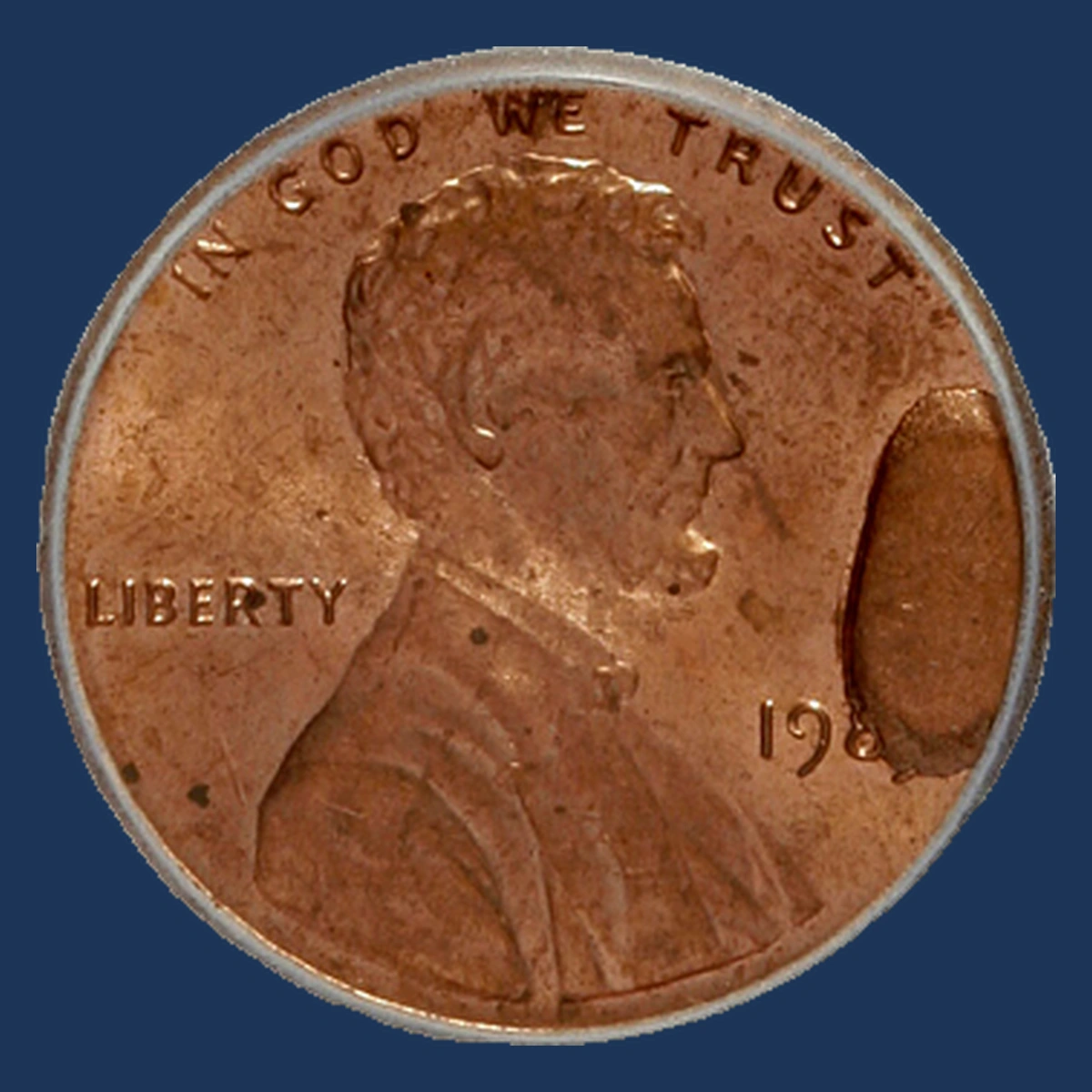
A large raised area joining the rim can replace part of the normal design. It forms when a piece breaks away from the stamping tool, leaving space for metal to rise.
Collectors call this rim-connected blob a cud. The 1983 variety known as FS-401 combines a back-side cud with tool damage affecting the front.
A separate Denver example has a small raised chip beside its D. That bump does not form a genuine second mint-letter outline.
These features come from damaged tools, although their size differs greatly. A small isolated chip should not be described as a large rim-connected cud.
Estimated Value
Small chips through clear FS-401 examples can be estimated at $2–$400. The tiny bump beside a D belongs near the inexpensive end, while an attractive two-sided tool-damage variety can command more.
A 1988 cent with a prominent cud sold for $312 at Heritage in March 2025. That is a comparison for a substantial break, not a sale of the 1983 FS-401 coin.
Wear and scratches can reduce the premium despite a genuine mint error.
How to Identify
For FS-401, examine both faces before matching a name. The identification involves front-side tool damage as well as the back-side raised area.
Under a 10× magnifier, follow the raised blob into the rim and compare its outline with a confirmed FS-401 photograph. Do not assume every 1983 cud is that variety.
On a Denver coin, inspect the bump beside the D for its own shape. A shapeless raised chip is different from another curved part of the letter.
Check for plain-edge impact damage and use a scale and calipers against the ordinary 2.50 g and 19.05 mm. The tool fault normally leaves these specifications unchanged.
Match both faces for FS-401, or the exact small chip beside D, rather than relying on a general raised bump.
4. 1983 Lincoln Memorial Penny Struck Through a Die Cap (Estimated Up to $400)
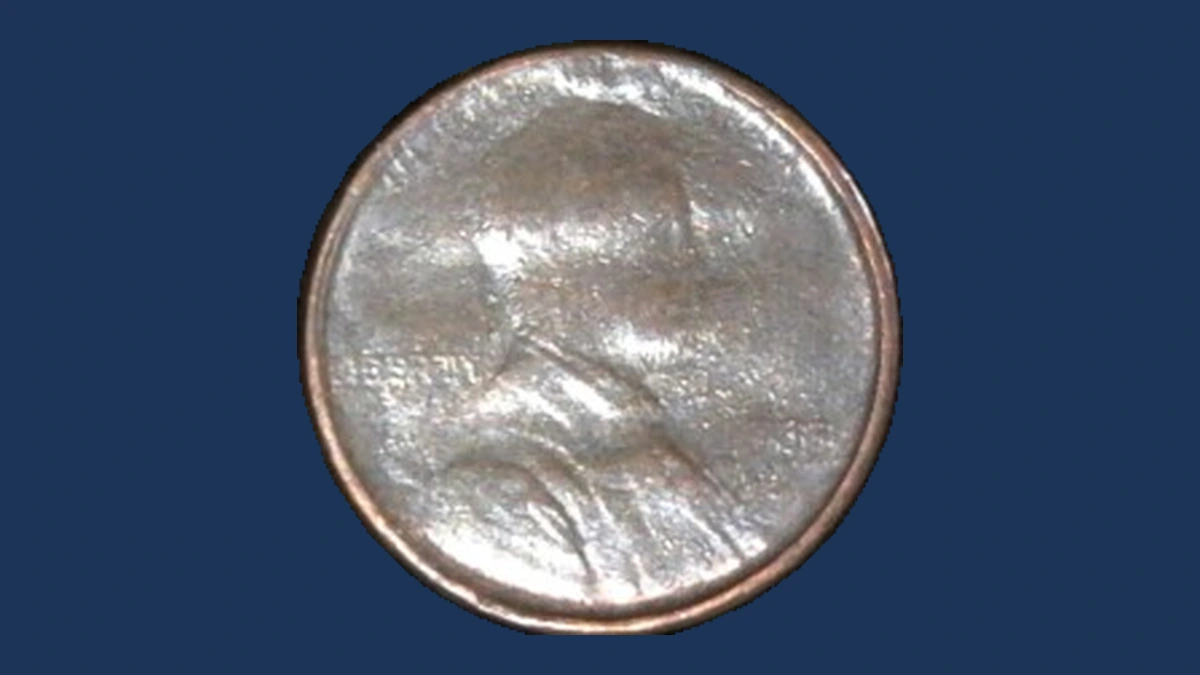
Part of a coin’s design can become weak or distorted when another coin covers the stamping tool. The covering coin is called a die cap because it can cling to the tool like a cap.
A new disc struck through that covering receives a changed impression. The effect depends on how thin and distorted the covering has become.
A recorded 1983 example was graded ANACS MS62 Red. It is the coin struck through the cap, rather than the cap itself.
This distinction matters when comparing photographs. A cup-shaped stuck coin and the coins it helped strike are different objects.
Estimated Value
An estimated $40–$400 suits typical confirmed 1983 cap-struck cents. A clear, distinctive impression can bring more than a slightly weak design that is difficult to recognize.
A 1995 cent struck through a late-stage cap sold for $180 at Heritage in March 2025. It offers a comparison for the same broad mechanism, but not an identical stage or design.
The recorded 1983 ANACS example has no verified selling amount assigned in this guide.
How to Identify
Compare the weak design with an ordinary 1983 cent under the same lighting. General wear usually affects exposed high points, while a cap can change the design more broadly.
Use a 10× magnifier to inspect the surface within the distorted area. Scraping, chemical damage, and corrosion can erase detail without any mint error.
Review both faces, since the exact affected side and cap stage must match the particular coin. The label alone cannot supply a missing feature.
Check the plain edge and record weight and diameter with a scale and calipers. Normal starting specifications are 2.50 g and 19.05 mm.
Match the altered design and untouched surface to a confirmed cap-struck example rather than identifying the error from weakness alone.
5. 1983 Lincoln Memorial Penny Off-Center Strike (Estimated Up to $500)
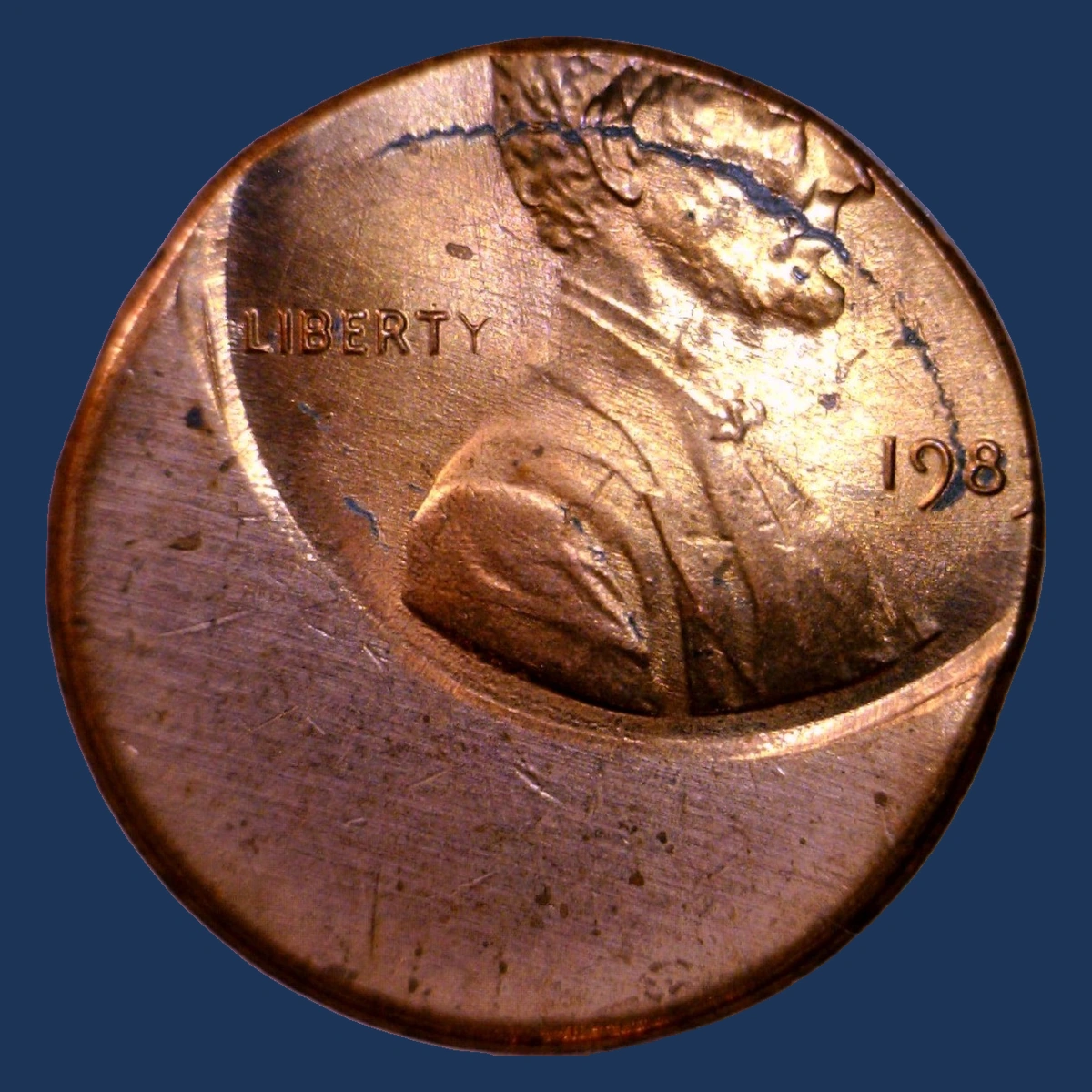
The date and portrait sit away from their normal positions, and an untouched part of the metal remains beside the design. The disc was partly outside the stamping tools.
One recorded Philadelphia example is 35% off-center toward eight-thirty. Other listings include a 50% Philadelphia piece and a 55% Denver example.
Their directions and percentages belong to different coins. A larger percentage usually leaves less of the design visible.
Collectors often prefer examples that keep a readable date despite a dramatic shift. The remaining date must be genuine, since a missing last digit cannot establish 1983 by itself.
Estimated Value
Estimate $20–$500 for dated 1983 off-center cents. An attractive large shift can be worth more than a small displacement, especially when both the year and mint remain readable.
A 1982 copper-plated zinc cent struck 70% off-center sold for $74 at Heritage in June 2025. That comparison shows how widely prices can vary even among dramatic shifts.
The sale concerns another year and should not be quoted as the price of the 1983 examples.
How to Identify
Locate the full year, then inspect how much design remains on each face. Do not identify the coin only from an auction headline or a handwritten holder.
Under a 10× magnifier, look where the struck portion meets the untouched area. An off-center coin loses part of its design beyond the edge.
Compare the two faces to distinguish it from a shifted tool affecting only one side. Examine the plain edge for evidence of later cutting or flattening.
A scale should show roughly 2.50 g unless another error removed metal. Measure the outline with calipers against the ordinary 19.05 mm diameter.
Find an original unstruck area opposite missing design while confirming the surviving date reads 1983.
6. 1983 Lincoln Memorial Penny Double Strike (Estimated Up to $600)
An extra struck area appears beside or across the first design. The coin stayed in the press long enough to receive a second blow after moving.
A recorded 1983 example has its second strike about 80% off-center. Other Philadelphia and Denver coins have a second strike about 90% off-center with only one face receiving that later design.
The blank second-strike face was blocked during the blow. It is not simply the back of the coin worn smooth.
Two strikes should leave evidence of two separate impressions. Fine extra edges repeated within one normal design instead suggest a doubled stamping tool.
Estimated Value
The estimated range is $50–$600, depending on the clarity and arrangement of the two impressions. A 1983 second-strike 90% off-center coin graded PCGS MS66 Brown sold for $154 in June 2025.
That example is not automatically one of the separately listed coins with a blocked second-strike face. Similar percentages do not identify the same piece.
Two readable dates or an especially clear overlap can increase appeal. Severe surface damage can outweigh a dramatic second strike.
How to Identify
Follow the edge of the second struck area before counting repeated letters. A genuine later blow can flatten, overlap, or interrupt the earlier design.
Look at both sides with a 10× magnifier. For a one-sided second strike, check that the corresponding blocked area has no normal second design.
Do not infer what blocked it from blankness alone. Compare its surface with an authenticated example and inspect the plain edge for damage from squeezing.
Use a scale to check against the ordinary 2.50 g. Calipers can record the changed outline relative to 19.05 mm, although a second strike may spread the coin.
Find the boundary and surviving details of two separate blows, including the blocked side when that feature is claimed.
7. 1983 Lincoln Memorial Penny Missing Copper Plating (Estimated Up to $700)
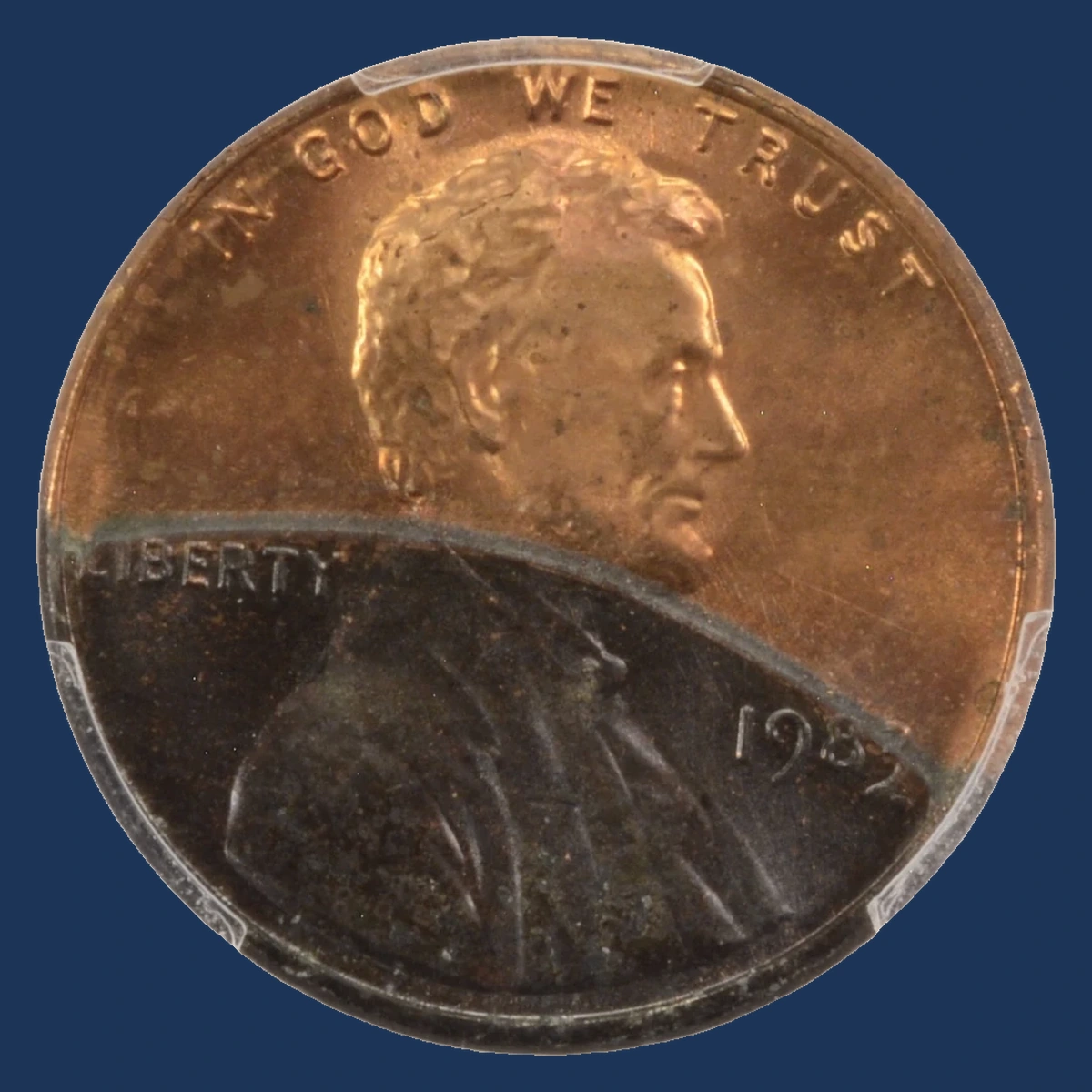
Gray areas replace the copper surface on an unplated cent. The normal thin copper coat was missing before the zinc disc received its design.
Recorded 1983 examples include coins weighed at 2.47 g and 2.49 g, each graded NGC MS66. These are separate pieces rather than two measurements assigned to one coin.
The small weight difference from a normal cent is not enough to prove the error. Copper can also be stripped off after striking.
Original exposed zinc and chemically damaged zinc can look similar in a distant photograph. Their surface texture and any surviving copper boundary require close examination.
Estimated Value
A confirmed 1983 missing-plating cent can be estimated at $50–$700. The range depends on preservation, the amount of original coating missing, and how clearly the surface supports the error.
As comparisons, a 1995-D unplated coin sold for $180 in March 2023, and a higher-grade 1995 example brought $660 in January 2023.
These are other years’ sales. A gray 1983 cent stripped by chemicals does not acquire the same value.
How to Identify
Leave the gray surface exactly as found. Cleaning or testing with chemicals would remove clues that help distinguish original missing copper from later stripping.
Use a 10× magnifier to inspect zinc texture, remaining copper, and the edges of any colored patches. Look for original struck detail without etched or pitted areas.
Weigh a loose coin against the usual 2.50 g and measure it with calipers against 19.05 mm. The recorded weights near normal show why a scale is only one check.
Examine the plain edge as carefully as the faces. An unusual coating on that edge can reveal a later treatment.
Have the untouched zinc surface and remaining copper examined together before assigning a mint-error premium.
8. 1983 Lincoln Memorial Penny Blow-Hole Metal Defect (Estimated Up to $1,000)
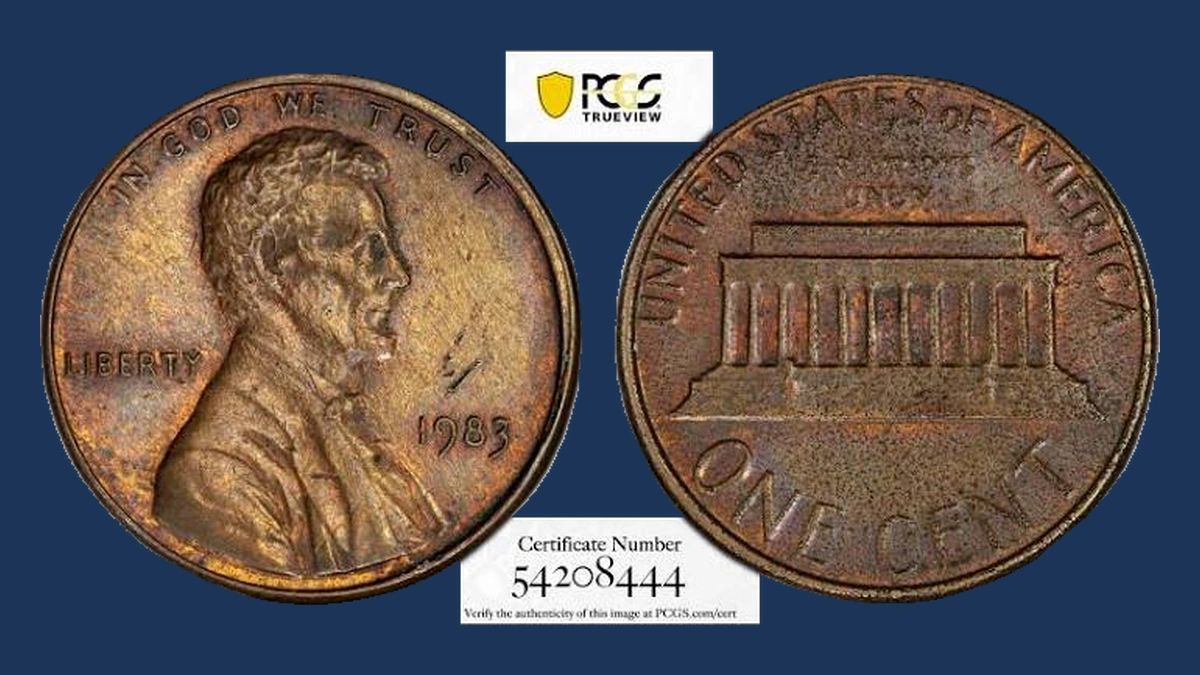
A hole can interrupt the metal without being a drill hole made by an owner. One 1983 cent was cataloged as struck on a blow-hole defective blank.
A blank is the metal disc used to make a coin. In this case, a void in defective metal was present when the design was struck.
The recorded example weighs 2.4 g and was graded NGC MS66 Red. Its hole is different from the usual curved clip along a disc’s outer edge.
A hole alone cannot establish that history. Surrounding metal must show that the defect existed before the coin received its design.
Estimated Value
Estimate $150–$1,000 for a confirmed blow-hole defect of this kind. This is a comparison-based range for an unusual struck defective disc, not a verified sale price for the listed 1983 coin.
A clear original boundary and readable date are important. A larger defect can be more striking visually, although severe damage may reduce its appeal.
A drilled cent is not a comparable mint error, even if its hole looks neatly rounded.
How to Identify
Inspect the hole from both sides without putting a needle or other tool through it. The boundary is the most useful evidence.
With a 10× magnifier, look for design and metal flow that meet the opening naturally. Regular cutting marks or a fresh raised burr around a drilled hole point elsewhere.
Compare the weight on a scale with the normal 2.50 g; the cataloged example was 2.4 g. Weight loss alone cannot distinguish a mint defect from drilling.
Check the intact diameter with calipers against 19.05 mm, and inspect the plain edge for other alterations. A clear photograph should preserve both the hole and nearby original design.
Find evidence that the coin was struck around the existing opening, without later cutting marks.
9. 1983 Lincoln Memorial Penny Copper-Alloy Wrong Blank (Estimated Up to $20,000)
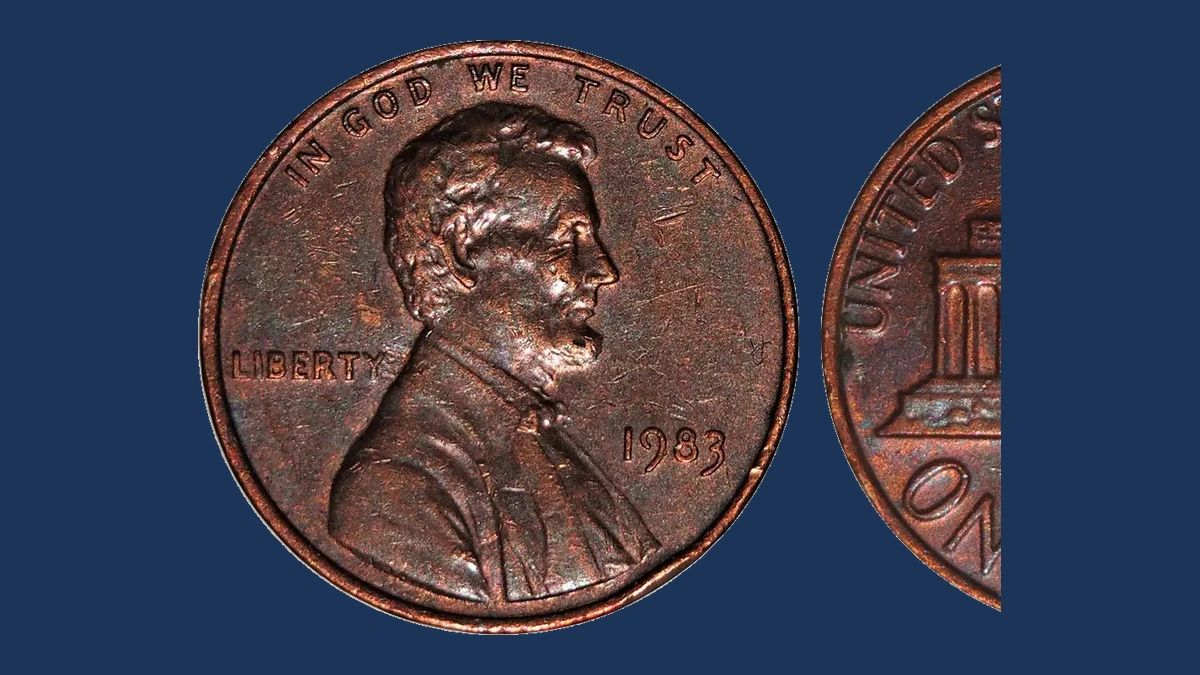
The color may look ordinary, but the weight can tell a different story. A recorded 1983 Philadelphia cent weighs 3.1 g because it was struck on a copper-alloy disc.
The Mint had changed normal cent metal to copper-plated zinc during 1982. A leftover or otherwise wrong copper-alloy disc could later receive the 1983 design.
A Denver example is also recorded. A separate 3.08 g Philadelphia coin combines copper-alloy metal with an area blocked by material during striking.
These examples should not all be assigned one exact metal recipe. Weight is a useful first clue, while proper metal testing establishes composition.
Estimated Value
The 3.1 g Philadelphia example sold for $4,800 in January 2020, graded NGC MS61 Red and Brown. An estimated $3,000–$20,000 range allows for mint, condition, and demand differences among confirmed copper-alloy errors.
The Denver and combined struck-through examples do not have separate verified sale amounts assigned here. The range is an estimate, not a claim that either sold for $20,000.
Professional confirmation is essential before applying these prices.
How to Identify
Weigh the coin first on an accurate scale. Around 3.1 g is a useful lead because an ordinary 1983 cent should be about 2.50 g.
Use calipers to check against the normal 19.05 mm diameter, and inspect the plain edge for added metal. Do not scratch the surface to look for zinc.
Examine the date and mint mark with a 10× magnifier. An altered date on an older copper cent can imitate the valuable mistake.
Metal testing should confirm the alloy without damaging the coin. Any claimed struck-through area also needs its own surface examination.
Set aside an unaltered 1983 coin near 3.1 g for professional metal testing rather than judging from copper color.
10. 1983 Lincoln Memorial Penny Doubled Dies (Estimated Up to $22,500)
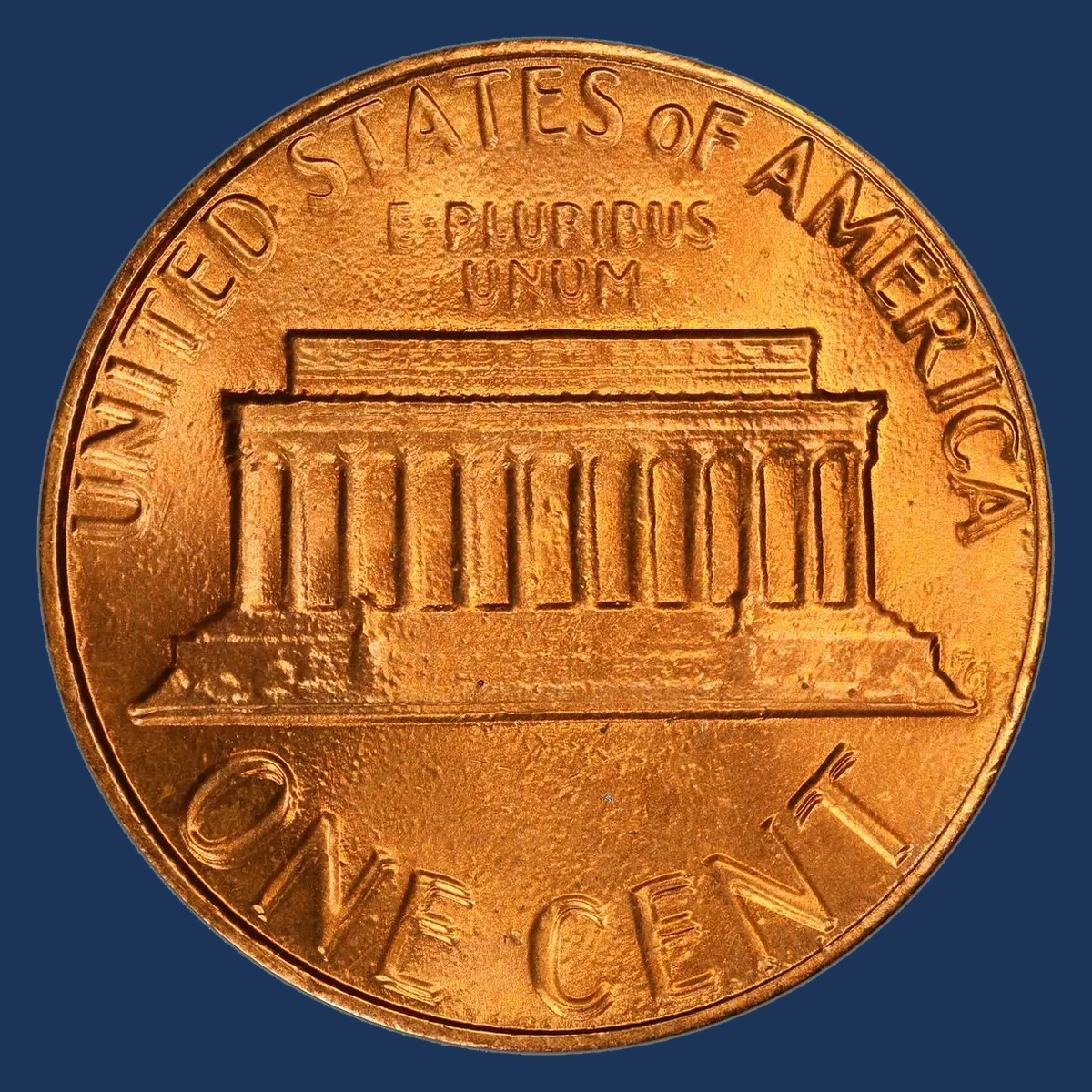
ONE CENT can look as though a second set of letters is rising behind the first. This strong back-side variety is one of the easiest 1983 errors to recognize.
It comes from a doubled die, a steel stamping tool made with a doubled design. Every coin from that tool repeats the same extra outlines.
Other 1983 varieties have weaker back lettering or front-side doubling in LIBERTY, the date, and the motto. A Denver example adds an outline below the ear.
Those smaller varieties are not all worth as much as the famous doubled back. Each needs its own exact match.
Estimated Value
Estimated values across these varieties run from $5–$22,500. Minor doubling occupies the low end; the highest prices concern exceptionally preserved examples of the bold doubled back.
GreatCollections records a PCGS MS68+ Red example sold for $21,937.50. That grade describes unusually fine preservation, far above a typical pocket-change find.
Most collectors need not pay that much. The exact variety, remaining red color, spots, and wear make large differences to the price.
How to Identify
Turn the coin over and read ONE CENT before checking the front. On the strongest Philadelphia variety, clearly separated outlines also appear in the motto above the Memorial.
A 10× magnifier helps follow the edges, although the boldest doubling is visible without one. Flat shelf-like edges from movement during the strike are different.
For a weaker front-side or Denver example, match the exact date, lettering, or ear feature in a confirmed photograph. Do not transfer the famous variety’s value to every thick letter.
The normal specifications remain 2.50 g and 19.05 mm, checked with a scale and calipers. Inspect the plain edge and copper coat for damage.
Follow two rounded design outlines at the same letters or feature shown on the confirmed variety.
Conclusion
The estimated $2–$22,500 range covers very different 1983 penny errors, from a tiny tool chip to an exceptional doubled-back coin. A high auction price does not apply to every similar-looking mark.
Check the back lettering, weigh possible copper-alloy pieces, and keep surfaces untouched. Matching the exact feature and confirming the metal where needed gives you a stronger basis for judging value.