1963 Penny Error List with Pictures

A small staple can matter more than a brilliant shine on a penny. Still embedded in a 1963 cent, one helped the coin bring $3,416 at auction in March 2026.
The 1963 penny errors below range from an estimated $2 to $4,000. Some involve missing metal, others repeat a letter or use a silver dime disc; read on to learn the visible difference.
1. 1963 Lincoln Memorial Penny BIE Chip (Estimated Up to $50)
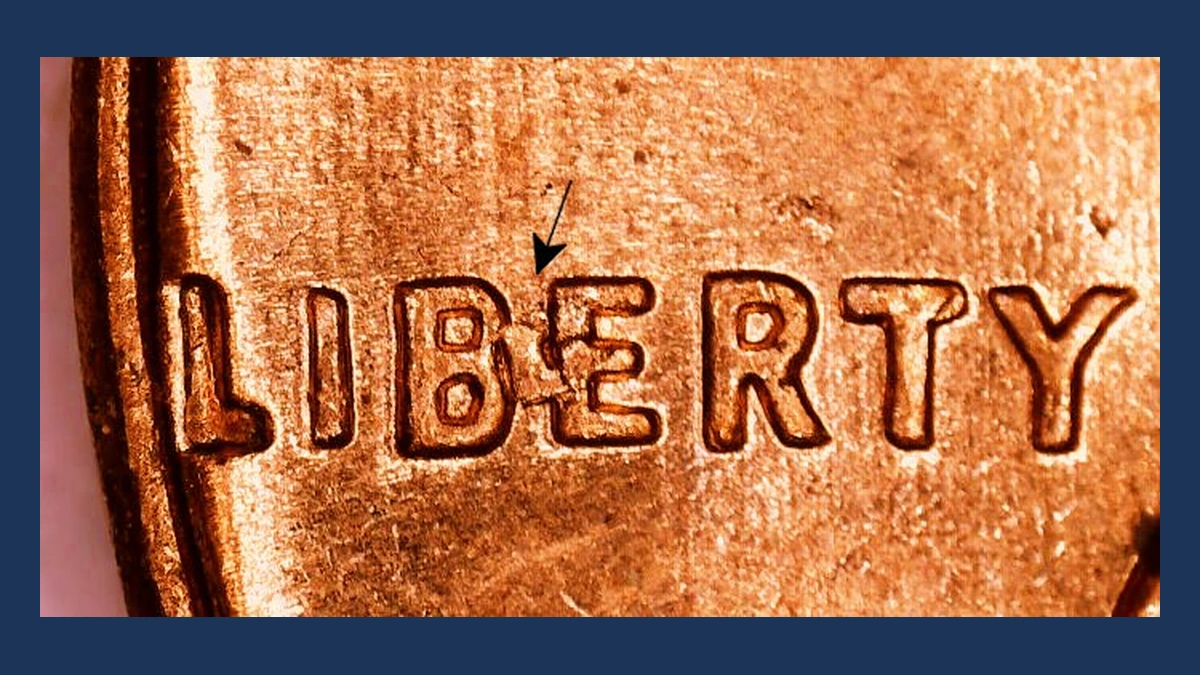
Read LIBERTY closely and a small vertical bump may seem to add another letter. The nickname BIE describes a raised chip between B and E.
It is not a spelling change. A small piece broke out of the die, the steel tool that stamps the coin, and metal entered the resulting gap.
The bump can vary in size as the tool continues to wear. A reported 1963 example needs that specific feature between the letters.
Because the break lies within the design, it differs from a large lump joined to the rim, known as a cud.
Estimated Value
A genuine 1963 BIE cent has an estimated value of $2–$50. The clearest upright shapes on clean, well-preserved coins generally attract more interest than tiny, indistinct chips on worn cents.
This range compares minor Lincoln cent chips; it is not a recorded sale for the individual 1963 report. Original color and a visible date help collectors judge the piece.
A dirt deposit or added metal between the letters should not receive the same premium.
How to Identify
Keep the light at a low angle while inspecting LIBERTY with a 10× magnifier. The suspected I should stand above the surface and connect naturally with the coin’s metal.
Check the nearby letters for scraping or pushed metal. A scratch can produce a raised lip that resembles a tiny bar from one viewing angle.
Weigh the coin against the usual 3.11 g, then use calipers to compare its diameter with 19.05 mm. Examine the plain edge for signs of squeezing or other alteration.
Do not dig at the space between B and E. Confirm a raised metal chip occupying that gap, rather than a cut line or loose material.
2. 1963 Lincoln Memorial Penny Repunched D Mintmarks (Estimated Up to $150)
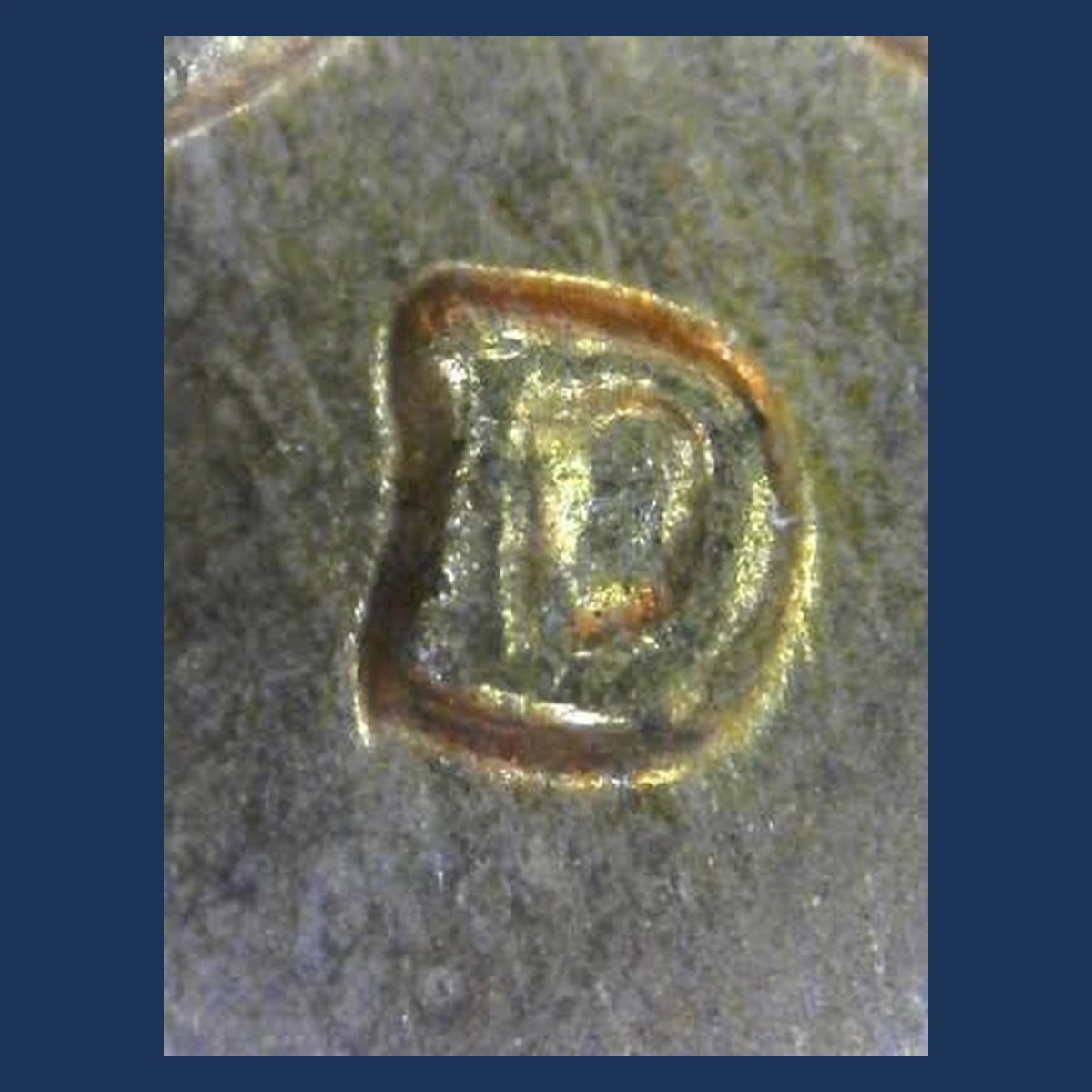
A short curve or upright beside the D below the date can be part of a second mintmark impression. Denver used stamping tools with mintmarks punched in by hand.
If the worker repeated the punch slightly out of place, both outlines could remain. Later coins then carried the same small extra feature.
Several 1963-D varieties are reported, including a D shifted left and another shifted upward. Their catalog numbers should not substitute for a close visual match.
A Philadelphia cent has no D and cannot belong to this group. A random bump beside a letter is not enough either.
Estimated Value
For a confirmed 1963-D repunched mintmark, estimate $3–$150. A distinct second curve is easier to recognize and usually more desirable than a faint mark requiring strong magnification.
The range covers several minor varieties rather than assigning one price to every catalog number. Surface condition and the strength of the extra impression remain important.
Coins from an original Mint Set still need the same variety check; their packaging alone does not establish a repunched D.
How to Identify
Locate the D directly beneath the date, then compare its outline with an ordinary Denver cent. With a 10× magnifier, follow any extra stroke around the letter.
For the left-shifted variety, check the left side; for the upward variety, examine the upper outline. Other reported varieties require their own comparison photographs rather than an assumed direction.
Flat ledges, tool wear, and small chips can imitate extra mintmark strokes. Look for recognizable parts of another D.
A scale and calipers should show about 3.11 g and 19.05 mm, and the plain edge should be free of manipulation. Match the extra stroke’s exact shape and position to the specific confirmed repunched mintmark.
3. 1963 Lincoln Memorial Penny Split-Before-Strike Disc (Estimated Up to $200)
A surprisingly light cent may show a weak design over rough-looking metal. Its original disc can split through its thickness before reaching the stamping press.
One separated layer may still receive the coin design. The result is a split-before-strike error, rather than half of a finished coin that peeled away later.
A recorded 1963 Philadelphia example weighs 1.6 g. That is close to half the normal cent weight.
The thin layer may not fill the stamping tools fully, leaving soft details. Weak detail alone, however, cannot distinguish this error from ordinary poor striking or heavy wear.
Estimated Value
Use an estimated $50–$200 for genuine 1963 split-before-strike cents comparable to the recorded thin example. Intact surfaces and a readable date make the error easier to understand.
A 1971-D split-before-strike cent weighing 1.6 g sold for $59 in June 2023. That later copper-alloy coin supplies a useful comparison, not a sale price for the 1963 piece.
A cent deliberately ground thin should be valued as damage rather than a split-disc error.
How to Identify
Begin with a scale: the usual weight is 3.11 g, while the recorded split example is 1.6 g. Calipers can compare thickness with a normal cent of the same design.
The standard diameter is 19.05 mm, but a thin disc can spread differently when struck. Its outline alone does not settle the question.
Inspect the rougher surface through a 10× magnifier. Look for original design impressed over exposed internal metal, and examine the plain edge for filing or grinding.
A coin that separated after striking can have a different pattern of surviving detail. Find design struck into the split surface together with substantial weight loss to identify separation before striking.
4. 1963 Lincoln Memorial Penny Off-Center Strikes (Estimated Up to $250)
A blank crescent beside Lincoln can show that the coin entered the press out of position. Part of the stamping tools then fell beyond the metal disc.
The struck design is incomplete, while the opposite area remains blank. This is an off-center strike.
Reports for 1963 include ordinary Philadelphia and Denver cents, with the actual mintmark checked on each coin. A clipped disc can also be struck off center, creating two separate visible faults.
Do not measure an irregular missing edge as the off-center percentage. Missing metal and misplaced design describe different things, even when they occur together.
Estimated Value
A readable-date 1963 off-center cent has an estimated value of $20–$250. Clear design loss, attractive surfaces, and an undamaged outline help a coin stand out.
A 1968-D example struck 60% off center, graded NGC MS62 Red and Brown, sold for $47 in July 2021. That nearby-year comparison shows that a large shift need not produce a huge price.
An additional genuine clip can change the value, but each feature must be identified separately.
How to Identify
Locate the date and, if present, the D before estimating the displacement. The surviving design should identify the year rather than relying on a seller’s description.
Look at both sides under a 10× magnifier. A genuine off-center strike should lose outer design beyond the disc and leave natural blank metal elsewhere.
If the outline also has a notch, study that boundary separately from the blank crescent. A clipped coin can retain a normally positioned design, so one feature does not prove the other.
Use a scale and calipers against 3.11 g and 19.05 mm, and inspect the plain edge. Follow the design beyond the metal’s edge to confirm actual off-center striking.
5. 1963 Lincoln Memorial Penny Ragged and Straight Clips (Estimated Up to $300)
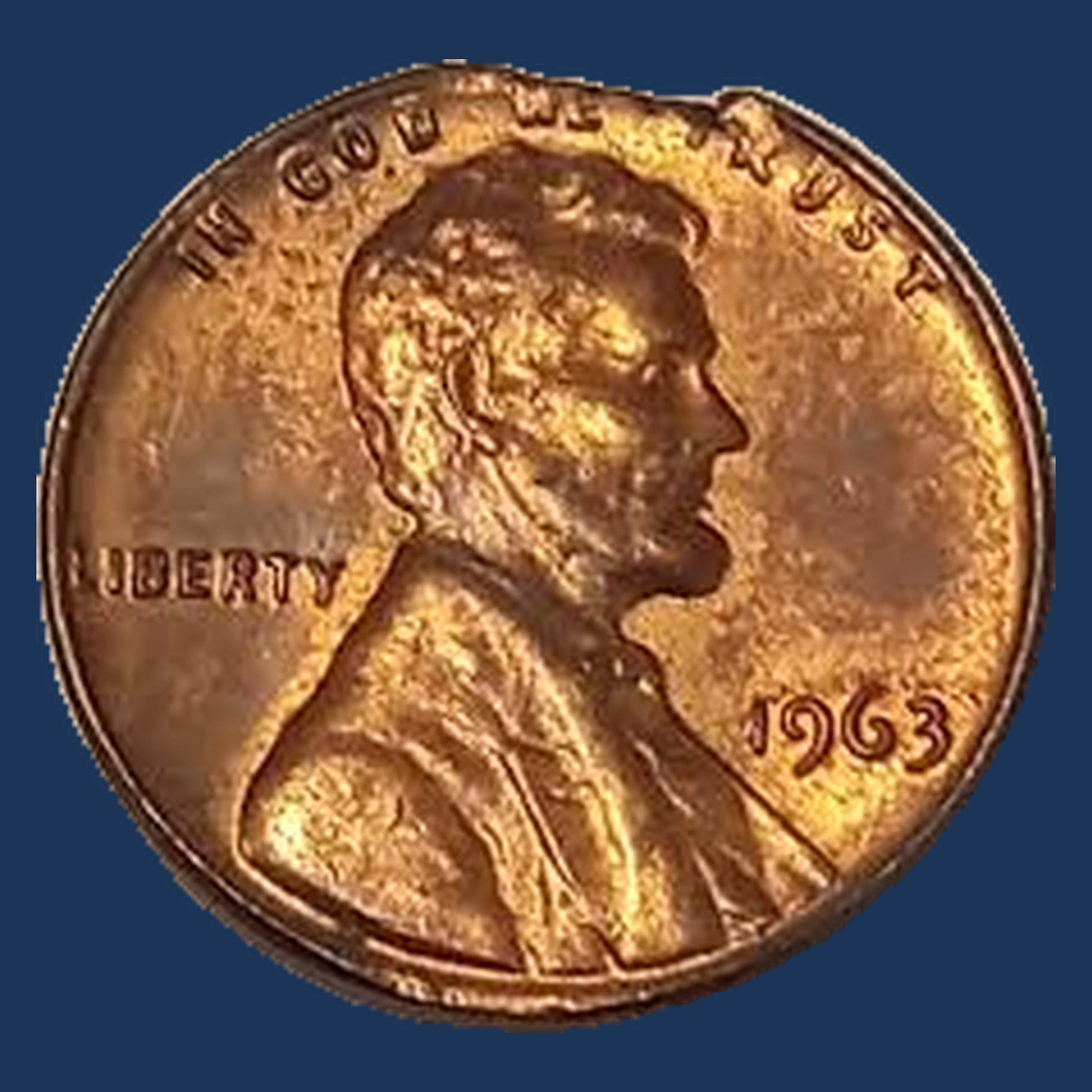
An uneven, broken-looking edge can come from an incomplete metal disc rather than later tearing. Such a defect is often called a ragged clip.
Recorded 1963 examples have different amounts missing, including about 4% and 10%. Their boundaries need separate inspection because they are not neat, matching arcs.
Another reported coin combines an 18% straight clip with a 15% off-center strike. Its flat missing side and misplaced design have different causes.
A rough boundary is not automatically a mint error. Cutting, corrosion, and later damage can also remove part of a cent’s original outline.
Estimated Value
Estimate $20–$150 for clear 1963 ragged or straight clips, and roughly $75–$300 for a convincing clip combined with off-center striking. These ranges describe estimated individual coin values.
For comparison, a 1967 cent with a 13% straight clip, graded PCGS MS63 Red, sold for $39 in July 2021. That result concerns a straight clip from another year, not the recorded 1963 ragged example.
An irregular edge alone does not justify the combination premium.
How to Identify
Study how the rim ends at the gap. A 10× magnifier can reveal fresh cut faces, repeated file marks, or sharp burrs left after minting.
For a ragged clip, check whether the surrounding design and metal flow fit an already incomplete disc. Its rough outline should not be judged only by how dramatic it looks.
A scale measures the loss from the normal 3.11 g. Calipers compare the surviving round section with the standard 19.05 mm diameter, while the remaining plain edge provides a useful damage check.
On the combined error, trace the shifted design separately. Confirm original striking around the missing edge before adding an off-center premium for design that also extends beyond the disc.
6. 1963 Lincoln Memorial Penny Hole in the Original Disc (Estimated Up to $400)
A hole through a penny may have formed in the metal before the coin was struck. A weak or defective area in the original disc can leave an opening.
A 1963 example is reported as a blow-hole defect and graded PCGS MS64 Red and Brown. The name describes a manufacturing flaw, not evidence that someone drilled the finished coin.
The surfaces around the opening are central to identification. A later hole may show circular cutting marks or sharp burrs.
Its MS64 Red and Brown grade means unworn, with some marks and mixed copper-red and brown color.
Estimated Value
A confirmed 1963 defective-disc hole has an estimated value of $50–$400. The opening’s size, clear mint-made boundaries, and overall preservation can affect what collectors pay.
This is an estimated range for copper-alloy Lincoln cents with genuine disc defects, rather than a verified result for the reported MS64 example. A well-preserved coin with an easily understood opening should compare better than a damaged piece.
A hole drilled or punched after minting does not earn this error premium.
How to Identify
Inspect the opening from both faces with a 10× magnifier before assigning any value. Look inside its walls without inserting a tool or scraping the surface.
Circular grooves, sharp cutting burrs, or a punched-out ridge suggest that the hole was made later. Original striking should explain how nearby metal and design meet the opening.
Use a scale to compare with the normal 3.11 g; missing material can reduce the weight. Calipers check against the ordinary 19.05 mm diameter, and the plain outer edge should also be examined for alteration.
A photograph from only one side may hide important damage. Confirm strike-formed boundaries on both faces and the hole walls before treating it as an original disc defect.
7. 1963 Lincoln Memorial Penny Doubled Dies (Estimated Up to $2,000)
An extra point inside the date’s 3 can identify the Denver FS-101 variety. Earlier examples may show another small trace along the lower curve.
That is one form of a doubled die: the repeated design was already on the stamping tool. Another Denver variety affects the eye and the T in TRUST instead.
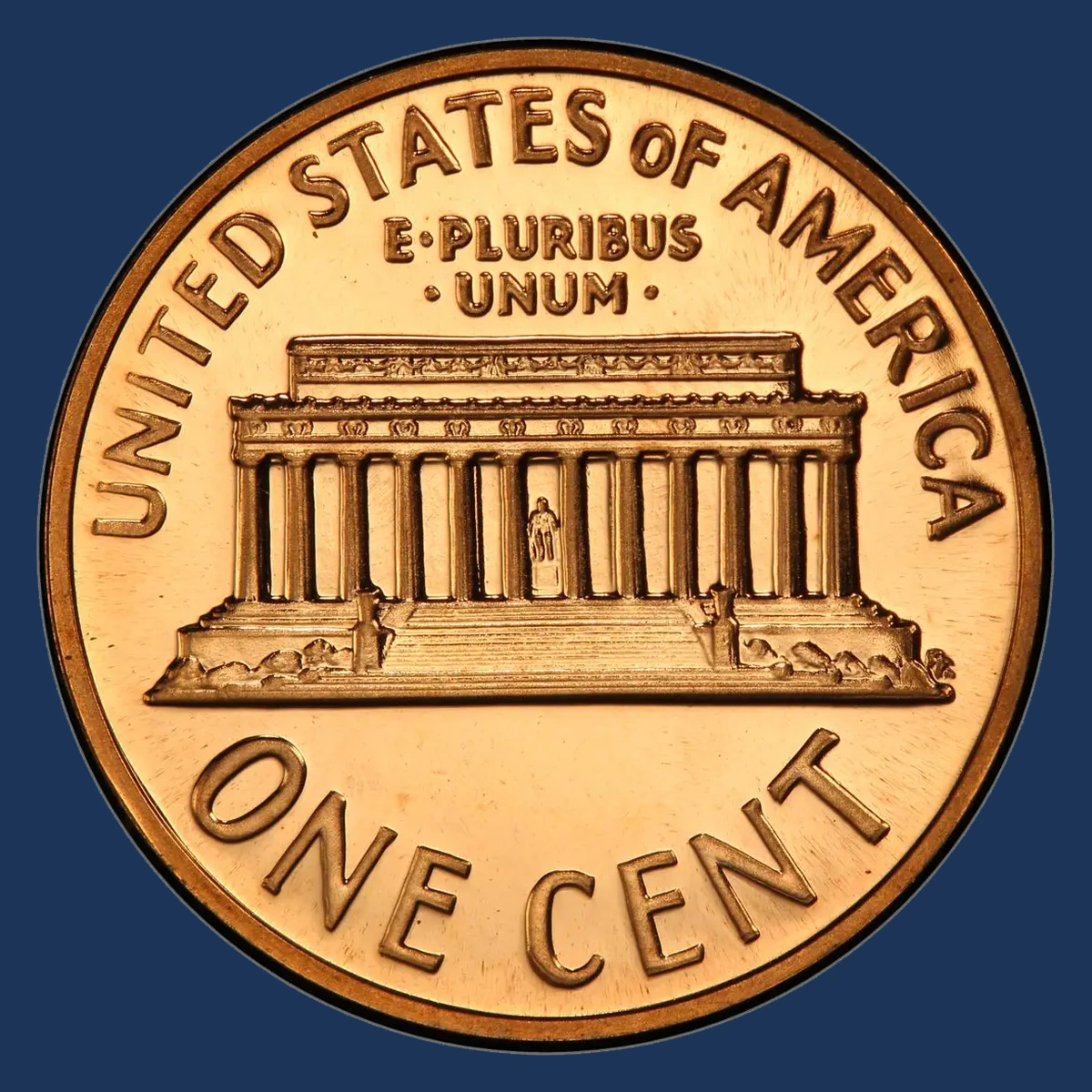
Philadelphia reports include front-side doubling and a distinct back-side variety on Proofs, specially made collector coins. The Proof variety affects lettering and the small FG initials beside the Memorial.
Each needs its own match. Similar catalog labels do not make their visible features interchangeable.
Estimated Value
Minor confirmed front-side varieties fit an estimated $5–$150 range. The 1963 Proof FS-801 back-side variety can bring roughly $100–$2,000, depending on preservation and the strength of the doubled design.
PCGS records a $1,260 May 2023 sale for a Proof graded PR67 Red. Its separate Denver FS-101 record lists $40 for an AU55 Brown coin in July 2011.
Neither result should be assigned to every other 1963 doubled-die report.
How to Identify
Separate ordinary coins from Proofs before choosing a comparison photograph. Philadelphia Proofs have no mintmark, just like Philadelphia circulation cents.
For Denver FS-101, inspect the center and lower curve of the 3 through a 10× magnifier. The other recorded Denver variety calls for a check of the eye and TRUST instead.
On a Proof FS-801 candidate, follow the back lettering and FG initials for matching extra raised strokes. Reflections and flat strike doubling can imitate separation in poor photographs.
Verify the normal 3.11 g and 19.05 mm with a scale and calipers, and check the plain edge. Match the correct mint, finish, and doubled detail together rather than identifying a variety from one thick-looking letter.
8. 1963 Lincoln Memorial Penny Silver Dime-Disc Errors (Estimated Up to $2,500)
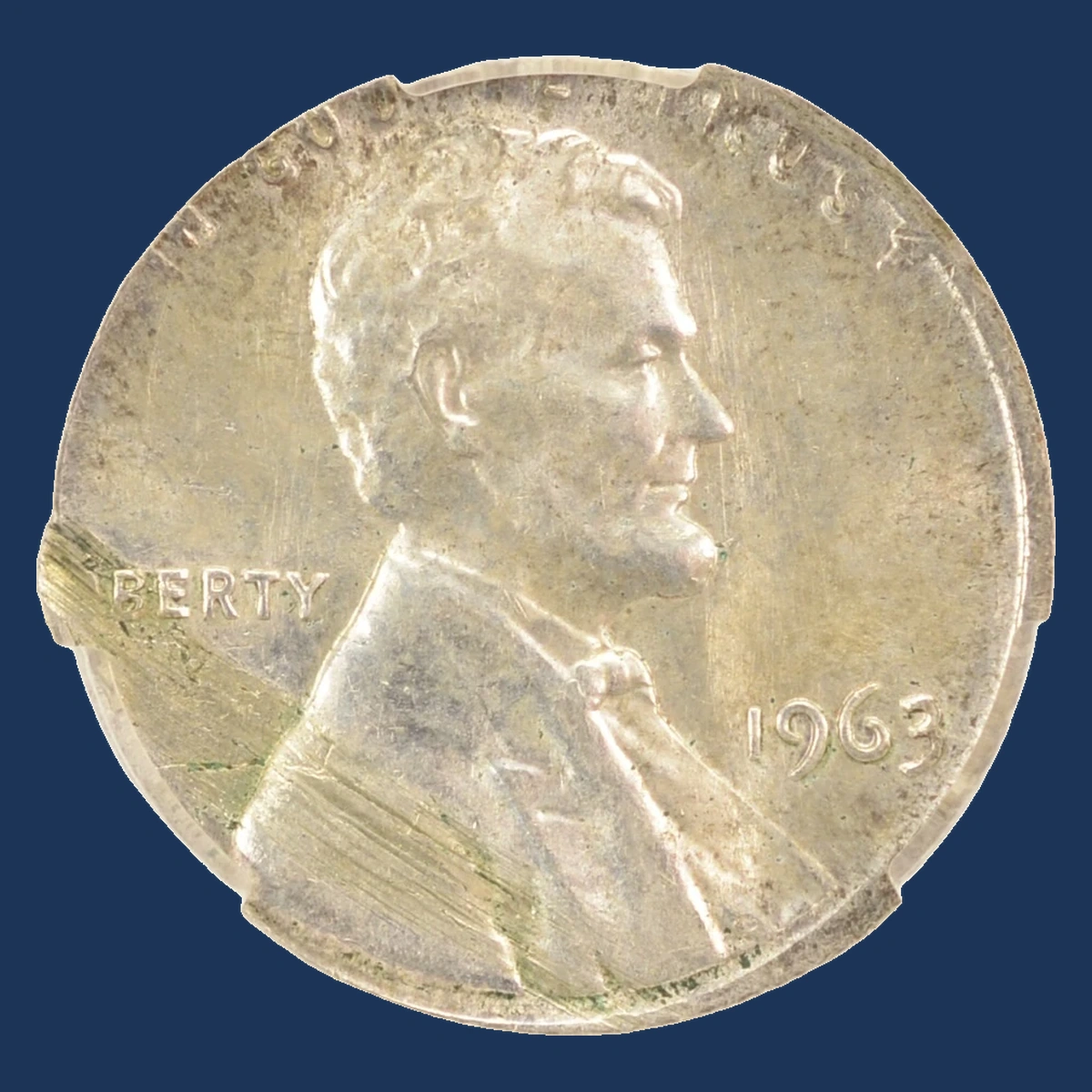
A silver-colored cent with crowded outer lettering may carry its design on a disc intended for a dime. In 1963, that dime disc normally contained 90% silver.
A recorded Denver example loses the top of IN GOD WE TRUST and has a weak L in LIBERTY. Philadelphia silver-disc examples are reported separately.
A claim using the word clad needs extra care. Clad means bonded metal layers, and normal United States clad dimes began in 1965.
That later-metal label does not by itself establish an earlier 1963 error. Plating an ordinary cent can also produce a misleading silver appearance.
Estimated Value
The certified 1963-D silver dime-disc cent graded PCGS MS62 sold for $990 in May 2022. Comparable genuine 1963 silver-disc cents have an estimated range of $500–$2,500.
The price depends on preservation, readable design, and secure identification of the smaller silver disc. It does not apply merely because a penny looks white.
For a candidate described as clad, this range is only a wrong-disc comparison until its actual metal and date are authenticated.
How to Identify
Check the weight before relying on color. A standard cent weighs 3.11 g, while the silver dime disc of this period is about 2.50 g.
Use calipers to compare the cent’s normal 19.05 mm diameter with the dime disc’s original 17.91 mm. Pressure during striking can change the final outline.
Under a 10× magnifier, examine the outer lettering and plain edge for added coating or altered surfaces. A solid silver-alloy disc should not be confused with later copper-centered, bonded-layer metal.
Do not cut or scratch the coin to expose its composition. Confirm the smaller disc’s weight and silver content, and require independent authentication before accepting a claimed later-metal 1963 example.
9. 1963 Lincoln Memorial Penny Struck-Through Errors (Estimated Up to $4,000)
A staple embedded in a coin is a striking clue. The press can force a foreign object into the surface when it lies between a disc and a stamping tool.
The object sometimes stays attached, making a retained struck-through error. A 1963 Philadelphia example has a small staple on its back.
Another recorded 1963-D cent has a struck-through area affecting the N in ONE. That coin also has the FS-101 doubled 3 on its front.
The two faults on the Denver coin formed differently. Its repeated digit came from the tool, while the missing back detail came from an obstruction.
Estimated Value
A small identified strike-through without retained material has an estimated range of $20–$150. An attractive retained staple can bring roughly $1,000–$4,000 because the object makes the error especially clear.
The 1963 Philadelphia staple example, graded NGC MS62 Red and Brown, sold for $3,416 in March 2026 at Heritage.
That result does not price the separate Denver N impression, even though that coin also has a doubled-die variety.
How to Identify
Leave any attached object untouched. Removing a staple destroys the very feature that helps explain a retained strike-through.
Use a 10× magnifier to examine where the metal surrounds the object. Glue, fresh punctures, and scratches can reveal something attached after the coin left the Mint.
On the Denver example, inspect the N in ONE separately from the extra 3 on the front. A soft letter caused by wear is not automatically a strike-through.
A normal cent is 3.11 g and 19.05 mm; use a scale and calipers, allowing for an attached object’s added weight, and inspect the plain edge. Look for coin metal struck around the retained object or an original obstruction-shaped interruption of the design.
Conclusion
Estimated values of $2–$4,000 reflect very different 1963 errors, from a small BIE chip to a retained staple. The largest price belongs to a specific, recognizable feature—not simply an unusual-looking penny.
Compare ordinary and Proof coins separately, check weight when metal is missing or looks different, and keep clips distinct from off-center designs. Clear photographs and an undamaged coin make those comparisons far easier.