1938 Penny Error List with Pictures

A silver dime blank stretched to penny size when it received Lincoln’s design in 1938. The resulting San Francisco cent sold for $10,200 in August 2025, even though it had seen circulation.
This 1938 penny error list also includes much smaller discoveries, from an extra eyelid to an overlapping mintmark. Estimated prices span $3–$15,000.
Start with the feature you can see and follow its particular checks below.
1. 1938 Lincoln Penny Lamination (Estimated Up to $300)
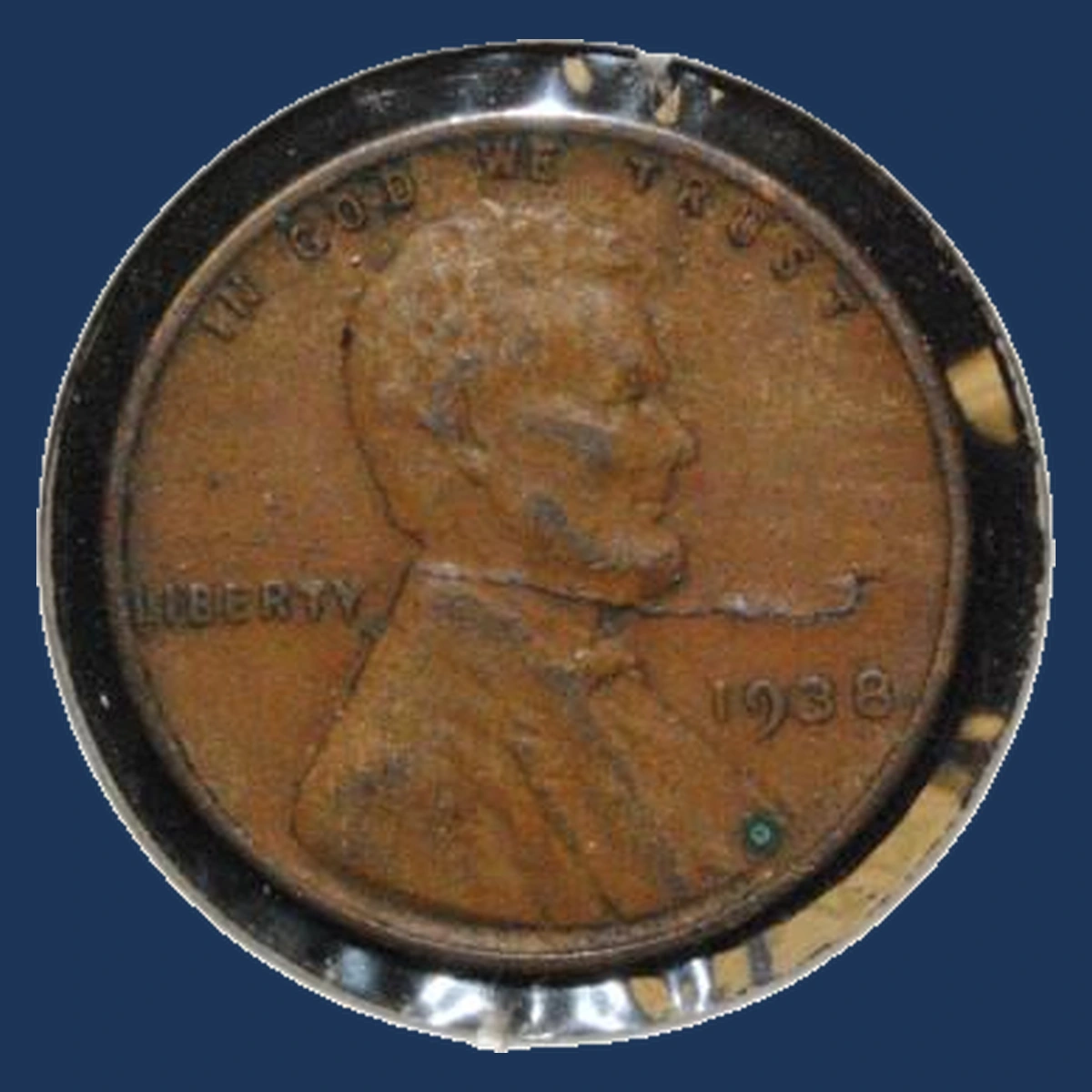
Part of a penny’s surface can separate along a weak layer inside its metal. The defect, called lamination, can leave a flap or a rough patch where the layer has gone.
A certified Philadelphia 1938 example shows this failure on the back. PCGS graded it MS64 Red, meaning an unworn coin with some marks and surviving red copper color.
Its copper-rich alloy is solid, rather than a thin coating over zinc. The exposed layer therefore does not reveal the zinc center found in much later cents.
Peeling is an individual blank defect, so its outline need not repeat.
Estimated Value
For genuine 1938 laminations, estimate $5–$300, allowing for size, clarity, and surface condition. An attached layer can provide more visible evidence than a small rough spot.
A 1941-S retained back lamination graded PCGS MS66 Red sold for $69 in April 2020. It offers a nearby-year comparison for an unworn penny.
That amount is not a transaction for the 1938 MS64 Red example. Its own appearance and preservation should determine which comparison is useful.
How to Identify
First locate the layer’s boundary on the back under a low lamp. A 10× magnifier can show a seam where a thin sheet separates from the solid metal beneath it.
Avoid lifting or pressing the layer. Instead, follow a letter into the affected patch to see whether metal separated naturally or a later tool cut across the finished surface.
Check accessible weight against 3.11 grams, and use calipers on sound areas against the ordinary 19.05-millimeter width. Missing metal may lower weight, while an attached flap can leave it close to normal.
If the separation reaches the plain edge, photograph that opening too. Keep the coin supported so a fragile layer does not catch on the measuring tools.
2. 1938 Lincoln Penny Clipped Blank (Estimated Up to $400)
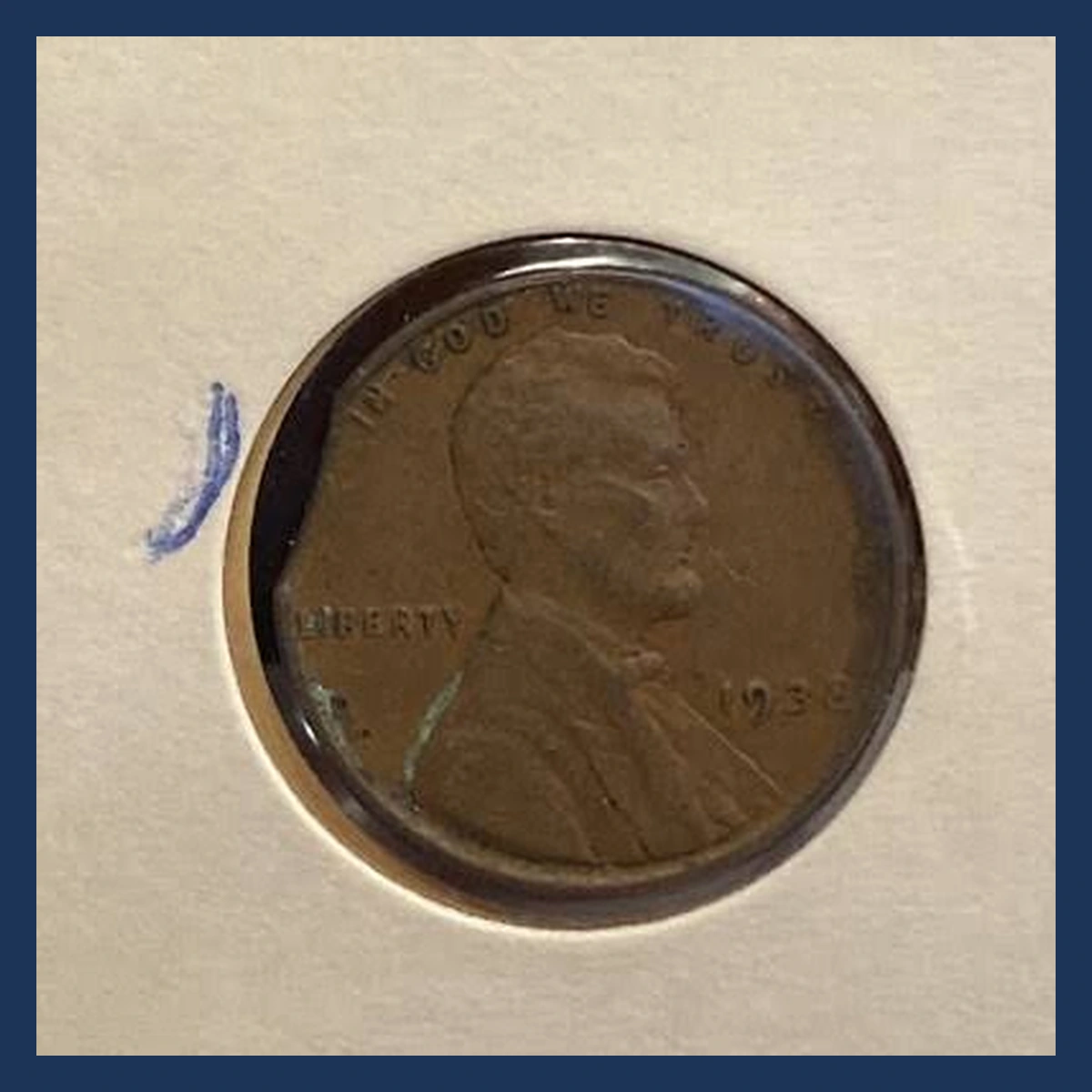
A gap in the edge can exist before Lincoln’s portrait reaches the metal. An incomplete blank passes into the press, which stamps only the copper that remains.
A Philadelphia 1938 example is recorded as a clipped planchet. Planchet is another name for the prepared blank.
Its PCGS MS64 Red and Brown grade describes an unworn coin with some marks and a mixture of red and brown copper color. The record does not specify one percentage for every example.
A later cut can imitate a missing segment, so the rim beside the gap carries useful evidence.
Estimated Value
Estimate $15–$400 for genuine 1938 clips of different size and preservation. A readable date and a natural edge make a better comparison than a damaged gap.
A 1939 clipped cent graded MS64 Brown brought $180 in January 2023. That nearby-year result gives context without assigning a sale amount to the recorded 1938 coin.
The estimated range prices the whole penny. It does not assume the two examples have identical shapes or missing percentages.
How to Identify
Compare the gap with the rim on either side before weighing the coin. Under a 10× magnifier, look for striking that formed beside already-missing metal rather than a cut through completed detail.
Check the opposite rim for local weakness, which can support a clip but is not present equally on all examples. Saw marks or fresh burrs around the gap instead require scrutiny.
A scale records how the weight compares with the normal 3.11 grams. Use calipers across an intact span to compare with 19.05 millimeters, and photograph the surviving plain edge.
Do not assign a percentage from a similar picture: the recorded 1938 coin needs its own outline assessed.
3. 1938 Lincoln Penny Broadstrike (Estimated Up to $500)
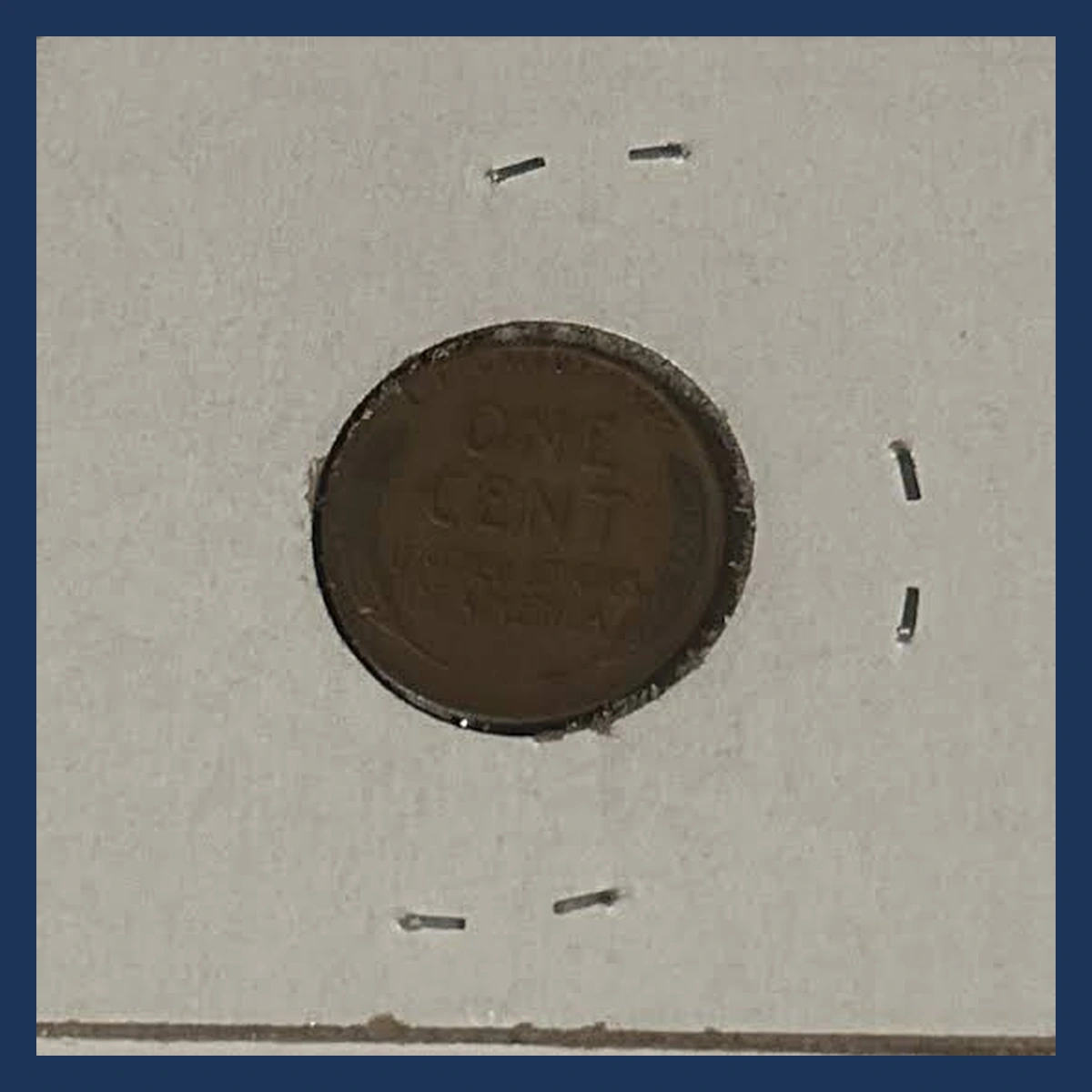
The metal can spread wider than usual when the collar fails to contain it. The collar is the ring around the blank during striking.
A broadstrike keeps the intended design on the available metal, even if the surrounding margin is uneven. That differs from an off-center strike, where part of the design misses the blank.
A 1938 year guide reports an MS60 example. That grade means unworn but with substantial marks or other limits to its appearance.
The reported grade does not establish its mint or an exact width. Those details need to come from the individual coin.
Estimated Value
For a genuine 1938 broadstrike, estimate $25–$500. The amount of natural spread and the quality of the surfaces help select a comparison within that range.
A 1920 broadstrike graded NGC MS62 Brown sold for $119 in March 2026. It provides a Wheat-cent comparison, not a transaction for the reported 1938 MS60 example.
Hammering can also enlarge a penny. That later damage does not carry the same value as an original broadstrike.
How to Identify
Use calipers to compare several spans with a normal cent’s 19.05-millimeter diameter. Weigh the coin against 3.11 grams: spreading the blank does not add metal.
Then trace every outer letter on both faces. An uneven border can still be a broadstrike if the complete design remains present, while missing lettering beyond the metal suggests displacement.
Inspect the widened rim and plain edge at 10× for hammer blows or a seam from an added ring. A later impact may flatten already finished letters as it widens the coin, so follow those letters into the expanded area rather than deciding from size alone.
4. 1938 Lincoln Penny BIE Chips and Rim Cuds (Estimated Up to $500)
A raised bar between B and E can make LIBERTY seem to contain an extra I. Collectors call the small tool chip that produces this appearance a BIE.
A larger piece breaking from the tool at its edge leaves a rim-connected patch called a cud. Copper fills the space left by the missing tool metal.
Both forms are reported for 1938. The general cud report does not establish one face, mint, or clock position for every example.
The shape and location must identify the actual feature. A dent that pushes copper onto the rim has a different origin.
Estimated Value
Small BIE chips fit an estimated $3–$40. Larger genuine rim cuds can range around $40–$500, depending on size and how clearly the normal design is replaced.
For context, a 1946-S major break brought $288 in March 2021. That later-year comparison concerns a substantial tool failure, not a small letter chip.
Use the coin’s actual patch to choose a comparison. More dramatic wording in a listing does not make a tiny bump a large cud.
How to Identify
Read LIBERTY across the feature. A BIE requires a raised mark between B and E; a lump elsewhere needs another description.
For a suspected cud, move to the rim and look for a continuous raised patch that replaces ordinary design. Check the plain edge beside it for squeezing, solder, or another later alteration.
A scale and calipers compare an accessible coin with 3.11 grams and 19.05 millimeters. Those measurements cannot determine where a tool broke.
At 10×, use angled light to separate raised metal from a scratch. If design survives inside a shifted section, compare a retained tool break rather than assuming the entire tool piece fell away.
5. 1938 Lincoln Penny Repunched Mintmark (Estimated Up to $750)
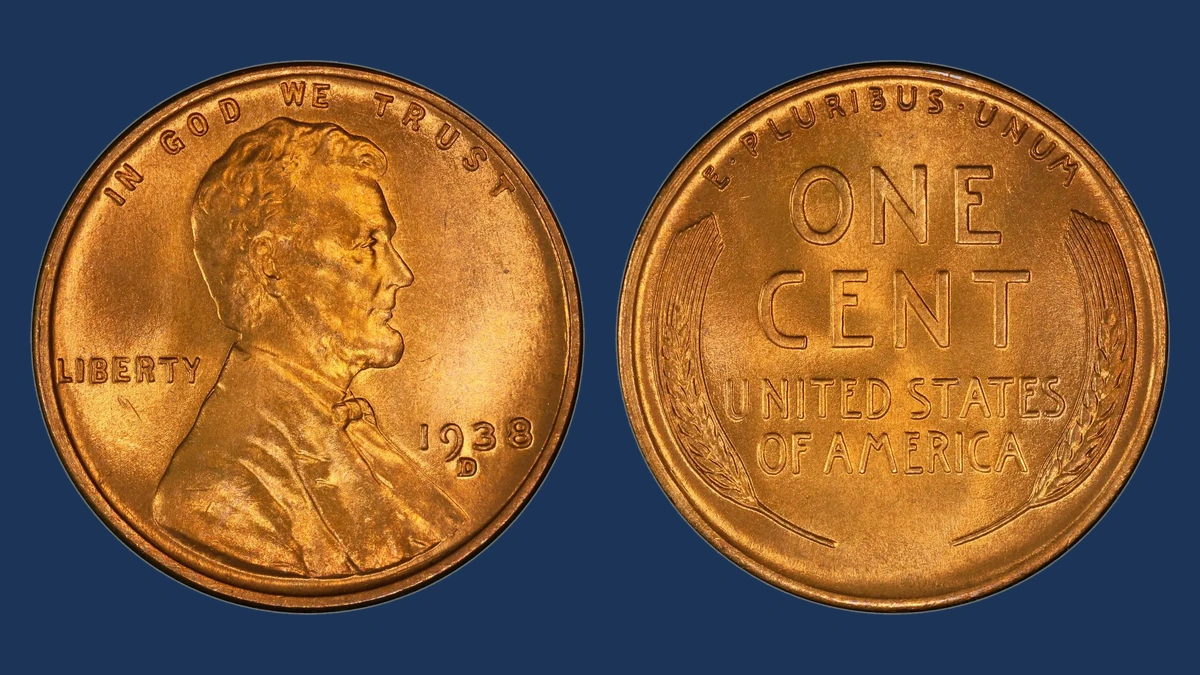
Several Denver varieties show extra D detail toward the left, while others shift it downward or tilt it. These outlines came from repeated hand punches into the steel stamping tool.
San Francisco has different repeated-S patterns. One has extra traces toward the left and upper left from three punch positions.
The tool copied those outlines onto later coins. Three mintmark punch positions do not mean a coin received three strikes.
Some mintmark varieties also have a doubled back design or changing cracks. Those extra features depend on the particular tool pairing and its wear.
Estimated Value
Use an estimated $5–$750 across modest repunches and stronger, well-preserved named examples. The exact overlapping letter and the coin’s condition determine the most useful comparison.
This range draws on collectible Wheat-cent mintmark varieties rather than a separate transaction for every 1938 catalog number. A faint worn trace belongs far below an attractive example with clear extra curves.
If the same penny also has a doubled back, value its complete combination once rather than adding two maximum estimates.
How to Identify
Denver has several leftward D overlaps, so direction alone will not choose the variety. Keep the date upright and compare the D’s position beneath it before studying the smaller curves at 10×.
For the downward patterns, also compare how low the main D sits and how much earlier detail survives. Tool wear can remove part of a previously clear outline.
On San Francisco coins, select an S comparison instead: an upward S and a three-position leftward pattern are different shapes. Check the plain edge and the mintmark’s base for alteration.
When the coin is accessible, use a scale and calipers to compare it with the usual 3.11 grams and 19.05 millimeters.
6. 1938 Lincoln Penny Doubled Die (Estimated Up to $1,500)
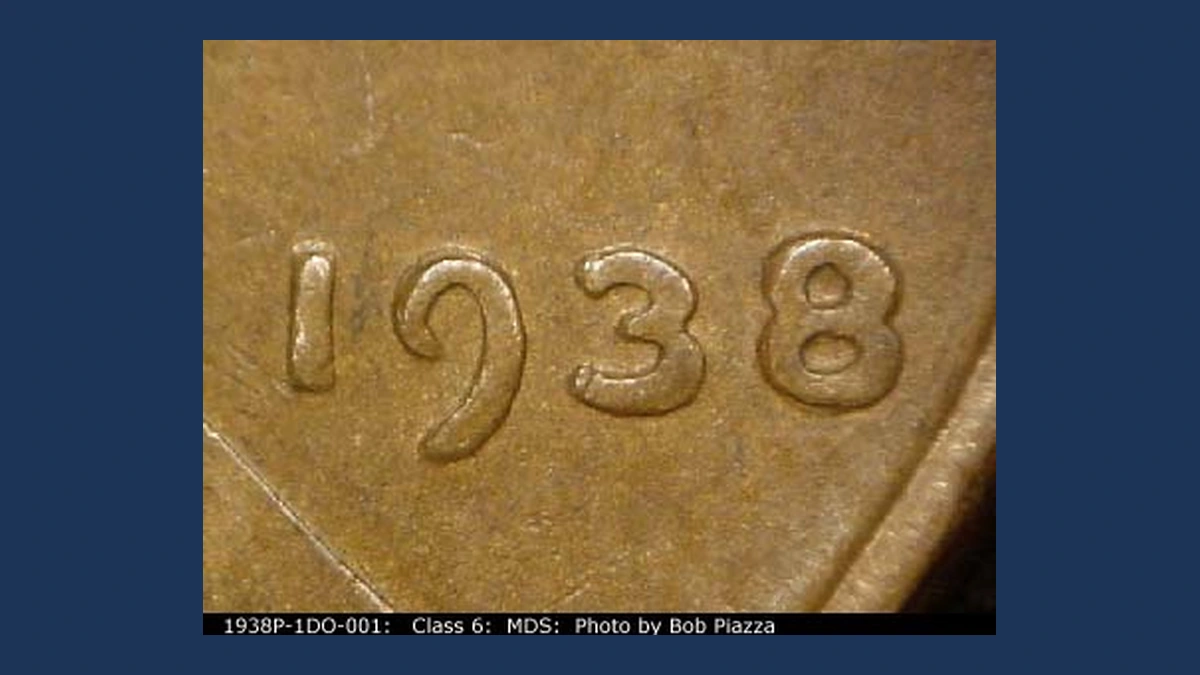
An extra eyelid can appear above or below Lincoln’s normal eyelid, depending on the variety. These repeated shapes began in the die, the steel tool carrying the design.
A doubled die passes its altered design to coins without striking each penny twice. Some back varieties instead thicken the motto and Wheat details.
Philadelphia also has Proof varieties, on specially made collector coins. One Proof back shows strong thickening and inward separation along the left Wheat ear.
Those Proof details differ from the circulation varieties. A small raised tool mark on the nose is not automatically another eyelid.
Estimated Value
For minor matched circulation varieties, estimate $5–$300. Well-preserved Proof examples can fit roughly $100–$1,500, with the original collector finish contributing much of the whole-coin value.
A different 1936 doubled-front cent graded MS63 Brown sold for $70 in June 2024. It is an unworn later-year comparison for a modest named variety.
The 1938 front, back, and Proof forms need separate matches; a thick letter alone does not justify the upper estimate.
How to Identify
Choose the affected face first. For Philadelphia’s eyelid varieties, compare whether the extra line lies above or below the main eyelid; another pattern has two extra lines.
A 10× magnifier and side lighting help separate those raised shapes from shadows. Denver’s extra-eye variety needs its own reference rather than a Philadelphia number.
Turn to the back for thickened motto and Wheat details. On a Proof candidate, establish its special finish separately before using a Proof-variety photograph.
Normal measurements are about 3.11 grams on a scale and 19.05 millimeters with calipers, with a plain edge. Those checks cannot name the doubled tool.
Match more than one photographed detail before choosing a catalog number, especially where several varieties have similarly thick letters.
7. 1938 Lincoln Penny Off-Center Strike (Estimated Up to $1,500)
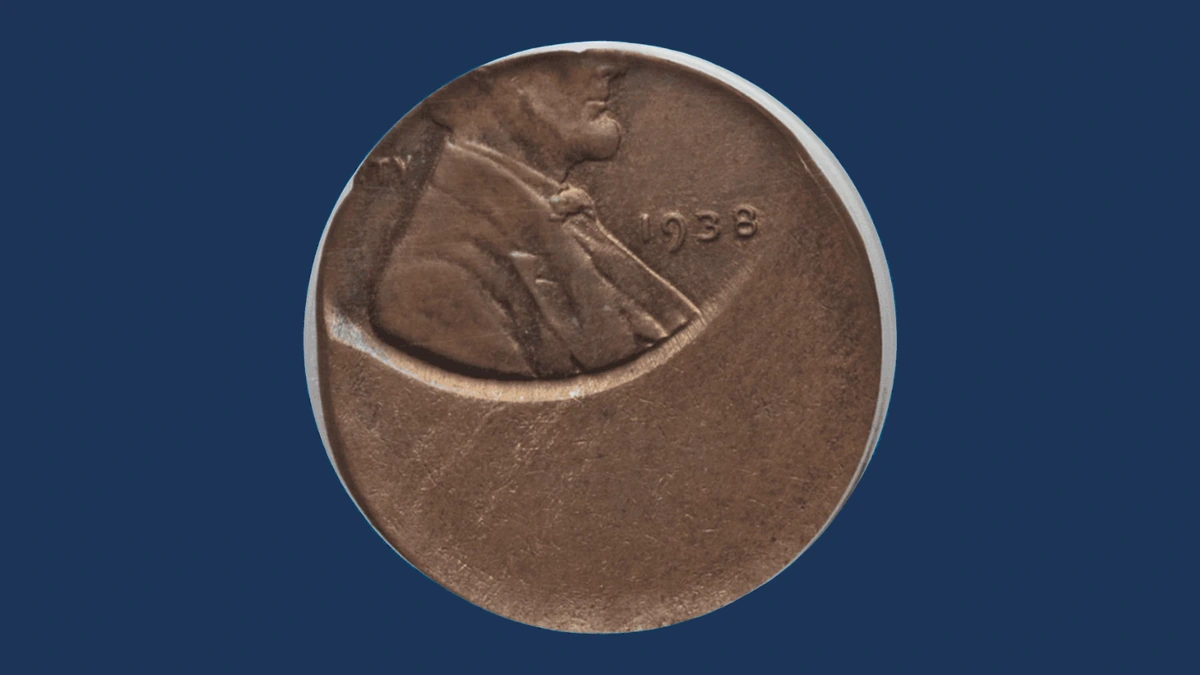
An off-center penny combines an incomplete design with a plain area that never received the intended image. The blank was displaced when the press closed.
The 1938 records include separate Philadelphia examples described as 20% and 50% off center. Their grades are MS62 Brown and MS64 Brown, respectively.
Both grades describe unworn coins, with MS64 generally showing fewer marks. Neither coin’s percentage supplies the direction of the other’s shift.
A large blank crescent is not missing metal. If the entire intended design remains within an expanded outline, the coin may instead be a broadstrike.
Estimated Value
Estimate $30–$1,500 for genuine dated off-center 1938 cents, allowing for the degree of displacement and preservation. A stronger shape with a readable year can offer more collector appeal.
A 1950-D 35% off-center cent sold for $192 in October 2021. That same-series comparison does not establish a sale for either reported 1938 coin.
Compare the complete date and original surfaces before applying an upper estimate; a ground or damaged crescent is a different condition.
How to Identify
Find the date within the shifted design before assigning the coin to 1938. A large displacement can leave less room for the digits even when much blank metal remains.
Photograph both faces at the same scale. Their cut-off designs should agree with one blank misplaced beneath the tools, rather than only one face being shifted.
An intact blank should remain near 3.11 grams on a scale. Record the altered outline with calipers against the usual 19.05-millimeter width instead of assuming every span must still be normal.
Inspect the plain crescent and edge through a 10× magnifier. Grinding that removes finished detail leaves surface disturbance; it does not recreate an area never struck by the design.
8. 1938 Lincoln Penny Double Strike (Estimated Up to $3,500)
One penny can carry two different design positions when it fails to leave the press correctly. Its movement between blows determines how much of the second impression survives.
A 1938 Philadelphia example is cataloged with its second strike 75% off center. It has an NGC MS63 Red and Brown grade, describing an unworn coin with marks and partly red copper color.
Only part of the second design can fit onto the metal at that displacement. The later impression must still form a recognizable group of details.
A single extra eyelid does not explain such widely moved design positions.
Estimated Value
For genuine 1938 double strikes, use an estimated $200–$3,500. The clarity of the overlapping designs, readable date, and original surface matter alongside how far the coin moved.
A 1916 double strike with an off-center second blow sold for $600 in October 2022. It gives a same-series comparison for an unworn striking error.
That sale does not establish a realized amount for the cataloged 1938 example, whose own overlapping design and condition need comparison.
How to Identify
Mark the first design center on a copy of a full photograph. Then trace a second group of letters or portrait details that can fit another center.
At 10×, examine the overlap to see where the later blow flattened the first impression. Random dents and ridges do not necessarily form a second design.
For the cataloged example, compare that second impression with the stated 75% displacement. Do not read it as 75% missing blank metal.
Check the plain edge for later pressing or joins, and record accessible weight with a scale against 3.11 grams. Calipers can compare the changed outline with 19.05 millimeters while full-face photographs preserve how the two impressions relate.
9. 1938 Lincoln Penny Struck on a Silver Dime Blank (Estimated Up to $15,000)
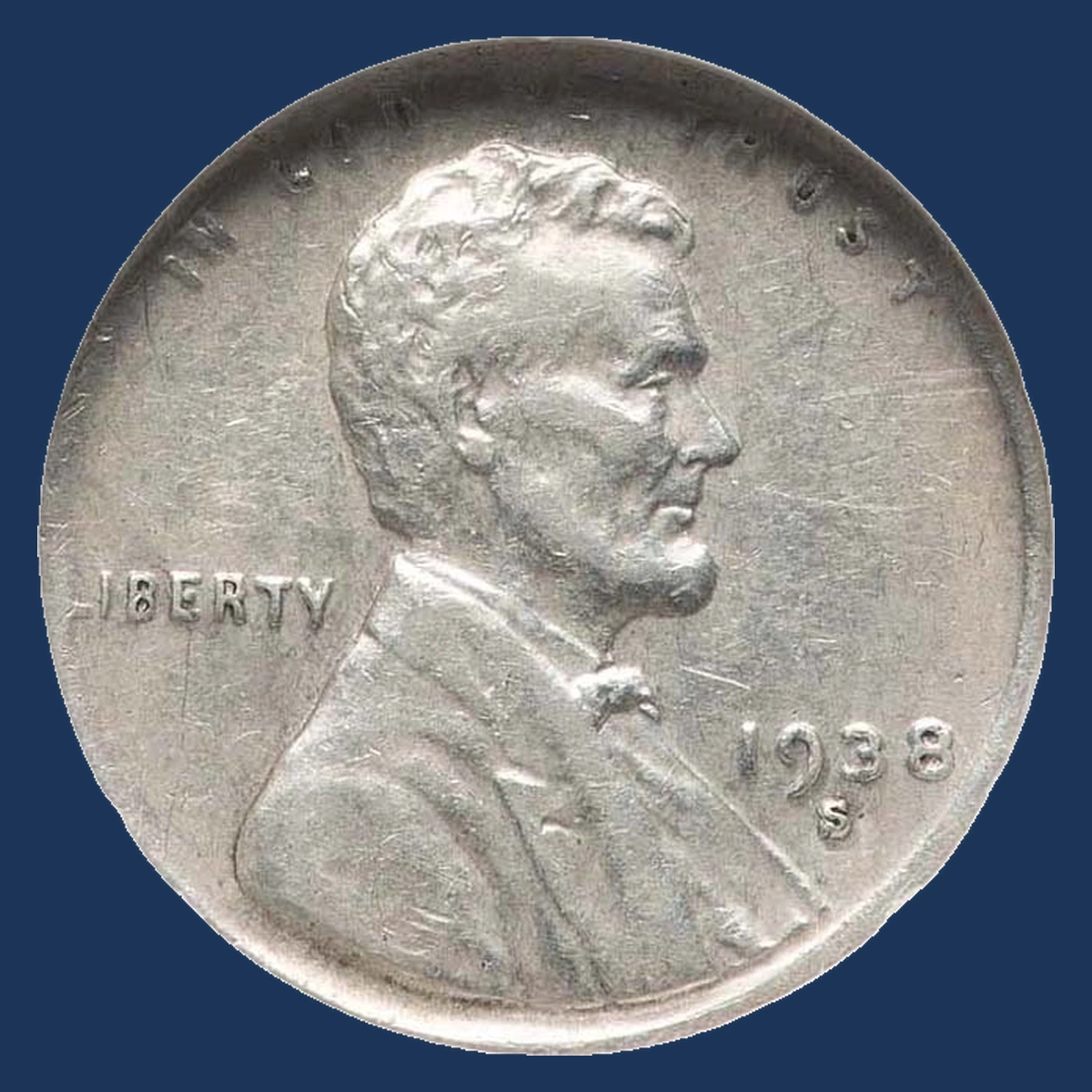
A dime blank reached the cent press at San Francisco and received Lincoln’s design. The blank was 90% silver, unlike the copper-rich metal normally used for pennies.
The resulting 1938-S coin weighs 2.5 grams. Its small starting blank spread during striking to about the width of a regular cent.
The date, S, and right Wheat lines are relatively clear where the coin met the surrounding ring. Other rim areas are softer, and the upper motto spreads outward.
NGC graded it XF45, meaning noticeable circulation wear with much detail remaining. The unusual metal makes this more than a worn ordinary penny.
Estimated Value
The NGC XF45 silver-blank cent sold for $10,200 on August 28, 2025. It is a direct 1938-S result rather than a price borrowed from a later copper cent.
Estimate $5,000–$15,000 for a comparable authenticated example, with preservation and the exact coin guiding the comparison. This rare type has much stronger appeal than a penny coated to look silver.
A light weight alone does not establish that value.
How to Identify
Weigh an accessible candidate on a precise scale. The recorded example is 2.5 grams, compared with 3.11 grams for a normal copper-alloy cent.
Use calipers to measure width, but do not reject it solely for approaching the normal 19.05 millimeters. The documented silver blank expanded during striking.
A 10× magnifier can reveal plating or filing along the plain edge. Professional metal testing can distinguish the silver alloy without scratching the surface.
Check the date and S beside the clearer lower-right rim area. A coated normal cent or an altered date needs a different explanation, even when its color looks convincing.
Conclusion
A silver color, broad outline, and thick letter each call for a different check. The 1938-S silver example is especially useful: a dime blank can spread to cent size while keeping its lighter weight.
Estimated values range from $3 to $15,000, with the $10,200 sale showing one rare, identified coin. Match the actual mint and feature, and compare whole-coin condition before choosing a price.