1907 Penny Error List with Pictures

A penny struck twice can preserve two overlapping portraits even after years of wear. One 1907 Indian Head cent with that error sold for $1,265 in January 2012.
This 1907 penny error list also covers misplaced numbers, spreading edges, and coins struck twice. Estimated whole-coin prices range from $5 to $5,000, including separate specially made Proof examples.
Follow the visible clues below to see what happened to the metal or the tools that shaped it.
1. 1907 Indian Head Penny Marks from Rusted Dies
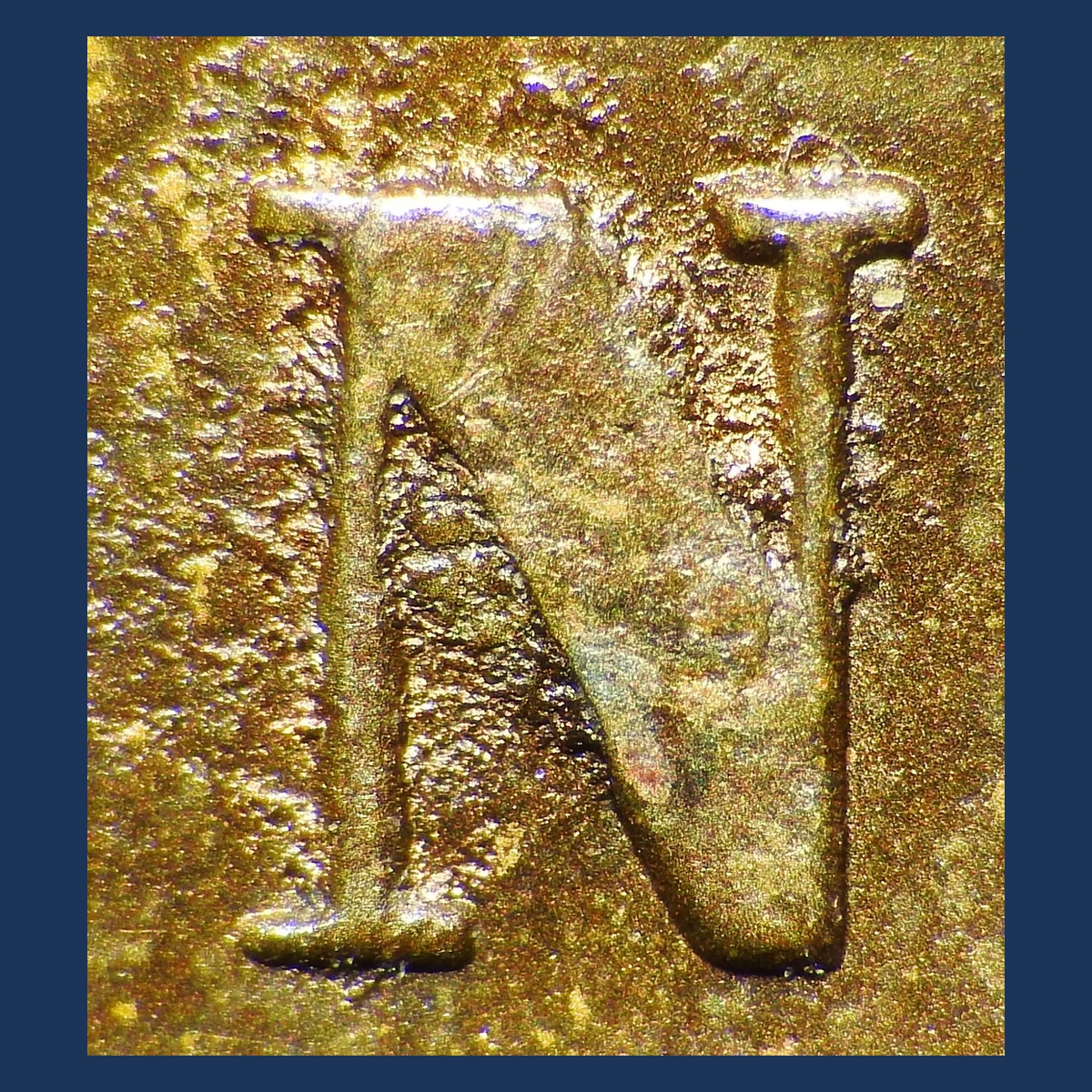
Tiny raised bumps around the N in CENT can come from rust on the steel stamping tool. Collectors call that tool a die.
Rust pits in the tool can fill with metal during striking, leaving roughness that stands above the penny’s surface. This differs from corrosion eating into a finished coin.
The catalog also records separate rust patterns beside the shield, including within the upper-left wreath. Those marks occur with particular repeated-date varieties.
The location and texture matter together. Rough metal anywhere on a 1907 cent does not automatically identify the same rusted tool.
Estimated Value
Estimate $5–$150 for ordinary examples with clearly matched rusted-tool marks. Wear and the coin’s remaining surface quality may explain much of that whole-coin price.
A repeated-date variety can accompany the roughness, so compare the complete coin rather than adding two maximum estimates. Small tool marks often serve mainly as identification clues.
This range assumes raised detail copied during striking. Active corrosion or heavy cleaning on the finished penny can reduce its appeal instead.
How to Identify
For a loose coin, use a scale and calipers to compare 3.11 grams and 19.05 millimeters. Inspect the plain edge for corrosion spreading from the face before judging a rough patch as a tool mark.
Under a lamp held at a low angle, decide whether the roughness rises above the surface or eats into it. Do not clean the patch to reveal more detail.
Use a 10× magnifier around the N in CENT, or choose the separate shield-area photograph if the marks lie there. Match the bumps beside fixed design details; similar texture elsewhere is not evidence of the same rusted tool.
2. 1907 Indian Head Penny Cracks, Chips, and Retained Rim Breaks
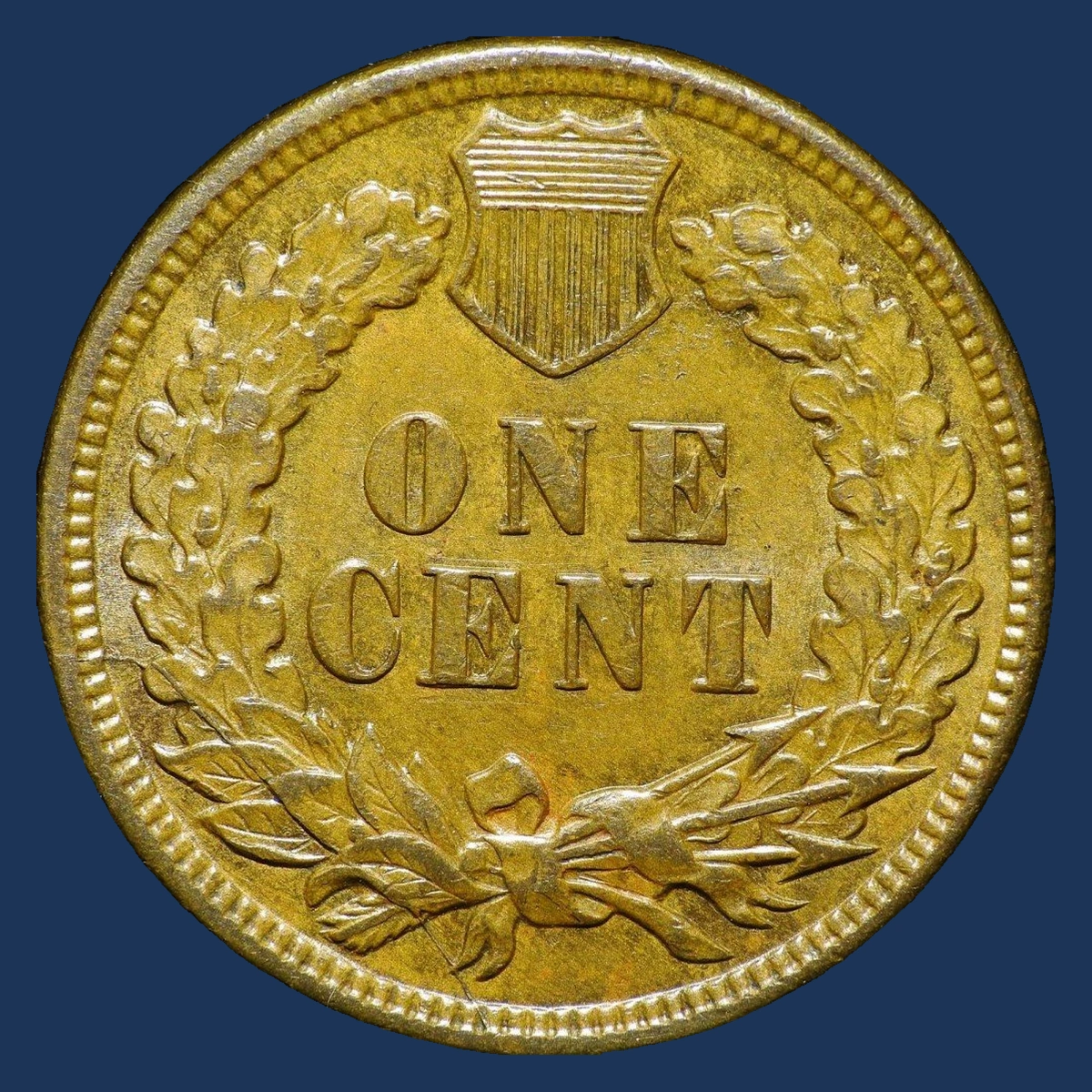
A raised line can run along the chin and through the lips. On a later stage of that 1907 tool, extra metal connects the upper and lower lips.
This happens when the stamping tool cracks or loses a small piece. Larger edge fractures can leave broad rim-connected patches.
Several back examples have retained breaks, meaning the fractured piece stayed in place and still carried some design. Recorded positions include three-fifteen to four-forty-five and, separately, two to three-thirty.
Thin wreath cracks and another local edge break have their own paths. They should not be combined into one damaged coin.
Estimated Value
For minor raised cracks and chips, estimate $5–$100. Clear retained breaks and larger rim patches can fit approximately $40–$750, depending on their size and the coin’s preservation.
A later 1946-S Lincoln cent with a cud sold for $288 in March 2021. Its missing-tool-piece form offers broad context, not a direct sale of a 1907 retained break.
Surviving design within a shifted area helps identify the type. An ordinary scratch or folded rim requires a different comparison.
How to Identify
Begin with the chin if the unusual feature crosses the portrait. Follow the raised line through both lips with a magnifier, comparing the narrow-crack and larger-chip stages separately.
For a back-rim patch, inspect the physical edge first. A folded border or added metal can imitate a lump from a broken tool.
Use a scale and calipers on a loose coin against 3.11 grams and 19.05 millimeters.
Look for design remaining inside a shifted section before calling it a retained break.
Finally trace the boundary against the correct clock position and neighboring wreath. Each recorded rim break needs its own photograph; the portrait crack does not prove a particular back pairing.
3. 1907 Indian Head Penny Broadstrike
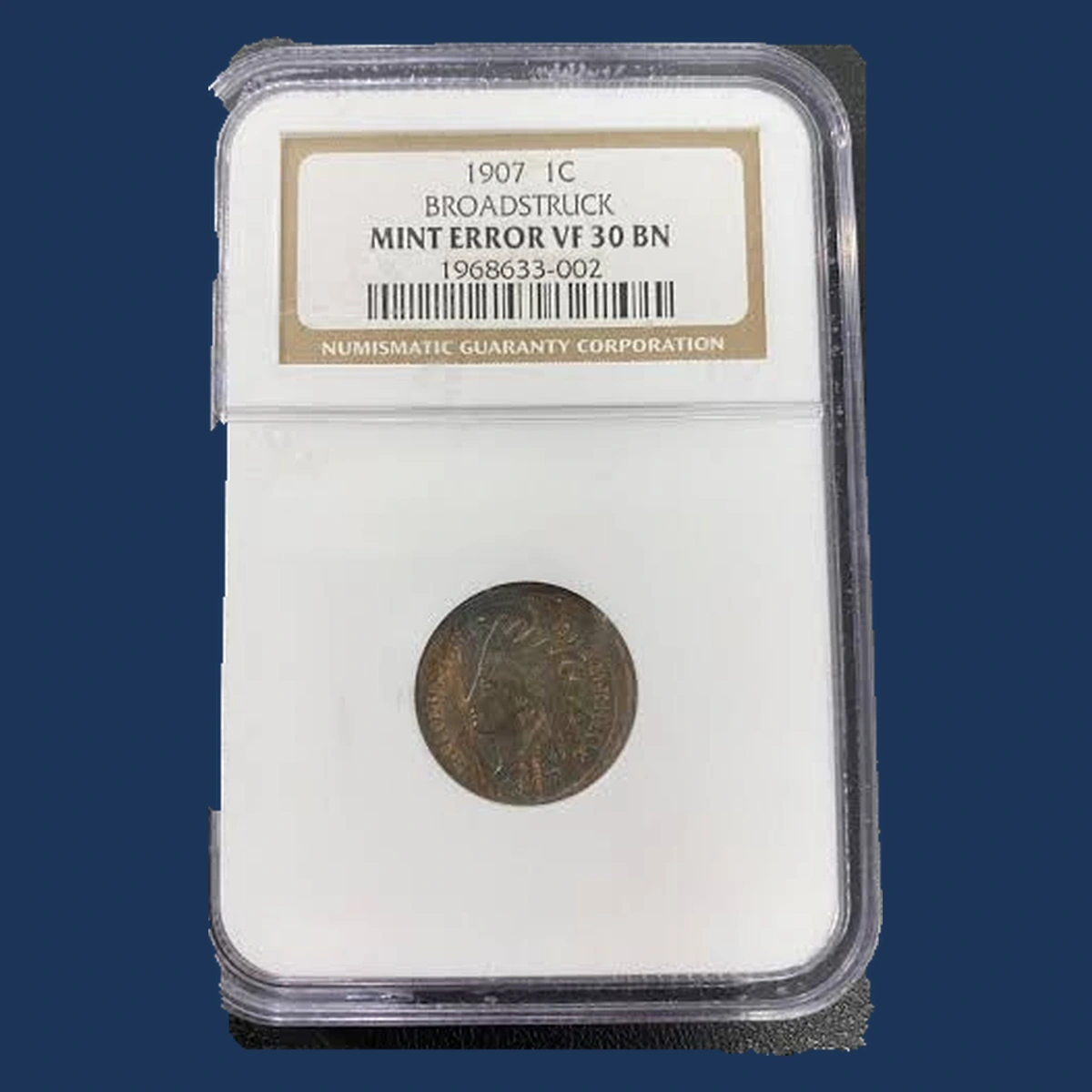
A penny can spread outward when the ring around its blank fails to contain the metal. That ring is the collar, and the resulting error is a broadstrike.
The blank is the metal disc before striking. Its design can remain complete even though the finished coin is wider than intended.
A documented 1907 example was graded NGC VF30, indicating noticeable circulation wear. A separate dealer example was graded XF40, with more detail remaining.
The broad outline is the feature they share. It does not give both coins the same condition, surface quality, or sale history.
Estimated Value
The NGC VF30 broadstrike sold for $139 in January 2023. A separate circulated XF40 listing used a $185 asking price, which is different from a completed sale.
Estimate $75–$1,000 for genuine 1907 broadstrikes across different wear levels and degrees of spreading. More attractive original surfaces can improve the comparison.
The visible outline must still fit a mint-made error. Flattening a finished cent with a hammer can widen it without creating the same collectible feature.
How to Identify
Record several widths with calipers before concentrating on one thick border. Compare the outline with the normal 19.05-millimeter diameter and the scale weight with 3.11 grams.
An expanded coin need not weigh less, because spreading alone removes no metal. Inspect its plain edge for grinding or a folded lip.
Now follow the outer design around both faces under a magnifier. A broadstrike should retain that design rather than cut it off beyond a displaced blank.
Look for crushed portrait details that could indicate later flattening. Choose a comparison with similar circulation wear and original surfaces, rather than valuing the coin from its widest measurement alone.
4. 1907 Indian Head Penny Doubled Dies
Two fine lines can follow a leaf vein where the stamping tool already held a repeated design. A single blow then copies both lines onto the penny.
One 1907 back variety doubles veins and outer leaf edges in the right wreath. Another affects both wreaths, with stronger separation on the right.
The first also has repeated-date strokes and clash marks from tools touching without a blank. Those features do not replace matching the doubled leaves.
A reported front-doubling category needs a separate identified example. Neither back pattern establishes extra lettering on the portrait side.
Estimated Value
For identified doubled-back varieties, estimate $20–$1,500, according to the actual pattern and preservation. A confirmed minor front variety may fit about $15–$750, rather than inheriting the back variety’s value.
An 1889 doubled-back cent with light wear sold for $240 in July 2025. That nearby-series comparison concerns a different date and tool.
Worn leaves can hide the separation needed for a match. Price any accompanying date repunching or clash as part of the same complete coin.
How to Identify
Place a normal back beside an enlarged photograph of your coin. Start with the right wreath’s veins and outer leaf edges, then check whether the left wreath also carries the listed repetition.
A 10× magnifier should reveal physical raised detail rather than a highlight. On the first variety, separate any portrait-shaped clash trace from the doubled vein itself.
For a loose coin, inspect the plain edge, then check for 3.11 grams and 19.05 millimeters with a scale and calipers.
For a proposed front example, turn to a front-specific comparison photograph. A repeated date can result from date punching, and known back doubling cannot identify an unrelated extra front letter.
5. 1907 Indian Head Penny Repunched Date
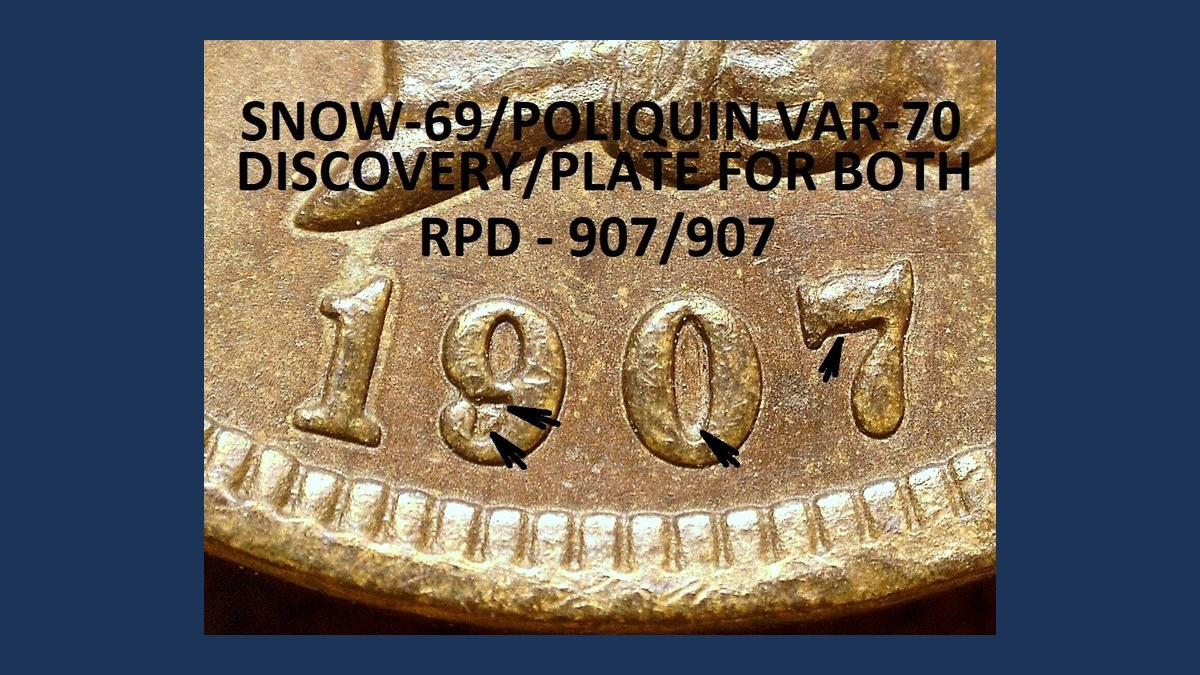
An extra curve inside the 9 or 0 may be part of an earlier date-punch impression. The punch entered the tool again in a slightly different position.
On one listed 1907 variety, earlier 9 strokes lie to the right and above. Another has upward remnants in the lower loop of the 9 and two within the 0.
Other examples repeat the 7 or several digits. These are different date patterns, not several complete strikes on the penny.
Some also carry cracks, tool lines, or rust marks. Those companion features help identify the correct tool without changing the date-punch mechanism.
Estimated Value
Estimate $10–$1,500 for matched 1907 repunched dates, allowing for worn examples and stronger varieties on better-preserved coins. The number of catalog entries does not determine a single coin’s value.
A clearly separated earlier stroke generally provides a more useful comparison than a slightly thick numeral. Color, wear, and surface damage also affect the whole price.
When the same penny has a misplaced digit or a rim break, assess the complete combination once. Separate maximum ranges should not be added together.
How to Identify
Keep the date upright and choose the numeral that shows the clearest extra stroke. At 10×, follow that stroke through a recognizable loop, base, or upright part of the number.
Use the right-and-upward 9 example only for that direction. A lower or leftward remnant needs its own comparison.
Before using tiny marks as evidence, inspect the plain edge and surfaces for alteration.
A scale and calipers check a loose coin against 3.11 grams and 19.05 millimeters; they do not identify a date variety.
Return to every visible earlier stroke on the chosen photograph. A flat shelf beside one number cannot supply the missing pattern across the rest of the date.
6. 1907 Indian Head Penny Misplaced Date Fragments
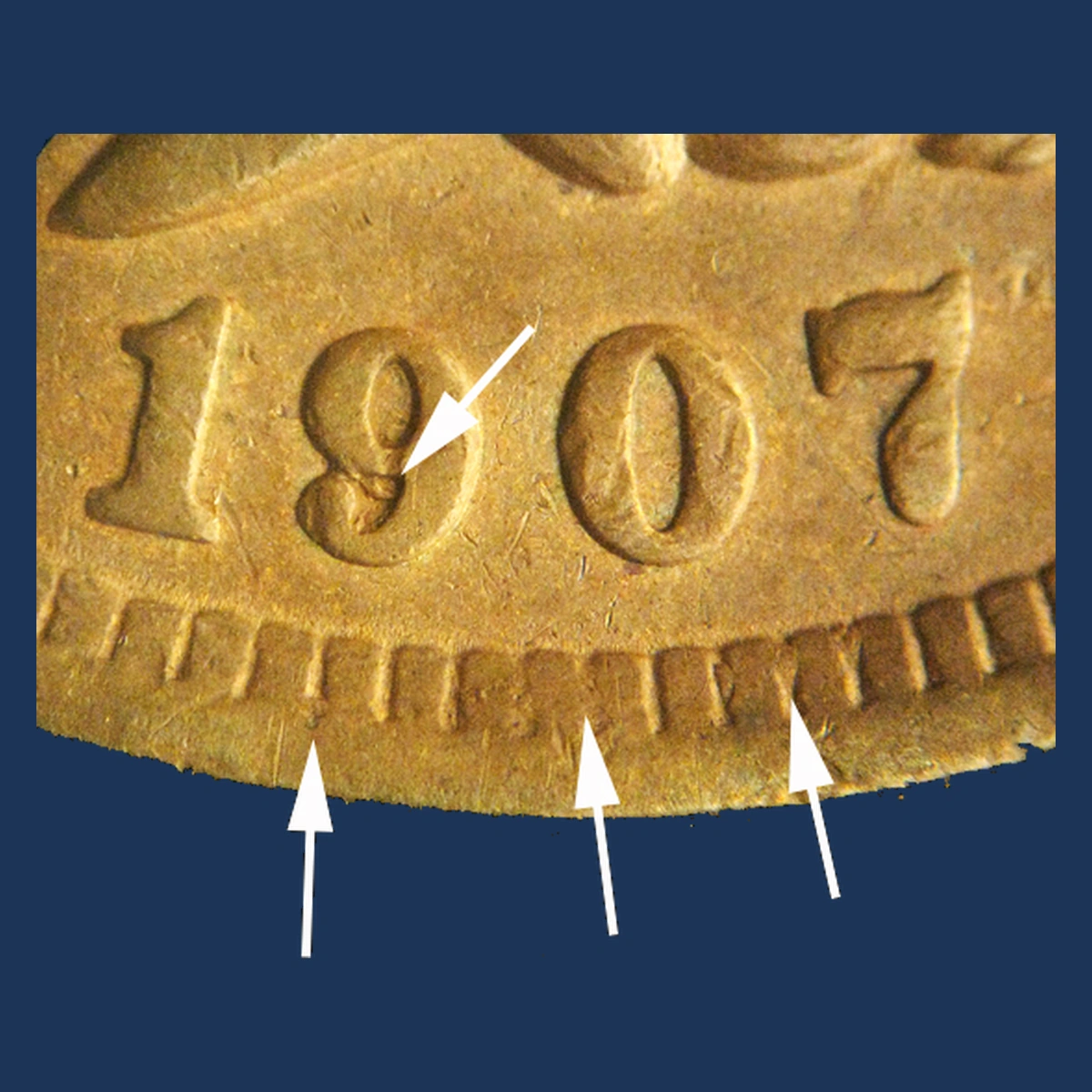
A small number top can sit below the date among the border teeth. It came from the date punch touching the tool outside its intended position.
One 1907 pattern places the top of an extra 0 below the normal 0. Others show parts of 907, shifted left or right beneath the main digits.
Separate examples include misplaced 07 or an extra 7. A reported set of possible 1 tops requires a clear shape match before receiving that identification.
These border fragments differ from earlier date strokes immediately beside the normal numbers. A coin can carry both features.
Estimated Value
Use an estimated $20–$2,000 for identified 1907 misplaced-date varieties across worn and stronger preserved examples. Clear number shapes and an exact position match are central to choosing a comparison.
An unworn 1908 misplaced-date cent retaining some red color has a recorded $1,187 eBay result from December 2021. That is a different-year comparison, not a sale for every 1907 fragment.
A possible numeral needs supporting shape evidence. An ordinary damaged border tooth should not receive the same variety premium.
How to Identify
Photograph the complete date and the border directly below it before magnifying a small bump. The normal digits provide fixed reference points for the misplaced ones.
A scale and calipers can check a loose coin against 3.11 grams and 19.05 millimeters. Inspect the plain edge and nearby teeth for filing or pushed metal.
Now use a 10× magnifier to trace the proposed number top. Compare whether it sits under the same digit and is shifted in the same direction as the reference.
For the possible 1 fragments, do not invent a complete numeral around a dot. The visible raised strokes must distinguish a punched number from a chipped tooth.
7. 1907 Indian Head Penny Struck Through a Back Die Cap
The back looks almost blank, yet traces of its design remain. A thin metal cap over the back stamping tool blocked a clear impression.
A cap forms when an earlier coin sticks to a tool and is stretched by later blows. As it thins, some underlying design can pass through to later coins.
The documented 1907 example was graded NGC AU50, meaning light circulation wear. Its label called the back one-sided, but Heritage identified surviving design beneath the cap effect.
The penny is a coin struck through the covering. It is not itself the stuck coin that became the cap.
Estimated Value
The NGC AU50 example sold for $373.75 in February 2010. That result concerns a lightly worn coin with faint back detail, rather than a completely unstruck face.
Estimate $150–$2,000 for clearly identified 1907 cap-struck examples with differing preservation and visible effects. A well-explained striking pattern makes a more useful comparison than a generic blank-back label.
Later grinding can erase a design too. A removed back does not qualify for the same mint-error range.
How to Identify
Compare the front’s surviving detail with the almost blank back. Similar heavy wear everywhere would tell a different story from a back design blocked during striking.
Tilt the back under low lighting and inspect it with a 10× magnifier. Search for faint wreath and lettering traces without rubbing or polishing the surface.
Check the plain edge for filing and the back for grinding lines.
A scale compares a loose coin’s weight with 3.11 grams, while calipers check the outline against 19.05 millimeters. Metal removed afterward can change those readings.
Return to the weak design across the back as a whole. Its surviving outlines distinguish the documented cap effect from a face that never received any design.
8. 1907 Indian Head Penny Off-Center Strike
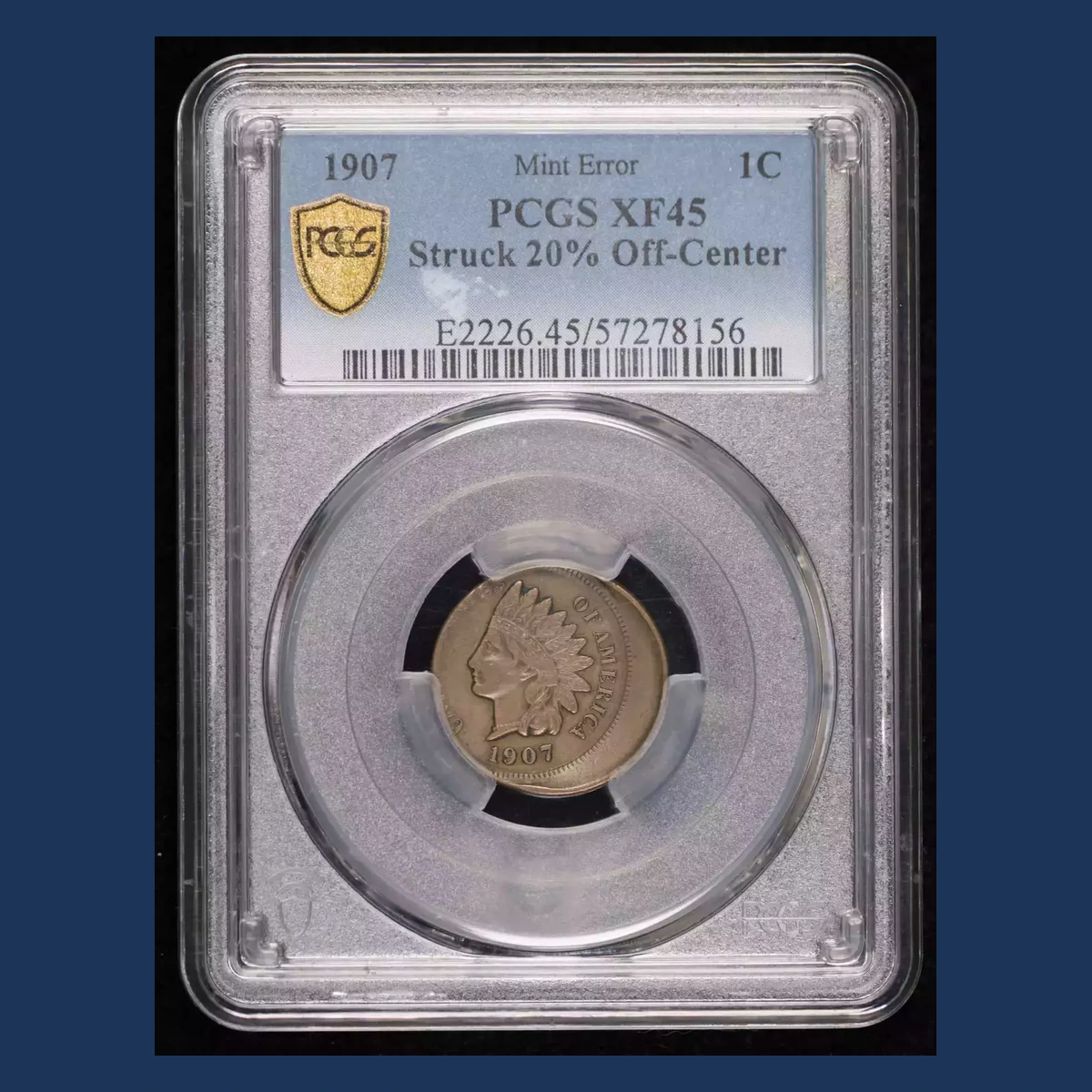
An unused crescent beside a partial design shows where the blank missed part of the strike. The metal remained on the coin, but some intended detail fell beyond its edge.
One 1907 example is 50% off-center toward two o’clock. PCGS graded it MS64 Brown, an unworn coin with some marks.
A different example is 35% off-center toward ten o’clock and graded AU58 for very slight wear. Its surface also has small areas of green corrosion.
Those directions and conditions belong to different coins. Neither description means that half the original metal was cut away.
Estimated Value
The 50% off-center MS64 Brown coin sold for $977.50 in January 2012. The separate 35% AU58 example brought $431.25 in February 2005.
Estimate $75–$2,500 for dated 1907 off-center cents across different shifts and preservation. Those two whole-coin results illustrate why both the displacement and surface quality matter.
A readable date helps establish the year. An undated crescent cannot inherit a 1907 price simply because the surviving portrait resembles an Indian Head cent.
How to Identify
Read the surviving date first and set it upright. For the 50% example, locate the shift toward two o’clock; the 35% coin needs a separate ten-o’clock comparison.
Inspect the unused crescent through a magnifier for grinding or filing. Check that the design boundary on the back agrees with the same displaced blank.
A scale should compare the remaining coin with 3.11 grams. Calipers record its unusual outline beside the normal 19.05-millimeter diameter rather than requiring a perfect circle.
Photograph the plain edge and both design boundaries together. If only one face is displaced while the other is centered, consider an alignment problem with one tool instead.
9. 1907 Indian Head Penny Double Strike
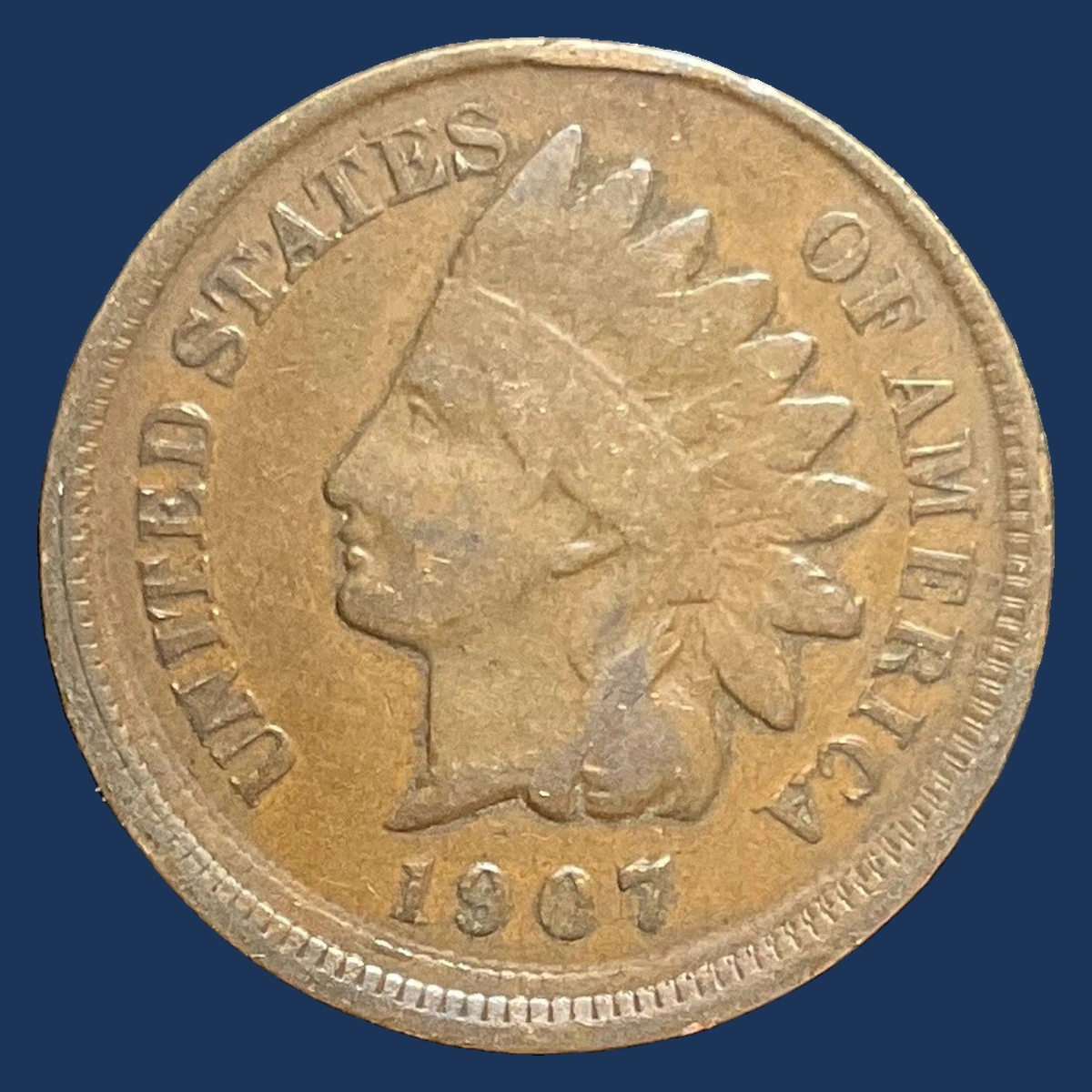
An earlier portrait or date can survive beneath another impression when a coin receives a second blow. The penny moved instead of leaving the press after its first strike.
The recorded 1907 example has a second strike about 50% off-center. NGC graded it VF30, indicating noticeable wear with much of the design still readable.
The later strike flattened some earlier detail and created a separate design position. That overlap is much larger than a tiny extra edge on one letter.
A second date is useful when visible, but the surviving design across both faces must support the proposed two-strike sequence.
Estimated Value
An NGC VF30 1907 cent with a 50% second strike sold for $1,265 in January 2012. The archive identifies it with an Eagle Eye Photo Seal as well.
Estimate $300–$3,500 for genuine dated double strikes across differing wear and overlap. Clear earlier design and original surfaces affect how closely another example compares.
The percentage describes the later strike, not lost metal. A slightly higher grade alone does not guarantee more value if the two impressions are harder to distinguish.
How to Identify
Find a recognizable piece of the earlier portrait before trying to count dates. Trace it into associated letters under a 10× magnifier, then mark the later design on a photograph.
Inspect the plain edge for a join between separate pieces. A scale and calipers check a loose coin against 3.11 grams and 19.05 millimeters, allowing for expansion caused by striking.
On the back, test whether the surviving impressions fit the same movement you proposed from the front. A shallow shelf beside one digit cannot establish a second complete blow.
Use the documented 50% example’s own outline for comparison. Do not borrow a clock direction from a different double-struck coin.
10. 1907 Indian Head Penny Raised Marks on a Proof Tool Pair
The lower half of the 1 can contain small raised areas on one 1907 Proof tool pair. The matching back has extra marks within its border teeth.
Proofs are collector coins made with specially prepared tools and surfaces. Small tool marks can help identify which pair produced an individual coin.
The back marks lie between three-forty-five and four o’clock, including a short line. They are different from date fragments punched into an ordinary coin’s border.
The raised areas identify the tool pair. They do not prove tool breakage or an extra strike on the coin.
Estimated Value
For a properly identified 1907 Proof carrying these small marks, estimate $300–$5,000 as a whole coin. Most of the value concerns Proof quality, preservation, and remaining original color.
The illustrated catalog coin is PR64 Red and Brown, a collector Proof with some marks and red color remaining. Its picture does not by itself provide an auction price.
This is not a separate tool-mark premium added to the normal Proof value. A polished circulation cent needs a different comparison.
How to Identify
Keep a certified Proof sealed and begin with full photographs of both faces. Confirm the special Proof finish before using tiny marks to name the tool pair.
For a loose coin, use a scale and calipers to compare 3.11 grams and 19.05 millimeters, then inspect the plain edge. These measurements cannot distinguish a Proof from a polished circulation penny.
At 10×, compare the raised areas on the lower half of the 1 and photograph their exact shapes. Turn to the back border between three-forty-five and four o’clock and match its short line and other marks with the same documented pair.
Conclusion
An almost blank back, a wide border, and a tiny extra number each point to different checks. Start with the affected area, then compare the rest of the coin with the same documented example.
Estimated whole-coin values here span $5–$5,000. Proof prices include the special collector coin itself, while cracks, repunched dates, and other features sharing one penny should receive one combined value.