1860 Penny Error List with Pictures

Wreath details and a portrait on the same face are a strong reason to pause over an 1860 penny. One coin that flipped over before a second strike sold for $1,116.25 in August 2016.
Other 1860 Indian Head penny errors need a magnifier: doubled headband letters, extra date strokes, and raised cracks can be much smaller. Estimated whole-coin values range from $10–$3,500.
The pointed and rounded portrait bases are both normal designs. Below, each error gets its own visible checks so those normal differences do not become false alarms.
1. 1860 Indian Head Penny Clashed Dies — Estimated Up to $400
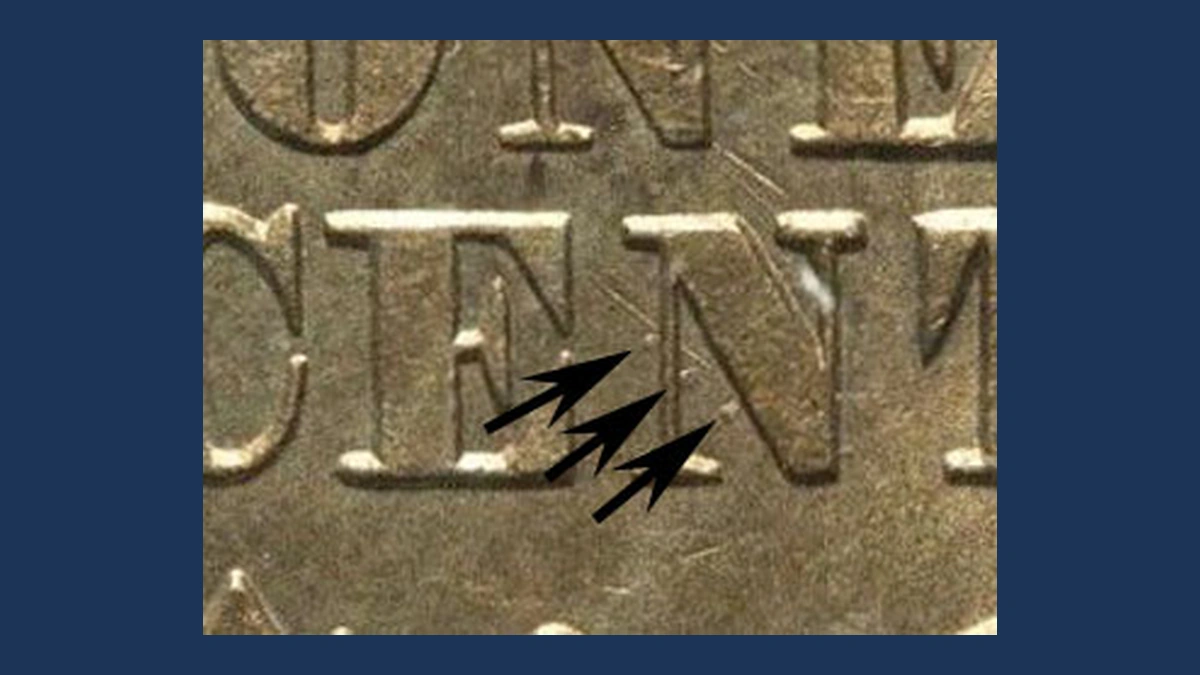
Stray outlines on the back can come from the portrait normally found on the front. A recorded 1860 Pointed Bust variety has these traces in a displaced position.
The steel stamping tools, called dies, struck each other without a metal disc between them. Contact marked their surfaces, and later coins copied those marks along with the normal design.
The faint transferred shapes are the clash. They should have a relationship to the opposite design, even when their position is unusual or only part of an outline survives.
Estimated Value
An estimated $20–$400 covers worn through attractive coins with recognizable clash marks. The pointed portrait version and the coin’s overall condition can account for much of its value.
A different copper-nickel error from 1864 sold for $646.25 in 2016 with both a broadstrike and a rim break. That more dramatic combined error helps frame collector interest, but it does not supply a sale price for an 1860 clash.
How to Identify
Turn the penny to the front and examine the portrait’s lower point. On the Pointed Bust design, it points toward the U of UNITED; the rounded version points lower, between that letter and the date.
With the correct version selected, use a 10× magnifier to trace the extra shapes on the back. Compare them with parts of the portrait rather than treating every nearby line as a clash.
A scale should show near 4.67 grams and calipers about 19 mm. Inspect the plain edge for altered or attached metal.
Lay photographs of the two faces beside each other and follow a recognizable portrait curve into the unusual back outline.
2. 1860 Indian Head Penny Die Cracks, Chips, and Rim Breaks — Estimated Up to $800
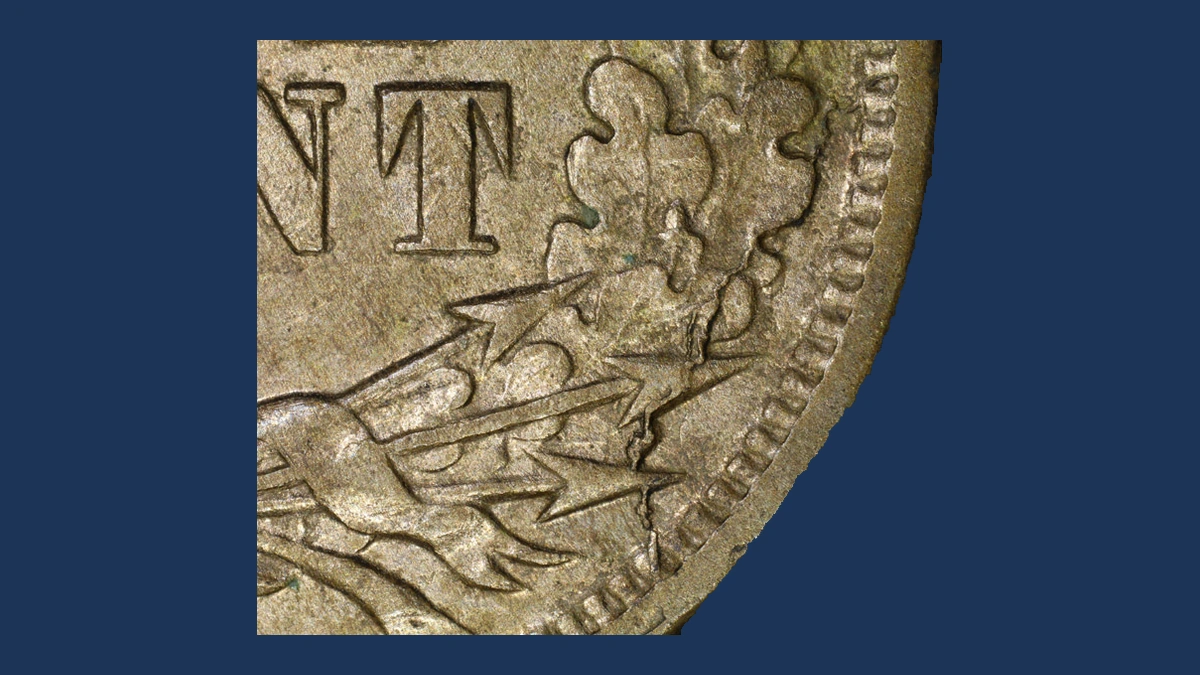
A raised line across the back records a crack in a stamping tool. Small broken pieces can instead leave lumps, such as the chip at the shield’s upper left on a Rounded Bust example.
A larger break beside the T in CENT reaches the rim. This kind of rim-connected raised patch is called a cud.
Pointed Bust coins have different recorded back cracks, including lines on the left and right sides. These patterns describe separate examples; one penny does not need every listed mark to have a genuine tool failure.
Estimated Value
Allow an estimated $10–$800 for the whole coin. Fine cracks and tiny chips often add little, while a large, easily seen rim break can attract a stronger premium.
An 1864 copper-nickel penny with a retained rim break and broadstrike sold for $646.25 in August 2016, graded MS64 for unworn surfaces with marks. That later-date result included two errors and strong condition, so it should not be applied to an ordinary 1860 shield chip.
How to Identify
Tilt the back under a lamp. A genuine tool crack produces raised metal, whereas a scratch usually cuts below the surrounding surface.
Inspect the small shield-corner lump at 10× without scraping it. Glue, corrosion, and displaced metal can imitate a chip.
For the larger break, inspect the plain edge where the patch joins the rim beside the T. Solder or a folded edge may leave an unnatural seam.
Use a scale and calipers to compare 4.67 grams and about 19 mm. These normal copper-nickel figures do not identify a particular crack pattern.
Follow the raised feature into undisturbed design, then compare its exact shape with the same pointed or rounded portrait version.
3. 1860 Indian Head Penny Repunched Date — Estimated Up to $1,500
A small second stroke above or below a date digit can show where the number was first punched into the stamping tool. Another application in a changed position left parts of both impressions.
1860 examples occur with both portrait shapes. One pointed version has a lower impression of the 1, while rounded versions show several different combinations of extra strokes.
Some involve the 18 or 0; another has an earlier impression within the lower loop of the 6. The direction and affected digits depend on the individual variety.
Estimated Value
Use an estimated $30–$1,500 for identifiable repunched dates, with sharp numbers and better preservation supporting higher prices. An extra-looking stroke must match a real earlier digit, rather than damage.
For a same-series comparison, an unworn 1864 L bronze Snow-3 repunched date graded MS65 Brown sold for $1,560 in July 2024. Its metal, date, and variety differ from the 1860 copper-nickel coins, so the result guides an estimate rather than fixing their value.
How to Identify
Photograph the date upright before comparing the small strokes with the 1860 variety guide. The pointed and rounded portrait types have different date patterns, even when a catalog number happens to look similar.
A 10× magnifier should reveal a recognizable part of an earlier number, with no cuts or pushed-up ridges suggesting later damage. Examine the plain edge, then use a scale and calipers to check roughly 4.67 grams and 19 mm.
For the variety involving the 6, look inside its lower loop rather than searching outside every digit. Trace the extra stroke along the earlier number’s shape and compare that exact position with the matching portrait type.
4. 1860 Indian Head Penny Doubled Die — Estimated Up to $2,000
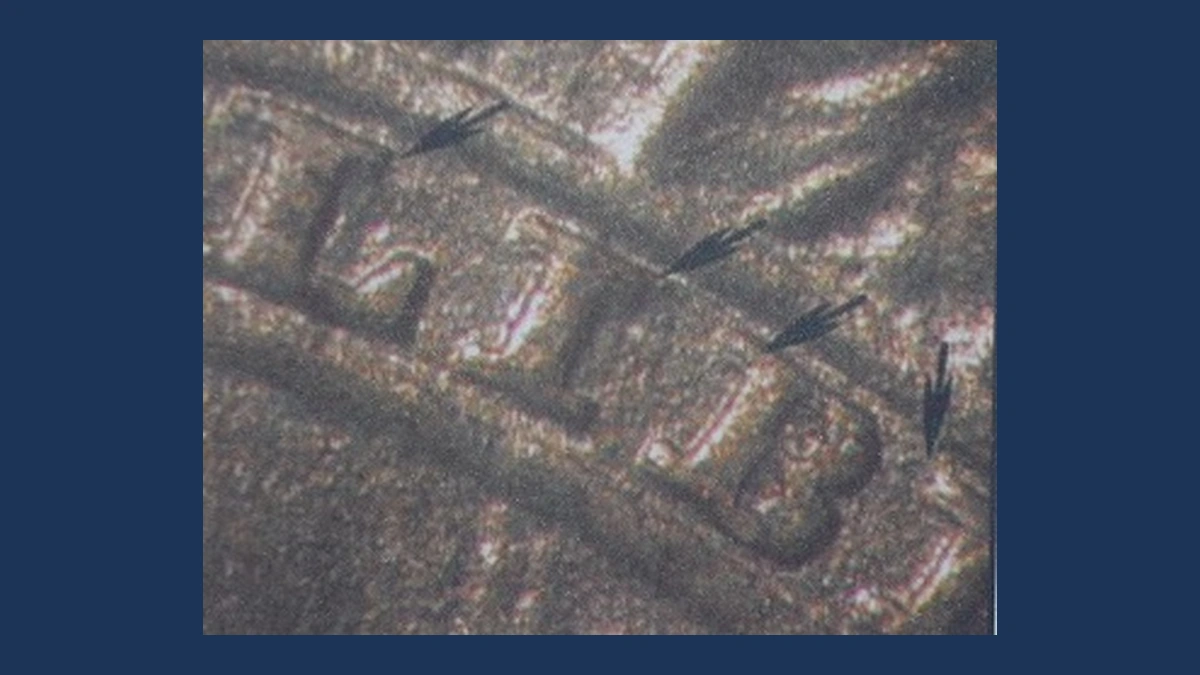
The first four letters of LIBERTY are the place to look on this 1860 doubled die. Extra raised outlines appear in LIBE on a Rounded Bust example.
The steel tool received a doubled design during its preparation. A coin could therefore receive these repeated letter shapes in one ordinary strike.
The doubling is not simply a second blow on the coin. Indian Head pennies can also show broad outlines around design elements from the original tool work, so a general halo should not replace a match to the specific doubled letters.
Estimated Value
An estimated $60–$2,000 covers worn but identifiable examples through sharp coins with clear headband doubling. The strength of the remaining letters is especially important on circulated pieces.
A later Indian Head doubled die, the unworn 1887 FS-101 in MS63 Brown, sold for $1,380 in June 2025. That bronze coin supplies a same-series comparison, while the 1860 copper-nickel variety must be valued for its own condition and doubled pattern.
How to Identify
Check the rounded end of the portrait base before studying LIBE. A pointed-version coin needs a different comparison.
Use a 10× magnifier and move the light across the headband. Look for the repeated shape of the letters themselves, rather than a broad outline around unrelated parts of the design.
A flat shelf can result from movement during striking and is not the same feature. Heavy wear can also erase the small separation that makes the comparison useful.
Weigh the coin against 4.67 grams, measure about 19 mm with calipers, and inspect the plain edge. Compare the raised second outlines specifically in LIBE with the recorded Rounded Bust doubled die.
5. 1860 Indian Head Penny Flipover Double Strike — Estimated Up to $3,500
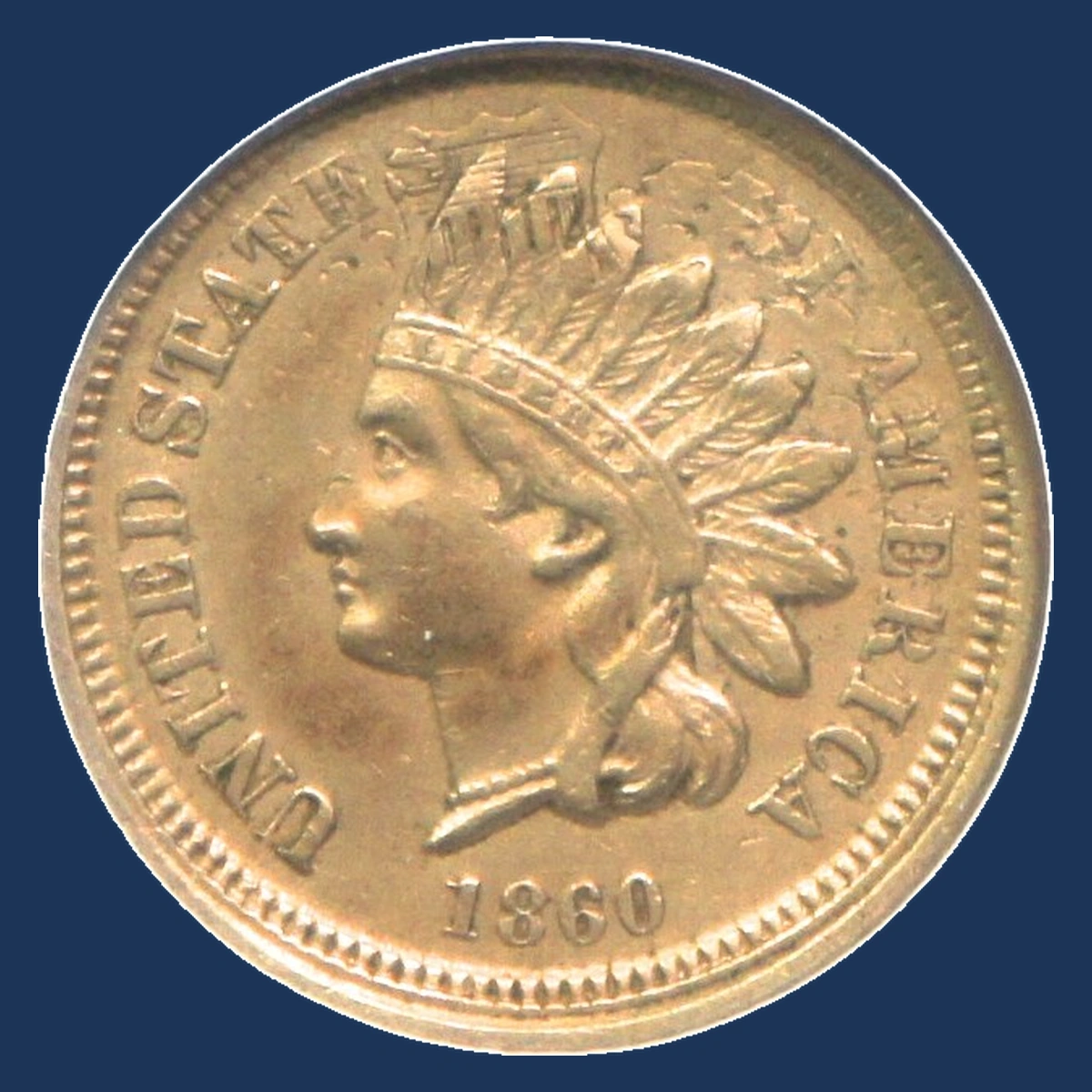
The portrait and wreath belong on opposite faces, so parts of both on one face can reveal an unusual second strike. The penny turned over before receiving that later blow.
A documented Rounded Bust example was struck again inside the collar, the ring that normally controls the coin’s width. Its second impression therefore does not require a large off-center crescent.
PCGS graded this example AU58, meaning only slight wear. Earlier design can remain beneath the later impression, although the pressure of the second blow may flatten much of it.
Estimated Value
The Rounded Bust flipover double strike graded PCGS AU58 sold for $1,116.25 on August 14, 2016. Its nearly unworn surfaces and overlapping opposite-face designs make it a useful same-year comparison.
Estimated whole-coin values run from $500–$3,500, depending on wear, surviving detail, and how clearly the two strikes can be followed. The two impressions belong to one penny; they are not separately priced errors whose maximum values should be added.
How to Identify
Begin by sorting the visible fragments into portrait-side and wreath-side details. Under a 10× magnifier, follow letters or leaf shapes far enough to see whether two opposite designs share the same face.
A coin pressed against another finished coin can leave a reversed, sunken impression. Compare the direction and height of the extra design before calling it a second Mint strike.
The collar can keep the coin close to its normal 19 mm diameter. Use calipers and a scale to compare its shape and 4.67-gram standard weight.
Check the plain edge for a seam from joined pieces.
Find recognizable portrait and back-design fragments together on the same original surface, then compare both faces with the documented flipover example.
Conclusion
An extra letter outline and a second full strike can look confusing at first, but they leave different clues. For 1860, identify the pointed or rounded portrait base before comparing the smaller features.
The estimated $10–$3,500 range covers whole coins, from modest tool flaws to dramatic double strikes. Preserve the surfaces, compare both faces, and use the correct design version when judging an apparent error.