1989 Nickel Error List with Pictures

A Jefferson design squeezed onto a dime blank produced a small nickel that sold for $690 at Heritage in January 2011. The metal underneath the design made the difference.
This 1989 nickel error list covers estimated prices from $5–$1,500, including extra mint-letter strokes, edge bulges, missing metal, and overlapping designs. Some features need an edge view rather than another close-up of Jefferson.
Compare the coin’s shape with the checks below before deciding what caused the unusual detail.
1. 1989 Jefferson Nickel Misaligned Front Die
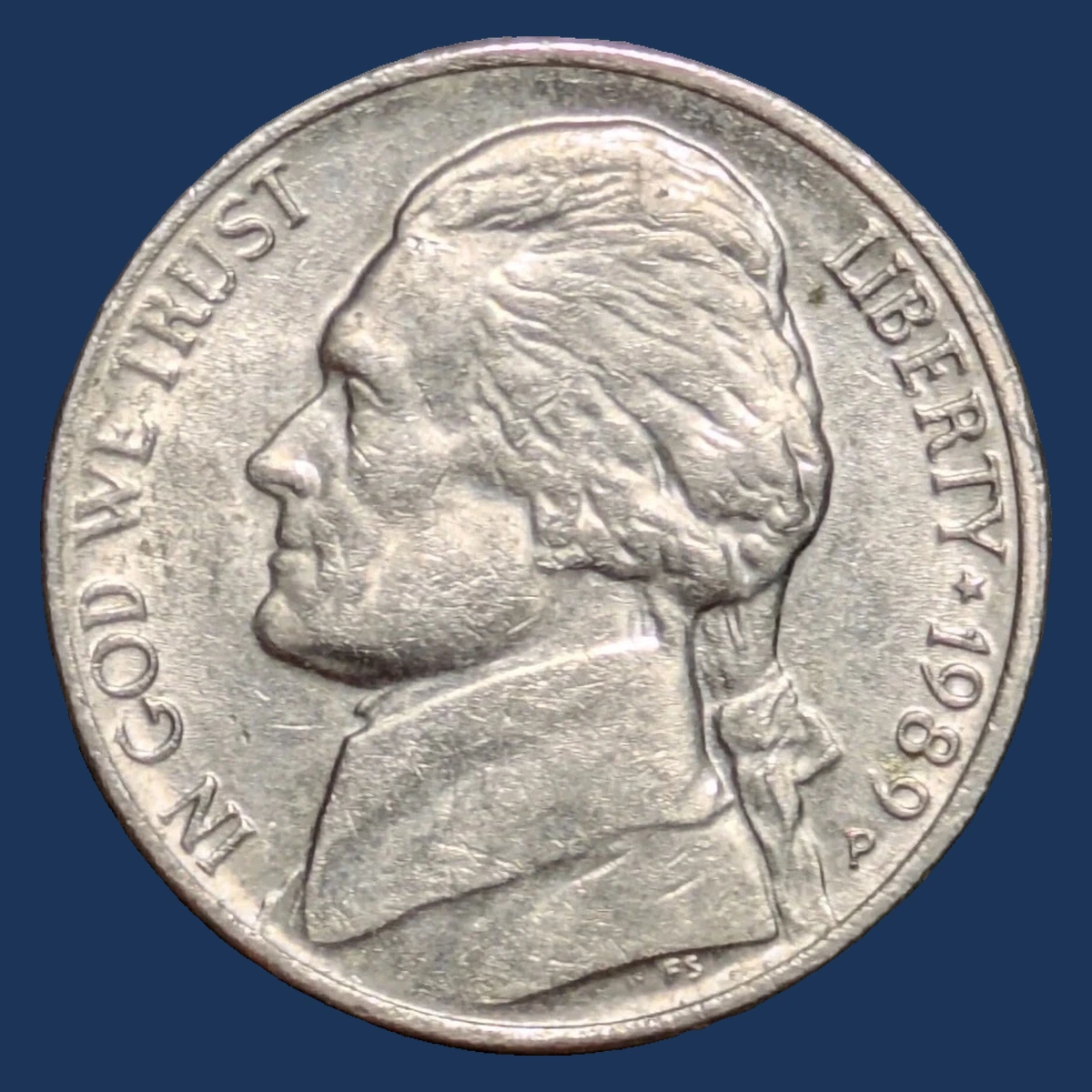
Jefferson can sit closer to one edge while Monticello remains normally positioned on the back. The front die, or steel stamping tool, moved out of alignment.
A Philadelphia example graded NGC AU58 appears in an auction group. That grade describes very light circulation wear, which should be considered when comparing the remaining rim.
The same group included a 1999-D nickel, a separate coin with its own details. An uneven rim on just one face is different from an off-center strike caused by a misplaced blank.
Estimated Value
For a readily visible front shift, estimate $5–$75. Very small differences in rim width can bring little additional interest on a circulated nickel.
The 1989-P coin sold in a two-coin lot listed at $48 in December 2015. That price also included a 1999-D nickel and is not a separate result for the 1989 piece.
Compare the size of the shift and the remaining border rather than dividing that group payment mechanically.
How to Identify
Photograph both faces with the camera directly above the coin. A tilted camera can change the apparent width of the rim before you even begin comparing it.
Follow Jefferson’s distance from the border, then do the same around Monticello with a 10× magnifier. The useful contrast is a shifted front beside a substantially centered back, not just one narrow stretch of rim.
Check a loose coin with calipers against about 21.21 millimeters and a digital scale against 5.00 grams. Filing or squeezing may change its outline, so inspect the plain edge for disturbance before accepting the one-sided shift as a Mint error.
2. 1989 Jefferson Nickel Repunched D Mint Mark
A small extra stroke above the D may be part of an earlier impression of the same mint letter. The letter was punched into the stamping tool more than once, with a slight change in position.
This is called a repunched mint mark. A year guide reports a Denver example with the extra D shifted upward.
It is a feature of the tool, not a second blow delivered to the finished nickel.
A damaged letter, a scratch, or a bright reflection can also suggest an extra edge when viewed quickly.
Estimated Value
An identified upward D/D can be estimated at $10–$125, with clearer separation on unworn surfaces toward the upper end. The second impression should be visible in useful photographs.
The year guide reports the feature but does not establish a matched original sale for a specific example. This is an estimated variety range.
A thick D without a recognizable second stroke is not enough to justify the same price.
How to Identify
Find the D below the date and compare it with an ordinary Denver nickel. A 10× magnifier should show whether the extra metal follows the shape of another D above the main letter.
Move the lamp instead of rotating a blurred photograph. A real stroke stays in place when the reflection changes.
Inspect the surrounding surface for a scratch or pushed metal that only touches the mint letter.
The rest of a normal loose nickel should measure about 21.21 millimeters with calipers and weigh 5.00 grams on a digital scale. Those readings do not prove repunching.
The decisive detail is a surviving second D-shaped stroke, rather than a random bump beside the letter.
3. 1989 Jefferson Nickel Flaw in the Original Blank
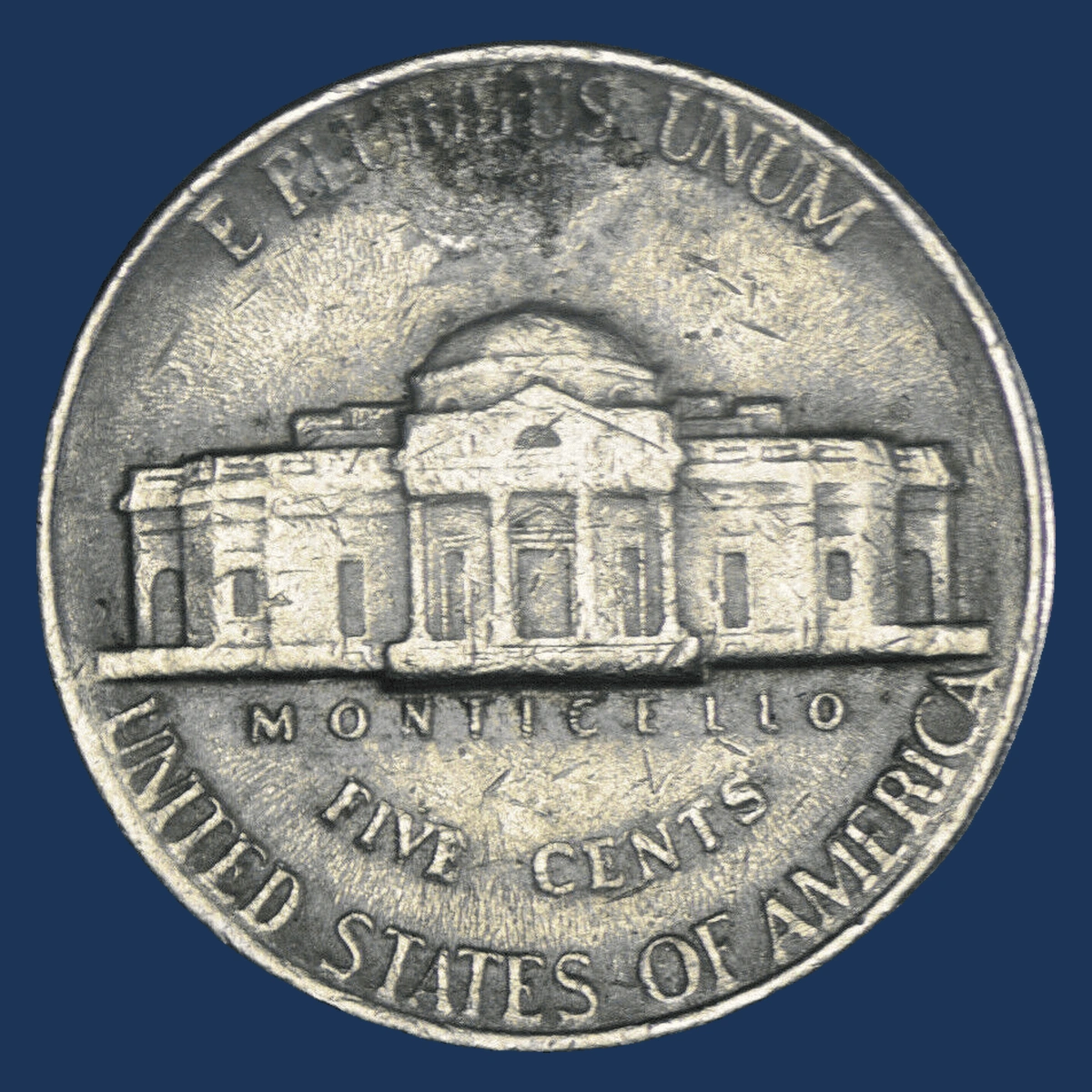
A patch of rough or incomplete surface may begin in the blank before the coin is struck. A 1989 year list reports such a flaw on the back.
The report does not establish whether a layer peeled away, the metal cracked, or another defect interrupted the surface. The broader name “blank flaw” keeps those different possibilities separate.
Nickels normally consist of a single copper-nickel alloy. A rough back should not automatically be called a missing clad layer, because an ordinary nickel has no separate outer layers like a dime.
Estimated Value
For a genuine original blank flaw, estimate $15–$150, depending on visibility and the amount of design preserved. A dramatic but damaged surface should not automatically receive the highest figure.
The year report provides no matched original sale for a particular back flaw. This range uses comparable small nickel blank defects rather than assuming a rare split or wrong-metal error.
The feature should be identifiable in photographs without relying entirely on the seller’s label.
How to Identify
Compare the rough patch with the neighboring struck design under a 10× magnifier. Letters or building details meeting the defect may help show whether the irregularity existed before the strike.
A fresh cut can leave pushed metal and a sharp floor, while corrosion can create several pits around the main patch. Do not dig into the surface to search for a layer that the coin does not already show.
Use a digital scale and calipers on a loose nickel against 5.00 grams and about 21.21 millimeters. Inspect the opposite face and edge as well; matching impact damage there can explain a back depression without an original blank defect.
4. 1989 Jefferson Nickel Broadstrike
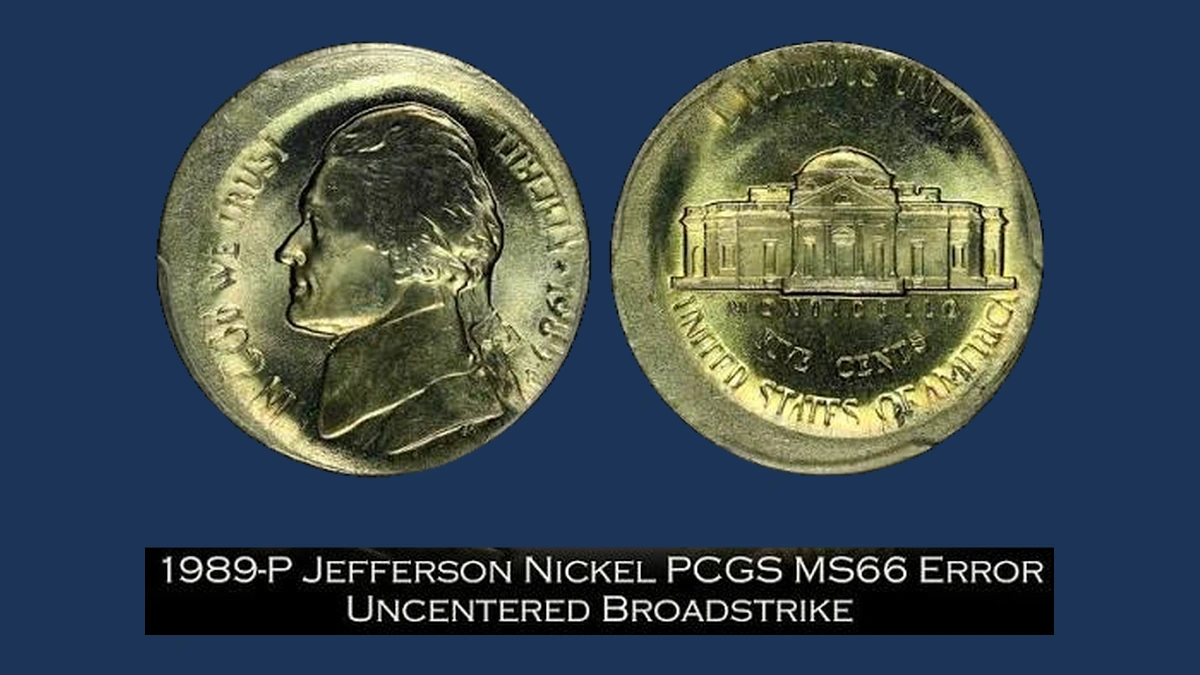
A nickel may spread into a wider disk when the surrounding collar fails to contain it. The collar is the ring that normally limits the coin’s edge during striking.
A Philadelphia auction example is described as broadstruck on a Type Two blank. That term means its blank had already received a raised starting rim before entering the press.
The important error is the uncontrolled spread, not the ordinary preparation of the blank. A complete design and wider outline distinguish a broadstrike from a strike that loses part of the design beyond the edge.
Estimated Value
An estimated $20–$200 covers clear examples, depending on the spread and surface condition. Auction records list about $47 in December 2020 for the Philadelphia Type Two example graded ANACS MS63.
MS63 describes an unworn coin with noticeable marks. The modest result offers a practical comparison for a visible but relatively straightforward broadstrike.
Pieces with additional indents or repeated strikes should be compared as complete combinations rather than assigned this single-feature price.
How to Identify
Check the outer words before measuring the coin. All of the original design should fit, even if the border spread farther on one side.
Calipers can compare the widest span with the normal 21.21-millimeter diameter. Measure several directions rather than relying on one stretched-looking photograph.
Inspect the border and lettering under a 10× magnifier for crushing, file marks, or damage from later flattening. Ordinary nickels already have plain edges, so a smooth edge is not evidence by itself.
A digital scale should read near the normal 5.00 grams if the metal remains intact. Extra width with complete, naturally struck detail makes a stronger case than width alone.
5. 1989 Jefferson Nickel Struck Through Debris
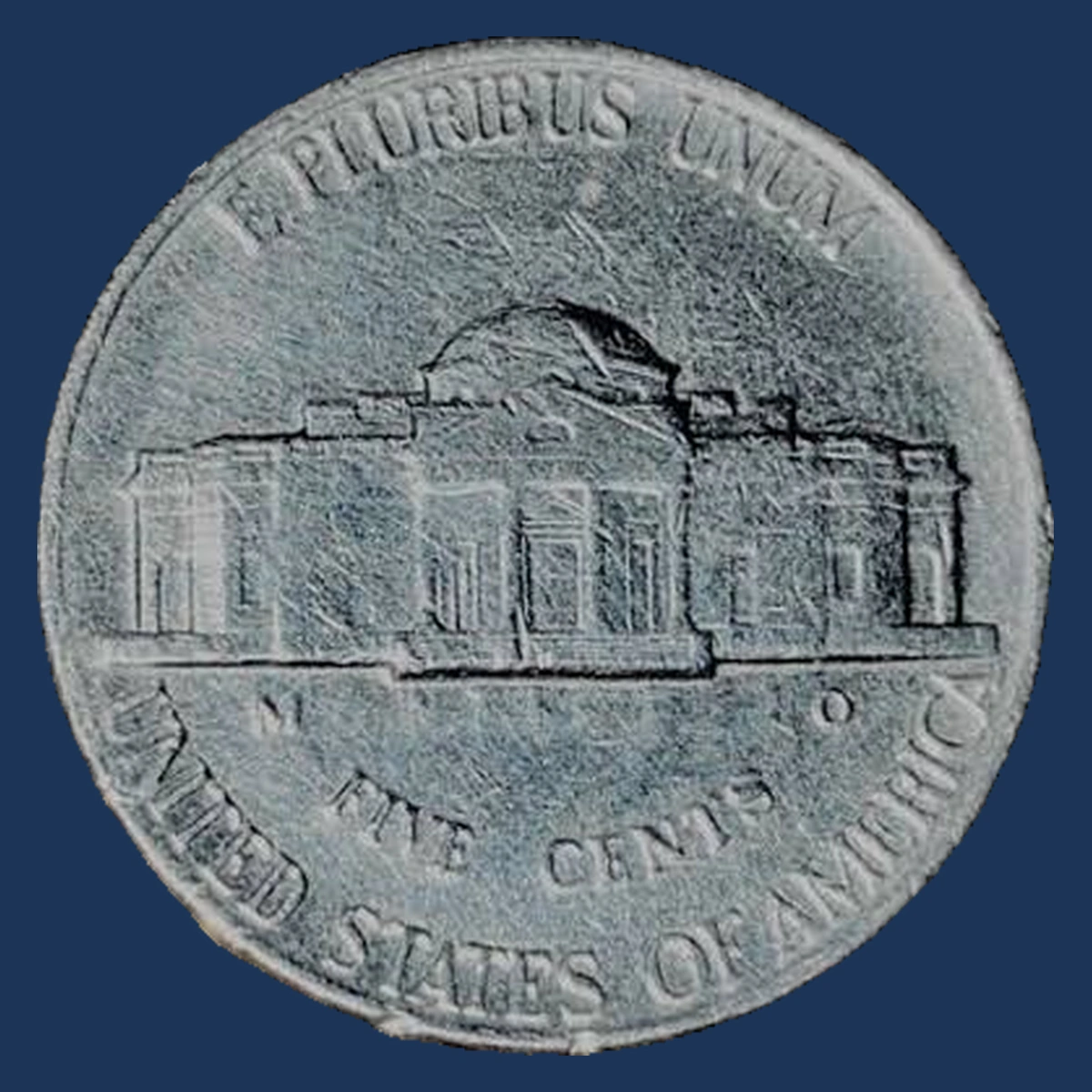
A piece of debris between the blank and a stamping tool can leave a depression or prevent part of the design from forming. Collectors call this a strike-through.
A Philadelphia example appears in a GreatCollections listing graded ANACS MS65. Its description identifies debris but does not name the material or locate the affected area precisely.
The coin’s six complete steps on Monticello describe striking sharpness, not a separate error. A weak spot should therefore be judged from its boundary and nearby design, without assuming that the trapped material was grease.
Estimated Value
For a visible, genuine debris strike-through, use an estimated $20–$250. Larger distinctive shapes on otherwise clean coins can be more attractive than a faint missing detail.
The available listing establishes the Philadelphia example but supplies no usable sale price here. This range compares ordinary modern nickel strike-throughs rather than assigning a price to that particular coin.
A later gouge remains damage, even when its shape resembles something that could have entered the press.
How to Identify
Use a 10× magnifier to follow the edge of the affected area into the surrounding design. A struck interruption can stop or soften details, whereas a later cut may push metal across already finished letters.
Look at the opposite face and the coin’s edge for impact marks that could explain a dent. If material remains attached, leave it in place instead of testing whether it can be removed.
A loose original normally weighs near 5.00 grams on a digital scale and measures about 21.21 millimeters with calipers. Normal measurements support its basic identity, while the boundary where struck detail meets the interruption is the useful error check.
6. 1989 Jefferson Nickel Collar Cud
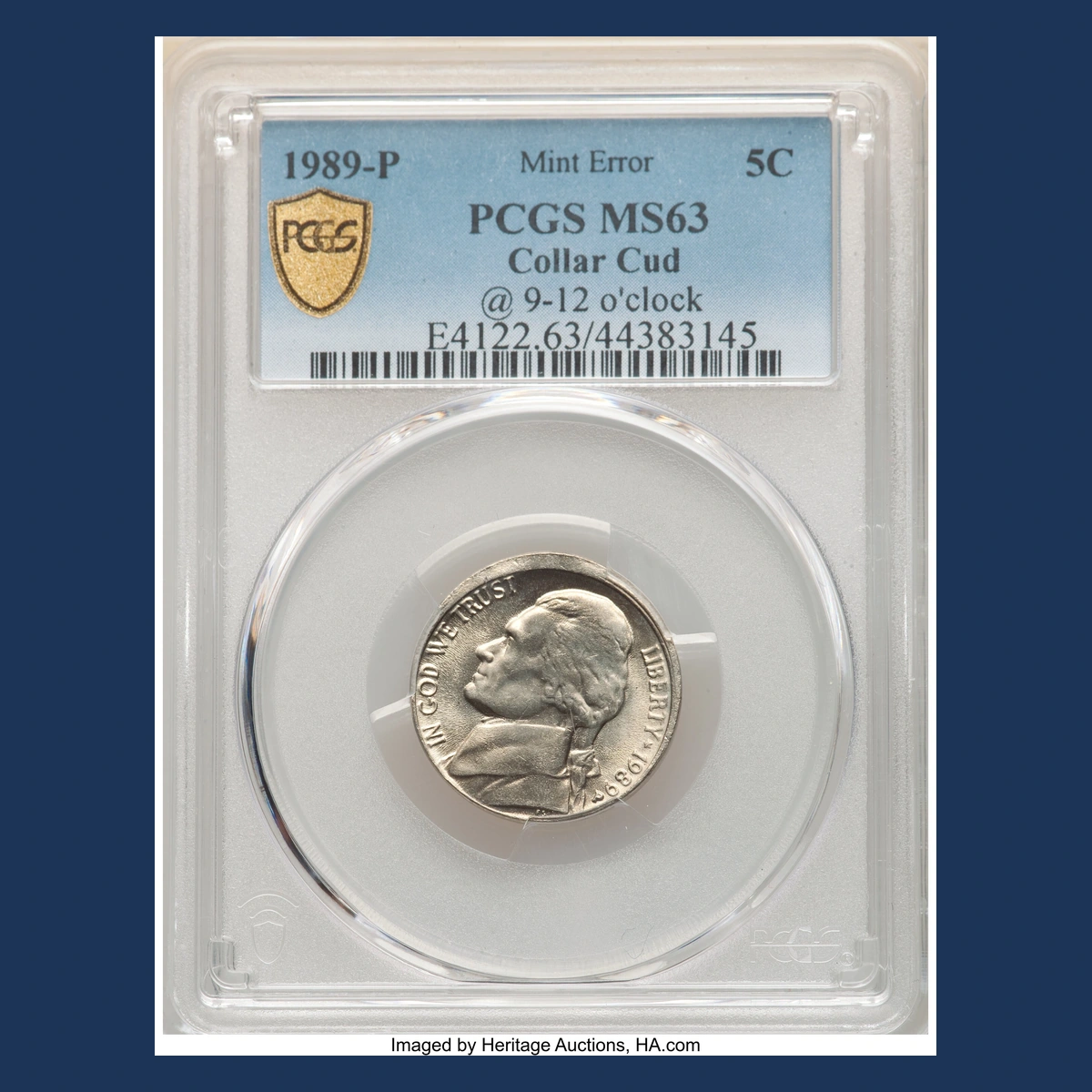
A raised strip on the edge can form when a piece breaks from the collar surrounding the blank. Coin metal fills that missing section during striking.
This is a collar cud. Unlike a large break in a face-stamping tool, its main extra metal appears around the edge.
Philadelphia records include pieces described from nine to twelve o’clock and another from nine to eleven. Those positions belong to separate listings and should not be treated as identical simply because two coins have the same grade.
Estimated Value
An estimated $25–$250 allows for different lengths, clarity, and preservation of the edge bulge. Auction records list $123 in January 2023 for a PCGS MS62 piece described from nine to eleven o’clock.
A different MS60 example described from nine to twelve is listed at about $31 in July 2022. Both grades indicate unworn coins with marks.
The visible edge feature matters alongside the numerical grade.
How to Identify
View the nickel from the side with Jefferson upright to establish the clock positions. Follow the extra metal around the edge rather than searching only for a blob on the front.
A 10× magnifier can show the transition between the normal edge and the expanded strip. Later impacts may push metal sideways but often leave dents or battered surfaces nearby.
Measure the normal and expanded parts separately with calipers against the usual 21.21-millimeter diameter.
Check a loose coin on a digital scale for about 5.00 grams. The collar break redistributes the original metal rather than adding a soldered strip.
Look for a naturally struck edge bulge with clean transitions, not a separate piece attached around the rim.
7. 1989 Jefferson Nickel Major Curved Clip
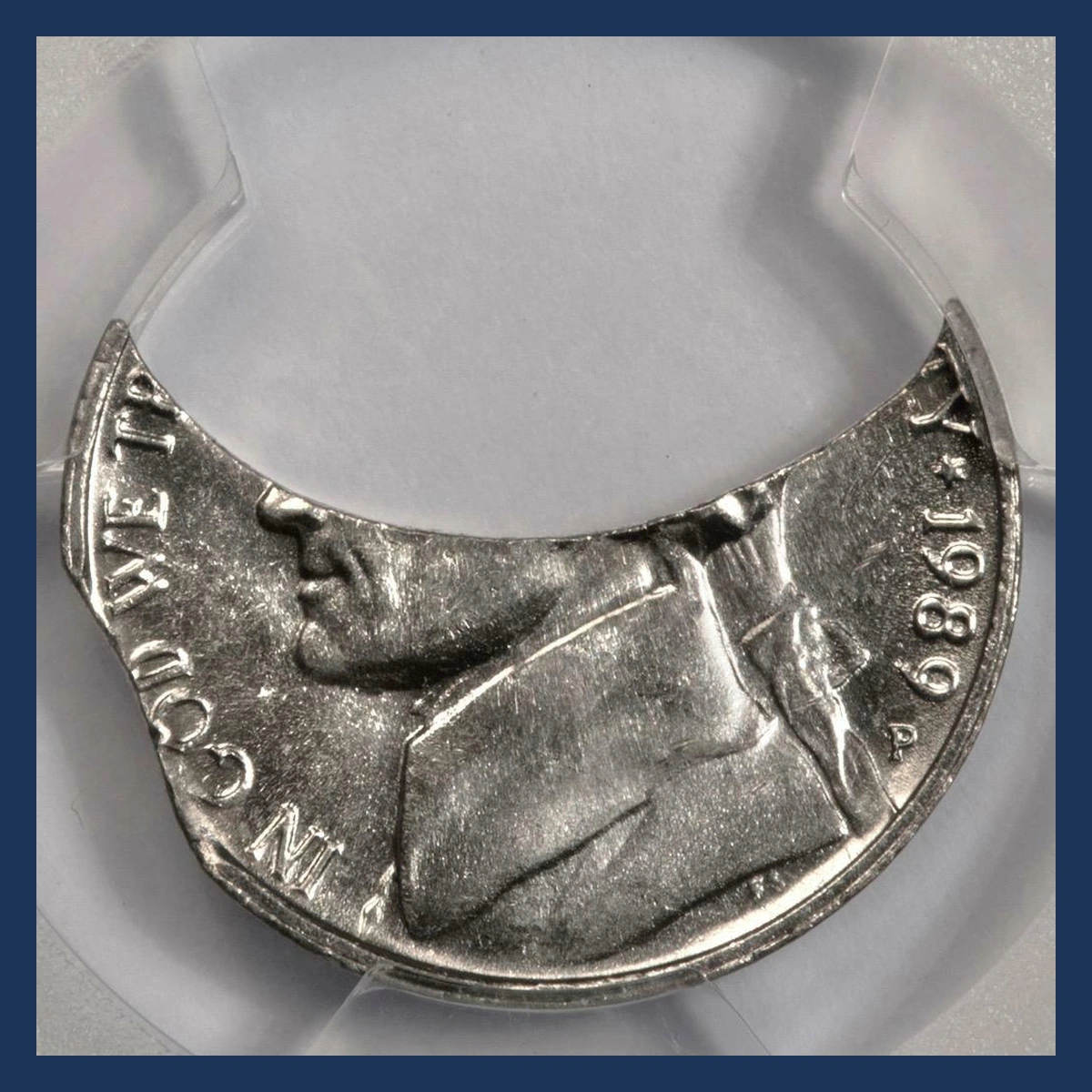
A curved opening can interrupt the coin’s round outline when part of the blank was missing before striking. The nearby portrait or lettering then forms against an incomplete boundary.
GreatCollections records a Philadelphia example weighing 4.01 grams and graded ANACS MS65. That is lighter than an ordinary nickel because a substantial amount of metal is absent.
The record does not assign a clock position to the opening. A similar shape cut into a normal coin after striking needs different treatment, even if the finished weight happens to be close.
Estimated Value
For a clear major curved clip, estimate $40–$300, with original surfaces and attractive missing-metal boundaries supporting more interest. The 4.01-gram Philadelphia listing identifies the coin but supplies no usable sale price here.
As a nearby-date comparison, a 2005-P ten-percent curved clip sold for $99 in June 2026. The different date, grade, and missing amount prevent treating that as the 1989 coin’s own price.
How to Identify
Weigh a loose example on a digital scale and record the result before estimating the clip’s size. Compare it with the normal 5.00 grams, using 4.01 grams only for the specifically recorded coin.
Inspect both ends of the opening with a 10× magnifier for struck metal flowing toward the gap. File marks or cuts across already formed lettering instead point to later removal.
Use calipers on intact spans against a normal diameter of about 21.21 millimeters. A weak rim opposite the clip can support the identification, but its absence does not settle the matter; the struck boundary and missing mass must agree.
8. 1989 Jefferson Nickel Off-Center Strike
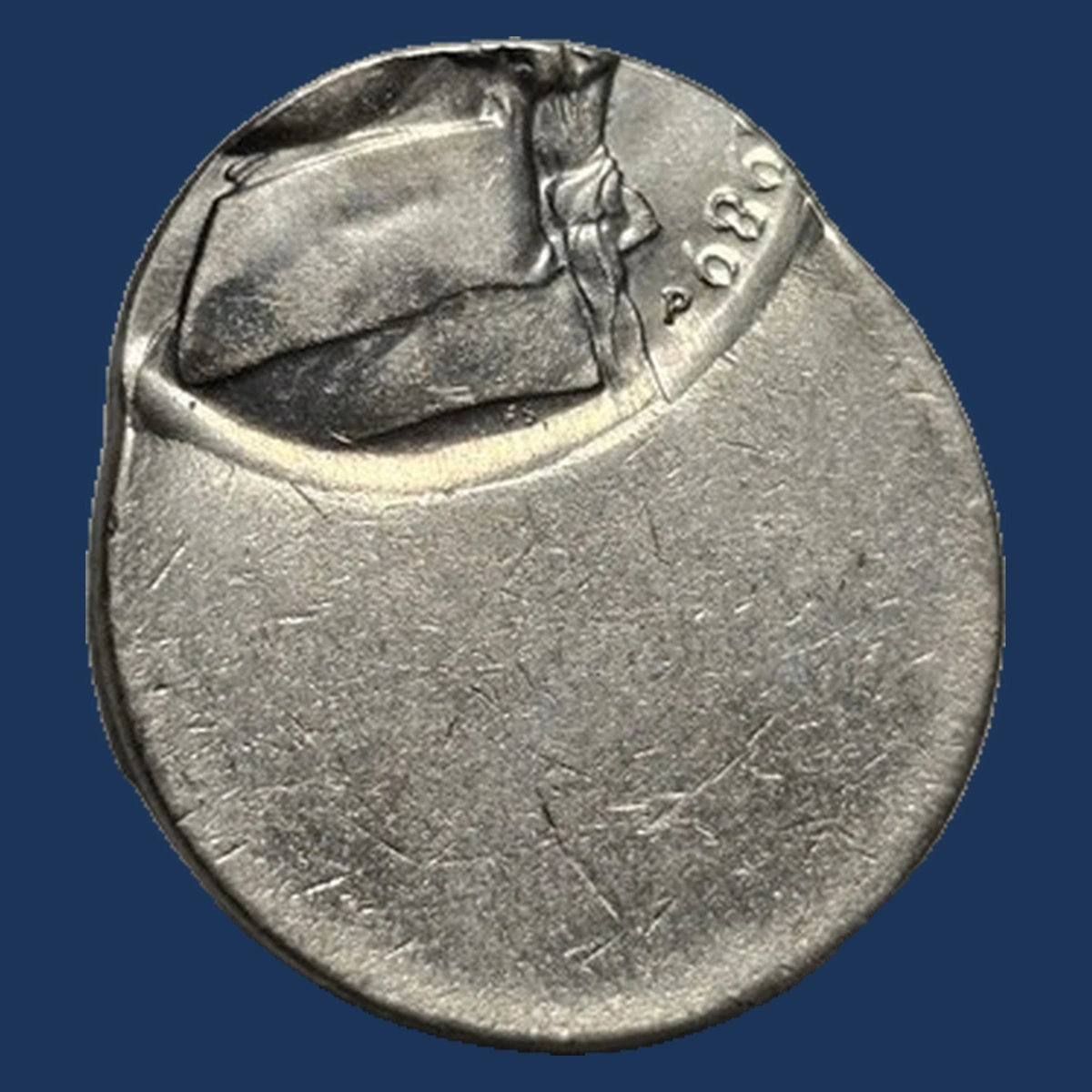
A large unused area beside a partial design shows that the blank missed its intended position in the press. Part of the portrait and lettering may lie beyond the metal’s edge.
The recorded Philadelphia example was struck fifty-five percent off center toward eleven o’clock. It was graded ANACS MS64, meaning an unworn coin with some marks.
Its position is a detail of that individual coin. Another 1989 nickel can have a different amount or direction of displacement, but both faces should still fit the same misplaced blank.
Estimated Value
Estimate $30–$350 for dated off-center examples, depending on the size of the shift and the remaining design. The Philadelphia fifty-five-percent coin is listed at about $65 in an August 2021 Heritage result.
That amount is a useful real-world comparison for a large visible error in ordinary unworn condition. A clear date can matter more than a slightly larger percentage.
Deep scratches, bent metal, or an unreadable identity can reduce the appeal.
How to Identify
With Jefferson upright, locate eleven o’clock on the recorded coin and compare the partial design with its blank area. Photograph the back too; it should agree with the same offset.
A 10× magnifier helps reveal whether the unused surface is original or has been ground smooth. Remaining letters should end naturally at the struck boundary.
Use a digital scale to check a loose coin against 5.00 grams, since an off-center strike normally retains the blank’s metal. Calipers can record its spread relative to the original 21.21-millimeter diameter.
Look for displaced designs on both faces. A centered back opposite an uneven front rim points toward a different alignment problem.
9. 1989 Jefferson Nickel Indent with a Broadstrike
This Philadelphia nickel combines a wide outline with a depression near seven o’clock. Another blank overlapped it while both were under striking pressure.
Ken Potter described the coin in a report from the 1999 ANA convention. It had spread to about the size of a quarter while retaining a centered nickel design.
The depression records the overlapping blank, and the broadstrike records the lack of normal edge restraint. These features work together on one coin, rather than establishing two separate finds or transferring every detail to other indented nickels.
Estimated Value
For a comparable expanded nickel with a clear indent, use an estimated $100–$500. The convention report describes the coin but gives no completed sale price.
A different 1997-P nickel with a ninety-percent back indent is listed at $780 in March 2025. That much larger depression makes it a stronger comparison, not a direct value for the 1989 seven-o’clock example.
Price the visible combination as a whole, rather than adding a broadstrike price to an indent price.
How to Identify
Locate the depression near seven o’clock and study where it meets the struck design with a 10× magnifier. The boundary should explain how another blank blocked part of this coin during the blow.
Measure the expanded outline with calipers against a normal nickel’s 21.21 millimeters. The historical description compares it with a quarter’s size, but that is not an exact measurement of the surviving coin.
A loose piece should retain roughly its original 5.00 grams on a digital scale if no metal is missing. Inspect the opposite face and edge for later hammer damage, then check that the depression and outward spread fit one striking event.
10. 1989 Jefferson Nickel Double and Multiple Strikes
Repeated portraits, dates, or building fragments can show that a coin stayed in the press for another blow. The positions reveal more than simply describing the design as doubled.
One Philadelphia coin received three strikes, with its later blows seventy and ninety percent off center. Another has two off-center strikes, with the second back impression blocked.
A further example combines multiple strikes with a broadstrike. Its total number of blows is not specified, so the three-strike sequence from the first coin should not be assigned to it.
Estimated Value
An estimated $75–$700 covers clear repeated-strike examples, depending on their appearance and condition. The Philadelphia three-strike PCGS MS64 coin is listed at about $402 in August 2009.
The double-struck ANACS MS63 example appeared in a $79 two-coin lot in December 2014. That payment also covered a 1999-P coin and cannot be treated as a separate price for 1989.
The multiple-strike broadstrike needs its own complete-design comparison rather than a borrowed strike count.
How to Identify
Map one extra portrait or building before counting how many times the coin was struck. Use a 10× magnifier to connect related pieces of each impression.
For the three-strike coin, separate the small final impression from the larger earlier designs. Their seventy- and ninety-percent offsets do not specify an unstated clock direction.
Examine the back of the double strike for the area where the second impression was blocked.
Calipers can record the spread against the normal 21.21-millimeter blank, and a digital scale can compare a loose coin with 5.00 grams. Repeated blows change shape without automatically removing metal.
Follow complete groups of repeated details; a thin shelf along one letter does not establish another strike.
11. 1989 Jefferson Nickel Reported Partial Counterbrockage
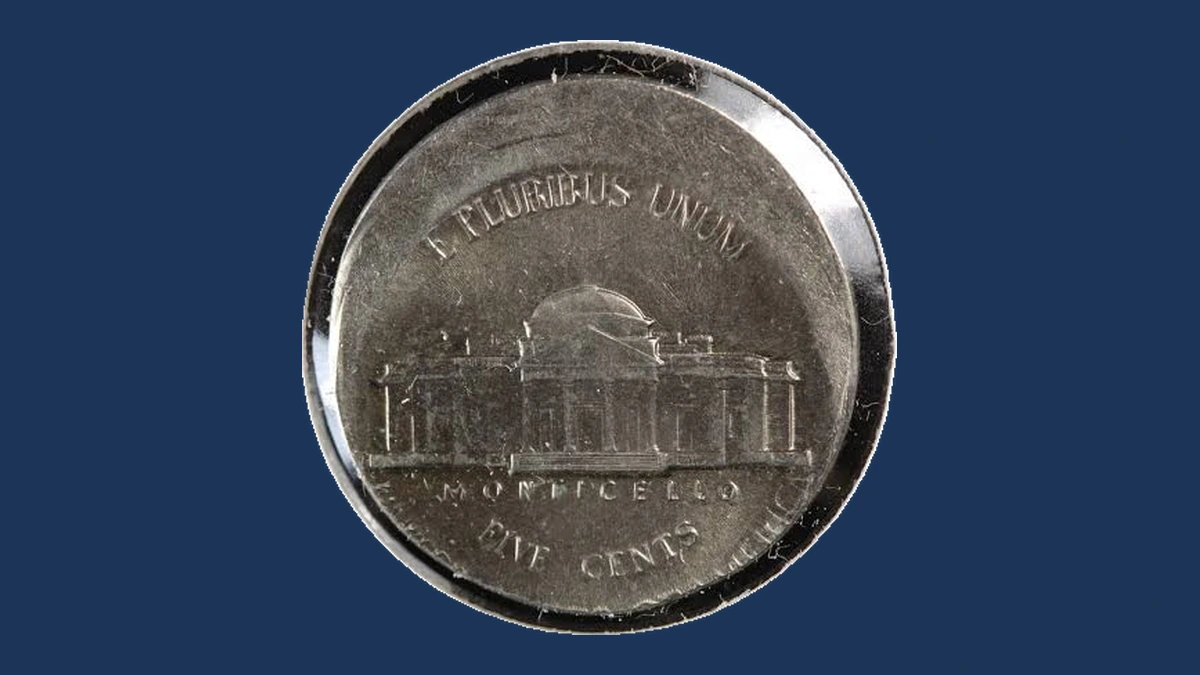
A depression on this Philadelphia broadstrike contains features that may be parts of another design. Its owner proposed a partial counterbrockage, while other collectors thought it was an ordinary indent.
A counterbrockage forms when a coin bearing a sunken mirror design presses that design into another blank. The receiving coin then gains a raised, normally oriented image.
The original discussion points to a curved feature near the bottom and possible LI remnants.
The owner later clarified that this receiving coin had been struck once, leaving the proposed image transfer as the question.
Estimated Value
If recognizable raised transferred detail establishes a partial counterbrockage, a working estimate is $150–$800. If the feature proves to be an ordinary indent with a broadstrike, use the lower $100–$500 combination range instead.
The collector’s discussion contains no completed sale, and its tentative description is not a professional authentication. The figure therefore follows the identified mechanism, rather than rewarding a speculative label.
Clear evidence of an actual transferred design is essential to the higher comparison.
How to Identify
Inspect the large area near six o’clock under a 10× magnifier. The owner’s photographs and discussion point to an arc from about seven-thirty to five and possible LI fragments on the right.
Check whether those details rise above the surrounding depression and read in the normal direction. A sunken mirror image would describe a different transfer.
A digital scale can compare a loose coin with 5.00 grams, and calipers can record its spread beyond the usual 21.21 millimeters.
Compare the suspected fragments with Jefferson and LIBERTY before naming the error. A flattened patch without recognizable transferred detail cannot establish counterbrockage.
12. 1989 Jefferson Nickel Struck over a Finished Cent
Lincoln or the Memorial can remain underneath the newer Jefferson nickel design when a finished cent enters the nickel press. Both denominations then share the same piece of metal.
A Denver example was struck over a 1989-D cent with both dates still visible. The cent’s Memorial side lies beneath the nickel’s portrait side, and the opposite faces are paired the other way.
A separate Philadelphia example was struck over a 1989 cent. Its earlier cent is not given a Philadelphia mint letter merely because the later nickel design has a P.
Estimated Value
For clearly identified examples, estimate $300–$1,200, with readable earlier details and attractive surfaces supporting the upper range. The Philadelphia NGC MS65 Red coin is listed at $432 in September 2019.
The Denver NGC MS64 Red coin has a January 2007 auction record, but its publicly visible page does not show the price. The two coins should therefore retain their separate sale histories.
Red describes copper color; the numerical grades describe unworn condition with different amounts of marking.
How to Identify
Use full photographs of both faces to establish where each older design lies. In the Denver example, the Memorial is underneath Jefferson, while the cent’s portrait side sits beneath Monticello.
Enlarge the surviving dates with a 10× magnifier. Each date should belong to its own design, rather than being a second shadow of the nickel date.
A loose coin can be checked on a digital scale against a modern cent’s 2.50 grams, rather than a nickel’s 5.00 grams. Use calipers to record expansion beyond the cent’s original 19.05 millimeters toward the nickel’s 21.21 millimeters, then examine the crossing designs for evidence of later squeezing.
13. 1989 Jefferson Nickel Struck on a Cent or Dime Blank
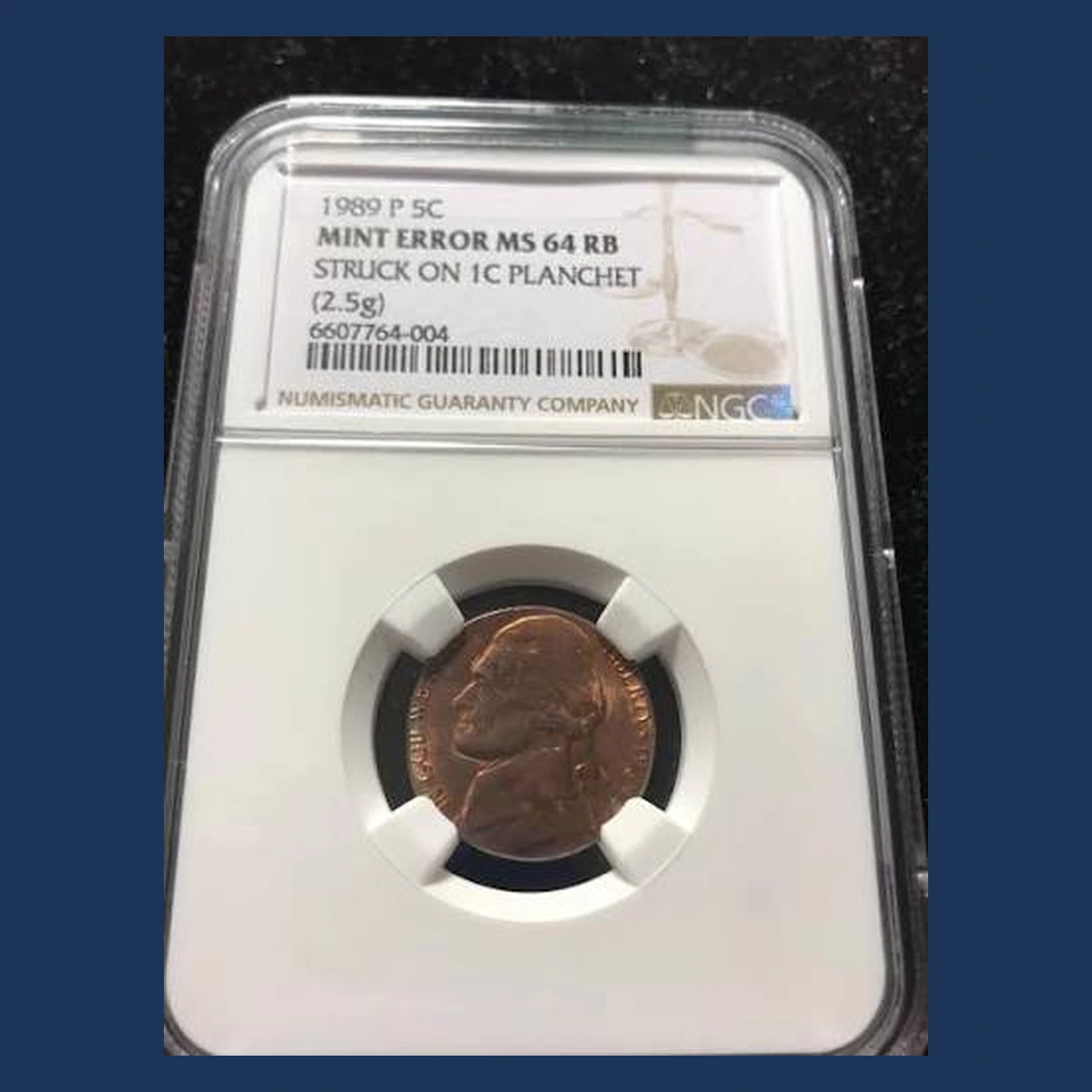
A small blank can enter the nickel press and receive a design that is too large for it. Some outside lettering then fails to fit.
Philadelphia examples struck on unused cent blanks have copper-colored surfaces. A Denver example instead used a clad dime blank, with outer copper-nickel layers around a copper core.
Neither blank needs an earlier Lincoln or Roosevelt design because it had not yet become a finished coin. The two wrong-blank types share the size problem but differ in their metal, expected weight, and edge appearance.
Estimated Value
Estimate $300–$1,000 for a clear cent-blank strike and $400–$1,500 for an attractive dime-blank example. A Philadelphia PCGS MS63 Red and Brown cent-blank coin brought $348 in November 2020.
The Denver dime-blank nickel brought $690 in January 2011. It was graded NGC AU58, indicating very light wear.
These results price different coins; sharp Monticello steps are a quality detail, not an additional error to charge for.
How to Identify
Choose the suspected blank by checking the edge, not just the front color. Under a 10× magnifier, a dime blank may show a copper core between lighter outer layers, while a modern cent blank has a copper-colored surface.
A digital scale should be compared with about 2.268 grams for a dime blank or 2.50 grams for a modern cent blank. The normal nickel is much heavier at 5.00 grams.
Use calipers against starting diameters of 17.91 millimeters for a dime and 19.05 millimeters for a cent, allowing for expansion during striking.
The nickel’s normal diameter is 21.21 millimeters. Smaller size, appropriate metal, and cropped nickel lettering should support the same wrong-blank explanation.
Conclusion
Estimated prices of $5–$1,500 cover very different 1989 nickel errors. A shifted front design, an incomplete blank, and a nickel struck on a dime blank require different evidence.
Look at the edge whenever the coin’s size or surface seems unusual. Keep a finished cent overstrike separate from a strike on an unused cent blank.
A proposed counterbrockage also needs recognizable transferred design, rather than a depression or flattened area alone.