1887 Dollar Coin Error List with Pictures

One remarkable 1887 dollar shows Liberty twice: once normally and once as a sunken mirror image. Struck 55% off center, the PCGS MS63 coin sold for $78,000 in November 2024.
Other 1887 Morgan Dollar errors need a magnifier or an edge view to reveal themselves. Estimated whole-coin values across this list range from $60–$90,000.
Start with the visible feature below, then compare the correct mint, condition, and type of mistake.
1. 1887 Morgan Dollar Misaligned Design
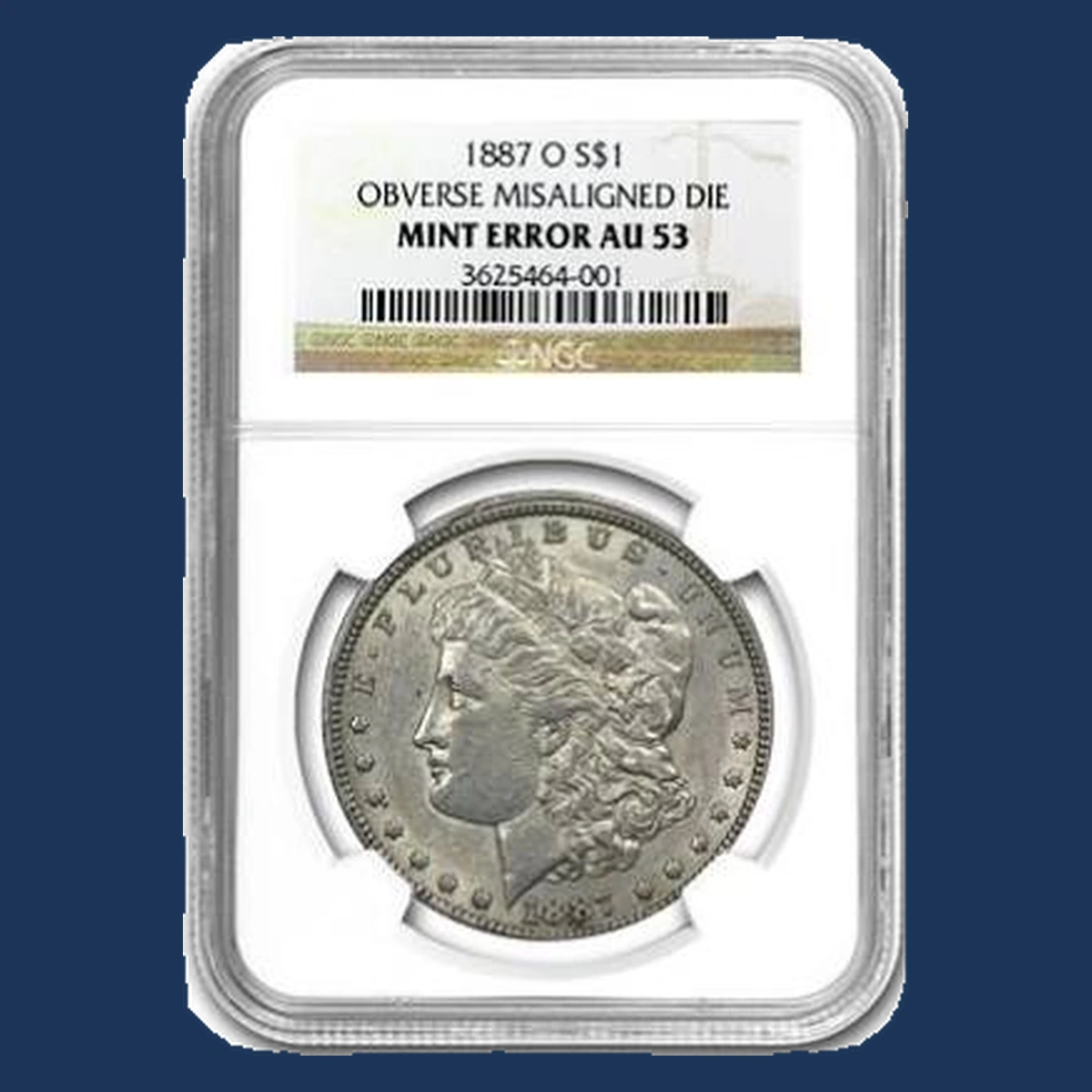
An uneven border on one face can result from a stamping tool sitting off to one side. The coin may still have a normal outline and a better-centered design on its other face.
This is a misaligned die, with die meaning the steel tool that stamps the design. The tool moved from its proper position rather than the whole metal disc being fed off center.
A documented 1887-O example was described as ANACS VG10 Details with damage. Its later damage must be separated from the original one-sided design shift.
Estimated Value
Allow an estimated $60–$600 for a genuine 1887-O misaligned-design dollar. Mild shifts often add little to the underlying coin, while an obvious one-sided displacement attracts more attention.
The recorded worn, damaged example should be valued with those surface problems in mind. Damage does not erase an original minting mistake, but it can reduce demand.
The higher end assumes clear displacement with better remaining detail and no major later damage.
How to Identify
Place straight-on photographs of the two faces side by side. Compare the space between the outer lettering and rim around each face, rather than judging one wide-looking section.
If the front is displaced while the back is better centered, investigate a misaligned tool. A misplaced disc that produces an off-center strike affects the struck area on both faces.
Examine any rim damage separately with a 10× magnifier. A flattened edge can change the apparent border without moving the original design.
Check intact sections of the rim instead of relying on a damaged area. Confirm the one-sided design shift against the original outline and the other face.
2. 1887 Morgan Dollar Rotated Back Design
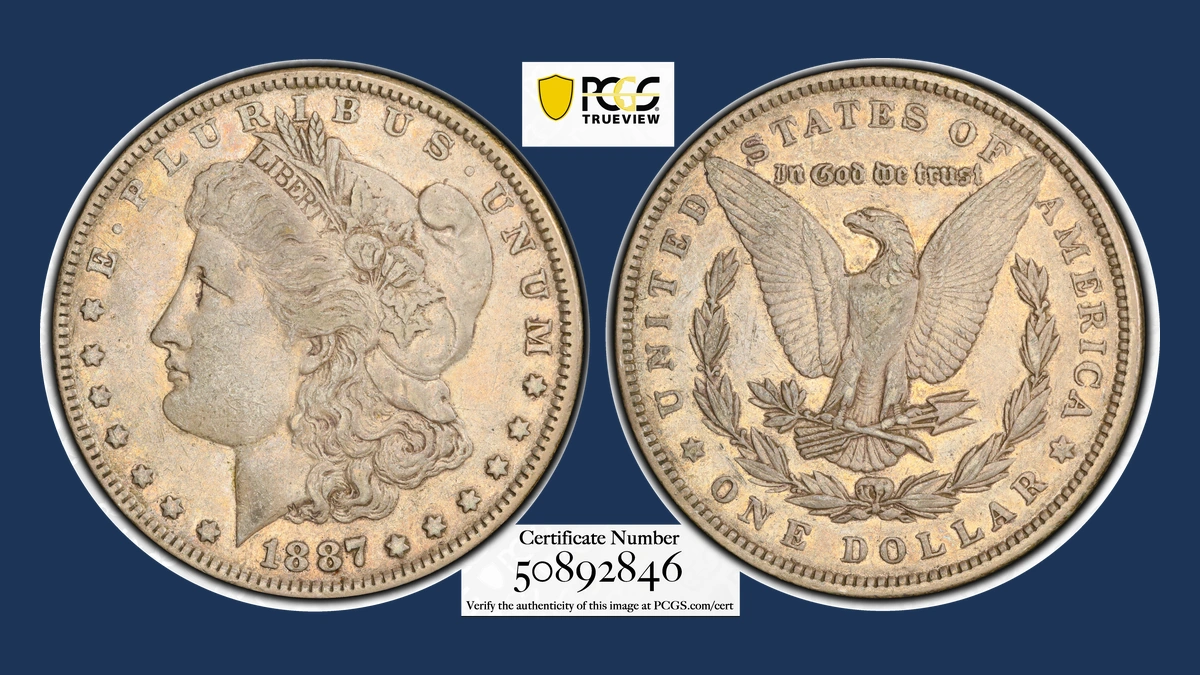
The eagle may lean after the dollar is flipped from an upright portrait. That can happen when one stamping tool turns away from the normal alignment of the pair.
This error is called a rotated die. It changes the angle between the faces, rather than moving the design sideways toward the rim.
Philadelphia 1887 dollars are recorded with substantial rotations in different directions. A single angle does not describe the whole category, and photographs turned upright one at a time cannot show whether the actual coin has the error.
Estimated Value
An estimated $75–$800 covers genuine 1887 rotated-back dollars in ordinary worn and unworn grades. The angle and how easily it can be demonstrated matter more than a dramatic label.
A slight turn may add only a small amount. A large, repeatable rotation with attractive surfaces can support stronger interest.
Use the whole coin’s condition in the estimate, and avoid paying an error premium based only on separately aligned photographs.
How to Identify
The angle must come from the coin rather than the camera. Hold Liberty upright against a vertical guide, then flip the coin top to bottom while keeping the camera fixed.
Use the eagle’s body and wreath to establish the back’s centerline, especially if wear makes the head difficult to judge. Repeat the flip several times without twisting sideways; a rotated back returns to the same tilted position each time.
For a holdered dollar, turn the entire holder around its horizontal axis. Measure the repeatable tilt on a photograph with a protractor, recording the actual direction and angle rather than forcing it to fit a published number.
3. 1887 Morgan Dollar Back-Side Lamination
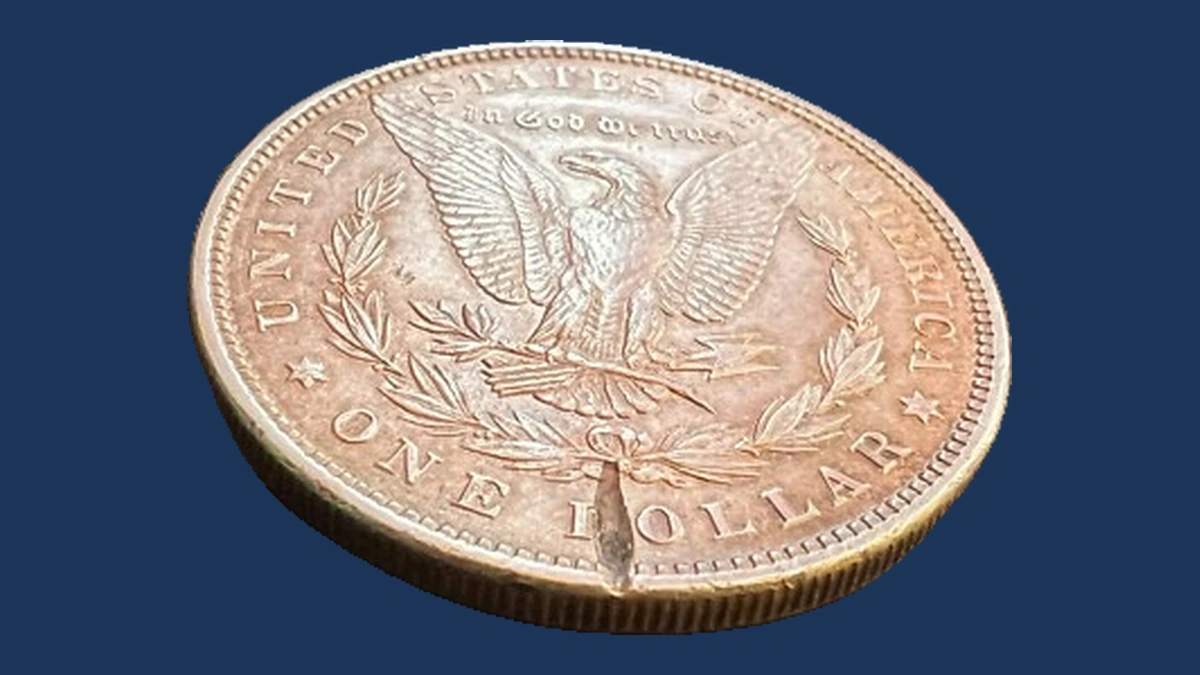
A shallow split or peeling area on the back can reveal a weakness within the original metal. Collectors call this lamination, where a thin section separates from the rest of the blank.
The blank is the metal disc that receives the design. Impurities or weak internal bonding can allow a layer to loosen before or after striking.
An 1887 Philadelphia example was graded NGC MS65+, a high unworn grade. Its back-side lamination is a local metal flaw, not evidence that the entire dollar split into two thin coins.
Estimated Value
The recorded NGC MS65+ dollar sold for $162 on July 1, 2020. Use an estimated $75–$1,000 for genuine 1887 laminations, with larger visible peels and attractive surfaces generally bringing more.
A high grade does not automatically make a small flaw very expensive. The size and appearance of the separated layer affect collector interest.
An intact loose flap should remain untouched; removing it changes the feature and may harm the coin’s value.
How to Identify
Preserve any attached flap before doing anything else. Its surface may retain design that helps show how the metal separated.
With low-angle light, find the boundary where the layer lifts or disappears. Color alone is insufficient because ordinary toning can make a smooth patch look different.
Use a 10× magnifier to inspect the exposed silver and nearby design. A later gouge may have tool cuts or a pushed-up lip instead of a natural layered break.
A weight check matters only when enough silver has gone missing. Normal weight is 26.73 grams, and wear also removes metal.
Follow the separated layer back into the original coin, keeping the flap exactly where you found it.
4. 1887 Morgan Dollar Raised Spots from a Pitted Tool
The term pitted reverse can sound as though the dollar itself is full of holes. For this 1887-O variety, it refers to hollows in the stamping tool that produce raised spots on the coin.
Silver flows into the small tool defects under pressure. The resulting texture belongs to the strike rather than corrosion after minting.
The pattern must match the recognized variety, not merely appear rough. A coin with random surface pits, heavy bag marks, or an altered texture has a different problem even if its back looks unusual.
Estimated Value
Estimate $75–$1,000 for a correctly matched 1887-O pitted-tool variety across ordinary condition levels. Strong pattern visibility and original surfaces help support the premium.
As a different-year comparison, PCGS records an 1891-O Pitted Reverse AU53 sale at $775 in August 2019. That is not a sale of an 1887 coin.
Random corrosion lowers appeal rather than earning this estimate, so the price depends on identifying the raised pattern correctly.
How to Identify
Enlarge a clear photograph of an authenticated 1887-O pitted-tool variety before examining the suspect coin. Locate the same patch of back-side design on both examples.
With a 10× magnifier, compare the arrangement of several small points. The correct pattern matters more than a general rough appearance.
Now lower the light and inspect whether those points rise above the silver. Tool pits make bumps on coins, while corrosion removes metal and leaves depressions.
Change the light direction to test any ambiguous feature. A patch of dark toning can suggest depth where none exists.
Confirm the O and date, then match the raised cluster beside the same design landmarks.
5. 1887 Morgan Dollar Clipped Rim
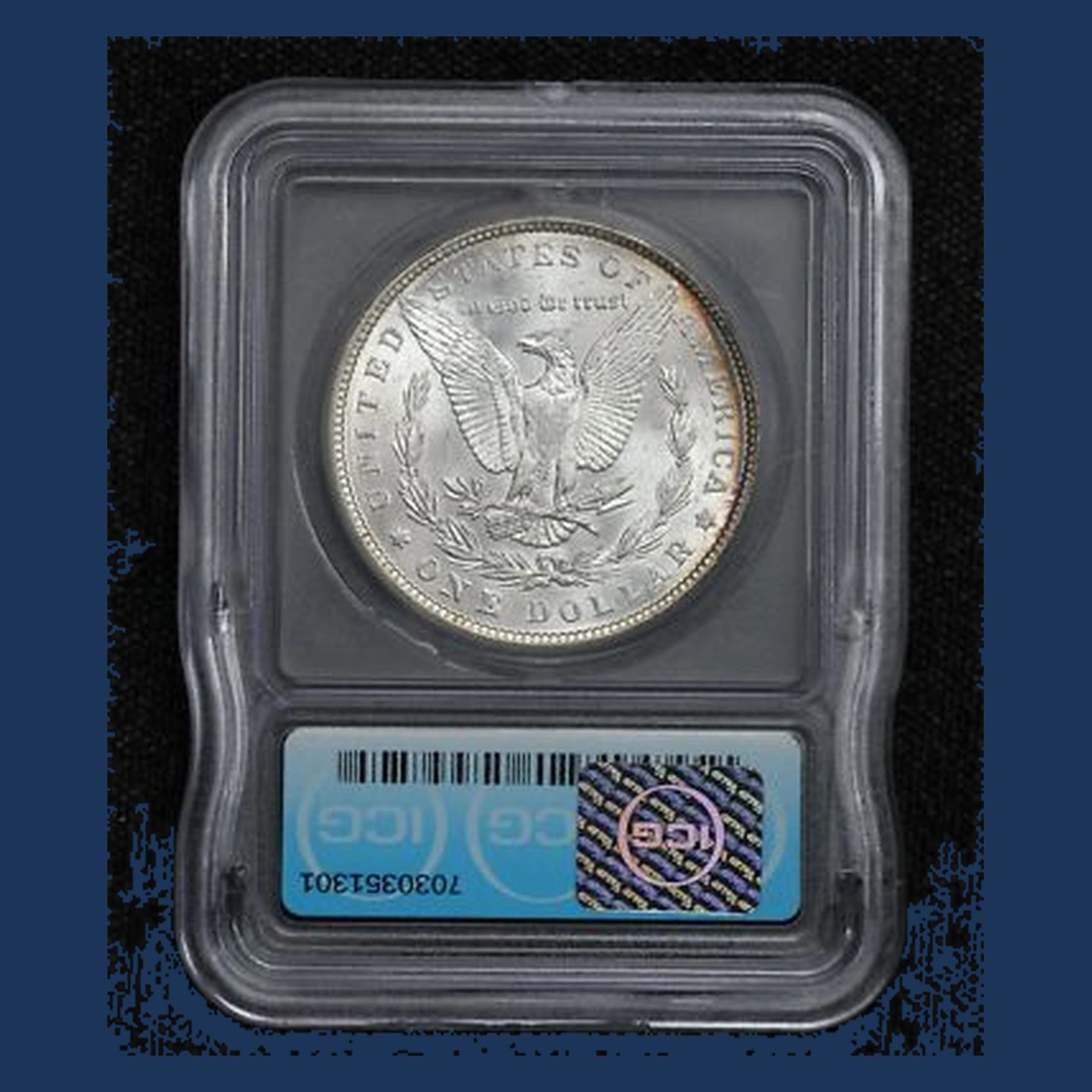
A shallow piece of rim is missing near 12:30 on a recorded 1887-O dollar graded PCGS MS64. Another clipped New Orleans example has been reported in an ICG MS62 holder.
The missing metal was absent from the blank before the design was struck. A blank can be cut incompletely when the cutting punch overlaps a hole or the edge of the metal strip.
Striking then shapes the incomplete disc. This differs from a later nick or filed section, even when the finished coin has only a small gap.
Estimated Value
An estimated $150–$1,500 covers genuine 1887-O rim clips, depending on condition, visibility, and the amount missing. The estimate concerns the whole coin rather than a set payment per percentage clipped.
A tiny rim shortage may attract less interest than a larger, clearly formed clip. Undamaged surfaces and a secure error identification make comparisons easier.
The two reported grading labels belong to separate examples; neither supplies a price or a fixed clip size for the other.
How to Identify
The recorded PCGS MS64 coin has its shallow gap near 12:30, so orient the front before comparing pictures. Examine the gap’s side surface and both ends with a 10× magnifier for file strokes, sharp cuts, or bent metal.
Look across the coin for possible rim weakness, a supporting clue that may be faint or absent. If weighing a loose coin, compare with the normal 26.73 grams while allowing for wear; a tiny clip may barely affect that reading.
The separate ICG example needs its own edge photographs. Judge a clip from the natural transitions between missing metal and struck edge, rather than using a low weight as proof.
6. 1887 Morgan Dollar Repunched Date
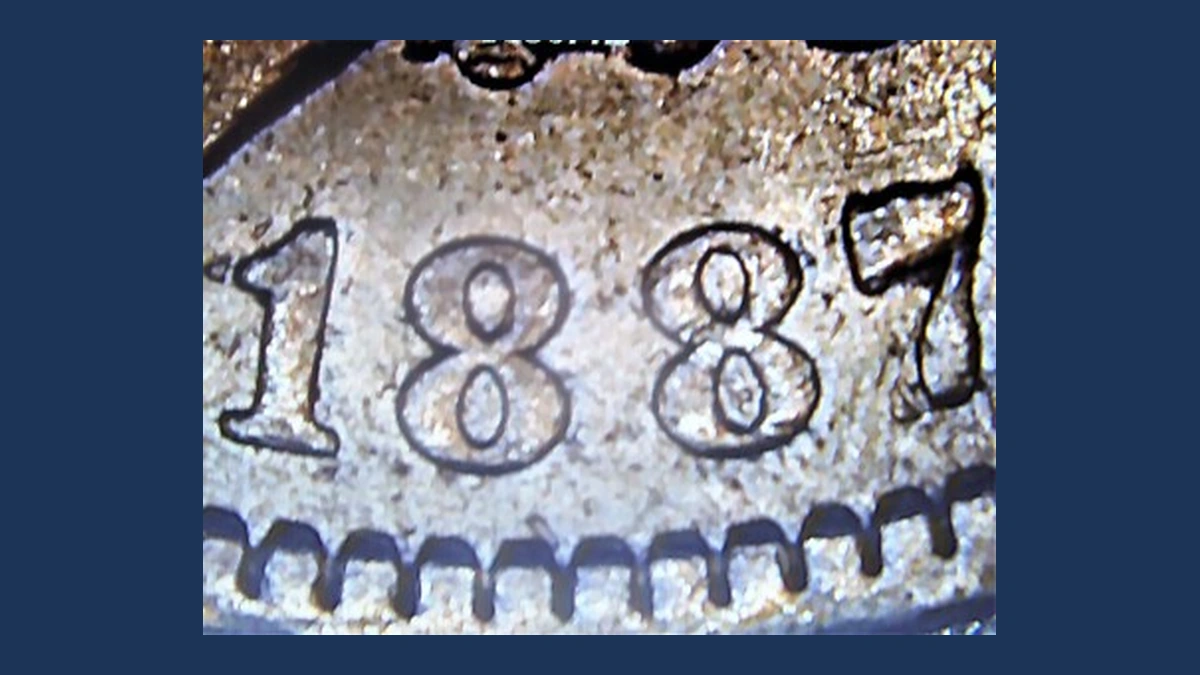
Extra outlines on the date can show that its punch entered the steel tool more than once. A slight change of position left parts of both impressions behind.
Philadelphia examples include repeated detail on the final 87. New Orleans examples have reported repetition on the first 1 and final 7.
These are repunched digits from the same date, rather than an old 6 beneath a new 7. They also differ from a doubled portrait design, so each date feature should be compared with the correct mint’s own pattern.
Estimated Value
The estimated whole-coin range is $75–$2,500 for these repunched-date varieties across ordinary worn and unworn grades. Strong, recognizable extra outlines generally attract more interest than very faint repetition.
Much of the total still reflects grade and mint. A premium belongs to a correctly identified pattern, not every scratch or flat ledge near a numeral.
Exceptionally preserved pieces require closer comparison, while cleaning can offset the appeal of an otherwise clear date.
How to Identify
Locate the mintmark before focusing on the numbers. No mark means Philadelphia, while an O beneath the wreath identifies New Orleans.
For Philadelphia, inspect the final 87 with a 10× magnifier. For the New Orleans report, start with the first 1 and last 7 instead.
Compare the extra outlines with an authenticated example of the same pattern. Their curves should belong to an earlier position of those digits, rather than an unrelated cut crossing the date.
A remnant shaped like a 6 beneath the 7 calls for the separate overdate test. Identify which numeral the extra outline actually repeats before naming the variety.
7. 1887 Morgan Dollar Struck Through an Object
A hollow in the design can form when something lies between the metal and a stamping tool. The coin receives the obstruction’s shape instead of the detail normally present there.
An NGC Uncirculated Details example is reported with a front-side impression. A separate NGC MS63 dollar has a long struck-through area on the back.
These are different coins, not two views of one specimen. Without the original object, the depression alone should not be labeled as cloth, grease, or wire simply because one material could fit its general appearance.
Estimated Value
Use an estimated $100–$3,000 for genuine 1887 struck-through dollars. The shape, depth, remaining detail, and surface condition affect how much interest the impression creates.
A same-series comparison is the 1899-O dollar with retained wood on its back, which sold for $504 in October 2022. That is a different year with identifiable material still attached.
An empty hollow should be judged on its own appearance, without borrowing a retained-object premium.
How to Identify
Follow a normal design line toward the hollow and watch where it stops. An obstruction present during striking can prevent that part of the design from forming, while a later gouge cuts through already formed detail.
Under a 10× magnifier, inspect the depression for torn silver, pushed-up lips, or tool marks that suggest later damage. Use light from two directions and leave any attached material untouched, since it may help explain the original impression.
The front-side example and long back-side example require separate photographs. Confirm the struck boundary on the actual coin being examined, without borrowing the other coin’s location or guessing which object made the hollow.
8. 1887 Morgan Dollar Repunched S Mintmark
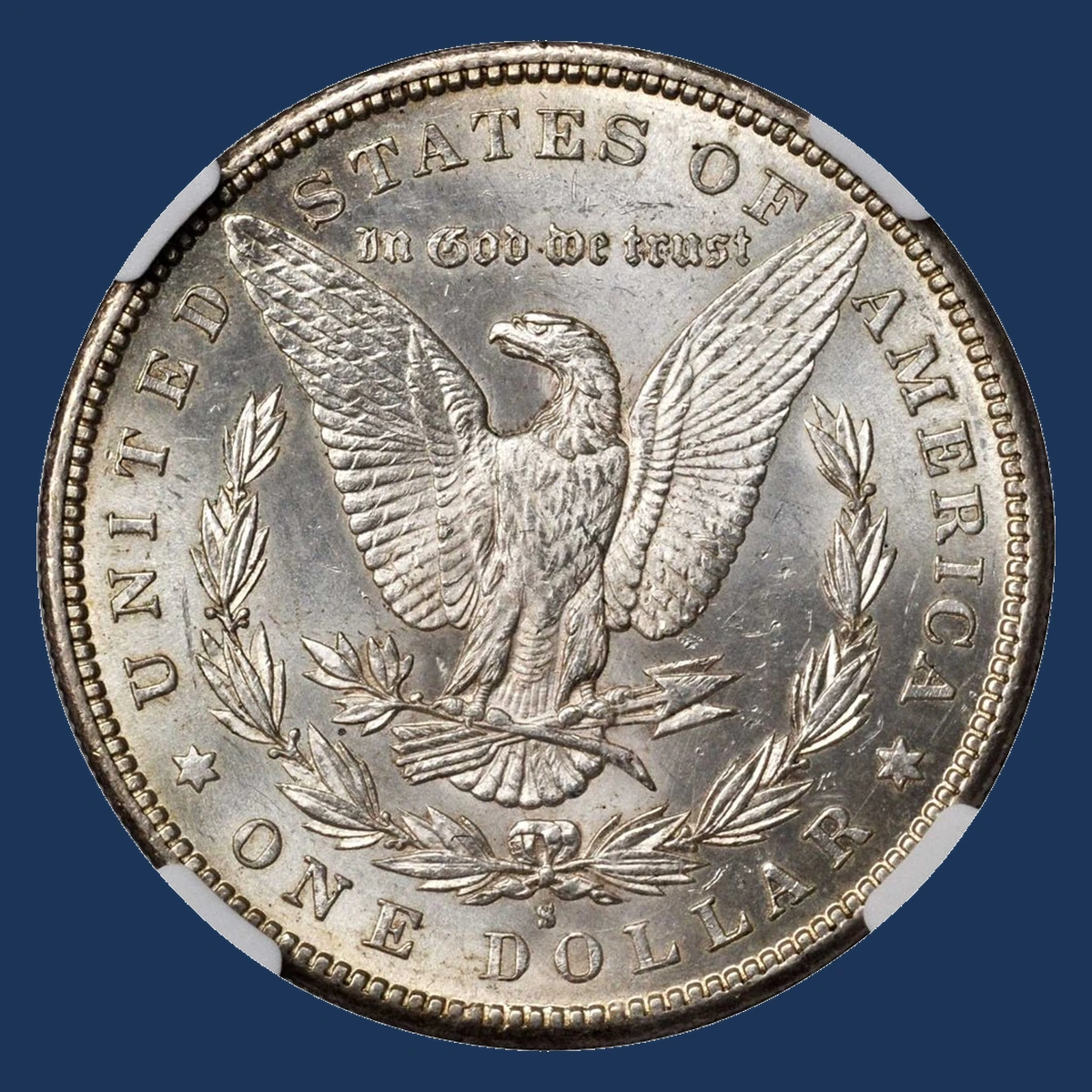
Look inside the upper loop of the S for part of another S. This repeated outline comes from a mintmark punch used more than once in slightly different positions.
The worker punched the letter into a stamping tool, not into each finished coin. Later dollars copied the overlapping letter outlines already present in that tool.
The 1887-S pattern belongs beneath the wreath’s bow on the back. A flat shelf caused by movement during striking can resemble doubling, but it does not necessarily preserve the curved shape of an earlier punched S.
Estimated Value
An estimated $100–$4,000 covers a genuine 1887-S repunched-mintmark variety from worn examples through better unworn coins. The coin’s grade and the San Francisco issue’s value account for much of the spread.
A crisp repeated outline is easier to identify and market than a worn or partly obscured feature. It should not be priced like a different date’s famous Micro S.
Cleaning, scratches, or a questionable mintmark can sharply reduce the whole coin’s appeal.
How to Identify
The upper loop is the useful place to begin on this 1887-S pattern. Use a sharp authenticated close-up and a 10× magnifier to compare the earlier S curve within that space.
A flat shelf around the outside of the letter may instead reflect movement during striking. Change the light direction to check that the apparent inner curve is raised metal with a consistent outline, not a reflection or dark stain.
Inspect the base of the mintmark and nearby bow for disturbance that might suggest an added letter. Match the surviving upper-loop curve and surrounding S shape with the genuine example before assigning the repunched-mintmark name.
9. 1887 Morgan Dollar Doubled Design and Alligator Eye
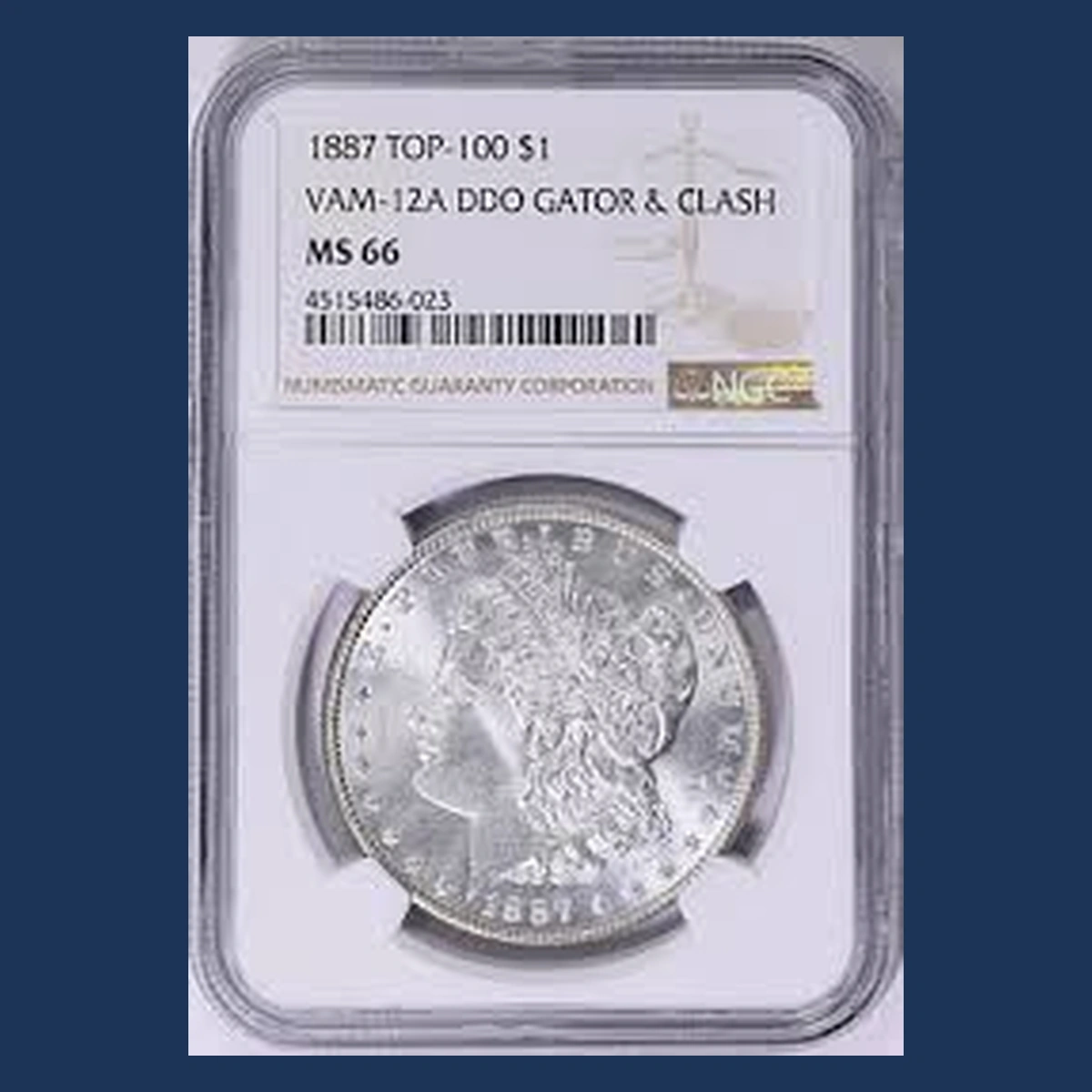
A thin extra line at the front of Liberty’s eye gives Philadelphia’s Alligator Eye variety its name. It is part of a repeated design on the stamping tool, rather than a second strike on the coin.
New Orleans examples have doubled stars on the front. Philadelphia back-side doubling is also reported, with its own pattern requiring a matching photograph.
These belong to the doubled-die category, where die means the steel stamping tool. Their shared cause does not make the eye line, star points, and back-side details interchangeable signs on every 1887 dollar.
Estimated Value
Allow an estimated $75–$4,000 for the doubled-design varieties across ordinary worn through high unworn examples. The upper portion suits outstanding preservation with a clear variety identification.
A Philadelphia Alligator Eye graded PCGS MS67 sold for $3,760 in August 2016. That result concerns a very high-grade example, not every dollar with a line near its eye.
The New Orleans stars and Philadelphia back doubling need their own grade-and-pattern comparisons when setting a price.
How to Identify
Decide which face and mint you are examining before selecting a doubled-die name. The Alligator Eye test applies to Philadelphia’s front, while the reported doubled stars belong to New Orleans.
Enlarge the eye with a 10× magnifier and compare the extra line with a confirmed Alligator Eye image. A scratch across the eye does not count merely because it is vertical.
For the O-mint stars, compare several corresponding points rather than one damaged star. For back-side doubling, use a photograph of that exact pattern without borrowing front-side locations.
Rounded extra detail that matches the known design is the target. A flat shelf from movement during striking requires a different explanation.
10. 1887 Morgan Dollar Partial Collar and Tilted Edge Grooves
The front and back can look nearly normal while the edge reveals the error. On a recorded 1887-S dollar, the grooves cover only part of the edge and slope along it.
The collar is the retaining ring that limits the coin’s spread and forms those grooves. A partly raised or tilted ring leaves an incomplete pattern.
Philadelphia MS63 and New Orleans AU55 examples are also recorded, alongside the San Francisco PCGS AU50 coin. Each needs its own edge view because the amount and direction of incomplete contact can differ.
Estimated Value
The 1887-S PCGS AU50 tilted-edge example sold for $252 in September 2019. Estimate $150–$4,000 for genuine partial-collar dollars of this year across the recorded mints and a range of condition.
The low sale shows that a real error can be affordable when its effect is subtle. Stronger edge distortion or a better-preserved coin may attract more.
Do not transfer one mint’s grade or exact edge pattern to another example when comparing prices.
How to Identify
Ask for photographs of the edge, even if both faces look normal. The recorded San Francisco coin is a useful reminder that the important feature may be hidden in a holder.
Follow the grooved band around the circumference. A slope or step into a smoother area can show where the retaining ring stopped controlling the metal.
With a 10× magnifier, inspect suspicious breaks for filing or later crushing. Those changes can remove grooves but often leave damaged texture rather than a naturally formed transition.
Keep the Philadelphia, New Orleans, and San Francisco photographs separate. Confirm the original partial groove pattern on the actual coin, not merely an unusually broad-looking rim.
11. 1887 Morgan Dollar Raised Metal from a Broken Tool
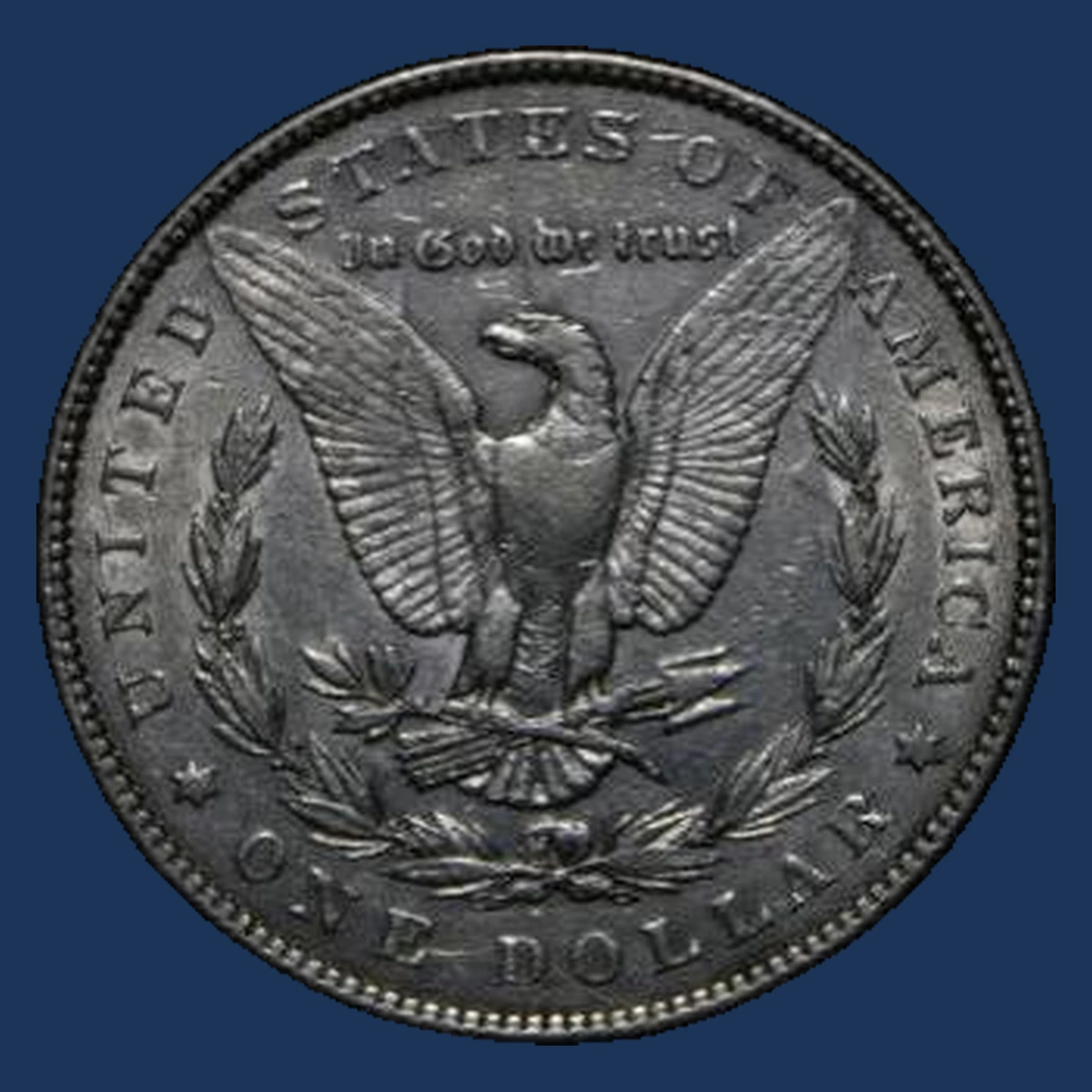
The Donkey Tail is a raised extension at the lower right of D in DOLLAR on Philadelphia coins. A piece of the stamping tool broke away, leaving room for extra silver to rise.
New Orleans examples have separate small raised areas along the front rim and its tiny border teeth. One report places several between roughly 5:30 and 8 o’clock.
Both are tool-break effects, but they are not the same variety. The tail on a Philadelphia letter and the New Orleans rim lumps need separate comparisons with coins from their own mint.
Estimated Value
The estimated range is $75–$12,000, covering small rim breaks through scarce, well-preserved Donkey Tail examples. Most minor rim lumps fall far below the top of that range.
PCGS displays a Donkey Tail MS63 auction result of about $9,988 in April 2017. That price belongs to the identified Philadelphia variety, not the separate New Orleans rim-break reports.
Wear and cleaning affect both groups, and a raised mark must first be distinguished from added material.
How to Identify
Check the mintmark first because the two examples lead to different places. Philadelphia’s Donkey Tail is at D in DOLLAR, while the New Orleans reports concern the lower front rim.
Magnify the appropriate area and see how the extra metal joins the design. A naturally struck lump differs from loose debris or silver shoved sideways by a later impact.
For Donkey Tail, compare the extension’s entire outline with a confirmed example. Its position alone cannot establish the variety.
The New Orleans rim coin needs its own view of the raised border areas. Different reports should not be combined into one fixed pattern.
Match the actual lump and surrounding detail on the correct mint’s coin.
12. 1887 Morgan Dollar Large Off-Center Strike
A wide blank area sits beside an incomplete design on the 30% off-center example. The strike moved toward 2:30, leaving only part of the normal lettering on the metal.
The date survives except for the tail of its final 7. The mintmark area remains intact and has no letter, supporting Philadelphia rather than an assumed mint based on missing detail.
NGC described the coin as AU Details with cleaning. Small oval struck-through marks also appear on Liberty’s chin and neck, but this is a separate coin from the 55% off-center mirror-image example.
Estimated Value
Heritage sold this 30% off-center dollar for $18,300 on January 15, 2026. An estimated $3,000–$30,000 covers substantial genuine 1887 off-center strikes with identifiable dates.
The recorded coin shows that cleaning can lower surface quality without canceling a dramatic minting error. Its price reflects the whole coin and all its features together.
Smaller shifts generally need lower comparisons; a mirror-image back adds a separate complication and should not be priced as an ordinary off-center strike.
How to Identify
Compare the blank area with the portion that received the design. On this coin, the displacement is toward 2:30 and the final 7 loses only its tail.
Check the surviving mintmark area on the back. An intact area with no mintmark supports Philadelphia, while a missing area would leave the mint unresolved.
A normal Morgan weighs 26.73 grams, so weighing a loose example can help spot a coin simply cut down after striking. The unstruck metal should remain part of the original disc.
Inspect the design boundary and edge together under angled light. Match the actual missing lettering and retained date before comparing it with the documented 30% example.
13. 1887 Morgan Dollar 1887 Over 1886 Date
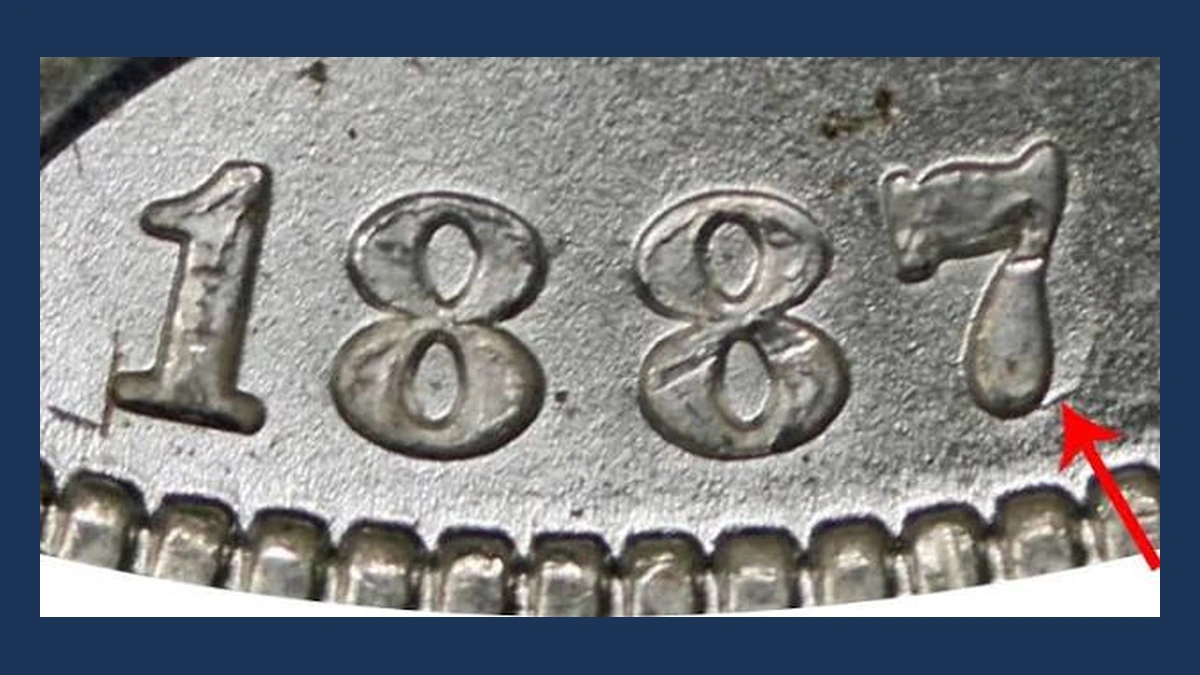
A curved remnant of a 6 below the final 7 identifies the 1887/6 overdate. The earlier date remained partly visible after a new digit was punched into the tool.
Both Philadelphia and New Orleans dollars are known with this major variety. The same date appearance does not make the coins equally scarce in every grade.
The slash in 1887/6 means 1887 over 1886, not a coin struck in two different years. It also differs from repeating the same 7, which belongs to the ordinary repunched-date category discussed earlier.
Estimated Value
Estimated whole-coin prices run from $75–$40,000 across worn examples through exceptional unworn overdates. Mint and grade cause large differences within that broad span.
PCGS records a Philadelphia MS65 overdate at $27,600 in July 2008. That result is specific to a high-grade coin and should not be applied to an ordinary worn example.
New Orleans pieces need their own comparison, and the old digit must be clearly identified before using an overdate price.
How to Identify
Examine the bottom of the final 7 with a 10× magnifier. Search for the curved piece of the old 6, using a confirmed overdate photograph to separate it from scratches.
Then identify the mint beneath the wreath. Philadelphia has no letter, while New Orleans has an O, and photographs should be matched to that mint’s variety.
Change the lighting to confirm that the curve is raised detail, not a dark stain or a cut. Do not count an ordinary repeated 7 as evidence of a different underlying numeral.
The most useful close-up shows enough of both digits to recognize the 6 beneath the 7, rather than one unexplained bump.
14. 1887 Morgan Dollar Off-Center Strike with a Mirror-Image Back
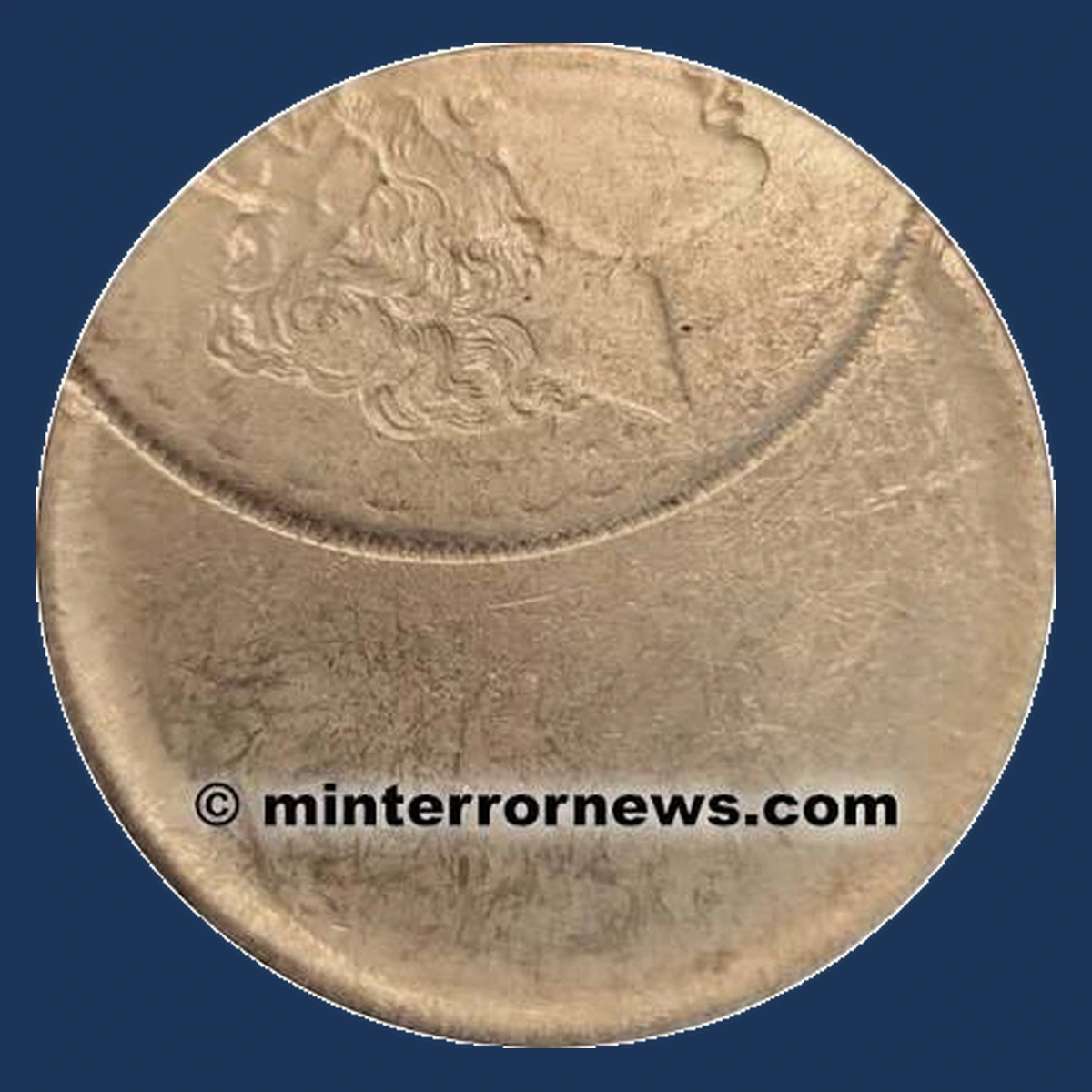
Liberty appears on both faces of this remarkable dollar. The front carries a normal raised design, while the back has a sunken, reversed impression copied from another struck coin.
That mirror-image impression is called a brockage. During the strike, the blank was pressed against an already struck dollar instead of directly against the normal back tool.
The design also landed 55% off center, leaving a large unstruck area while preserving the full date. PCGS graded the combined error MS63; its two striking effects belong to one coin and one combined accident.
Estimated Value
The PCGS MS63 combined error realized $78,000 at Stack’s Bowers on November 19, 2024. An estimated $40,000–$90,000 is appropriate for a comparable major, dated off-center brockage Morgan Dollar.
The full date, substantial displacement, and recognizable mirror image all contribute to its appeal. This is a rare combined error, not a normal value for a small partial impression.
The coin receives one overall valuation; do not add separate off-center and brockage prices together.
How to Identify
Read the back-side impression before judging the blank crescent. It should be sunken and reversed, with features copied from Liberty’s face rather than the normal eagle design.
Compare that impression with the raised front and the full 1887 date. The documented coin combines this mirror image with a 55% displacement, which is different from the cleaned 30% example.
Use side lighting and a 10× magnifier to check the relief, but remember that coins squeezed together after minting can also leave reversed marks. Authentic striking needs the correct metal flow and design relationships.
Match both faces and the unstruck area to photographs of the certified coin, rather than accepting a mirror image alone as proof.
Conclusion
The 55% off-center mirror-image dollar is spectacular, but smaller clues offer plenty to examine. A repeated S, an old 6 beneath the 7, or a stepped edge each needs its own comparison.
Estimated whole-coin values range from $60–$90,000. Preserve the original surfaces, keep separate examples’ features apart, and match condition as carefully as the error before using an auction price to judge your coin.