1969 Dime Error List with Pictures

A paper-thin piece and an extra-thick dime can both be genuine mint errors. Their weight tells very different stories.
Among 1969 dime errors, a double-struck, expanded S Proof sold for $528 in October 2022. Proofs are specially made collector coins.
The error estimates below run from $10 to $10,000, with the top range covering a matching Proof pair. A normal no-mint-mark dime is priced separately from the unconfirmed No S claim.
Read on to compare complete coins, detached layers, and paired pieces without mixing their identities.
1. 1969 Roosevelt Dime Reported No S Proof Claim
An ordinary 1969 dime can have no mint letter and still be completely normal. A missing letter matters differently on an S Proof, a collector coin made with specially prepared tools.
Some year guides claim a 1969 No S Proof, but an authenticated example has not been established in the available records. PCGS identifies other Roosevelt No S Proof years without including 1969.
This claim therefore needs more than a shiny no-mint-mark dime. Polishing an ordinary coin can make it reflective without turning it into a Proof or a missing-letter rarity.
Estimated Value
For an unverified no-mint-mark 1969 dime, $0.10–$5 covers ordinary circulated through common unworn examples. That is a normal-coin range, not a price for an authenticated No S Proof.
A particularly high-grade ordinary coin can sell for more because of its condition. Its absent mint letter still remains normal.
No special 1969 No S Proof premium is established here. Prices for missing-S Proofs from other years should not be transferred to an ordinary 1969 dime.
How to Identify
An empty mint-letter position is normal on an ordinary Philadelphia dime. The first task is establishing Proof manufacture, not measuring the empty space.
Preserve any original set packaging and read the grading label closely. A generic “1969 dime” label does not establish a No S Proof.
Under a 10× magnifier, inspect the expected front mint-letter position above the date for disturbed metal. Check reflective areas for polishing scratches that could imitate a collector finish.
A loose normal dime can be checked with a scale and calipers against 2.268 grams and 17.91 mm. Inspect the grooved edge as well.
Those measurements fit both regular and Proof coins. The claimed missing-S error still needs a specific finding that the coin was made as a Proof.
2. 1969 Roosevelt Dime Misaligned Stamping Tool
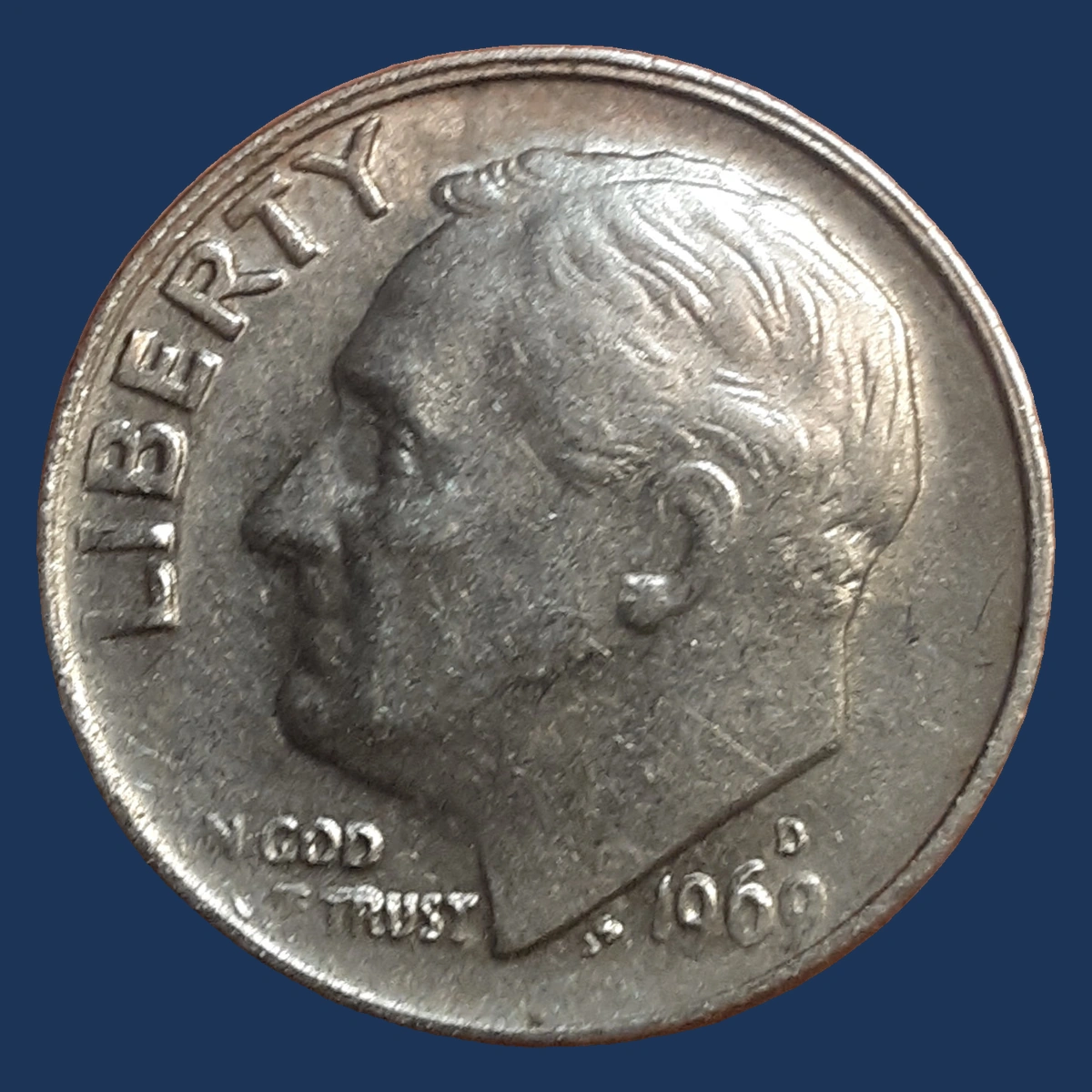
One side of a dime can look shifted while the other stays centered. A stamping tool that sits out of line can produce this effect without moving the entire blank off center.
A 1969-D collector example was discussed as a possible misaligned-die error. The two faces need to be compared before accepting that explanation.
This differs from a true off-center strike, where both designs follow a displaced blank. A bent or damaged rim can also make one side appear uneven, so the visible border alone does not settle how it happened.
Estimated Value
An estimated $10–$100 applies to a genuine, visible tool misalignment on an ordinary 1969 dime. Very slight unevenness often adds little.
A clear difference between the two faces is more useful than a narrow rim on only one photograph. Good remaining lettering also helps a buyer understand the shift.
The collector discussion does not establish a certified example or sale price. The range applies once the physical relationship supports misalignment rather than damage or an off-center blank.
How to Identify
Take straight-on photographs of both faces with the coin held in the same position. Compare each design’s center with the metal outline, rather than relying on the apparent width of one rim.
If both designs shift together, investigate an off-center blank. If the shift belongs mainly to one face, tool misalignment becomes more plausible.
Use a 10× magnifier to inspect the narrow and wide rim areas for damage. A later blow can push the rim inward and create a misleading contrast.
For a loose dime, check 2.268 grams and 17.91 mm with a scale and calipers. Follow the edge grooves around the coin, paying attention to any flattened section beside the apparent shift.
3. 1969 Roosevelt Dime Clashed Dies
Traces of the opposite design may appear among the normal letters or portrait. They can form after the two steel stamping tools, called dies, hit each other without a blank between them.
The collision leaves marks on the tools that transfer to later coins. This is a die clash, rather than a finished coin being struck over another denomination.
Clashing is reported for no-mint-mark 1969 dimes, without a fixed location established for the example. A random line should not be called an olive leaf or portrait outline merely because those shapes occur on the opposite side.
Estimated Value
Allow an estimated $15–$150 for a genuine ordinary-strike clash. Faint marks that need careful lighting fit near the lower end.
Recognizable opposite-design shapes on a clean coin can attract more interest. Several related lines may make the cause easier to demonstrate than one isolated mark.
The price depends on the visible clash and condition, not the number of lines counted. Scratches and worn-tool texture should not be added together as if each created another collectible mint error.
How to Identify
Choose a suspected outline and compare it with the opposite design on a normal dime. Rotate the comparison image as needed to judge whether the shapes actually correspond.
A 10× magnifier and changing light can reveal weak marks without touching the surface. Photograph them within the surrounding design rather than as detached close-ups.
For a loose example, use a scale and calipers against 2.268 grams and 17.91 mm. Check the edge grooves and nearby surfaces for separate impact damage.
Follow the whole outline. A scratch that happens to resemble one leaf tip is much weaker evidence than several connected details fitting an opposite-side feature in the same position.
4. 1969 Roosevelt Dime Doubled Dies
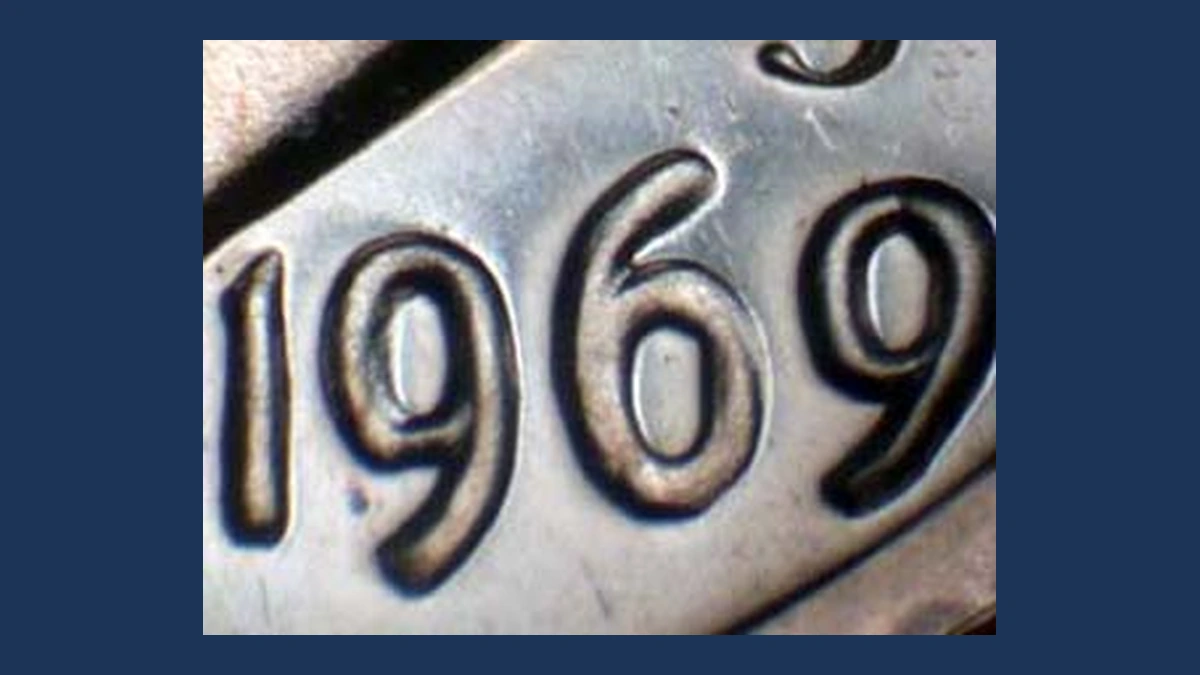
Doubling can show as extra thickness rather than two widely separated images. The cataloged 1969-S Proof pattern thickens the date, designer’s initials JS, motto, and LIBERTY.
The extra detail was present in the stamping tool before the coins were made. This differs from a small flat shelf produced by movement during an individual strike.
Ordinary 1969 dimes also have reports of front doubling, but their exact patterns are not established by the Proof listing. An ordinary coin should not inherit the S Proof’s catalog identity simply because some letters look broad.
Estimated Value
Minor genuine doubled dies are estimated at $15–$200. Stronger, well-matched detail on an unworn coin can support more than vague thickness on a worn one.
The S Proof needs comparison with its specific thickened design. It should not be priced as though its letters show dramatic separated outlines.
For ordinary examples, the actual pattern must be established independently. A broad-letter appearance alone is not enough, and flat mechanical doubling generally does not bring the same variety premium.
How to Identify
Compare an S Proof with a normal S Proof under the same light. Begin at the date and JS through a 10× magnifier, then look for the related extra thickness in the motto and LIBERTY.
For a loose coin, use a scale and calipers to compare 2.268 grams and 17.91 mm, and examine the grooved edge. These checks establish the basic dime; they do not turn ordinary broad letters into the cataloged variety.
The recorded Proof effect is thickness, so do not demand two widely separated outlines. For an ordinary circulation coin, judge its own pattern independently; a flat lower shelf beside a letter suggests mechanical doubling rather than the Proof’s tool design.
5. 1969 Roosevelt Dime Clipped and Elliptical Blanks
A blank can be punched from metal that overlaps a previous hole, leaving a piece missing before striking. A curved gap and weakness on the opposite rim can result.
The 1969 listings include this ordinary clip shape. They also report a Denver example described as a roughly 25% elliptical clip, with an oval rather than complete circular outline.
These belong to the same incomplete-blank family, but the reported shapes should remain distinct in photographs. One simple curved gap cannot stand in for the oval example, and missing metal from a later cut is a different cause.
Estimated Value
For genuine incomplete blanks, estimate $15–$200. Small curved clips on worn dimes belong near the lower end, while a clear unusual outline can command more.
The oval example appears in a year-guide report of a 2023 auction, without a verified individual result used here. Its shape should therefore be valued from an actual matching coin.
The amount and form of missing metal matter together. An oval-looking coin made by grinding does not receive an elliptical-blank premium.
How to Identify
For a loose coin, compare its weight with the full dime’s 2.268 grams. Use calipers to record intact spans or the long and short widths of an oval example against the usual 17.91 mm diameter.
Inspect the gap ends through a 10× magnifier. Metal shaped during striking differs from sharp cutting burrs, saw marks, or a ground edge.
Follow the surviving edge grooves and examine the opposite rim. Opposite-rim weakness is supporting evidence when present, rather than a feature that every clip must show.
For the oval report, photograph the whole outline and both faces together. Its missing sections need to explain the shape without requiring metal to have been removed after the design was struck.
6. 1969 Roosevelt Dime Repunched Mint Letters
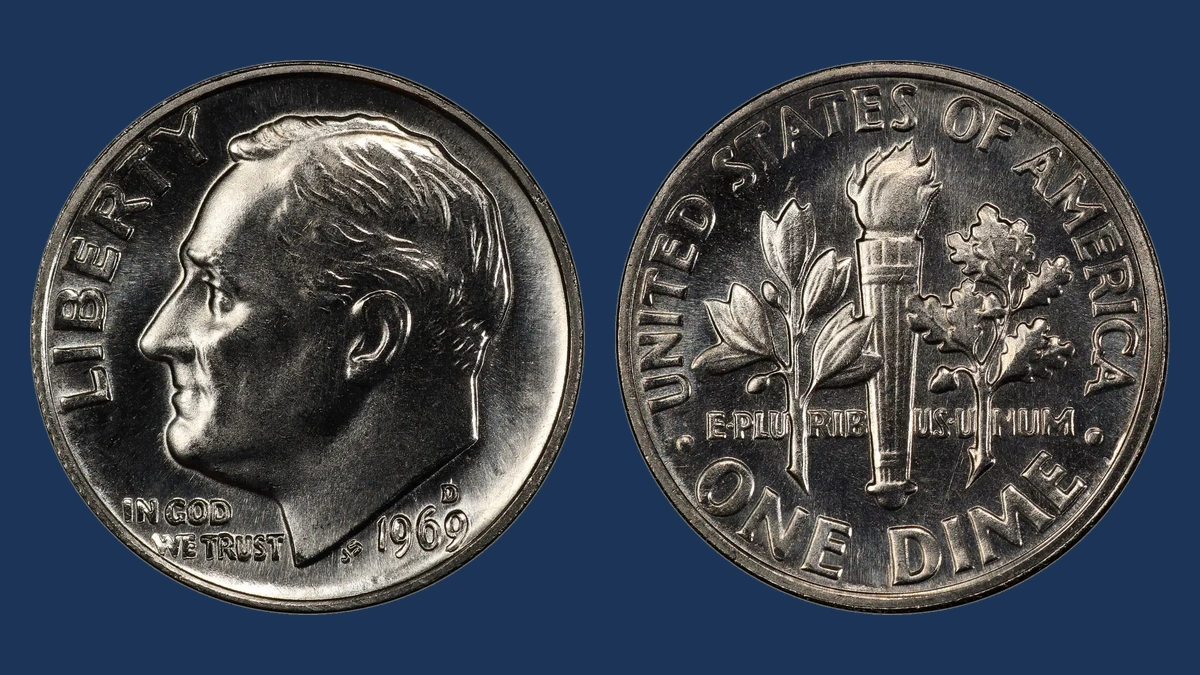
A mint letter punched into a tool twice can leave part of the first impression beside the final letter. The two recorded 1969 patterns run in different directions.
The Denver D/D pattern shows its extra D toward the upper right. FS-501 and CONECA RPM-001 are names for that same variety, rather than two different errors.
The San Francisco Proof pattern shows an extra S toward the left. Its special collector finish and different letter mean the two examples need separate comparison images, even though both come from repeated mint-letter punching.
Estimated Value
An estimated $20–$300 covers clearly matched repunched mint letters, depending on finish, condition, and strength. A historical dealer listing offered a Denver MS64 example for $40.
That was an asking price for an unworn coin with visible marks, not a recorded auction sale. A sharper, cleaner example can appeal more strongly.
The S Proof should be judged against its own leftward pattern. Neither two catalog names nor two visible letter outlines create two separate premiums on the same coin.
How to Identify
The Denver and San Francisco examples require different comparisons. Under a 10× magnifier, find the secondary D toward the upper right, or the extra S toward the left.
Both mint letters belong on the front above the date. Neither should be sought beside the torch on the back.
For a loose coin, use a scale and calipers to check roughly 2.268 grams and 17.91 mm. The normal edge has grooves on both ordinary and Proof versions.
Return to the extra letter shape and trace its curve. A flat shelf from movement during striking is not the same as an earlier punched outline.
A mark running in the wrong direction does not match that cataloged pattern, even if the main letter is D or S.
7. 1969 Roosevelt Dime Off-Center Strike
Part of the blank escaped the stamping tools on these Denver dimes. The remaining design sits beside a broad area of untouched metal.
One recorded example is 45% off center and graded PCGS MS62. A separate ANACS MS63 example is 50% off center toward 10:30; both grades describe unworn coins with visible marks.
The angle from the second example should not be assigned to the first. These are complete coin blanks with displaced strikes, unlike the separate paper-thin outer layer that detached from another off-center 1969-D dime.
Estimated Value
Ordinary off-center examples are estimated at $30–$400. A recorded ANACS MS63 piece sold for $62, showing that dramatic displacement need not mean a very high price.
Readable dates, smooth untouched metal, and attractive remaining detail affect demand. A badly scratched blank area can make a coin less appealing despite a large percentage.
This estimate applies to whole off-center dimes. Detached outer layers are different objects, even when their designs also sit off center.
How to Identify
View the edge first to establish whether the object is a whole clad dime or just a thin separated layer. A loose complete example should remain near 2.268 grams on a scale.
Use calipers to record its outline beside the normal 17.91 mm diameter. The strike may distort that outline or leave part of the edge without normal grooves.
Under a 10× magnifier, compare the struck-to-blank boundary on both faces. The missing design areas should follow the same displacement.
Now read the date and D and select the matching photograph. The 50% example has a reported 10:30 direction; the separate 45% example has no direction established by that record.
8. 1969 Roosevelt Dime Missing Outer Layers
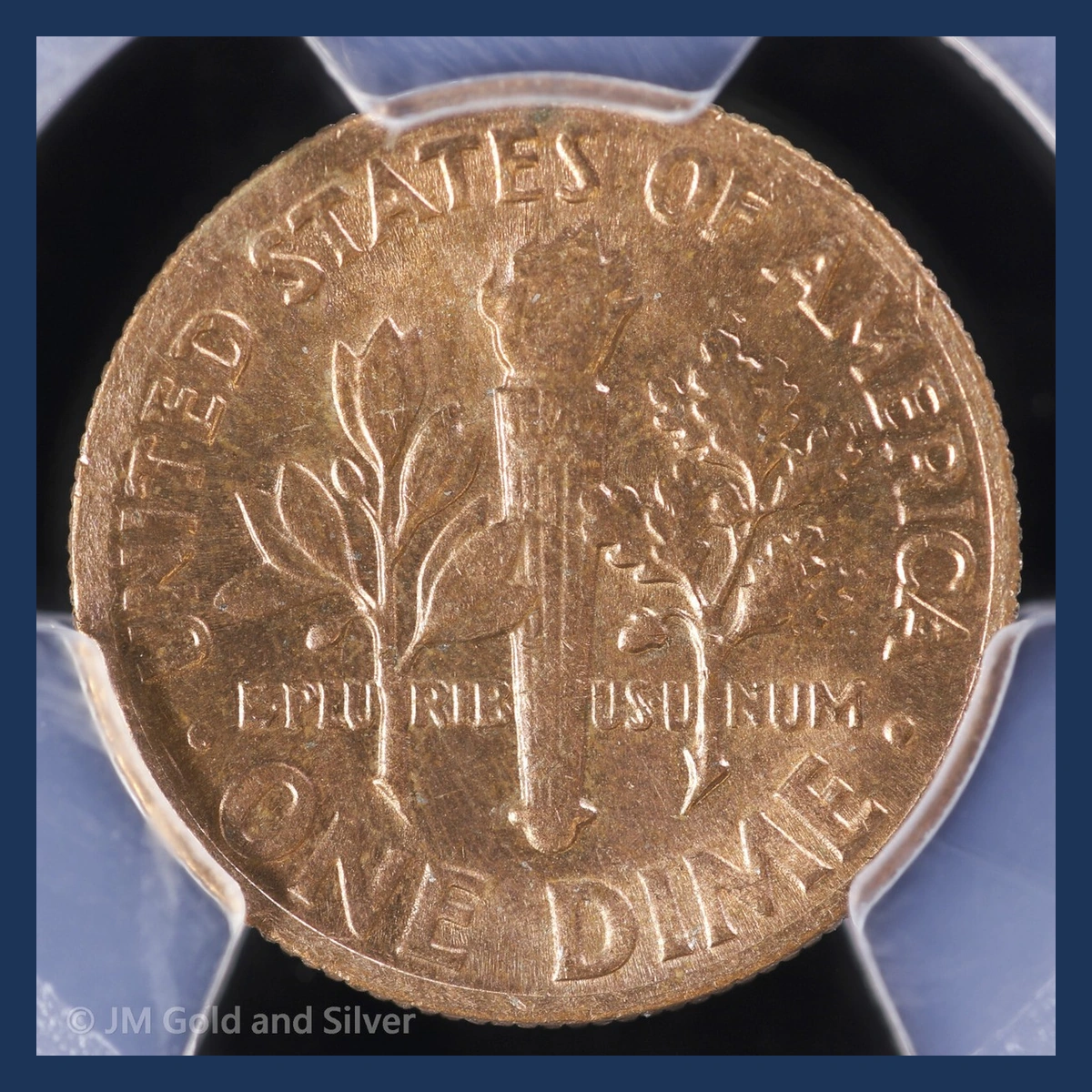
When an outer layer is absent, the copper core can become visible on one face. The surviving face still has the usual silver-colored surface.
A Denver back-layer example weighs 1.9 grams and was graded NGC MS64. Another back-layer piece is reported at 1.85 grams, while separately graded Denver coins show front-layer loss.
A no-mint-mark 1969 dime is also reported with one layer missing, without a specified face or weight. These are several examples of the same mechanism, and no one measured weight should be assigned to every coin in the group.
Estimated Value
The 1.9-gram Denver back-layer coin sold for $144 in November 2020. A separate front-layer MS64 example sold for $132 in December 2020.
An estimated $50–$400 covers confirmed single-layer losses across different grades. A clean exposed face with clear design is more appealing than damaged or stained metal.
The no-mint-mark report needs its own physical match before receiving that premium. Brown color from a coating or tarnish is not equivalent to a missing outer layer.
How to Identify
Compare both faces under the same light. A strong copper-to-silver color difference can suggest one absent layer, but the edge and weight need to support that idea.
On a loose coin, use a scale against the normal 2.268 grams. The recorded 1.9- and 1.85-gram back-loss pieces are different coins, not an exact tolerance for all examples.
Inspect the exposed design and layer boundary with a 10× magnifier. Later scraping can leave tool marks, while chemical stripping may roughen the surface.
Calipers can compare width with 17.91 mm. Photograph the edge grooves and surviving layers alongside both faces so an apparent color difference can be assessed as actual missing metal.
9. 1969 Roosevelt Dime Reverse of 1968 Design
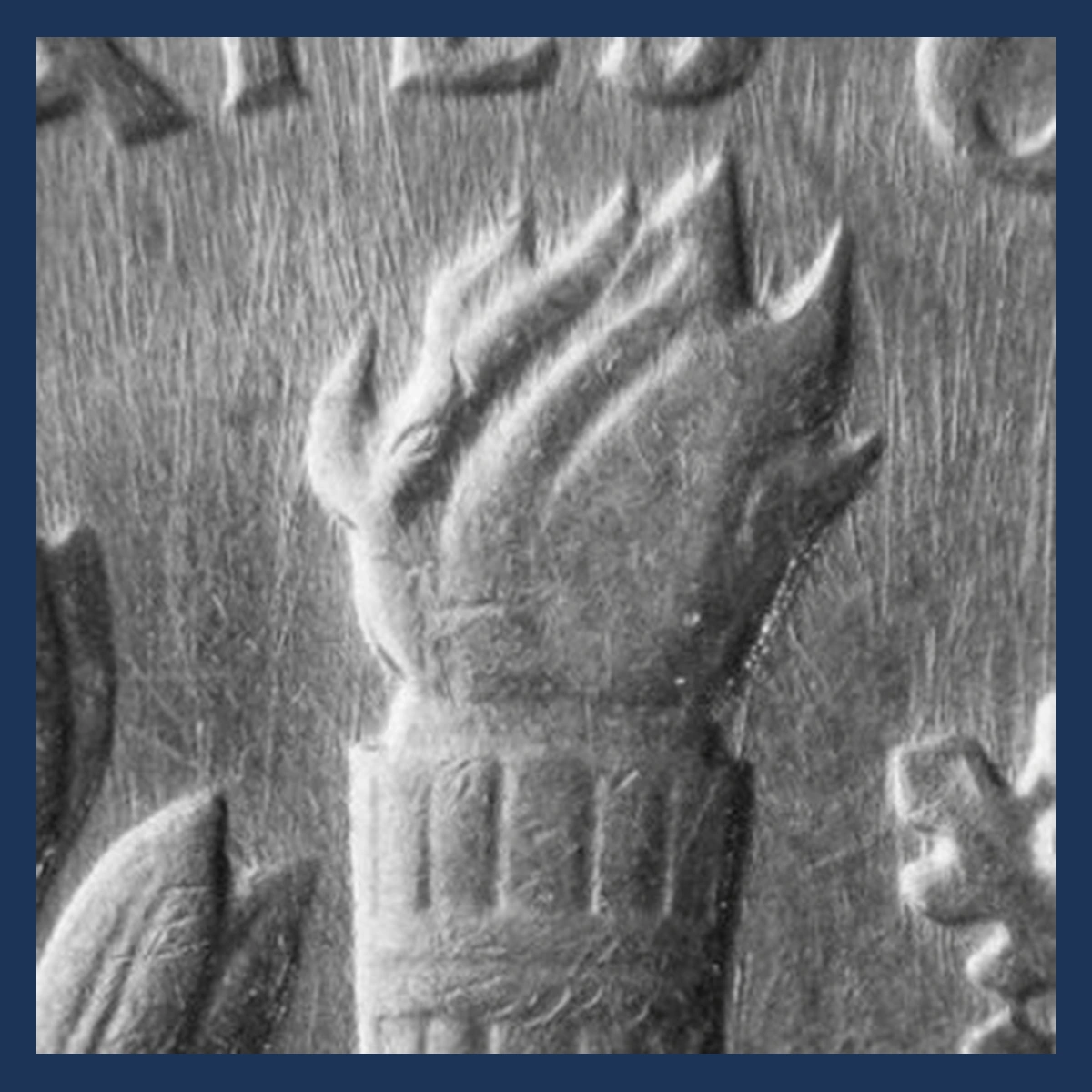
Some ordinary 1969 dimes have the more detailed torch flame associated with the earlier Proof-style back. Fine grooves and the flame’s outline provide the important comparison.
Collectors call this Reverse of 1968 or FS-901. The name identifies a design combination on a no-mint-mark circulation coin, not a 1968 date hidden under 1969.
The reason this back design was used is not established as an accidental reuse of a leftover Proof tool. The visible design difference remains collectible without inventing that production story or calling every sharply struck torch an error.
Estimated Value
An estimated $20–$500 covers matched examples of the back-design variety, from worn pieces to strong unworn coins. Condition still makes a substantial difference.
Clear flame grooves are useful for identification, but a high price also requires good overall preservation. A sharp torch on a heavily marked dime does not automatically reach the upper end.
The range is for the correct design combination. Full Bands describes separate torch-band detail and should not replace a direct match of the flame.
How to Identify
A sharp torch is the starting point, not the conclusion. Compare the actual fine flame grooves and outline with enlarged examples of both normal and Proof-style backs, using a 10× magnifier.
Confirm 1969 on the front and no mint letter. A loose coin can be checked with a scale and calipers against 2.268 grams and 17.91 mm, including the normal grooved edge; a normal S Proof is a different comparison.
Keep the horizontal torch bands separate from the flame details. Full Bands can describe strong bands on other dimes, while this variety depends on the particular flame design rather than general sharpness or a high condition grade.
10. 1969 Roosevelt Dime Split Stamping Tool
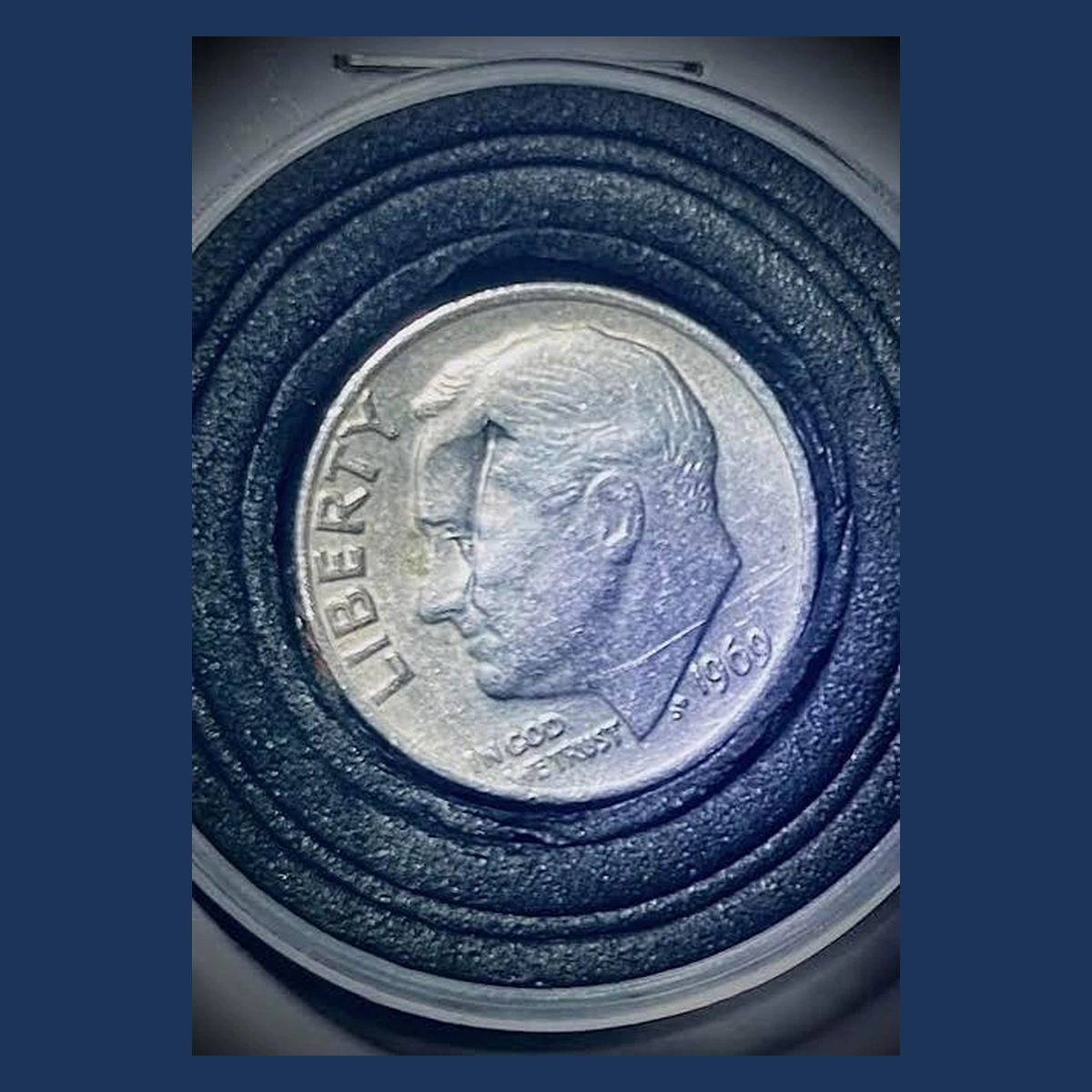
A strong raised line across the front can record a stamping tool that split. Coin metal entered the opening during striking and left a ridge on the finished dime.
If the tool’s broken sections moved, the design on either side could also change level or position. This is different from a crack through the actual coin’s metal.
Denver examples are reported with ANACS AU58 and AU50 grades, which indicate circulation wear. Their exact crack paths should be matched from the individual coins rather than assumed from a separate catalog number offered by a seller.
Estimated Value
Genuine split-tool examples are estimated at $40–$500. A strong raised break with a visible change in the design is more compelling than a thin, faint line.
The worn AU examples should be compared with similarly preserved coins. Heavy scratches crossing the crack can make its cause harder to see.
A high price needs a clear major tool failure, not just an ordinary surface scratch. Several listings may describe the same kind of failure without establishing several separate rare varieties.
How to Identify
Look at the line from the side under a 10× magnifier. A ridge standing above the design supports metal entering a broken tool; an open gap through the coin raises a different question.
Examine the design immediately on either side for a change in level or alignment. Photograph that relationship instead of showing only the thickest part of the line.
For a loose dime, use a scale and calipers against 2.268 grams and 17.91 mm. Follow the edge grooves where the affected area reaches the border.
Then compare the whole crack path with the exact graded example. A similar catalog name does not establish that two differently shaped breaks came from the same tool.
11. 1969 Roosevelt Dime Struck Through a Loose Outer Layer
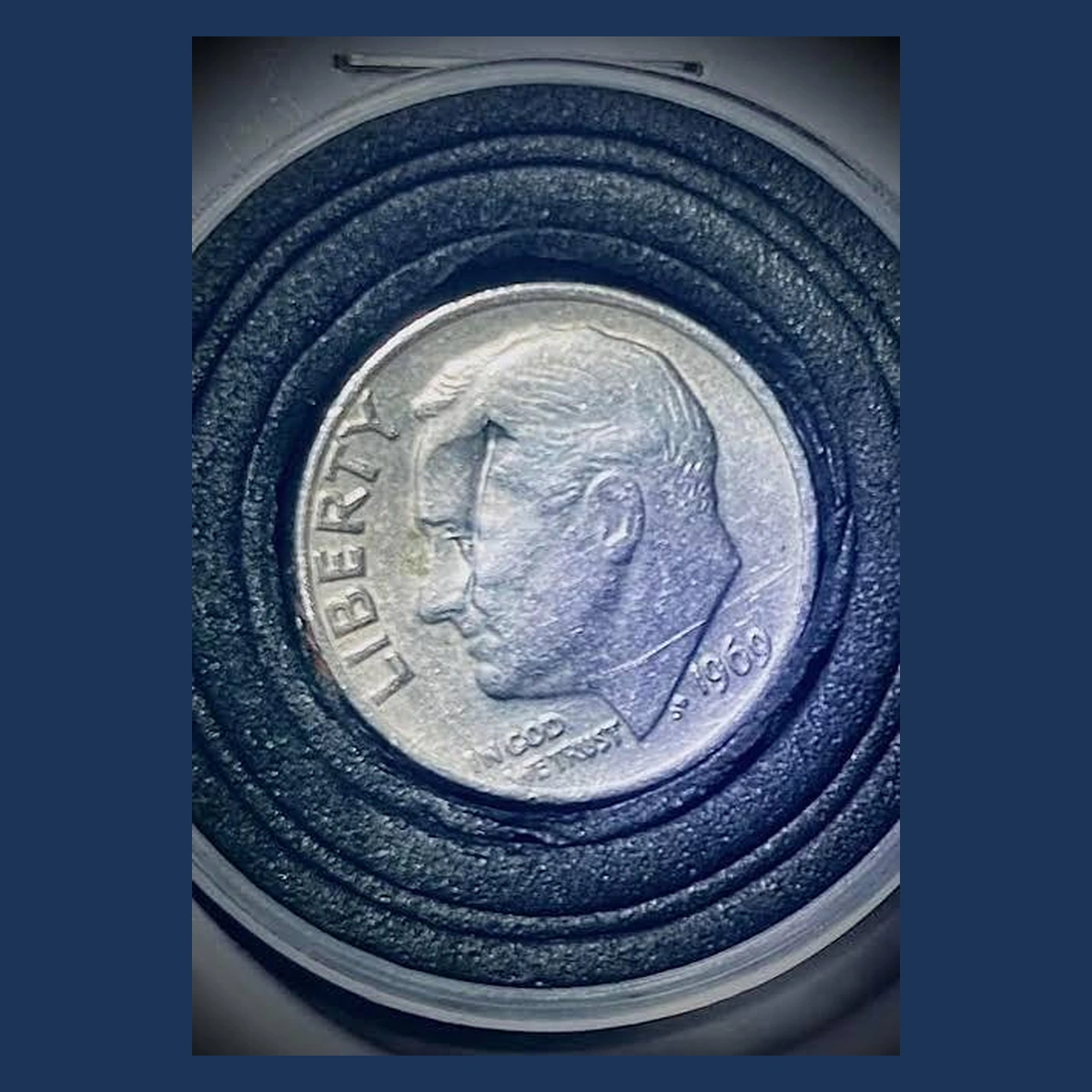
This dime was struck with a loose piece of outer-layer metal between its front and the stamping tool. The obstruction prevented the normal design from reaching a large curved area.
The NGC AU58 example is described as about 40% struck through a clad layer. The affected region runs roughly from 12 o’clock to 4:30 across the upper-right portrait area.
This is a receiving coin with an impression from another piece of metal. It should not be described as a dime simply missing its own outer layer, and the loose obstruction is not shown to remain attached.
Estimated Value
Allow an estimated $100–$600 for a convincing struck-through-layer example of this scale. The broad, recognizable outline gives collectors more to study than a tiny blocked spot.
The AU58 grade indicates slight wear, which should be considered alongside the error’s size. A cleaner, sharper impression can attract more interest.
The range values the receiving coin and its visible obstruction mark. It does not include an additional retained metal fragment unless such a fragment is actually present and identified.
How to Identify
Compare the front impression with the coin’s edge layers. A loose dime that received another layer’s impression may retain its own metal, unlike a dime that actually lost one outer face.
Use a scale and calipers against the usual 2.268 grams and 17.91 mm for a loose piece. Examine the edge grooves and layered structure with a 10× magnifier before concentrating on the front.
Trace the curved affected region from about 12 to 4:30 across the upper-right portrait. The transition into normal detail should show where an obstruction blocked the strike; scraping marks may instead suggest later removal.
An impression left by a loose layer does not establish that the layer remained attached. Photograph the surface actually present rather than describing an unseen retained fragment.
12. 1969 Roosevelt Dime Thick Blanks and Wrong-Thickness Metal Stock
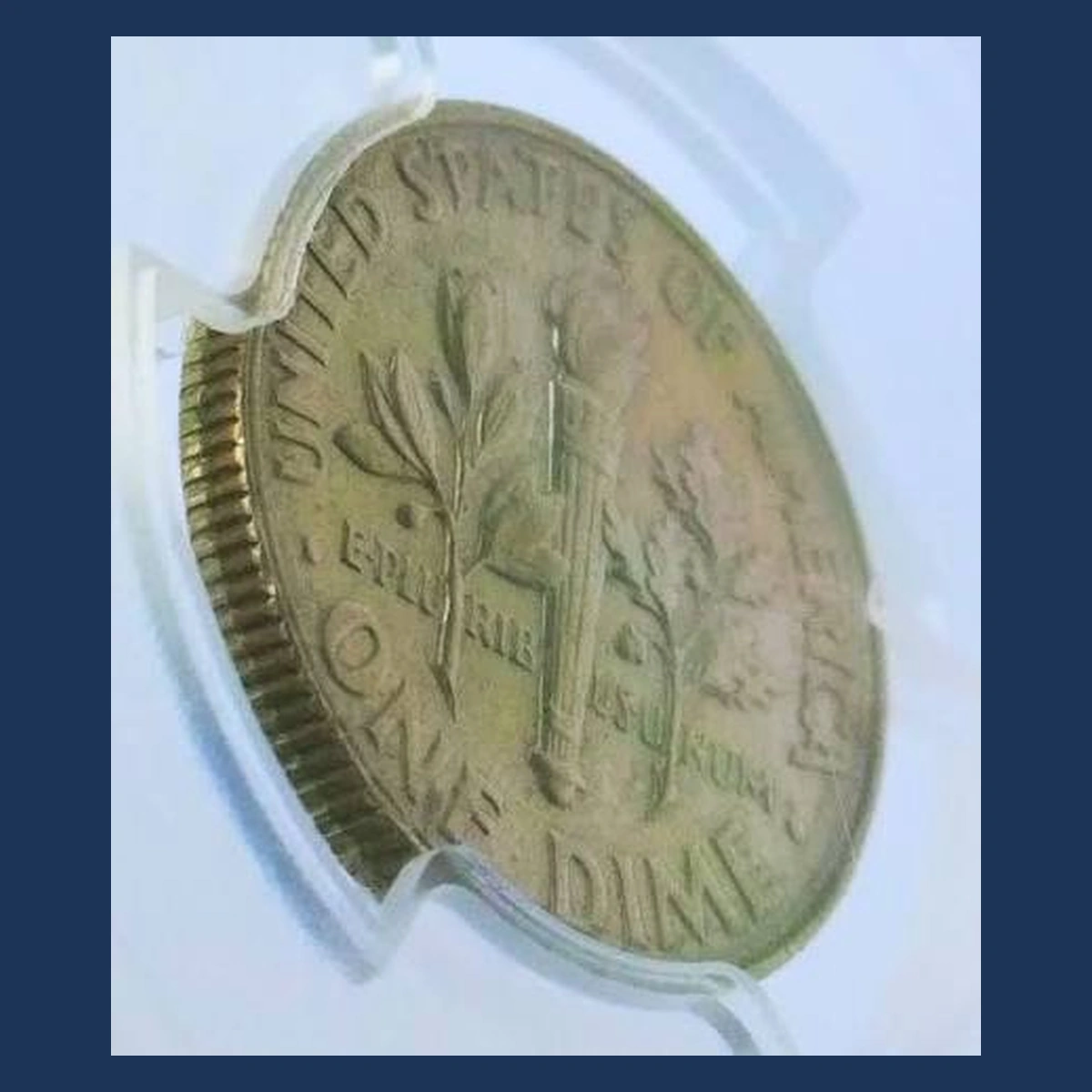
A dime-sized blank can be cut from metal strip intended to have another coin’s thickness. The finished coin can keep a dime’s approximate width while being unusually heavy.
One Denver example is identified as struck on quarter stock. Another uses cent-thickness stock and weighs 41 grains, about 2.66 grams; that wording does not mean a complete copper cent blank.
Other reports describe a 2.9-gram thick blank and a 46-grain example, about 2.98 grams. Their original strip is not established, so those weights should not automatically be assigned to the quarter-stock coin.
Estimated Value
The quarter-stock example sold for $253 in January 2006. The distinct cent-thickness-stock example sold for $144 in October 2021.
An estimated $100–$750 covers authenticated thick blanks with different identities and preservation. Knowing the actual metal stock is more useful than simply calling a coin heavy.
A 2.9-gram reading does not by itself establish quarter stock. Extra material added after minting, or an inaccurate scale, should not receive the same premium as a genuine thick blank.
How to Identify
Check the units first. Forty-one grains means about 2.66 grams, and 46 grains means about 2.98 grams; neither label describes a coin weighing dozens of grams.
For a loose coin, use a calibrated scale and calipers to record weight, diameter, and thickness. Compare with 2.268 grams and 17.91 mm for a normal dime.
A dime-sized blank from quarter-thickness stock is different from an entire oversized quarter blank. The complete dime design and width help distinguish those claims.
Under a 10× magnifier, inspect the grooved edge and layers for added material or coatings.
The actual stock identity requires more than excess weight. An otherwise unexplained heavy dime should remain a thick-blank candidate until its material and dimensions support a more specific origin.
13. 1969 Roosevelt Dime Separated Outer Layer with Its Matching Coin
Two surviving pieces can tell the story of one dime coming apart. This Denver pair consists of a thin front outer layer and the remaining coin with that layer missing.
The detached layer weighs 0.4 gram, while the remaining body weighs 1.9 grams. NGC graded both pieces MS62, indicating unworn surfaces with noticeable marks.
The pair is more informative than an isolated missing-layer dime because the two matching surfaces can be compared. It is not two complete blanks bonded together, and the separate pieces should not be pressed back into place for display.
Estimated Value
The complete pair sold for $282 in February 2017. An estimated $200–$800 covers comparable matching pieces with different clarity and condition.
The relationship between the layer and body is part of the appeal. A random thin layer placed beside an unrelated dime would not have the same paired value.
The sale price covers both surviving parts of one original coin. Adding an independent missing-layer price to it would count the same remaining metal twice.
How to Identify
Photograph the two pieces separately before comparing their facing surfaces. Do not push a fragile layer back onto the coin body to demonstrate the match.
The recorded weights are 0.4 gram and 1.9 grams. Rounded figures need not total exactly 2.268 grams, the normal full-dime specification.
For loose pieces, a scale and gentle caliper measurements can document each part against the original 17.91 mm diameter. Avoid squeezing the thin layer.
Use a 10× magnifier to compare the outlines and matching details on the separated surfaces. Inspect surviving edge grooves as part of that comparison.
Two unrelated pieces may both carry dime designs. The pair needs matching physical features that connect this particular layer to this particular remaining body.
14. 1969 Roosevelt Dime Detached Outer Layer from an Off-Center Strike
This unusual object is only the front outer layer of a Denver dime. It separated after the off-center strike partly wrapped the coin around the stamping tool.
The visible strike lies toward about 8:30. The layer’s outer face carries the front design, while its inner face shows an inward, reversed version of that design.
A PCGS MS65 example records this combination on a well-preserved unworn piece. The core and other outer layer are not part of the surviving thin object, so it must not be weighed or described as a complete dime missing one face.
Estimated Value
An example sold for $431.25 in May 2005. A later MS65 listing of an off-center front layer brought $312 in September 2024.
An estimated $250–$1,000 covers comparable genuine pieces, with intact thin metal and recognizable designs adding appeal. The two records should not be assumed to document the same physical piece.
This range values the detached layer itself. A complete copper-faced dime missing a layer is a different object, despite involving the same layered construction.
How to Identify
View the edge and both surfaces before studying the portrait. This object should be a very thin layer, with no complete copper core inside it.
Protect it from bending. If loose, weigh it carefully and record its outline with calipers, using the normal 2.268 grams and 17.91 mm only as complete-dime comparisons.
Under a 10× magnifier, identify the raised front design on the outside and the inward reversed design on the inside. Those different surfaces help explain separation from a struck coin.
Follow the off-center design toward about 8:30 and inspect any surviving edge detail. Do not interpret the inner reversed portrait as a normal back design or treat the layer as a two-sided complete dime.
15. 1969 Roosevelt Dime Double Strikes with Other Striking Errors
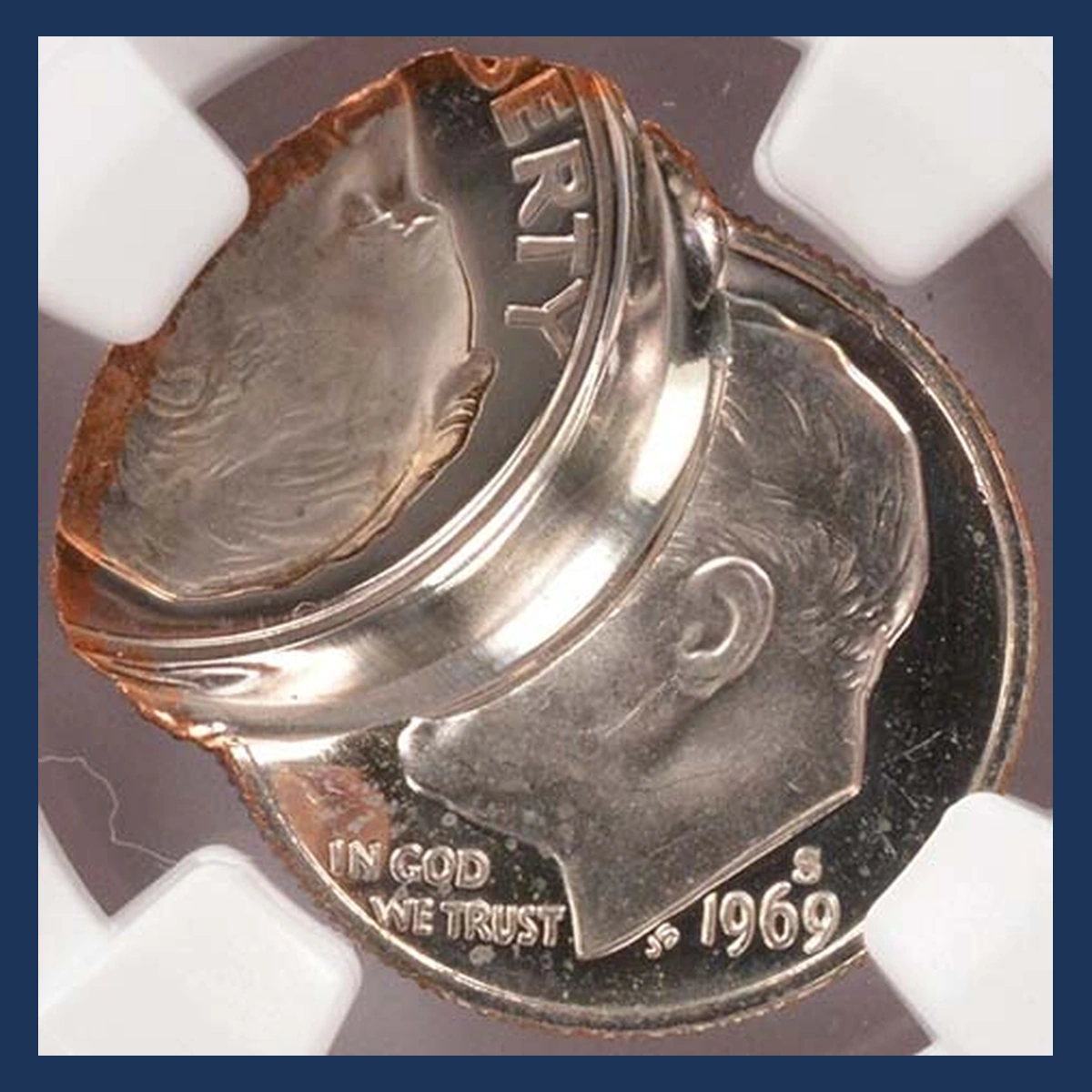
Two impressions show that a coin shifted between blows. One 1969-S Proof was both double struck and broadstruck, meaning its metal spread without normal support from the surrounding collar ring.
The NGC PR66 grade identifies a well-preserved Proof, but its precise displacement direction is not specified. A normal Proof may receive repeated aligned blows without becoming this kind of error.
A separate Denver report describes a second strike 90% off center together with a straight clip. The missing blank section and repeated strike belong to that same ordinary coin, rather than proving it used the wrong blank.
Estimated Value
The double-struck, broadstruck S Proof sold for $528 in October 2022. Comparable Proof combinations are estimated at $400–$1,500.
For the reported ordinary Denver double strike with a straight clip, allow an estimated $100–$700 once the combination is established. Its finish and construction differ from the Proof.
Visible strike separation, readable dates, and clean surfaces matter in either case. A clip is not a separate price to add to the value of the Denver coin.
How to Identify
Decide which example is being compared. The S Proof has an expanded outline and repeated impressions; the separate ordinary Denver report combines a straight clip with a second strike.
On the Proof, follow two distinct impressions under a 10× magnifier. Normal repeated blows in Proof production can remain aligned and are not an error.
Check the spread-out border and edge grooves for evidence that the collar did not contain the coin.
For loose examples, use a scale and calipers against 2.268 grams and 17.91 mm. Broadstriking changes the outline, whereas a clip also removes metal.
On the Denver piece, separate the straight gap from blank-looking metal beyond the later strike. The gap contains no metal; the unstruck section is still present.
16. 1969 Roosevelt Dime Overstruck with a 1994 Cent Design
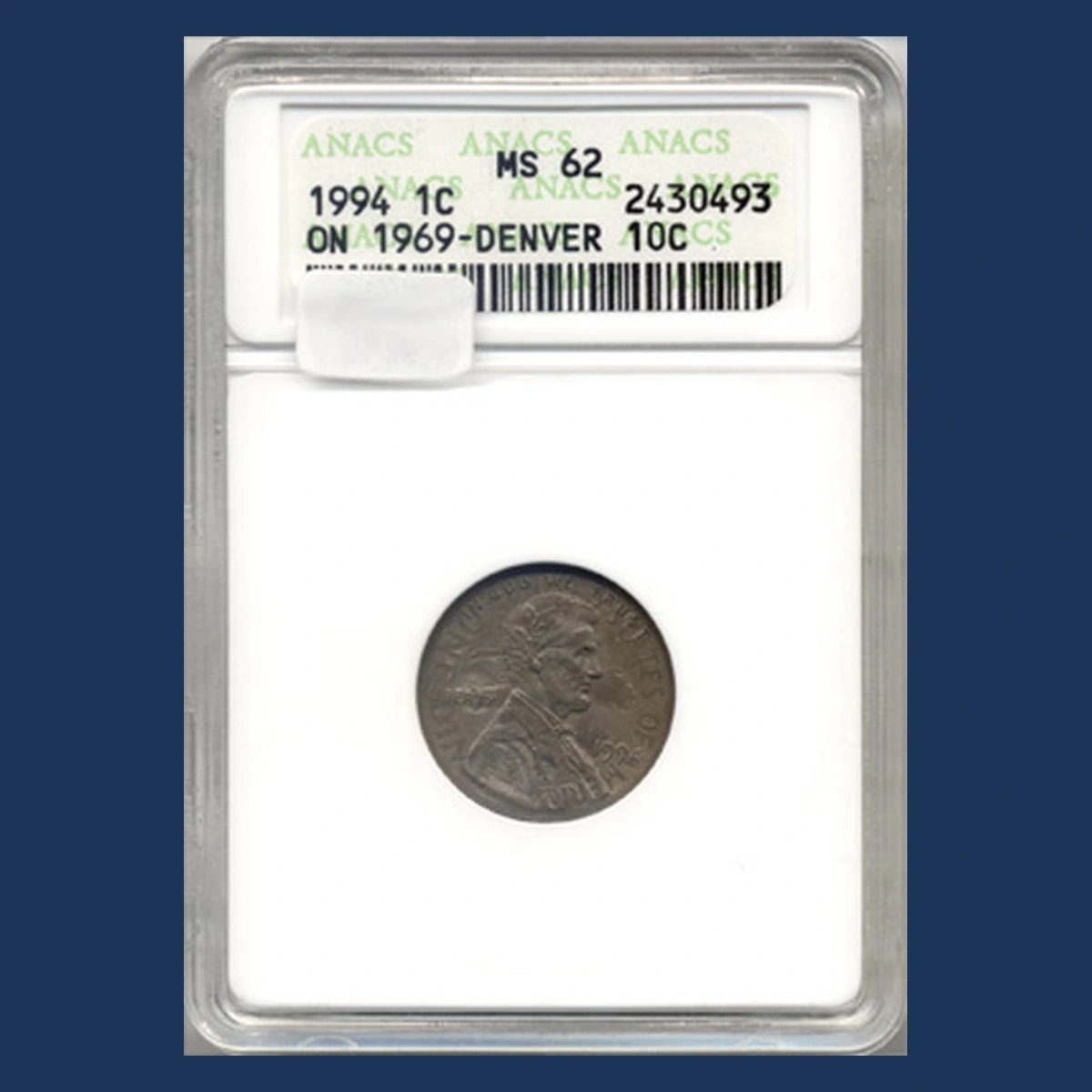
A coin dated 1969 can also carry a much later design. This Denver dime entered a cent press in 1994 and received Lincoln cent images over its original Roosevelt design.
The published example was graded ANACS MS62, an unworn grade with noticeable marks. Its two denominations make it different from a cent struck on an unused dime blank.
The later strike happened in 1994. The 1969 date identifies the older host dime, and its remaining design must be found beneath the cent rather than assumed from the metal’s silver-colored appearance.
Estimated Value
For an authenticated 1994 cent over a 1969-D dime, estimate $700–$4,000. Clear evidence of both dates and the older Denver mint letter makes the unusual pairing more informative.
A different 1994 cent over a 1993 dime sold for $3,120 in June 2024. That provides a comparison for the same general two-denomination mechanism, not a sale of this 1969 host.
Condition and how much of the older design survives can change the price substantially within the estimated range.
How to Identify
Locate remains of the Roosevelt design before treating the object as a struck dime under a cent. A cent on an unused dime blank would not have those earlier images.
Use a 10× magnifier to look for the older date and D among the later cent details. Their exact surviving positions should be taken from this coin, not borrowed from a different overstruck dime.
For a loose example, compare weight with the host dime’s 2.268 grams, rather than a 1994 cent’s 2.50 grams. Calipers can record how the later blow changed the original 17.91 mm outline.
Examine surviving edge grooves and places where the two designs cross. The evidence must connect a 1969-D dime to the later 1994 cent strike.
17. 1969 Roosevelt Dime Proof Struck on a Thin Outer Layer
An extremely thin piece inside a Proof set can represent a strike on outer-layer metal alone. It lacks the full copper core and layered thickness of a normal dime.
The reported 1969-S example remained in its original Mint set holder. Its back shows weak torch and lettering detail rather than the normal appearance of a complete Proof dime.
This is a different record from the Denver outer layer that detached after an off-center strike. The set example has no established measured weight here, so the Denver layer’s shape or measurements should not be transferred to it.
Estimated Value
An estimated $1,000–$5,000 applies to a genuine Proof struck on a thin outer layer with its set history preserved. This is an estimate, not a reported sale of the illustrated set.
The ordinary Denver detached layer’s historical $431.25 sale offers a lower-value comparison, with a different striking process and finish. The original Proof packaging adds useful evidence of the special production setting.
Clarity, intact metal, and secure identification matter more than an unsupported claim of uniqueness.
How to Identify
Keep the original set intact while documenting it. Photograph the entire holder and the dime compartment so the relationship between the thin piece and its packaging remains visible.
Inspect the visible torch design through a 10× magnifier without touching the surface. Weak detail on a thin piece should not be confused with glare from the holder.
A normal Proof dime is about 2.268 grams and 17.91 mm, with a grooved edge. If a piece is already loose, a scale and calipers can document how its thickness and weight differ.
Packaging prevents a direct weight reading for this example. Use specialist examination of the actual layer and striking details rather than estimating its weight from a photograph or another coin.
18. 1969 Roosevelt Dime Matching Proof Error Pair
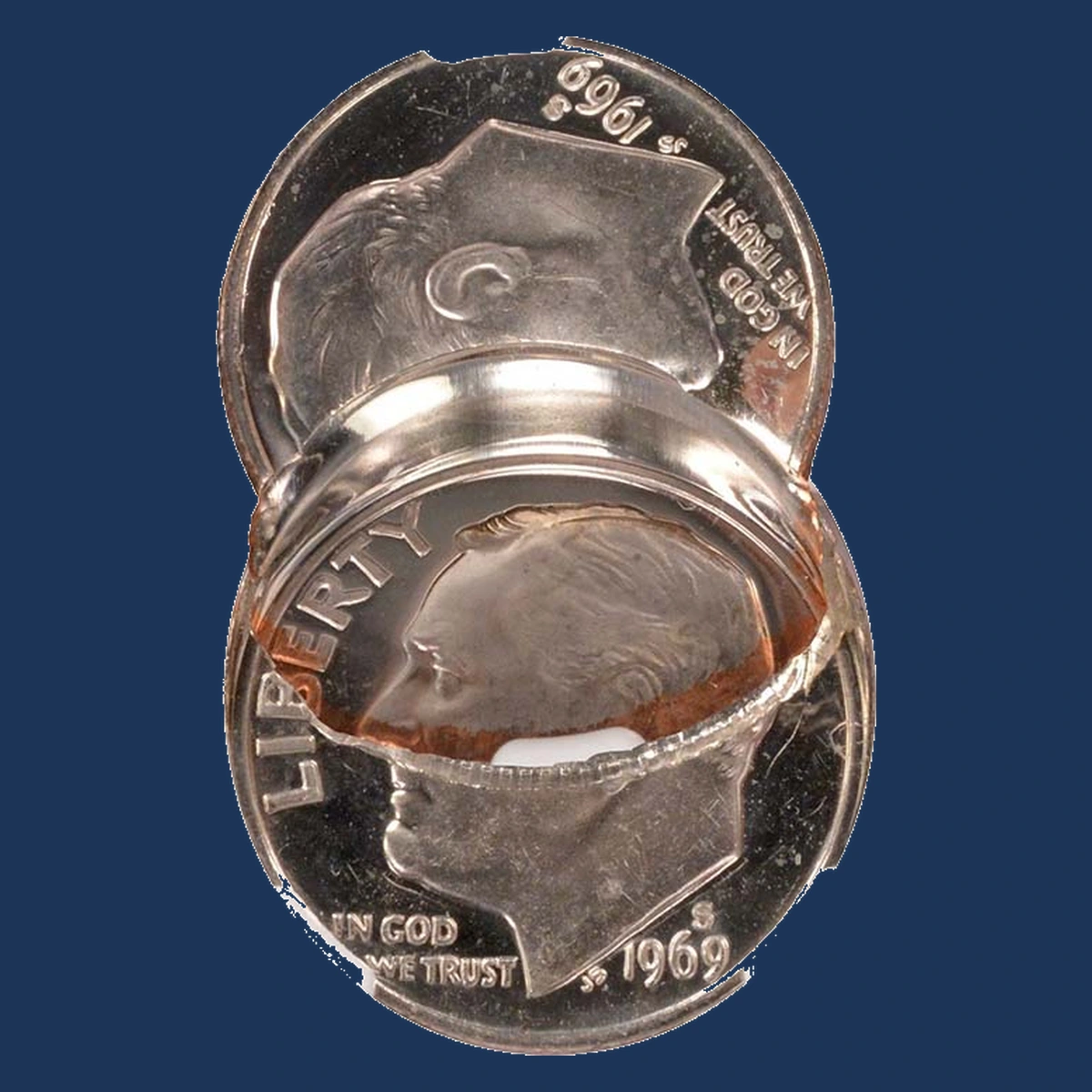
Two Proof dimes can preserve matching evidence of contact inside the press. The reported 1969-S pair combines displaced repeat striking with inward, reversed impressions transferred by contact between coins.
This reversed impression is called brockage. It differs from the normal raised image made directly by a stamping tool.
The two coins have NGC PF63 Cameo and PF66 Cameo grades, with reflective backgrounds contrasting against frosted designs. They remain separate pieces; their matching areas must be compared without assuming that every described tilted or repeated strike belongs to one particular numbered member.
Estimated Value
For an authenticated matching Proof pair of this complexity, allow an estimated $2,500–$10,000 for both coins together. This is a whole-pair estimate, not a recorded sale.
The premium depends on how convincingly the pieces explain each other’s impressions. Readable dates, clear matching boundaries, and preserved reflective surfaces all help.
Unrelated Proof errors do not have the same paired value. Marks on either member can also obscure their shared striking history.
How to Identify
Lay out photographs of both Proofs and find their matching contact areas. A 10× magnifier can reveal a raised design on one beside an inward, reversed impression on the other.
Compare the related boundaries without pressing the coins together. Their displaced strikes need to fit the same physical interaction.
Keep the PF63 and PF66 grading records distinct. Cameo describes frosted designs contrasting with reflective backgrounds, not another error.
Each normal Proof starts around 2.268 grams and 17.91 mm. For already loose pieces, use a scale and calipers separately and examine each grooved edge.
Combined weight alone does not establish a pair. The convincing link is the specific surface relationship between these two coins and the marks their contact left behind.
Conclusion
These 1969 dime errors span an estimated $10–$10,000, from modest tool shifts to a matching Proof pair. The ordinary no-mint-mark comparison is much lower at $0.10–$5.
Before choosing a price, establish whether you have a complete coin, a detached layer, or two related pieces. Preserve thin metal and original packaging.
Actual weight, both faces, and the edge can explain more than a dramatic error name on its own.