1962 Dime Error List with Pictures

A tiny extra D helped put one 1962 dime into a $1,000 sale record. PCGS lists that March 2021 transaction as an eBay Best Offer.
The 1962 dime errors here include peeling silver, incomplete blanks, doubled designs, and a badly misplaced strike. Estimated values stretch from $20–$1,000, with the upper end including that exceptional recorded sale.
You do not need to start with the smallest detail. Follow the checks below, from visible metal flaws to letters that need magnification.
1. 1962 Roosevelt Dime Lamination Error (Estimated Up to $250)
A narrow peel can make a silver dime look as though its skin is coming away. This separation within the metal is called lamination.
One 1962-D in a Heritage catalog has peeling on the back. NGC graded it MS64, meaning unworn but with visible marks.
A separate Philadelphia example has front-side peeling between roughly four and ten o’clock. These locations belong to different coins.
The dimes contain a solid silver-and-copper alloy, rather than the layered metal used for later dimes. A peel here is a weakness within that alloy, not a missing outer covering.
Estimated Value
Allow an estimated $20–$100 for a small, clear peel. Larger examples with attractive surfaces can fit $100–$250.
A 1942 Mercury dime with major front-side lamination sold for $89 in March 2023. That is a different design and grade, used only as a silver-dime comparison.
The two 1962 examples have no individual sale prices used here. Size, visibility, and surviving detail matter more than the error name alone.
How to Identify
Place the coin under light from the side and look for a lifting edge. Do not pull on it; an attached flap can break.
The Denver example needs a back-side examination. For the Philadelphia coin, follow the front from four toward ten o’clock.
Use a 10× magnifier to separate original peeling metal from dirt, glue, or corrosion. Those can sit on the surface without exposing a thin layer beneath.
A safely accessible coin can be checked with a scale and calipers against 2.50 g and 17.9 mm. Inspect the edge grooves too.
An attached flap may leave the weight normal. A thin sheet lifting from the coin’s own surface is the useful visible clue.
2. Reported 1962 Roosevelt Dime Doubled Die Obverse (Estimated Up to $350)
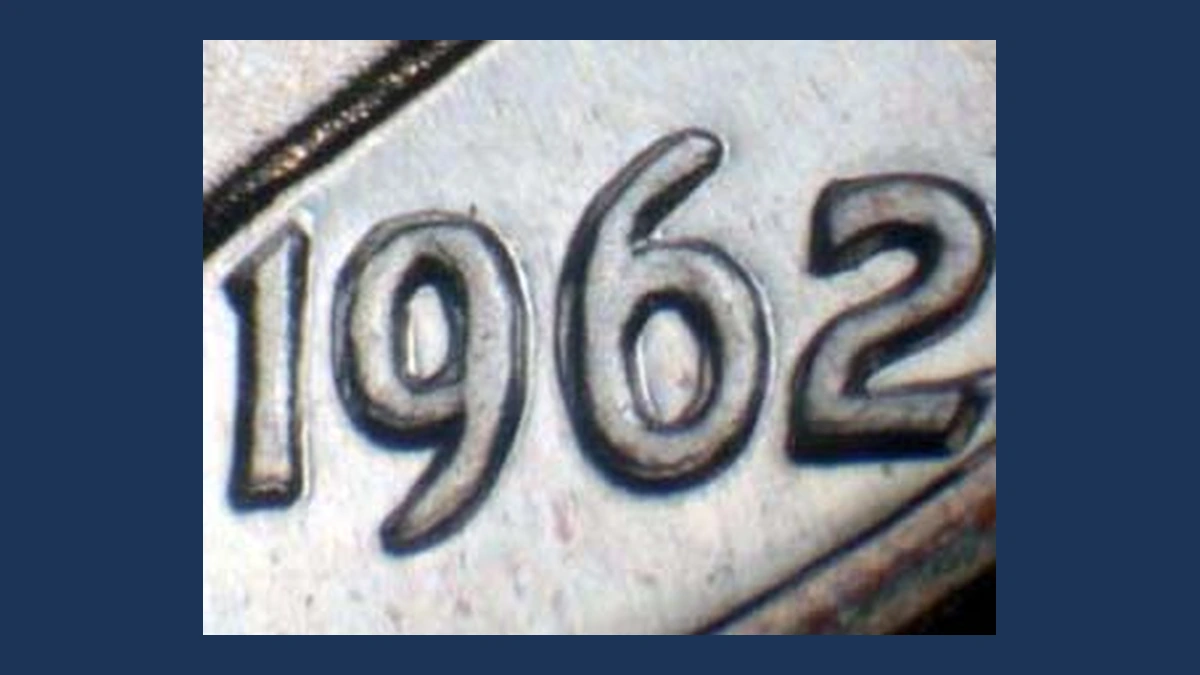
Look at the date and IN GOD WE TRUST beside Roosevelt’s portrait. A published 1962 listing reports doubling in these front-side details.
The name is doubled die obverse. Obverse means front, and a die is the steel tool that stamps the coin.
If the tool carries a doubled design, it can leave the same extra outlines on many coins. The coin itself does not need an accidental second blow.
This report does not establish a particular certified 1962 variety or mint. The useful distinction is between two rounded design outlines and a flat ledge beside a letter.
Estimated Value
For a genuine front-side doubled die, use an estimated $30–$350 range. This is a comparison estimate, not a recorded sale of the reported 1962 coin.
The 1960 Proof FS-102 offers a comparison for clear doubling. Proofs are specially made collector coins; this variety’s ordinary estimated range is $75–$350.
Its finish and doubled pattern differ from the reported 1962 coin. Minor doubling on worn surfaces belongs near the lower end.
How to Identify
Photograph the date and motto in sharp focus, then examine the coin directly through a 10× magnifier. A blurred photograph can double edges that are single on the coin.
Change the light direction. A reflection moves, while a raised metal outline stays put.
The normal 1962 dime is 2.50 g, 17.9 mm across, and grooved around the edge. Use a scale and calipers when safely accessible, or recorded measurements for a sealed coin.
A flat shelf beside a letter can come from movement during striking. It is different from a doubled design already on the steel tool.
Concentrate on rounded separation or split letter corners in the date and motto, rather than general blur.
3. 1962 Roosevelt Dime Defective Planchet (Estimated Up to $500)
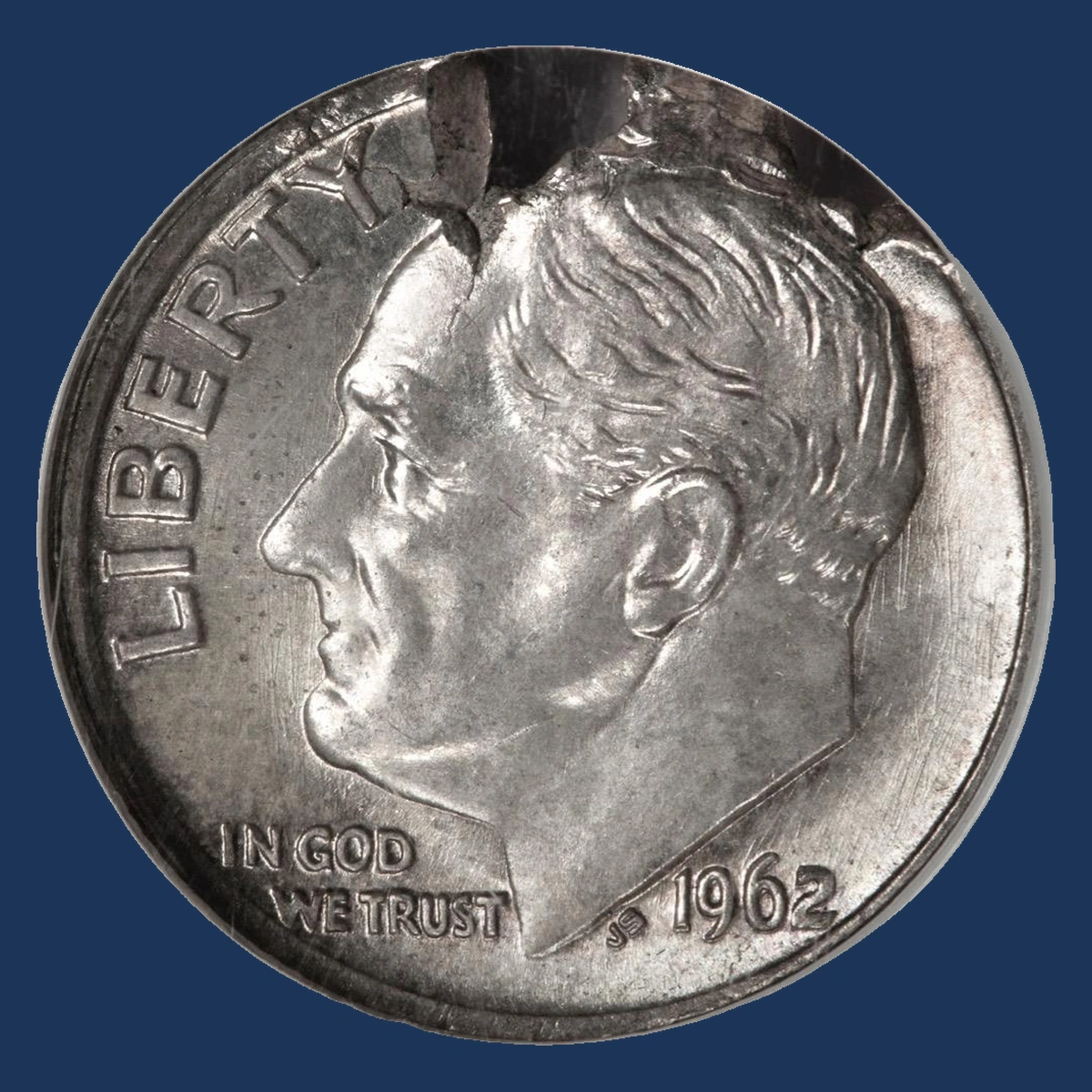
At 1.13 grams, this Philadelphia dime weighs less than half the usual amount. Heritage described the NGC-graded coin as struck on a defective planchet.
A planchet is the prepared metal blank before it becomes a coin. Here, the blank had a flaw before the design was stamped into it.
The description does not identify an exact shape or cause. Low weight alone cannot tell you that another country’s blank was used.
Compare the actual outline, thickness, and surviving design together. A light coin with a pre-existing metal flaw differs from a normal dime filed down after minting.
Estimated Value
An estimated $100–$500 suits a clearly identified defective-blank example, depending on its appearance and condition. The 1.13 g dime has no sale price adopted here.
For comparison, a 1980-P dime on a defective blank sold for $139 in March 2023. That coin was ANACS MS62, an unworn grade with noticeable marks.
It uses later layered metal rather than silver. The sale offers a price comparison, not an identical coin or defect.
How to Identify
Weight is the first useful measurement for this example. Compare its listed 1.13 g with a normal silver dime’s 2.50 g.
Use a scale only when the coin is safely accessible. For a sealed example, check the recorded weight instead of opening the holder.
Calipers help compare intact spans with the normal 17.9 mm diameter. Examine the thickness and edge grooves under a 10× magnifier as well.
Filing can leave parallel cuts and damaged lettering at the edge. A flaw present before striking can change how nearby letters and metal were formed.
Follow the design into the flawed area. Look for original stamped detail meeting the defect, rather than a cut crossing a finished design.
4. 1962 Roosevelt Dime Clipped Planchet (Estimated Up to $600)
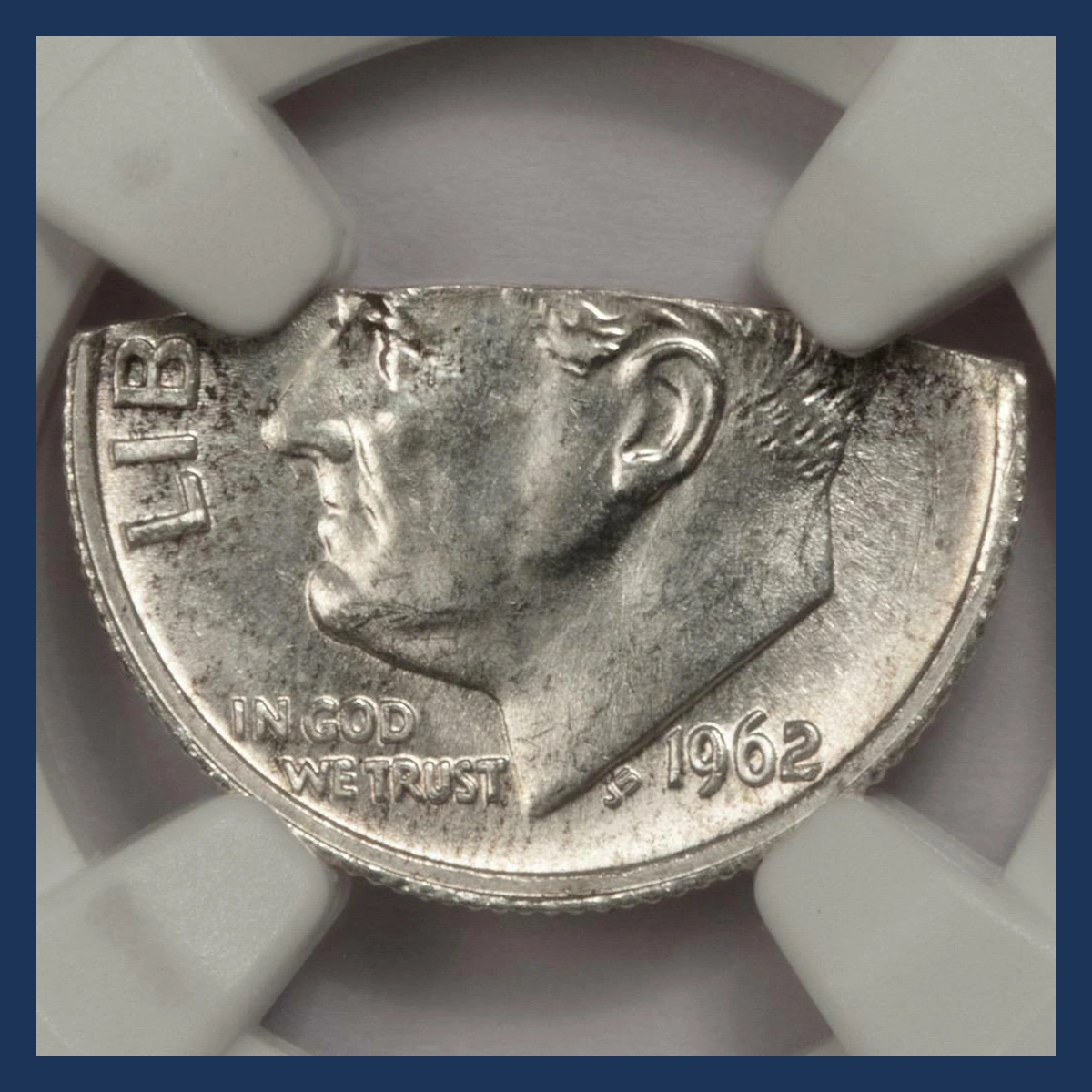
Nearly half a Philadelphia dime is missing along a straight boundary. The Heritage example weighs 1.37 grams and carries an NGC MS65 grade, meaning well-preserved and unworn.
Another example, from Denver, has a curved gap near eleven o’clock. NGC graded that coin MS63, an unworn grade with more marks.
These shapes begin when incomplete blanks are cut from the metal strip. A punch crossing the strip’s edge can leave a straight gap.
Overlapping an earlier punched hole can leave a curve. Both shapes can be genuine, although a later cut can imitate either one.
Estimated Value
Smaller curved clips have an estimated $30–$150 range. Allow approximately $150–$600 for a large, attractive straight clip like the Philadelphia example.
A different 1947-S dime with a ten-percent curved clip sold for $104 in December 2024. It was graded NGC MS66, so its date, size of gap, and condition differ.
That recent sale helps place ordinary silver clips in context. It is not a sale price for either 1962 specimen.
How to Identify
Compare the gap’s edge with the undamaged part of the coin. A mint-made opening should fit the way the surrounding metal moved during striking.
Under a 10× magnifier, saw lines or a sharp cut through finished letters suggest later damage. A weak rim opposite the gap can support a genuine clip, though it is not always obvious.
The straight-clipped coin’s recorded weight is 1.37 g against the normal 2.50 g. A scale and calipers can check safely accessible examples.
Compare an intact span with 17.9 mm and inspect the remaining edge grooves. For the Denver coin, look near eleven o’clock.
Metal rounded into the original gap is more useful than its shape alone.
5. 1962 Roosevelt Dime Proof Doubled Die Reverse (Estimated Up to $700)
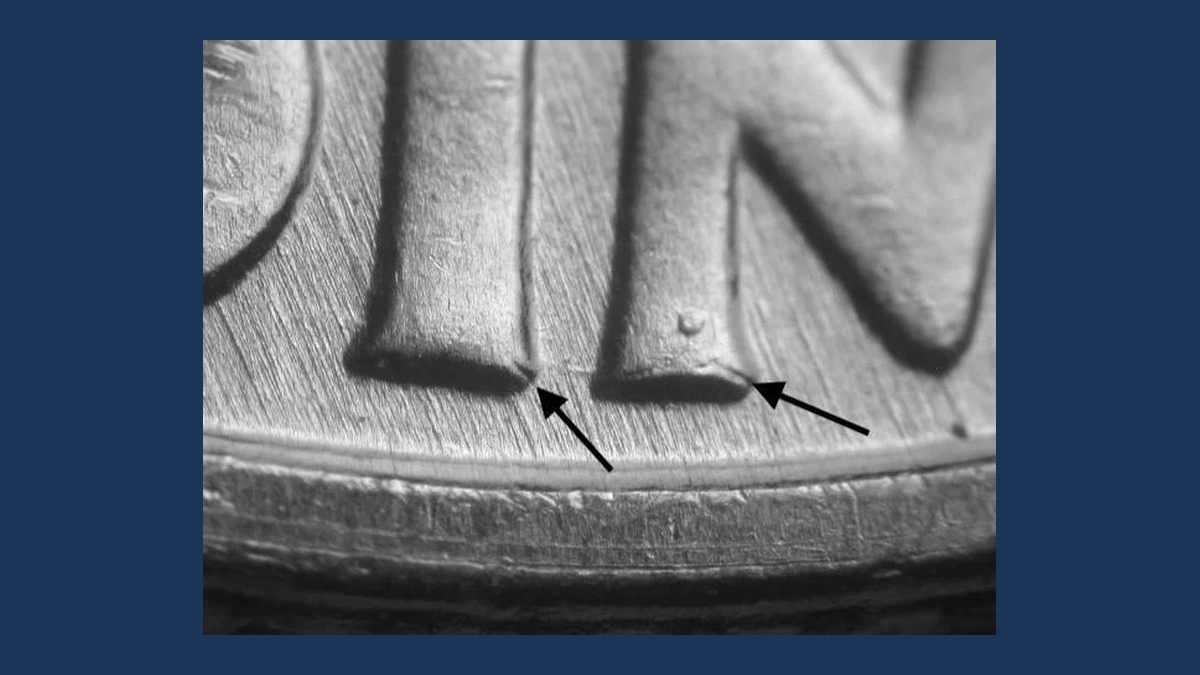
A shiny back can hide extra outlines until you move the light. The reported 1962 doubled die reverse affects lettering on the side with the torch.
Reverse means back. These examples are Proofs, specially made collector coins with reflective backgrounds.
The doubling begins on the stamping tool, before a blank enters the press. Normal Proof production can involve repeated blows, but those should leave one clean design.
Use the letters themselves to judge the difference. A second rounded outline or split corner is more meaningful than a bright reflection beside otherwise normal lettering.
Estimated Value
Estimate $50–$250 for clear, modest Proof doubling. Attractive examples with stronger detail can fall around $250–$700.
A 1960 Proof doubled-back variety sold for $533.50 at GreatCollections. Its Proof-68 grade indicates very few flaws.
That coin also had frosted designs against a mirrorlike background. It provides a comparison for another year, not a confirmed 1962 sale.
Scratches across the shiny background or faint extra outlines can keep a coin near the lower end.
How to Identify
Keep a normal 1962 Proof beside the suspected example, or use clear photographs at matching size. This makes ordinary letter shapes easier to recognize.
Look through a 10× magnifier and turn the light slowly. Examine the back lettering for raised separation that stays visible from more than one angle.
Philadelphia made these Proofs without a mintmark. An absent S is therefore normal for this year.
The silver specifications remain 2.50 g and 17.9 mm with edge grooves. Use a scale and calipers when safely accessible; sealed coins can be checked against recorded measurements.
Return to the clearest letter. A fixed extra outline with a split corner is stronger evidence than a narrow flash of light.
6. 1962 Roosevelt Dime Off-Center Strike (Estimated Up to $750)
Most of this dime never received the design. Heritage listed a Philadelphia example struck 75% off center and graded PCGS MS64, an unworn coin with visible marks.
The blank was far from its intended position when the tools came together. Only the portion caught between them received Roosevelt’s portrait and the back design.
The rest stayed blank. A readable date is particularly helpful because so little of the normal picture survives.
This coin still has metal where the design was missed. That separates an off-center strike from a clipped blank, where part of the metal is absent.
Estimated Value
For regular silver dimes, estimate $100–$300 for smaller off-center shifts. Dramatic examples with readable dates can reach an estimated $300–$750.
A 1934-D Mercury dime struck ten percent off center was offered for $350. That was a dealer asking price for another design and condition.
The 1962 coin’s much larger shift gives it a different appearance. Its value still depends on the surviving date, surfaces, and overall appeal, rather than percentage alone.
How to Identify
Lay out photographs of both faces before focusing on the percentage. The design should be incomplete on both, with original blank metal extending beyond the struck area.
A single shifted face can come from one misplaced tool. It does not show the same event.
Check that the surviving date reads 1962. Then examine the boundary between smooth blank metal and stamped detail with a 10× magnifier.
Normal silver blanks weigh 2.50 g and start at 17.9 mm. Check with a scale and calipers when safely accessible, allowing for stretching during the strike.
Inspect the edge grooves and any cuts. The large untouched area beside incomplete designs on both faces is the feature that should stand out.
7. 1962-D Roosevelt Dime Repunched Mintmark (Recorded Sale Up to $1,000)
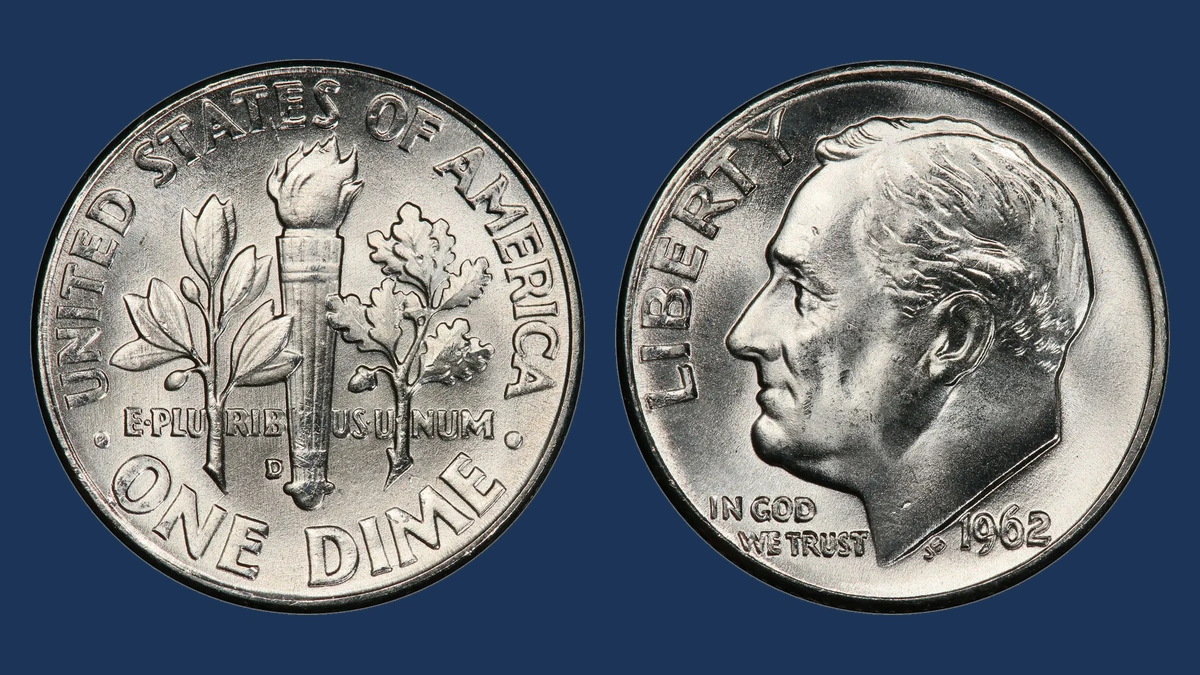
The small D beside the torch was added by hand to the stamping tool. If the worker punched it in another position, traces of both letters could remain.
This is a repunched mintmark, often shortened to RPM. The same extra letter shape could then appear on every dime made with that tool.
The 1962-D/D FS-501 is a named catalog variety. Reports include an earlier D turned sideways beneath the upright letter.
Look for the surviving shape of that earlier punch. A scratch crossing the D or a swollen letter does not by itself show two mintmark positions.
Estimated Value
PCGS records $1,000 for an MS66 FS-501 in March 2021. The transaction is labeled eBay Best Offer, not a competitive auction result.
MS66 means unworn with few marks. That recorded high belongs to a specific example.
Use an estimated $25–$200 for more ordinary, clearly identified pieces. Approximately $750–$1,000 describes the exceptional sale level, rather than a routine price for every doubled D.
Wear and weak extra detail can reduce appeal.
How to Identify
Find the D to the left of the lower torch on the back. It is not beneath Roosevelt’s head or above the flame.
Compare the letter with a close-up of the same RPM variety. Use a 10× magnifier to trace any remaining part of the earlier D.
The normal coin weighs 2.50 g and measures 17.9 mm, with grooves around its edge. A scale and calipers can check safely accessible coins without disturbing sealed holders.
A flat ledge can come from movement during striking. A random scratch also fails to follow the shape of another letter.
For the sideways-D example, find a remnant that follows the earlier rotated letter beneath the upright D.
Conclusion
Start with what the coin shows: missing metal, blank metal, a peel, or an extra letter. Those clues lead to different errors and different comparisons.
The estimated span runs from $20 for a small lamination to $1,000 at the exceptional mintmark sale level. A large gap does not automatically beat a tiny mintmark in value.
Keep the date, condition, and kind of error together when comparing prices.