1902 Dime Error List with Pictures

An off-center 1902 dime sold for $561.20 in June 2026, graded ANACS AU50. Its shifted picture is much easier to notice than the tiny extra numbers found on some date varieties.
These 1902 Barber dime errors span estimated whole-coin values of $20–$1,200. The list includes repeated mintmarks, damaged tools, misplaced dates, expanded strikes, and peeling silver.
Read on to compare the actual feature while keeping auction sales and asking prices separate.
1. 1902 Barber Dime Repunched Mintmark Reports (Estimated Up to $500)
A second outline beside O or S can suggest that the mintmark was punched into the stamping tool more than once. The mark sits below the back-side wreath bow.
Part of an earlier punch can survive beside the finished letter. A coin struck with that tool receives both shapes during one normal blow.
The 1902 guide discusses the category without identifying one confirmed die or a direction of movement. Those details need to come from an actual example.
A raised blob or damaged letter opening is not enough unless it preserves part of another recognizable mintmark.
Estimated Value
For a properly identified circulated through lightly worn example, use an estimated whole-coin range of $50–$500. It reflects modest Barber mintmark varieties and the coin’s condition.
This is not a recorded 1902 sale or confirmation of one particular repeated mintmark. A clear second letter outline and collectible surfaces are assumed.
An ordinary O or S damaged after minting should be valued for its actual condition. Exceptionally preserved coins need their own high-grade comparisons.
How to Identify
Locate the O or S beneath the wreath bow. Philadelphia coins have no mintmark, and a mention of both O and S does not mean one was punched over the other.
Use a magnifier to follow a suspected extra curve or stroke. Compare it with the structure of the main letter under more than one lighting angle.
Check the date and full back before selecting a confirmed variety photograph. An isolated dot or scratch beside the mark is not a second letter.
Use a scale and calipers against 2.50 grams and 17.9 mm, then inspect the edge grooves. Begin by matching a secondary raised letter shape to the same mintmark on a confirmed example.
2. 1902 Barber Dime Die Crack and Cud Reports (Estimated Up to $600)
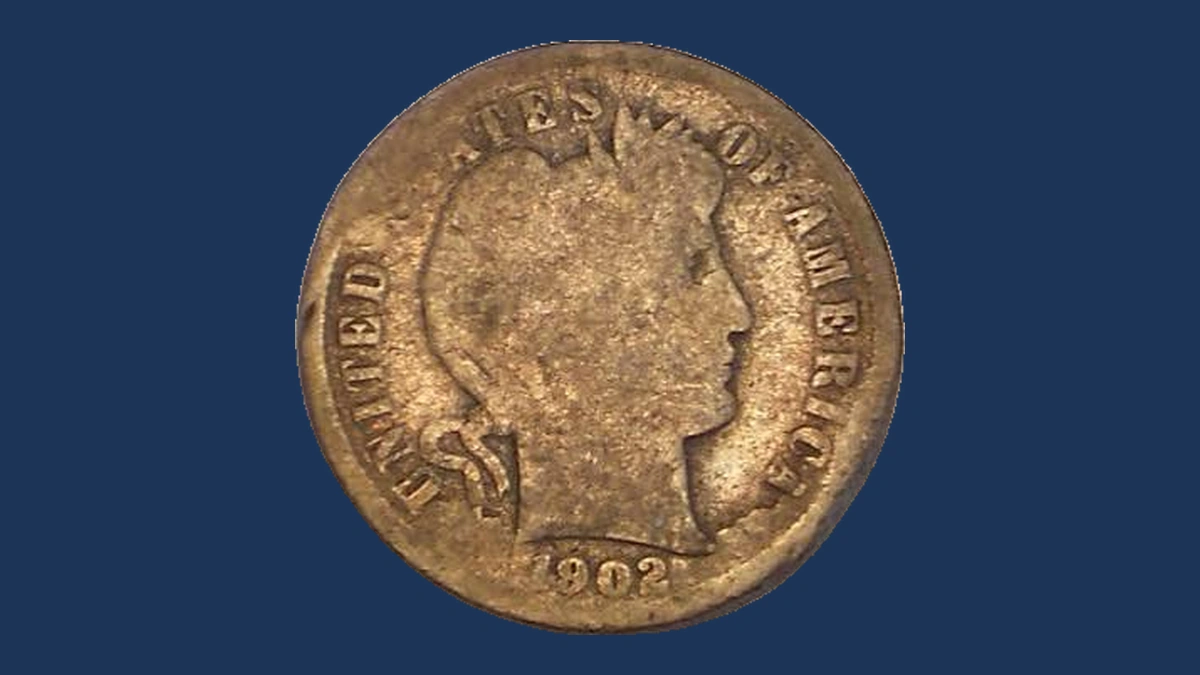
A thin raised line and a larger raised rim patch can both come from damaged stamping tools. The line forms when silver enters a crack during the strike.
A missing piece at the tool’s edge leaves room for a larger patch joined to the rim. That patch is called a cud.
The 1902 error guide discusses these possibilities without identifying one illustrated, confirmed variety. No fixed position or mint can be supplied from that description.
The coin’s actual raised feature must be checked; a scratch or rim dent has a different cause.
Estimated Value
Estimate $20–$100 for a circulated coin with a minor original crack. A genuine, clearly visible rim cud has an estimated whole-coin range of $100–$600.
These are estimates for the two kinds of tool failure, not recorded prices from a particular 1902 sale. A long scratch does not qualify for the higher range.
Mint, wear, original surfaces, and how much of the picture is affected still matter. Judge the whole dime before assigning any specialist premium.
How to Identify
Use a magnifier and light from the side to check whether the line rises or sinks. A tool crack leaves a raised ridge, while a scratch cuts into the coin.
For a claimed cud, trace the larger raised patch all the way to the rim. An isolated lump inside the picture needs another explanation.
Inspect nearby edge grooves for evidence of a blow that folded or crushed the rim. Preserve the full date and actual mintmark in the comparison.
Check 2.50 grams on a scale and 17.9 mm with calipers. For a quick distinction, identify a raised line or a raised rim-connected patch before comparing it with the relevant error type.
3. 1902 Barber Dime Misplaced and Repunched Date (Estimated Up to $600)
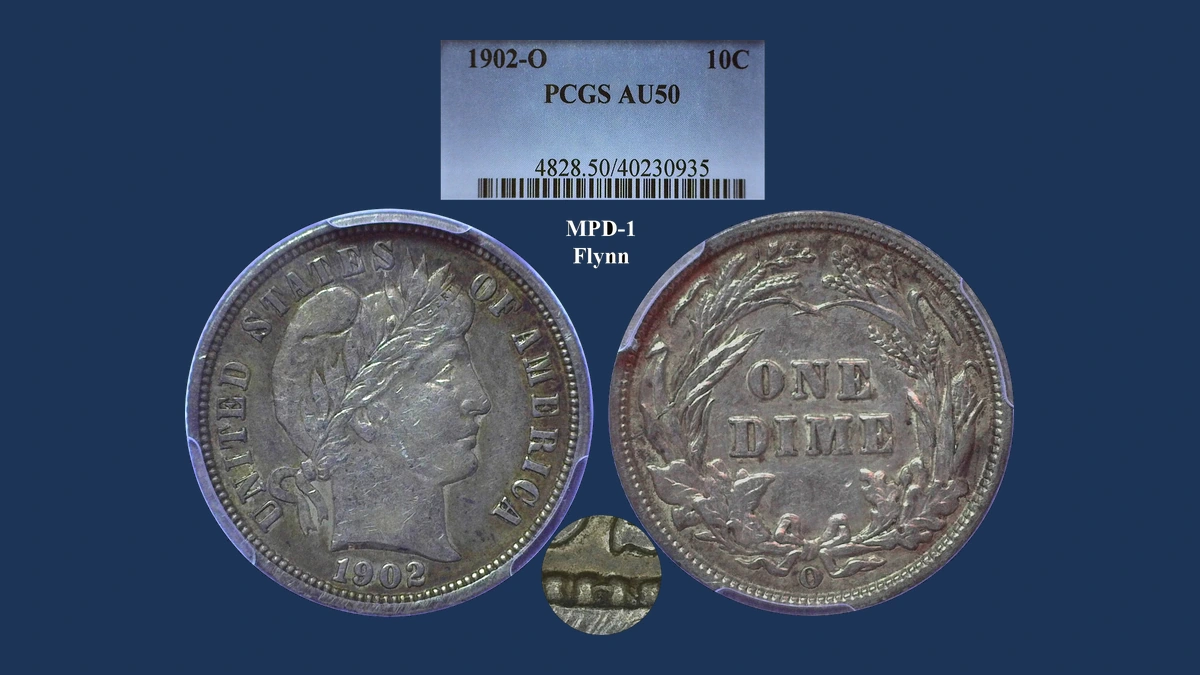
Parts of extra numbers appear among the small teeth below the normal date. Philadelphia MPD-001 has an extra 0 top beneath the normal 0, plus repeated detail above 2.
Philadelphia MPD-002 also has a misplaced 0 but does not list that extra 2 feature. The codes identify separate varieties.
On the New Orleans example, extra 0 and 2 tops sit below and left of the corresponding numbers. Its O mintmark identifies the mint.
A misplaced punch leaves detail outside the date, while a repunch leaves an outline beside a normal number.
Estimated Value
Estimate $30–$600 for worn through lower-grade unworn examples, keeping Philadelphia and New Orleans separate. These values apply to complete coins.
An older Philadelphia MPD-001 guide ran from $20 in VF to $180 in MS63. Those are historical guide values, not auction results.
A cleaned ANACS AU Details example, adjusted to Net XF45, sold for about $53 in 2024. Its condition problem matters, and the combined misplaced-date and repunched-date labels do not create two prices.
How to Identify
Check the mintmark first, then use a magnifier on the full date and border below it. For Philadelphia MPD-001, find both the extra 0 top and the repeated outline above 2.
The 0 alone does not separate it from MPD-002. For New Orleans, confirm O and compare both number tops below and left of 0 and 2.
Look for raised curved strokes, rather than damaged border teeth or flat shelves from the strike. Use a scale and calipers against 2.50 grams and 17.9 mm, and inspect the edge grooves.
For the quickest Philadelphia distinction, check whether the misplaced 0 is accompanied by the extra outline above 2.
4. 1902 Barber Dime Broadstrike (Estimated Up to $650)
The coin is wider than normal but can keep the whole picture. A broadstrike happens when the collar, the ring that limits the coin’s width, fails to hold the metal during striking.
Silver spreads outward instead of staying inside that ring. The edge may also lack the normal complete grooves.
A Philadelphia example graded NGC AU55 appeared in a 2012 Stack’s Bowers catalog. Another AU55 appears in a later sale record.
Matching grades do not prove they are the same coin. A separately reported cleaned example also needs its own condition comparison.
Estimated Value
Greysheet records an NGC AU55 broadstrike at $252 in December 2020. AU55 means light circulation wear.
Estimate $200–$650 for comparable circulated through lightly worn pieces with complete design and clear spreading. Original surfaces and the amount of expansion affect the price.
The 2012 AU55 catalog appearance has no sale price recorded here. It is not assumed to be the 2020 coin, and a cleaned example should not automatically inherit either coin’s valuation.
How to Identify
Trace the complete design on both faces before measuring the expanded edge. A broadstrike keeps the intended picture, while an off-center strike loses some design beyond the metal.
Use calipers in several directions against the usual 17.9 mm diameter. Weigh against 2.50 grams, allowing for wear; spreading normally keeps the metal rather than removes it.
With a magnifier, inspect the edge for how it formed outside the retaining ring. Do not demand complete normal grooves on a genuine broadstrike.
Later hammering can also widen a dime but may crush its picture. Begin by matching an enlarged outline with complete, naturally struck detail and an originally expanded edge.
5. 1902-S Barber Dime Reported Lamination (Estimated Up to $750)
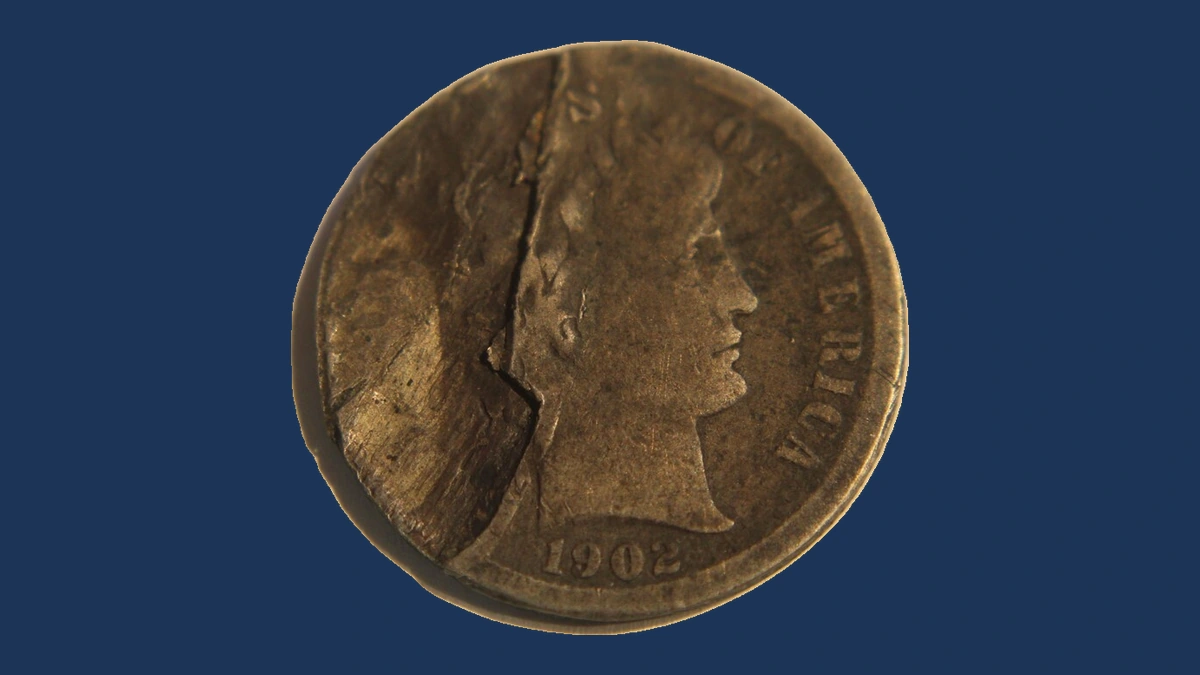
Peeling metal affects both faces of a reported San Francisco dime. The year guide describes a major lamination but gives no original grading-service identification for the coin.
Lamination means a thin layer separates within the metal. A flap may remain attached or fall away, exposing a rougher surface beneath the design.
This 90% silver dime does not have the manufactured outer layers found on later clad coins. Its reported peeling concerns weakness inside the alloy itself.
Scratches, corrosion pits, and deliberate scraping have different boundaries, so they should not be called lamination merely because metal is missing.
Estimated Value
The year report describes a $150 offer for the two-sided lamination. That is an asking price, not a completed sale.
Estimate $100–$750 for collectible circulated 1902-S examples with substantial original peeling. Grade, exposed surfaces, and whether a flap remains attached affect the whole-coin comparison.
The range does not assign a certification to the reported piece. A genuine separation still needs to be distinguished from later scraping or corrosion before the estimate is useful.
How to Identify
Find the S below the back-side bow, then inspect both faces with a magnifier. The reported example has peeling on both sides, without a fixed position stated here.
Follow a thin flap or layered opening under changing light. Leave attached metal in place; lifting it can destroy both the coin and useful evidence.
Check for tool scratches beside a cut or scrape. Use calipers against 17.9 mm and a scale against 2.50 grams, allowing for wear and lost metal.
Inspect the edge grooves as well. For the first useful check, locate a thin layered separation through the struck surface rather than simply a rough or dark patch.
6. 1902 Barber Dime Off-Center Strike (Estimated Up to $1,200)
Part of the picture runs beyond the metal while another area remains plain. The disc sat off-center between the stamping tools, so it did not receive the complete intended design.
Heritage’s 2026 sale identifies an ANACS AU50 example in a small holder. Its description does not state a percentage or direction of shift.
Unlike a broadstrike, this coin omits part of the picture rather than simply adding space outside it. The plain area must remain original metal.
A coin stretched by souvenir rollers after minting is a different object, even if its outline looks unusual.
Estimated Value
The ANACS AU50 example sold for $561.20 on June 29, 2026. AU50 describes a coin with light circulation wear.
Estimate $250–$1,200 for circulated through lightly worn 1902 examples with a readable date. The amount of shift and original surfaces affect that whole-coin range.
The sale does not establish a 20% or 50% example. A larger shift can attract interest, but losing the date or important detail can weaken the comparison.
How to Identify
Compare complete photographs of both faces and follow where each picture meets the plain area. Some intended outer detail must be missing, rather than simply surrounded by an enlarged rim.
Use a magnifier to inspect the unstruck metal for original texture. Grinding, later compression, or stretching can leave different surface and edge marks.
A normal 90% silver Barber dime weighs 2.50 grams and measures 17.9 mm. Check with a scale and calipers where accessible, and inspect the remaining edge grooves.
The abnormal strike can change the outline. To identify it quickly, match omitted design on both faces with the same genuinely untouched part of the disc.
Conclusion
These 1902 Barber dime errors have estimated whole-coin values from $20 to $1,200. A complete picture on an enlarged disc differs from a shifted picture, and a thin peel differs from either striking problem.
Match the date and mint before inspecting tiny punch remnants. Keep the $150 lamination asking price separate from the completed broadstrike and off-center sales, and compare the actual feature and condition before applying any premium.