2024 Quarter Error List with Pictures

The large medal beside Dr. Mary Edwards Walker can show a second outline on some 2024 quarters. Other reported mistakes change a portrait, the edge, or the outer metal layer.
Estimated values for these 2024 quarter errors span $2–$3,000. For context, a different-year quarter struck through cloth sold for $881.25 in January 2017; it was dated 1776–1976, not 2024.
Identify the woman on the back before choosing a comparison. Each of the five designs gives you different places to look.
1. 2024 American Women Quarter Clashed Designs
A faint piece of Washington can appear on the woman’s side, or a back-side outline can appear near his face. These traces can form after the two dies meet without a blank between them.
Dies are the steel tools that stamp the designs. Their contact can leave marks that later coins repeat.
Reports include an L-like shape before Washington’s eye on Murray quarters and head or hair traces on Mink’s back design. Walker and Zitkala-Ša quarters have separately reported clashes.
The opposite designs must explain each shape. One design’s mark does not identify another.
Estimated Value
For an identified clash on a 2024 quarter, estimate $10–$100. Clear transferred shapes can attract more interest than faint lines that require difficult lighting.
The woman’s design and the location of the mark matter more than a general clash label. A Murray eye-area trace needs a Murray comparison, rather than a photograph of a different reverse.
Scratches or ordinary design lines do not receive the same premium. Several matching transferred details make a stronger case than one isolated letter-like shape.
How to Identify
Place front and back photographs at the same scale and identify the woman’s design. Then look for an extra shape that fits part of the opposite face.
For Murray, inspect the L-like trace before Washington’s eye with a magnifier. On Mink, compare the back-side head or hair outline with Washington’s portrait.
Move a small lamp around the coin to follow faint traces without rubbing the surface. A random line in a gown may belong to the normal design.
On Zitkala-Ša quarters, examine the space among the sun rays. For Walker, compare any faint back-side outline directly with Washington’s portrait; the Murray eye-area mark belongs to a different design.
2. 2024 American Women Quarter Cracks, Chips, and Rim Breaks
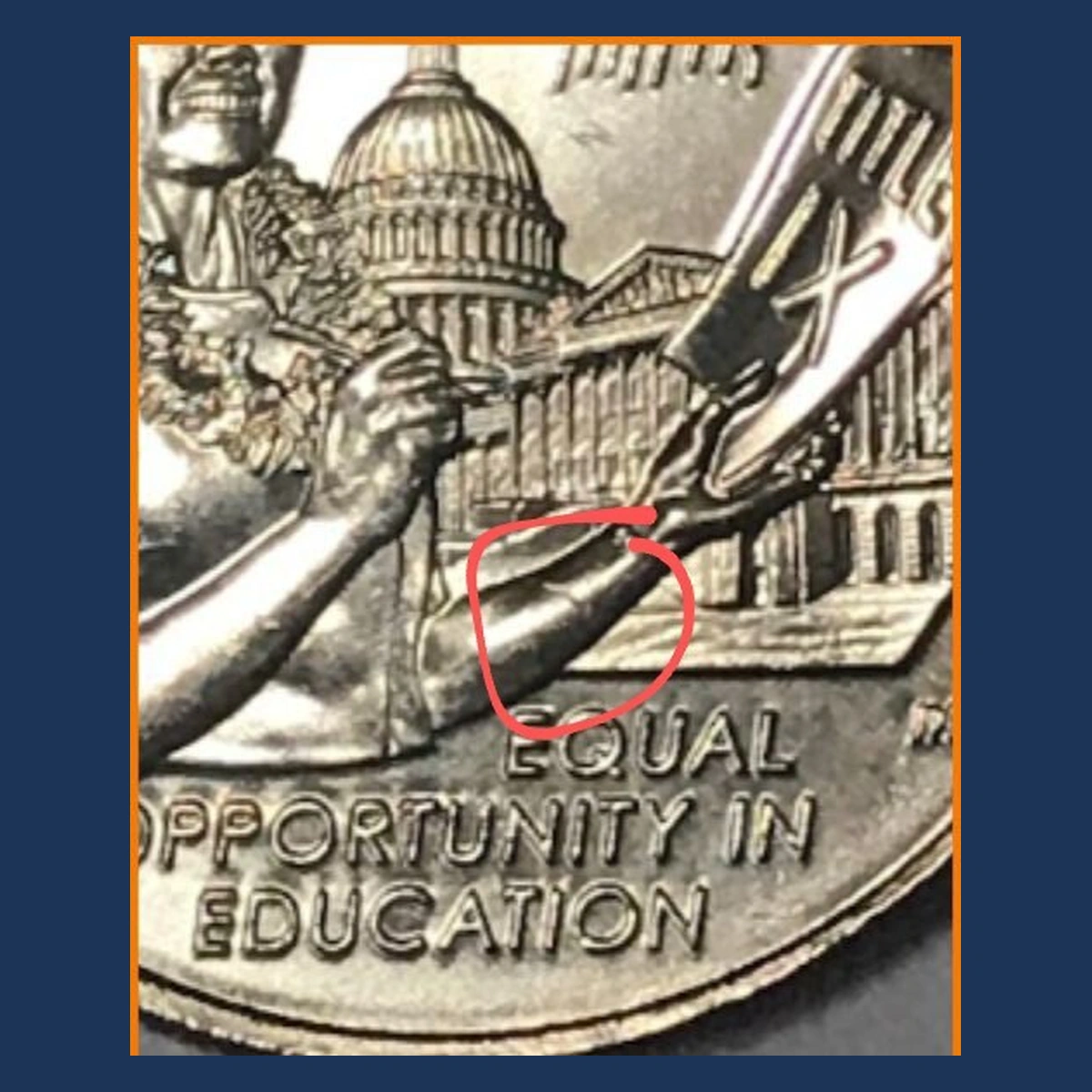
A narrow raised line can come from a cracked die; a small missing piece of that tool can leave a lump called a chip. A larger rim-connected break is a cud.
Reported spots include Mink’s wrist, Walker’s medal or lettering, Murray’s E in HOPE, and Zitkala-Ša’s bird. Cruz quarters have reported cracks near her portrait, rim breaks, and chips on Washington’s nose.
The mouth-area feature on Cruz needs special care. Reports call it either a chip or folded metal, so its actual height and any separating layer must decide which explanation fits.
Estimated Value
Small genuine chips or cracks can be estimated at $2–$50. A clear, substantial rim-connected break can fit $50–$250, giving the group a range of $2–$250.
A nickname does not establish the cause or value. The raised shape should replace or alter normal design in a way that matches a damaged tool.
For Cruz’s mouth-area report, a real peeling flap would need a different physical explanation from a solid raised chip. Price the identified feature on the actual coin.
How to Identify
Choose the woman’s design before enlarging a lump or line. The wrist on Mink, bird on Zitkala-Ša, and lettering on Murray are different landmarks.
Inspect the mark’s height under angled light. A crack leaves a raised ridge, while a scratch can have a sunken center between pushed-up edges.
For a claimed cud, follow the raised area all the way to the rim. A bump inside the portrait is not rim-connected just because it is large.
At Cruz’s mouth, look for a thin attached flap or a separation boundary without touching it. A solid chip and a folded layer leave different evidence.
Use a magnifier to follow each raised line past nearby letters or portrait details. At a suspected rim break, check that the lump reaches the coin’s outer border.
3. 2024 American Women Quarter Doubled Front and Back Designs
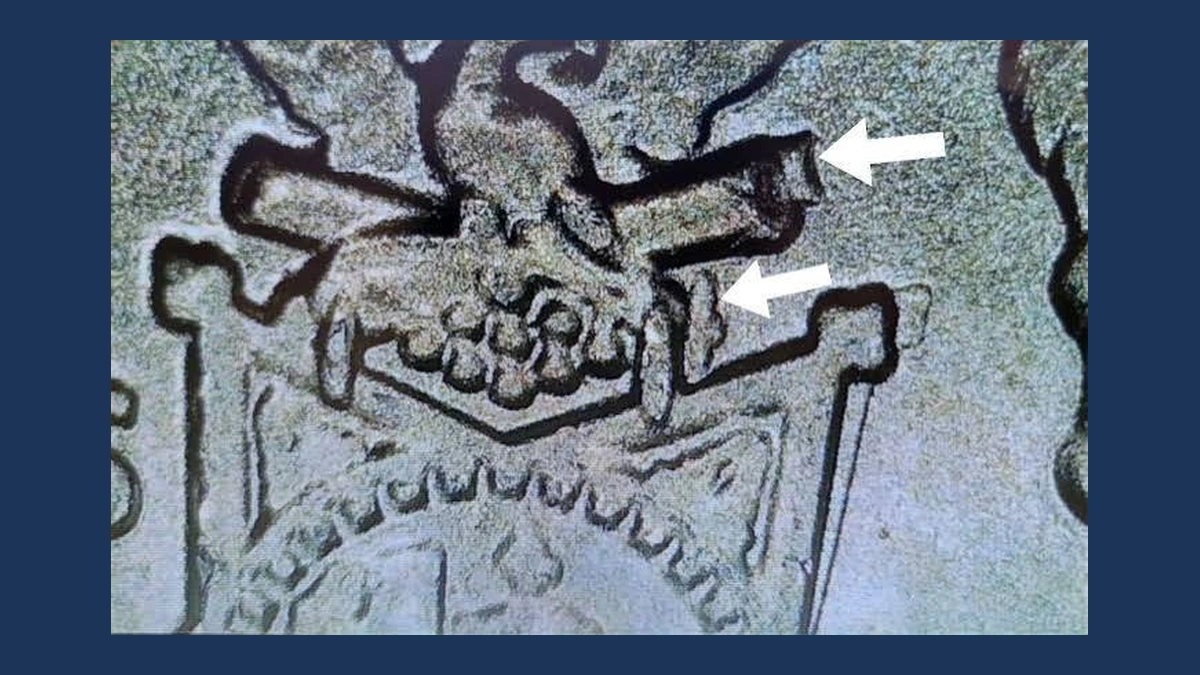
Extra outlines on Walker’s large medal are the clearest starting point. Ken Potter reported strong doubling on the medal and the hair to the right of her portrait on Philadelphia quarters.
A doubled die carries repeated shapes before it stamps coins. This is not an extra blow to each finished quarter.
Other reports concern Washington-side details on Murray, Mink, Cruz, or Zitkala-Ša issues. Back-side reports include Mink’s design, Cruz’s ear and earring area, and Zitkala-Ša’s braid or chin.
Each belongs to its own face and design, with a separate pattern to match.
Estimated Value
Estimate $10–$300 for identified 2024 doubled-design varieties across subtle and clearly separated patterns. The visible strength of the doubling and the coin’s condition influence its appeal.
Walker’s large-medal pattern provides a specific comparison, while the other reports need their own design matches. A seller’s doubled-die title is not equivalent to clear repeated features on the coin.
Ordinary striking movement can leave flat shelves beside letters. Those shelves should not receive the same estimate simply because the edge looks doubled.
How to Identify
On the Philadelphia Walker example, inspect the large separate medal at the upper right. It is not the smaller decoration worn near her neck.
Compare the cannon muzzle, the star’s right hanger and edge, and the hair beside the portrait. Several matching points identify the reported pattern more reliably than one thick line.
For Cruz, distinguish her ear on the back from Washington’s ear on the front. A seller’s reference to an ear alone does not tell you which side is doubled.
Mink and Zitkala-Ša candidates need their own photographs. Keep the mint letter visible, and compare rounded extra outlines with the low flat shelves caused during striking.
4. 2024 American Women Quarter Reported Strike-Through Marks
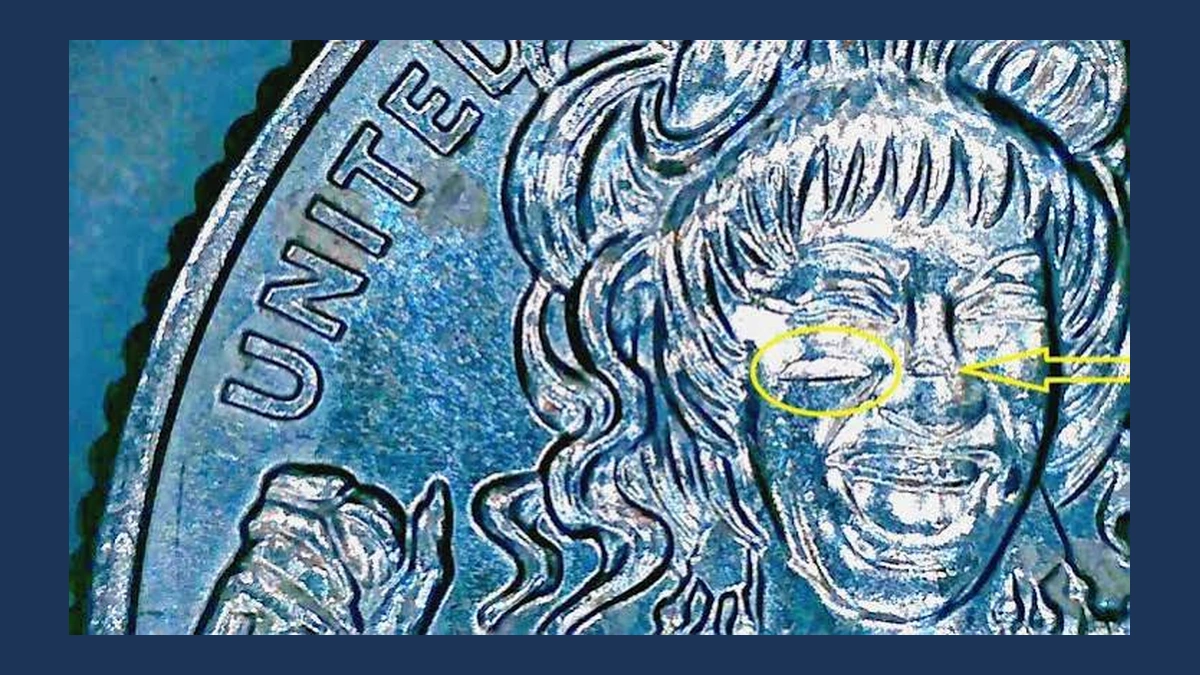
Material between a blank and a stamping tool can interrupt the design. It may leave a depression, texture, or weak area called a strike-through.
Cruz’s forehead feature is sometimes nicknamed the third eye. Accounts disagree about whether the mark is sunken or raised, so its surface needs examination before accepting that name as a diagnosis.
Reports also place a possible obstruction near Walker’s large medal and describe a Mink example without a fixed location. The material responsible is not established.
A raised chip and a sunken interruption need different explanations.
Estimated Value
For confirmed 2024 strike-throughs, estimate $10–$500, depending on the affected area and how clearly its original texture remains. A small weak patch generally offers less visual interest than a strong interruption beside sharp design.
For comparison, a 1776–1976 quarter struck through cloth, graded NGC MS66, sold for $881.25 in January 2017. That different-year coin had an identified fabric impression.
Its price does not turn an unexplained Cruz forehead bump into a confirmed cloth error.
How to Identify
Use light from opposite sides to decide whether the feature is above or below the surrounding design. That first check is especially important for Cruz’s conflicting forehead descriptions.
Inspect the boundary for original texture and nearby normally formed detail. A true interruption should explain where material blocked the blow, rather than where someone later scraped away a finished image.
Walker’s medal mark needs the same height check because a tool chip has also been proposed. A solid raised lump does not establish a struck-through object.
For Mink, inspect the boundary between the weak patch and the intact design under magnification. If material remains attached, leave it in place and look for design pressed across its edge.
5. 2024 American Women Quarter Reported Missing Clad Layer on a Mink Quarter
Normal clad quarters have a copper center between pale copper-nickel outer layers. Losing one outer layer can expose copper and reduce the coin’s weight.
A missing-layer error is reported for the Patsy Takemoto Mink design. The report does not provide an actual weight or establish which face lost its layer.
Brown staining can change a face’s color without removing metal. A missing layer should affect the surface and remaining metal.
San Francisco also made silver Proofs, specially made collector quarters, in 2024. Their normal silver composition must not be confused with layer loss on a clad coin.
Estimated Value
Estimate $50–$700 for an authenticated 2024 Mink quarter missing an outer layer. Broad, clearly exposed copper with original struck detail is easier to appreciate than an irregular corroded patch.
A different-year comparison is the 1988-D missing-front-layer quarter graded NGC MS62 that sold for $156 in November 2020. Its recorded weight of 4.8 grams belongs to that coin.
The Mink candidate requires its own measurements. Neither the later design name nor a brown color guarantees the same error.
How to Identify
Establish whether the coin is clad or a silver Proof before judging its color. An S also appears on ordinary collector-roll quarters, so this letter alone does not prove a Proof finish.
Compare the two faces and look closely at the edge beside the brown surface. A missing outer layer should leave a physical difference, not just a change in color.
Place a loose clad candidate on a digital scale and compare its weight with the normal 5.67 grams. Keep a graded coin in its holder and use recorded measurements instead.
Low weight can also result from grinding or corrosion. Under a magnifier, check whether original struck details remain in the copper or whether scraping has removed them.
6. 2024 American Women Quarter Reported Off-Center Strikes
Part of the picture can miss the metal when a blank sits out of position in the press. An untouched crescent remains beside the incomplete design.
Year reports include off-center claims for Murray, Mink, Walker, Cruz, and Zitkala-Ša quarters. These descriptions do not establish one mint, direction, or percentage for every design.
A Mink coin may be described as both off center and showing other errors. If these features occur together, they still belong to that single coin.
Both faces and the original blank area must support the claimed displacement.
Estimated Value
For a genuine 2024 off-center quarter with an identifiable year and design, estimate $25–$1,000. Clear displacement with an intact date can be more attractive than a larger shift that erases the identity.
A 1988-P quarter struck thirty percent off-center sold for $109 in January 2022, graded ANACS MS63. That older design offers a price comparison, not evidence for a particular 2024 specimen.
Each woman’s design and the coin’s own surfaces should lead the assessment.
How to Identify
Identify the woman and read the year before judging how far the design moved. Check both on the same coin rather than relying on a close-up that cuts them away.
Compare the front and back to see whether the blank areas fit one disk struck out of position. If only Washington’s side shifts while the back stays centered, one stamping tool may have moved instead.
Inspect the empty crescent with a magnifier for scraping, removed lettering, or a cut-down edge. Its width alone is not the percentage struck off center.
Look across the whole coin to the opposite edge. Part of the intended design should fall beyond the original metal, not simply sit inside an uneven rim.
7. 2024 American Women Quarter Reported Repeated Strike on a Zitkala-Ša Quarter
Two displaced portraits or groups of letters can show that a coin received another blow after moving. The second impression must repeat related parts of the design.
A seller lists a Zitkala-Ša quarter with multiple-strike wording alongside doubled-die claims. Those names describe different mechanisms, and the title alone does not establish two actual strikes.
A doubled die can leave small extra outlines with one blow. A genuine repeated strike instead needs evidence of another impression on the coin.
The metal and finish also need their own identification; a seller’s copper field does not certify a pure-copper blank.
Estimated Value
For an authenticated 2024 Zitkala-Ša quarter with distinct repeated strikes, use a conditional estimate of $200–$3,000. This is an estimate for the mechanism, not a recorded sale of the seller-listed coin.
Recognizable second design groups, a readable date, and original surfaces would support stronger interest. Closely overlapping or damaged impressions can be harder to explain.
Do not pay that premium for small doubled-looking letters alone. The evidence must show another strike rather than just a doubled tool.
How to Identify
Choose one repeated design feature and trace the neighboring letters or portrait outlines. They should fit a second image shifted or turned in a consistent way.
Photograph the other face to see how its impressions relate. A later blow may flatten some earlier detail, so equal strength on both images is not required.
A few extra edges around a letter need a doubled-die comparison instead of a multiple-strike label.
Check for pressed-in mirror images or surface damage made by contact with another finished coin. Those marks do not automatically prove two ordinary Mint strikes.
For a convincing second strike, follow several repeated letters or portrait lines together. Their spacing should fit a second design shifted across the coin, rather than separate dents or scratches.
Conclusion
The estimated $2–$3,000 range covers small raised tool defects through clearly repeated strikes. The woman’s design tells you which landmarks to inspect, while the mint and finish help you choose the right comparison.
Start with the mark’s shape and height, then compare the entire coin. A nickname, brown color, or long seller title cannot replace the visible evidence of how the feature formed.