2009 Quarter Error List with Pictures

Duke Ellington’s piano offers one of the clearest places to look for 2009 quarter errors. A Denver quarter with a doubled back design sold for $3,099 in August 2023.
The year also brought five territory designs, each with different details to examine. Estimated error values across the types below range from $2–$4,000.
Start by naming the design on your quarter. Then follow the relevant close-up checks, from a small extra outline to a large missing section of the picture.
1. 2009 District of Columbia and U.S. Territories Quarter DC Feeder-Line Marks
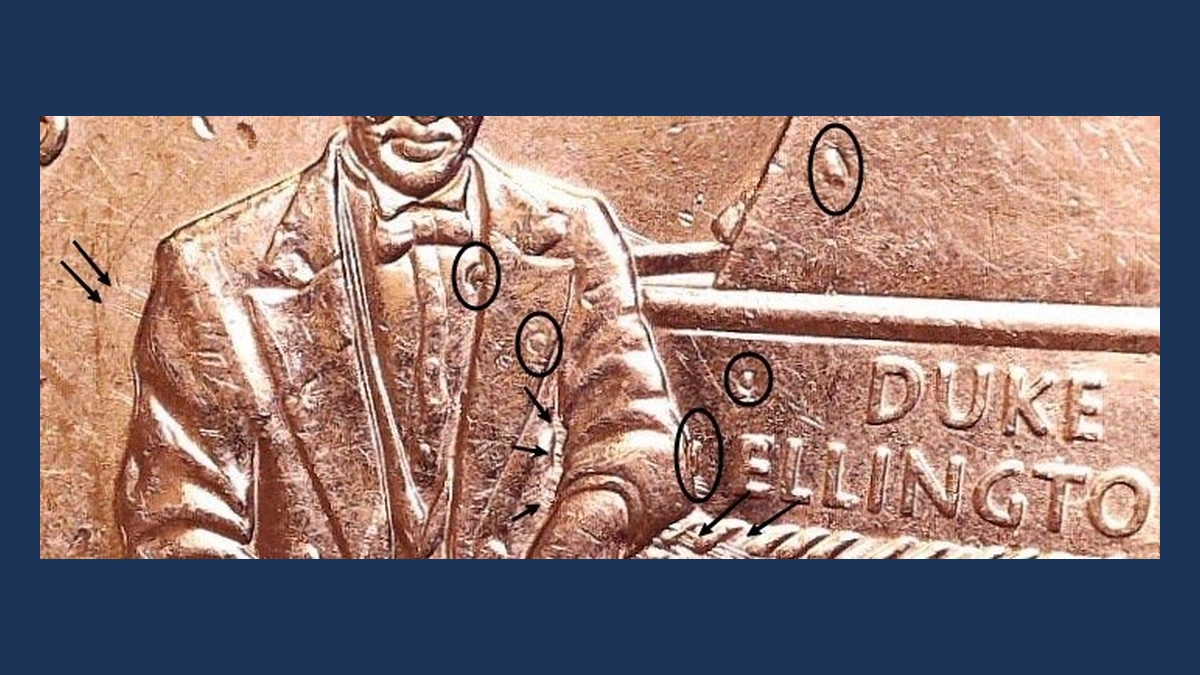
Parallel lines on a Philadelphia DC quarter have been described as feeder-finger marks. A feeder moves metal discs, called blanks, into the press.
Similar-looking lines can form in different ways. A damaged stamping tool leaves matching marks on later coins, while direct contact can scratch a coin itself.
The reported DC marks occur near the front portrait and on the back. Their height must be checked before choosing an explanation.
Ordinary scratches can also run side by side. A straight line by itself does not establish a mint-made error.
Estimated Value
Estimate $3–$50 for a convincing minor mint-made feeder mark on an otherwise attractive DC quarter. Clear, repeatable lines offer more to examine than faint streaks.
The surface around the marks should remain original. A heavily scratched coin is less desirable, even if a seller calls every line a feeder mark.
Use the upper part of the range for an obvious feature with a sound explanation. The nickname alone does not add value to a damaged quarter.
How to Identify
Photograph the P and the Ellington scene before studying the lines. Those details identify the Philadelphia DC quarter behind each close-up.
Move a small lamp from one side of the coin to the other. Changing shadows help show whether a mark is raised or cut into the surface.
Follow a line across Washington or nearby lettering. A groove cutting through already formed detail may be a later scratch, rather than a mark made during striking.
For a suspected damaged-tool pattern, find another Philadelphia DC quarter with lines in exactly the same places. Compare several matching points, not just their general direction.
Check each matching line under both lighting directions before deciding whether the marks share a minting cause.
2. 2009 District of Columbia and U.S. Territories Quarter Northern Mariana Islands Weak Strike
A weak strike leaves parts of the intended design poorly formed. It differs from wear, which removes detail after a coin enters circulation.
Weakly formed detail has been reported on Northern Mariana Islands quarters. No single mintmark or weak spot identifies every coin of this type.
Fine palm fronds and other small details deserve comparison with a normal coin. General softness alone cannot reveal the exact cause.
A weakly made coin should still retain its original surface texture. Smooth, rubbed high points suggest that circulation helped flatten the design.
Estimated Value
For a clearly identified weak-strike error, estimate $5–$75. A pronounced loss of detail on an otherwise unworn quarter is more interesting than ordinary mild softness.
The strongest candidates show a useful contrast between poorly formed areas and better-struck surroundings. Heavy circulation wear makes that distinction harder to demonstrate.
This range concerns an unusual strike, not every coin with a faint palm frond. A normal worn quarter can remain worth only its face value.
How to Identify
First rule out wear on Washington’s highest features and the raised back design. Smooth, rubbed patches on both faces may explain why the picture looks flat.
Choose a normal Northern Mariana Islands quarter with a similar finish for comparison, since collector coins can have different surfaces. Examine the palm fronds and other fine lines under slanting light, looking for detail that failed to form.
A weak strike can leave original surface texture within a soft-looking area instead of the smooth patches caused by rubbing. Tilt that area slowly under a magnifier to see whether the texture continues through the missing detail.
3. 2009 District of Columbia and U.S. Territories Quarter Denver DC Misaligned Die
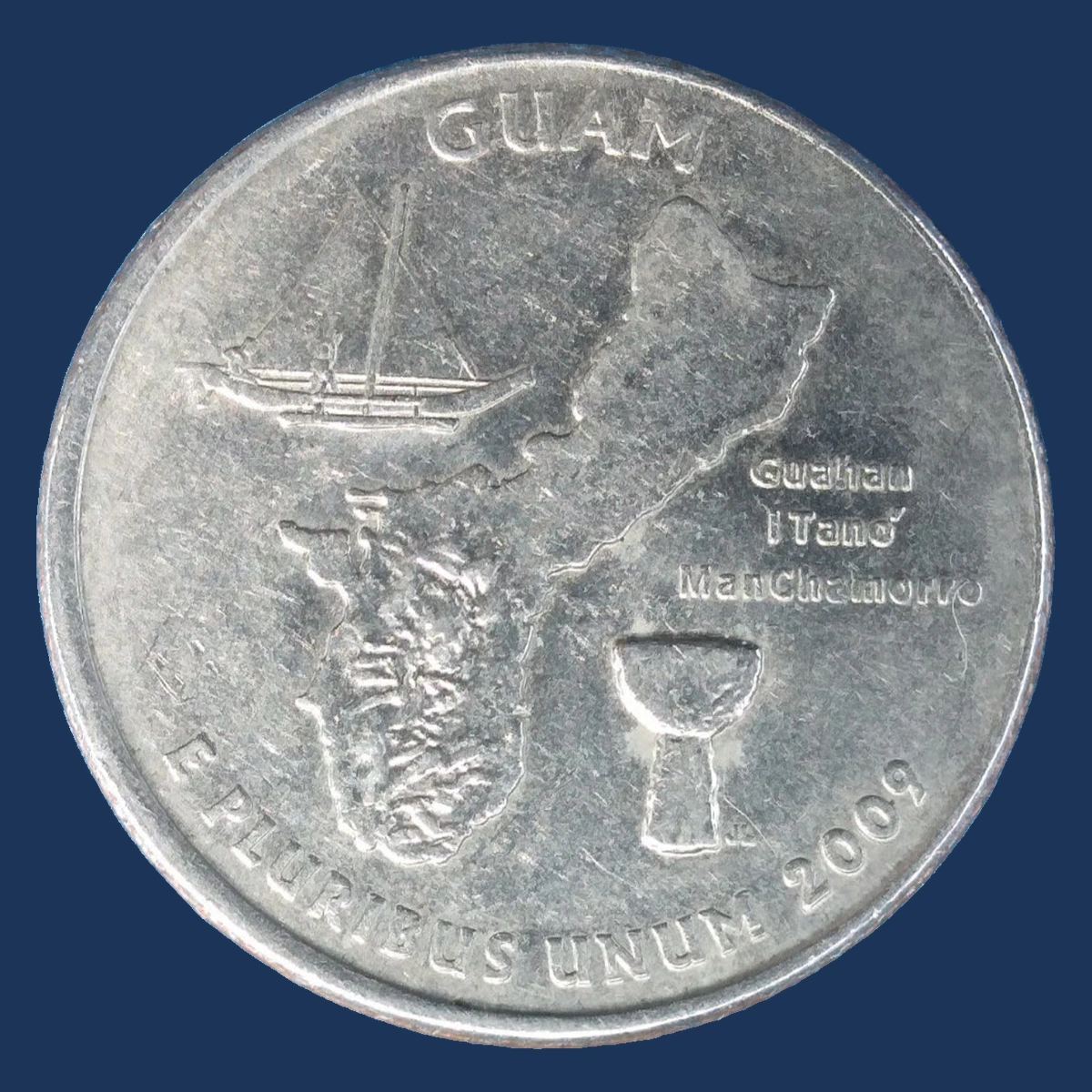
One face can sit noticeably closer to the rim while the opposite face remains centered. A stamping tool has shifted sideways, rather than the entire blank moving out of place.
This is called a misaligned die. Denver DC quarters have a reported example of this type.
The important clue is the difference between the two faces. A narrow border at one side should be compared with a wider border opposite it.
This does not automatically mean part of both designs is missing. A large blank crescent affecting both faces would point toward an off-center strike instead.
Estimated Value
An estimated $5–$100 suits clearly visible minor tool misalignment on a 2009-D DC quarter. Very slight shifts can attract little extra interest.
A strong difference between the front and back is easier to demonstrate and may suit the upper portion. Clean, undamaged rims help show the original relationship.
Do not price a small one-sided shift as a dramatic off-center error. Compare the actual spacing on both faces before choosing a value within this range.
How to Identify
Place the whole coin square to the camera so the rim is not hidden by a tilted view. Compare the top and bottom border widths, then the left and right.
Turn the coin over and repeat the same comparison around the Ellington scene. The reported type needs different centering between the faces.
Use Washington, the outer words, and the piano scene as fixed landmarks. A small area of rim damage should not shift the rest of the design.
If both faces lose design beyond the same part of the metal, use the off-center checks below instead. A rotated photograph alone cannot establish either kind of minting error.
4. 2009 District of Columbia and U.S. Territories Quarter Northern Mariana Islands and American Samoa Die Chips
An extra bump can form when a small piece breaks from a stamping tool, called a die. Coin metal fills the new hollow and makes a raised chip.
Northern Mariana Islands reports include a chip at the boat’s bow. Philadelphia examples have also been reported with chips on both faces.
American Samoa quarters have a separate chip report, but no specific position identifies that type. Look for an actual raised lump before deciding whether your coin matches it.
Several bumps on one coin belong to one overall appearance, rather than separate priced errors.
Estimated Value
Small genuine chips can be estimated at $2–$40, while a larger, clearly recognizable example may reach $40–$150. The combined range is $2–$150.
A lump that noticeably changes the boat or another recognizable feature is easier to show than a tiny speck. Original surrounding detail makes the extra metal clearer.
The estimate applies to the whole quarter. Multiple small chips do not justify multiplying the range by the number of bumps.
How to Identify
Choose a normal coin with the same back design before judging an unfamiliar bump. Otherwise, a small part of the intended artwork may look like extra metal.
On Northern Mariana Islands quarters, inspect the front end, or bow, of the boat. Compare its outline and the surface immediately around it.
A reported Philadelphia coin can have chips on both faces, so turn it over and inspect Washington separately. A bump on the boat does not establish a front-side chip.
For American Samoa, photograph the actual bump with enough nearby detail to locate it on the bowl, whisk, or staff scene.
Tilt the lump under a lamp and look for a scraped center or metal pushed around a dent. Those damage marks can explain an apparent chip.
5. 2009 District of Columbia and U.S. Territories Quarter Denver American Samoa Lamination
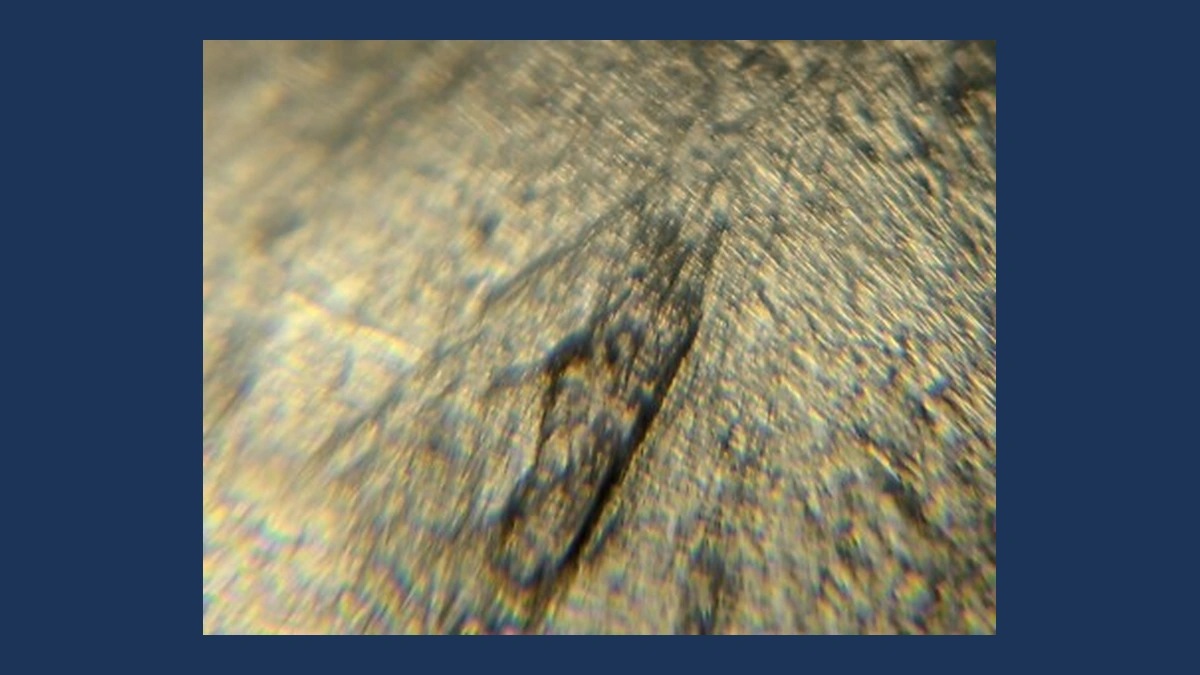
A thin piece of metal can separate from the surface of a defective blank. A split, lifted flap, or shallow peeled area is often described as lamination.
This type has been reported on a Denver American Samoa quarter. Its back shows a ceremonial bowl, whisk, and staff.
Check the affected face and the split’s path on your coin. A brown patch alone does not prove that metal has peeled away.
Scratches and chemical damage can also disturb the surface. These quarters use bonded metal layers, called clad construction, so a whole missing outer face needs a different examination.
Estimated Value
Estimate $15–$200 for an authenticated 2009-D American Samoa lamination. A visible split with original surrounding detail generally has more appeal than a tiny rough patch.
A surviving flap can help show the separation, provided it remains undisturbed. Heavy corrosion may make the original feature difficult to interpret.
This is an estimate for a surface-separation error on the named design. Ordinary staining, scraped metal, or a loose piece of foreign material does not receive the same premium.
How to Identify
Leave a lifted flap alone. Pulling at it can break the metal off and destroy useful clues about how it separated.
Read AMERICAN SAMOA and find the D, then photograph the affected area from low angles. The full back design should remain recognizable in at least one view.
Follow the split with a magnifier, checking where nearby letters meet its boundary. A thin sheet lifting from the surface differs from a scratch cut through finished details.
Also inspect the edge without bending the flap, since a whole missing outer layer differs from a small surface peel. Look along the opening for the thin metal edge that shows actual separation.
6. 2009 District of Columbia and U.S. Territories Quarter Clipped Blanks
A blank is the metal disc that will become a coin. Punching across an earlier hole or the metal strip’s edge can leave it incomplete.
The remaining disc receives the coin’s design, leaving a curved or straight gap. Collectors call these clipped blanks, or clipped planchets.
Both curved and straight forms are reported for 2009 quarters. The year report does not establish a particular territory design or mint for each form.
A coin cut after minting can have a similar outline. The way its original rim and design meet the missing area matters.
Estimated Value
For an authenticated 2009 clipped quarter, estimate $20–$300. The gap’s size, surviving identity, and overall condition help narrow that range.
An older 1980-P corner-clipped quarter graded NGC MS65 sold for $204 in June 2023. That different-year sale illustrates the appeal of a clear missing section.
Curved and straight clips should be compared with matching shapes. A small nick in a finished rim does not qualify merely because some metal is missing.
How to Identify
Begin where the missing edge joins the normal rim. Inspect both junctions for a gradual weakening of the rim or nearby letters.
On a curved example, also examine the rim opposite the gap for a weak area. This supporting feature is not equally obvious on every genuine clip.
A loose clad quarter, made from bonded metal layers, normally weighs 5.67 grams before any metal is missing. A lighter result also fits cutting and corrosion.
Check the missing edge for saw lines, fresh burrs, or filed surfaces under angled light. Keep the date, mintmark, and territory name in the full-coin photographs before comparing any close-up.
7. 2009 District of Columbia and U.S. Territories Quarter DC and American Samoa Broadstrikes
A quarter can become wider than intended if the collar fails to hold its edge during striking. The collar is the ring that normally controls the coin’s width.
The metal spreads outward, creating a broadstrike. Its picture can sit unevenly within the wider outline, but the intended design remains on the coin.
This type has been reported on Philadelphia DC quarters and on American Samoa quarters. The latter report does not specify a mint, so check the coin itself.
Flattening a normal quarter can also widen it. Crushed lettering and damaged surfaces help expose that later treatment.
Estimated Value
Use an estimated $50–$500 for an authenticated broadstrike on either reported design. Clear expansion with the complete picture preserved makes a useful display.
A 1984-P broadstruck quarter graded PCGS MS65 sold for $169 in December 2025. This different-year example provides a comparison for an unworn coin with a visible collar error.
For 2009 pieces, condition and the amount of spreading guide the estimate. A widened but badly flattened coin needs a damage check first.
How to Identify
A broadstrike must still carry the intended picture and outer words. Check for missing letters before assuming that a wide blank margin proves this error.
For DC, follow the piano scene and ELLINGTON toward the outside edge. For American Samoa, examine the bowl, whisk, and staff within their own surrounding words.
Next compare the outline with a normal quarter. Measure a loose coin in several directions against the standard width of 24.26 millimeters.
The expanded outline may be uneven, with the picture closer to one side. That alone does not make the coin off center.
Tilt the portrait and outer lettering under light to check for flattened tops and pressure marks from later hammering.
8. 2009 District of Columbia and U.S. Territories Quarter Struck-Through Impressions
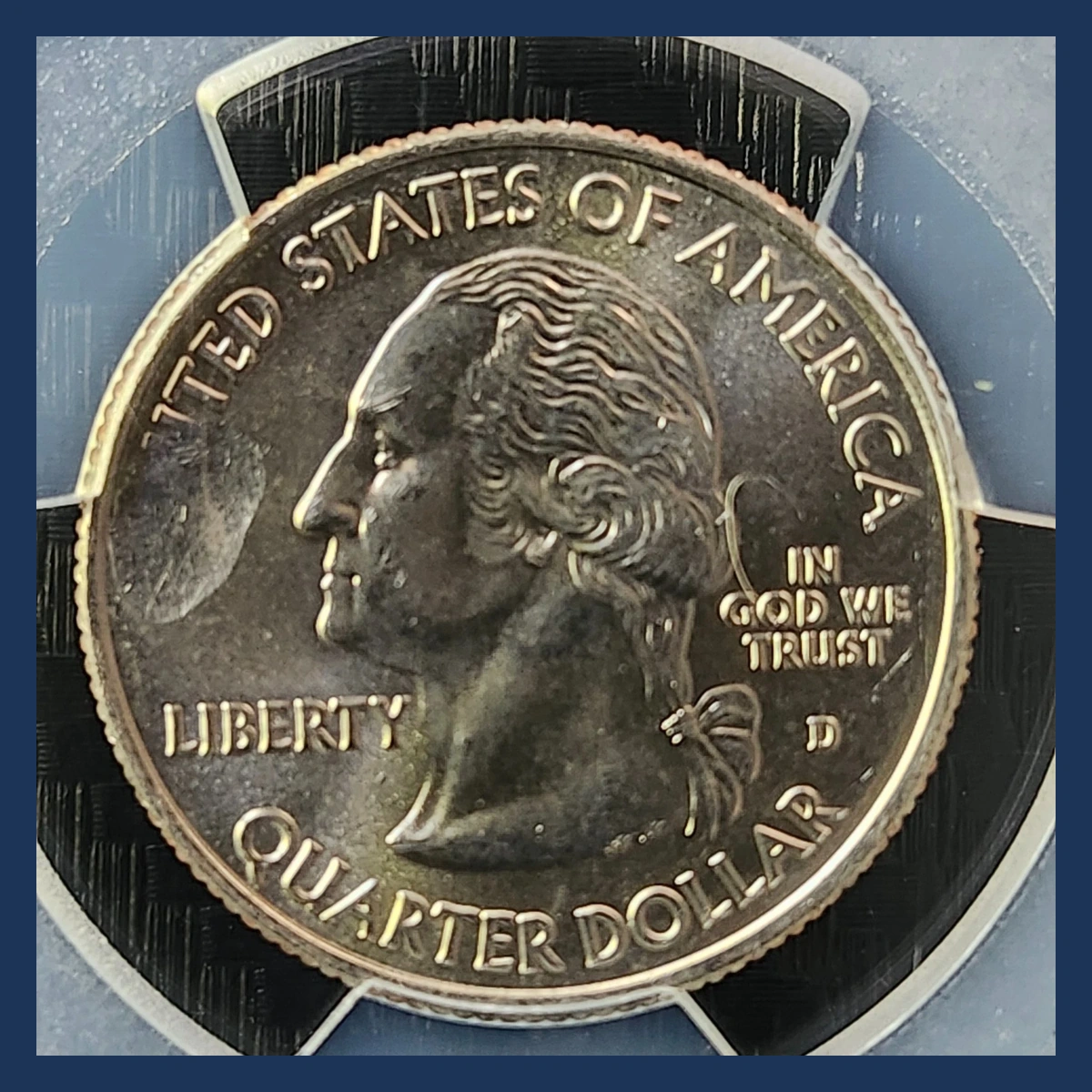
The design can be interrupted when something gets between a blank and a stamping tool. Soft grease may block a small detail, while a solid object can leave a more defined impression.
Collectors call this a struck-through error, and the type has been reported for 2009 quarters. Match the back design and mintmark before using another coin as a comparison.
A smooth depression is therefore not enough to name the object that caused it. The surrounding struck design must help explain what happened.
Later dents and scraping can also flatten letters or artwork, but usually disturb an already finished surface.
Estimated Value
Estimate $10–$100 for a clear minor blocked detail and $100–$1,000 for a substantial authenticated impression. The overall range is $10–$1,000.
For comparison, a 1776–1976 quarter struck through cloth sold for $881.25 in January 2017. That older coin had a recognizable woven pattern.
The comparison does not identify cloth on a 2009 quarter. A readable shape and well-preserved surrounding design support stronger interest than a vague weak patch.
How to Identify
Start with a normal quarter bearing the same back design and similar wear. Find where the candidate’s letters or picture stop while the comparison coin’s detail continues.
Inspect that boundary under a magnifier for scratches and metal pushed up around an impact, both possible signs of later damage. Nearby sharp detail surrounding a single weak patch may instead fit something blocking the stamping tool.
Widespread flattening on high points calls for another wear comparison. If the depression contains a woven pattern or a strand-like shape, examine that texture before naming the object.
Keep any attached material in place and photograph its contact with the coin, without scraping or lifting it.
9. 2009 District of Columbia and U.S. Territories Quarter Guam, American Samoa, and Northern Mariana Islands Off-Center Strikes
The Guam report describes a Denver quarter struck about thirty percent off center. Part of the picture falls beyond the blank, leaving an unstruck crescent on the opposite side.
Guam’s island outline, canoe, and latte stone identify the intended scene. This stone structure has a narrow support topped by a wider rounded cap.
American Samoa and Northern Mariana Islands have separate off-center reports. Their mintmarks and exact amounts of displacement need to be read from the individual examples.
The blank missed its correct position between the tools. A one-sided shift with a centered opposite face is a different error.
Estimated Value
Estimate $30–$1,500 for authenticated 2009 off-center quarters with enough identity remaining. A dramatic displacement and a clear date can make a stronger display.
For scale, a 1988-P quarter struck thirty percent off center sold for $109 in January 2022. ANACS graded that different-year coin MS63, indicating no circulation wear but noticeable marks.
Thirty percent alone does not set the price. The territory design, surviving words, surface quality, and overall appearance must be considered together.
How to Identify
Find the date and identify the back scene before measuring the blank crescent. A large missing section can remove the territory name or mintmark.
On a Denver Guam example, use the surviving island, canoe, or stone structure to identify the design. Check the D directly wherever that part of the coin remains.
Follow the design to the opposite edge, where letters or artwork should run out of metal. Repeat the check on the front to see the effect of the same misplaced blank.
Examine the unstruck area for grinding lines or faint remnants of a removed design. An empty-looking patch created after minting does not establish an off-center strike.
10. 2009 District of Columbia and U.S. Territories Quarter Philadelphia DC Quarter on a Dime Blank
A quarter design is too large to fit fully on a blank intended for a dime. Outer details may fall beyond the smaller disc even when the strike sits near its center.
A Philadelphia DC quarter on a dime blank has been reported. Its proposed identity needs agreement between the surviving design, actual measurements, and metal.
This differs from an off-center strike on an ordinary quarter blank. It also differs from cutting down a finished quarter.
The smaller size is only the first clue. A trimmed coin can imitate the diameter without sharing the original dime blank’s structure.
Estimated Value
For an authenticated 2009 DC quarter on a dime blank, estimate $500–$2,500. A readable date, identifiable scene, and convincing original edge make a more useful example.
A different-year quarter on a nickel blank sold for $852 in October 2021. That 1988-P coin was graded NGC MS66 and weighed 5.0 grams.
The comparison concerns another denomination’s blank, not a recorded sale of the DC report. The correct substitute blank and overall preservation guide the closer value.
How to Identify
If the coin is loose, weigh it and compare its outline with a normal quarter and dime. An ordinary modern dime blank starts near 2.27 grams and 17.91 millimeters across.
Those are normal blank measurements, not measurements of this reported error. Striking can change the width, so diameter by itself cannot identify the original disc.
Inspect the edge for filing and saw marks under a magnifier. On a cut-down quarter, some letters may have been sliced away after they formed.
The DC scene and any remaining P should match the claimed identity, even where outer details did not fit. Ask an error specialist to check the metal and untouched edge before accepting a dime-blank identification.
11. 2009 District of Columbia and U.S. Territories Quarter Doubled Piano Details and Other Doubled Designs
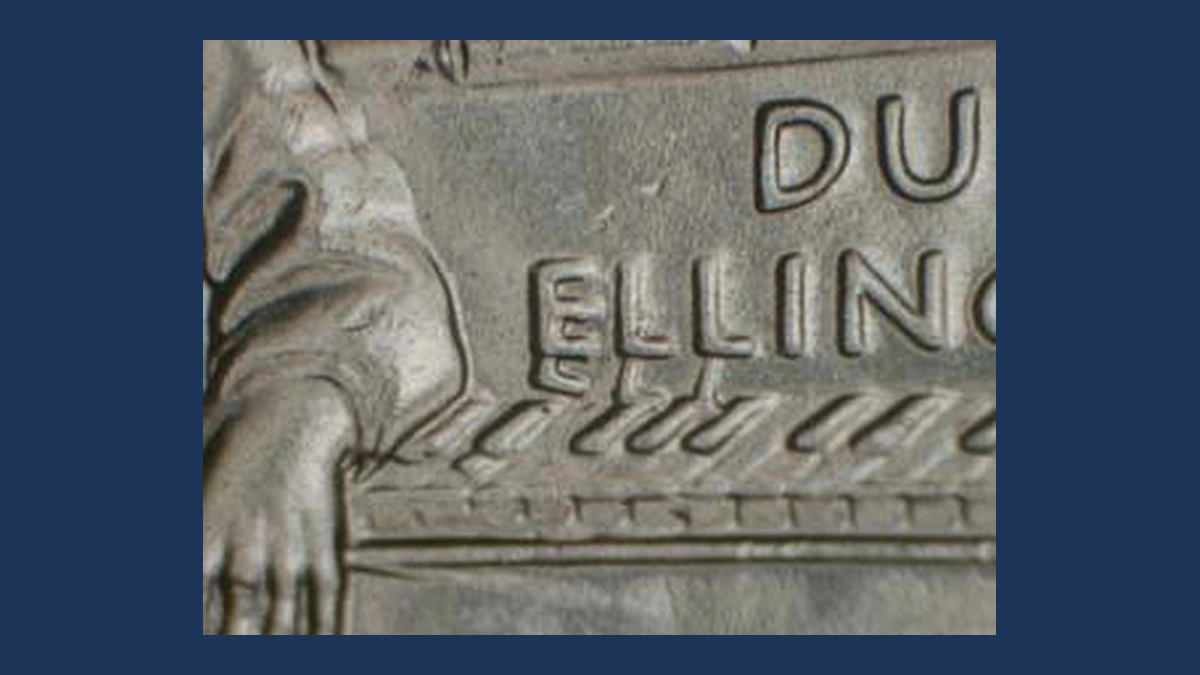
On the famous Denver DC variety, extra outlines appear around ELLINGTON, the piano keys, and Ellington’s hand. The repeated detail came from the stamping tool, called a doubled die.
This is back-side doubling, cataloged as FS-801. It is not a second complete strike on the coin.
Other reports concern front lettering and Washington’s portrait on Denver United States Virgin Islands quarters. Philadelphia Northern Mariana Islands examples involve palm fronds or detail beneath Washington’s ear.
Those front and back features must be matched separately. They should not be combined into a single imagined example.
Estimated Value
Estimate $200–$4,000 for identifiable DC FS-801 examples and $10–$300 for the other matched doubled designs. The combined range is $10–$4,000.
PCGS records an NGC MS67 DC example at $3,099 in August 2023. Another, graded PCGS MS66, brought $3,055 in July 2014.
These are unworn coins with very few marks. Small extra outlines on a different territory design do not automatically earn the famous piano variety’s price.
How to Identify
On a Denver DC quarter, examine ELLINGTON, the keys, and Ellington’s hand under a magnifier. Compare the repeated raised outlines with clear photographs of FS-801, rather than judging one blurred letter.
Low, flat shelves beside lettering can result from movement during striking and do not match the full doubled-tool pattern. Check the shapes and spacing at several points around the piano.
Denver Virgin Islands quarters require their own front portrait and lettering comparison, since the DC piano test cannot identify them. On Philadelphia Northern Mariana Islands quarters, compare the palm fronds and the area beneath Washington’s ear separately against matching close-ups.
Conclusion
Estimated values span $2–$4,000, with the strong Denver DC piano doubling among the standout finds. Small chips and faint weak areas sit much closer to the lower end.
Name the territory design first, then check the feature in its correct location. Preserve the original surface and compare the whole coin before relying on one enlarged letter, a brown patch, or an unusual outline.