2001 Quarter Error List with Pictures

A small copper-colored coin can still carry a quarter’s design. One North Carolina quarter struck on a cent blank sold for $9,000 in August 2024.
These 2001 quarter errors include much smaller clues too, from an extra ear outline to a raised patch near Kentucky’s rim. Estimated values across the types below span $2–$12,000.
Name the state on the back before examining the unusual feature. Its scene will guide you to the right comparison and help prevent mixing up different coins.
1. 2001 Washington State Quarter Rhode Island Misaligned Back Design
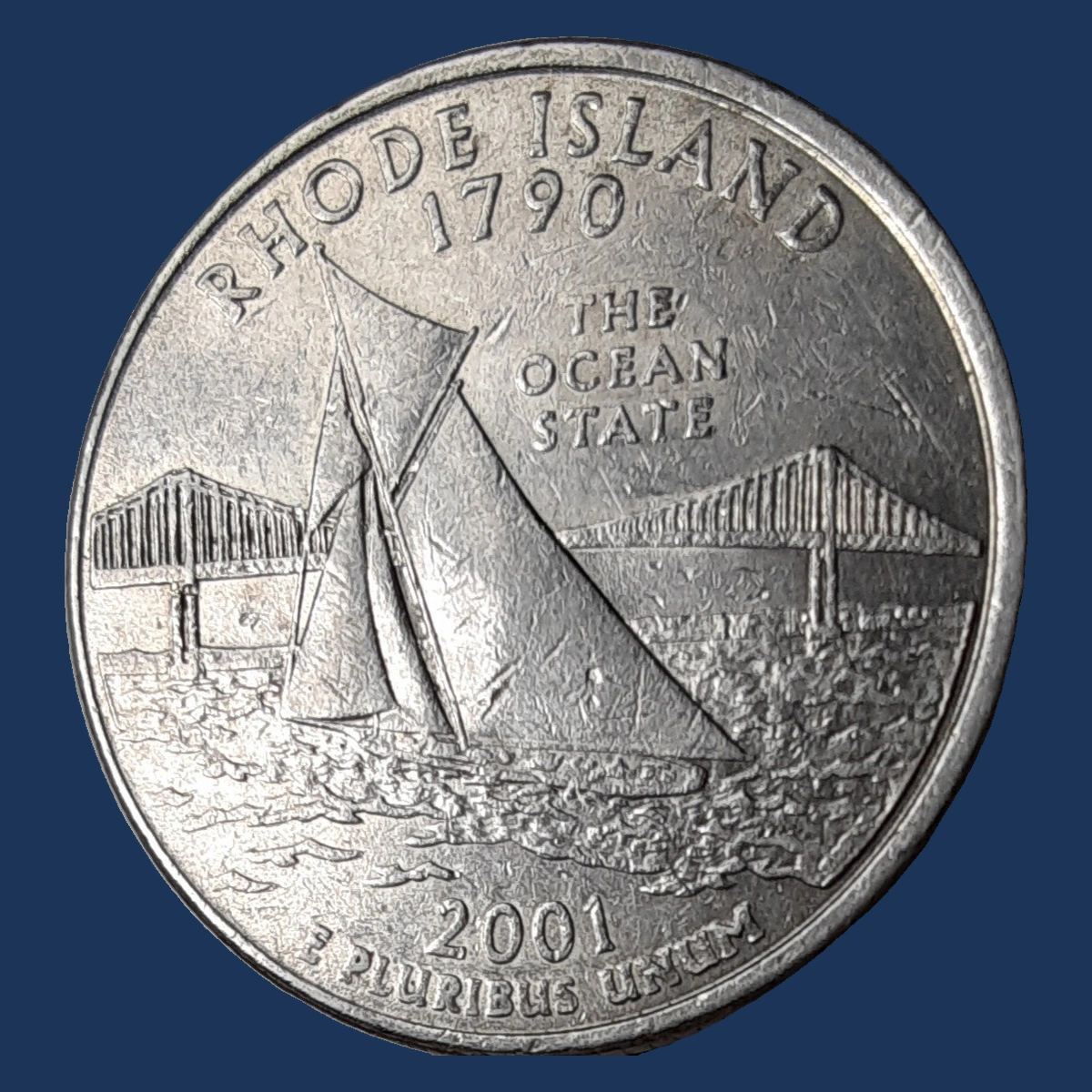
The sailboat scene can sit closer to one edge while Washington’s portrait remains better centered. A Denver Rhode Island example is reported with a misaligned back die.
A die is the steel tool that stamps a coin. Moving that tool sideways changes the position of its picture without necessarily moving the opposite design.
The recorded example was graded MS64, meaning unworn with some marks. Its border spacing is the feature to compare, rather than a new angle of the boat.
A tilted photograph or a damaged rim can also make one side seem narrower.
Estimated Value
Estimate $5–$100 for a clear, genuine one-sided shift on a Rhode Island quarter. Very small centering differences usually bring little additional interest.
A noticeable contrast between the faces makes the explanation easier to see. Original rims and clean surfaces help demonstrate that the picture shifted during striking.
The upper part of the range needs a convincing physical match. A boat tilted by the camera or an isolated dent in the border is not the same minting error.
How to Identify
Photograph the entire sailboat and Pell Bridge scene with the camera square to the coin. Compare the empty spacing between the outer design and opposite edges.
Turn to Washington and repeat that border comparison under the same conditions. A difference confined mainly to the back supports a shifted tool rather than a misplaced blank.
Inspect the narrowest part of the rim for flattening or an impact. Damage can alter the outline without shifting any of the inner picture.
Keep the D visible in another full view, then compare the arrangement with the reported Denver example. Independently cropped images cannot show the original relationship between the design and rim.
2. 2001 Washington State Quarter Possible Clashed State Designs
A stray outline can form when the two stamping tools strike each other without a metal blank between them. A trace of one design can be transferred to the other tool.
Later coins may then show that unwanted shape beside the normal picture. Collectors call these marks a die clash.
A Denver 2001 clash has been claimed without a securely matched state design. A candidate needs an actual state-image comparison before the claim can be accepted.
The state scene must supply the matching shape. A line suggesting the older quarter’s eagle cannot establish a clash on different artwork.
Estimated Value
For an authenticated minor 2001 state-quarter clash, estimate $10–$200. Recognizable transferred shapes offer more to examine than one faint unexplained line.
This estimate applies after the shape has been matched to the correct opposing design. It is not a reported sale of the unverified Denver claim.
Condition and visibility matter together. Wear can hide a genuine transferred outline, while scratches can create an apparent shape that never came from the other stamping tool.
How to Identify
First find the suspected extra outline and identify which face carries it. A front-side mark needs comparison with the actual state scene; a back-side mark needs comparison with Washington’s portrait.
Use full-face photographs at the same scale to try those matches. Look for a consistent section of a real design, rather than choosing a nickname that resembles one isolated line.
Change the lighting and examine where the mark meets normal letters or artwork. A later scratch may cut across finished details and leave bright, displaced edges.
An error specialist can check whether several features align with contact between the tools. Keep the claim conditional until the physical coin supports that explanation.
3. 2001 Washington State Quarter Rhode Island and Kentucky Improper Annealing
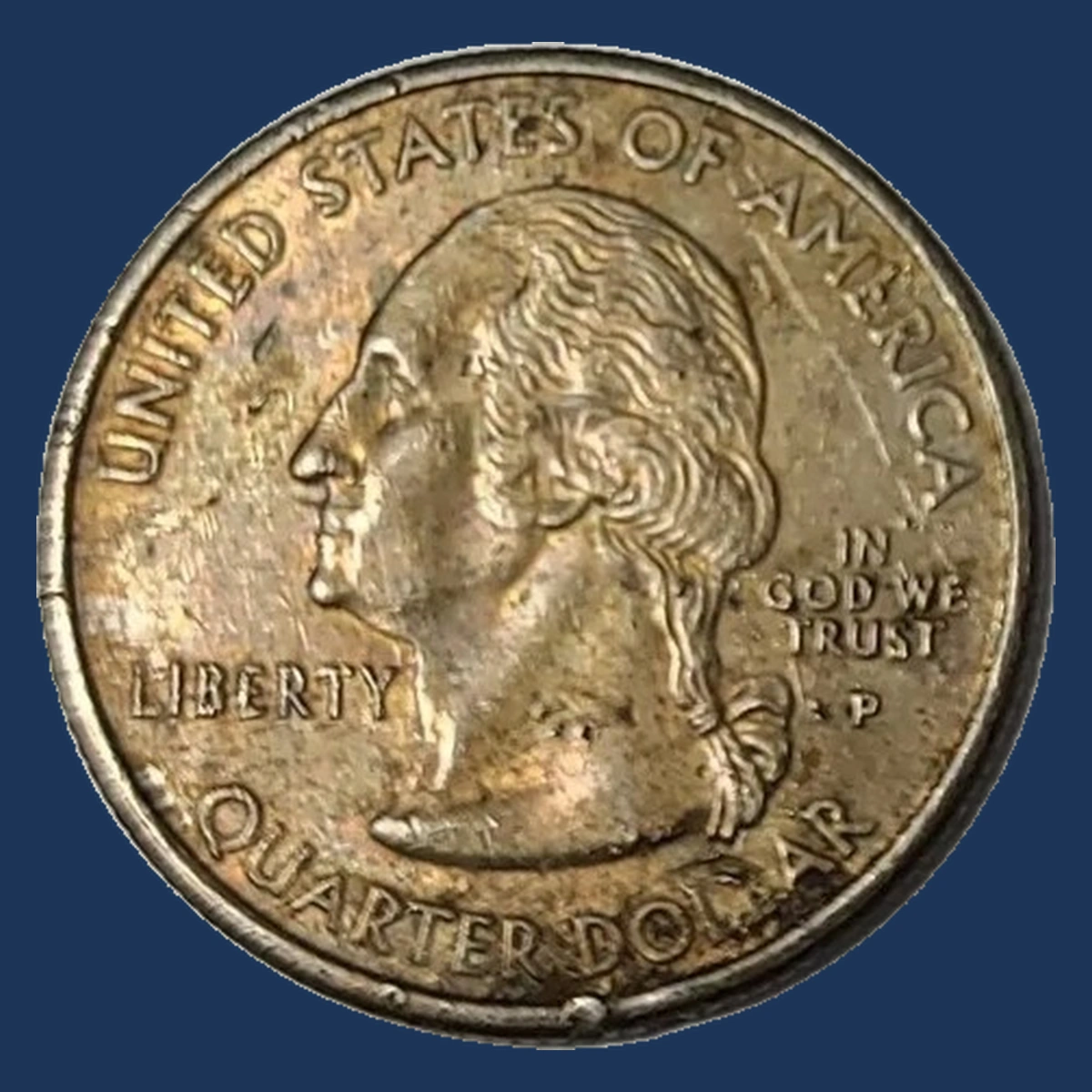
An unusual surface color can begin while metal blanks are heated before striking. That softening step is called annealing, and a problem during it can alter the metal’s appearance.
A Kentucky quarter graded PCGS MS64 is documented with this type of error. Rhode Island also has a report, without a specific mint or finish established.
Proofs are specially prepared collector pieces, often with mirror-like backgrounds. A shiny Rhode Island coin still needs its own mintmark and surface checked before choosing a comparison.
Toning, chemicals, or later heating can change ordinary quarters too. Color needs an original-surface explanation.
Estimated Value
Estimate $25–$300 for a professionally identified annealing error on either state design. Attractive original surfaces help show that the color belongs to mint preparation.
A different-year 2009-P Native American dollar with an annealing error sold for $61 in November 2011. That gives a modest comparison for the general type.
The Kentucky coin’s MS64 grade describes an unworn example with some marks. A dark Rhode Island coin does not acquire that identity or value solely from its appearance.
How to Identify
Place the coin beside a normal example under neutral light. Compare the colors before magnifying a small patch, since warm lighting can change the appearance of both coins.
Include the edge in the comparison. Exposed copper from a missing outer layer can produce brown color for a different reason.
Now inspect any sharp color boundary for paint, a coating, corrosion pits, or rubbed metal. Do not clean a test spot.
The Kentucky example is graded MS64, but that grade cannot be transferred to the Rhode Island report. Read the actual mintmark and have the uncleaned surface examined before deciding whether heating at the mint caused its color.
4. 2001 Washington State Quarter Vermont Local Surface Separation
A small area of a Vermont quarter’s surface can split or peel away. The reported feature is a local separation, rather than an entire outer face missing.
Clad quarters have outer metal layers bonded to a copper center. A weakness can allow a piece of that surface to separate, exposing a rough boundary or a lifted flap.
The report does not establish one affected face or mintmark. Those details must be read from the actual candidate.
Brown staining alone cannot show that metal has separated. Scraping and corrosion can also leave patches that look incomplete.
Estimated Value
For a genuine local surface separation, estimate $20–$300. A clear lifted edge with original design nearby is easier to interpret than a small rough patch.
The size and visibility of the defect affect its appeal, along with the quarter’s overall preservation. A heavily damaged surface may hide how the separation began.
This range concerns a localized peel on Vermont. The complete missing-layer examples discussed later need their own comparisons rather than an added price on the same coin.
How to Identify
Leave a loose flap in place and examine its boundary with a magnifier. Pulling at it can remove the evidence that distinguishes a thin separation from a gouge.
Find where intact design approaches the rough area. Look for a thin metal edge lifting from the surface, not merely a scratch with pushed-up sides.
Change the light direction to see whether the opening continues beneath a flap. A coating can peel too, so the material must be part of the original coin.
Photograph the full Vermont design and both faces along with the local defect. Do not assign a face or mint to the report from another state’s peeling example.
5. 2001 Washington State Quarter Doubled Ears, Lettering, and State Details
A second outline below Washington’s earlobe is reported on Philadelphia Vermont quarters. Philadelphia North Carolina reports instead point to small split ends on LIBERTY and IN GOD WE TRUST.
New York has a separate Philadelphia front-doubling report. Kentucky reports concern lettering or the horse outline, without one precise mint and face established for every claim.
A doubled die already carries repeated shapes before it stamps a coin. This differs from a coin receiving two displaced strikes.
Each state and pattern requires its own match. Flat shelves beside letters can result from movement during an ordinary strike.
Estimated Value
Estimate $5–$300 for correctly identified 2001 doubled designs. Strong separation on an attractive coin can draw more interest than a faint extra edge.
A later 2005-P Minnesota Extra Tree quarter graded MS65 sold for $30 in August 2021. That different-year example shows that an identifiable doubled detail need not command thousands of dollars.
Use the actual pattern and condition to narrow the estimate. A Kentucky letter cannot inherit a price from an unrelated Vermont ear variety.
How to Identify
For Vermont, compare the area immediately below Washington’s earlobe with a clear matching example. A shadow along the normal ear is not enough.
On North Carolina, move to the ends of the front letters in LIBERTY and IN GOD WE TRUST. Do not substitute rough back lettering in FIRST FLIGHT for the reported front feature.
New York and Kentucky candidates need photographs establishing their own affected details. Keep the state name and mintmark alongside each close-up.
Tilt the coin under a lamp to separate rounded raised repeats from flat shelves. Compare several points in the same pattern rather than accepting one bright line that disappears when the light changes.
6. 2001 Washington State Quarter Raised Cracks, Chips, and Rim Breaks
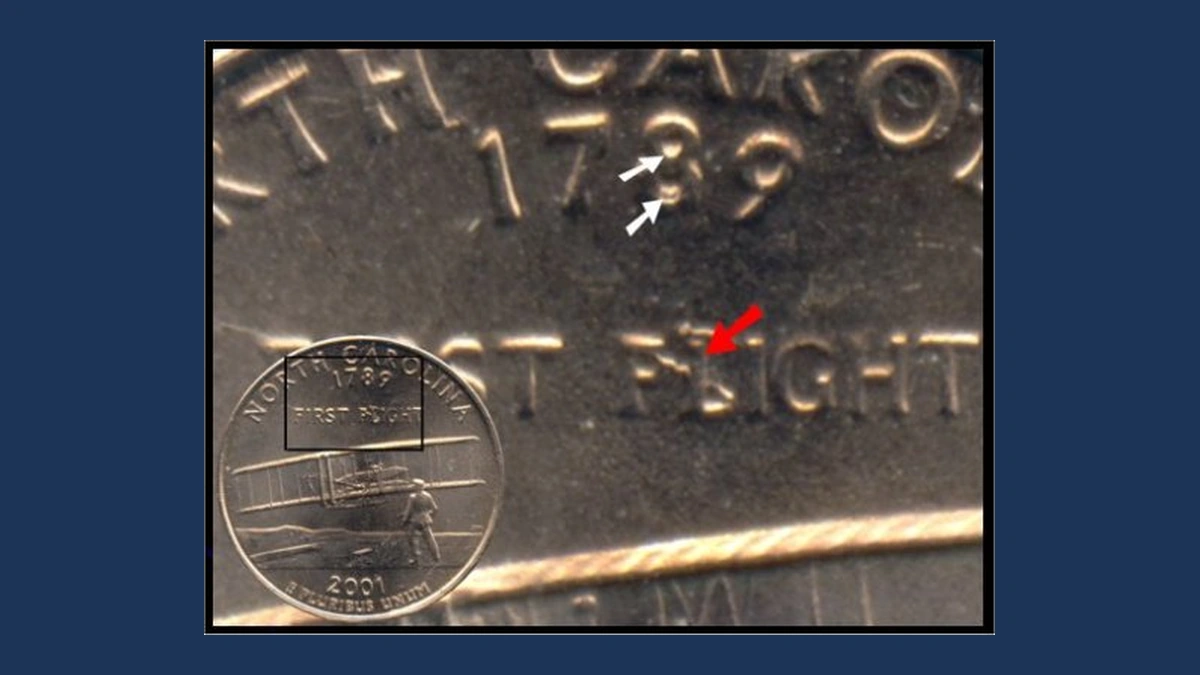
An extra lump near New York’s torch or state outline can come from a chipped stamping tool. A longer split in the tool can produce a raised line instead.
North Carolina and Vermont have crack reports without a fixed path established. Kentucky reports include lines near the horse and separate Philadelphia rim-connected breaks around eight or eight-thirty.
A missing piece of the tool at its edge can leave a raised, rim-connected patch called a cud. Vermont also has a reported cud that needs this connection checked.
The raised shape matters more than a seller’s choice of chip, crack, or cud.
Estimated Value
Estimate $2–$50 for small genuine cracks and chips, or $50–$500 for stronger rim-connected breaks. The combined range is $2–$500.
An obvious Kentucky break interrupting the rim makes a more striking display than a tiny speck beside New York’s torch. Original surfaces help show how either feature formed.
Do not add another full range for every line on one coin. Its complete appearance and preservation determine the useful comparison for a buyer.
How to Identify
On New York, compare the torch and nearby state outline with a normal coin before calling a bump extra metal. The intended artwork contains small raised shapes too.
For Kentucky, follow a claimed cud to the back rim near eight or eight-thirty. Those reported positions belong to separate examples rather than two mandatory marks on one coin.
Inspect Vermont and North Carolina candidates along their actual raised paths. Avoid drawing an imagined route through the trees or aircraft when the report gives none.
Use side lighting to distinguish a ridge from a scratch with a cut center. A lump enclosed within the design remains an interior chip unless it actually reaches the rim.
7. 2001 Washington State Quarter New York and North Carolina Partial-Collar Strikes
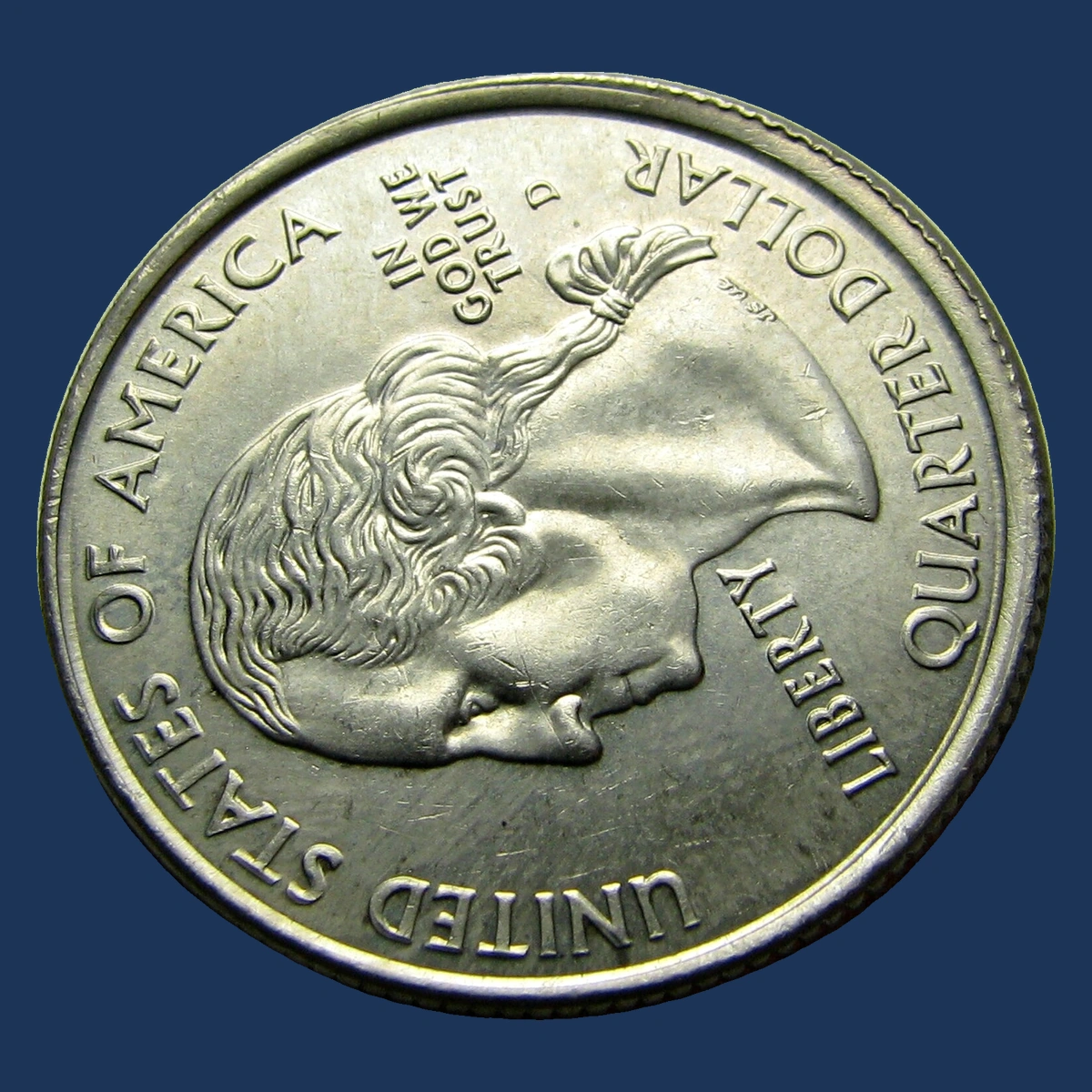
The coin’s narrow edge can show two different levels when only part of the blank is held by the collar. This ring normally contains the metal during striking.
The restrained portion keeps its intended width, while the unsupported portion spreads. The resulting step is called a partial-collar error.
Denver New York and Philadelphia North Carolina examples are reported. Their full edge views are more informative than a face photograph that shows only a tall rim.
The grooved edge should be examined along with that step. Later rolling or squeezing can distort a normal quarter’s edge too.
Estimated Value
Estimate $30–$500 for authenticated partial-collar examples on these designs. A clearly visible original step is easier to appreciate than a faint, ambiguous edge irregularity.
The amount of expansion and overall condition guide a closer price. Damage around the rim can obscure the feature even when both faces remain attractive.
This range is for one partly constrained strike. A high rim without the matching edge structure should not receive the same premium solely because it looks unusual from the front.
How to Identify
Turn the coin on its side and locate the change in width before examining Washington. Follow that boundary around as much of the circumference as possible.
Compare the grooved section with the part that spread beyond normal restraint. The two regions should belong to the original metal rather than an added ring or folded rim.
On a loose coin, use gentle measurements at several positions to document the wider area. Do not press calipers against a delicate projecting lip.
Confirm D with New York or P with North Carolina for these reported examples. Tool marks from later squeezing need to be ruled out before treating a stepped shape as a collar error.
8. 2001 Washington State Quarter Broadstrikes with Complete State Designs
A broadstrike can look off center even though none of the intended picture is missing. The blank spread beyond its normal width because the collar failed to restrain it.
Denver New York and Philadelphia North Carolina examples are described as uncentered broadstrikes. Their designs need not sit neatly in the middle of the enlarged metal.
Kentucky also has a broadstrike report, with individual mint attribution requiring the actual coin. Its back shows a horse, stone fence, and Federal Hill building.
A widened outline alone is insufficient. Later pressure can flatten and spread an already finished quarter.
Estimated Value
For an authenticated 2001 broadstrike, estimate $50–$750. A clear expanded margin and an attractive complete design generally make the error easier to display.
A different-year 1984-P broadstrike graded PCGS MS65 sold for $169 in December 2025. That historical result provides a comparison for an unworn example.
Judge each state quarter by its actual expansion and surfaces. An uneven picture retaining all its design is different from a true off-center strike with part of the design missing.
How to Identify
Read the outside lettering all the way around both faces. Check whether the entire intended design still fits within the expanded outline.
Use a normal quarter of the same state to identify the outermost artwork. The Kentucky horse and fence should not be compared with Rhode Island’s bridge.
Measure a loose candidate against the usual 24.26-millimeter width in several directions. A broadstrike can spread unevenly rather than becoming a larger perfect circle.
Look across Washington’s highest details and the rim for crushing or tool marks. A coin widened by later hammering can retain a general picture while losing the original texture that explains a mint-made broadstrike.
9. 2001 Washington State Quarter New York and North Carolina Oval Clipped Blanks
An incomplete blank can leave a quarter with an oval outline instead of a normal round one. These pieces are described as elliptical clips.
A Philadelphia New York example is reported with a PCGS MS65 grade. A separate Philadelphia North Carolina coin, graded NGC MS62, weighed 4.9 grams.
The missing metal existed before those blanks received their state-quarter designs. Their original edges and nearby lettering should reflect that incomplete shape.
The North Carolina weight does not make it a nickel-blank error. A clipped quarter and a complete blank intended for another denomination can have similar weights for different reasons.
Estimated Value
Estimate $25–$1,000 for genuine 2001 clipped quarters, with dramatic oval forms generally offering more to display than small edge losses. The surviving date and state identity remain important.
A different-year 1980-P corner-clipped quarter graded MS65 sold for $204 in June 2023. Its shape provides a broad comparison, not an identical match to these oval examples.
Condition and original edge detail guide the estimate. Later cutting reduces metal too, without creating the same collectible blanking error.
How to Identify
Compare the complete outline with a normal state quarter before enlarging a missing edge. Look at how the clipped shape affects both ends of the design.
Under a magnifier, inspect the junctions where the original rim approaches missing metal. Weak detail there, or on the opposite rim, may support an incomplete blank.
Weigh a loose candidate against the normal 5.67 grams, then return to the visible edge. The recorded North Carolina example’s 4.9 grams is a measurement of that one coin.
Check for filing, saw marks, and letters sliced through after they formed. An oval outline and a low weight need original struck-edge evidence before they can identify a genuine clip.
10. 2001 Washington State Quarter Missing Outer Layers on Four State Designs
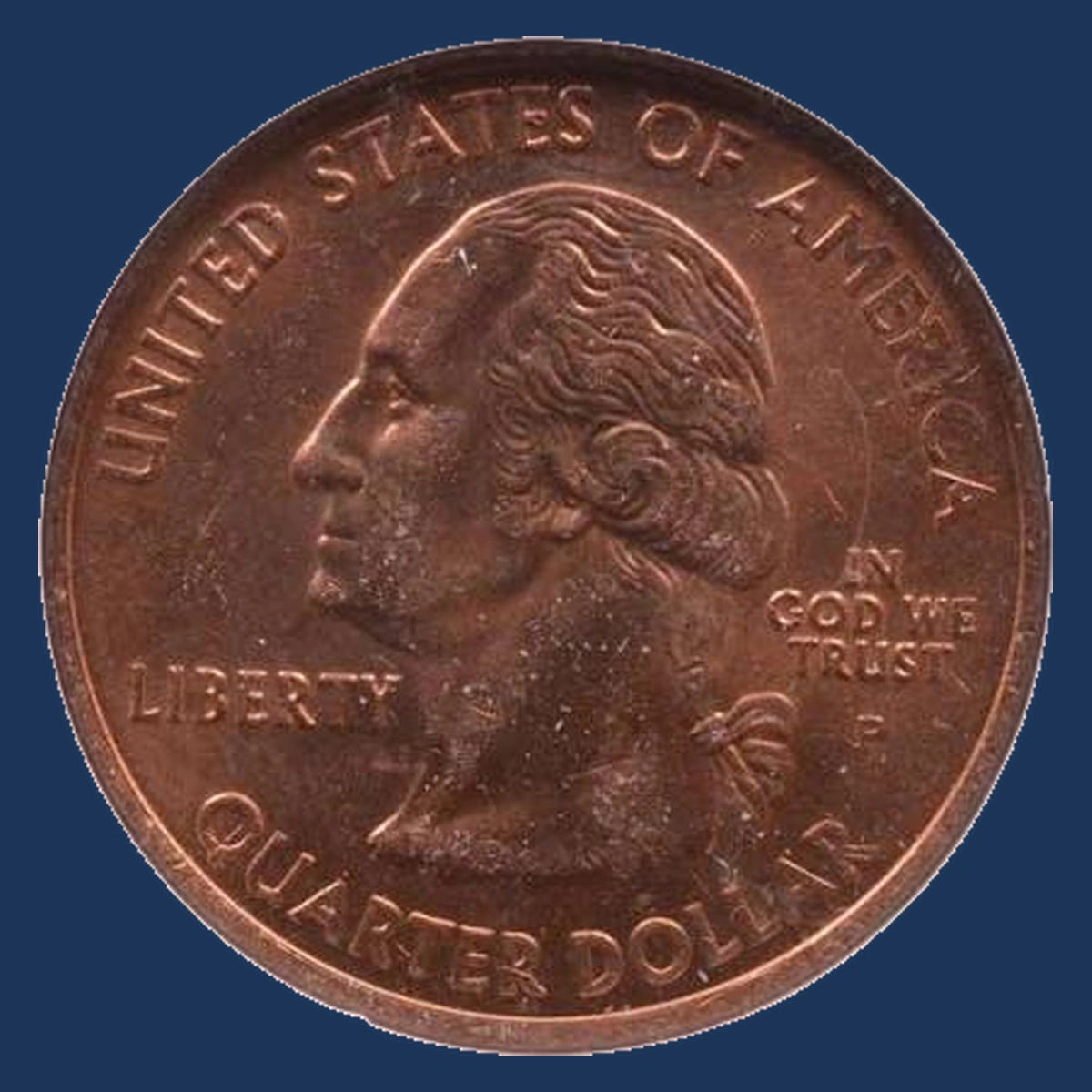
A missing pale outer layer exposes the copper center of a clad quarter. Rhode Island has a Philadelphia front-layer example, while Denver New York has a documented back-layer loss.
Philadelphia North Carolina also has a back-layer example. A Denver Vermont coin lacks its back layer, with weaker detail across the lower front and upper back.
A separate Philadelphia Vermont report claims both outer layers missing. That needs its own physical checks, rather than borrowing the Denver coin’s photographs.
A copper-colored stain is not enough. The boundary and amount of actual missing metal must agree with the explanation.
Estimated Value
Estimate $150–$1,000 for comparable one-face losses and $500–$1,500 for an authenticated two-layer Vermont example. The combined range is $150–$1,500.
A Philadelphia North Carolina back-layer quarter graded PCGS MS64 sold for $292.80 in March 2026. That unworn coin is a direct same-year comparison for a single missing layer.
Judge a two-layer claim separately by its surfaces and actual metal loss. A second brown face alone does not justify the higher estimate.
How to Identify
Establish the coin’s normal material before judging the brown face. Ordinary clad quarters weigh 5.67 grams, while the 2001 silver Proof collector version normally weighs 6.25 grams.
For a loose clad coin, record the weight and examine the boundary between its pale outer metal and copper center.
Turn toward the brown face and inspect how its design formed in the exposed copper. Scraping, chemical pits, or a coating can change both color and weight after minting.
The reported losses affect Rhode Island’s front and New York’s and North Carolina’s backs. Denver Vermont has a back-layer example, while Philadelphia Vermont’s two-layer claim needs separate examination.
A second brown face must show actual original layer loss before the two-layer estimate applies.
11. 2001 Washington State Quarter Struck-Through Marks, Dropped Letters, and Retained Material
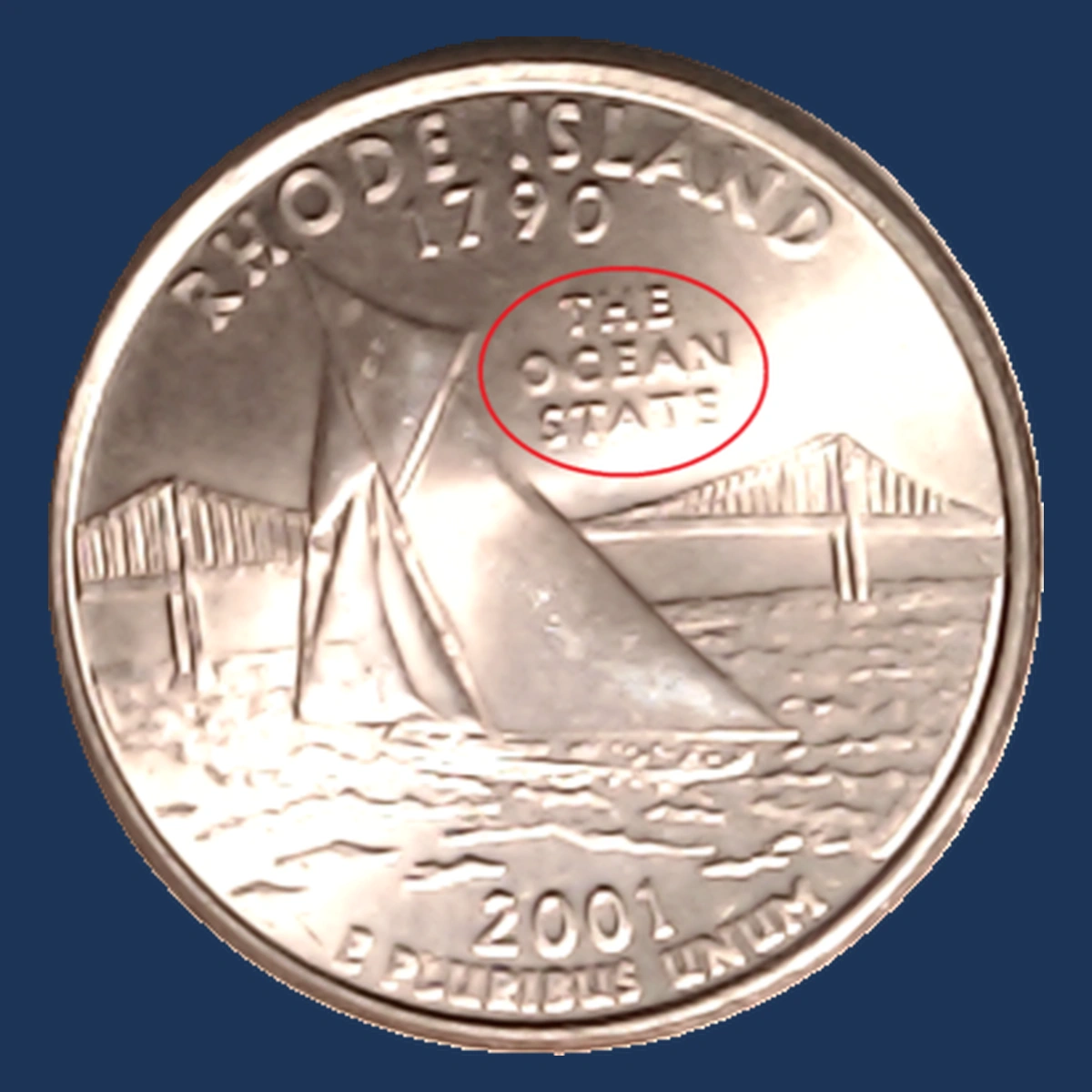
Foreign material can interrupt a strike and leave a depression or weak detail. Philadelphia New York reports concern shallow front-side impressions, while Rhode Island reports do not establish a specific material or position.
A separate Philadelphia claim concerns a dropped letter. Packed material shaped inside a tool’s letter can fall out and impress that shape elsewhere on a coin.
A Denver retained-material claim also needs examination of the actual object. Retained means the material remains attached, not simply that it once blocked the strike.
These appearances share an obstruction mechanism, but their identifying features are different.
Estimated Value
For authenticated examples, estimate $5–$100 for small blocked areas and $100–$1,500 for clear impressions, dropped-letter shapes, or genuinely retained material. The combined range is $5–$1,500.
A readable object shape can be more appealing than a vague patch of weak design. An original attached fragment can add interest when its relationship to the strike is clear.
The estimate does not assume every claim is verified. A later glued-on object or scratched letter belongs outside these error comparisons.
How to Identify
For a New York impression, compare the affected front area with nearby lettering that formed normally. Look for original detail stopping at the obstruction rather than being cut away afterward.
A dropped-letter candidate needs a recessed letter-shaped impression in an unintended position. Match that shape with lettering from the stamping tool; a raised extra letter needs another explanation.
For a retained-material claim, establish that the object is still present and connected to the original strike. Do not remove it to see what lies underneath.
Rhode Island’s general report does not establish a staple or any other specific object. Photograph the actual texture and boundary before naming the material.
12. 2001 Washington State Quarter New York, North Carolina, and Kentucky Off-Center Strikes
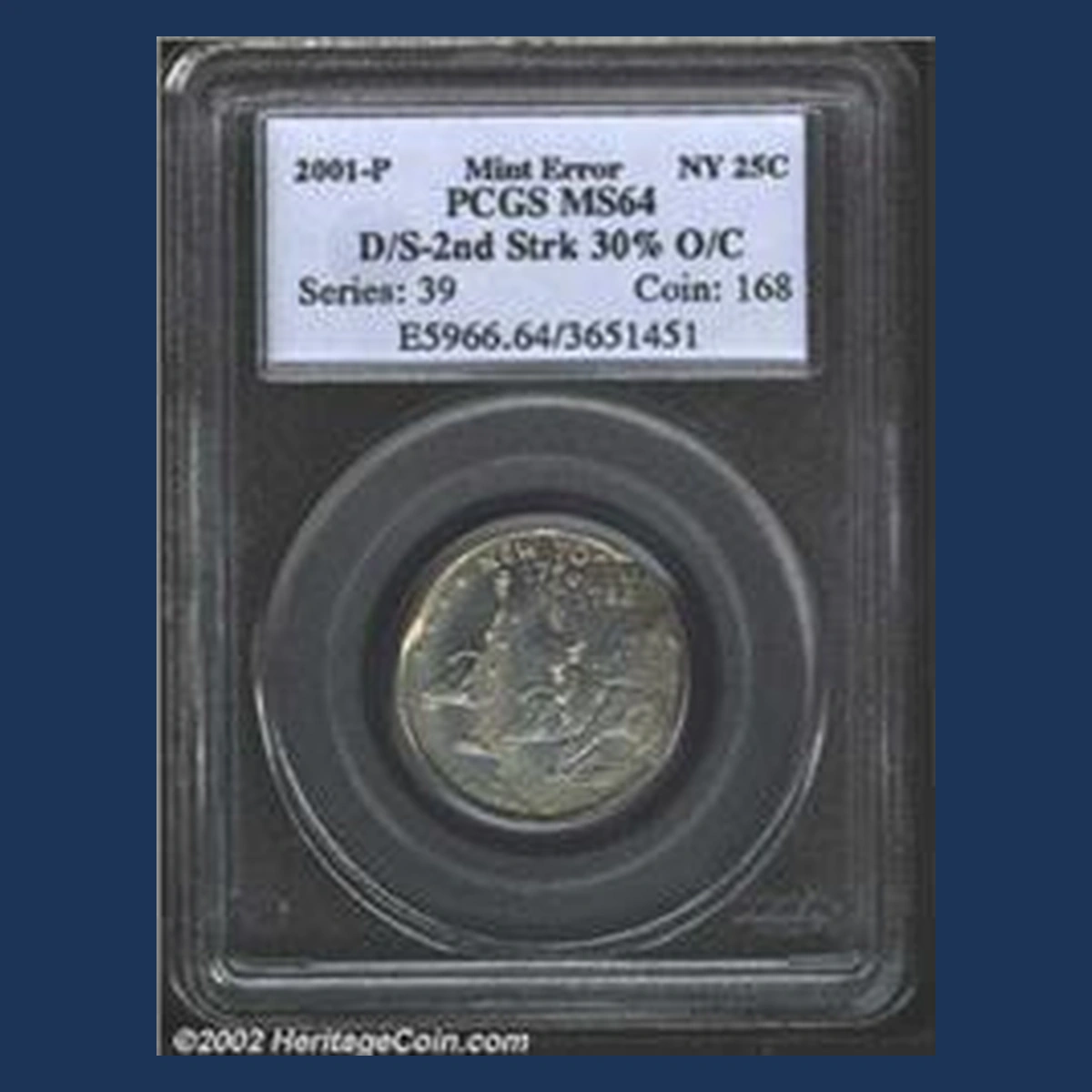
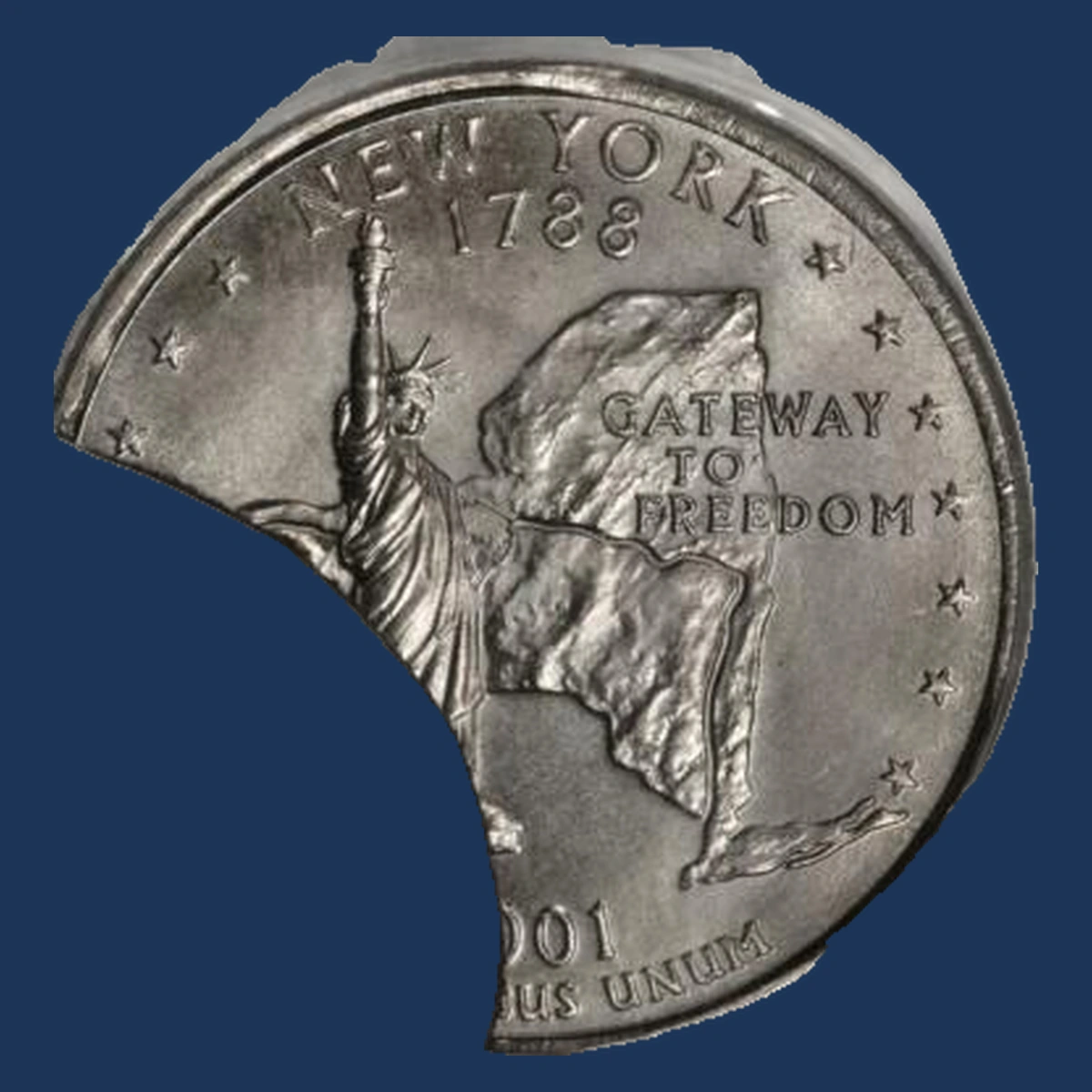
A Denver New York quarter is reported about ten percent off center. Philadelphia North Carolina reports include separate examples around five and ten percent.
The blank sat away from its intended position, so part of the design missed the metal. An unstruck crescent remains on the opposite side.
Kentucky also has an off-center report without a particular mint or displacement established. Its actual horse-and-building scene must identify the coin.
The percentage describes how far the strike missed its intended position. It does not establish a direction, nor does it turn every uneven rim into an off-center error.
Estimated Value
Estimate $50–$2,000 for authenticated 2001 off-center state quarters with readable identity. Minor shifts usually fit below dramatic pieces that retain their date and important design.
A different-year 1988-P quarter struck thirty percent off center sold for $109 in January 2022. That comparison shows that a quoted percentage is not a price by itself.
The state, surfaces, and overall appearance must also match. A candidate with a ground-off picture cannot use the range for an original misplaced strike.
How to Identify
Find the date and state name before judging the blank crescent. If those details are missing, the surviving scene must support any proposed identity.
Follow the picture to the opposite edge and identify the letters or artwork that ran beyond the metal. Repeat the check on Washington’s side.
The reported New York and North Carolina percentages do not supply a clock position. Record the direction shown by the actual specimen instead.
Use a magnifier on the empty-looking area to look for grinding lines or remnants of removed lettering. Both faces should fit one misplaced blank, rather than one centered face paired with a shifted stamping tool.
13. 2001 Washington State Quarter Repeated Strikes on New York, Vermont, and Rhode Island
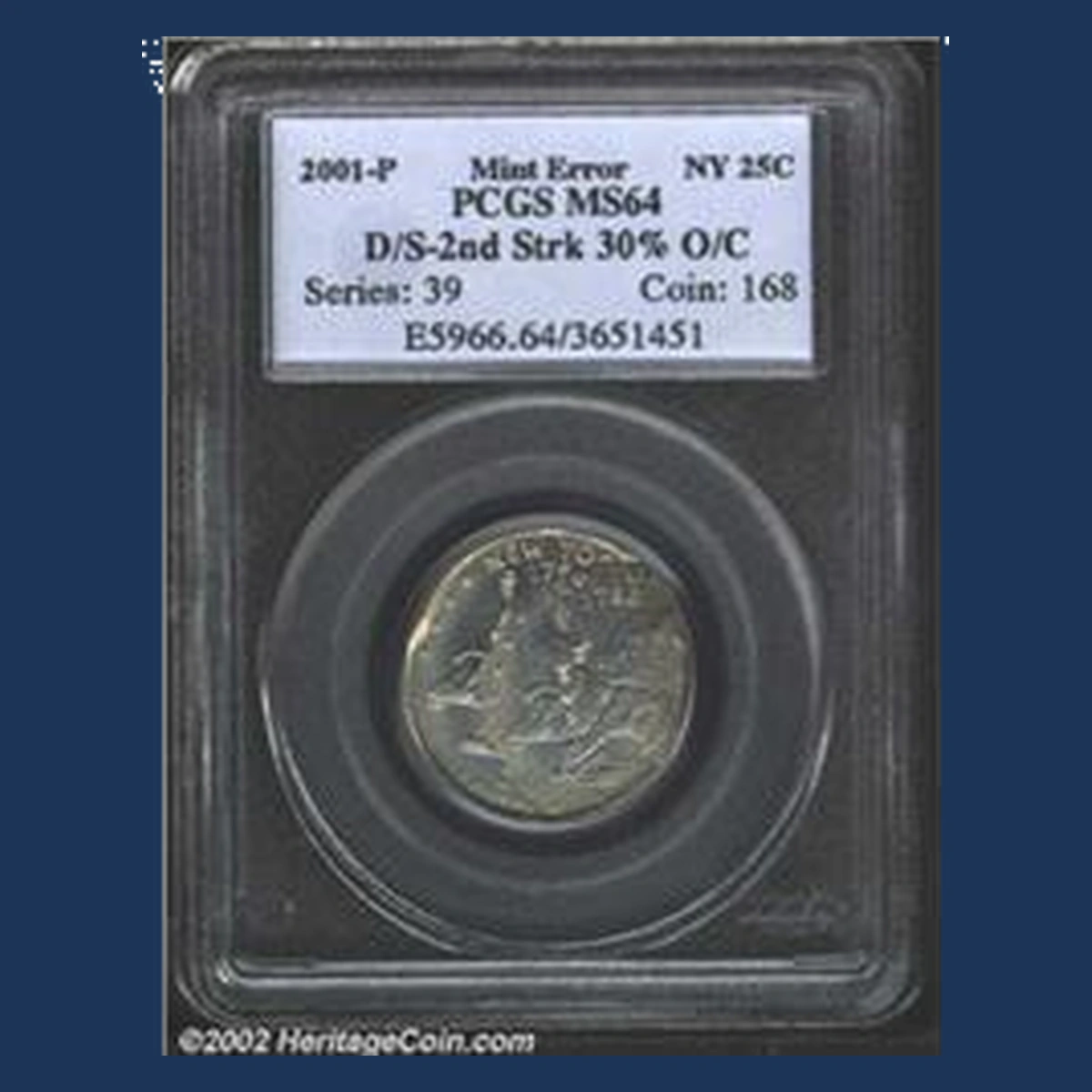
Two substantial versions of a design can remain when a coin moves between strikes. A Philadelphia New York example received a second blow about fifty percent off center.
Another New York report describes four strikes, with the later three displaced about fifty percent. These are separate specimens, each with one whole-coin price.
Denver Rhode Island has a reported double strike within the collar, with roughly five degrees between its repeated pictures. Vermont also has a double-strike report without a specific displacement established.
The Rhode Island rotation is between strikes. It differs from the two opposite faces pointing in different directions.
Estimated Value
For authenticated 2001 repeated-strike quarters, estimate $200–$4,000. Large, readable overlapping designs generally make a stronger display than a tiny shift.
A small rotation within the collar and a second blow halfway off the blank are very different appearances. Their surface quality and surviving state identity should guide separate comparisons.
The number of blows alone does not determine the value. Judge the complete piece once, including any expansion or missing design caused by the repeated striking.
How to Identify
Trace one repeated portrait or large letter into neighboring repeated details. A second original blow should explain a connected pattern, not a collection of unrelated scratches.
On New York, compare the shifted Washington and state-scene impressions across the whole coin. For Rhode Island, look for two slightly turned versions on the same face rather than measuring front-to-back alignment.
Vermont needs its own complete example; the New York percentages do not describe it. Keep the outer edge visible in photographs.
Compare the repeated border and picture together. Small doubled-tool details, later impressions from another coin, and scratches do not create the same displaced second-strike pattern.
14. 2001 Washington State Quarter Reported Folded-Blank Strike
A metal blank can fold before or during striking, allowing the tools to stamp its bent shape. The coin may then show design across a thickened, doubled section.
A Philadelphia 2001 folded-strike type is reported without a matched state design. The date and scene must therefore be established on the actual candidate.
A finished quarter folded with pliers is different. Its already formed picture bends with the metal and may show pressure marks.
The useful question is when the design formed relative to the fold. A bent outline alone cannot answer it.
Estimated Value
For an authenticated 2001 folded-blank strike with readable identity, estimate $500–$5,000. A clear relationship between the fold and original design would be central to the comparison.
This is a conditional estimate for the reported type, not a recorded sale of a specific state quarter. Preservation and the amount of identifiable design would also matter.
A later-bent coin is outside this range. The fold must be explained by minting evidence before its unusual shape can support an error value.
How to Identify
Leave the folded coin in its existing shape. Straightening it can erase the relationship between the fold and the strike.
Look first for design on the doubled metal, then follow that design toward the bend. Does it appear stamped onto the folded shape, or already complete and merely distorted by later bending?
Photograph the thickened area from the side without squeezing it. Changing the light can reveal plier marks, crushed details, or fresh scratches around a later fold.
Find enough of the date, P, and state scene to identify the original issue.
A specialist should compare those observations as a sequence: the blank’s condition, the strike, and any later damage. The unusual silhouette alone cannot establish when the fold occurred.
15. 2001 Washington State Quarter Possible Overlapping-Blank Indent
Two blanks can overlap in the press and interrupt each other’s strike. One may leave a rounded indentation where it blocked the normal design on the other.
A Denver 2001 claim describes this kind of accident, but its state identity has not been established. The actual quarter needs a recognizable 2001 state scene and a physical overlap boundary.
An unused blank leaves an impression of its shape, not a fully formed opposing coin design. A finished coin caught in the press can produce different effects.
A round dent made later is also possible, so shape alone cannot establish overlapping blanks.
Estimated Value
For an authenticated 2001 overlapping-blank indent with a clear identity, estimate $500–$5,000. The size of the blocked area and preservation of original design would influence the comparison.
This is a conditional range for the reported mechanism, not a sale of a verified Denver state-quarter example. The actual surface must support the claimed overlap.
An original boundary beside surviving design makes the event easier to understand. Heavy wear can erase that relationship, while a later circular punch mark is ordinary damage.
How to Identify
Locate the boundary between the indented area and the surrounding normal design. Photograph the whole coin so the state identity remains connected to that close-up.
Look at how letters or artwork stop against the overlap. The missing detail should fit an object blocking the strike rather than a punch damaging a completed picture.
Inspect for displaced metal and impact marks that suggest later damage. A circular shape can be produced in several ways.
Read the D and any surviving date directly instead of inferring them from a seller’s label. This candidate needs examination of the struck surfaces and edge before the proposed two-blank event can be accepted.
16. 2001 Washington State Quarter Struck on Cent, Nickel, and Dime Blanks
A smaller blank can leave a quarter design cut off around its outer edge. North Carolina reports include cent, nickel, and dime blanks; Rhode Island also has a cent-blank report.
Denver Kentucky is reported on a dime blank. A separate New York dime-blank example has design on only one face.
One Philadelphia North Carolina cent-blank specimen preserves the aircraft and Wilbur Wright while losing much of the left-side lettering. Another cent-blank report has substantial exposed zinc on the back.
These are separate objects. A blank intended for another denomination does not need an earlier struck coin design.
Estimated Value
A North Carolina cent-blank quarter graded PCGS MS64 Red sold for $9,000 in August 2024. A separate nickel-blank North Carolina coin brought $2,040 in September 2024.
Estimate $2,000–$12,000 for cent-blank examples and $600–$4,000 for nickel or dime blanks, giving an overall $600–$12,000 range.
Correct metal, readable identity, and original surfaces guide the comparison. The one-sided New York piece needs its own assessment rather than an added automatic premium.
How to Identify
Check the actual measurements before naming another denomination’s blank. Modern cent blanks normally weigh 2.50 grams, nickel blanks 5.00 grams, and clad dime blanks about 2.27 grams.
Those are starting standards, not measured weights assigned to every example here. Striking can change width, so composition and edge structure matter too.
For the North Carolina cent-blank coin, compare surviving flight-scene details with the missing outer words. Keep the separate exposed-zinc example distinct.
Examine the smaller edge for later cutting, and check both faces of a claimed one-sided New York coin. A specialist should confirm the substitute metal and original strike before a trimmed quarter is mistaken for a wrong blank.
Conclusion
Estimated values run from $2–$12,000, with small chips near the lower end and verified wrong-blank coins much higher. A state name and a clear date are useful starting points, but the metal and strike must support the error.
Keep each design’s clues together: Kentucky’s horse, Rhode Island’s sailboat, North Carolina’s aircraft, Vermont’s maple scene, and New York’s statue. Compare the complete coin before assigning a price to one unusual mark.