1946 Quarter Error List with Pictures

A tiny repeated S can matter more than an obvious crack. One exceptionally preserved 1946-S/S quarter sold for $3,819 in July 2013, while a tapered and cracked example brought $45 in 2021.
This 1946 quarter error guide covers estimated values from $20 to $4,000. Its examples include original blank defects, doubled designs, and a Denver quarter on a silver dime blank.
Compare the specific feature and condition below before applying a sale price to your coin.
1. 1946 Washington Quarter Reported Start of a Clip
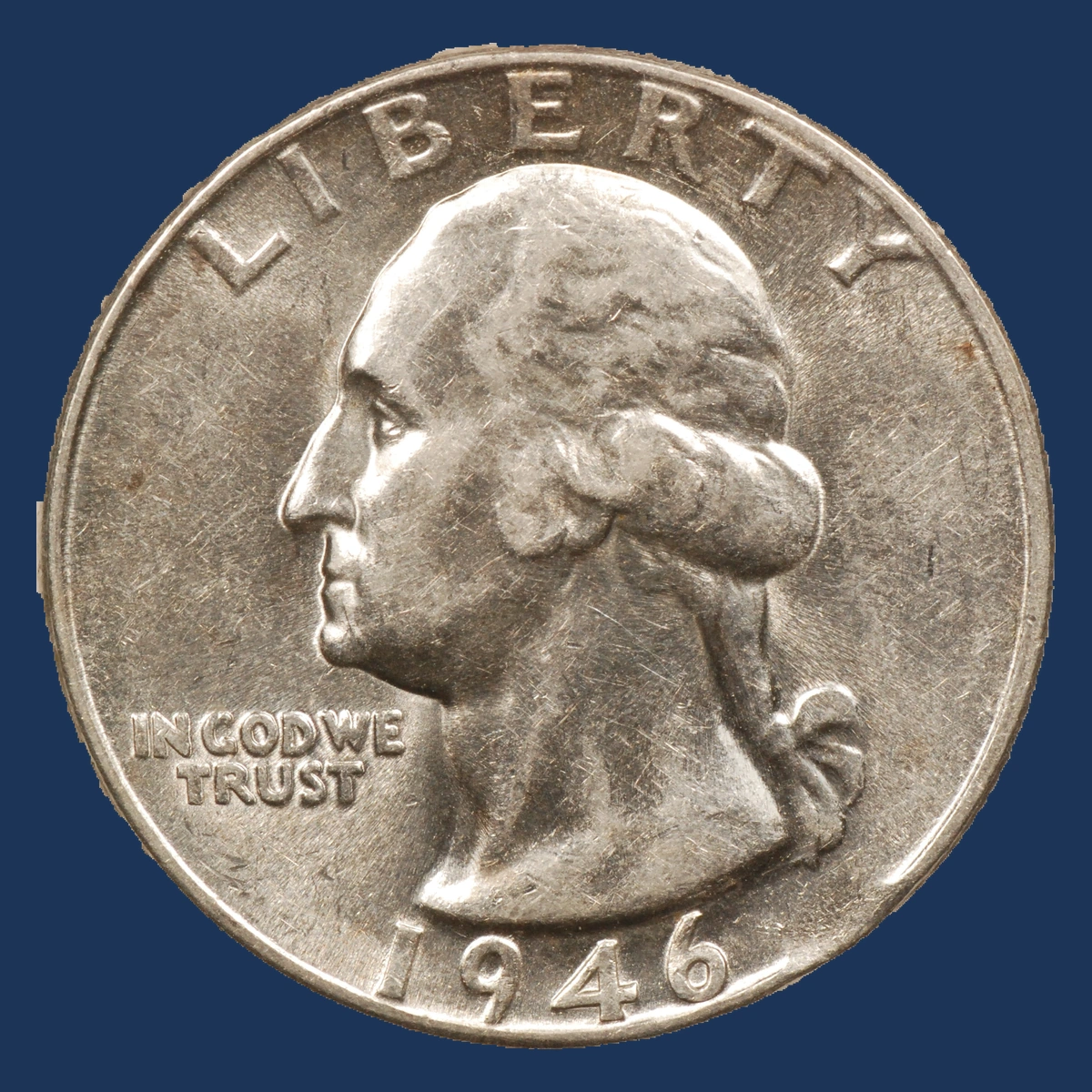
A dealer inventory lists a Philadelphia quarter as “Start of Clip” and assigns it an MS63 grade. The wording points to a partly developed blank-cutting feature rather than establishing a large missing piece.
A blank is the plain disk that receives the coin design. An interrupted cut can affect its edge before striking, but the actual shape must be read from the individual coin.
The dealer’s grade describes an unworn example with noticeable marks. That description alone does not establish independent certification or a specific gap size on every similar-looking quarter.
Estimated Value
For a genuine original blank-cutting feature of this kind, estimate $25 to $300. A clearly visible boundary that explains the incomplete cut is more useful than an isolated rim nick.
The reported MS63 condition allows noticeable marks, so the area near the defect deserves particular attention. Damage can hide how the rim originally formed.
The estimate concerns the whole identified coin. A later cut or dent does not become valuable simply because it resembles the dealer’s short description.
How to Identify
Request a close side view of the feature described as the start of a clip. Establish whether metal is actually missing or whether the coin retains a mark from an incomplete cut.
Compare the mark with the struck rim and nearby design. A feature present before striking should fit how those details formed around it.
Inspect for fresh cuts, filing, and crushed metal from a later impact.
Keep a full photograph of the date and both faces alongside the edge view. Do not assign a percentage from a small detail image that hides the complete outline.
A specialist should judge the actual boundary before the short dealer label is expanded into a more specific error name.
2. 1946 Washington Quarter Reported Lamination
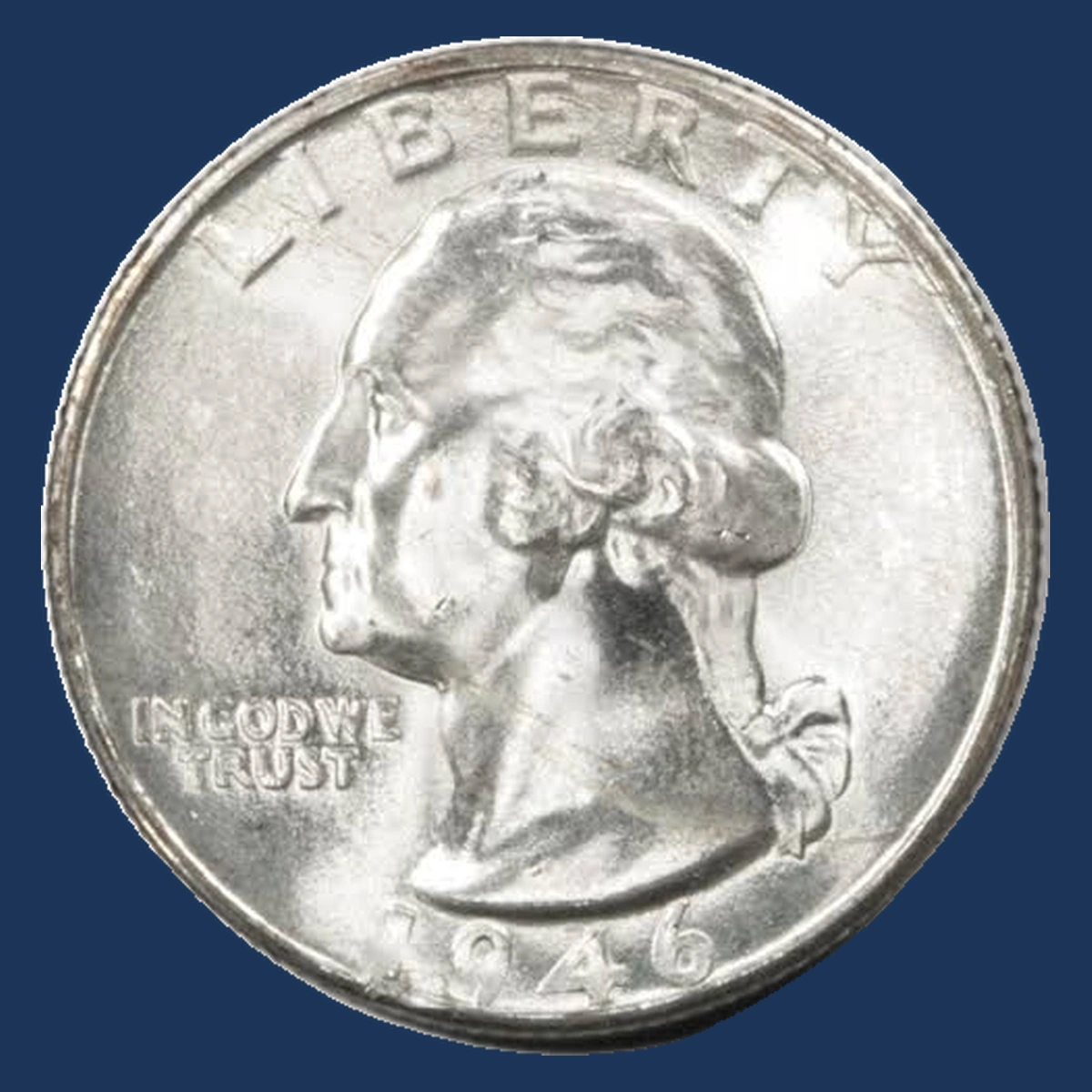
A thin layer within the blank can separate from the rest of the metal. The surface may peel upward or leave a recess after the flake comes away.
Collectors call this lamination. It is reported as a category for 1946 quarters, without one fixed face or location applying to all candidates.
The coin contains ninety-percent silver throughout rather than modern clad coverings. The shape of an original weak layer should therefore explain the peeling, while corrosion, a gouge, or deliberate lifting of metal offers a different explanation for a rough patch.
Estimated Value
Estimate $20 to $400 for an authenticated small lamination through a larger, clearly visible separation. An original flap and readable surrounding design can improve collector interest.
A larger damaged-looking recess is not automatically more valuable. Wear and cleaning can reduce the appeal of the coin as a whole.
This range depends on confirming a mint-related weakness in the metal. A corroded area or a gouge made after striking does not receive the same premium for a similar outline.
How to Identify
Keep any attached flap still while examining it under magnification. Pulling or pressing the metal can remove the connection that helps explain the separation.
Trace the boundary into the surrounding struck surface and note whether the design continues onto a loose part. If the flake is gone, inspect the recess for signs of a natural layer rather than digging or crushing.
Compare the nearby metal for corrosion and scratches that could explain a later surface loss. A loose coin may weigh less after a flake detaches, but low weight alone cannot identify lamination.
Photograph the unaltered surface from several angles and retain any detached fragment with the coin for expert examination.
3. 1946 Washington Quarter San Francisco Grease-Obstructed Strike
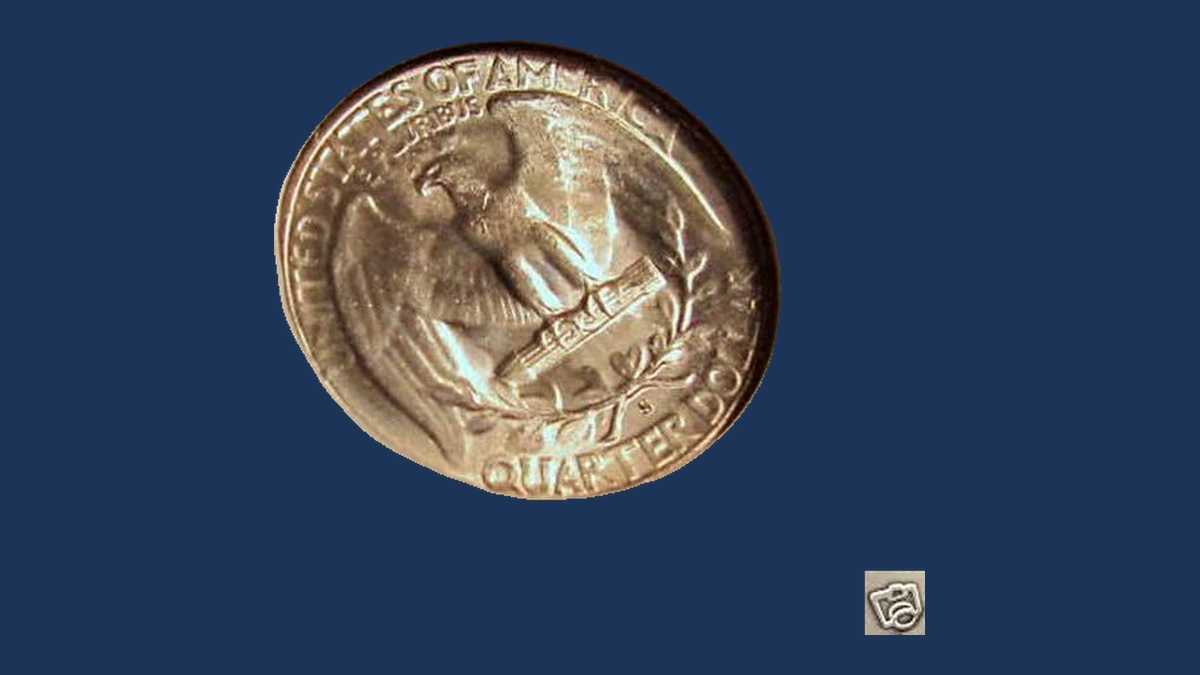
Grease or similar soft material can fill a stamping tool’s small recesses and prevent parts of the design from forming. The finished coin may have weak letters beside stronger neighboring details.
A seller lists a 1946-S quarter with this effect on both faces and describes it as MS67. That is the seller’s grade claim, not proof of an independently certified example.
The obstruction must be distinguished from circulation wear or a normally weak strike. Its precise locations should be examined on the actual coin rather than borrowed from another year’s photograph.
Estimated Value
For a genuine grease-obstructed strike, estimate $20 to $500, with modest interruptions near the lower end. A clear contrast between missing detail and strong nearby design can increase interest.
For a different obstruction comparison, a 1954-S quarter struck through string sold for $186 in July 2021. The string left a shaped impression, unlike grease-softened detail.
The seller’s MS67 claim needs its own condition assessment. The estimate should follow the visible coin rather than an unsupported grade label.
How to Identify
Compare the highest points of Washington and the eagle with the weak areas on each face. General wear affects exposed high spots, while a local obstruction may hide a letter beside crisp detail.
Look for smoothing, scratches, or chemical changes where the design seems absent. These can remove detail from an already finished coin.
Photograph both faces under even light, then enlarge each weak patch separately. Do not assume that similar-looking front and back areas were caused by the same quantity or shape of grease.
Check the S on the back to preserve the reported mint identity. An error specialist can evaluate the strike and the surface condition without treating the seller’s grade as a certification.
4. 1946 Washington Quarter Reported Broadstrike
A quarter can spread beyond its intended width if the edge collar does not restrain it during striking. That collar is the ring surrounding the blank in the press.
A broadstrike can leave the complete design on a larger outline, sometimes with uneven extra metal around it. The ordinary edge grooves may be altered or incomplete.
Broadstrikes are reported for 1946 quarters as a general category. The visible expansion needs to fit an original strike, because later flattening can also widen a silver coin while changing the shape of its portrait and lettering.
Estimated Value
Use an estimated $50 to $500 for a confirmed broadstrike. Clear expansion around a complete design supports a stronger comparison than a barely uneven rim.
A 1966 clad uncentered broadstrike sold for $222 in June 2024. That different-year, different-metal coin provides context rather than a price record for 1946 silver.
Original edge shape and attractive surfaces improve display. Hammer marks and flattened high points can reduce value or show that later damage explains the wider appearance.
How to Identify
Measure a loose candidate’s width gently against the normal 24.3 millimeters, or compare photographs taken at the same scale. Leave a sealed grading holder intact and use its recorded measurements.
Follow the outside lettering around both faces to determine whether the full intended design remains on the metal. Missing design opposite an untouched crescent suggests an off-center strike instead.
Inspect the edge grooves and expanded border together, then look across the portrait and eagle for crushing. A broadstrike’s extra metal should agree with the original strike; a hammered coin may be wide because its completed design was flattened and pushed outward later.
5. 1946 Washington Quarter Tapered Blank with a Crack at Three O’Clock
One 1946 quarter combines an unevenly thick blank with a crack at three o’clock. The crack lies at the right-hand side when the coin is viewed in its normal orientation.
NGC graded the example MS65, meaning unworn with relatively few marks. Its tapered blank becomes thinner toward part of the edge rather than maintaining an even thickness.
The opening is in the coin’s metal, not a raised line copied from a cracked stamping tool. The two blank defects belong to this one piece and should be examined together rather than priced as separate coins.
Estimated Value
The tapered-and-cracked MS65 quarter sold for $45 in July 2021. Comparable authenticated combinations have an estimated range of $40 to $750.
The actual result shows that two defects do not automatically produce a high price. Their visibility, the coin’s appearance, and buyer interest remain important.
A clearly documented thickness change and original crack can improve the comparison. Severe damage or a break enlarged after minting can make the same basic mechanism less attractive to collectors.
How to Identify
Look at the right-hand edge for the actual opening in the blank. Side photographs should show how the crack enters the metal, rather than merely displaying a bright raised line.
Compare thickness at several points around the coin without flexing it. Gentle caliper measurements can help on a loose specimen, but an already cracked coin should never be clamped tightly.
Examine the design beside the thinner area to see how the metal filled the stamping tools.
Inspect for filing, cutting, or an impact that might explain a later break. Keep the crack untouched; bending the edge to test it could enlarge the opening and destroy evidence of the original blank defect.
6. 1946 Washington Quarter Reported Off-Center Strike
Part of the blank can miss the stamping area if it enters the press out of position. A plain crescent remains on one side while the design runs beyond the opposite edge.
The reported 1946 category includes this off-center mechanism without fixing one percentage or mint for every example. The surviving date and any mint letter need to identify each coin.
A tilted-looking portrait alone is not enough. The relationship between lost design and untouched metal must support the original displacement, rather than a complete coin made uneven by later damage.
Estimated Value
Estimate $50 to $1,500 for an authenticated 1946 off-center quarter. The more dramatic examples are most useful when the remaining strike still identifies the year clearly.
An older 1943-S silver quarter struck 35% off center sold for $2,640 in July 2022. That result belongs to a different year and mint, not to a generic 1946 report.
Surface damage and lost identity can reduce appeal. An original unstruck crescent matters more than an impressive but altered outline.
How to Identify
Find the date within the struck area and determine how much of each digit survives. Do not use the shape of an empty crescent to fill in missing numbers.
Compare the blank area with the design lost at the other edge. Then turn to the back and check whether its boundaries agree with the same misplaced disk.
Look for a surviving mint letter below the eagle when that area received a strike. An absent struck area is not evidence of Philadelphia manufacture.
Inspect the plain silver for seams or partly erased lettering. A real unstruck section should be original blank metal, not a normal design ground away or a ring added to a smaller coin.
7. 1946 Washington Quarter Doubled Dies on the Front and Back
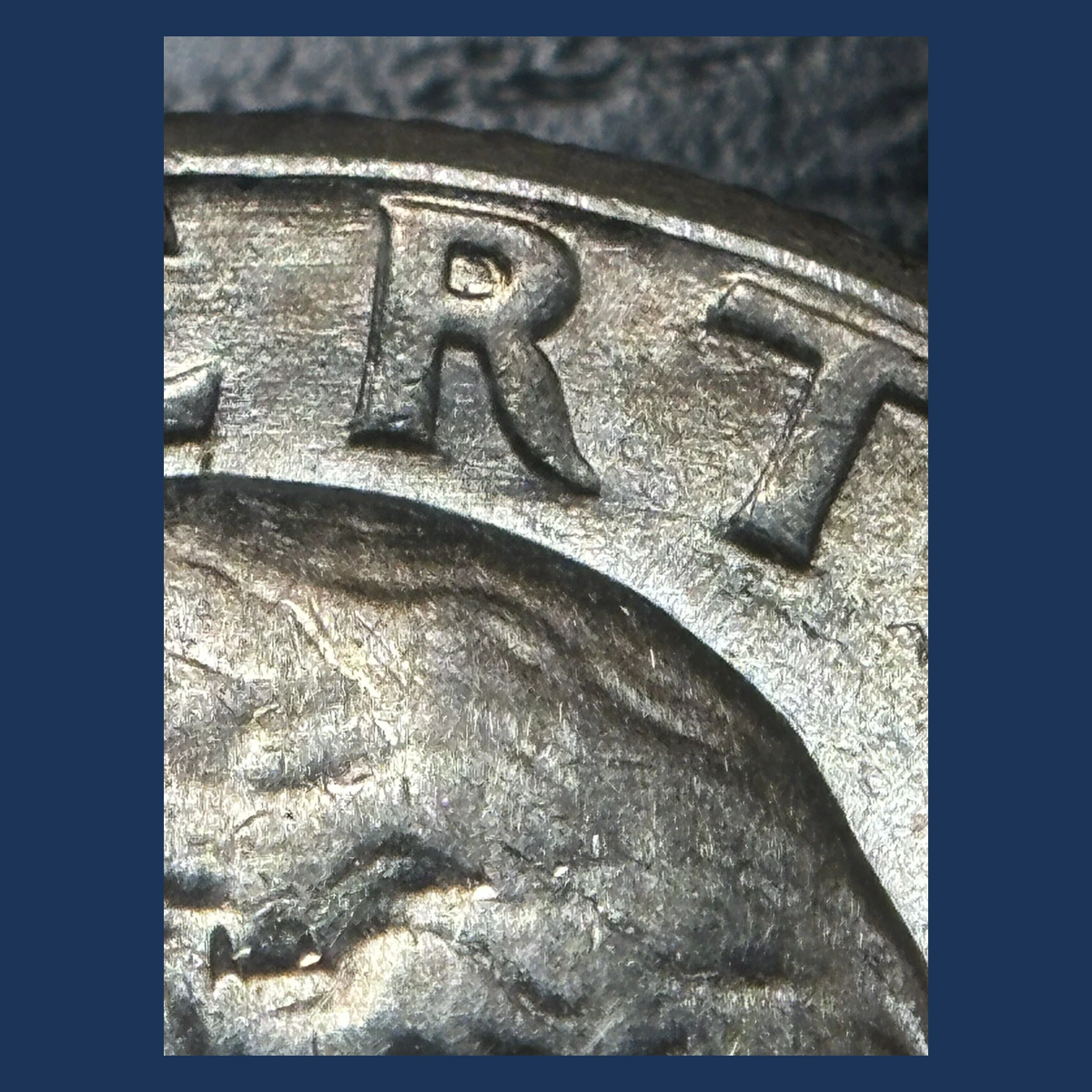
A doubled die is a stamping tool carrying an extra outline in its design. Coins made from it can repeat the same doubled letters or portrait details without receiving an extra strike.
Philadelphia examples for 1946 include both front and back varieties. Front reports point to IN GOD WE TRUST and LIBERTY, while back reports identify the country name, denomination, and eagle details.
Denver listings also report doubled dies, but their precise features need their own examples. The Philadelphia locations should not be transferred automatically to every Denver coin or treated as one coin doubled everywhere.
Estimated Value
For confirmed examples, estimate $25 to $1,500, with value depending on the exact variety and condition. A Philadelphia back-side doubled die graded MS65 sold for $1,260 in July 2018.
MS65 describes an unworn coin with relatively few marks. Clear separated letter edges help preserve the feature that collectors seek.
The Philadelphia sale is not a record for a Denver candidate or a different front-side pattern. Wear and surface marks can reduce both visibility and the coin’s broader appeal.
How to Identify
Identify the mint and the affected face before choosing a close-up for comparison. A back-side Philadelphia variety cannot identify a Denver front-side candidate.
On the reported Philadelphia front, compare the motto and LIBERTY; on its back, inspect the country name, denomination, and nearby eagle details. Look for repeated outlines that agree across several features rather than one unusually thick letter.
Check the same points in photographs of an attributed coin under similar lighting. A reflection may move with the lamp, while a flat strike-related shelf has a different shape from separated doubled detail.
For Denver candidates, use a confirmed Denver reference to locate the relevant features instead of assuming the Philadelphia pattern applies.
8. 1946 Washington Quarter Denver Strike on a Silver Dime Blank
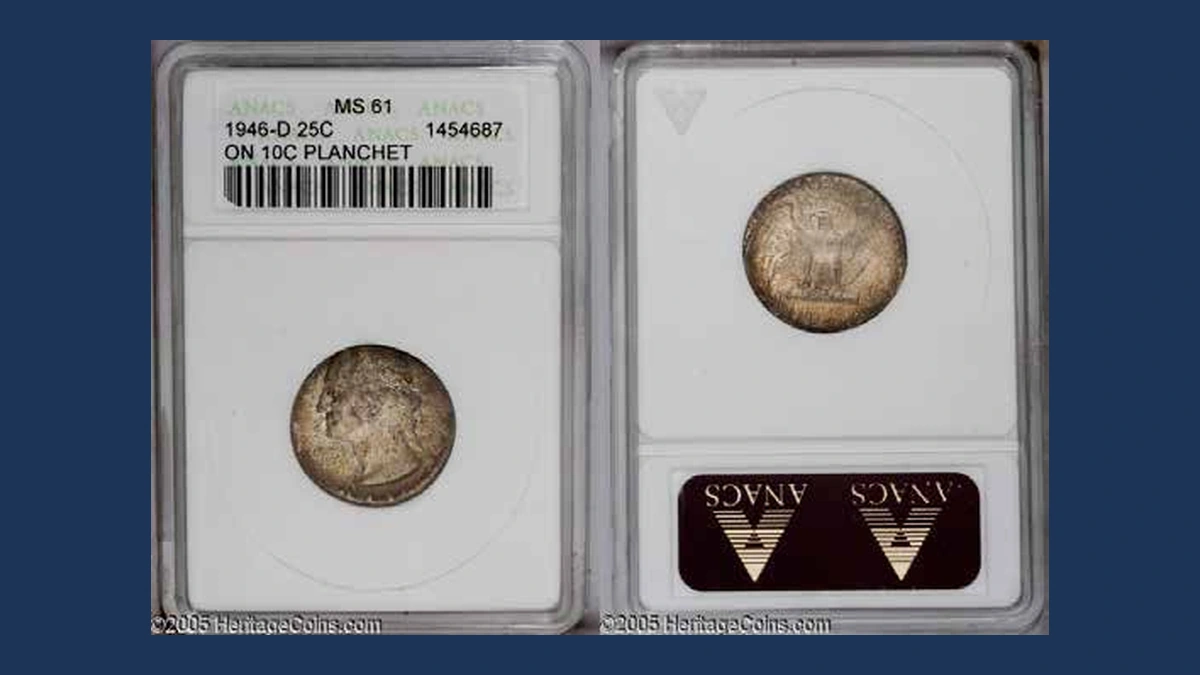
Washington and the eagle fit better than the outer words on this undersized coin. The Denver quarter design was struck onto a silver dime blank.
On the PCGS MS64 example, LIBERTY and the denomination fall beyond the available metal. Only the upper half of the date remains, while the D at the bottom of the back is complete.
The grade describes an unworn coin with some marks. These surviving details establish the specific comparison, rather than a full readable date or missing outer letters imagined from another wrong-blank quarter.
Estimated Value
The PCGS MS64 dime-blank quarter sold for $2,115 in April 2015. Comparable authenticated Denver examples have an estimated range of $800 to $3,500.
The centered portrait, eagle, and complete mintmark make this small strike understandable despite the partial date. Attractive original surfaces also contribute to its appeal.
A heavily worn or trimmed candidate needs a different comparison. The estimate concerns an original smaller silver blank, not a normal quarter reduced in size after its design was struck.
How to Identify
Compare the surviving tops of the date digits with the original specimen before accepting the year. Keep the complete back-side D visible in the photographs as a separate identification clue.
Trace where LIBERTY and the denomination run beyond the small blank. Their loss should agree with the centered portrait and eagle rather than result from a later cut around a normal quarter.
For a loose candidate, compare its weight with the silver dime blank’s usual 2.50 grams and the quarter’s normal 6.25 grams. The smaller blank starts near 17.9 millimeters and can spread during striking.
Inspect the edge for filing or trimming; silver color alone cannot distinguish these two silver blank types.
9. 1946 Washington Quarter Repunched S and D Mintmarks
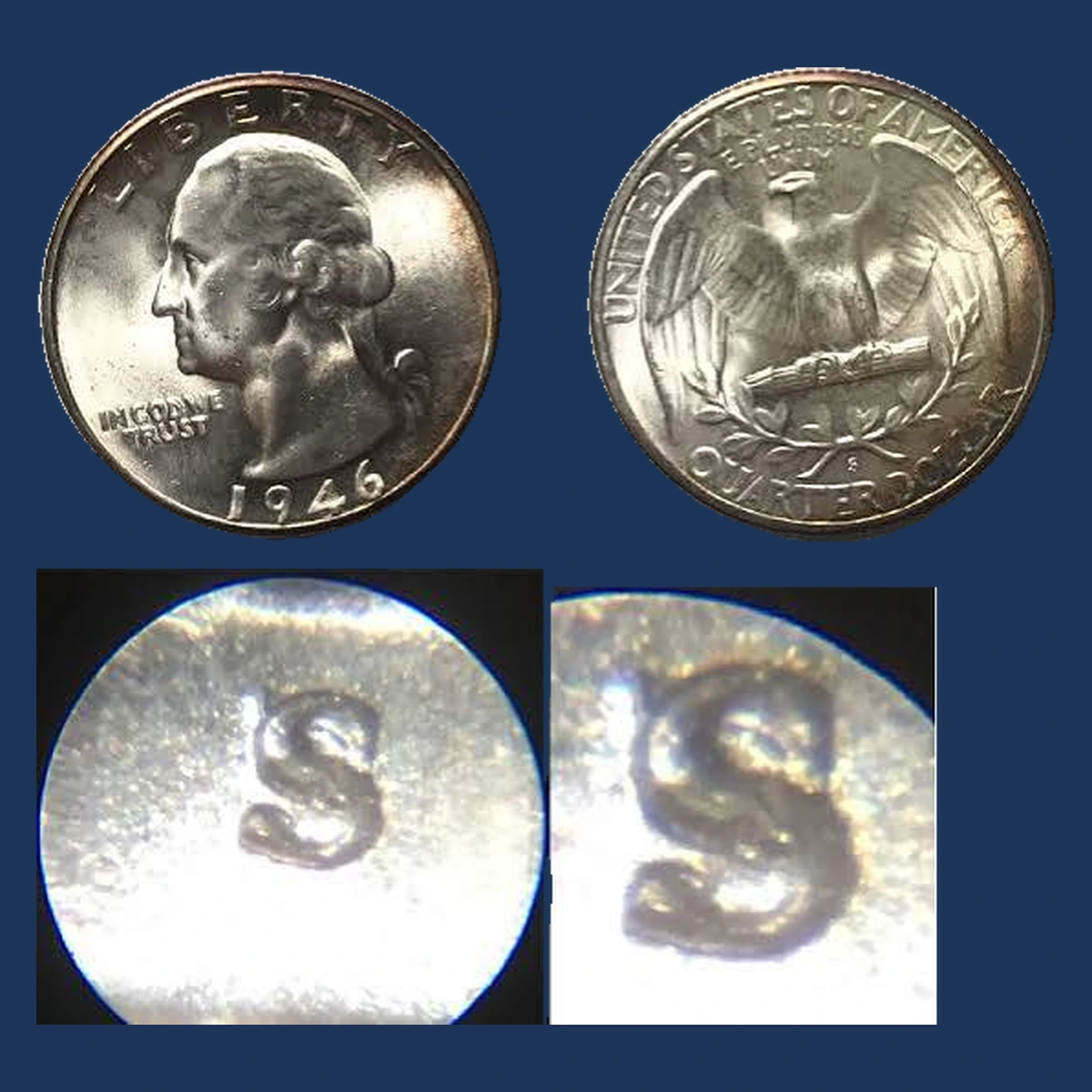
The mint letter could receive more than one punch when it was added to the stamping tool. A small change in position left part of the first letter visible beside the final one.
This is a repunched mintmark. The 1946-S example includes an earlier S outline toward the top, while Denver reports describe a separate D-over-D feature.
The raised letter beneath the eagle is the area to examine. Doubling limited to this separately punched letter does not establish that the whole back design was doubled, and a scratch beside it is another possible look-alike.
Estimated Value
The S-over-S variety graded MS67+ reached $3,819 in July 2013. Estimate $25 to $4,000 for confirmed examples, with the upper end reserved for exceptional preservation.
MS67+ describes an unusually clean unworn coin. More worn examples do not approach that result merely because they carry the same variety name.
The Denver D-over-D requires its own comparison. An old dealer listing asked $40 for an MS65 example; that was an asking price, not a sale.
How to Identify
Use a 10× magnifier to trace the final S beneath the eagle, then look above it for the earlier letter’s surviving curve. Compare the overlap with a confirmed 1946-S/S image, not simply with any thick mintmark.
For a Denver candidate, trace the D independently and match its extra outline with a Denver reference. The northern S feature does not establish where an earlier D must appear.
Inspect the nearby surface for scratches or moved metal that might imitate a second letter. Changing the light angle can help separate a real raised curve from a bright reflection beside a groove.
Keep the mint letter sharply focused in photographs before relying on a seller’s variety label.
Conclusion
The estimated $20 to $4,000 range includes both subtle varieties and visible blank defects. The small S-over-S feature reached a high price in exceptional condition, while the tapered-and-cracked coin shows that complexity alone does not determine value.
Match the original surface and the correct mint before comparing prices. A cropped date, seller-assigned grade, or partly formed clip each needs its own careful description rather than a stronger claim borrowed from another coin.