1909 Quarter Error List with Pictures

A second D or a doubled motto is small enough to overlook on a worn quarter. For a real auction comparison, a different-year 1916-D repunched-mintmark quarter brought $149 in December 2021.
The reported 1909 quarter errors below have conditional estimates of $40–$2,000. The disputed New Orleans doubling needs a different explanation before any error premium applies.
Read on to compare the mintmark, the motto, and the shape of each repeated edge.
1909 Barber Quarter Denver Repunched Mintmark
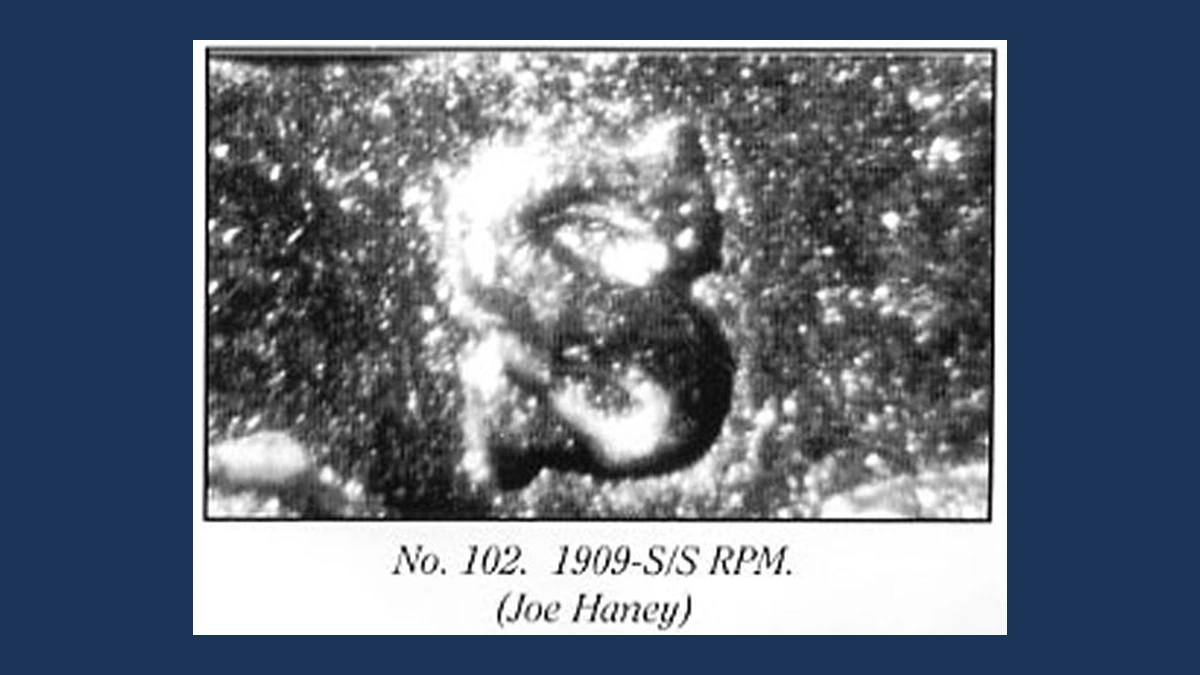
The D below the eagle may have part of a second letter beside or beneath it. This is the feature to examine on the reported Denver repunched-mintmark variety.
Mint workers then added mintmarks to the steel stamping tools by hand. An earlier, misplaced punch could remain partly visible after another impression was made.
Coins struck from that tool would carry the same overlapping mark. The coin itself did not need a second blow.
A lump next to the D is not enough. The extra metal should form a recognizable piece of another letter.
Estimated Value
An authenticated example is estimated at $40–$1,500, depending on wear, surfaces, and clarity of the extra D. These are whole-coin estimates, not a documented 1909 sale range.
A different-year 1916-D repunched-mintmark quarter graded ANACS AU50 sold for $149 in December 2021. AU50 describes a coin with light circulation wear.
That result offers a modest same-series comparison. A sharper, unworn 1909 coin would need a closer condition match.
How to Identify
Locate the D beneath the eagle before enlarging the area. Keep enough of the surrounding design in the photograph to show which part of the quarter you are examining.
With a 10× magnifier, follow the extra metal beside the main letter. Look for part of a curved side or a short letter end that could belong to another D.
Corrosion usually creates rough, irregular edges instead. A broken stamping tool can leave a lump without a second letter’s shape.
Change the lighting and compare the mark with an authenticated example of the same pattern. A low, flat shelf beside the D alone does not establish repunching.
1909 Barber Quarter Doubled Designs and the Disputed New Orleans Reverse
On the reported Philadelphia variety, inspect IN GOD WE TRUST above Liberty’s head. Repeated raised letter edges may indicate a doubled die, a stamping tool made with a repeated design.
The New Orleans back is a separate case. Older descriptions mention QUARTER, UNITED, and the eagle’s wing details.
NGC explains the illustrated New Orleans example as strike doubling, not a confirmed doubled die. Movement during striking can leave flattened shelves alongside existing shapes.
That distinction matters. A letter that appears doubled does not always mean the tool carried two complete versions of it.
Estimated Value
For an authenticated Philadelphia doubled die, estimate $40–$2,000 across worn through attractive unworn examples. Strong separation that remains easy to see supports a better comparison than slight thickening.
This is a conditional editorial estimate, not a verified auction result for that variety. Cleaning or heavy wear can reduce both appeal and visible detail.
The disputed New Orleans strike doubling receives no assumed doubled-die premium. Its date, mint, and condition still determine the underlying coin value.
How to Identify
Use a magnifier on IN GOD WE TRUST, moving across the motto one letter at a time. Compare the ends and corners, where a small split can be easier to see.
Confirm the absence of a mintmark below the eagle when checking the Philadelphia report. Do not use that front pattern to identify a New Orleans coin.
An O sends you to a different test: inspect QUARTER, UNITED, and the wing details on the back.
Tilt the surface toward a lamp to distinguish rounded raised repeats from low, flat ledges. Wear can blur both shapes, so a photograph from one angle may hide the difference.
Have the actual repeated edges checked before paying a doubled-die premium for the disputed O-mint type.
Conclusion
Estimated values of $40–$2,000 apply to authenticated examples of the reported Denver repunched mintmark and Philadelphia doubled die. They do not turn every nearby lump or flattened letter into a valuable variety.
Keep the mintmark in view while checking the details. A partial second D, repeated motto edges, and New Orleans strike doubling tell different stories, even when all three first look like doubled lettering.