1895 Quarter Error List with Pictures

The extra shape beside an S or below a 5 can matter more than a dramatic-looking scratch. On an identified 1895-S repeated-mint-letter quarter, estimated whole-coin values range from $100–$2,500.
These 1895 quarter errors fall into three main types: cracked tools, repeated dates, and repeated mint letters. Their combined estimated range is $30–$2,500.
Use the mint and the direction of each extra trace to choose the right comparison below.
1. 1895 Barber Quarter Raised Cracks near the Head and Date
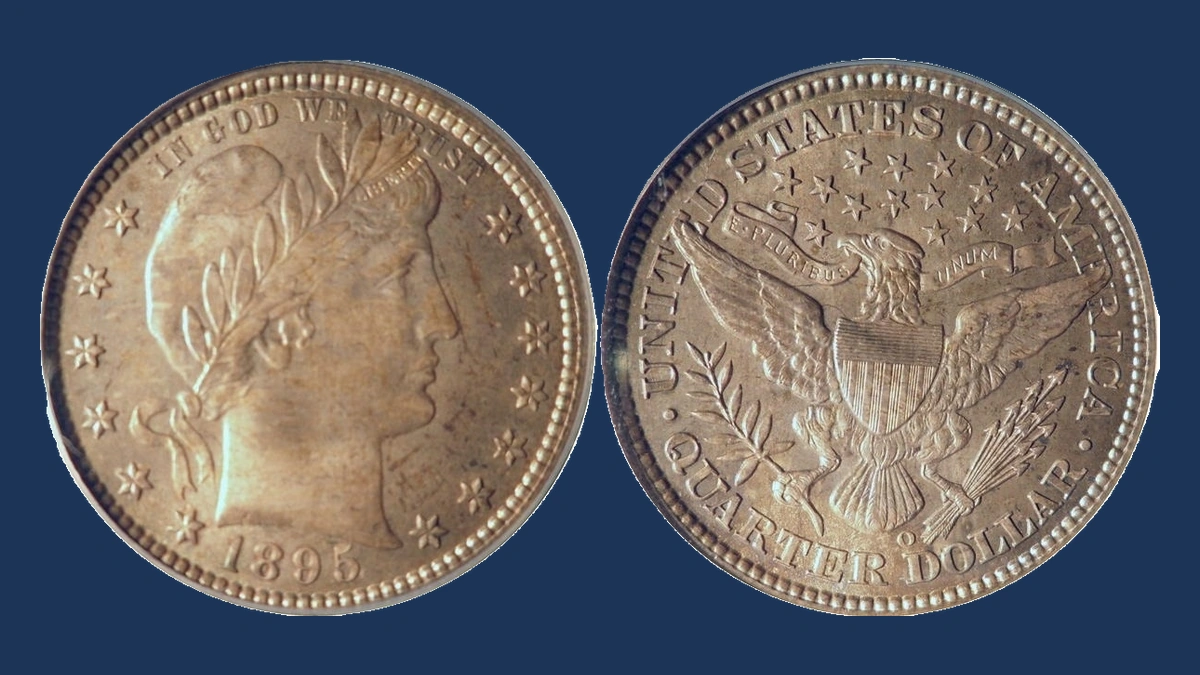
Fine raised lines can form when the steel stamping tool cracks and coin metal enters the opening. The resulting ridges stand above the surface rather than cutting through it.
A New Orleans collector record describes cracks at the top of Liberty’s head and around the date. The two areas belong to the reported tool-damage pattern, but their exact connecting route should not be guessed.
This is separate from an earlier date-punch impression. A crack need not follow the curve of a number, while a repeated digit should preserve part of the number’s recognizable shape.
Estimated Value
For comparable worn 1895-O quarters with clear original cracks, estimate $30–$500. The range includes the value of the New Orleans coin, not just an added charge for each line.
A clean raised ridge can be easier to appreciate than a faint mark among scratches. The strength of the date and remaining portrait detail also affect the whole coin’s appeal.
Exceptional unworn coins need a grade-specific comparison. A minor crack alone does not explain every high price for the date.
How to Identify
Find the O below the eagle before comparing the front with the reported New Orleans pattern. Then examine the top of the head and the date as separate areas.
Change the angle of a small light to check whether each line rises above the surface. A groove, or a ridge along one side of a dent, can indicate later damage instead.
Trace the visible route without drawing an imaginary connection through worn areas. Photograph the surrounding design so the line can be compared with a normal coin, and distinguish a winding crack near the date from a curved piece of an earlier numeral.
2. 1895 Barber Quarter Repeated Date Digits
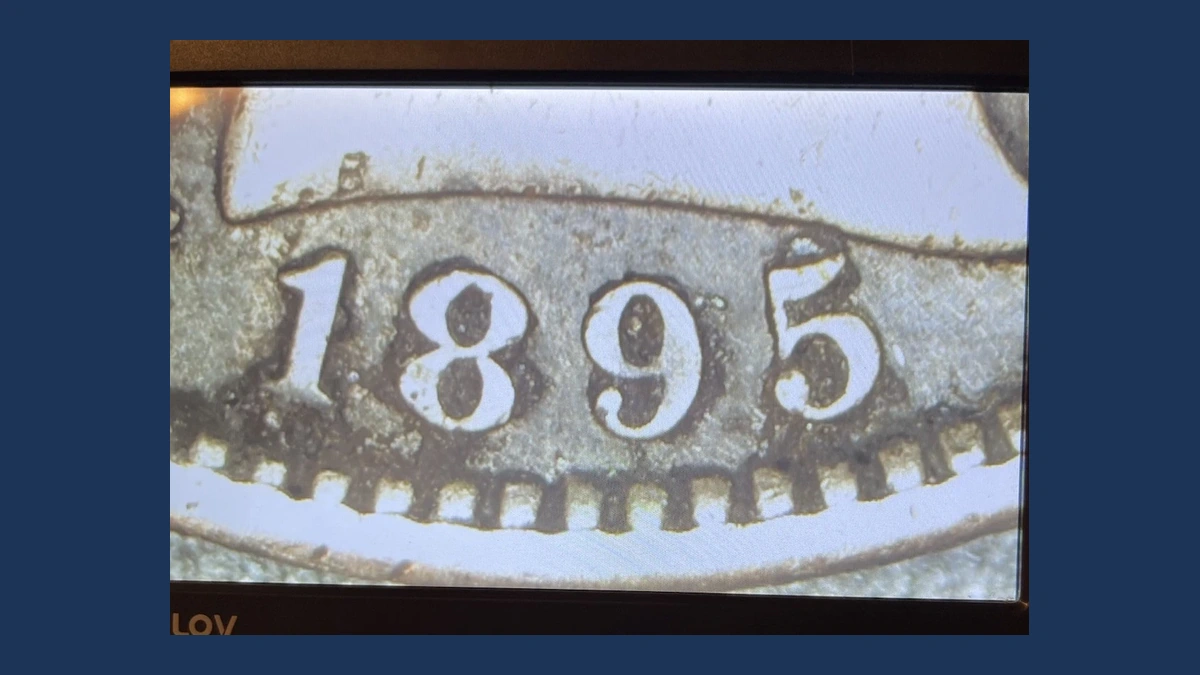
A date punch applied again in a slightly different place can leave parts of the earlier digits visible. The finished stamping tool then repeats those overlapping shapes on later coins.
Philadelphia reports include traces at 18, an earlier 5 below the main digit, and earlier 895 shifted left. These are separate arrangements within the repeated-date category.
A New Orleans variety instead has an earlier 5 above the final digit. The mint matters because a lower Philadelphia trace and an upper New Orleans trace should not be combined into one imagined date pattern.
Estimated Value
Identified 1895 repeated-date quarters have an estimated range of $50–$1,500. A clear original part of an earlier numeral gives a stronger comparison than general thickness from wear.
The affected digits, mint, and condition should be matched before pricing a coin. An extra 5 is not automatically worth the same on every example.
These estimates apply to the complete coin with a genuine punch feature. Scratches, fresh engraving, and flat strike-related shelves do not earn the same variety premium.
How to Identify
Photograph all four digits with the date upright. This preserves the spacing needed to judge whether an extra curve belongs to 18, 895, or the final 5.
For a Philadelphia example, inspect below 5 or left of 895 according to the pattern being compared. The separate 18 report does not provide a direction to apply automatically.
For the New Orleans variety, inspect above 5 and confirm O on the back.
Use a 10× magnifier to check for raised numeral-shaped detail rather than a scratch. Compare with an identified same-mint example under similar light.
Leave the date untouched if dirt hides a tiny trace; scraping can remove the very detail needed to distinguish a real punch impression.
3. 1895 Barber Quarter Repeated S Mint Letter
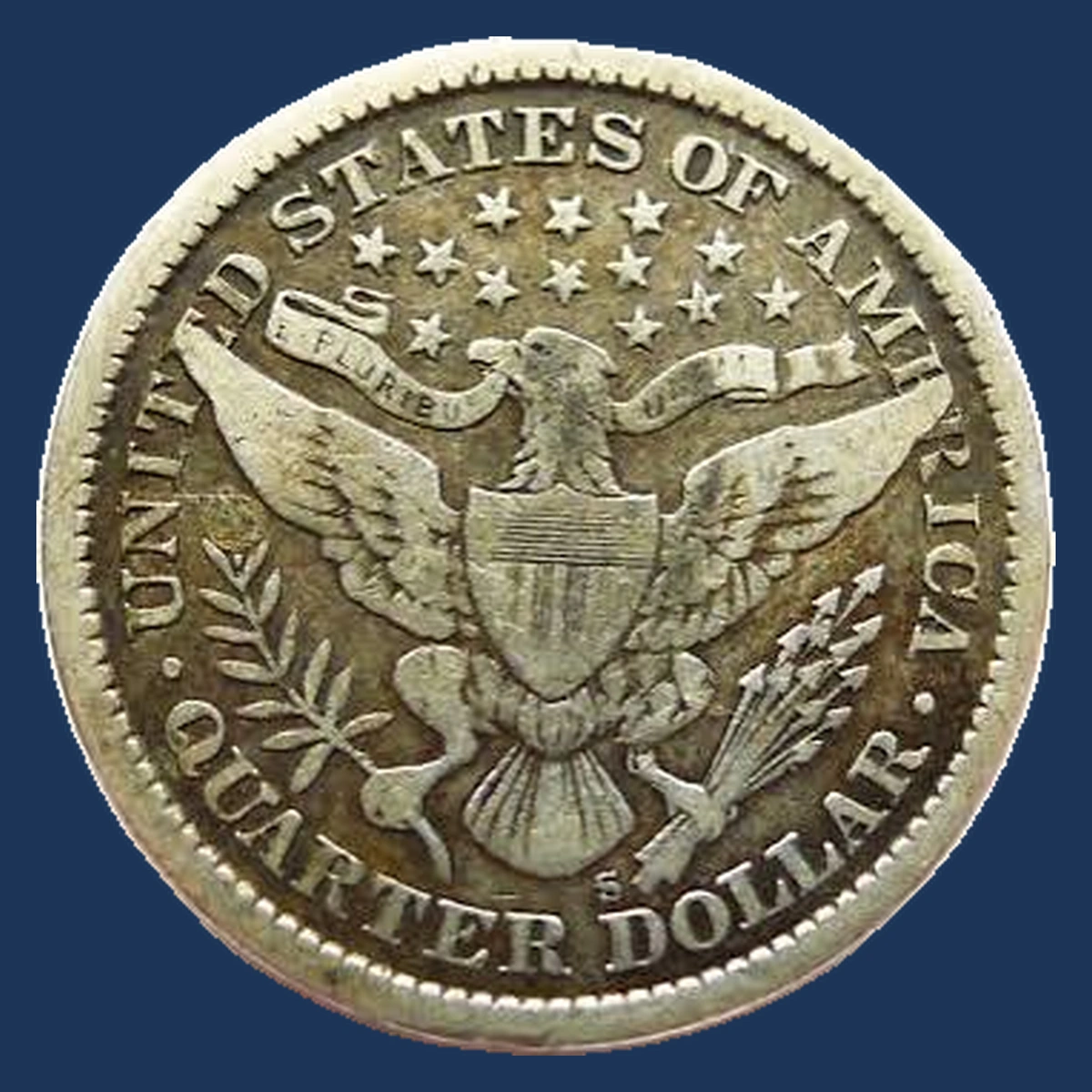
An extra S curve can remain when the mint letter was punched into the tool more than once. The Barber Coin Collectors’ Society survey lists several 1895-S patterns.
One has an earlier S on the left and closely spaced edge grooves. Another describes a larger S over remains of a smaller S, also toward the left.
A further report places extra detail right or upper-right of the main letter. These descriptions need separate matching examples; narrow grooves and a large S alone are normal physical characteristics, not proof of a repeated punch.
Estimated Value
For confirmed 1895-S repeated-mint-letter varieties, estimate $100–$2,500, depending on clarity and preservation. The complete coin’s date-and-mint value is included in that range.
A different silver-quarter example, the 1949-D/D FS-501 in PCGS MS65, sold for $384 in March 2018. Its different letter and year make it a broad comparison rather than a direct price for these San Francisco varieties.
Compare original extra curves, not merely overall letter size or the spacing of the edge grooves.
How to Identify
Look at the S below the eagle from several lighting angles and trace its normal outline first. Extra curves should be examined in relation to that complete letter rather than isolated in a tiny crop.
For the left-shifted report, look left of the main S and compare the edge grooves with the reference example. For the large-over-small report, identify surviving portions of the smaller letter rather than judging only the size of the larger S.
Keep a right-side or upper-right trace in its own comparison. The descriptions may overlap in some cases, so a specialist should match the actual letter and surrounding surface before counting separate varieties.
Conclusion
Estimated values for these 1895 quarter errors run from $30–$2,500. The small details matter: a trace below the Philadelphia 5 differs from one above the New Orleans 5.
Compare the whole coin before naming a variety, and keep the San Francisco mint-letter patterns separate. Original raised shapes and matching locations are useful evidence; ordinary edge grooves, wear, and a large-looking letter do not establish an error by themselves.