2017 Penny Error List with Pictures

The P below 2017 is supposed to be there: Philadelphia used it to mark the Mint’s 225th anniversary. The more unusual 2017 penny errors involve the design, the strike, or even the metal beneath the copper-colored surface.
A reported copper-rich 2017-P brings composition into the search. For comparison, a different 1983 bronze error cent sold for $4,800 in January 2020.
The eleven groups below span estimated values of $2–$5,000. Read on for visible clues and simple checks, including how to avoid mistaking damage for an error.
1. 2017 Lincoln Shield Penny Floating Head (Estimated Up to $50)
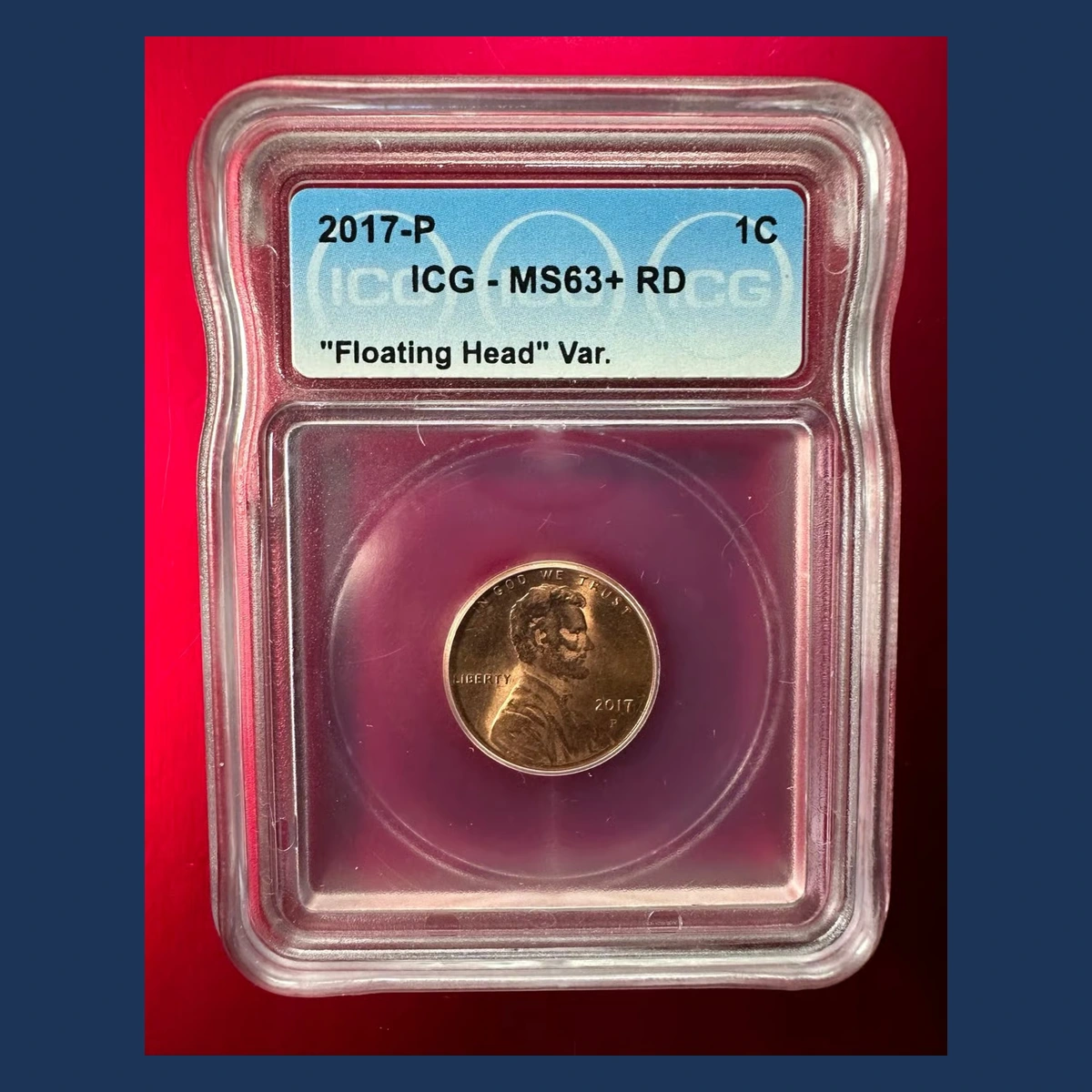
Lincoln’s head may appear to float above his clothes when the connecting neck detail is faint or missing. Collectors use “floating head” as a description of that appearance.
It has been reported on Philadelphia and Denver 2017 cents. The nickname does not establish one cause.
Polishing a stamping tool too heavily can remove shallow detail from it. Material blocking the design during stamping is another possible explanation.
Wear or later scraping can produce a similar gap. Compare the neck with the nearby jaw and collar instead of assuming that every missing connection is a mint error.
Estimated Value
For a clear mint-made missing-neck feature, use an estimated $2–$50. The range compares small design-loss features on modern Shield cents.
It is not a recorded auction price for a certified 2017 floating-head variety. A clean coin with sharp surrounding detail is easier to assess than a worn or scratched example.
The nickname alone adds no fixed premium. If circulation wear or scraping explains the gap, the coin should not be priced within the error range.
How to Identify
Hold a normal 2017 penny beside the candidate and compare the jaw-to-collar connection. A 10× magnifier helps separate genuinely missing detail from a shadow.
Look for scrape marks, bright smoothing, or a cut through the neck. Check whether the jaw, clothing, and nearby lettering remain sharp.
The normal coin is copper-plated zinc, a zinc center covered by a thin copper coat. A loose example should be compared with 2.50 g on a scale and 19.05 mm using calipers.
Inspect the plain edge and the back for damage. Do not try to polish the neck clearer.
Find a smooth gap between a sharp jaw and collar, without scratches or general wear explaining the missing connection.
2. 2017 Lincoln Shield Penny Misaligned Die (Estimated Up to $100)
One side can have a much wider border than the other side of that same face. If the opposite face remains centered, a stamping tool may have been displaced.
This is a misaligned die. A die is the steel tool that presses the design into the metal.
An NGC MS61 Red 2017-P example appears in a GreatCollections auction listing. MS61 describes an unworn coin with many marks, while Red refers to its copper color.
The error concerns sideways centering. It does not automatically mean that the back design is rotated compared with Lincoln’s portrait.
Estimated Value
An estimated $5–$100 covers slight through more noticeable genuine die misalignment. A tiny uneven border may add little to an ordinary cent.
The graded 2017-P example identifies the type, but no completed sale amount is used here. The range compares similar modern Lincoln cent alignment errors.
A clear contrast between a shifted face and a centered face makes the feature easier to display. Scratches, corrosion, or crushed edges can reduce appeal even when the shift is visible.
How to Identify
Center Lincoln upright and compare the border widths around his face. Turn the coin over and repeat the comparison around the shield.
A 10× magnifier helps distinguish a wide border from a rim that has been crushed. If both designs miss the same part of the disc, consider an off-center strike instead.
Use calipers to compare with the normal 19.05 mm and a scale against 2.50 g. Examine the plain edge for hammering or pressure marks.
Keep both faces in photographs so the relationship remains visible. A tilted photograph does not demonstrate a rotated tool.
Confirm one shifted design opposite a centered design before assigning the misaligned-die name.
3. 2017 Lincoln Shield Penny Doubled Designs (Estimated Up to $200)
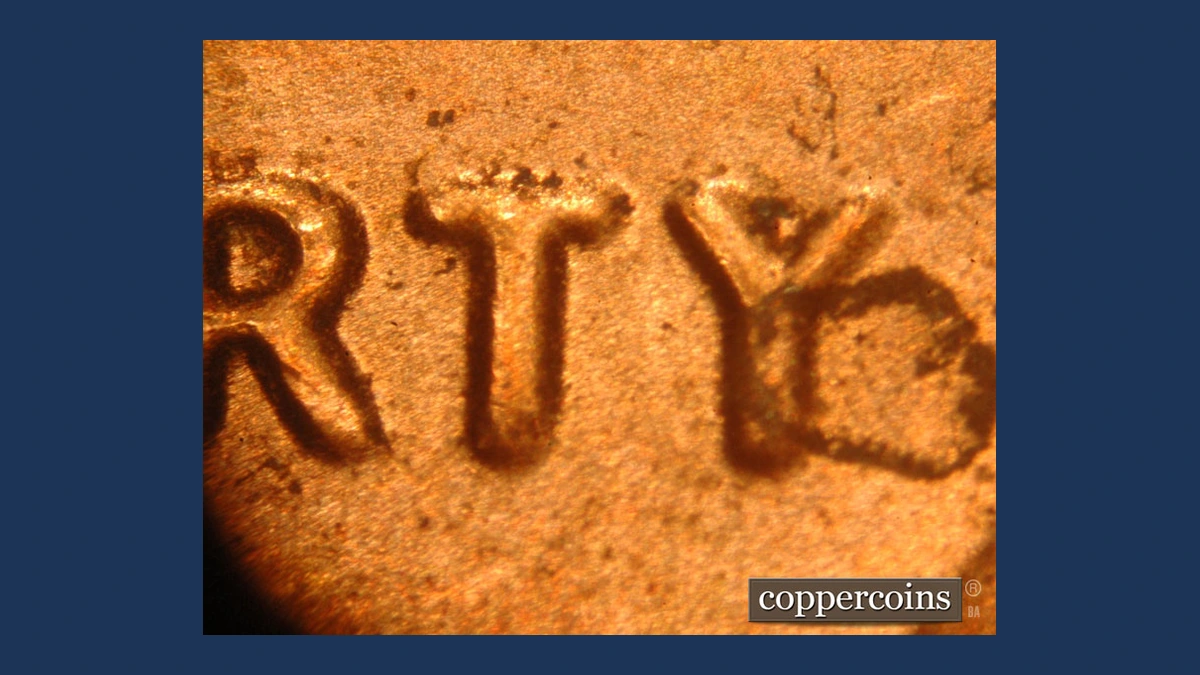
The Y in LIBERTY may look unusually thick on its left arm. This reported “Fat Y” feature comes from a shared master-tool pattern rather than identifying one unique damaged coin.
Other doubling comes from repeated detail in a working die, the tool that actually stamps coins. Wexler lists 2017-P front examples, while reports also mention Denver front doubling and Philadelphia back doubling.
Compare the two faces independently. A thick Y does not prove that the shield is doubled too.
Flat shelves or torn copper plating can imitate extra outlines. The exact shape matters more than general thickness.
Estimated Value
Estimate $5–$30 for minor recognizable doubling and $30–$200 for stronger, clearly matched examples. These are comparisons with modern Shield-cent varieties, not a claimed 2017 auction record.
The shared Fat Y pattern does not automatically deserve the price of a scarcer individual variety. Clear extra detail and attractive surfaces matter.
Front and back features on one coin should be priced together. Two names do not justify adding two full estimates to an otherwise ordinary cent.
How to Identify
Start with the Y’s left arm, then compare other letters in LIBERTY and IN GOD WE TRUST under a 10× magnifier. Keep simple thickening separate from a distinct repeated stroke.
Use Wexler’s 2017-P examples for a Philadelphia front comparison. A Denver coin or a shield detail needs its own matching example.
Watch for low flat shelves and splits in the copper coating. Neither automatically means the stamping tool had a doubled design.
Check 2.50 g with a scale, 19.05 mm with calipers, and the plain edge for alteration. Inspect both faces separately.
Match the actual extra stroke to the correct mint and face, rather than naming a variety from a thick Y alone.
4. 2017 Lincoln Shield Penny Die Clash (Estimated Up to $200)
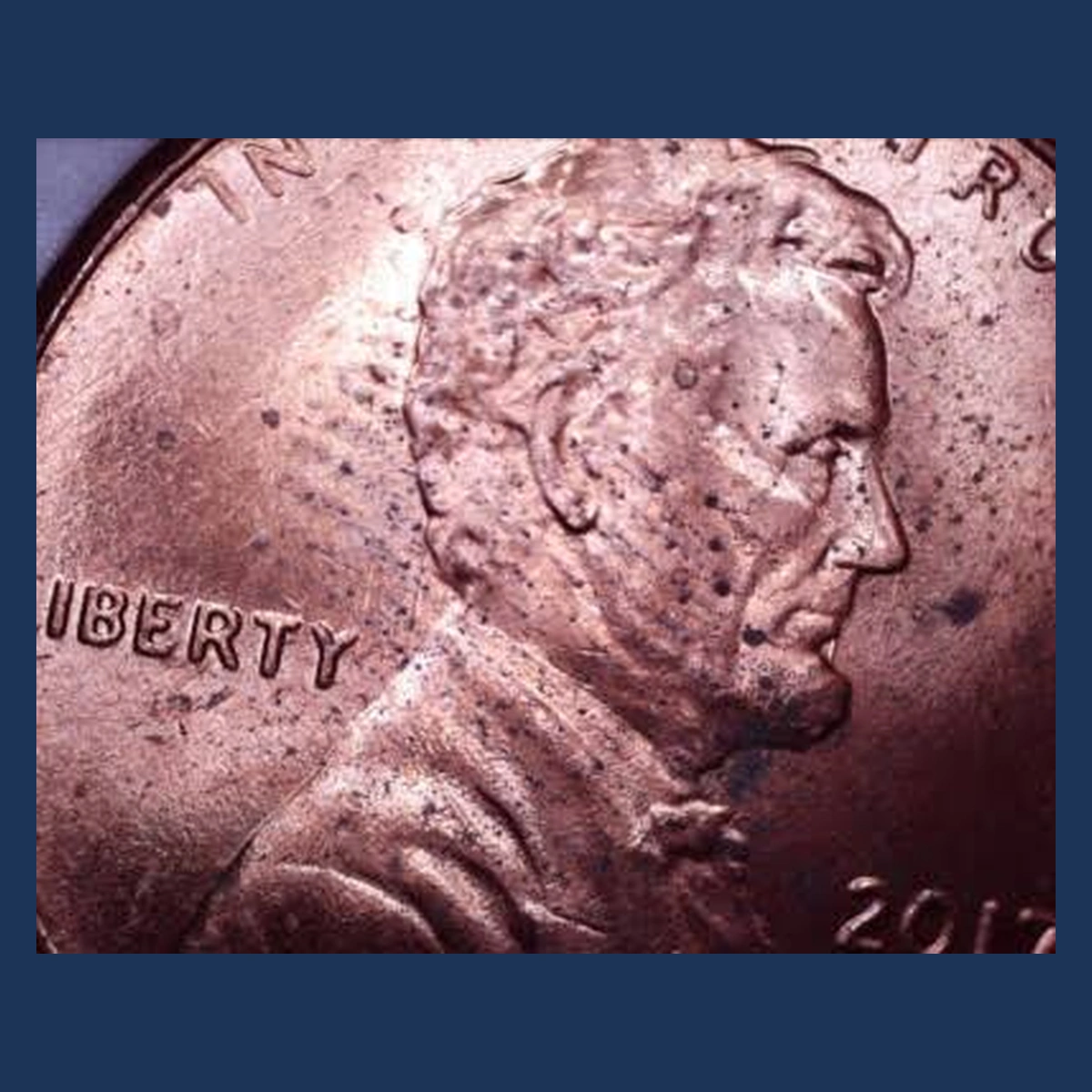
An unexpected line beside Lincoln can resemble part of the shield on the back. Such traces can appear after the two stamping tools hit each other with no disc between them.
This is a die clash. A mark transferred onto a tool can then appear on coins made afterward.
Both Philadelphia and Denver examples are reported for 2017. Their traces need to be compared with the shield and portrait, not the Lincoln Memorial used on older cents.
Random scratches can occupy the same open spaces. A recognizable part of the opposite design provides a much stronger clue.
Estimated Value
For genuine 2017 clashes, estimate $10–$200 from faint recognizable lines through stronger marks on attractive coins. This compares similar modern Shield-cent errors.
No specific certified 2017 auction price is assigned to the range. A clear transferred shape usually interests buyers more than several lines requiring a lengthy explanation.
The mintmark alone does not set the premium. Wear, scratches, and corrosion can obscure the trace, while original surfaces make its shape easier to compare.
How to Identify
Study the shield on a normal penny before interpreting lines around Lincoln. Compare their curves and angles rather than treating any mark in the open background as a clash.
Use a 10× magnifier while moving the light. Reflections shift, whereas a feature made in the metal stays in place.
Look on the back for any related portrait trace, but do not assume both faces must show equally strong marks. Rule out cuts and added material.
A scale and calipers should be compared with 2.50 g and 19.05 mm. Check the plain edge for pressure damage.
Trace an unexpected line into a recognizable piece of the opposite shield or portrait design.
5. 2017 Lincoln Shield Penny BIE, Die Chips, and Cuds (Estimated Up to $250)
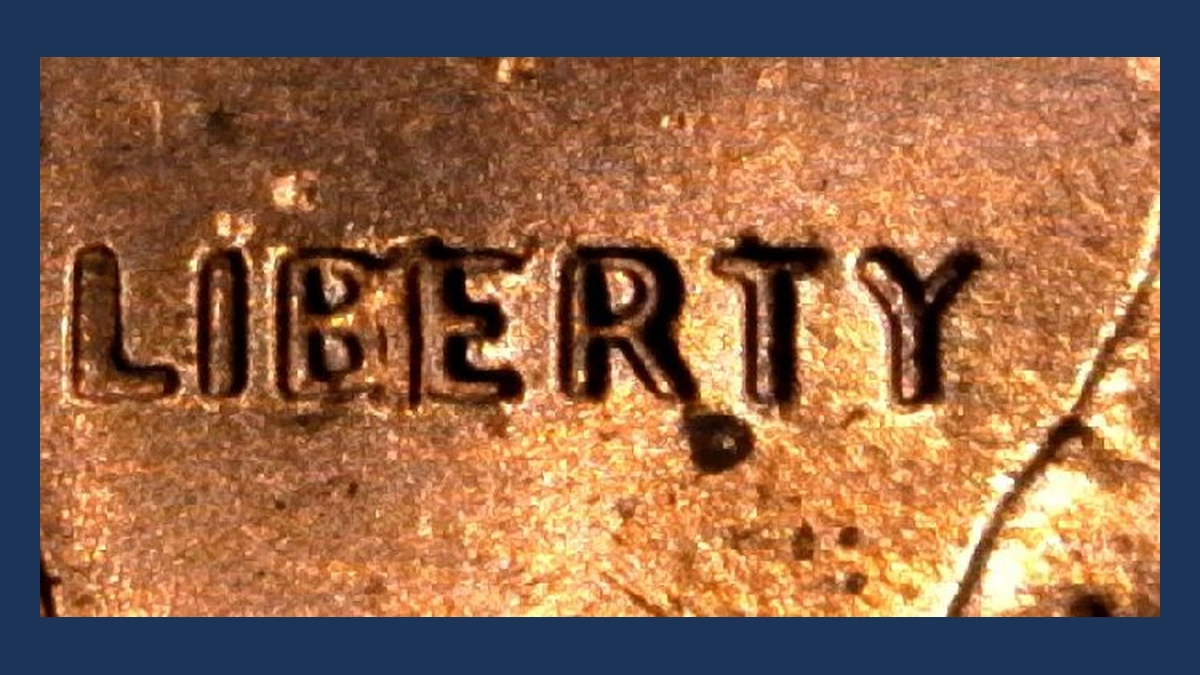
LIBERTY can seem to contain an extra I between B and E. A small piece missing from the stamping tool lets metal form that raised bar, known as BIE.
The same process can make small bumps in the portrait or shield design. Reports for 2017-P include internal chips, while BIE appears in both P and D reports.
A larger break reaching the rim creates a blob called a cud. It needs a rim connection, unlike a bump inside ONE.
These are different appearances of tool breakage. Blisters in the thin copper coating can also look raised.
Estimated Value
Estimate $2–$50 for small chips or a clear BIE bar. A larger, genuine rim-connected cud can fit an estimated $30–$250.
These ranges compare modern Lincoln tool-break errors and include the whole coin. They do not claim a sale of one specific 2017 specimen.
Visibility matters more than the nickname. A strong raised bar on a clean coin is easier to appreciate than a tiny spot, while a copper-coating blister should not earn a die-chip premium.
How to Identify
Find B and E in LIBERTY and examine the space between them with a 10× magnifier. A BIE feature is a raised bar of coin metal, not a cut.
For shield or portrait bumps, inspect the base for dirt or loose plating. Do not press a bubble to see whether it collapses.
Trace any larger patch toward the rim. Without that connection, it is not a cud.
Compare a scale reading with 2.50 g and caliper measurements with 19.05 mm. Inspect the smooth edge for a blow that pushed metal up.
Check that the raised feature grows naturally from the design, with a rim connection only when claiming a cud.
6. 2017 Lincoln Shield Penny Struck-Through (Estimated Up to $300)
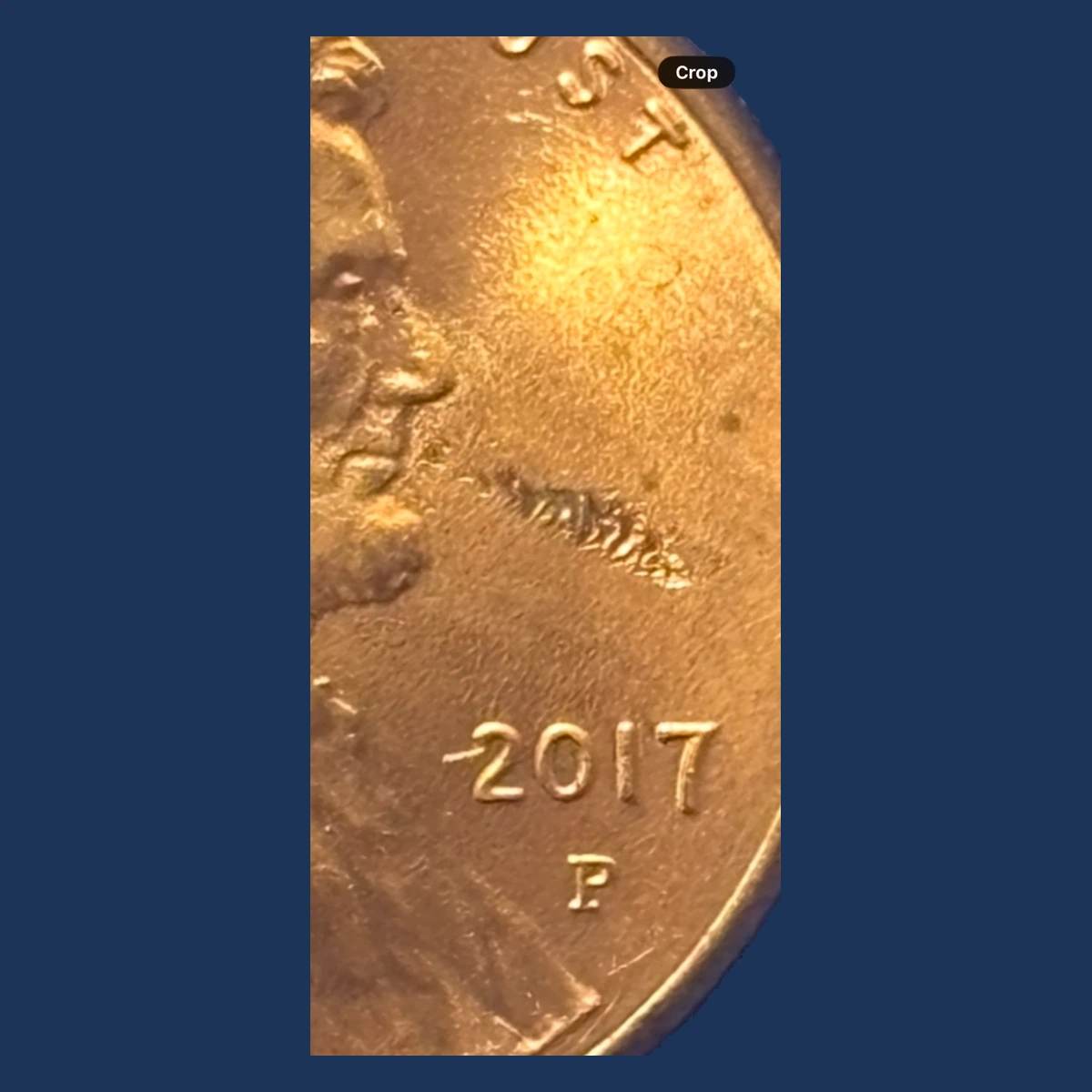
A smooth hollow or missing patch of lettering can interrupt an otherwise clear front design. Material between the disc and the stamping tool may have blocked that part of the strike.
Collectors call this a struck-through error. Grease can soften small details, while a harder object can leave a more defined impression.
The 2017-P report concerns the front. It does not establish one exact location or identify the material for every coin.
Weak letters have other causes too. Wear, corrosion, or a damaged tool must be considered before a faint area is given this name.
Estimated Value
An estimated $5–$300 spans small blocked details through large, distinct impressions on attractive coins. A slight missing letter belongs nearer the lower end.
A 2021-D Shield cent struck through grease sold for $84 in September 2025, graded PCGS MS64 Red. That means unworn with some marks and copper-red color.
The nearby-year result is a comparison, not a 2017 sale. The size and shape of the obstruction still need to be assessed on the actual coin.
How to Identify
Find a sharp letter beside the weak area and compare them under a 10× magnifier. The transition can show where the design was blocked.
Inspect the hollow for a sharp cut or metal pushed up along its side. Those clues may point to damage after the coin was made.
Turn the cent over to look for a corresponding impact mark. General wear across both faces is different from a localized interruption.
The normal coin weighs 2.50 g and measures 19.05 mm. Check it with a scale and calipers, then inspect the plain edge for distortion.
Look for an original-looking impression surrounded by clear detail, without scratches or a later blow explaining the missing design.
7. 2017 Lincoln Shield Penny Broadstrike (Estimated Up to $400)
The penny can look wider than normal with extra metal around its design. A broadstrike occurs when the collar, the ring holding the disc’s edge, fails to contain it.
Pressure spreads the metal outward. The main designs remain on the coin even if the border becomes uneven.
A Philadelphia example is reported for 2017. Its outline must be examined rather than assuming a particular enlarged diameter.
A cent already has a plain edge, so a smooth side is normal. That differs from coins whose ordinary edges have grooves and makes the complete design especially important to this check.
Estimated Value
Use an estimated $25–$400 for genuine modern Shield-cent broadstrikes in collectible condition. Strong spreading with complete, attractive designs can bring more than a subtle change in outline.
This range estimates the reported 2017-P type using comparable modern striking errors. It is not a verified sale price for the source’s example.
Condition matters alongside size. A cent flattened after minting may also be wider, but crushed lettering and hammer marks should not receive the same error premium.
How to Identify
Measure the outline in several directions with calipers against the usual 19.05 mm. Do not judge size from a close-up photograph without a scale.
Check with a scale that the coin remains near 2.50 g. Spreading changes its shape without necessarily removing metal.
Use a 10× magnifier to follow the outer letters on both faces. Distinguish weak detail from design cut off where it missed the disc.
Inspect the plain edge and the portrait for hammering or crushing. The thin copper coat may be disturbed by later damage.
Find complete Lincoln and shield designs inside a naturally widened outline, rather than a coin made larger by flattening.
8. 2017 Lincoln Shield Penny Rolled-In Material (Estimated Up to $500)
An unusual patch may be a piece of foreign material pressed into the metal before the coin was stamped. Such material can remain in place or fall away later.
This is the proposed explanation for a 2017-P collector find discussed on Numista. The report does not establish the material or confirm how it entered the coin.
An empty area can therefore be a starting clue, not a conclusion. A deep scrape or corrosion opening can look similar.
The surrounding design and the copper coating need to be examined together before calling the feature rolled-in material.
Estimated Value
For a genuine confirmed example of material incorporated before striking, use an estimated $25–$500. Small subtle patches belong lower than obvious inclusions on attractive modern cents.
This is a conditional estimate for the proposed error type, not a sale or authentication of the reported 2017-P candidate. The material and timing must support that explanation.
A hollow caused by corrosion or scraping earns no such premium. A larger opening alone does not make the proposed cause more likely.
How to Identify
Look at the transition between the unusual area and the normal copper-colored surface with a 10× magnifier. Record whether material remains or only an opening is visible.
Follow nearby letters and design across the boundary. Scratches cutting through finished details may show later removal rather than material present during production.
Check the plain edge and the other face for corrosion or related damage. Do not dig out the patch to test it.
Use a scale and calipers against 2.50 g and 19.05 mm, noting any metal loss. These measurements alone cannot establish when material entered the coin.
Have an error specialist examine whether the design was stamped with the unusual material already present, rather than accepting a hole as proof.
9. 2017 Lincoln Shield Penny Off-Center Strike (Estimated Up to $500)
Lincoln or the shield may run beyond the edge while another part of the disc stays plain. The disc was not centered between the stamping tools.
That is an off-center strike. Both faces should fit the same misplaced disc, unlike a single shifted tool that moves one design.
The 2017 category includes no fixed direction or percentage for every example. A readable date is needed to assign an individual coin to this year.
The plain crescent still contains metal. A missing piece of the outline is a different kind of defect and should not be measured as the same error.
Estimated Value
Estimate $15–$75 for modest readable-date shifts and $75–$500 for stronger, attractive examples. These ranges compare modern Lincoln striking errors.
They are estimates rather than an identified 2017 auction result. The upper end assumes a clear error with useful surviving date detail.
A larger offset does not automatically mean a higher price. Missing the date, heavy damage, or poor surfaces can reduce interest even when much of the design failed to reach the metal.
How to Identify
Find 2017 before estimating the amount of the shift. Keep any surviving mintmark visible, and do not assign a mint if its area was never stamped.
Trace the boundary of the design on both faces with a 10× magnifier. The plain areas should correspond to one misplaced disc.
Check that the crescent contains original metal without scraping marks. A cutout or filed section points to a different explanation.
Use calipers to record the outline against 19.05 mm and a scale against 2.50 g. Inspect the plain edge for cutting or impact damage.
Confirm matching unstamped crescents beside incomplete designs on both sides, with the date still establishing the year.
10. 2017 Lincoln Shield Penny Brockage (Estimated Up to $1,000)
One face can show backward lettering sunk into the surface. It was made by an already-struck coin pressing against a fresh disc inside the press.
This is called a brockage. The other face can receive its normal raised design from the steel stamping tool.
A Denver example is reported for 2017. The report does not establish which face carries the backward design, so examine the whole coin.
Glue, added impressions, or two finished coins squeezed together can imitate parts of the appearance. Normal weight cannot by itself distinguish a genuine brockage from those later alterations.
Estimated Value
An estimated $100–$1,000 covers clearly identified modern Lincoln brockages with collectible surfaces. A strong backward design is more appealing than vague transferred marks.
The reported 2017-D is not assigned an independently verified sale here. The range is an estimate for genuine examples, allowing for impression strength and condition.
A nearly complete image can support the higher end. Added glue or pressure damage from two finished coins should not receive a brockage premium simply because letters appear reversed.
How to Identify
Check whether the unusual letters are both backward and sunken. A 10× magnifier and low side lighting help distinguish an impression from something sitting on the surface.
Compare the recognizable design with the other face. Random contact marks do not form the same coherent portrait or shield.
Inspect the plain edge and rim for pressure damage from later squeezing. Look for glue or other material transferring an image.
Check 2.50 g with a scale and 19.05 mm with calipers, but do not treat normal measurements as authentication. Valuable candidates need comparison with a confirmed example.
Match a recognizable backward, sunken design and have the original striking confirmed before relying on the brockage value.
11. 2017 Lincoln Shield Penny Wrong-Composition Planchet (Estimated Up to $5,000)
A penny can have an unusual metal mixture beneath its familiar copper color. One 2017-P report describes a coin weighing about 2.87 grams, with 99.1 percent copper and 0.9 percent zinc.
The source describes a PCGS MS64 Red Brown example, meaning unworn with mixed red and brown color. Those details remain a source report rather than a verified identification.
That reported mixture is different from a standard older bronze-cent disc. It should not be called a leftover pre-1982 blank merely because it contains mostly copper.
Extra plating or added material can also increase a normal cent’s weight.
Estimated Value
For a confirmed unusual-composition 2017-P, use an estimated $500–$5,000. This does not assign a sale price to the reported coin.
A different 1983 cent on a 3.1-gram bronze disc sold for $4,800 in January 2020, graded NGC MS61 Red Brown.
That older coin used the former standard alloy during a composition change. Its date, metal, and grade differ, so the sale offers broad context rather than a direct value for the 2017 report.
How to Identify
Weigh a loose coin accurately before drawing conclusions from its color. The reported 2.87 g exceeds the normal 2.50 g, but a heavier reading alone does not identify the metal.
Compare diameter with 19.05 mm using calipers. Under a 10× magnifier, inspect the plain edge and surface for extra coatings or attached material.
Normal copper plating covers the zinc center, so an intact edge need not show gray zinc. Do not scratch it open.
For a sealed coin, consult its grading record and any recorded metal analysis. A surface reading must be interpreted alongside the coin’s structure.
Confirm the weight and composition professionally, including whether extra plating could explain the copper-rich surface.
Conclusion
A normal P mintmark, a thick Y, and an actual mint error are different findings on a 2017 penny. Begin with the visible feature and compare the correct face and mint.
Estimated values run from $2 for minor features to $5,000 for a confirmed unusual-composition example. Preserve the copper surface while checking, and use the whole coin’s condition and a clear identification before applying an error price.