2014 Penny Error List with Pictures

A second outline beside a letter can matter more than a large scratch on a 2014 penny. The recognized FS-101 doubled design is one example: PCGS lists $325 for an MS65 Red coin in an April 2022 eBay Best Offer record.
These 2014 penny errors also include raised metal, peeling copper, and designs struck away from the center. Estimated values across the eight groups run from $2–$500.
Read on to learn what each feature looks like and which simple checks help separate mint errors from damage.
1. 2014 Lincoln Shield Penny Feeder-Finger Marks (Estimated Up to $50)
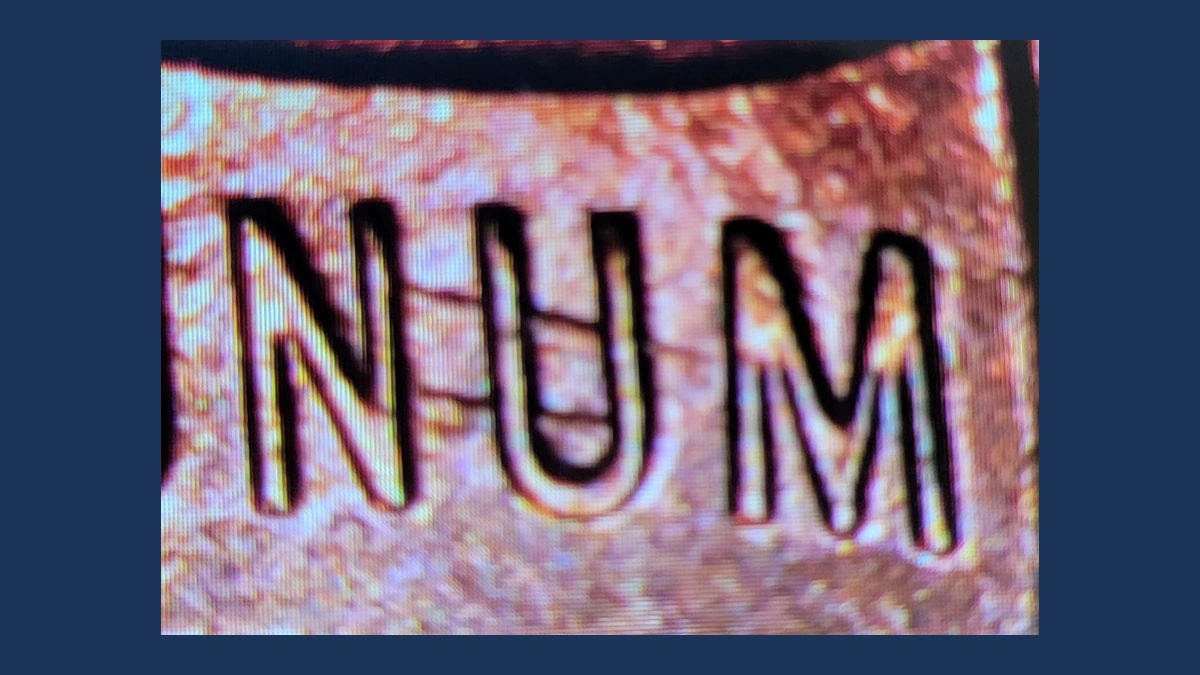
Several straight, parallel marks may run across the surface rather than following Lincoln’s portrait or the shield. A Philadelphia 2014 example has been reported with these feeder-finger marks.
Feeder fingers are parts that move metal discs into position for stamping. Contact involving this equipment can leave marks on the coin or the stamping tool.
The name alone does not establish exactly how a particular line formed. The reported example needs to be judged from the marks themselves.
Ordinary scratches can also appear in parallel groups. Even a small ridge beside a line can result from later damage.
Estimated Value
For marks confirmed as mint-made, an estimated $2–$50 suits modest examples on modern Shield cents. This is a comparison-based range, not a reported sale for the 2014 coin.
The lines should be clear enough to explain and photograph. Attractive, unworn surfaces help preserve that evidence.
Scratch-like marks with no confirmed mint origin do not earn the same premium. Paying for professional grading may exceed the value of a minor example.
How to Identify
First change the angle of the light. With a 10× magnifier, check whether the lines are raised, recessed, or cutting through the design.
Photograph where each line meets a letter or part of Lincoln’s portrait. A pattern matching another confirmed coin is stronger evidence than a lone scratch.
For a loose coin, use a scale to compare its weight with 2.50 g. Calipers should show about 19.05 mm across a normally shaped cent.
The copper-plated zinc coin has a thin copper coating over a zinc center and a normally plain edge. Check that edge for file marks or other damage.
Match the parallel lines and their intersections with the design to an authenticated feeder-related example.
2. 2014 Lincoln Shield Penny Clashed Dies (Estimated Up to $150)
The front may show faint shapes that belong to the shield on the back. These unexpected traces are different from an extra complete picture of Lincoln.
A die is a steel tool that stamps the design into a coin. When the two tools meet without a metal disc between them, each can mark the other.
Later coins can carry those unwanted marks. A 2014-D front-side clash has been reported.
The back design matters here. This date uses the shield, so its clash marks must fit that design rather than the earlier Lincoln Memorial.
Estimated Value
A visible, confirmed clash on this date has an estimated value of $10–$150. The range compares modest modern cent clashes and allows more for clear, easily matched traces.
It does not assign an auction result to the reported 2014-D example. Light marks can be interesting without making the coin expensive.
Buyers generally prefer readable designs and undamaged surfaces. Heavy cleaning can hide the very marks that make the clash collectible.
How to Identify
Keep a normal Shield cent nearby as a guide to the back design. Compare its shapes with the faint extra lines on the candidate’s front.
A 10× magnifier and light from the side should reveal whether those lines belong to the surface or are fresh scratches. Random lines are not enough.
Check both faces for signs that someone squeezed two finished coins together. Such damage can transfer a design without involving mint equipment.
Normal size and weight are about 19.05 mm and 2.50 g; check a loose coin with calipers and a scale. Its plain edge should not show crushing.
Look for a faint, correctly placed shield trace on the front that matches a confirmed clash example.
3. 2014 Lincoln Shield Penny Die Breaks and Chips (Estimated Up to $250)
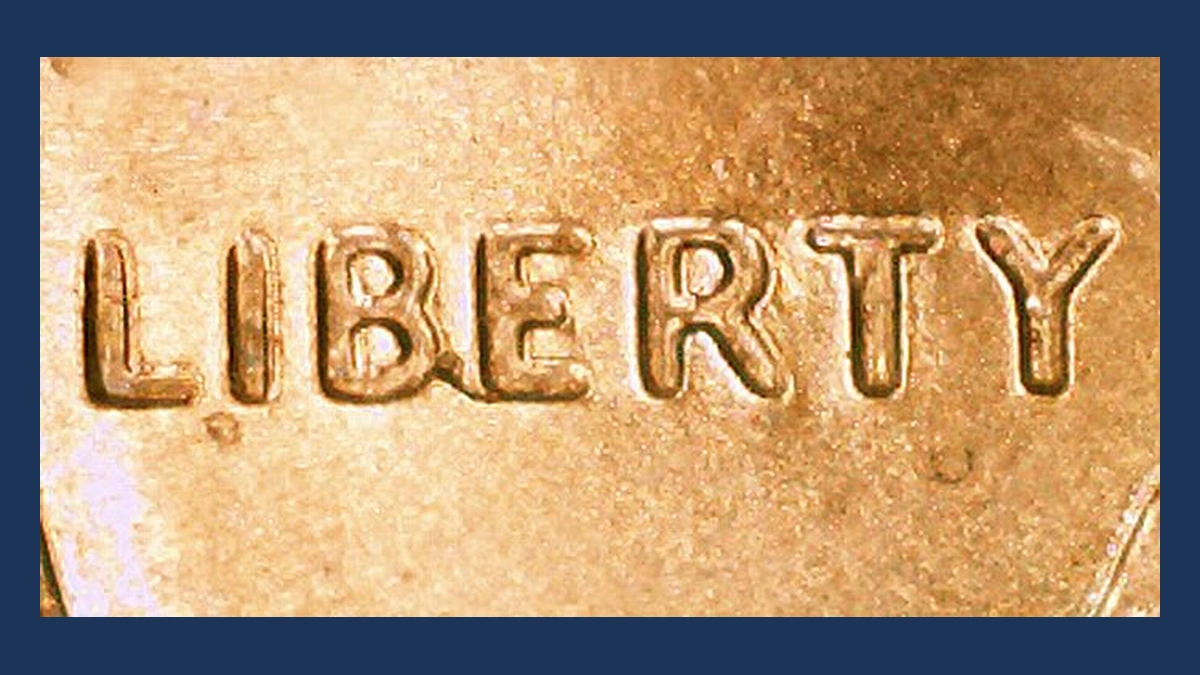
A raised bar between the B and E of LIBERTY can make the word look like it contains an extra I. This is the BIE nickname.
Other reported 2014 pennies have small raised bumps on both faces. Tiny pieces broke out of the stamping tools, leaving spaces that coin metal could fill.
A further Philadelphia report describes a stepped area on the front. Part of the tool apparently shifted while remaining in place, called a retained die break.
These features vary in size. They should not be confused with bubbles in the copper coating.
Estimated Value
Small BIE bars and isolated chips fall near the lower end of an estimated $2–$250 range. A large, clearly confirmed retained break can reach the more valuable end.
This estimate compares modern cents with similar tool damage. It is not a shared selling price for all three appearances.
The size of the raised feature matters more than the nickname. Strong detail, clean surfaces, and convincing confirmation support the higher amounts.
How to Identify
A normal 2014 cent weighs 2.50 g and measures about 19.05 mm. A scale and calipers can help rule out coins heavily altered after minting.
Use a 10× magnifier on LIBERTY: the BIE bar must rise between B and E. For the separate chip reports, examine both faces for solid raised bumps.
For a retained break, look for a boundary and a change in surface height across it. A thin line by itself does not demonstrate that a piece shifted.
Inspect the plain edge and nearby copper coating for damage or bubbles. Do not press or puncture a suspicious bump.
Find the extra raised bar, solid chip, or bounded step, then match that exact shape to a confirmed example.
4. 2014 Lincoln Shield Penny Struck-Through Errors (Estimated Up to $300)
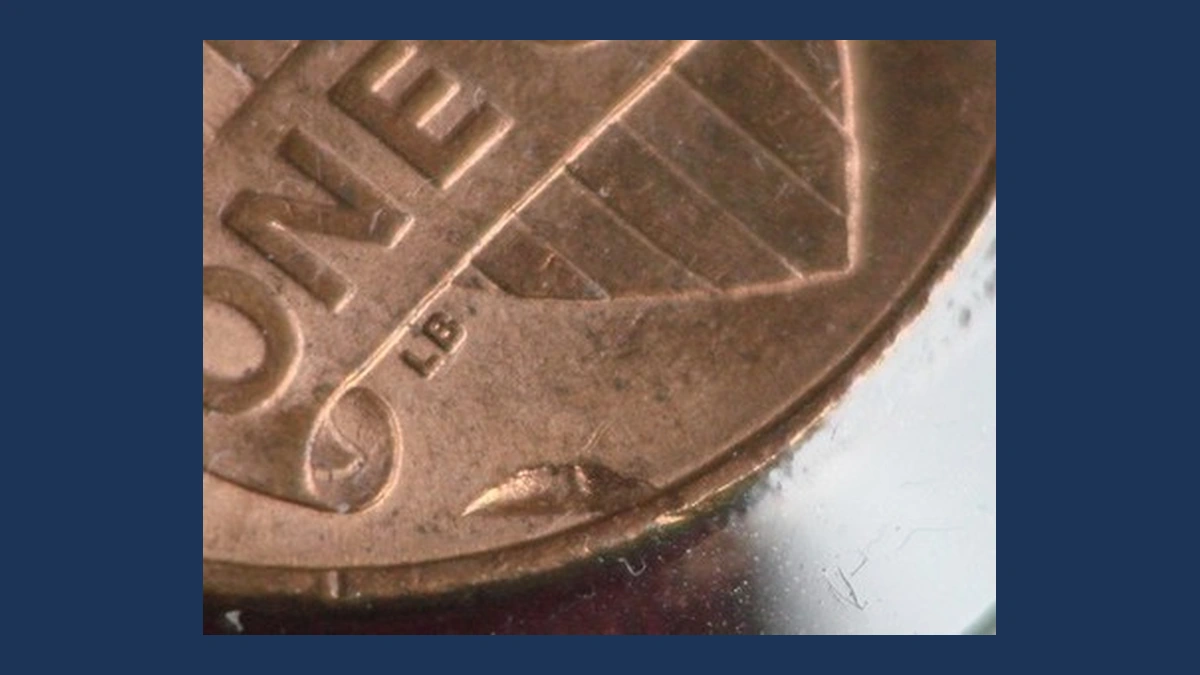
A recessed patch can interrupt the design where something came between the coin and its stamping tool. A 2014-D struck-through example has been reported, but its trapped material is not identified.
Grease produces a different look. Packed into the tool’s recessed details, it can prevent parts of the hair, shield, or lettering from forming fully.
Both effects involve an obstruction during stamping. One may leave a distinct impression; the other can leave a smooth, weak area.
A later dent or worn patch can look similar. Missing detail alone does not prove an error.
Estimated Value
Use an estimated $5–$300, with small grease-filled details near the bottom and stronger, confirmed impressions higher. A 2021-D grease error graded PCGS MS64 Red sold for $84 in September 2025.
That is a different-year comparison, not a 2014 transaction. It shows the modest price level that a certified grease error can occupy.
A large impression with an obvious outline can attract more interest. Damage and corrosion do not belong in this range.
How to Identify
Check how the missing detail ends. A smooth transition into sharp surrounding letters suggests a blocked area, while a dent may push metal up around its edge.
Under a 10× magnifier, inspect the surface for corrosion, peeling copper, or scrape marks. Compare the affected hair or shield with a normal coin.
Use a scale and calipers on a loose cent: normal figures are 2.50 g and about 19.05 mm. Examine the plain edge for squeezing or grinding.
A grease error may keep its normal size and weight. A solid-object impression needs separate confirmation of its shape and mint origin.
Look for missing design inside a smooth blocked area or a confirmed object impression, with surrounding detail still sharp.
5. 2014 Lincoln Shield Penny Doubled Die Obverse FS-101 (Estimated Up to $350)
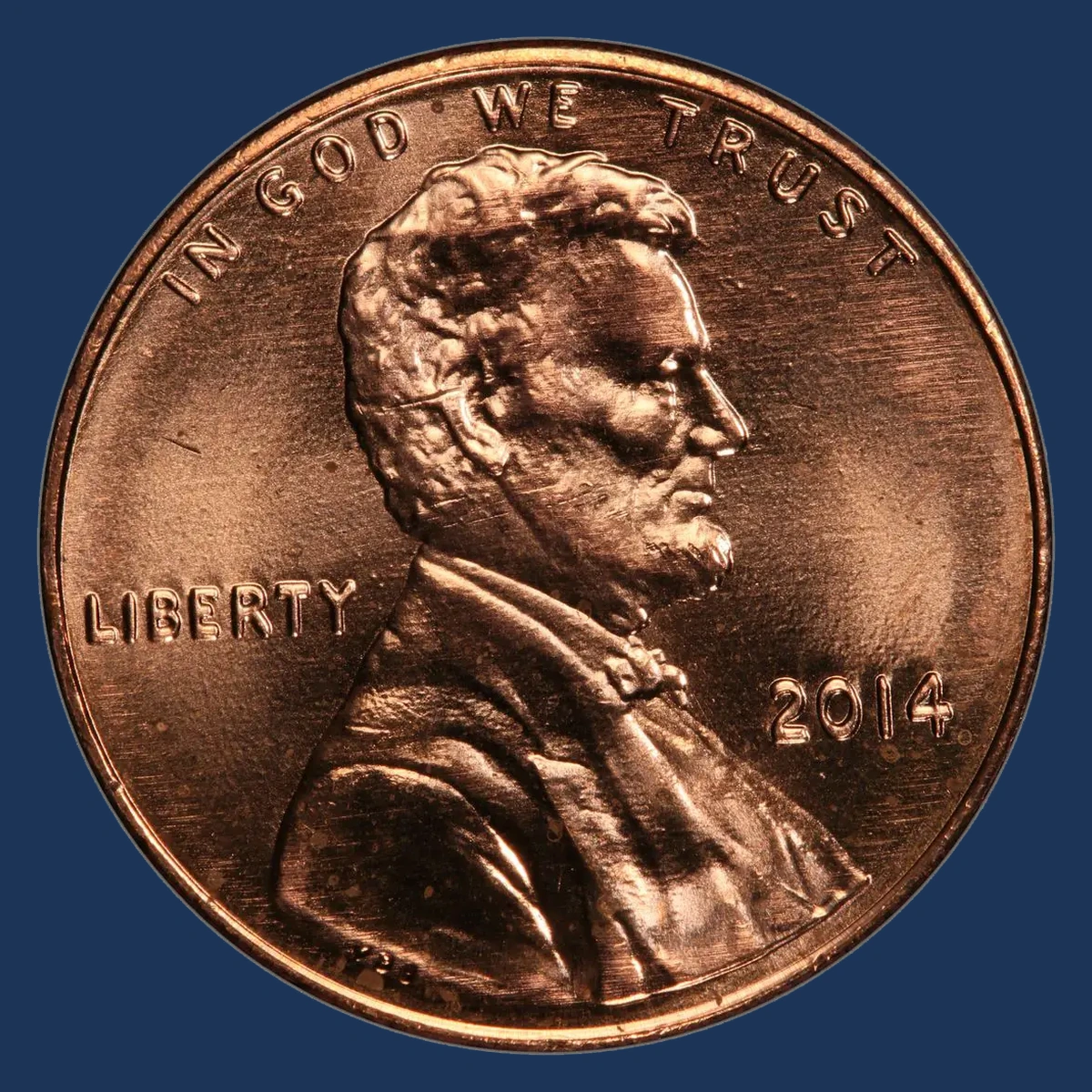
The front can show extra edges beside parts of the design. On a doubled die, that extra detail was already present in the stamping tool before it struck the coin.
Collectors call front-side doubling a doubled die obverse, or DDO. PCGS recognizes a 2014 Shield cent called FS-101.
This is a Philadelphia coin with no mint letter below the date. The reported areas to examine include LIBERTY and the date.
A thick letter alone is not enough. Flat, shelf-like edges caused during the strike can imitate doubling without matching the recognized variety.
Estimated Value
PCGS lists $325 for an MS65 Red FS-101 in an April 2022 eBay Best Offer record. That is a recorded listing result, not evidence of competitive auction bidding.
An estimated $25–$350 covers correctly identified examples from ordinary condition through attractive certified coins. MS65 describes an unworn coin with relatively few marks; Red refers to its original copper color.
A coin that merely looks doubled should not receive the FS-101 premium.
How to Identify
Check the date and the space below it before studying the doubling. This FS-101 is the no-mintmark Philadelphia issue, not a Denver coin.
Place a clear photograph of a certified FS-101 beside your coin. Under a 10× magnifier, compare the reported lettering and date feature by feature.
The extra shapes must occur in the same places. A flat shelf, broken copper coating, or reflections along a letter can mislead the eye.
Check a loose coin with a scale and calipers against 2.50 g and about 19.05 mm. Inspect its plain edge for damage; normal measurements cannot confirm a doubled die.
Match the extra outlines to the certified FS-101 photograph, rather than judging letter thickness alone.
6. 2014 Lincoln Shield Penny Broadstrike (Estimated Up to $400)
The coin looks wider than a normal penny, with extra metal around the design. Both faces should still retain their complete designs.
This happens when the surrounding retaining ring, called a collar, fails to control the coin during stamping. Metal can spread farther outward than intended.
A 2014-D broadstrike has been reported. A wide border on only one side is not enough to identify it.
The edge can remain plain because ordinary pennies already have plain edges. An off-center strike differs by leaving some of the design outside the coin and therefore missing.
Estimated Value
An estimated $25–$400 allows for modest spread through more dramatic, clearly confirmed broadstrikes. It compares modern copper-plated zinc cents with this error, rather than claiming a recorded 2014-D sale.
Coins with clean surfaces and a large, natural spread are easier to appreciate. Slightly enlarged examples usually belong closer to the lower end.
A flattened penny is not automatically a broadstrike. Later squeezing can enlarge a coin while leaving it worth little.
How to Identify
Measure the widest and narrowest parts with calipers, then compare them with the normal 19.05 mm diameter. A scale should place an intact example near the normal 2.50 g weight.
Now inspect both faces with a 10× magnifier. The full portrait, lettering, and shield should remain on the coin despite the expanded outer area.
Look around the plain edge for filing, crushing, or a rolled-over border. A coin flattened after minting may show damaged lettering and an unnatural surface.
The spread can be uneven, so symmetry alone does not decide the question. Keep the full design in view.
Confirm an enlarged coin with complete designs on both faces and no signs of later flattening.
7. 2014 Lincoln Shield Penny Copper-Plating Separation (Estimated Up to $400)
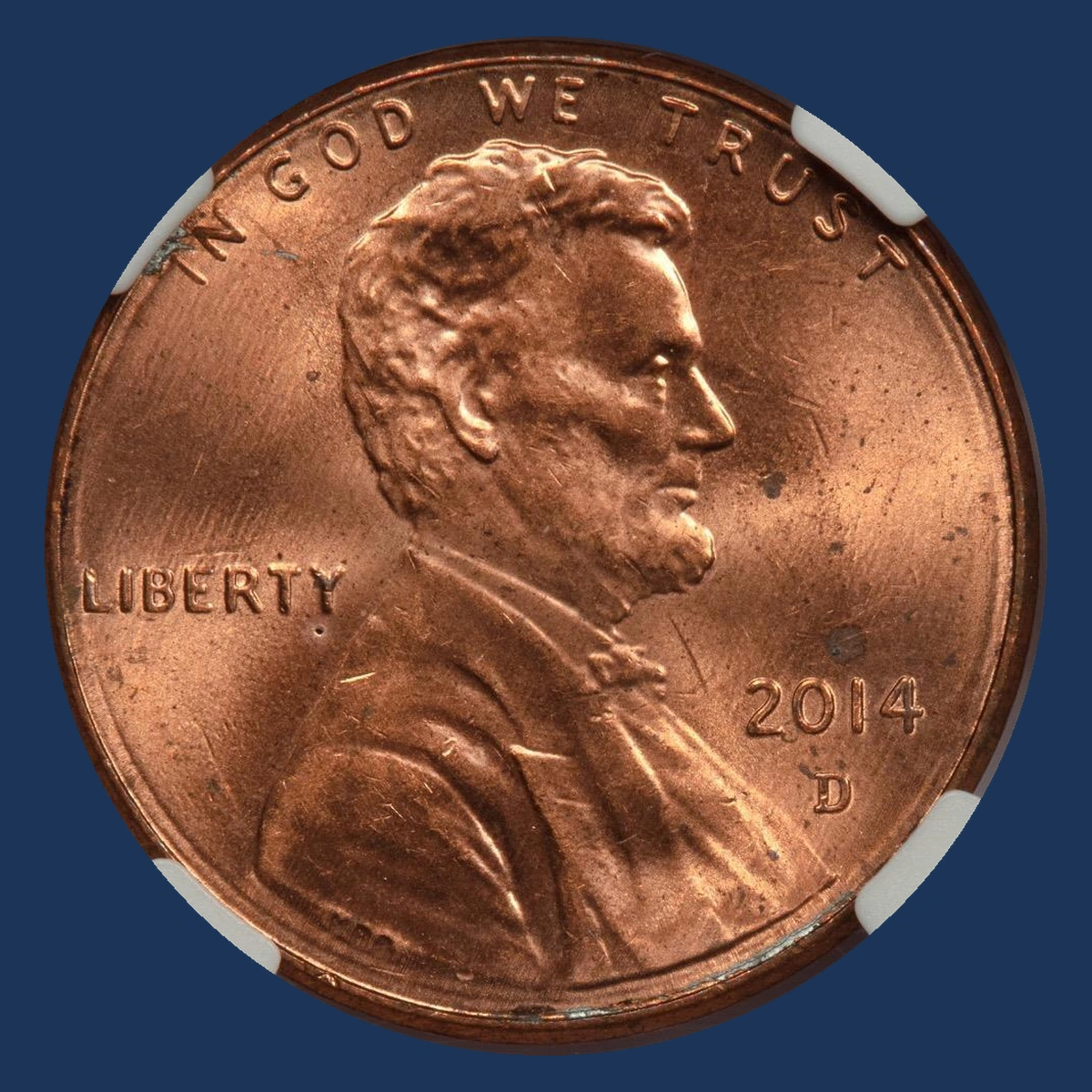
A thin copper-colored layer may lift or peel, exposing gray metal below. On a 2014 cent, that gray center is zinc.
The reported Denver example is described as a lamination, but the visible feature involves the copper coating. It is not a thick layer splitting from a solid bronze coin.
Poor bonding can allow the coating to separate during production. Later corrosion, heat, or chemicals can also damage the same thin layer.
The border of the peeling area is therefore important. A gray patch by itself cannot show when or why the copper disappeared.
Estimated Value
For confirmed mint-made separation, an estimated $10–$400 spans a small lifted area through a conspicuous, well-preserved defect. The range compares defective plating on modern zinc cents.
It is not a recorded sale for the reported 2014-D example. A large exposed patch does not automatically deserve the top value.
Collectors need to distinguish poor original bonding from later chemical stripping or corrosion. Damaged coins should not be priced as genuine plating errors.
How to Identify
Do not lift the loose copper. Preserve the boundary exactly as you found it, including any attached flap.
Use a 10× magnifier and side lighting to inspect the transition from copper to zinc. Look for a thin separating coat rather than deep gouges or a thick broken section.
White corrosion, rough pits, and heat discoloration can explain similar damage. Check the plain edge as well as both faces.
A loose coin can be weighed on a scale and measured with calipers against 2.50 g and about 19.05 mm. Minor coating loss may barely change its weight.
For a quick first check, find a thin lifted copper boundary over zinc, then have its mint origin confirmed.
8. 2014 Lincoln Shield Penny Off-Center Strike (Estimated Up to $500)
Part of Lincoln or the surrounding lettering runs off the coin, while a blank curved area remains on the other side. The shield side shifts in the same direction.
The metal disc was not fully beneath the stamping tools when they came together. Only the overlapping area received the design.
A Philadelphia 2014 cent has been reported as about 25% off-center. That percentage describes the reported example, not every coin of this type.
The date is especially useful. A readable 2014 connects the unusual strike to this year rather than leaving its date unknown.
Estimated Value
Date-visible examples have an estimated range of $15–$500, based on comparable modern off-center cents. A small shift usually brings less than a dramatic strike with an intact date.
The reported 25% Philadelphia coin provides an example of the appearance, not a verified sale price. Surface quality and readable details also influence the amount.
Coins with added cuts or artificially flattened areas fall outside this error estimate. Keep the original metal and surfaces untouched.
How to Identify
Turn the coin over without changing which edge is at the top. The struck area should be displaced in the same physical direction on both faces.
Examine the blank arc and its border with a 10× magnifier. It should join the struck area naturally, without a saw cut or scraped-away design.
A scale can compare the loose coin with the normal 2.50 g weight. Record its dimensions with calipers against the normal 19.05 mm diameter, allowing for shape changes during the unusual strike.
The plain edge should not show filing. A centered back with only the front shifted suggests a different error.
Find the same blank arc on both faces and a readable 2014 beside the displaced design.
Conclusion
The estimated $2–$500 range covers everything from tiny raised marks to dramatic off-center strikes. Start with what the coin shows: extra metal, missing detail, peeling copper, or a displaced design.
FS-101 needs an exact match to the recognized doubled design. Other finds need equally clear evidence of mint origin.
Photograph both faces and the edge, keep the surface untouched, and reserve professional checks for the strongest candidates.