2011 Penny Error List with Pictures

Turn a 2011 penny over from top to bottom. A shield that remains tilted may point to a rotated stamping tool, one of several 2011 penny errors worth checking.
Others involve missing metal or even a coin stuck to the press. A 2000 cent formed into a die cap sold for $312 in June 2025, providing a different-year price comparison.
Estimated values below span $2–$1,000, depending on the error and condition. Follow the visible clues to learn which unusual pennies deserve a closer look.
1. 2011 Lincoln Shield Penny Feeder-Finger Die Marks (Estimated Up to $50)
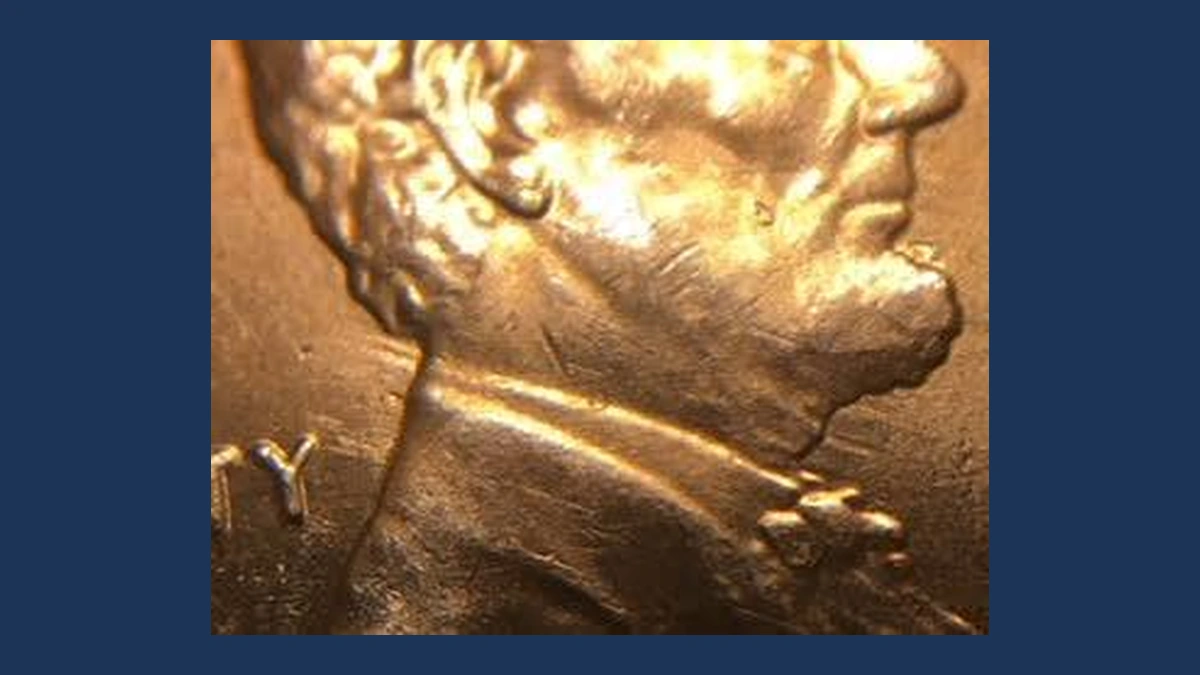
Thin raised lines can appear across the front where no lines belong in Lincoln’s design. They may follow a parallel pattern.
Feeder fingers move metal discs into position for stamping. If that equipment scratches a die, the steel tool that stamps coins, later coins can copy the scratches as raised lines.
A 2011-D example has been reported in this category. The exact line pattern must be matched before a loose coin receives the same identification.
This differs from a finger leaving a direct impression in a coin. Ordinary handling scratches usually cut into the surface instead.
Estimated Value
An estimated $2–$50 is appropriate for modest, confirmed feeder-related lines on a modern cent. The range compares this type of minor mint feature across nearby designs and dates.
It is not a recorded selling price for the reported 2011-D penny. Strong, repeated marks are easier to recognize than a few faint lines.
Certification costs may outweigh the premium. Scratches from handling do not gain value merely because several happen to run parallel.
How to Identify
Place the coin under a low light and turn it slowly. A 10× magnifier helps show whether each line rises from the surface or cuts into it.
Photograph the points where lines approach letters and Lincoln’s portrait. A matching pattern on a confirmed example is more useful than simply counting parallel marks.
Check the D below the date. The reported coin comes from Denver.
For a loose penny, compare 2.50 g on a scale and 19.05 mm with calipers. Examine the plain edge for damage and the copper coating for breaks.
The coin has a zinc center covered by a thin copper coat.
Look for matching raised lines copied from a damaged stamping tool, rather than recessed scratches across the finished coin.
2. 2011 Lincoln Shield Penny Die Cracks and BIE Chips (Estimated Up to $150)
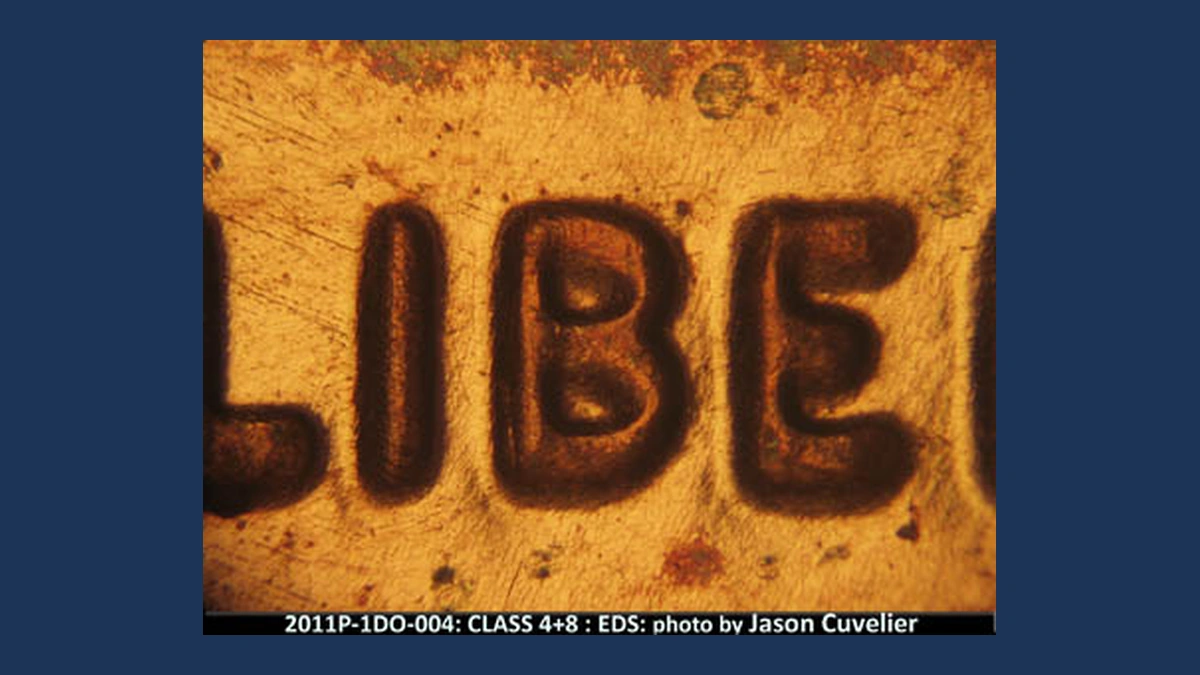
LIBERTY may seem to contain an extra I between its B and E. The added bar is metal, not another letter deliberately placed in the design.
A tiny piece broke from the stamping tool, leaving a space that filled during the strike. This produces the familiar BIE chip.
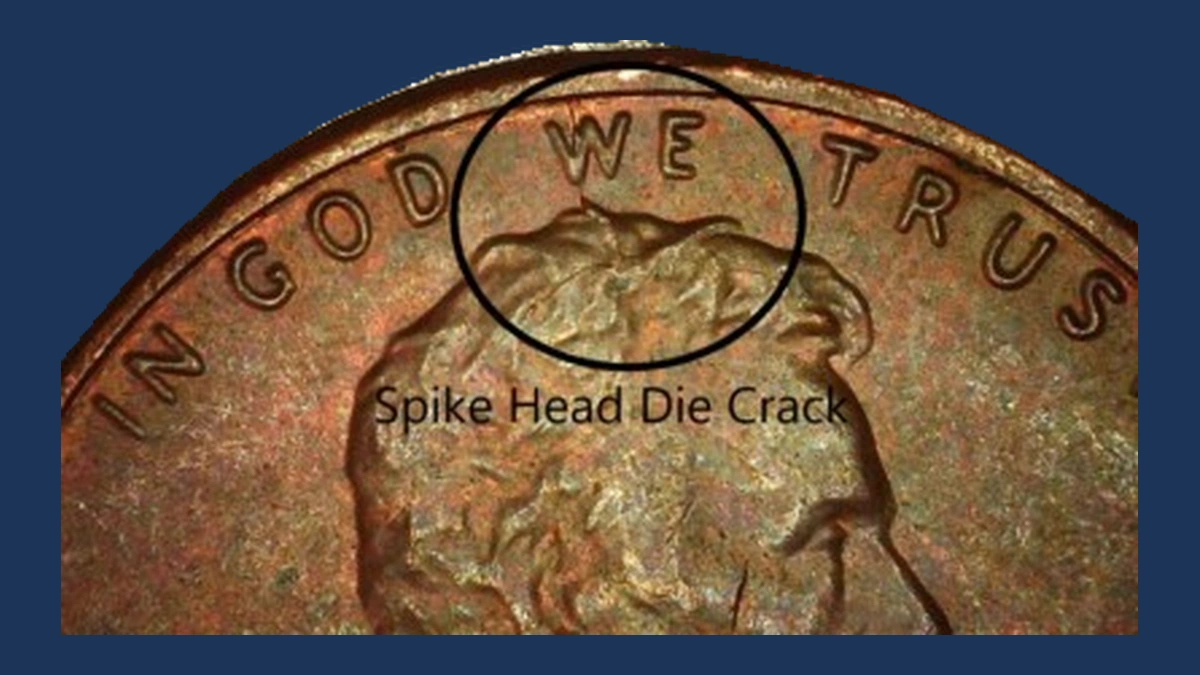
Other reported 2011 pennies show raised cracks or larger bumps from damaged tools. A narrow crack leaves a line; a missing piece can leave a lump.
The location and outline distinguish individual examples. Dirt, scratches, and bubbles beneath the copper coating can imitate some of these shapes.
Estimated Value
Expect an estimated $2–$150 for confirmed examples, with tiny BIE bars and fine cracks toward the lower end. More obvious raised areas can attract a stronger premium.
This is a modern-cent comparison range rather than a documented 2011 auction result. A familiar nickname does not make every small chip rare.
Clear photographs and an undamaged surface help buyers see the feature. Size and visibility usually matter more than a dramatic seller description.
How to Identify
Begin at LIBERTY for a BIE candidate, then inspect the rest of both faces for related raised features. Use a 10× magnifier without touching the suspicious metal.
A genuine BIE bar occupies the gap between B and E. A line elsewhere cannot earn that name just because it resembles an I.
Bubbles may have rounded, fragile-looking surfaces, while dirt can obscure rather than replace the design. Do not poke either one to test it.
Use a scale and calipers to compare the loose coin with 2.50 g and 19.05 mm. Check its plain edge for crushing or alteration.
The easiest BIE check is a solid raised bar precisely between B and E, not an incised line.
3. 2011 Lincoln Shield Penny Clashed Dies (Estimated Up to $150)
A small part of the shield may seem to appear where it does not belong on the front. Similar unwanted traces can occur on the back.
The two stamping tools normally have a coin between them. If they meet without one, each may pick up marks from the opposing design.
Coins struck afterward can carry those traces. Clashes have been reported for both Philadelphia and Denver 2011 cents.
The marks need to fit the actual opposing design. A random raised line or a dirty patch is not enough to identify a clash.
Estimated Value
For a clearly matched clash, use an estimated $10–$150. The lower amounts suit faint features; stronger traces on clean coins can command more.
This range compares modern Shield-cent clashes, not a verified sale of one particular 2011 example. Both the placement and the visibility of the unwanted design matter.
Heavy wear can blur an otherwise interesting clash. A claim that the coin contains a second design should be supported by recognizable matching shapes.
How to Identify
Compare the candidate with clear photographs of both sides of a normal 2011 cent. Decide which piece of the opposite design could explain each extra mark.
Under a 10× magnifier, follow the mark rather than treating every nearby scratch as part of it. Its placement should make sense when the two designs are aligned.
Inspect the edge for squeezing that could have pressed two finished coins together. A cent’s edge is normally plain.
On a loose coin, a scale and calipers provide checks against 2.50 g and 19.05 mm. Correct measurements do not establish the origin of a faint line.
Trace the unwanted shape back to a matching part of the opposite design on a confirmed clash.
4. 2011 Lincoln Shield Penny Doubled Die (Estimated Up to $200)
An extra edge beside a letter can make the design look doubled. For a doubled die, the extra shape belongs to the stamping tool itself.
The same tool can place that feature on more than one coin. This makes the pattern more important than the general impression of blurry lettering.
A front-side doubled design has been reported for a 2011-D cent. That report should not be extended to every thick letter or mark on the shield.
Movement during striking can leave flatter, shelf-like doubling. Cracks in the thin copper coating can also outline letters without creating a doubled die.
Estimated Value
Allow an estimated $5–$200 for correctly matched examples of this reported minor doubled-design type. The estimate compares modest modern cent varieties, not famous older doubled dies.
No specific 2011-D sale is being assigned to this range. A clear match and attractive surfaces support more than a vague doubling claim.
The amount should reflect the actual variety and condition. Normal strike doubling or split plating does not qualify for the same error premium.
How to Identify
Read the mint letter first: the front-side report concerns Denver’s D issue. Then examine the suspicious letters with a 10× magnifier beside a confirmed comparison photograph.
Look for extra shapes repeated in the same places on both coins. Do not use a different date’s doubled design as the match.
Tilt the light to separate raised design detail from a flat shelf or a break in the copper coating. An unexplained shadow is not a second letter.
A loose normal cent should be close to 2.50 g on a scale and 19.05 mm with calipers. Check the plain edge for damage.
Match the doubled shapes and their positions to a confirmed 2011 example before assigning a variety premium.
5. 2011 Lincoln Shield Penny Rotated Die (Estimated Up to $200)
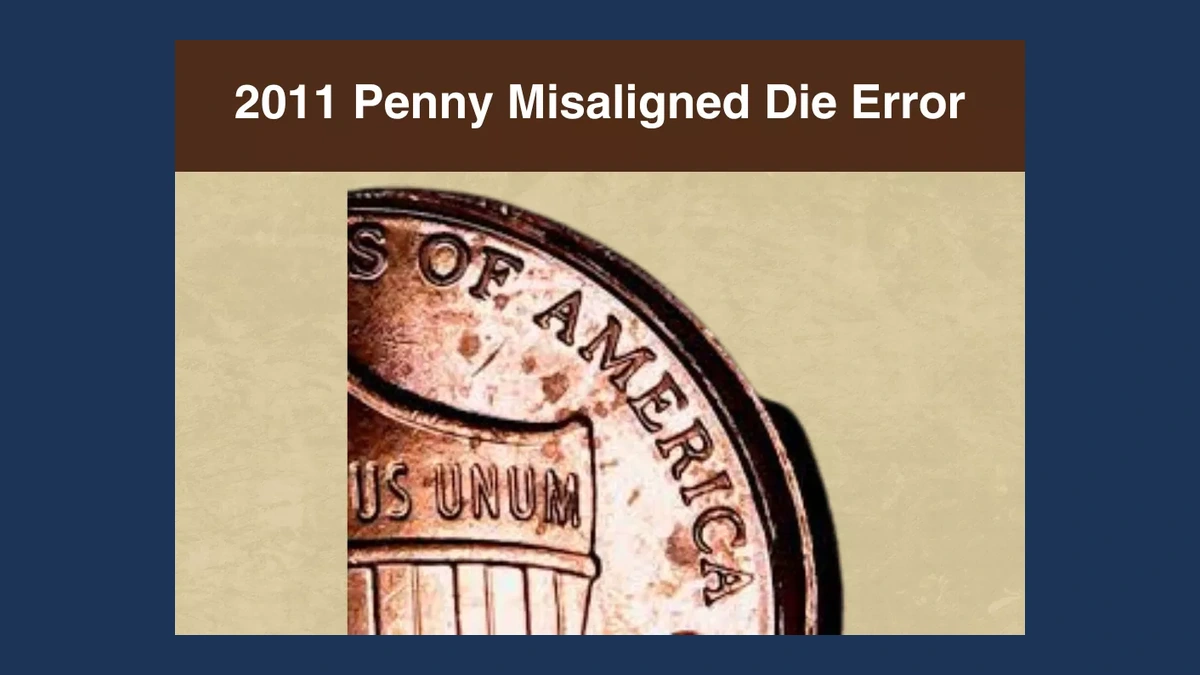
Lincoln is upright, but the shield does not sit upright after you flip the coin from top to bottom. The two faces have the wrong relative angle.
One stamping tool rotated from its intended position. The designs can remain centered even though their orientation is wrong.
A 2011-D rotation has been reported. This is different from a sideways shift that leaves one face with an uneven border.
The way you hold the coin matters. Twisting your fingers during the flip or rotating a photograph can create an apparent error on a normal cent.
Estimated Value
A noticeable, confirmed rotation carries an estimated value of $10–$200. Larger departures from normal alignment tend to be more interesting than tiny offsets.
The report does not establish a particular rotation angle for the 2011-D example. This range therefore compares modern cents across a range of visible rotations.
Condition still affects the price. A very small angle should not be valued as though the entire reverse were dramatically turned away from its intended position.
How to Identify
Try the test with a normal penny first. Hold Lincoln upright at the left and right edges, then turn the top edge downward without twisting sideways.
The shield should now be upright. Repeat with the candidate using the same grip, and photograph the two positions.
Check both faces under a 10× magnifier for seams or alterations. A loose coin should measure about 19.05 mm with calipers and weigh 2.50 g on a scale.
Inspect the plain edge all the way around. Normal size and weight are useful checks but do not measure the rotation itself.
Repeat the controlled top-to-bottom flip: a shield that consistently remains tilted shows the angle that needs confirmation.
6. 2011 Lincoln Shield Penny Clipped Planchet (Estimated Up to $250)
A piece of the coin’s outline appears to be missing, often leaving a curved gap. The metal disc was incomplete before the design was stamped.
Collectors call that disc a planchet. A clipping error occurs during preparation of the blank metal pieces, before normal coin production finishes.
A 2011-D clipped cent has been reported. Its missing boundary does not have to show bare gray zinc because the copper coating can cover it.
A weaker border opposite the gap can support the identification, but it is not always obvious. A later cut can imitate the missing shape.
Estimated Value
A 2021 Shield cent with a five-percent straight clip sold for $114 in September 2025. It was graded PCGS MS64 Red, meaning unworn with copper-red color and some marks.
For 2011 clips, an estimated $25–$250 allows for different gap sizes and conditions. The sale is a later-date comparison, not a price for the reported Denver coin.
A convincing original boundary matters more than simply having a large piece missing from the edge.
How to Identify
Weigh a loose candidate before concentrating on the color of its gap. Missing metal should reduce the normal 2.50 g weight, though a tiny clip may cause only a small change.
Calipers can compare the surviving round portion with the normal 19.05 mm diameter. Do not measure only across the missing section.
Use a 10× magnifier around both ends of the gap and the opposite border. Look for natural transitions, not saw teeth, filing, or freshly crushed metal.
The remaining edge is normally plain. Copper coating within the gap does not rule out a genuine clip.
Check for a naturally formed missing boundary and reduced weight, without tool marks explaining the missing metal.
7. 2011 Lincoln Shield Penny Unusual Color and Plating Claims (Estimated Up to $300)
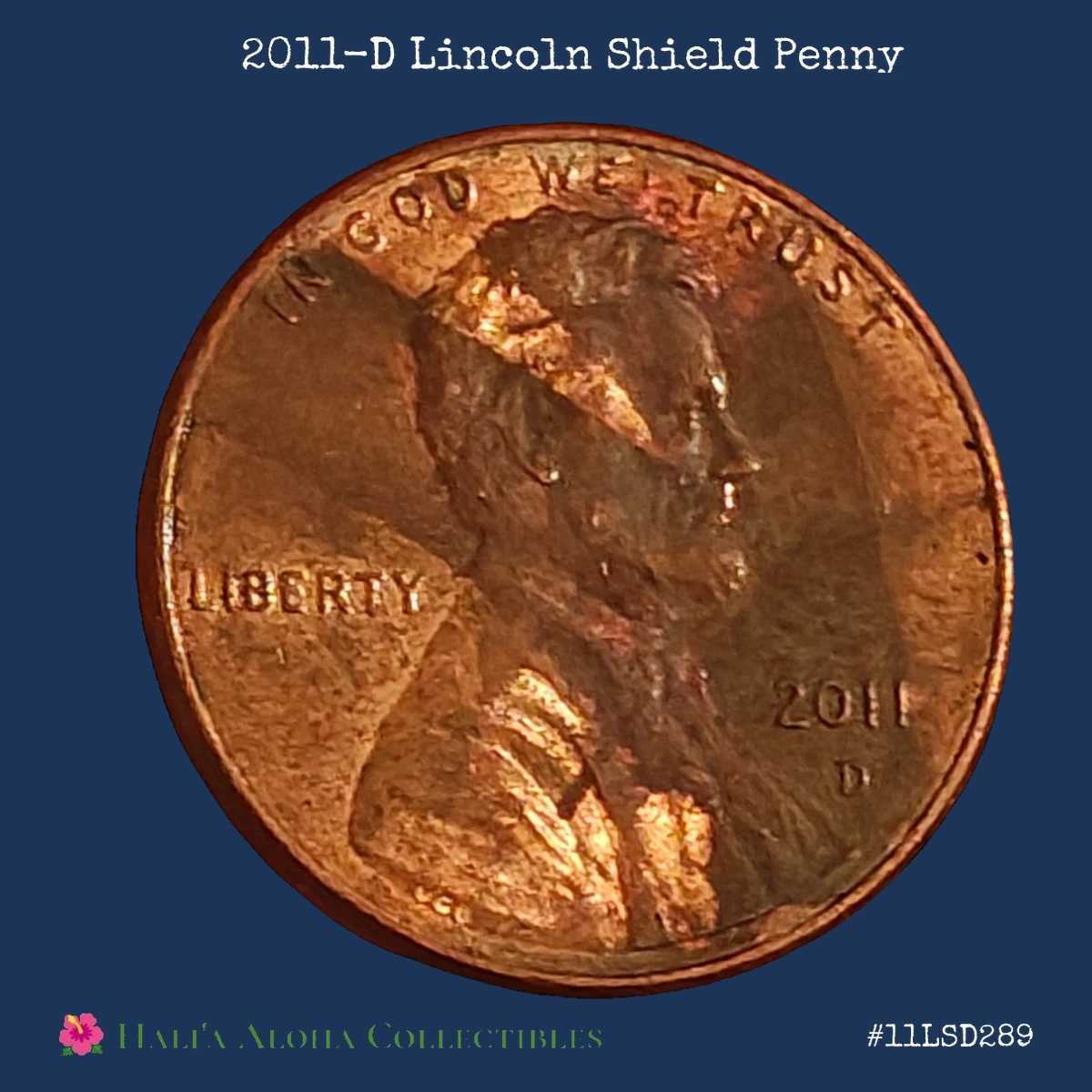
Some 2011 cents have been described as unusually dark, while a Denver listing calls a yellow coin a plating-mix error. Both descriptions begin with color.
The dark coin has been linked to annealing, a heating process used in metal preparation. Color alone does not show that this process caused the appearance.
The yellow coin also needs evidence about its surface metal. Lighting, later coatings, and chemical treatment can produce similar colors.
These are reported claims rather than established error identifications. A copper-plated zinc penny cannot be assigned a new composition simply because it looks different.
Estimated Value
If a mint-made coating or metal defect is established, use a provisional estimate of $10–$300. This compares modest surface and plating errors on modern cents.
The estimate is conditional on that identification. It is not a sale record for either reported 2011 coin.
A yellow or dark ordinary penny does not automatically fall in this range. Natural color changes and later treatments usually do not create the mint-error premium described here.
How to Identify
Photograph the coin beside a normal penny under neutral white light. Avoid colored lamps and phone filters, which can exaggerate a yellow or dark appearance.
A 10× magnifier can reveal added coating, corrosion, or heat damage. Inspect both faces and the normally plain edge without rubbing the surface.
Compare a loose coin with 2.50 g on a scale and 19.05 mm using calipers. Those measurements can expose large changes but cannot identify the thin coating’s chemistry.
A specialist may need nondestructive metal analysis and surface examination. Do not use acid, heating, or scratching to test the claim.
Keep a color-only find separate until surface examination establishes a specific mint-made defect.
8. 2011 Lincoln Shield Penny Struck Through Grease or Other Material (Estimated Up to $300)
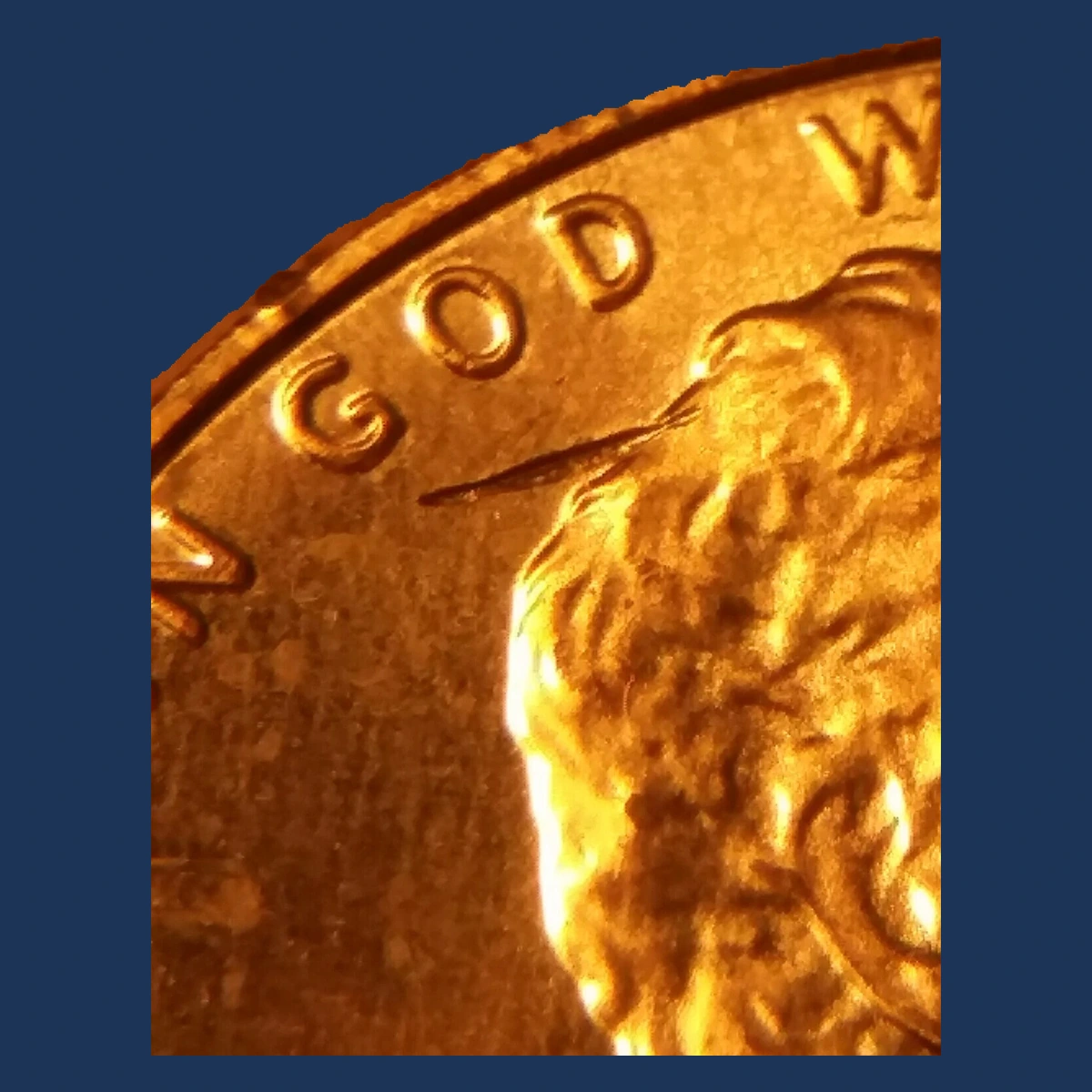
Weak design can leave the coin looking partly blank without the rough surface expected from grinding. A reported Philadelphia 2011 cent shows that useful distinction.
Error specialist Mike Diamond identified lubricant between the coin and the stamping tools. He explained that the smooth material preserved faint streaks already present on the metal disc.
Those streaks were not necessarily fresh scratches. The obstruction prevented the design from fully replacing the earlier surface.
Other trapped material can leave a more distinct depression. Its appearance must be assessed separately rather than assuming every recessed mark came from grease.
Estimated Value
An estimated $5–$300 covers small blocked details through larger, clearly confirmed struck-through areas. A 2021-D grease error graded PCGS MS64 Red sold for $84 in September 2025.
That different-year sale offers a recent comparison. It is not a price assigned to the Philadelphia coin discussed in 2012.
The amount depends on visibility, condition, and the size of the affected area. A worn or ground surface should not receive the error premium.
How to Identify
Examine the weak area before assuming its fine lines are damage. In the 2011 discussion, the surviving lines belonged to the original metal disc.
Use a 10× magnifier to compare that smooth area with adjacent struck detail. Grinding usually disrupts the surface rather than simply leaving old streaks beneath weak design.
Check both faces for blocked areas, since the effect need not be confined to one side. Corrosion and worn high points can suggest different explanations.
A scale and calipers should be compared with 2.50 g and 19.05 mm for a loose cent. Inspect the plain edge for grinding.
Look for smooth weak design with preserved original surface lines, rather than fresh cuts through the coin.
9. 2011 Lincoln Shield Penny Copper-Plating Separation (Estimated Up to $400)
The copper surface on the back may rise in a bubble or lift at an edge. Gray zinc can become visible where the coating separates.
A reported 2011-D example has been called a reverse lamination. On this coin, the feature concerns the thin copper coating rather than layers within solid bronze.
The original coating may not have bonded properly to the zinc underneath. Corrosion can also lift copper after the coin leaves the Mint.
That distinction affects both identification and value. A blistered penny needs its surface examined before the raised area is called a production error.
Estimated Value
An estimated $10–$400 applies when the separation is confirmed as a mint-made plating defect. Small areas generally fit the lower end; larger, well-preserved examples can attract more.
The range is based on comparable modern plated cents, not a recorded transaction for the reported 2011-D coin. The size of a bubble alone cannot set the price.
Corrosion, added chemicals, and later scraping may produce extensive damage without creating a collectible mint error.
How to Identify
Leave any lifted coating attached. The edge of that thin layer can help an examiner determine what happened, so prying it off destroys useful evidence.
On the shield side, inspect the bubble or flap with a 10× magnifier. Check for corrosion around it and for scraped metal that would explain the separation.
View the plain edge and the front as well. A chemical treatment may affect more than the obvious patch.
Use calipers and a scale on a loose coin, comparing 19.05 mm and 2.50 g. A small amount of missing copper may make little measurable difference.
Locate the thin copper layer separating from zinc, then distinguish poor original bonding from corrosion or later damage.
10. 2011 Lincoln Shield Penny Off-Center Strike (Estimated Up to $500)
The design runs off one side while an unstruck crescent remains on the other. Both faces show the same physical displacement.
This happens when the metal disc reaches the stamping tools in the wrong position. Part of it remains outside the area receiving the design.
For a 2011 example, look for the date at the lower right of Lincoln’s portrait. Keeping the full date makes the error easier to identify by year.
The blank crescent can still be copper-colored. An unstruck area does not automatically expose the zinc beneath the coating.
Estimated Value
Date-visible 2011 off-center cents have an estimated range of $15–$500. The extent of the shift and the condition determine where an example fits.
For a recent comparison, a 2006 cent struck four percent off-center sold for $39 in March 2025. PCGS graded that different-year coin MS64 Red.
A dramatic displacement can bring more, especially with an intact date. Cutting metal away or grinding off the design does not create an equivalent error.
How to Identify
Find the date before estimating how far the strike moved. A visible 2011 confirms the year even when much of the remaining design is absent.
With a 10× magnifier, inspect the boundary between the struck design and the blank crescent. It should be natural, without grinding or freshly cut metal.
Turn the coin over and check that the displacement agrees on both sides. A centered back points away from a normal off-center strike.
Record dimensions with calipers against a normal 19.05 mm cent and weight with a scale against 2.50 g. The unusual strike can distort the outline; examine the plain edge too.
Find a copper-coated blank crescent opposite missing design on both faces, with the date still readable.
11. 2011 Lincoln Shield Penny Die Cap and Capped-Die Strike (Estimated Up to $1,000)
A penny can curl into a shallow cup after sticking to a stamping tool. Further strikes can stretch its design and raise a surrounding wall.
That stuck coin is the die cap. A different coin struck beneath it may instead show weak or distorted detail where the cap blocked the normal design.
These are related but different objects. A 2011-D cap-related error has been reported, so the coin’s actual shape must determine which description fits.
A bowl-shaped penny is not automatically a cap. Later bending can create a curved outline without the stretching caused by repeated mint strikes.
Estimated Value
A 2000 die cap graded PCGS MS64 Red sold for $312 in June 2025. A 1995 late capped-die strike graded PCGS MS65 Red brought $180 that March.
For 2011, estimate $50–$1,000, from lesser cap strikes through dramatic, authenticated caps. Those sales are different-year comparisons, with different back designs.
Depth, distortion, and condition matter. A genuine deep cap should not be priced like a lightly blurred strike.
How to Identify
Look from the side first. A cap may have an upturned wall and stretched design, while a coin struck beneath it need not be cup-shaped.
Use a 10× magnifier to look for stretched letters and natural metal flow. Sharp folds, tool marks, or crushed designs suggest later bending.
Check the plain edge without trying to flatten the coin. Record its width and height gently with calipers; a normal flat cent measures 19.05 mm across.
A scale provides a comparison with the normal 2.50 g weight. If sealed in a grading holder, use the recorded measurements instead of removing it.
Distinguish a stretched, upturned cap from a flatter coin with a blocked design, then match the appropriate confirmed error.
Conclusion
Estimated values of $2–$1,000 reflect very different finds: small raised marks, missing metal, shifted designs, and cap-related strikes. The most useful first question is what physically changed.
Check a rotated coin with a careful flip, and inspect missing or lifted metal without touching it. Color alone needs stronger evidence.
Clear photographs, basic measurements, and the correct comparison coin help you decide which 2011 pennies deserve professional examination.