1910 Penny Error List with Pictures

A 1910 penny with Lincoln on one side and no back design sold for $4,312.50 in April 2006. It has been described as both a test striking and an unusual mint error.
This 1910 Lincoln penny error list also includes clipped edges, repeated mintmarks, and two-strike coins. Estimated whole-coin values run from $3 to $8,000.
Use the visible checks below to separate small tool features from mistakes that changed the entire coin.
1. 1910 Lincoln Penny Struck Through Material and Missing L
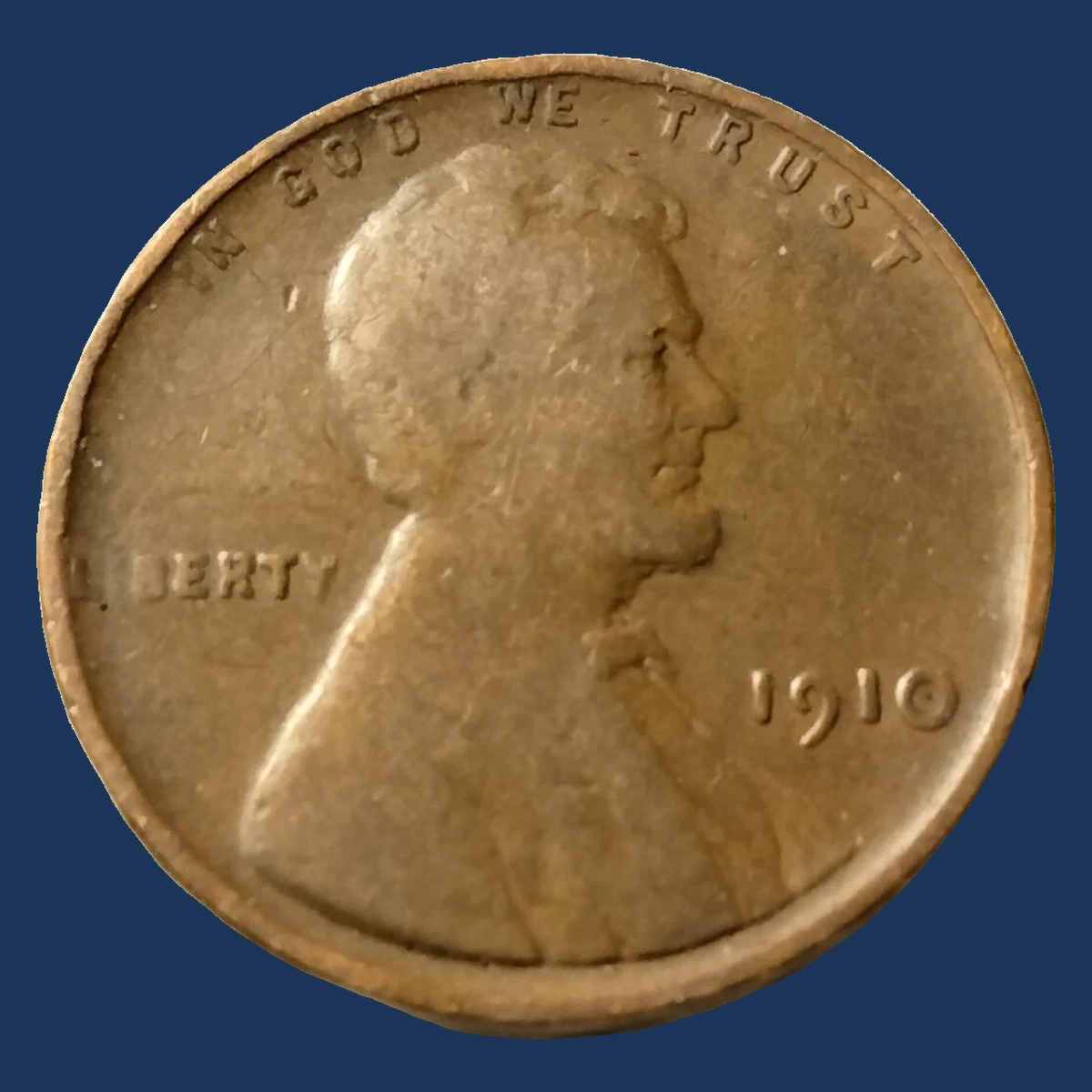
A letter can be weak or absent even while nearby details remain clear. Packed debris in a stamping tool can prevent that part of the design from forming.
1910 reports include a missing L in LIBERTY and other shallow impressions. A separate seller describes a San Francisco coin with a cloth impression.
Cloth would need a recognizable woven texture, rather than simply a soft patch. Look for crossing threads in that texture.
These are interruptions during striking. A mintmark, missing letter, or dent alone cannot tell you which material blocked the tool, and ordinary wear can mimic weak detail.
Estimated Value
Estimate $3–$75 for modest blocked-letter effects and roughly $20–$300 for clearer original struck-through impressions on ordinary 1910 cents. The mint and condition remain part of the whole-coin comparison.
A 1933-D struck-through cent sold for $30 in October 2022. That later example shows that an error label does not automatically imply a large price.
The seller’s cloth description needs visible woven detail before using a cloth-specific comparison. A worn or scraped L should not receive a blocked-tool premium.
How to Identify
If material remains attached, leave it in place and photograph the surrounding design. Removing it could destroy evidence of the obstruction.
Compare the missing L with nearby high points before using a 10× magnifier. Similar wear across Lincoln and the letters can explain a weak L without blocked tool detail.
A scale and calipers check a safely handled cent against 3.11 grams and 19.05 millimeters. Inspect the plain edge for damage connected to a suspected depression.
For the cloth report, look for crossing threads in a repeated woven pattern. A few parallel scratches or a generally blurred surface do not establish the same material.
2. 1910 Lincoln Penny Lamination
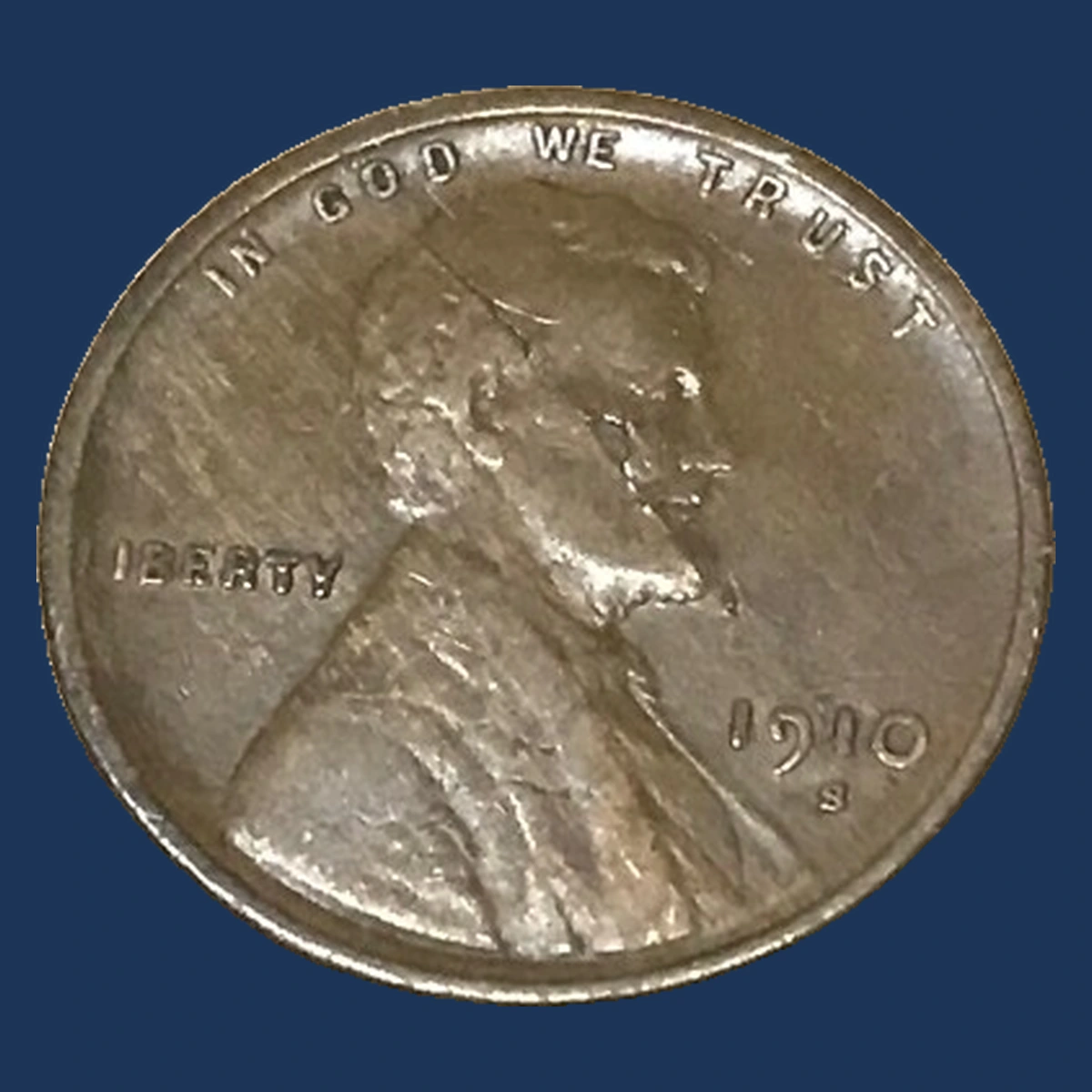
A shallow flap can lift from the penny’s surface, or a piece can leave a rough opening after breaking away. Both can result from a weakness inside the original metal.
This separation is called lamination. It is reported on 1910 cents, including a San Francisco example with its own distinct surface flaw.
The coin was made from solid copper alloy. It is not a modern copper-plated zinc cent losing its thin outer coating.
A local layer flaw also differs from an entire disc splitting into two pieces. The thickness and extent of the separation determine which description fits.
Estimated Value
For ordinary 1910 laminations, estimate $10–$400, with the affected area, mint, and preservation influencing the comparison. A stable, clearly visible layer boundary is more informative than a dark surface mark.
A 1914 clamshell lamination on a worn cent sold for $45 in September 2024. That different-year example supplies context for separating metal, not a price for the reported 1910-S penny.
A loose flap can also deter buyers who prefer undisturbed surfaces. The error does not make overall condition irrelevant.
How to Identify
Keep measuring tools away from a loose layer. If the coin is safe to handle, a scale compares its remaining weight with 3.11 grams, while calipers check an intact span against 19.05 millimeters.
Photograph the layer’s edge under low side lighting at 10×. An attached flap can leave nearly normal weight, so a small difference does not settle the identification.
Follow the separation into the surrounding surface and, if it reaches there, the plain edge. A gouge cuts through completed design; a stain alone has no opening beneath it.
Do not lift the flap to test its attachment. The existing layer boundary is the feature to preserve and compare.
3. 1910 Lincoln Penny Clipped Planchet
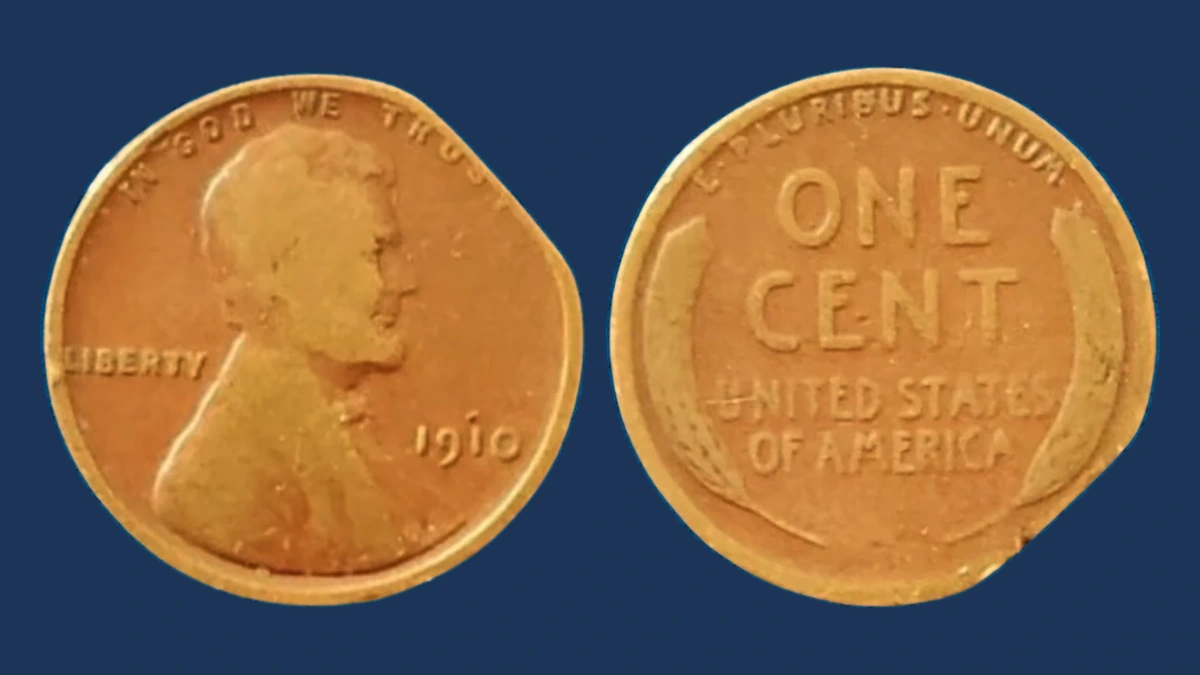
The missing section on the recorded 1910-S penny lies near one o’clock. It was absent from the metal disc before the coin received its design.
The prepared disc is called a planchet, and the error is a clipped planchet. It differs from a dent that pushes metal inward on an already finished coin.
NGC graded the auction example MS63 Red and Brown, meaning unworn with noticeable marks and some remaining copper-red color. Its gap lies at one o’clock, but that position does not tell you its shape.
Examine the missing section itself to distinguish a curve from a straight edge.
Estimated Value
The 1910-S NGC MS63 Red and Brown example sold for $134 on March 31, 2025. Its missing section was recorded near one o’clock.
Estimate $25–$500 for genuine identifiable clips in suitable circulated through unworn condition. Amount of missing metal, rim formation, surface quality, and the San Francisco mint all affect the comparison.
The recorded sale is a whole-coin price, not a charge per percentage of the missing disc. A later notch cut into a finished penny needs a different assessment.
How to Identify
Hold the date upright and locate the one-o’clock gap on the auction example. Photograph it from both faces and the edge before choosing a clip shape.
Use calipers across intact parts of the circle against 19.05 millimeters. A scale compares the remaining metal with the normal 3.11 grams.
At 10×, inspect how the stamped rim approaches each end of the gap. A later cut can cross finished lettering or leave file marks unlike the original boundary.
Examine the surviving plain edge and possible weakness opposite the missing section. That opposite weakness can support the identification, but the actual gap and its neighboring strike remain the main comparison.
4. 1910 Lincoln Penny Clashed Dies
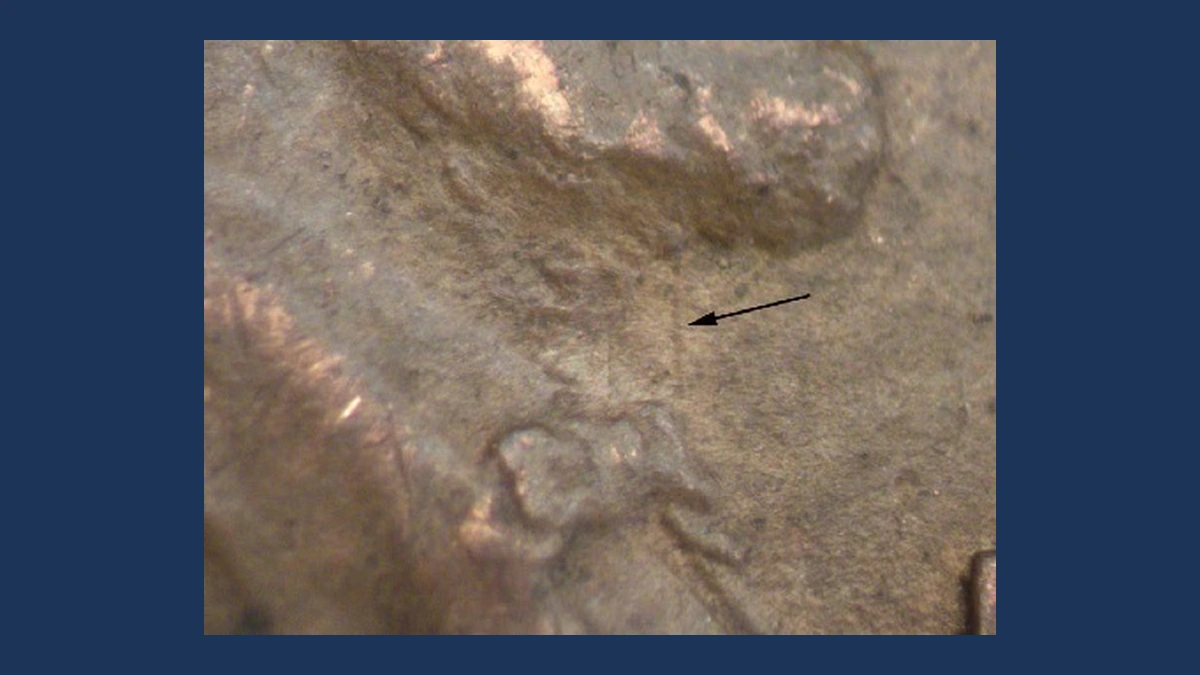
A faint outline beside Lincoln can be part of the design normally found on the other face. The steel stamping tools, called dies, can transfer such shapes when they hit without a blank between them.
Later pennies copy the damaged tool’s extra marks. The event is called a die clash.
A Philadelphia doubled-back variety has clash traces near the throat. A San Francisco mintmark variety shows early-stage traces around the throat and lower back of the head.
These are separate pairings. The repeated mintmark or doubled back helps identify each coin, but not every nearby line is a clash.
Estimated Value
For identifiable clashes, estimate $5–$500 across ordinary worn through better-preserved 1910 cents. Clear recognizable shapes and the coin’s mint matter more than the number of faint lines.
The Philadelphia clash shares its coin with a doubled back, while the San Francisco marks accompany a particular repunched S. Those combinations should receive one price rather than separate maximum values added together.
This range is an estimate, not an auction result for each stage. A scratch or crack requires another explanation.
How to Identify
Choose the mint first, then photograph both faces in their correct relationship. The Philadelphia throat trace and San Francisco neck traces should not be assembled into one pattern.
Under a 10× magnifier, follow the odd shape through curves that correspond to the opposite design. A short straight line alone may lack enough information.
Inspect the plain edge and compare a loose coin with 3.11 grams and 19.05 millimeters using a scale and calipers. These checks do not identify a particular clash.
Now compare the accompanying doubled back or repeated S with its own reference. Both features must agree with the same documented pairing.
5. 1910 Lincoln Penny Rotated Dies
The back should appear upright when an upright Lincoln cent is flipped from top to bottom. A turned stamping tool can leave it at an unexpected angle instead.
The Lincoln Cent Resource list records a roughly ninety-degree 1910 rotation. That large turn makes the back appear sideways.
A separate auction listing identifies a rotated Philadelphia penny graded ANACS G4, meaning heavily worn. Its description does not supply the same ninety-degree measurement.
The two records therefore need separate comparisons. Two independently rotated photographs cannot prove how the designs are actually aligned on a single coin.
Estimated Value
For substantial, confirmed rotations on ordinary 1910 cents, estimate $25–$600. Angle, condition, and how clearly the turn can be demonstrated affect the whole-coin price.
The heavily worn ANACS G4 example belongs in comparisons with similar wear. It should not be assigned the ninety-degree report’s angle simply because both involve the same year.
These are estimates rather than sales for those two records. Small deviations usually offer less interest than a clear sideways back, while later alteration can invalidate the comparison.
How to Identify
Hold the coin in a transparent holder that prevents sideways movement. Set Lincoln upright before turning the holder from top to bottom around a horizontal axis.
Film the flip in one continuous view and compare the back with an upright guide line. Repeat the motion to check that the same angle returns.
A scale and calipers compare an accessible coin with 3.11 grams and 19.05 millimeters; at 10×, inspect the plain edge for a seam joining altered halves. These checks screen the coin rather than measure its rotation.
Use a protractor on the controlled photograph. Record the actual direction and angle instead of assigning every 1910 rotation the listed ninety degrees.
6. 1910 Lincoln Penny Cracks, Letter-Gap Chips, and Rim Breaks
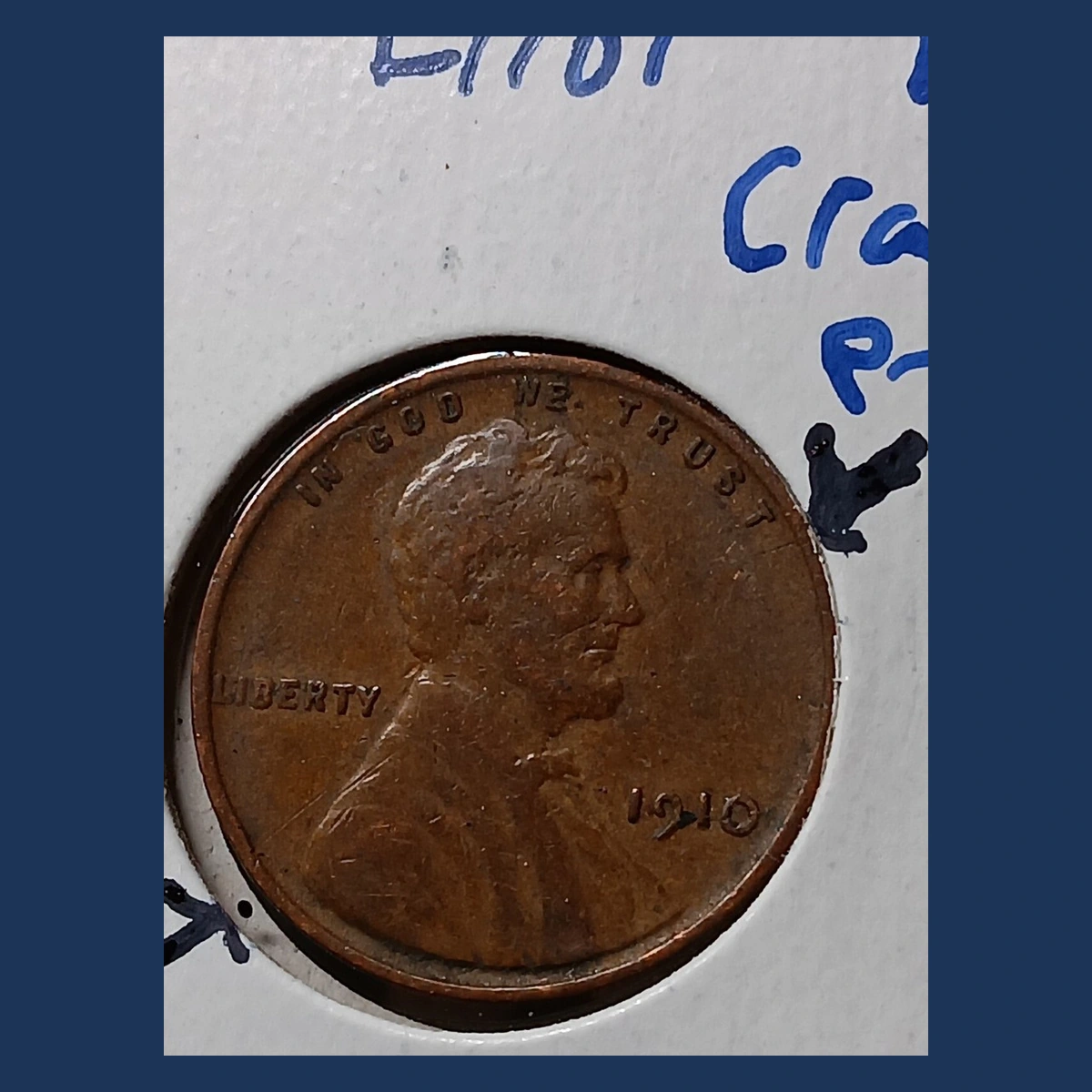
Extra metal can fill gaps in LIBERTY or make a raised line run from Lincoln’s head toward the rim. Small chips and cracks in the stamping tool create these features.
One Philadelphia back crack runs from the lower-left wheat stalk toward eight o’clock. It occurs with a doubled-back variety.
Larger failures can leave a solid rim patch called a cud. If the broken piece stays in the tool, some design can survive inside a retained break.
Philadelphia has separate front, back, and head-crack patterns. A small San Francisco back-rim break near four-thirty instead belongs to a particular repeated-S variety.
Estimated Value
Estimate $3–$75 for small chips and raised cracks, with roughly $40–$750 for more substantial matched rim breaks. The coin’s mint, preservation, and the visible pattern affect its whole value.
A worn 1934 cent with a major tool break sold for $41 in August 2021. That later comparison shows why a damaged-tool label alone does not promise a large price.
Paired doubling or a repunched S should be considered with the break on the same penny, not priced as another coin.
How to Identify
Inspect the plain edge first when a large rim patch is present. Added metal, solder, or a folded border can imitate extra material from a broken tool.
A scale and calipers check accessible measurements against 3.11 grams and 19.05 millimeters. Then use a 10× magnifier to follow the patch’s boundary into normal design.
If design remains inside a shifted section, compare a retained break rather than a completely missing tool piece.
For smaller features, trace the raised line or inspect the gaps in LIBERTY.
The lower-left wheat crack belongs to its own Philadelphia pairing. Keep it separate from the San Francisco four-thirty rim break and from the two head-crack patterns.
7. 1910 Lincoln Penny Doubled Back Design and Reported Front Doubling
Thickened letters and wheat details can come from a doubled image already present in the stamping tool. A normal strike copies that repeated design onto the penny.
One Philadelphia back variety thickens E PLURIBUS UNUM and the wheat. Another combines features from two generations of back design, affecting parts of UNITED STATES OF AMERICA.
That second variety is not a date punched over 1909, and it does not create VDB initials. Those initials are normally absent from 1910 cents.
An older front-doubling claim requires its own identified example. The known back patterns cannot establish an unrelated doubled portrait or date.
Estimated Value
For identified Philadelphia doubled backs, estimate $15–$1,000, with the exact pattern and preservation determining the comparison. A confirmed minor front variety can be considered around $10–$500, without assigning a price to an unsupported label.
A minor 1936 doubled-die cent sold for $70 in June 2024. It provides context for small repeated-tool features, not a direct sale of either 1910 back.
The paired crack or clash helps match the coin but does not earn a second full valuation.
How to Identify
Place a normal Philadelphia back beside the coin under the same light. At 10×, begin with the motto and wheat for the thickened pattern, or the larger lettering for the mixed-design variety.
Use the separate 1910 photographs rather than treating similar catalog numbers as identical. The paired front clash or back crack should agree with that chosen reference.
A scale and calipers compare a loose normal cent with 3.11 grams and 19.05 millimeters, while its plain edge should be checked for alteration.
For a claimed front example, turn to actual front-design evidence. A back variety, missing VDB, or flat shelf beside a digit cannot supply that identification.
8. 1910 Lincoln Penny Repunched San Francisco Mintmark
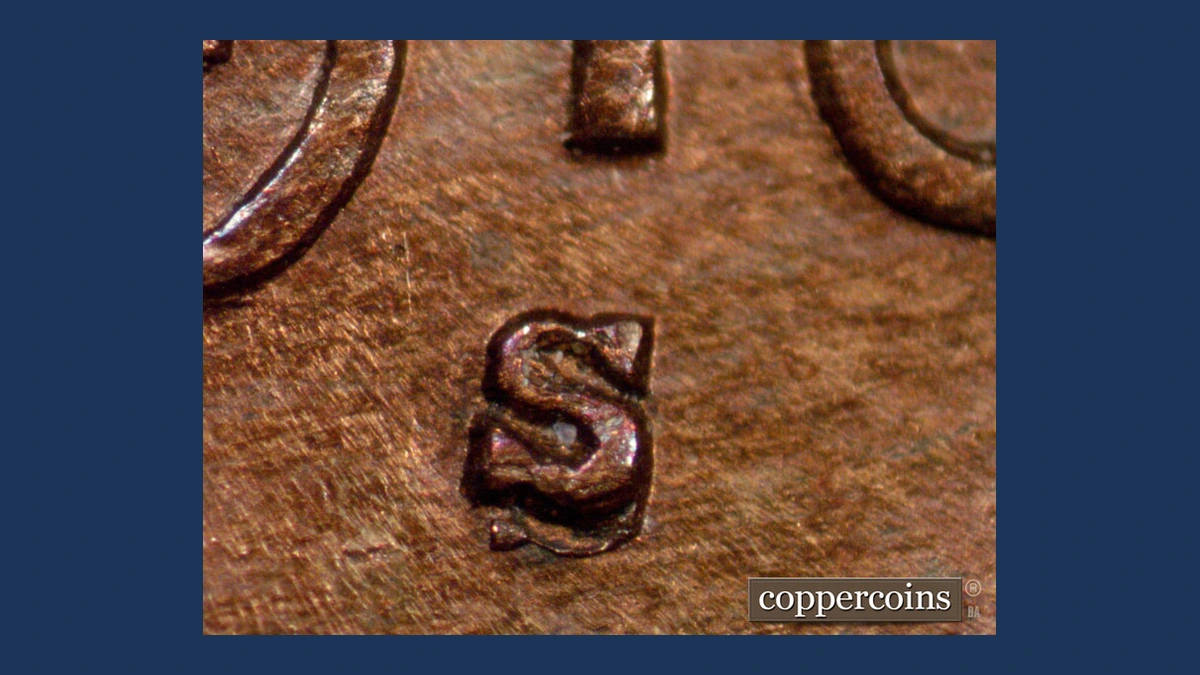
An extra S curve shows where the mintmark punch first entered the tool. Another blow in a different position left part of that earlier impression visible.
On FS-501 the earlier S lies lower; on FS-502 it lies higher. Other cataloged examples show different tilted or sideways overlaps.
One variety involves two upside-down S impressions, with the later impression shifted to the right. It needs its own shape comparison rather than the ordinary upward or downward pattern.
Tool marks and cracks can help separate these varieties. They change as the tool ages, so later marks may be absent on earlier coins.
Estimated Value
Estimate $25–$1,500 for clearly identified 1910-S repunched mintmarks across worn through strongly preserved examples. The San Francisco cent’s condition and the visibility of the earlier S both affect the whole price.
A 1946-S coin with an earlier D beneath its S sold for $350 in January 2023. That later, unworn punch-error comparison involves a different kind of overlap and does not set a 1910-S price.
A flat shelf or misshapen S from damage should not inherit a named repunch’s range.
How to Identify
Photograph the S with 1910 upright. The lower curve on FS-501 and upper curve on FS-502 require opposite comparisons, so do not rotate one reference picture to imitate the other.
At 10×, trace the ends and curves of each S on the upside-down variety. Its two impressions differ from a merely tilted ordinary S.
Inspect around the letter for tooling or added metal.
Use a scale and calipers to check for 3.11 grams and 19.05 millimeters, then inspect the plain edge. These figures do not identify the variety.
Match the earlier letter first, then compare nearby tool marks from the same documented stage.
9. 1910 Lincoln Penny Off-Center Strike
A crescent of untouched metal sits beside the design when the blank enters the press off-center. Some intended lettering and other detail fall beyond the available disc.
The documented Philadelphia 1910 example is shifted 15% toward one-thirty. Much of WE TRUST and part of the right wheat are missing.
PCGS graded it AU58, meaning only very slight circulation wear. That describes the particular coin, not every 1910 penny with an uneven border.
The unused metal remains part of the blank. A later cut or a missing piece from blank preparation changes the outline in a different way.
Estimated Value
For genuine, readable-date 1910 off-center cents, estimate $50–$1,500, with mint, preservation, and displacement influencing the comparison. The Philadelphia example combines a 15% shift with very slight wear, reflected in its AU58 grade.
A Denver 1918 cent shifted 45% sold for $336 in September 2019. That different-year result provides a visible striking-error comparison, with a larger shift and a different mint.
A dramatic blank crescent does not guarantee a higher price if the date is lost or the surfaces are damaged.
How to Identify
Check the date and mint before judging the crescent. For the recorded Philadelphia example, align the photographs with the date upright and the shift toward one-thirty.
A scale compares the intact metal with 3.11 grams. Calipers record the altered outline relative to 19.05 millimeters rather than requiring a perfect circle.
Inspect the plain edge and unstruck area at 10× for filing or grinding.
Then compare the missing WE TRUST and right-wheat details on opposite faces. They should fit the same displaced blank.
Another coin may shift in a different direction, so it needs its own boundary comparison. A single thick letter or an uneven rim is not enough.
10. 1910 Lincoln Penny Double Strike
The first date can remain visible beneath a second impression when a penny stays in the press for another blow. The coin may move before that later strike.
One Philadelphia 1910 example received its second strike 15% off-center toward seven-thirty. Its first date is faint but complete, and PCGS graded it AU58 for very slight wear.
A different 15% coin is more worn and graded XF40. A third example has a 25% second strike and a VF35 grade.
Those grades and shifts belong to separate pennies. Each needs both design positions explained rather than a single repeated number.
Estimated Value
The 15% second-strike AU58 penny sold for $805 in May 2007. A separate XF40 example brought $720 in March 2024, while the VF35 coin with a 25% second strike sold for $990 in March 2021.
Use an estimated $300–$2,000 across identifiable 1910 double strikes with differing wear and overlap. These whole-coin comparisons show that the grade alone does not set the price.
Clear surviving earlier design and original surfaces help make the two blows understandable and collectible.
How to Identify
Locate the faint first date on the AU58 example, then identify the later design shifted toward seven-thirty. Follow corresponding portrait and lettering fragments at 10× to connect each image with its own strike.
Check the plain edge for a seam joining separate pieces before counting extra impressions. Use a scale and calipers on an accessible coin against 3.11 grams and 19.05 millimeters, allowing for strike distortion.
For the 25% example, use its own photographs rather than transferring the AU58 coin’s direction. Both faces must support the proposed movement, while a flat shelf confined to one digit cannot establish another complete strike.
11. 1910 Lincoln Penny One-Sided Strike or Die Trial
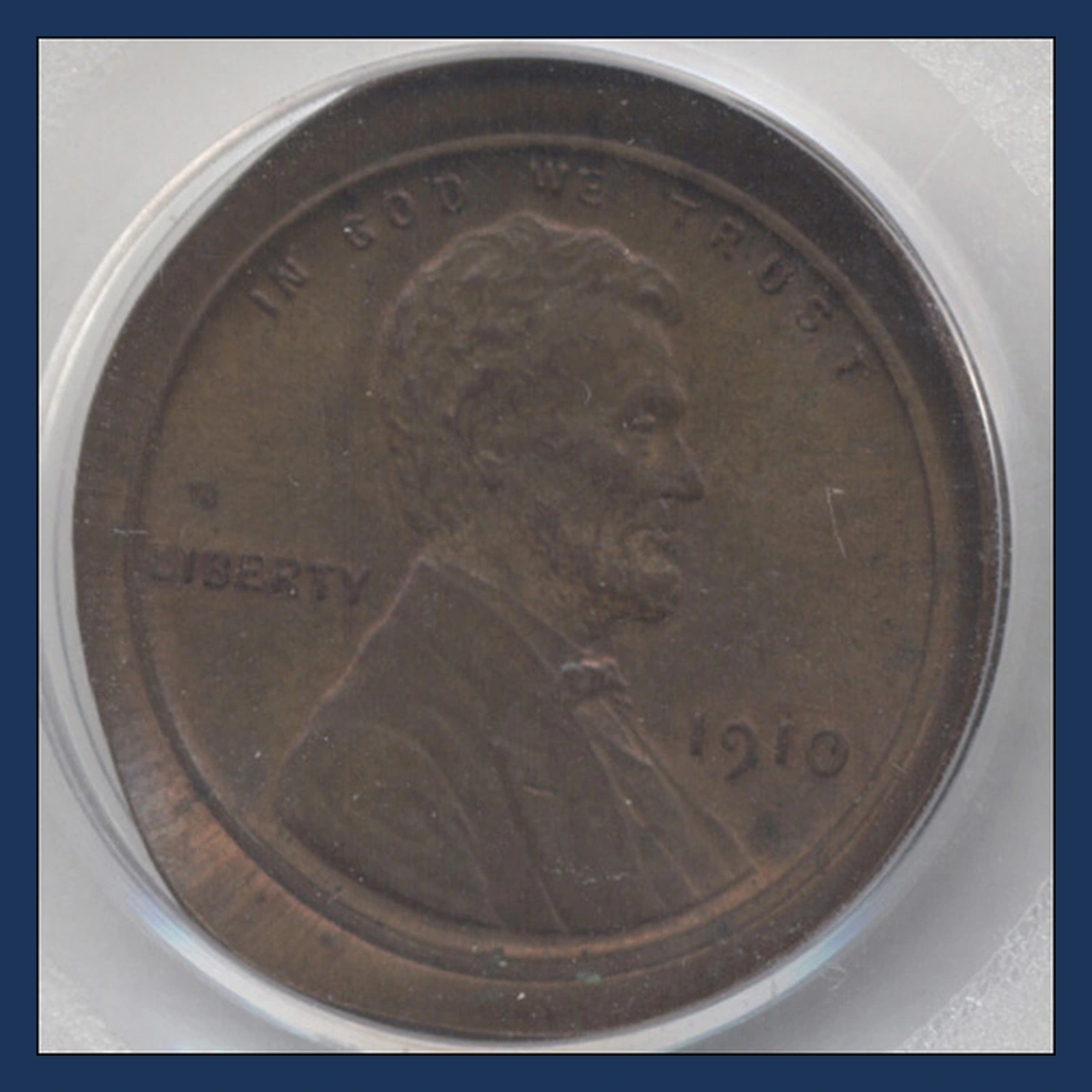
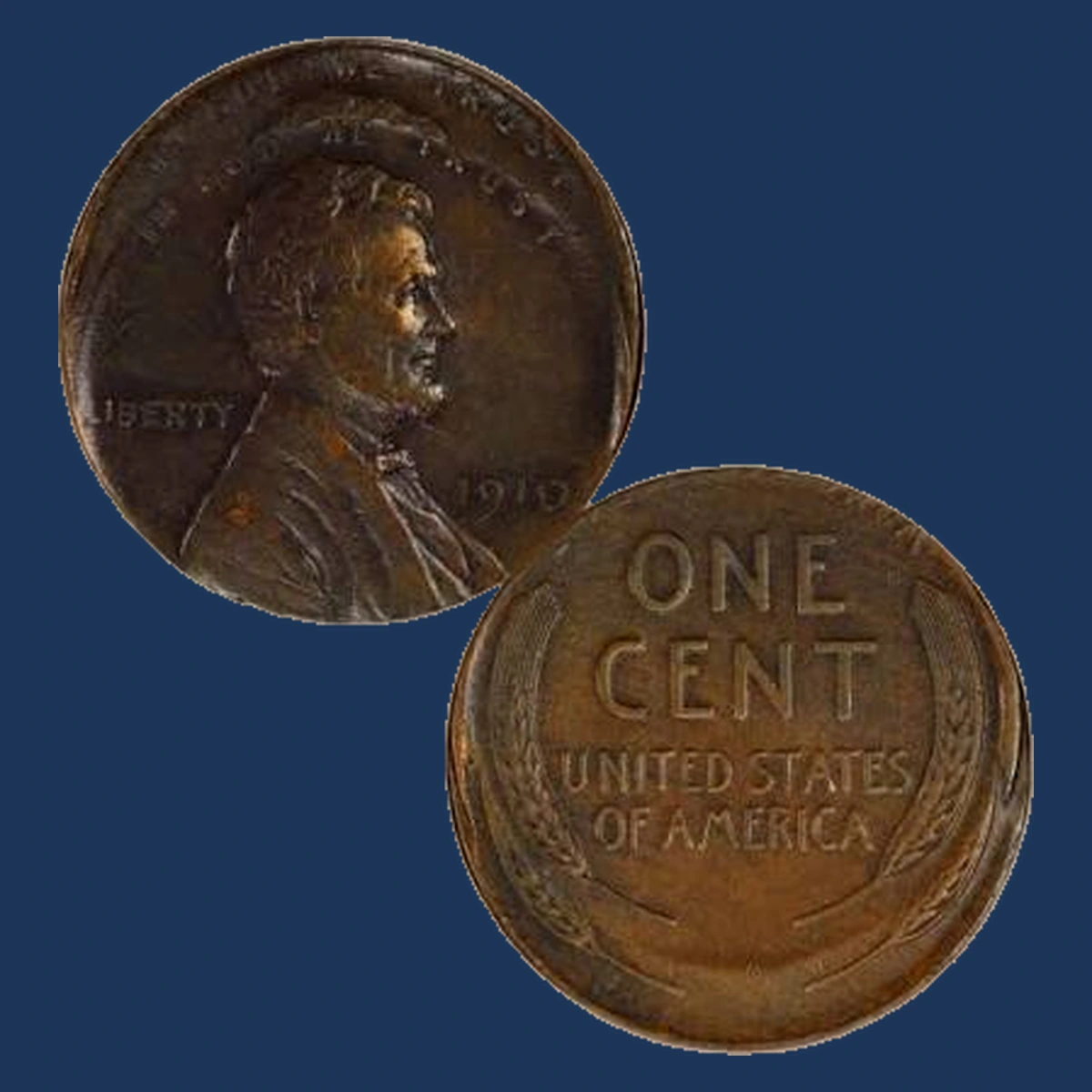
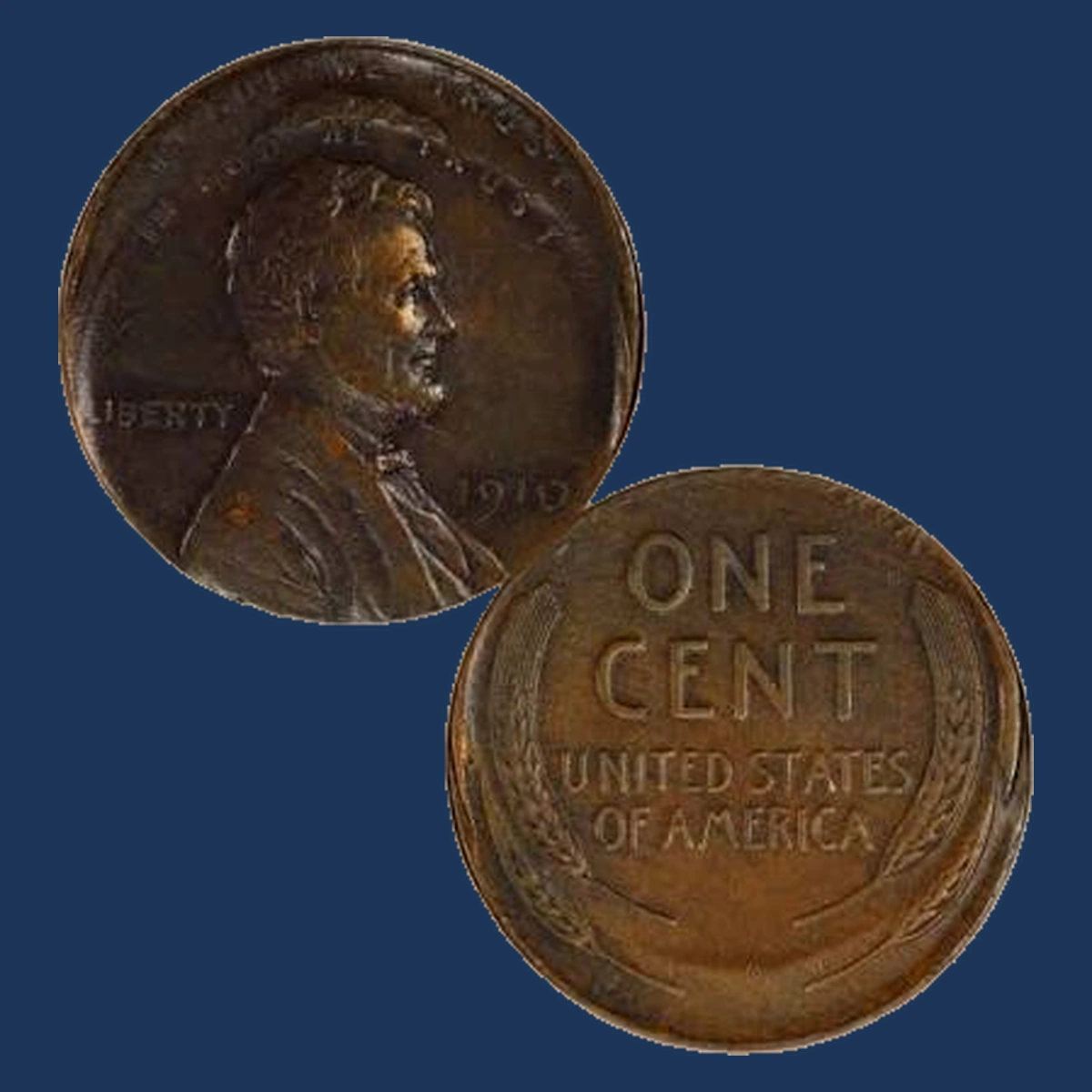
Lincoln appears clearly on one side, while the other side has no Wheat design. An irregular ring of copper extends beyond the struck front.
The recorded piece is graded PCGS AU58, indicating very slight wear. Heritage described it as a one-sided test strike, and USPatterns classifies it as a die trial.
Error specialist Mike Diamond proposed a different explanation: two blanks stacked during a strike outside the retaining ring. The upper blank could receive only the front design.
These explanations concern the same object. The blank back alone does not establish why the Mint made the piece.
Estimated Value
$4,312.50 was paid at Heritage in April 2006 for the PCGS AU58 one-sided piece. Use an estimated $3,000–$8,000 for a comparable professionally identified example, considering its condition and accepted classification.
USPatterns lists it as JA1910-1/P3528, rather than treating the competing explanations as two separate coins. That identity matters more than a generic blank-back label.
A normal cent with its back ground smooth does not qualify. Its removed metal and altered surface would need a different assessment.
How to Identify
Keep a certified example sealed. Photograph the blank back and expanded border, then use a 10× magnifier to check for grinding lines left by removal of the Wheat design.
Use a scale and calipers to record the actual object. The normal cent’s 3.11 grams and 19.05 millimeters are comparison standards, not measured figures for this unusual piece.
Inspect the edge for a join and examine the border’s outward metal flow.
The description of heavier metal supplies no specific measured weight, so rely on the actual coin’s documented measurements. An empty back alone cannot establish its origin.
Compare the blank back and expanded border with photographs of the documented PCGS example.
Conclusion
A missing L, an extra S curve, and a blank back require very different checks. Compare the affected area with the rest of the penny before deciding which explanation fits.
Estimated values range from $3 to $8,000, including the unusual one-sided piece. When a crack, clash, and repeated mintmark share one coin, choose a price for that complete example rather than adding the highest estimate from each section.