1808 Cent Error List with Pictures

An unworn 1808 cent with a slightly misplaced strike sold for $12,000 in August 2021. Its preservation helped explain the price; the small shift alone did not.
This 1808 penny error list covers missing border detail, raised breaks, faint transferred designs, and backward impressions. Estimated whole-coin values range from $75–$20,000.
One major off-center example even lacks a visible date. Follow the features below to understand how these unusual cents are identified.
1. 1808 Classic Head Cent Reported Peeling Metal
Peeling metal begins within the blank, the copper disc used to make a coin. A weak layer can lift or fall away, leaving a shallow opening beneath it.
Collectors call that separation lamination. It differs from ordinary wear, which gradually smooths the highest parts of the design.
The 1808 year guide suggests this explanation for a heavily worn error coin. It does not identify a particular flap or establish a confirmed example.
The report therefore describes a possibility to examine, not proof that the coin separated into two complete thinner discs.
Estimated Value
An estimated $75–$500 suits a worn 1808 cent with a small confirmed peeling flaw. That range should not be attached automatically to the guide’s unnamed example.
For context, a corroded 1812 Classic Head cent graded ANACS F15 Details received a $115–$140 catalog estimate. It had a small surface flaw, not a proven peeling layer.
This different-year comparison concerns a modest defect on an already collectible early cent. Sound copper and a clearly visible layer can improve its appeal.
How to Identify
Leave any loose sheet attached. Start with a close photograph of the point where it still joins the surface, then move the light sideways.
A 10× magnifier should show separation within the copper. Pits, scraping, and dirt around a rough patch do not by themselves establish a peeling layer.
Check that the back reads ONE CENT. The smaller 1808 HALF CENT is a different design and cannot supply a matching photograph of this error.
A safely handled loose large cent can be weighed on a scale against about 10.89 grams. Calipers can compare intact spans with about 28–28.5 millimeters, and an edge photograph should show its plain surface.
Ask a specialist to examine the layer’s attachment rather than judging the claim from a distant picture of a worn coin.
2. 1808 Classic Head Cent Clash Marks on Both Faces
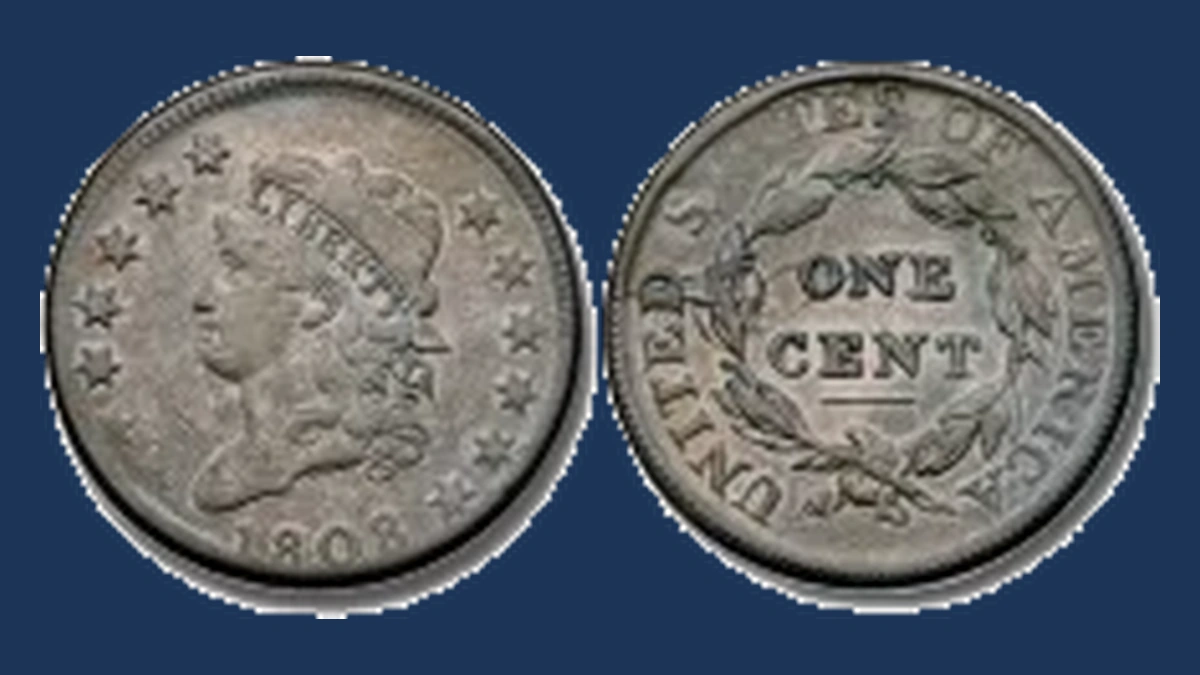
An extra outline can appear where no part of the normal design belongs. It may be a faint copy of a detail from the other side.
This happens when the two dies, the steel stamping tools, hit each other without a blank between them. The transferred marks then appear on later coins.
An auctioned 1808 cent described as VF20, with moderate wear, shows strong clash marks on both faces. Another catalog reports the same kind of marks on a separate worn example.
These are partial traces among the normal designs, not complete backward impressions covering an entire face.
Estimated Value
For worn 1808 cents with recognizable clash marks, estimate $200–$1,500 for the whole coin. Smooth copper and a readable date help a buyer appreciate faint transferred shapes.
A cataloged near-VF example carried an estimate of $350–$500. It also had a back crack, some marks, and possible recoloring.
That figure is an auction estimate rather than a confirmed result. Its multiple features belong to one coin and do not produce separate full values.
How to Identify
Photograph both faces under the same light before selecting a single mysterious line. The reported coins have marks on both sides, so one close-up leaves out useful evidence.
With a 10× magnifier, compare an extra outline against parts of the opposite design. A clash trace should have a recognizable relationship to that design, unlike a random scratch or branching crack.
A loose cent normally weighs about 10.89 grams and measures about 28–28.5 millimeters, checked with a scale and calipers. Examine its plain edge and overall surface for damage before relying on faint marks.
Try a turned or mirrored front photograph beside the back close-up. Identify which portrait or wreath detail actually explains the extra shape.
3. 1808 Classic Head Cent Back Cracks, Small Rim Break, and Weak First Star
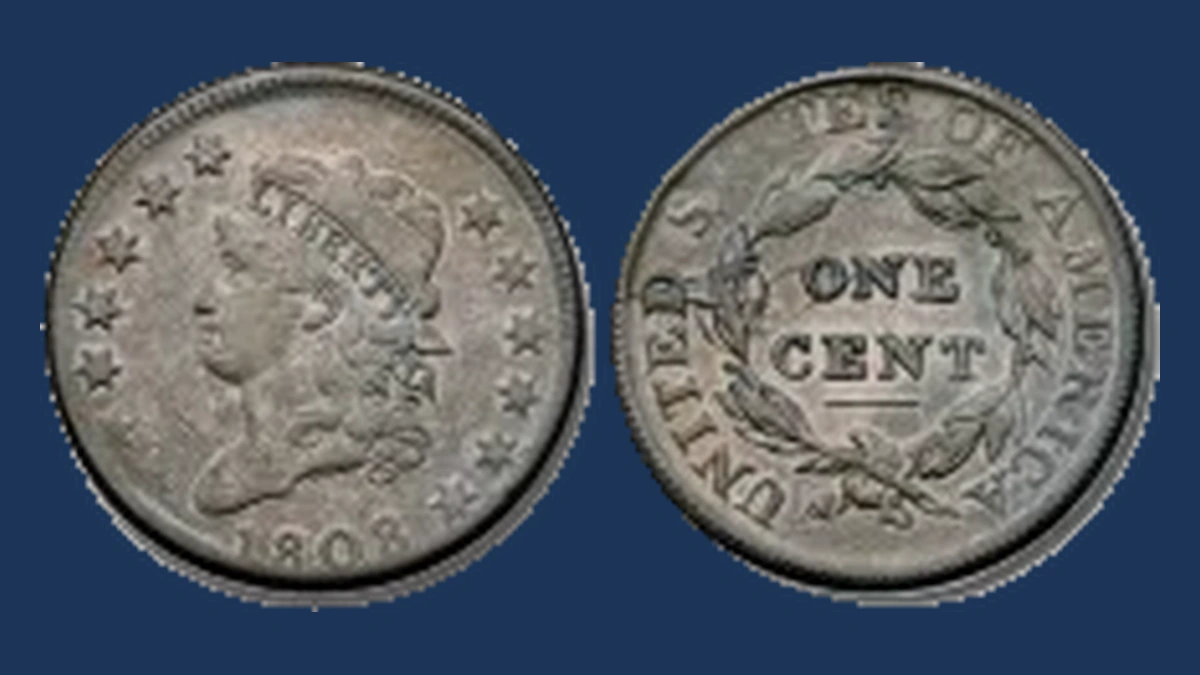
A raised line crosses the back of a known 1808 cent and forms a small patch at the D in UNITED. Another curved line runs from that area toward the final S in STATES.
The lines formed in a cracked stamping tool. A piece breaking near the edge left the small raised patch, called a cud.
The first star on the front can also become weak as this tool pair changes. It was not simply omitted from the design.
Wear and striking differences affect its visibility too. Counting twelve clear stars cannot identify the exact condition of the tools.
Estimated Value
Examples with the back cracks and small rim break fit an estimated $100–$2,500 range in worn grades. The broad range reflects the large difference between rough, heavily worn copper and attractive lightly worn coins.
The cataloged small-cud specimen was described as VG8, with heavy wear, fine roughness, and traces of old corrosion. No sale amount is assigned here.
The separate $350–$500 catalog estimate for a near-VF cracked and clashed cent provides a comparison, not a cud-only premium.
How to Identify
Locate the D in UNITED under a 10× magnifier and follow the raised line inward through the wreath. The small-cud example has a patch joining the rim there, rather than a random bump beside the first front star.
Look at the plain edge near that patch for a dent that pushed copper upward. On a loose coin, a scale and calipers can record the normal comparison of 10.89 grams and about 28–28.5 millimeters.
Only then turn to the front and examine the weak first star. Compare the surrounding stars and the back’s crack pattern, since missing star detail alone can result from wear or a weak strike.
4. 1808 Classic Head Cent Off-Center Strikes and Missing Border Detail
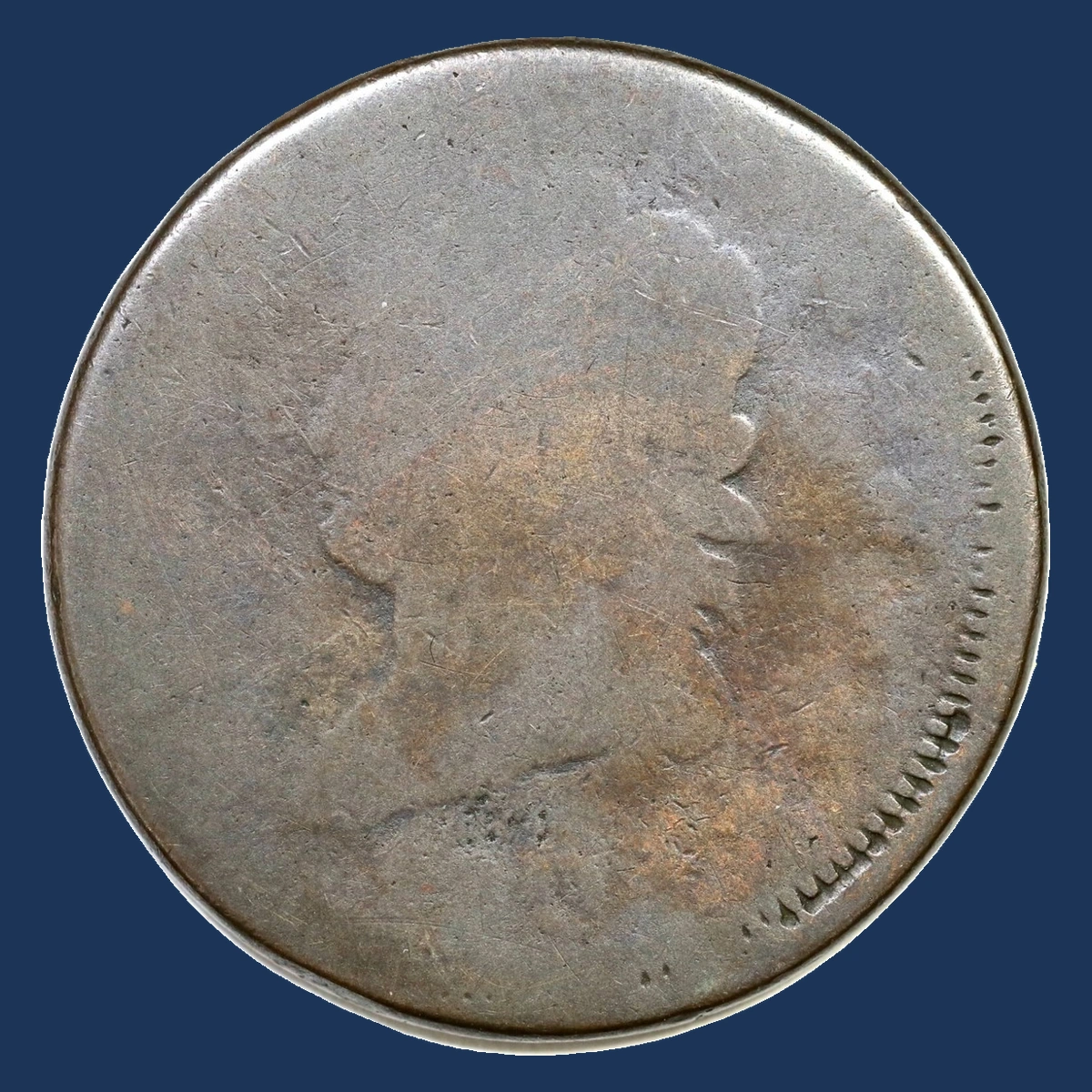
A slight shift can remove the small toothlike details at the coin’s border without creating a dramatic empty crescent. A cataloged 1808 shows this along the lower front and right back.
A separate coin was struck thirty percent off center. Its date missed the blank, but matching back cracks and clash marks led specialists to identify it as 1808.
That conclusion comes from the stamping tools’ features, not visible date numerals. The coin was described as AU55, with very light wear.
The modest border shift and the large missing portion belong to different examples.
Estimated Value
Slight shifts on worn cents fit roughly $150–$2,000; strong major examples or exceptional preservation can reach $3,000–$15,000. The PCGS MS62 Brown cent sold for $12,000 in August 2021, with its unworn condition central to the price.
Coin World reported $6,462.50 for the separate undated, thirty-percent off-center AU55 example at Goldberg’s February 2018 auction.
A missing date can limit interest, but convincing matches to a known tool pair can preserve the coin’s identity and collectibility.
How to Identify
When the date is absent, resist choosing a year from the portrait style alone. The Classic Head cent design covers several years.
For the reported thirty-percent example, compare the crack through D in UNITED and the clash marks on both faces. Use a 10× magnifier and complete photographs rather than one cropped empty arc.
A loose copper blank began at about 10.89 grams and 28–28.5 millimeters. Record its weight with a scale and its surviving outline with calipers, noting any distortion.
On the smaller-shift example, inspect the lower-front and right-back border teeth separately. The design’s spacing matters more than the simple absence of a few worn teeth.
Photograph the plain edge beside any missing design to check for filing or clipping after minting.
5. 1808 Classic Head Cent Full Backward Portrait Impression
Two faces can show the same portrait for very different reasons. On a brockage, one portrait is normal and raised, while the other is backward and sunk into the copper.
The backward face was impressed by another coin trapped in the press. That coin took the place normally occupied by a stamping tool.
The early-cent reference records two 1808 portrait brockages. Those records describe separate examples of the same process.
A faint opposite-side line is a different effect. A full brockage repeats much of the design and removes the normal appearance of that face.
Estimated Value
A clear, collectible 1808 portrait brockage fits an estimated $4,000–$20,000 whole-coin range. A nearly complete backward portrait is more useful to buyers than a weak, confusing impression.
The different-year 1817 NGC VF20 example reached a $7,500 winning bid before fees at Goldberg in January 2015. It had moderate wear and belongs to the later Coronet design.
That sale offers a broad early-copper comparison. It is not a sale record for either documented 1808 brockage.
How to Identify
Turn the coin over and read the portrait’s lettering before concentrating on the date. On the affected side, the letters should reverse direction and lie below the surrounding copper.
Examine that depth with angled light and a 10× magnifier, keeping the normal face available for comparison. A digitally mirrored photograph reverses lettering too, but does not turn a raised design into a sunken one.
If the coin is loose, measure it with a scale and calipers against about 10.89 grams and 28–28.5 millimeters. Include the plain edge and normal face in photographs so a specialist can check for joining seams or later pressure damage.
Conclusion
The estimated $75–$20,000 range covers very different 1808 cents, from modest surface flaws to large backward impressions. A barely visible star is only the beginning of an examination.
Compare the back’s cracks, the coin’s borders, and any extra design traces before deciding what happened. If the date is missing, specialist comparison becomes especially important.
Keep condition and error strength separate when comparing prices, and leave fragile copper surfaces untouched.