1969 Nickel Error List with Pictures

A second S can make a difference. PCGS lists a $600 July 2021 sale for a 1969-S FS-501 repunched mint mark.
This 1969 nickel error list also covers missing metal, shifted designs, and nickels struck on the wrong blanks. Estimated values run from $5–$2,000 across the examples below.
Check the D or S first, then follow the visible clues to learn which kind you have.
1. 1969 Jefferson Nickel Die Clash
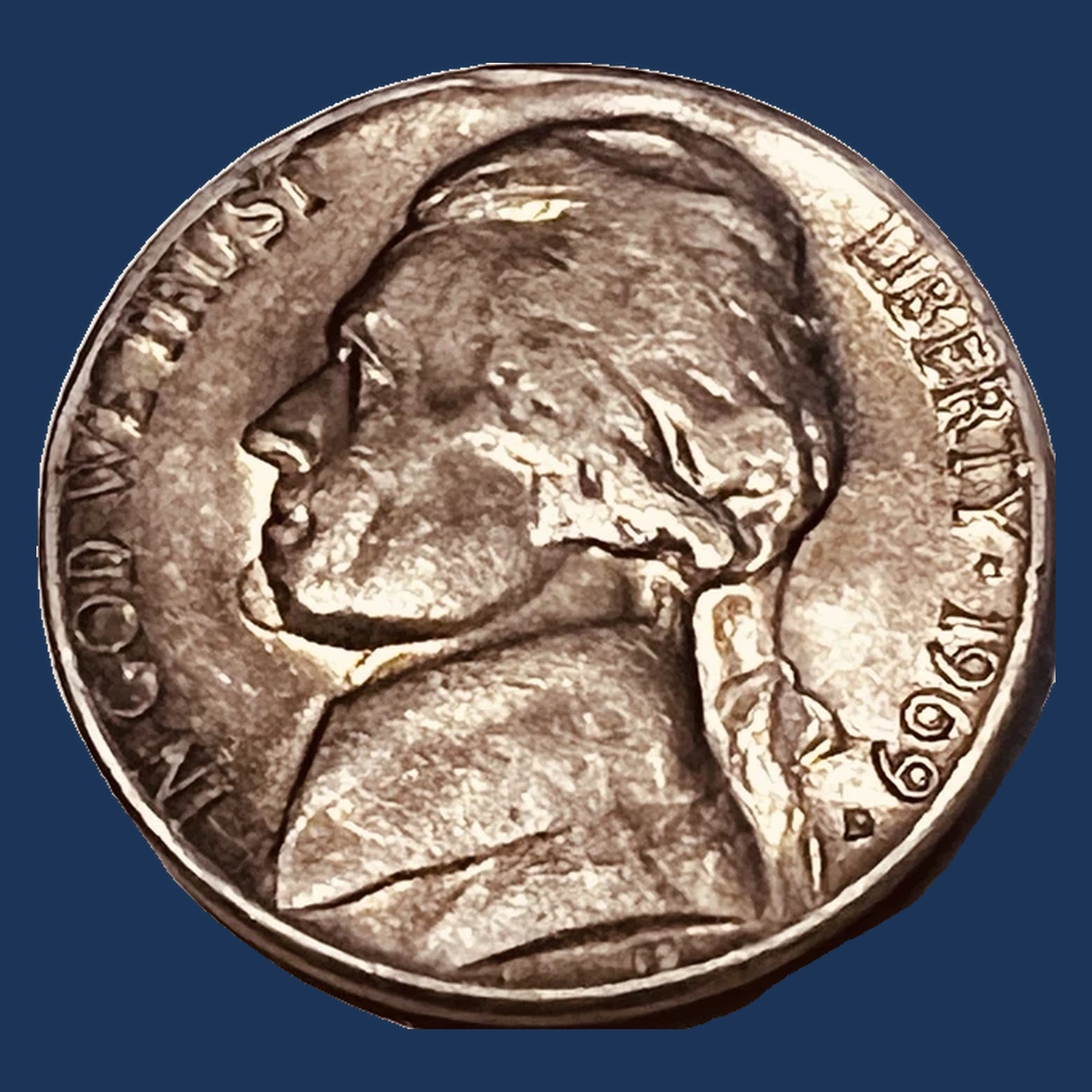
A faint shape from the other side can appear beside the normal design. This happens when the two dies, the steel stamping tools, hit each other without a blank between them.
The collision can leave marks that later transfer to coins. These extra shapes usually look incomplete, rather than like a second full portrait or building.
Die clashes appear in a published 1969 error guide. That report does not show where every mark belongs, so use a matching coin image before naming a particular clash.
Estimated Value
A clearly recognizable clash on a regular 1969 nickel has an estimated value of $10–$100. Faint fragments near busy lettering generally attract less attention than an obvious outline in a smooth area.
This range applies to a genuine clash, rather than ordinary scratches or a claimed shape visible only in one photograph. It is an estimate, not a recorded sale of the guide’s example.
How to Identify
Compare the extra shape with a clear picture of the opposite side. A clash should resemble part of Jefferson or Monticello, even when only a short outline survived the collision.
Use a 10× magnifier and move a light around the coin to separate raised lines from scratches. A scratch may have scraped metal along its sides, while an unrelated straight line cannot establish a clash.
A digital scale and calipers can check the normal 5.00 g weight and 21.21 mm diameter on a loose coin. These measurements cannot name the error; the visible match to an opposite-side design feature is what matters.
2. 1969 Jefferson Nickel Split Blank Before the Strike
This nickel began as an unusually thin piece of metal. Part of the blank separated before the press stamped Jefferson and Monticello onto what remained.
A 1969-D example weighed 4.2 g, below the normal 5.00 g. NGC identified it as a split blank struck after the separation.
The timing matters. The design was pressed onto the exposed surface, unlike a layer that peeled away from an already finished coin.
Jefferson nickels use one copper-nickel alloy throughout. This error is therefore not a missing outer layer from a copper-core coin.
Estimated Value
The 4.2 g Denver example sold for $64 in December 2024. An estimated $40–$150 range covers comparable pieces, with clearer designs and an easily understood split usually more appealing.
That sale did not include a numerical grade in its title. Do not turn the price into a grade-specific promise; surface condition, the amount of metal lost, and professional identification all affect what another example brings.
How to Identify
Put a loose coin on a digital scale before deciding that wear caused its thinness. The documented Denver piece weighs 4.2 g, while a normal nickel weighs 5.00 g.
A split can still leave a nearly normal outline. Measure the diameter with calipers against the usual 21.21 mm and inspect the plain edge with a 10× magnifier.
Look across the rough surface for portions of the stamped design. They help show that the newly exposed metal was present when the press struck it.
Uniform grinding lines, a smooth shaved face, or fresh cut edges point elsewhere. The useful clue is the coin design lying on the old split surface.
3. 1969 Jefferson Nickel Doubled Die
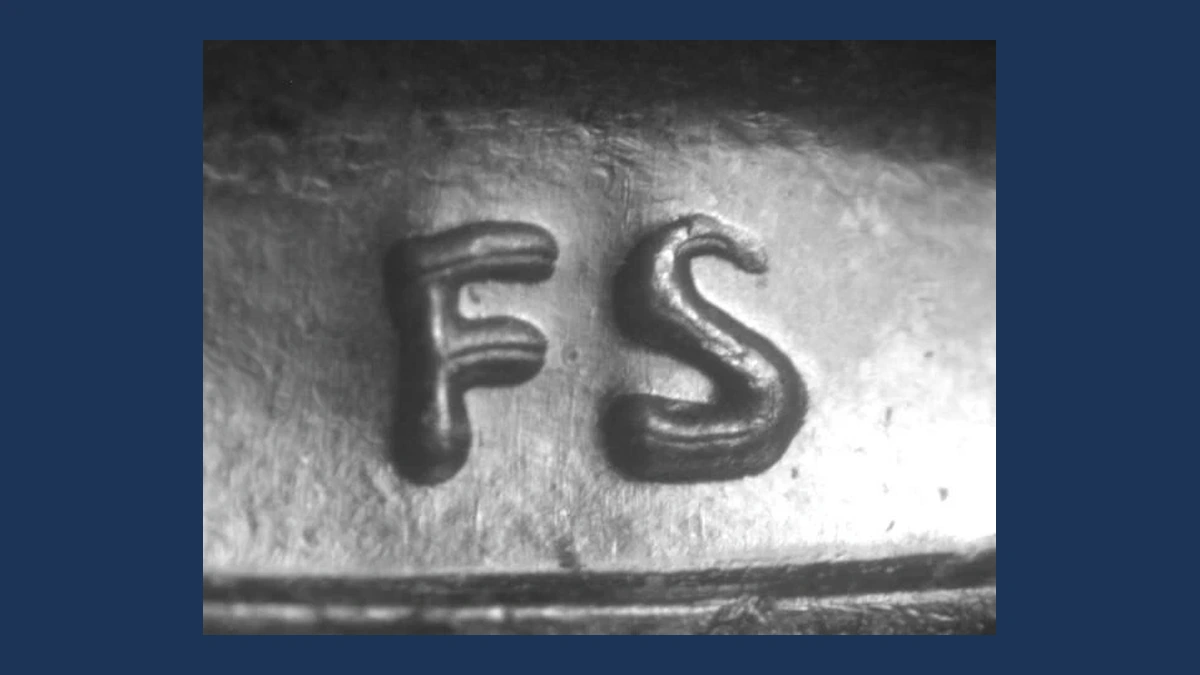
Two close raised outlines can make a letter seem thicker than it should. A doubled die carries that doubled design before it strikes the coin.
Many listed 1969-S examples affect the back lettering, especially E PLURIBUS UNUM. Other examples show doubling in IN GOD WE TRUST or the small FS designer initials on the front.
Most listed S examples are Proofs, specially made collector coins, but the finish must be checked separately. A Denver back-doubling report also exists; an S coin photograph does not identify that Denver example.
Estimated Value
Allow roughly $10–$200 for identified minor doubled dies of this date. The upper end suits clear, attractive collector examples, while very close doubling is harder to see and usually has a smaller following.
These are estimates for doubling, not the $600 record for the separate FS-501 mint-mark variety. A coin can carry both doubled lettering and a repunched S, but the same coin has one total selling price.
How to Identify
Brian’s Variety Coins shows how close some of these extra outlines are. A 10× magnifier helps you compare individual letters rather than overall thickness.
For back doubling, start with E PLURIBUS UNUM and the country name. Front examples can affect the motto or tiny FS designer initials.
Choose a comparison with the same mint letter and finish. A Proof photograph cannot establish that a regular Denver coin has the same doubled design.
On loose coins, check near 5.00 g and 21.21 mm with a scale and calipers. Weight and size do not distinguish doubled dies from ordinary movement during striking.
A flat shelf beside a letter is a warning sign. Look for the matching raised extra outline or split detail shown in the variety photograph.
4. 1969 Jefferson Nickel Rotated Dies
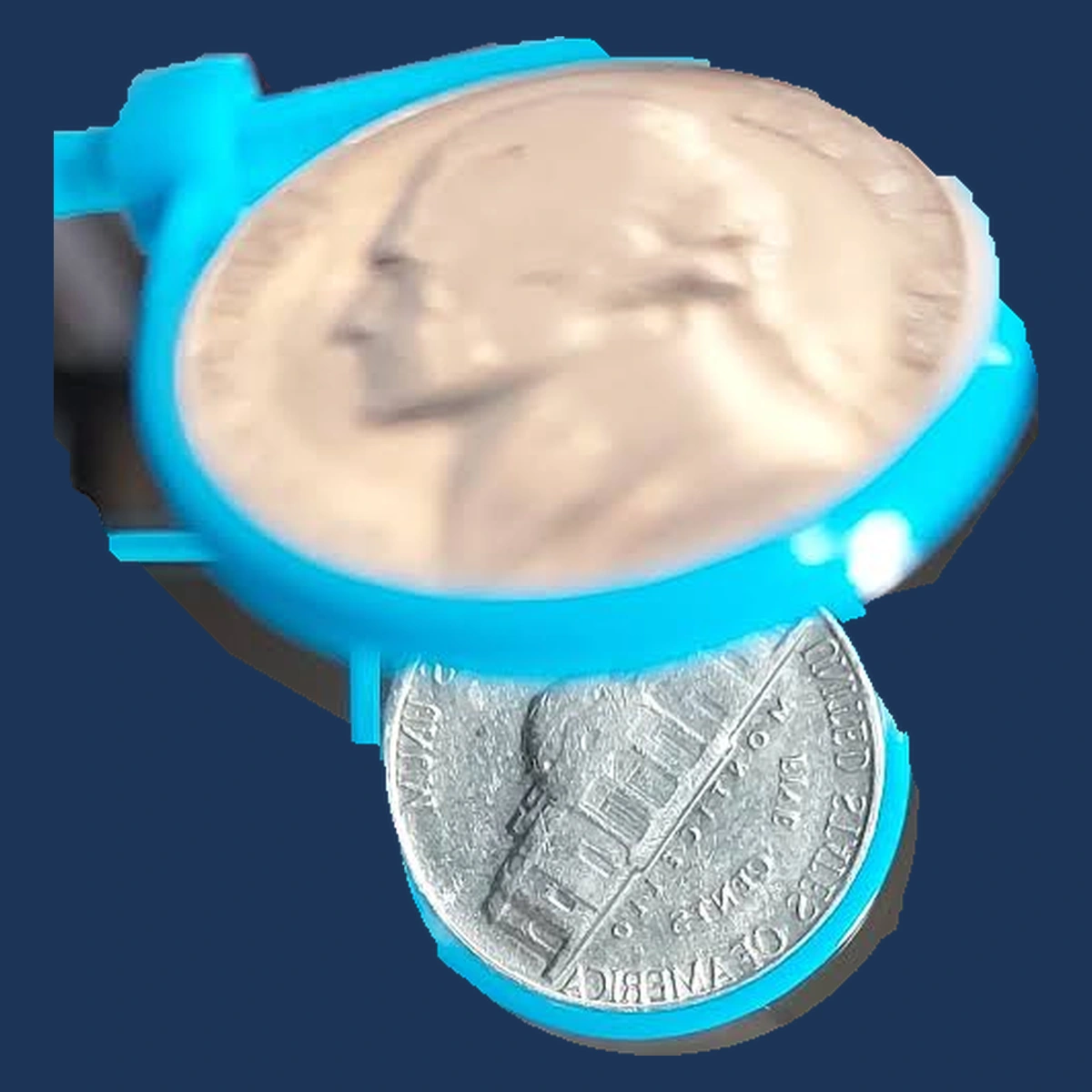
Monticello may appear tilted even after you hold Jefferson upright. A rotated die means one stamping tool turned away from its normal position in the press.
The result affects the relationship between the two sides, rather than making the letters themselves lean. A coin photographed at an angle can look similar.
A published year guide includes rotated dies among 1969 errors. It does not establish one specific angle for all examples.
The D or S and the coin’s finish still matter, since regular coins and collector Proofs should not be treated as interchangeable.
Estimated Value
An obvious, genuine rotation on a regular 1969 nickel is estimated at $25–$250. Slight tilts tend toward the lower end, while a large angle that is easy to demonstrate can be more desirable.
The amount of rotation must be measured on the coin itself. This is a working estimate for the reported type, rather than a sale record tied to a particular angle or a Proof example.
How to Identify
With Jefferson upright, flip the coin from top to bottom without twisting it sideways. Monticello should appear upright too; repeat the motion in a clear holder so the coin cannot slip between views.
Keep the holder’s top edge visible and measure a repeated tilt with a protractor or photo grid. Two pictures rotated separately prove nothing, because the camera or the coin may have moved during photography.
Inspect the plain edge under a 10× magnifier for a join, then use a scale and calipers if the coin is loose. Normal readings are about 5.00 g and 21.21 mm, but the rotation itself is shown by the repeatable top-to-bottom flip.
5. 1969 Jefferson Nickel Clipped and Incompletely Punched Blanks
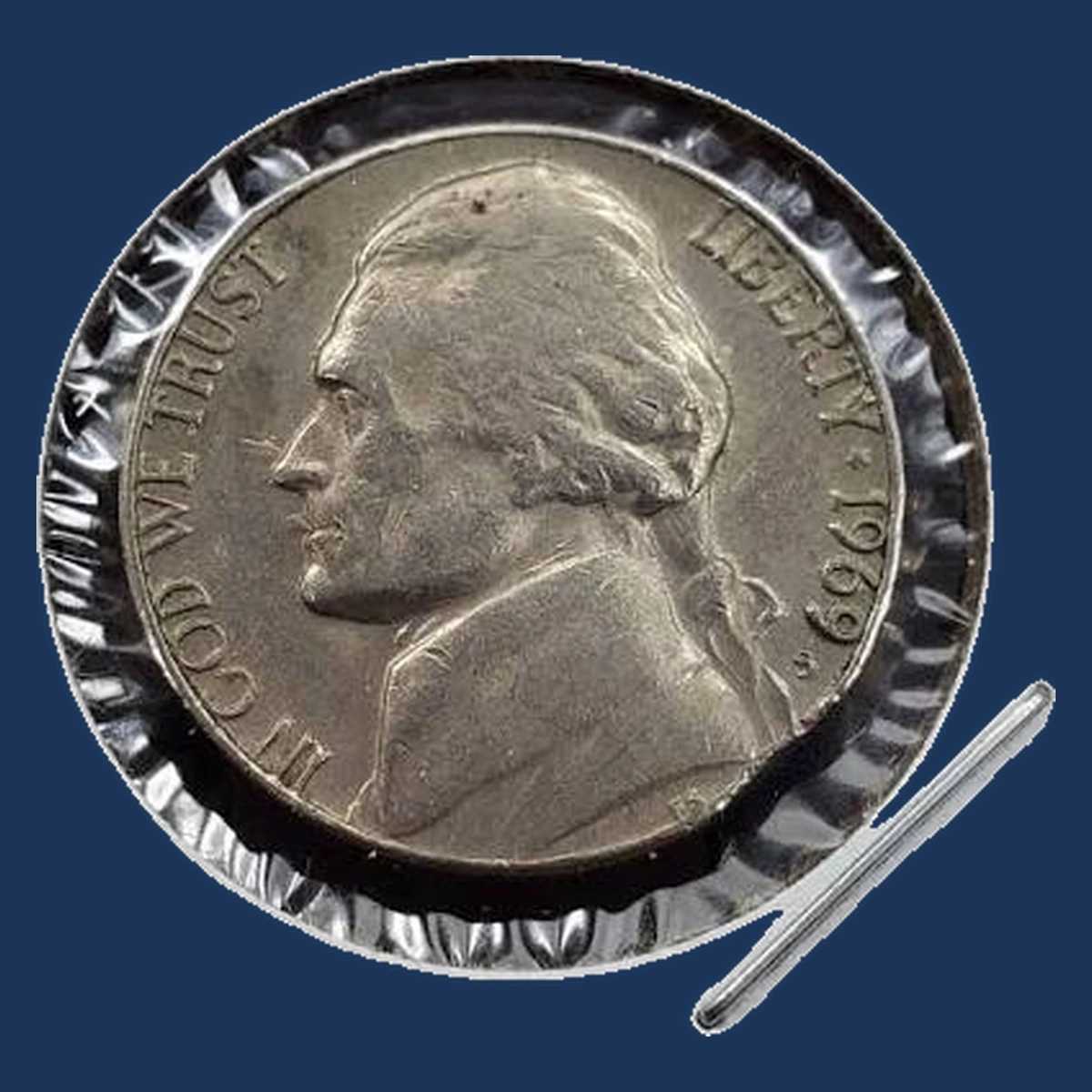
A curved bite can form before the nickel reaches the striking press. The machine cutting blanks from metal strip overlaps an earlier hole, leaving part of the new blank missing.
A related mistake can leave the punch line without removing the curved piece. An NGC-graded 1969-D example shows this incomplete curved clip.
The difference is visible: one coin has a gap, while the other still has metal across the marked area. Both come from blank cutting, but a curved scratch made later is not the same thing.
Estimated Value
An incomplete curved clip on a 1969-D nickel sold for $172.50 in August 2010. NGC graded that coin MS65, meaning it had no circulation wear and only limited marks.
For genuine complete and incomplete clips, use an estimated $25–$300 range. A large visible feature, good surfaces, and a readable date can raise interest; the auction price does not mean every small curved line is valuable.
How to Identify
First decide whether any metal is actually missing. Under a 10× magnifier, an incomplete clip should show an old curved punch feature, not a fresh groove cut across the finished design.
For a missing section, inspect both ends of the gap. Nearby letters and the rim may weaken as metal spreads toward the opening.
The opposite rim sometimes looks weak too. This is supporting evidence, not a requirement for every genuine clip.
Use a digital scale and calipers on loose coins, comparing with 5.00 g and 21.21 mm. A full clip loses weight, but an incomplete one need not.
Sharp tool cuts or freshly torn metal deserve caution. Check how the struck rim meets the old curved boundary.
6. 1969 Jefferson Nickel Broadstrike
A broadstrike spreads the nickel beyond its usual outline. The edge-holding ring, called the collar, did not contain the blank normally when the press struck it.
The design can remain complete while extra metal extends outside the lettering. This separates a broadstrike from an off-center strike that loses part of the design.
The error appears in a 1969 year guide without one fixed diameter or mint mark. A broadstrike need not have a perfectly even border, and some raised rim detail can still remain on the enlarged coin.
Estimated Value
Genuine regular-strike broadstrikes of this date are estimated at $30–$300. A wide, clean outline with the full date is generally more attractive than a slight spread that is hard to recognize.
No single measured 1969 example sets this range. It reflects the appearance expected for the reported error, with higher prices requiring convincing Mint-made spreading rather than a nickel flattened by pressure after it entered circulation.
How to Identify
The outside lettering gives you a useful starting point: read all the way around both faces. A genuine broadstrike keeps the design on the metal, even when the expanded border is wider on one side.
Calipers can measure that expansion beyond the ordinary 21.21 mm, while a digital scale should still read near 5.00 g. Inspect Jefferson’s hair, the building, and the plain edge with a 10× magnifier for flattening or repeated hammer marks.
An off-center strike loses part of the design beside an unstamped area, so extra width alone does not settle the question. Complete outer letters beside naturally spread metal make the broadstrike distinction easier to see.
7. 1969 Jefferson Nickel Off-Center Strike
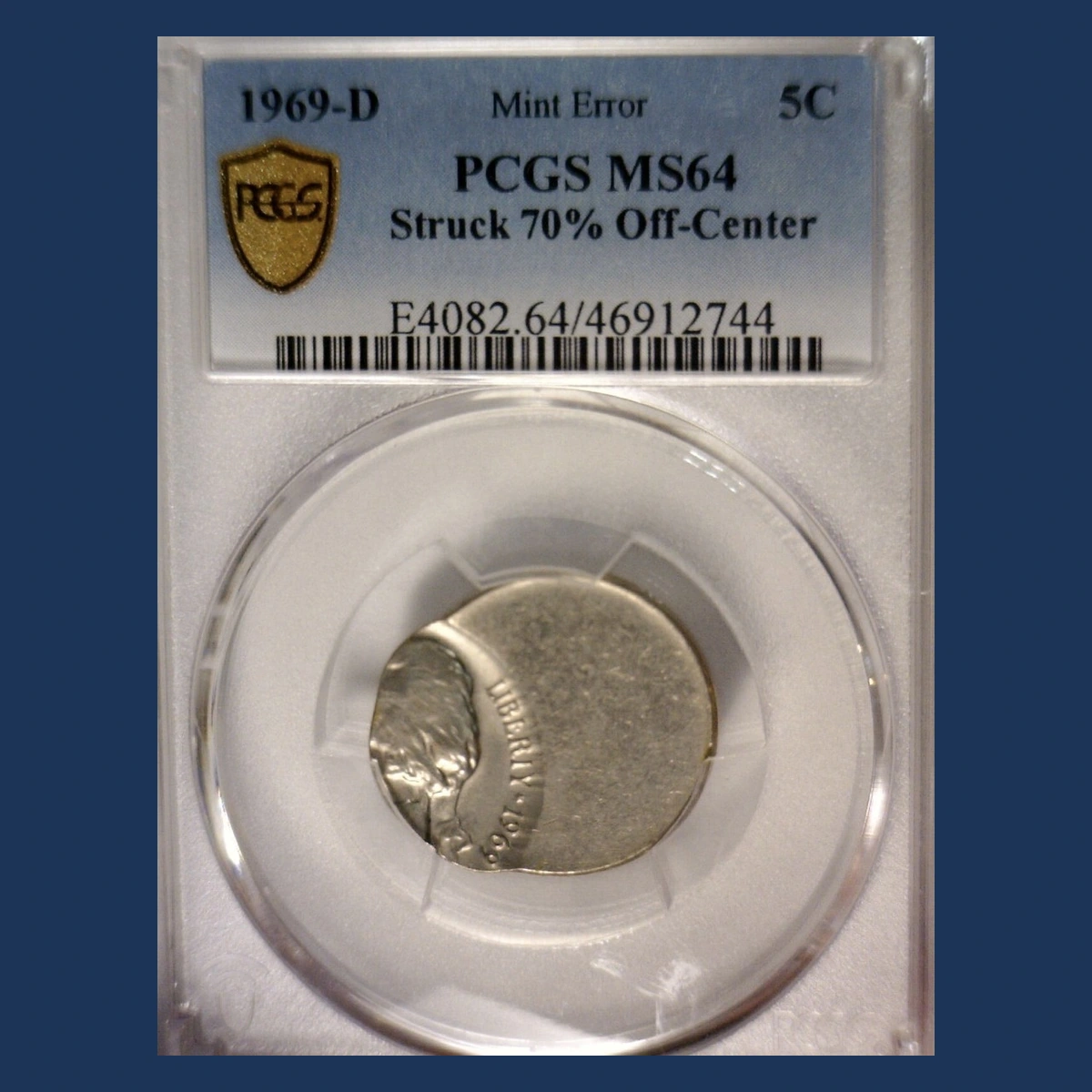
Here the blank was not centered under the stamping tools. Part of Jefferson and Monticello landed off the metal, leaving an unstamped area beside the surviving design.
A year guide reports a 1969-D example struck 65% off center and graded PCGS MS64. That grade describes an unworn coin with some visible marks.
The reported percentage describes missing design, not the amount of metal removed. The whole blank can still be present.
A readable 1969 date is particularly useful on a dramatic example, because much of the normal design may be absent.
Estimated Value
Smaller off-center strikes can fit an estimated $20–$100 range, while dramatic dated pieces may bring about $100–$500. The amount missing matters, but so do a readable date and undamaged surfaces.
The reported Denver 65% example helps illustrate the type; these figures are not its verified selling price. An almost blank coin without a readable date cannot automatically receive a 1969-specific value simply because its portrait resembles Jefferson.
How to Identify
Find the date before judging the percentage. On a heavily shifted coin, enough of 1969 and its mint letter must survive to identify this issue.
Compare both faces under a 10× magnifier. Missing design should fit the same displaced strike, with an unstamped area where the tools did not meet the blank.
A normal-size border that merely looks uneven may indicate a shifted tool instead. It does not establish a major off-center strike.
The metal itself is usually still there, so a scale should read near 5.00 g. Use calipers to compare with the standard 21.21 mm, allowing for spreading during the unusual strike.
Look for cut-off design beside untouched blank metal, rather than a rim trimmed after striking.
8. 1969 Jefferson Nickel Struck Through Material
Part of the design can disappear beneath the shape of something caught in the press. The object blocks the tool from reaching the blank and may leave its own texture.
A 1969-S regular nickel was struck through tape on both sides. NGC graded the coin MS64; the description does not mean pieces of tape are still attached today.
Other struck-through reports describe the broader type without identifying the material. Sticky residue added later is different, because it sits on an already finished design rather than preventing that design from forming.
Estimated Value
The two-sided tape example brought $322 in August 2010. An estimated $25–$600 range covers smaller genuine impressions through more striking, clearly identified examples of this error.
Texture and the amount of design blocked can matter more than a vague label such as “struck through.” Both tape impressions belong to one coin, so the sale price is a total rather than a separate payment for each side.
How to Identify
Do not scrape away suspected tape or residue. Begin with close photographs of where the normal lettering or portrait meets the affected patch.
A 10× magnifier and light from the side can reveal a depression and interrupted design. Glue resting over fully formed letters is a different situation.
On the documented S coin, inspect both faces. The auction description identifies tape impressions but does not establish that tape remains attached.
For an unholdered example, check approximately 5.00 g and 21.21 mm with a scale and calipers. A different reading needs an explanation beyond the mark’s appearance.
Follow one letter into the patch. Its shape should stop or weaken where the material blocked the strike, rather than continue normally beneath surface residue.
9. 1969 Jefferson Nickel Repunched Mint Mark
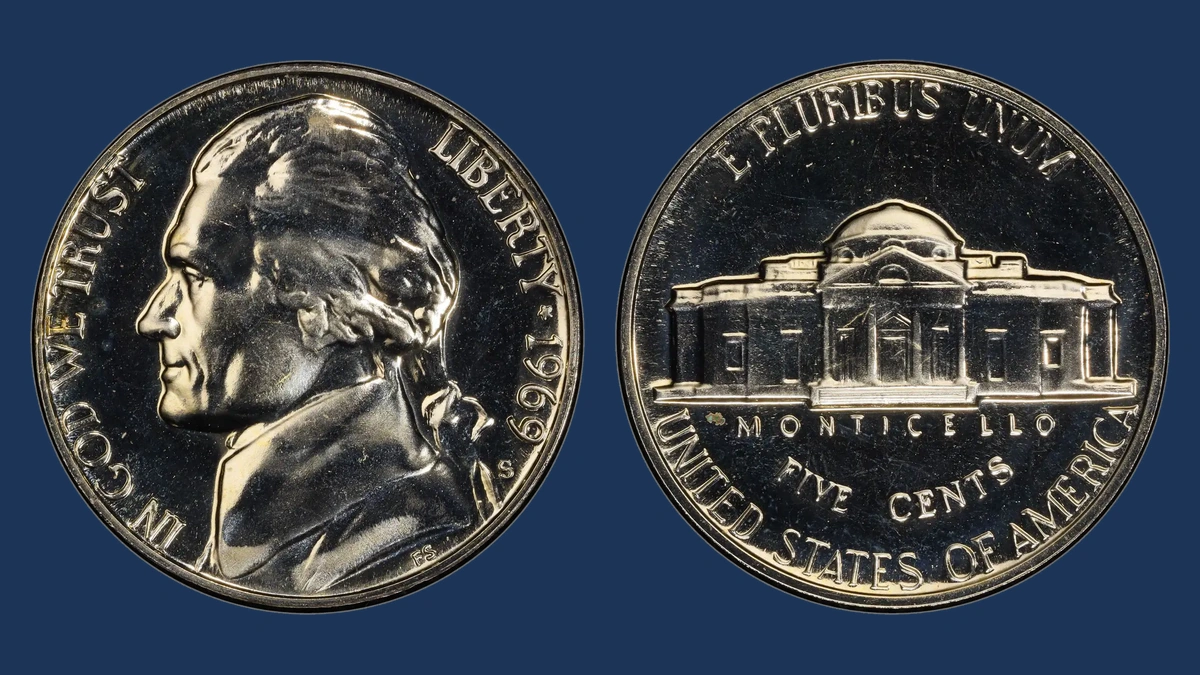
The D or S may contain part of another copy of the same letter. In 1969, mint marks were punched into the die separately, and a misplaced first impression could survive.
Denver examples include a tilted D beneath the main D. San Francisco examples have extra S details in several directions, on regular coins and on Proofs.
FS-501 names a recognized S Proof variety. Its number is a catalog label, not the small FS designer initials or the “Full Steps” term used for sharp building steps on some nickels.
Estimated Value
PCGS records a $600 July 2021 eBay result for FS-501 in PR67, a high Proof grade. Estimate about $150–$800 for identified FS-501 examples, depending on condition.
Other repunched D and S varieties may fit roughly $10–$150. Those smaller varieties should not inherit the FS-501 price just because two letter outlines appear; the precise mark and the coin’s regular or Proof finish affect demand.
How to Identify
The mint letter is on the front, below and to the right of Jefferson’s portrait. Examine it with a 10× magnifier and compare the inner curves as well as the outside edges.
Wexler’s listings distinguish the tilted Denver mark from several San Francisco directions. A faint shelf caused by movement during striking is not another complete punched letter.
Do not identify a Proof from the S alone. San Francisco also made regular nickels in 1969, and the tiny FS initials belong to the designer.
The normal 5.00 g weight and 21.21 mm diameter can be checked with a scale and calipers. Match the extra curve or stem to the exact mint-mark photograph.
10. 1969 Jefferson Nickel Defective Lightweight Blank
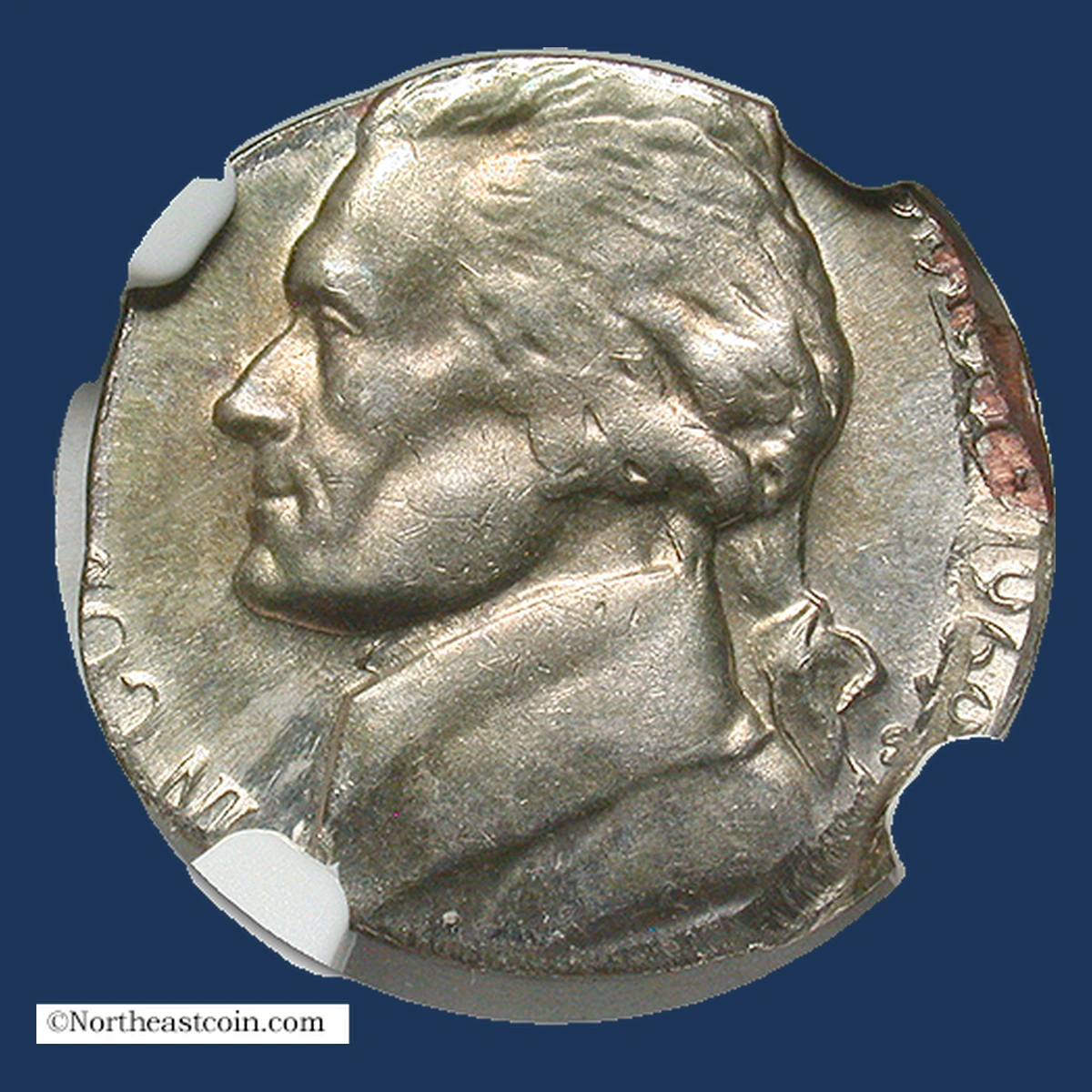
A 1969-S nickel listed by Northeast Numismatics weighs only 2.2 g. NGC described it as struck on a defective blank and graded it MS63, an unworn coin with visible marks.
That weight is less than half the usual 5.00 g. It makes the coin worth examining, but does not by itself explain what went wrong with the metal.
The description does not name a dime blank or a specific split. Those are different conclusions that require more than a low scale reading, even when the numbers seem close.
Estimated Value
Northeast Numismatics offered the 2.2 g example for $525. That is a dealer’s asking price, not a completed auction result.
An estimated $200–$800 range is reasonable for a comparable professionally identified defective blank. The actual metal problem, appearance, and surfaces matter within that range.
A heavily corroded or ground-down nickel should not receive that estimate merely because it weighs around two grams.
How to Identify
The grading description calls this a defective blank. Do not replace that description with “dime blank” just because the weight seems close.
The dealer’s example is recorded at 2.2 g. Keep a graded coin in its holder and use that recorded measurement.
A loose candidate needs a digital scale and calipers. Compare its weight and diameter with the normal 5.00 g and 21.21 mm.
Under a 10× magnifier, inspect the edge before looking across both faces. Parallel scratches may reveal grinding, while deep eaten-away areas can explain weight lost through corrosion.
Follow the stamped design across the thin metal. Its surviving shape helps show whether an unusual blank was struck or a finished coin was damaged.
11. 1969 Jefferson Nickel Multiple Strikes and Partial Brockage
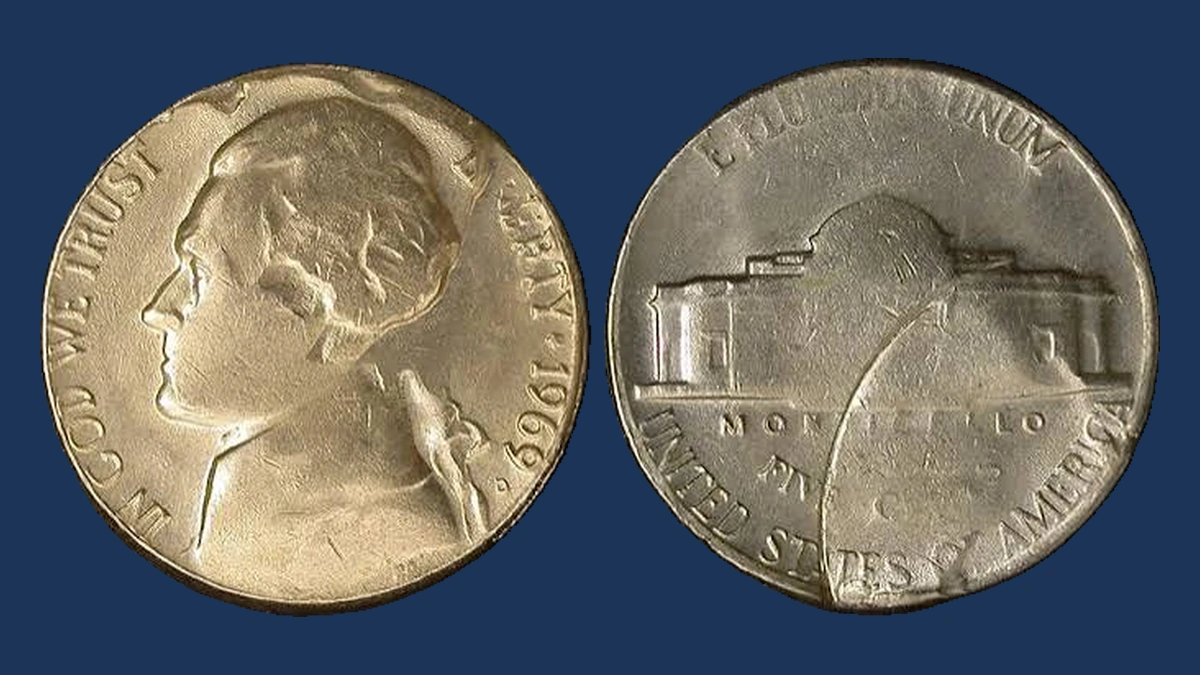
Two trips through the press can put overlapping designs on one nickel. A 1969-S example received its second strike 85% off center toward the lower left.
Another unusual case involves a Denver coin and a second nickel caught beneath it. The lower coin left a shallow, reversed portrait on the back, called a brockage.
The Denver coin’s second strike was about 30% off center and extremely weak. Only part of its front received a visible second design, because the press barely squeezed the two stacked coins together.
Estimated Value
The San Francisco double strike appeared with a $159 minimum bid, rather than a reported final sale. It was graded AU55, indicating light wear, and had scratches from leaving the press.
Estimate $150–$600 for comparable double strikes and $300–$1,000 for a clearly identified weak double strike with partial brockage. The Denver combination has no sale price here; its shallow mirror image and second strike belong to one coin.
How to Identify
The Denver example needs more than a search for two bold dates. Mike Diamond’s explanation shows why much of its second strike is barely visible.
Use angled light and a 10× magnifier to trace the shallow reversed portrait on the back. Compare that area with the small region of second-strike detail on the front.
The San Francisco coin is a different case: its displaced second design lies toward 7 o’clock. Do not transfer that direction to the Denver coin.
A scale and calipers check normal starting specifications of 5.00 g and 21.21 mm, although repeated strikes can spread the outline. The important relationship is overlapping stamped design or a recessed mirror image, not simple doubled edges.
12. 1969 Jefferson Nickel Die Cracks and Cuds
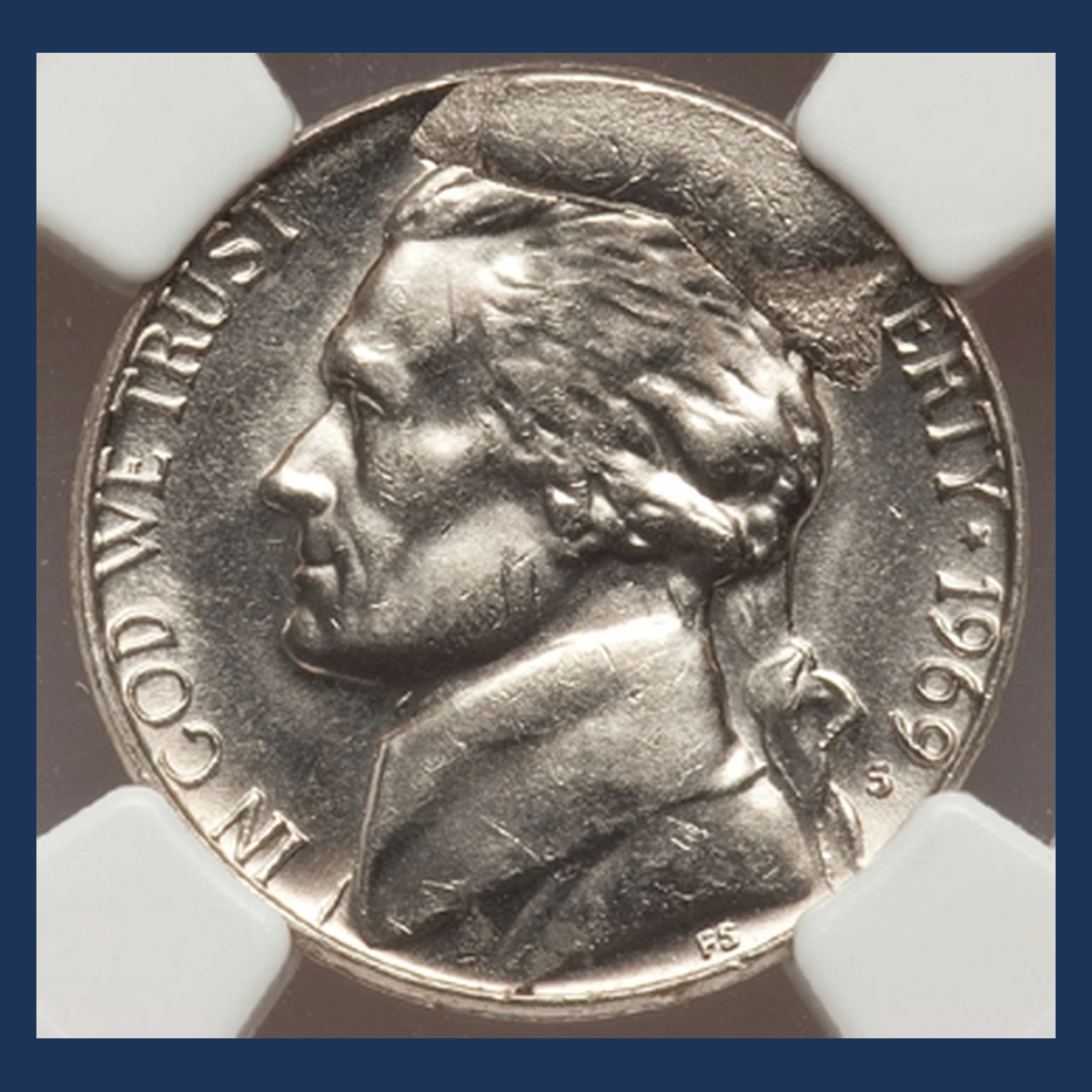
A broken stamping tool can leave extra metal on the coin. A narrow crack produces a raised line, while a piece breaking away at the tool’s edge can produce a raised rim-connected patch.
Collectors call that larger patch a cud. A regular 1969-S example has one at the top of the front, running roughly from 12 to 2 o’clock.
Cracks and a separate S Proof cud are also reported. The regular S coin does not establish the Proof’s location, since the same mint letter appears on both kinds.
Estimated Value
The regular S cud coin, graded NGC MS65, brought $94 in August 2010. Small cracks may fit $5–$50, and ordinary cuds roughly $50–$300.
For the separately reported Proof cud, use a conditional estimate of $200–$1,500 after confirming the finish and break. That higher span is an estimate, not a recorded sale of the Proof, and should not be applied to every S-mint crack.
How to Identify
The top edge is the first place to examine on the documented regular S cud. Under a 10× magnifier, the raised patch should join the rim between about 12 and 2 o’clock.
A dent instead pushes existing metal aside. Check for scraped surfaces or a displaced rim rather than assuming every lump came from a broken die.
A fine crack should rise above the surrounding surface. Changing the light angle helps separate it from a line scratched into the coin.
Use a scale and calipers for the normal 5.00 g and 21.21 mm checks on loose coins. Leave Proofs in their protective holders when possible.
On a cud, follow the raised blank patch to the rim where the missing tool edge left it.
13. 1969 Jefferson Nickel Wrong Planchet
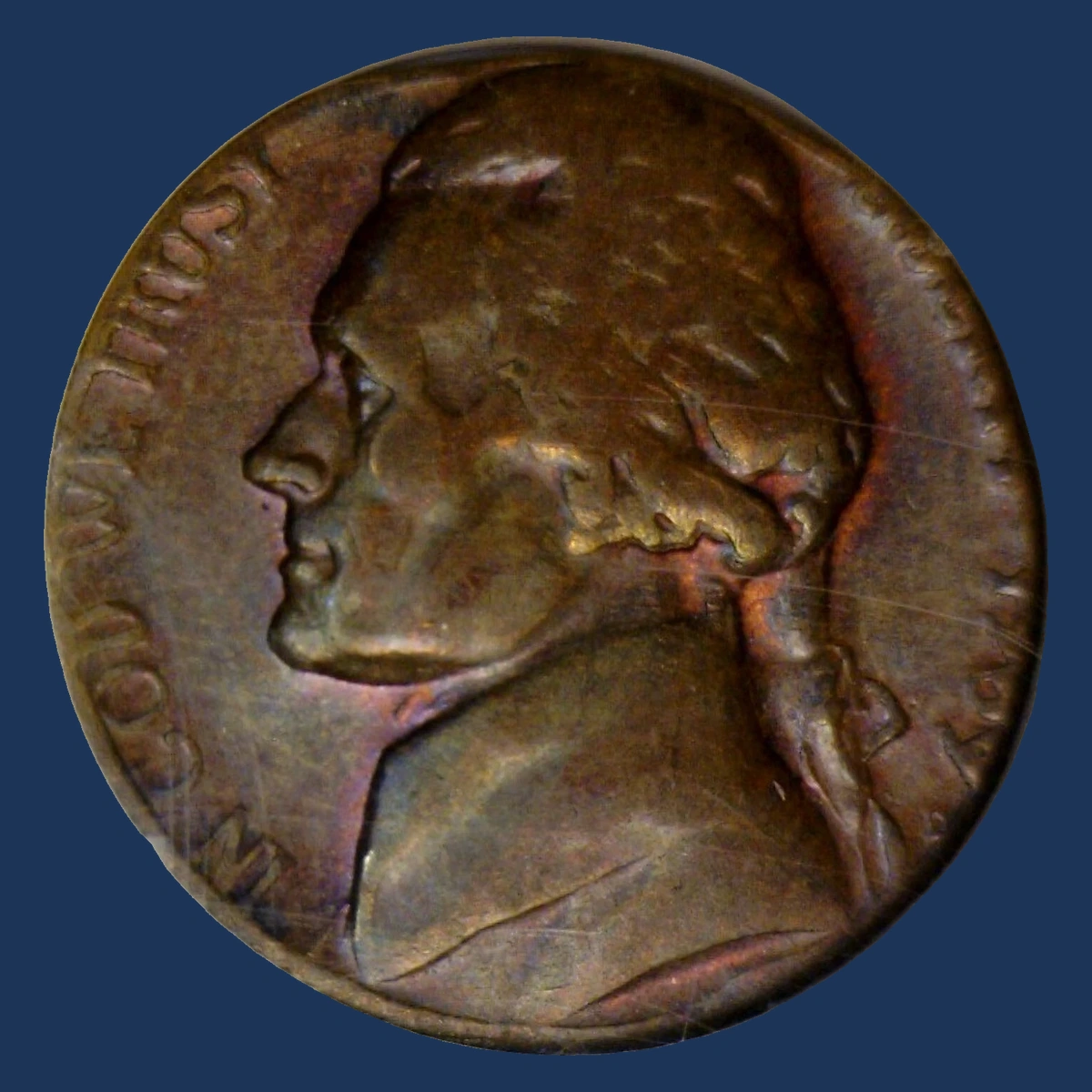
A nickel design can end up on metal intended for another coin. Collectors call the unstruck metal piece a planchet, or blank.
A Denver nickel on a cent blank weighed 3.1 g and showed copper coloring. San Francisco and Denver nickels on smaller dime blanks have also been reported.
The foreign-blank group includes a Denver example identified as a Philippine 25-sentimos blank, weighing 4.03 g. Another historical listing gives about 4.21 g for a separate piece.
These are not all the same mistake in appearance, even though the wrong blank reached the nickel press.
Estimated Value
A Denver cent-blank coin sold for $460 in August 2010. PCGS records a January 2019 $379.99 fixed-price sale for an S dime-blank example graded MS64.
Estimate $250–$1,000 for comparable cent or dime blanks, and $300–$2,000 for identified Philippine blanks. The latter is an estimate, not a known sale of the 4.03 g coin; correct metal identification and condition drive the difference.
How to Identify
Color helps with a cent blank, but paint and plating can imitate copper. Use a 10× magnifier to see whether the nickel design is naturally cut off by the smaller metal piece.
The documented cent-blank coin weighs 3.1 g. A normal clad dime blank starts near 2.27 g; that figure is a comparison, not a measured weight for every listed nickel.
A digital scale and calipers should reveal how the candidate differs from a normal 5.00 g, 21.21 mm nickel. Striking can change the diameter, so do not demand the blank’s original width.
Foreign blanks require the identified alloy and dimensions together. The most useful first evidence is a smaller or unusual blank carrying a genuine, partly truncated nickel design.
Conclusion
For 1969 nickels, a small raised line and a coin made from the wrong blank have very different values. The estimated span here is $5–$2,000, with condition and the size of the mistake guiding the price.
Keep regular S coins separate from specially made Proofs. Save clear pictures of both sides and the edge, and leave valuable coins in their grading holders while you compare the details.