1967 Nickel Error List with Pictures

Copper color is only the beginning of the story on a small 1967 nickel. A 3.1-gram example struck on a penny blank brought $1,725 in August 2010, while a large raised rim break sold for $1,200 in 2021.
The estimates in this 1967 nickel error list run from $15–$2,500. Missing mintmarks are normal for this year; continue below to examine the metal, edge, and doubled details that actually distinguish the recorded errors.
1. 1967 Jefferson Nickel Doubled Details on Special Mint Set Coins
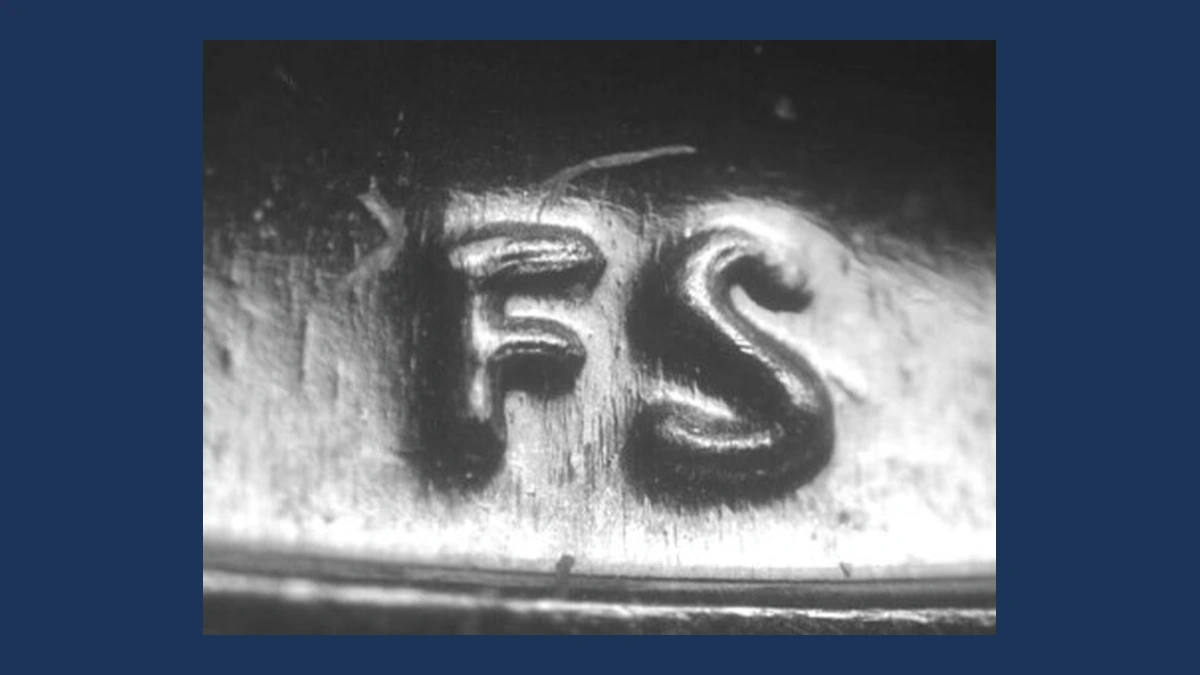
Tiny extra edges can appear around the letters without the whole design moving. The duplication began in a die, the steel tool that stamped the coin, rather than in a later second strike.
The recorded examples come from Special Mint Sets, collector sets commonly abbreviated SMS. One has back lettering that shows stronger doubling toward the right.
Another has front doubling at IN GOD and the small FS beneath Jefferson’s shoulder. Those initials stand for designer Felix Schlag.
These two patterns belong to separate examples. A single coin should not be expected to show every listed doubled feature.
Estimated Value
Estimate $20–$75 for modest identified examples and $75–$250 for attractive Special Mint Set coins with clear doubling. These are estimates for the documented types, not claimed sales for their catalog numbers.
The coin’s collector finish and overall preservation also contribute to its value. Flat strike doubling, scratches, or a thick-looking initial should not inherit the same premium without a match to the repeated shapes in a documented example.
How to Identify
For the back example, read UNITED STATES OF AMERICA from left to right through a 10× magnifier. The recorded spread becomes stronger across the inscription rather than staying equally wide on every letter.
For the separate front example, compare IN GOD and FS below the shoulder with the matching reference photographs. FS here is the designer’s name in initials, not a variety number.
Use a scale and calipers on a loose nickel to check about 5 grams and 21.2 millimeters. Inspect its plain edge for squeezing.
Confirm the Special Mint Set finish through comparison or reliable holder information. A missing mintmark cannot identify that finish, because ordinary 1967 nickels also have no mintmark.
2. 1967 Jefferson Nickel A Curved Gap, an Unfinished Cut, or a Straight Clip
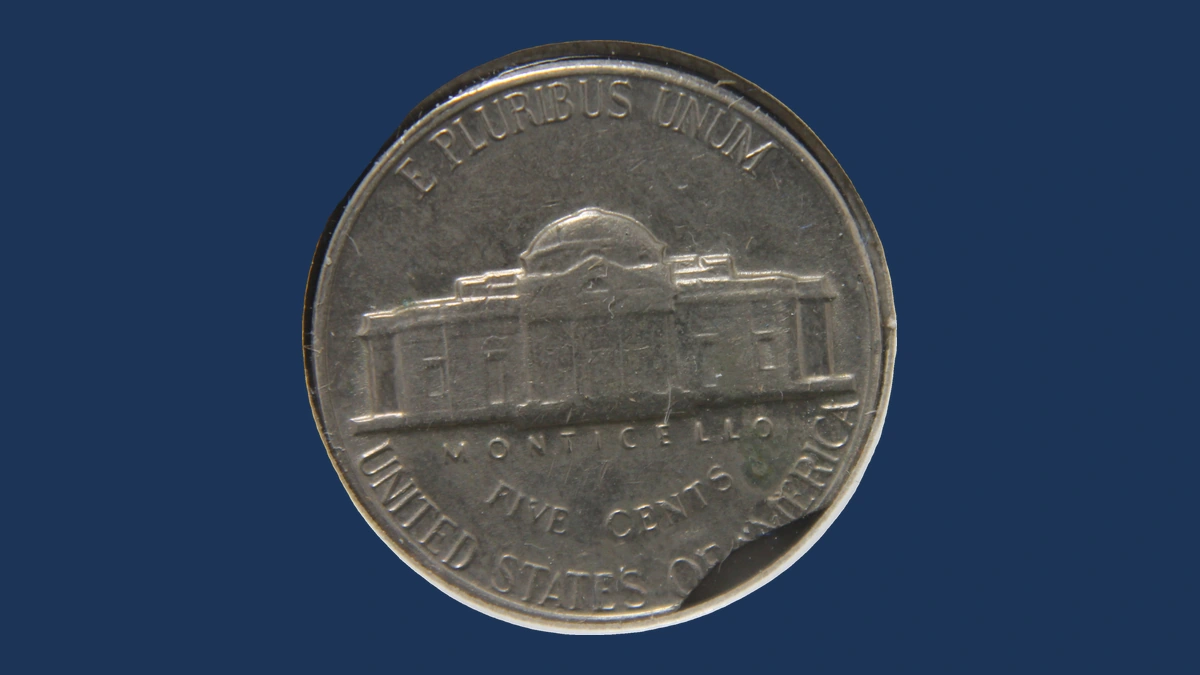
A crescent may be missing while another arc remains only partly cut into the metal. An NGC MS66 example combines a curved clip at twelve-thirty with an incomplete clip.
The blank-cutting punch did not leave a complete, sound disk. The press later stamped the design over the surviving metal and cutting trace.
A separate 1967 auction example has a straight clip. Its shape differs, but it also concerns an incomplete blank rather than a missing portion of design alone.
An unfinished cut should stay untouched. Bending it open can create fresh damage and destroy evidence of the original punch.
Estimated Value
The NGC MS66 curved-clip and incomplete-clip example brought $230 in August 2010. Use an estimated $15–$100 for modest worn clips and $100–$400 for strong, attractive combinations.
The recorded coin’s preserved unfinished cut helps explain its appeal. A straight clip needs its own condition assessment, and a later saw cut does not qualify for the same range merely because it leaves a similar shape in the outline.
How to Identify
Leave the unfinished cut closed and inspect its boundary without flexing the coin. With the portrait upright, the recorded curved gap lies just right of the top, near twelve-thirty.
Use a 10× magnifier to compare both ends of the gap with the nearby struck design. Cutting or filing through completed details can reveal damage made after minting.
For a stable loose coin, a scale can compare the remaining metal with the normal 5 grams. Measure intact spans against 21.2 millimeters using calipers.
Inspect the plain edge and any weak border opposite the clip. That weakness can help but is not equally visible on every specimen.
Photograph the curved, incomplete, and straight examples separately so their different boundaries remain clear.
3. 1967 Jefferson Nickel A Large Raised Break at the Top Rim
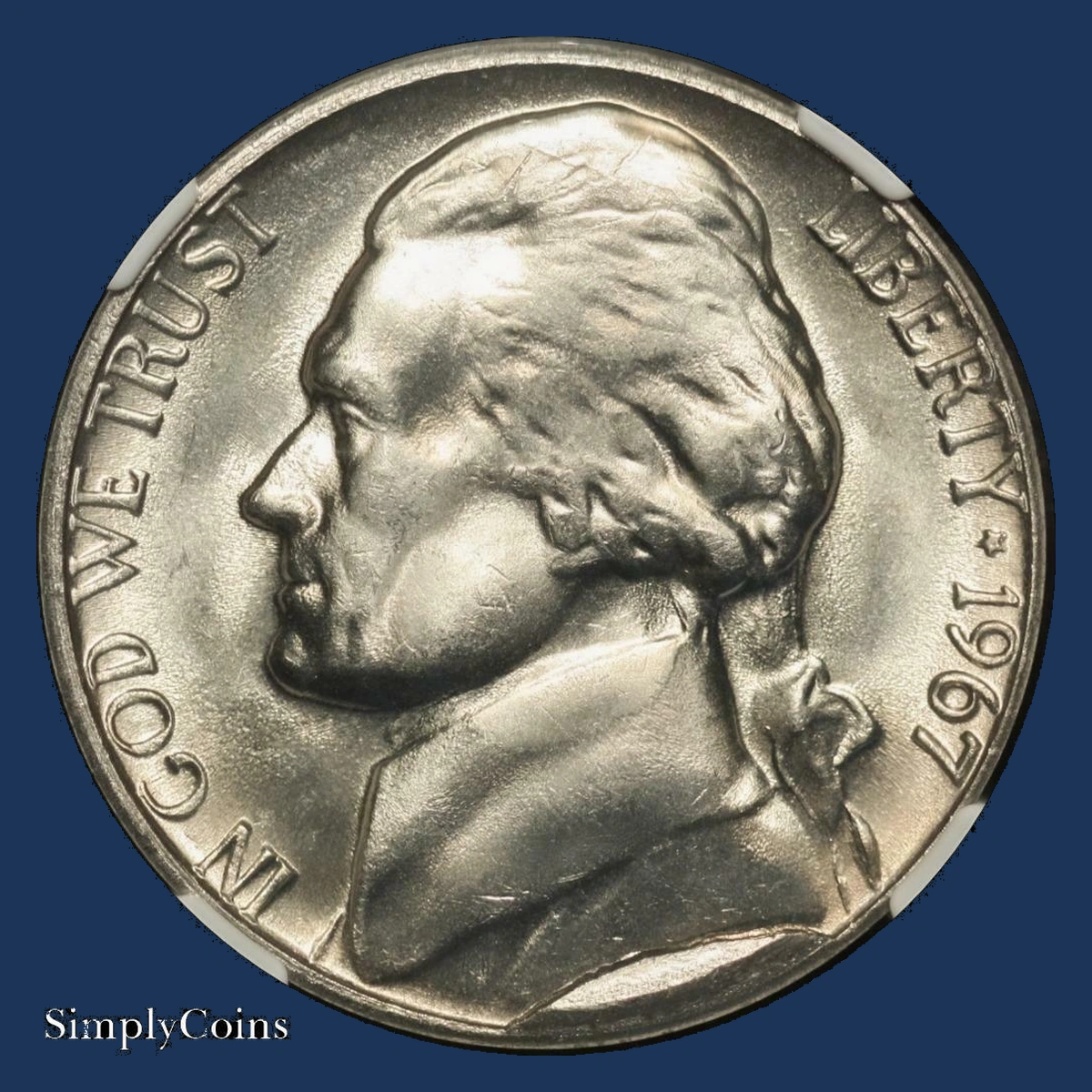
A large patch at the top rim can replace normal design with raised metal. The steel stamping tool lost a piece at its edge, leaving an opening for nickel metal to enter.
This rim-connected patch is called a cud. The recorded 1967 example is described at twelve o’clock and was graded PCGS MS64.
The connection to the border distinguishes it from a small isolated bump inside the design. Those little bumps can come from different damage to the tool.
An impact on a coin can thicken part of the rim, but it does not remove steel from the stamping tool.
Estimated Value
The PCGS MS64 twelve-o’clock cud sold for $1,200 in March 2021. Estimate $50–$300 for worn or less impressive examples and $300–$1,500 for strong breaks on attractive coins.
That sale demonstrates the interest a prominent patch can attract, rather than setting a price for every small rim irregularity. The patch’s natural shape, visible connection to the rim, and condition of the remaining design all affect the complete coin’s value.
How to Identify
Inspect the top edge before deciding that a raised lump is a cud, since a hard impact can fold rim metal inward. Use a 10× magnifier to check for a dent, an attachment seam, or a sharply bent boundary.
The recorded patch lies at twelve o’clock and joins the rim, replacing the design in that area. Turn the coin over and compare the opposite surface, where a large tool break may leave weaker detail.
A scale and calipers can compare a loose example with 5 grams and 21.2 millimeters, and its edge should be plain. Photograph the whole patch with surrounding design rather than using an isolated close-up that hides its border connection.
4. 1967 Jefferson Nickel The Design on a Penny or Dime Blank
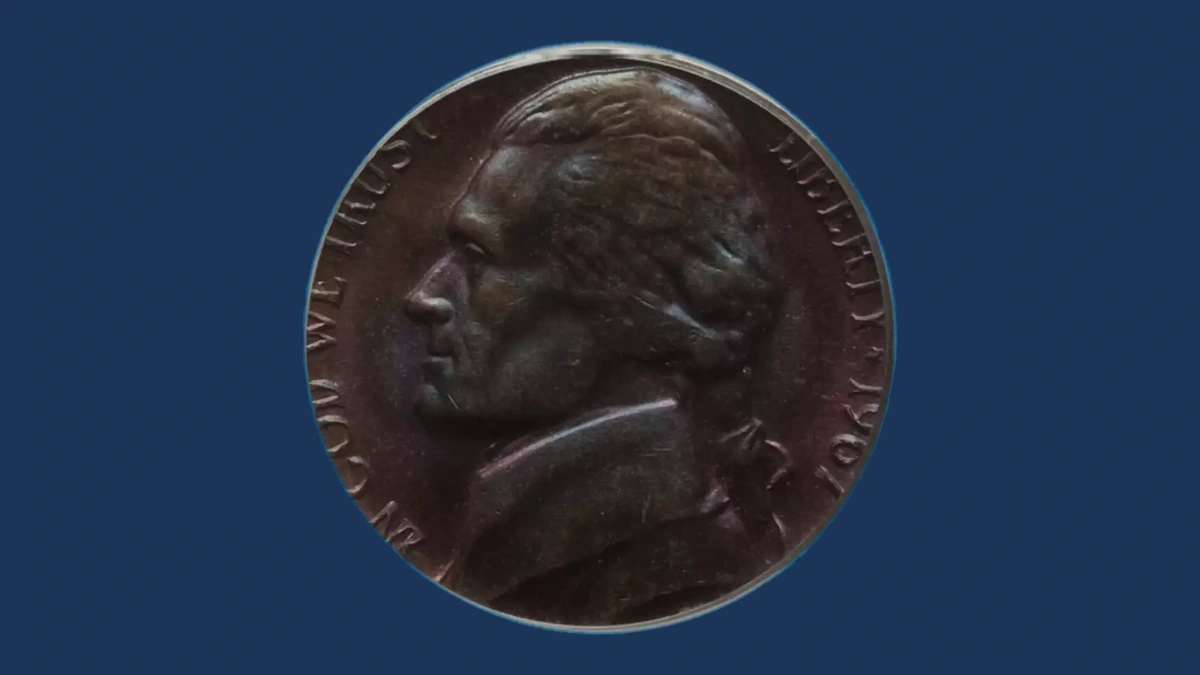
A small copper-colored nickel may have started as a blank intended for a penny. One recorded 1967 example weighs 3.1 grams and was graded NGC MS66 Red.
Another nickel was struck on a dime blank and weighs 2.20 grams. Its NGC AU58 grade indicates very light wear.
The two blanks differ in both metal and size. Contemporary penny blanks used a copper alloy, while dime blanks had bonded metal layers, often called clad.
The smaller disk cannot always contain the full nickel design. Coloring or plating a normal nickel does not reproduce that natural loss of outer lettering.
Estimated Value
The 3.1-gram NGC MS66 Red cent-blank example brought $1,725 in August 2010. A separate 1967 dime-blank nickel graded NGC AU58 sold for $288 in October 2022.
Estimate $200–$700 for worn or less attractive wrong-blank examples and $700–$2,500 for strong unworn pieces. The metal, design clarity, and preservation matter together; the two different blanks should not receive identical prices just because both are small.
How to Identify
Weigh a loose candidate before interpreting its color. Compare it with the reported 3.1-gram cent example or 2.20-gram dime example, rather than the normal nickel’s 5 grams.
Calipers can compare its outline with the nickel’s standard 21.2 millimeters. The original smaller U.S. blanks were about 19.05 millimeters for a cent and 17.9 for a dime, though striking can spread them.
Look through a 10× magnifier at the cropped lettering and plain edge for plating, filing, or other alteration. The dime blank’s layered metal differs from the copper-alloy penny blank.
Photograph both faces so the smaller outline and surviving design remain visible. A weight reading without those matching features is not enough to identify the intended denomination.
Conclusion
These 1967 nickel errors span an estimated $15–$2,500, with wrong blanks and strong rim breaks among the more dramatic examples. Small doubled letters require a different kind of comparison from missing metal.
Remember that ordinary and Special Mint Set coins both lack mintmarks. Keep fragile incomplete cuts untouched, record safe measurements, and match the actual design or boundary before assigning an error name and price.