1931 Nickel Error List with Pictures

The small S below FIVE CENTS belongs on every genuine 1931 Buffalo nickel. Nearby doubled lettering can be worth checking: PCGS records a $700 eBay sale for one well-preserved back variety in January 2019.
These 1931 nickel errors also include a doubled mintmark, peeling metal, cracks in the stamping tool, and reported off-center strikes. Estimated values across the five types range from $15 to $1,500.
Compare the visible clues below before choosing a price range for your coin.
1. 1931-S Buffalo Nickel Die Crack
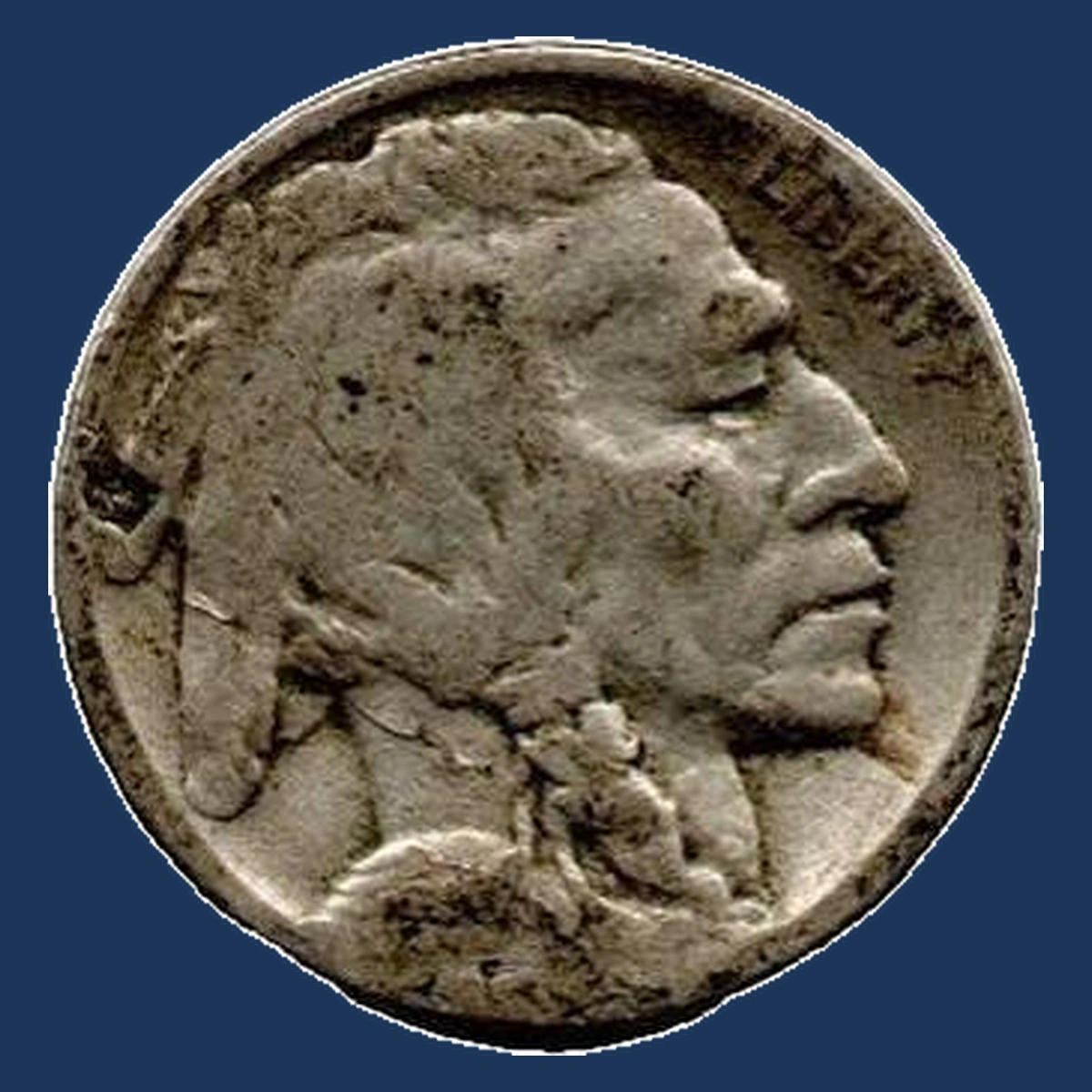
A thin raised line can come from a crack in the die, the steel tool that stamps the coin. Metal pressed into that opening creates a ridge rather than a cut into the finished surface.
The 1931-S type is reported around the front’s open areas and near the date. A crack can take an irregular course, so its raised surface matters more than whether it points in a particular direction.
The date itself remains important to identification. Scratches, corrosion, and damage to the blank need different explanations, even when they also create lines near the portrait.
Estimated Value
An estimated $15–$200 covers a modest confirmed die crack on a readable 1931-S nickel. A clear raised ridge on an attractive coin usually has more appeal than a faint line on a heavily worn surface.
This is a whole-coin estimate, not a separate payment for each branch of a crack. The ordinary value of the date is already included.
A scratch beside the date does not qualify because it resembles that location. The line must come from the stamping tool.
How to Identify
Examine the line from two lighting directions with a 10× magnifier. A ridge stands above the surface, while a scratch usually cuts into it or pushes metal up beside the cut.
Follow its course across the open field or nearby design without assuming a fixed path. The 1931 report does not provide one outline that every candidate must copy.
Check the date and the S beneath FIVE CENTS. For a loose coin, use a scale and calipers against 5 grams and roughly 21.2 millimeters, with a plain edge.
Photograph the line in relation to the date rather than cropping away the surrounding coin. The ridge’s shape and its connection to undisturbed struck detail are more useful than its resemblance to a random scratch.
2. 1931-S Buffalo Nickel Lamination
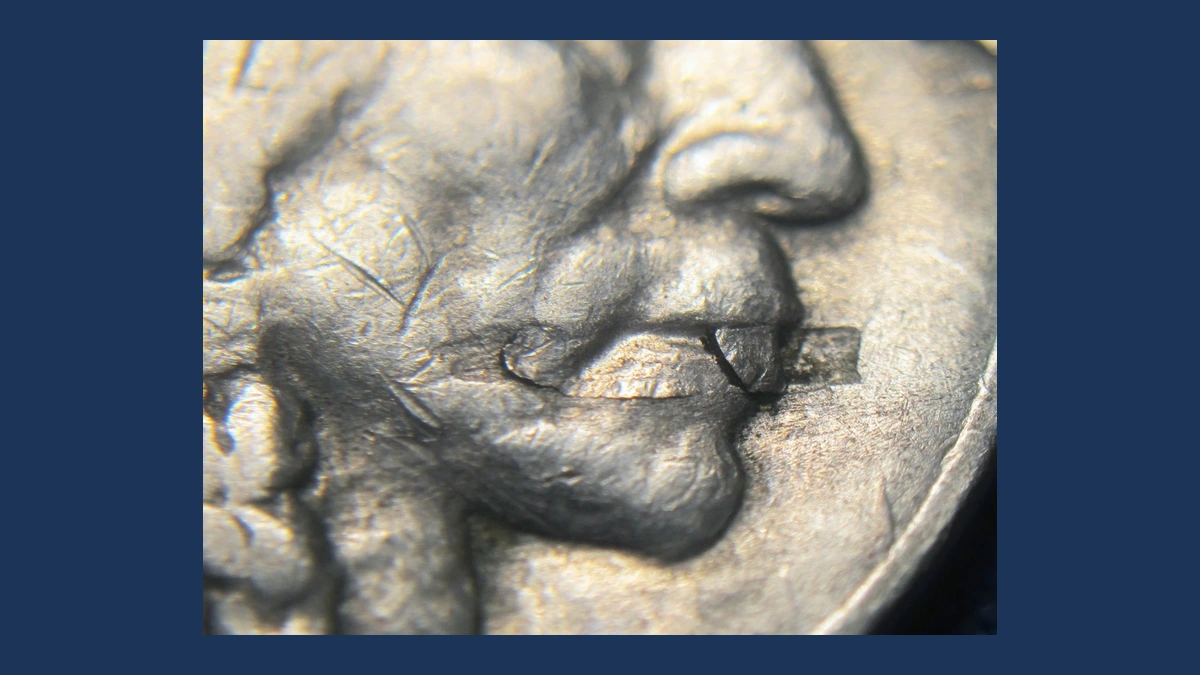
Peeling metal can disturb either face of a 1931-S nickel. A recorded front example was graded EF40 Details by ANACS, describing moderate wear together with a condition problem.
A separate auction report describes a back lamination. Those two locations belong to different coins rather than proof that one specimen is peeling on both sides.
Lamination means part of the alloy has separated internally and lifted or fallen away. The normal copper and nickel are mixed throughout the coin, so this should not be explained as silver or nickel plating peeling from a different metal core.
Estimated Value
Allow an estimated $25–$250 for an identifiable 1931-S surface lamination. The size of the peel, remaining detail, and any additional condition problems affect where it fits.
The known ANACS front example sold through GreatCollections in July 2023, but its public page does not show the amount. A different-year Jefferson lamination brought $27 in April 2008; that comparison supports modest values for small peels without supplying a price for either documented 1931-S coin.
How to Identify
Keep a lifted flap still while checking whether its original design continues into the separating metal. A 10× magnifier can show an internal boundary that differs from a smooth scrape through the surface.
Compare the affected face with the documented front-lamination example when appropriate. Peeling can also occur on the back, so inspect both sides without expecting damage in identical places.
For a loose candidate, weigh it against 5 grams and measure it with calipers against about 21.2 millimeters. Inspect the plain edge without gripping a weak flap, and remember that metal still attached can preserve nearly all the original weight.
Photograph an existing gap from the side rather than opening it further. Preserve enough date and mint detail in the pictures to establish the coin’s identity.
3. 1931-S Buffalo Nickel Repunched Mintmark
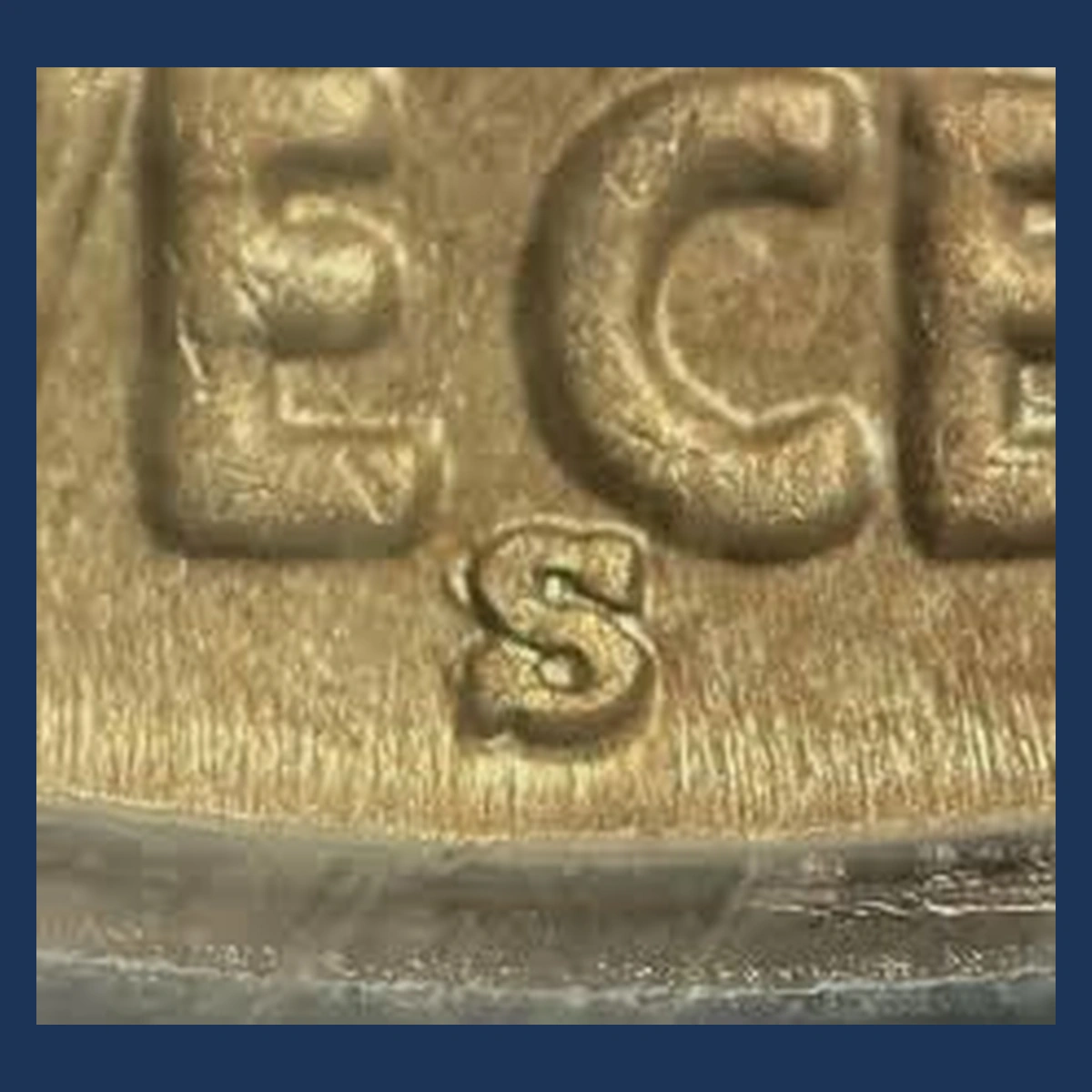
A small additional curve around the S can reflect more than one punch into the stamping tool. The letter was added separately to the die, the steel tool used to stamp coins.
When the repeat punch did not align perfectly, part of an earlier S remained. Collectors call that overlapping letter a repunched mintmark.
A collector records a PCGS MS64 minor variety for 1931-S, meaning an unworn coin with some marks. A small raised fragment of another S must match that variety’s shape before a similar-looking coin receives the same name.
Estimated Value
For a matched minor repunched S, estimate $40–$350, allowing for wear and the clarity of the extra outline. An attractive unworn example can sit above a faint remnant on a worn coin.
The collector’s MS64 listing does not provide an auction result used here. These are estimated whole-coin prices, and a normal S is already expected on this date.
The premium concerns the repeat punch, not the mint letter alone. A blurred S without another letter-shaped curve remains ordinary.
How to Identify
All normal 1931 Buffalo nickels came from San Francisco. A worn-away S does not create a Philadelphia issue, and finding the normal letter alone does not establish an error.
For a loose coin, record its weight with a scale and diameter with calipers. The usual figures are 5 grams and about 21.2 millimeters, with a plain edge.
Now photograph the S under FIVE CENTS through a 10× magnifier. Follow both curves and compare any extra raised segment with an illustrated example of the reported variety.
Change the lighting without changing the coin’s upright position. A nick or reflection may look like another line, but the extra punch should reproduce part of another S rather than a random bump.
4. 1931-S Buffalo Nickel Doubled Back Design
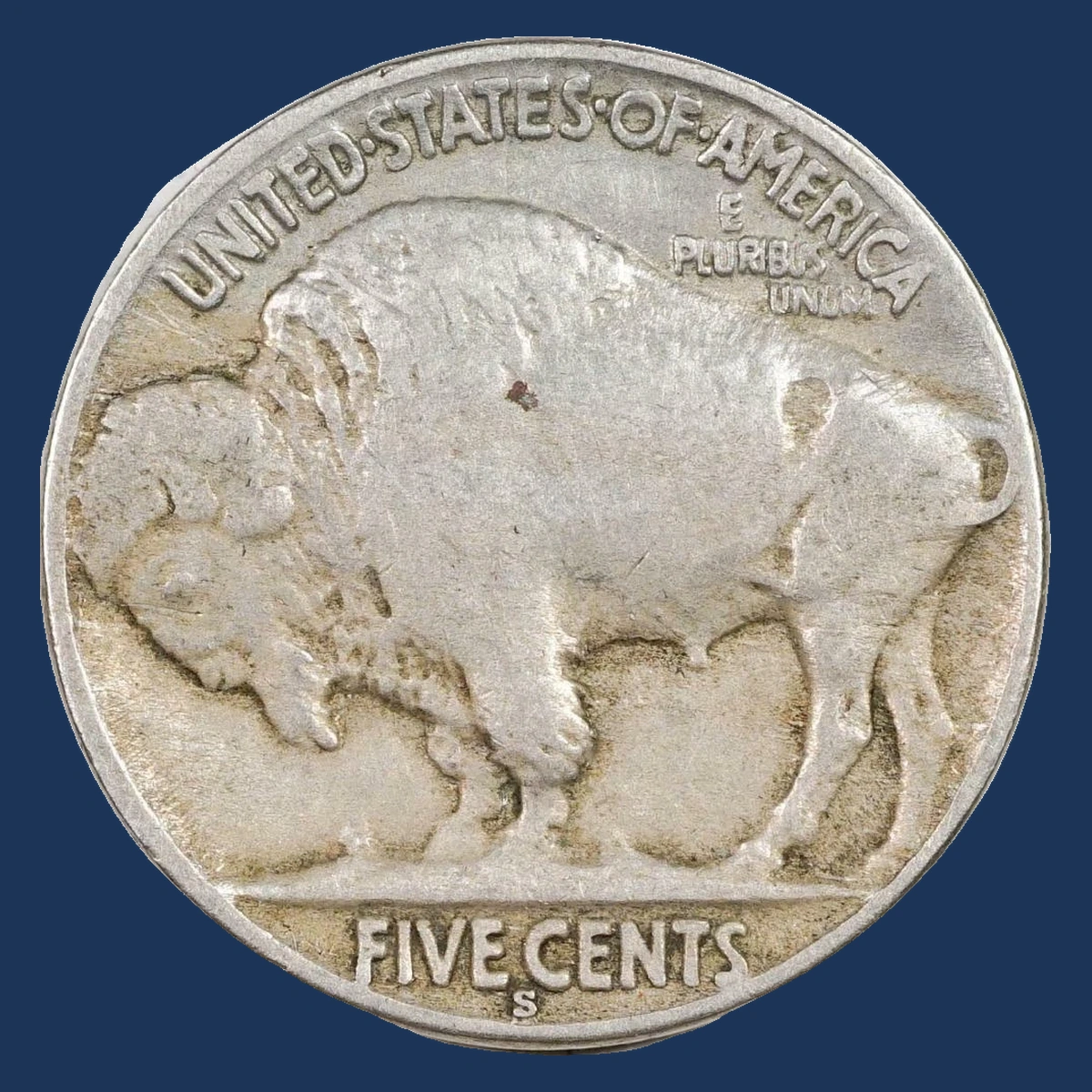
FIVE CENTS and other back inscriptions can show small repeated outlines on this date. These come from a doubled die, a steel stamping tool whose own design carried the extra details.
The coin received that repeated pattern from the tool rather than needing two separate blows. More than one 1931-S back variety is cataloged, so their letter shapes should be compared separately.
A thick-looking letter is not enough by itself. The spacing and direction of its extra outlines must match the particular variety, while ordinary wear or movement during striking can create different kinds of blurred edges.
Estimated Value
PCGS records $700 for an MS65 FS-801 example on eBay on January 31, 2019. MS65 describes an unworn coin with relatively few marks.
A separate MS65 FS-802 brought $541 at Heritage in April 2017. These prices concern different letter patterns, not two names for the same specimen.
An estimated $50–$1,000 covers identifiable examples across ordinary wear and better preservation. The strength of the match and overall condition matter more than the catalog number alone.
How to Identify
The date and S belong in your full-coin photographs before you enlarge the letters. Record a loose coin’s weight and diameter with a scale and calipers: about 5 grams and 21.2 millimeters, with a plain edge.
Then choose one illustrated variety for comparison. PCGS’s FS-801 page covers a different pattern from FS-802.
Under a 10× magnifier, begin at FIVE CENTS and compare several affected letters. Their extra outlines should agree with the chosen example in spacing and direction.
Flat shelves along otherwise normal letters can result from movement during striking. If only one edge seems thicker, examine another affected letter before naming the variety; wear can blur the separation that you need to see.
5. 1931-S Buffalo Nickel Off-Center Strike
An off-center coin carries its design away from the middle of the blank. Part of the design misses the metal, leaving an unstruck area on the other side.
Off-center strikes are reported for 1931-S, although the year-specific reports lack a photographed example with a stated displacement. A genuine example should show the normal relationship between missing design and untouched blank metal.
The coin must retain enough genuine date and mint information for identification. An uneven rim around a complete design, or a missing section cut away later, needs a different explanation from a displaced strike.
Estimated Value
Use a conditional estimated $150–$1,500 for a genuine 1931-S off-center strike, depending on displacement and condition. A clear date and enough design to establish the mint are important to that estimate.
For context, a 1940 Philadelphia Jefferson nickel struck 15% off-center sold for $218.50 in October 2010. That different design and year provide a comparison only; the price is not a recorded 1931-S sale, and it does not establish a percentage for the reported type.
How to Identify
Begin with the identity rather than the size of the blank area. Read the surviving date and check the mintmark region, since an unidentifiable Buffalo nickel cannot simply be assigned to 1931-S.
For a loose candidate, use a scale and calipers against the normal 5 grams and roughly 21.2 millimeters. The design can move without metal being removed, so a low weight also calls for inspection of the edge.
Under a 10× magnifier, compare untouched metal with the opposite side where the design runs off the blank. Examine the plain edge for cutting, filing, or smoothing.
Photograph both faces without hiding the surviving date or mintmark. A broad blank crescent attracts attention, but those identifying details determine whether the coin belongs to this date and mint.
Conclusion
Begin with the readable 1931 date and the S beneath FIVE CENTS. Then distinguish extra raised lettering, a crack line, a peeling surface, or a genuinely displaced design.
The estimated $15–$1,500 range covers very different errors and conditions. The $700 doubled-back sale describes one well-preserved variety, not every coin with thick letters.
Keep fragile metal and original surfaces intact, and photograph enough of the coin to show its identity alongside the suspected error.