1905 Nickel Error List with Pictures

A 1905 nickel struck on a cent blank brought $3,120 in August 2024. Its smaller copper blank is a very different find from a normal nickel with a tiny extra mark in the date.
These 1905 Liberty Head nickel errors have estimated values of $10–$6,000. Read on to compare their shapes, surfaces, and dates, including a partly split coin that opens like a shell.
1. 1905 Liberty Head Nickel Partly Split Metal Opening Like a Shell
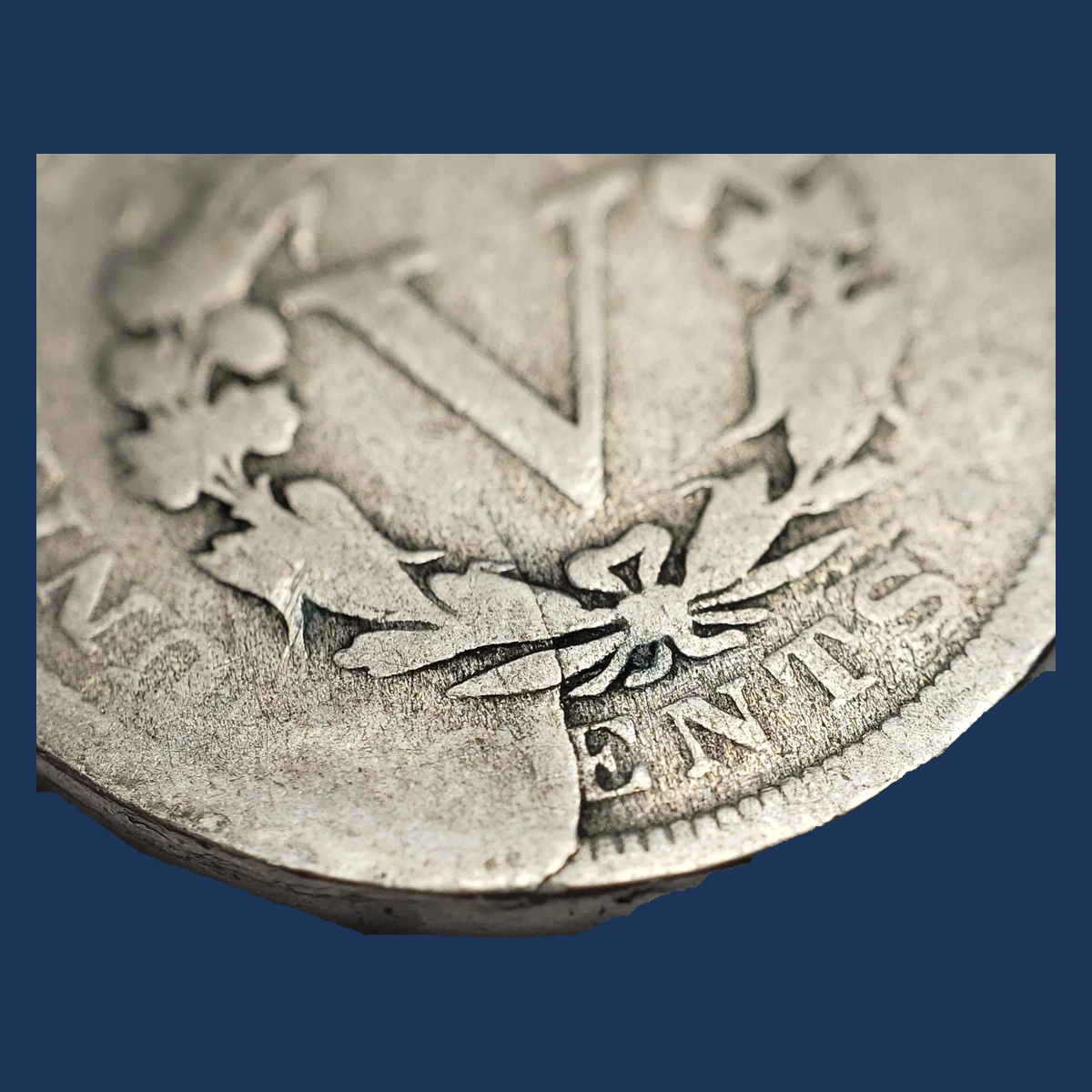
The front portion of a nickel can begin separating while remaining joined along another part of its edge. The opening resembles a partly opened shell, giving it the name clamshell split.
A 1905 example is listed with an NGC VG8 grade, indicating heavy wear. A separate seller also describes a partly split coin of this date.
The metal weakness belongs within the solid copper-nickel alloy. This is not a missing plated skin, and an attached opening does not establish that the coin once separated completely into two matching halves.
Estimated Value
Estimate $30–$350 for a genuine partial split, depending on its size, condition, and how naturally the opening remains preserved. The separate ungraded seller example was offered at $45, an asking price rather than an auction result.
A visible opening with original inner metal is more useful than a barely visible seam. Heavy wear or signs that someone forced the coin farther apart reduce its appeal.
The estimate covers the whole partly split nickel.
How to Identify
Keep the opening exactly as found and support the coin without squeezing it. Pulling the sides apart can create fresh damage and destroy the original relationship.
Use a 10× magnifier to inspect the exposed inner metal and the area that still joins the two portions. Saw marks, bending, or fresh prying need attention.
For a loose coin, compare its weight with 5 grams on a scale. An opening can remain near full weight if no metal has fallen away.
Calipers can gently check an intact span against 21.2 millimeters. Photograph the plain edge and front together so the natural separation can be distinguished from a cut across a finished coin.
2. 1905 Liberty Head Nickel A Flaw in the Original Blank
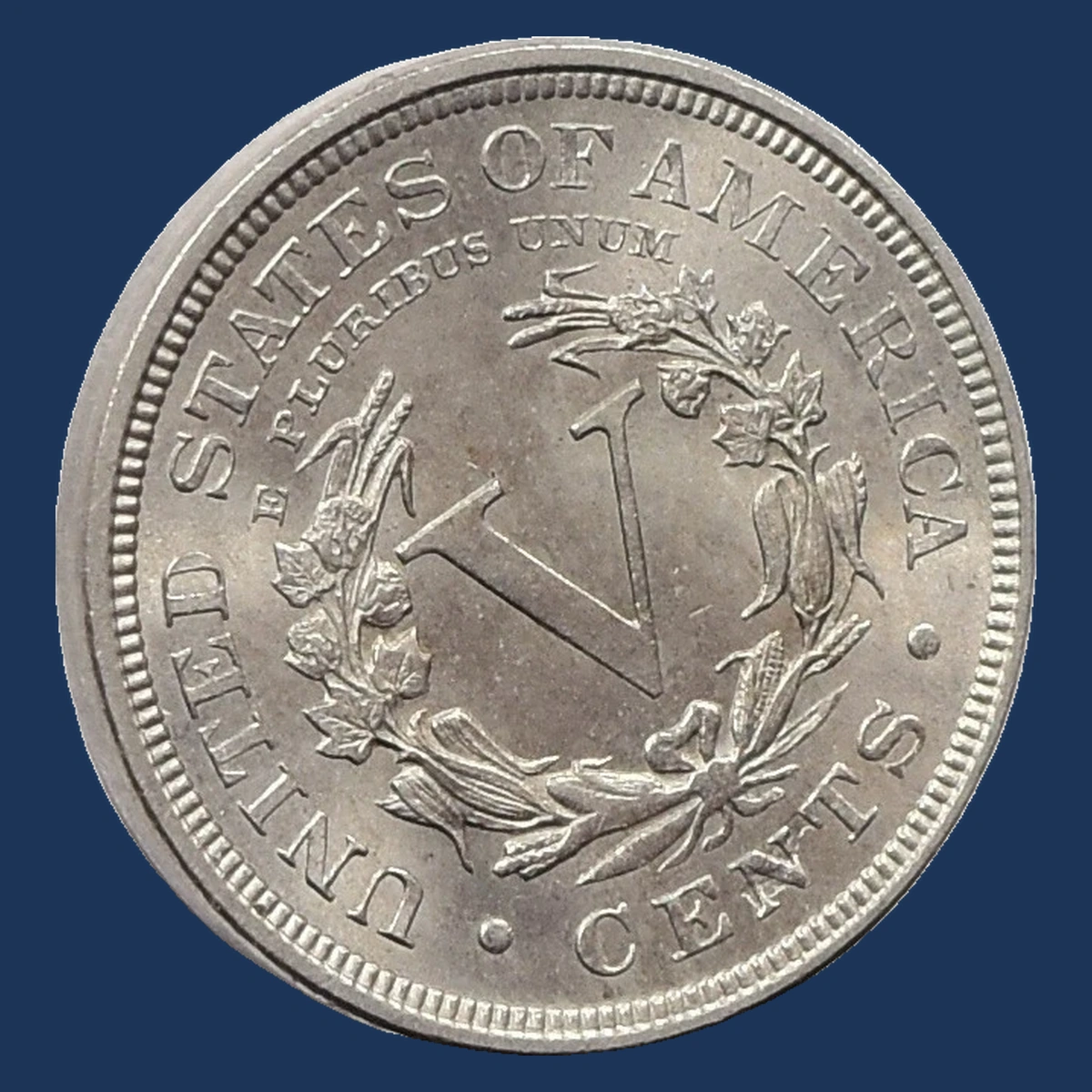
An uneven surface or malformed patch may have begun in the metal before the design was stamped. The prepared metal disk is called a planchet, or coin blank.
A 1905 example appears in auction records as a defective-planchet coin graded PCGS AU55. That grade indicates light circulation wear.
The broad description does not specify a foreign alloy, measured weight, or exact damaged area. Those details must come from the individual coin, rather than from another error listed nearby.
An original blank flaw and damage to a finished nickel can affect the design in different ways.
Estimated Value
Greysheet records an $85 Heritage result in September 2024 for the AU55 defective-blank example. Estimate $50–$400 for comparable genuine flaws with different appearances and condition.
A clear defect with readable surrounding design supports stronger interest than a vague rough spot. Much of an attractive coin’s value can still come from its preservation.
The label does not justify a wrong-metal premium by itself. A specific foreign blank requires additional physical evidence beyond a flawed surface.
How to Identify
Read the complete grading description before deciding what the defect is. “Defective planchet” identifies a flawed blank without naming every possible cause.
For a loose candidate, record weight with a scale and width with calipers. The ordinary comparisons are 5 grams and 21.2 millimeters.
With a 10× magnifier, follow the design where it crosses the irregular surface. A flaw present during striking can affect the impression there.
Inspect the plain edge for filing, crushing, or a fresh cut. These can change the outline after minting.
Photograph the flaw with the nearby letters still visible. The way the original design meets the defect is more informative than a close-up that hides the rest of the coin.
3. 1905 Liberty Head Nickel A Curved Piece Missing from the Blank
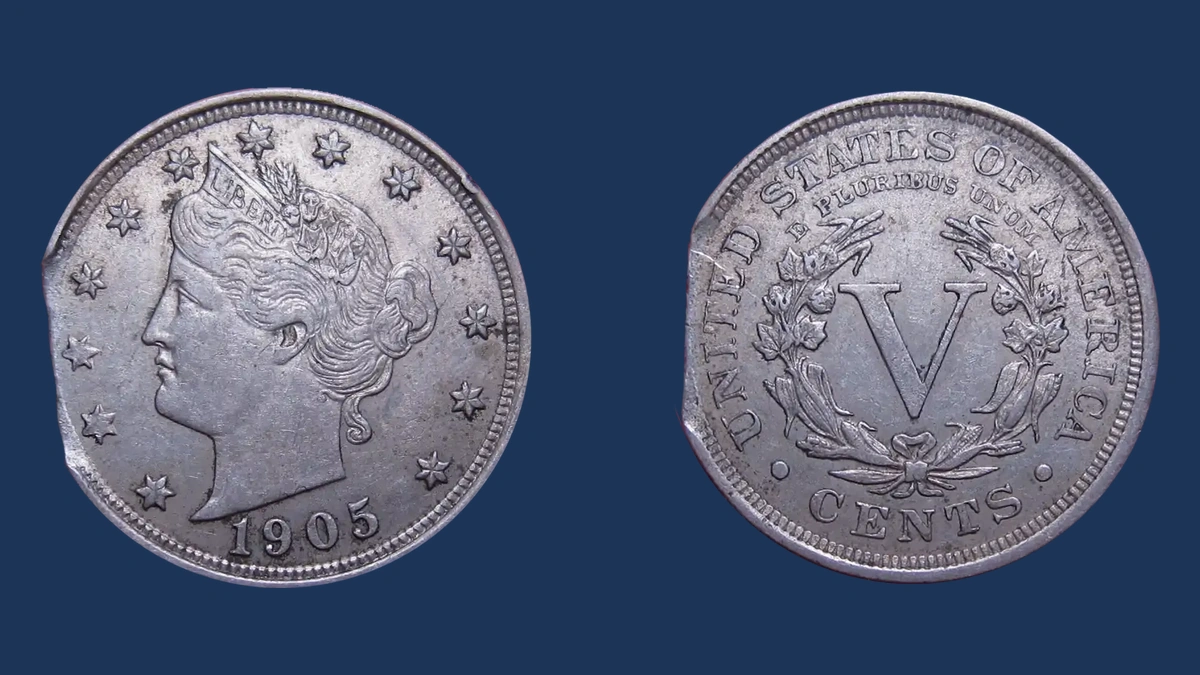
A curved bite can form when the blank-cutting machine overlaps a hole already punched in the metal strip. The incomplete blank then receives the nickel design.
The 1905 year guide includes curved clips without establishing one fixed size or clock position. The surviving edge and lettering beside the gap need to be examined on the actual coin.
The rim opposite a clip can be weak because the incomplete blank did not form its raised border normally. That is helpful supporting evidence, but later cutting can also create a curved-looking missing piece.
Estimated Value
A working estimate is $40–$150 for worn examples and $175–$500 for clearer unworn clips, following the year guide’s comparisons. Size, original surface, and a readable date all matter.
The missing section should have convincing pre-strike evidence before the higher range is applied. A large bite cut from a finished coin does not become valuable simply because it is easy to see.
The range prices the complete nickel, including its underlying condition.
How to Identify
Weigh a loose candidate before focusing on the curved outline. Missing metal generally lowers the normal 5-gram weight; calipers can compare an intact span with 21.2 millimeters.
Under a 10× magnifier, inspect both ends of the gap for metal shaped by the strike. Fresh burrs, saw marks, or lettering sliced through after completion suggest a later cut.
Follow the plain edge around to the opposite rim and look for weakness. That clue can help, but its absence does not automatically rule out a genuine clip.
The gap itself remains the main test. The curved boundary and nearby struck details must show that the blank was incomplete before the design was stamped.
4. 1905 Liberty Head Nickel An Earlier Outline Below the Date
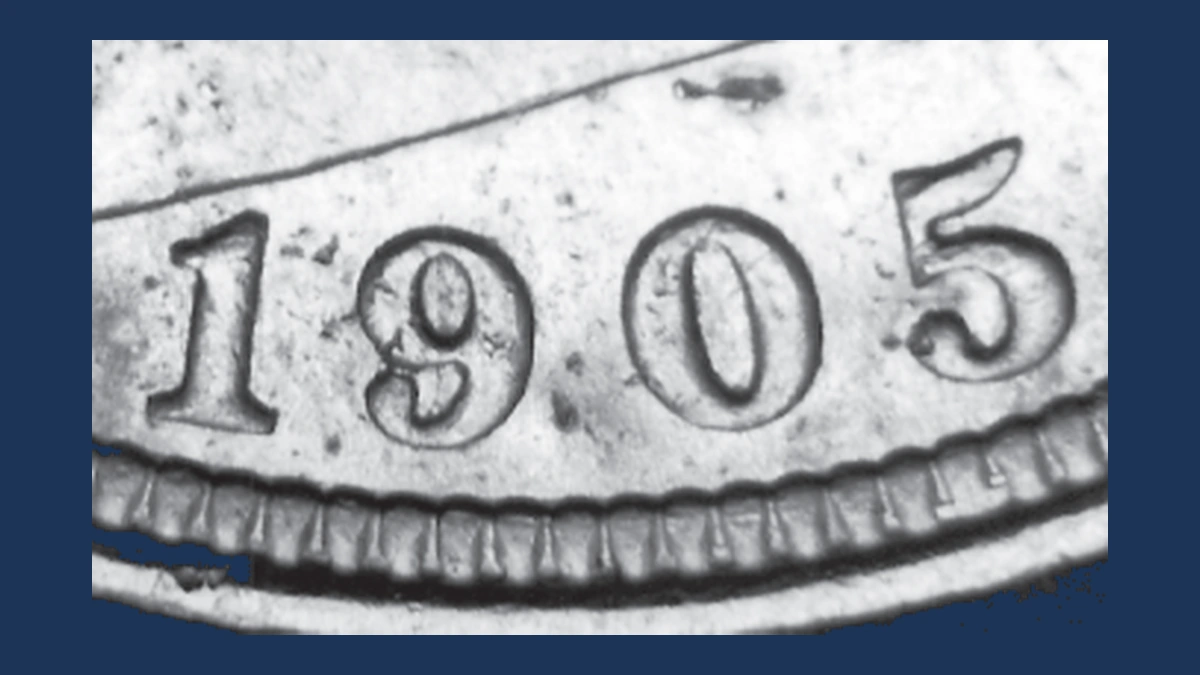
A small second curve can appear below the 0 without creating a complete extra date. The year report describes it as an earlier date-punch impression left in the stamping tool.
A worker could punch the date again in a slightly different position. Where the impressions did not fully overlap, part of the first digit remained to appear on later coins.
This is called a repunched date. It differs from number tops misplaced among the border teeth farther below, and a tiny scratch beside the 0 should not be counted as another punch.
Estimated Value
Estimate $25–$150 for a clear reported date remnant on a worn coin, with better-preserved, well-identified examples around $150–$500. These are whole-coin estimates for modest date-punch varieties.
A recognizable curve matching the earlier 0 is more useful than unexplained extra thickness. Wear can make a small remnant difficult to compare, while cleaning may spoil an otherwise attractive example.
The stronger range requires a matching original pattern rather than a seller’s label alone.
How to Identify
Keep the lower edge of the 0 and the border teeth in one enlarged photograph. The reported remnant is immediately below the digit; number tops farther down among the teeth belong to a separate comparison.
For a loose nickel, check roughly 5 grams on a scale and 21.2 millimeters with calipers. Inspect the plain edge and date area for signs of alteration before studying the fine extra curve.
Under a 10× magnifier, compare the shape with a correctly identified date photograph. A real punch remnant should follow part of the earlier number, rather than a random scratch or lump.
Change the light angle without rotating the coin. A flat ledge from movement during striking or added metal should not be mistaken for the matching earlier 0.
5. 1905 Liberty Head Nickel Number Tops Hidden in the Border
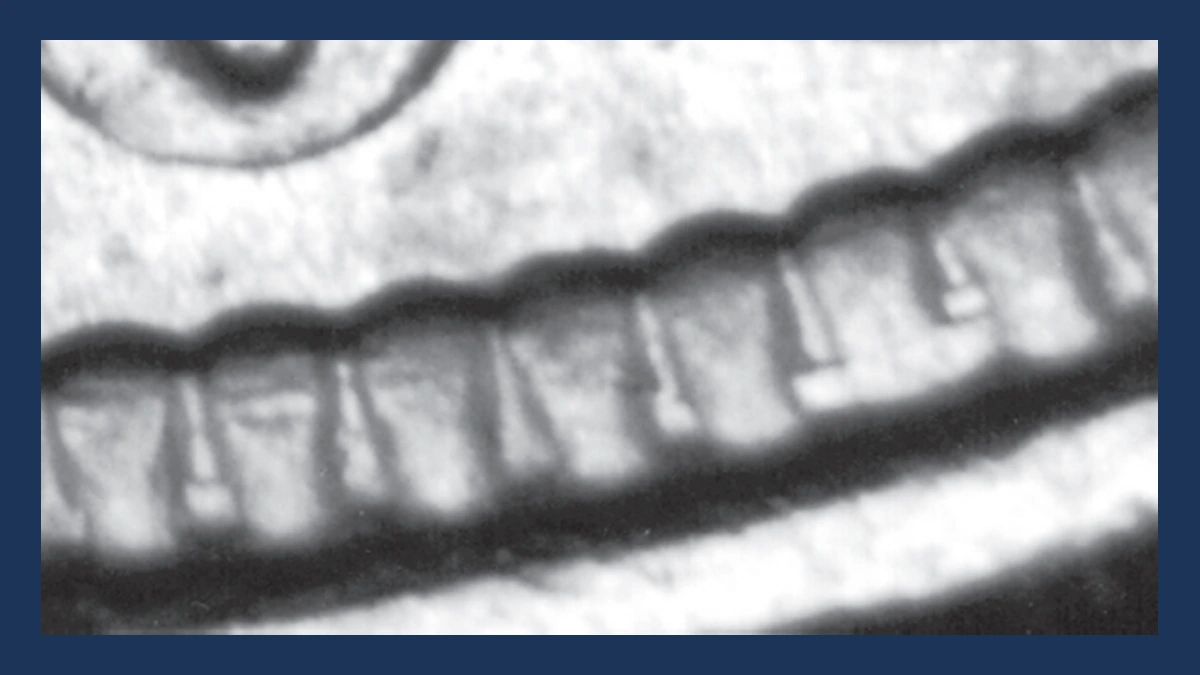
Tiny curved shapes can interrupt the row of border teeth beneath 1905. The year guide identifies them as tops of 0 and 5 left by a date punch applied too low.
The correct date was then placed in its usual position on the stamping tool. Parts of the earlier misplaced impression remained visible on the coins it struck.
The result is called a misplaced date, not a coin struck twice. A bump among the border teeth needs to match a number fragment before it can be given that explanation.
Estimated Value
The year guide places worn examples around $10–$100, with clearer unworn pieces about $125–$600. The condition of the whole nickel remains important even when the tiny misplaced numbers are visible.
A strong, recognizable fragment is easier to compare than a softened bump hidden by wear. Better photographs can demonstrate the feature but do not improve the coin’s actual grade.
An ordinary irregular border tooth should not receive the same premium without a matching digit shape.
How to Identify
Use a loose normal nickel as a size comparison before examining the border: about 5 grams and 21.2 millimeters. Check the candidate with a scale and calipers, and inspect the plain edge for blows or filing.
Now keep the full 1905 date visible under a 10× magnifier while following the row of border teeth below it. Look for rounded number tops that interrupt the regular shapes, rather than drawing a whole digit through unrelated bumps.
Compare the reported 0 and 5 fragments with a correctly identified photograph, including their positions below the normal date. An impact can push the rim upward, so the remnants must belong to the struck border rather than later displaced metal.
6. 1905 Liberty Head Nickel Cracks and Rim-Connected Breaks
A thin raised line and a broad raised patch can come from different amounts of damage to the stamping tool. Collectors call that tool a die.
Coin metal fills a crack in the die and forms a ridge. If a piece breaks away at the tool’s edge, the coin can instead receive a larger blank lump joined to its rim.
That rim-connected lump is called a cud. The 1905 guide reports cracks and cuds without establishing one exact path or position, so each coin needs its own comparison rather than a borrowed diagram.
Estimated Value
Allow an estimated $15–$100 for modest raised cracks and $100–$750 for clearer rim breaks on genuine examples. The stronger end requires a substantial original feature, not merely a small line touching the rim.
Condition and readable surrounding design affect both ranges. A large lump on a badly damaged coin can be less desirable than a smaller, well-preserved break.
Several cracks from the same tool still belong to one nickel and receive one whole-coin price.
How to Identify
Use side lighting to decide whether the feature rises above the design. A 10× magnifier can separate a ridge from the groove of a scratch.
If it is a large patch, follow it into the rim. A cud replaces design where a rim section of the tool was missing.
Inspect the plain edge beside the patch for a dent or bend. A later impact can push coin metal upward without a broken stamping tool.
A loose intact coin normally remains near 5 grams and 21.2 millimeters on a scale and calipers. The die lost metal, not the coin.
Photograph the whole affected area, including the neighboring letters. Its raised shape should fit the original strike rather than added filler or damage.
7. 1905 Liberty Head Nickel A Displaced Strike with a Blank Crescent
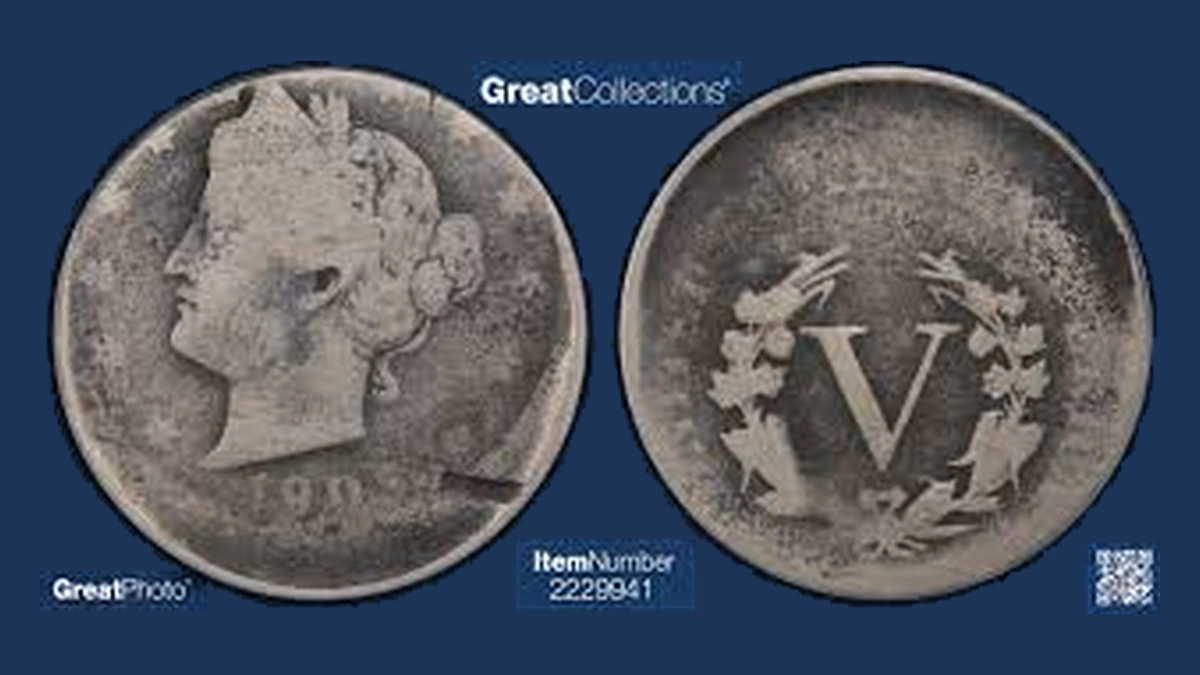
A blank crescent remains where the metal missed the stamping tools. Across from it, part of the design extends beyond the coin’s edge.
A 1905 example is listed as ten percent off center and graded PCGS AG3. AG3 means heavy wear, with much of the finer design already smooth.
The shift itself should still be distinguished from that later wear. Its record does not establish a clock direction, and an uneven border alone does not show the same error.
A true off-center strike affects both faces because the whole blank sat in the wrong position.
Estimated Value
Estimate $100–$300 for a smaller original shift on a heavily worn example, and about $300–$1,500 for stronger, better-preserved dated pieces. The listed AG3 coin belongs with heavily worn comparisons.
A readable year helps collectors connect the error to 1905. A larger blank area can be impressive, but losing the entire date can reduce that appeal.
Compare the actual displacement and condition together. Wear alone does not explain an untouched crescent beside cut-off design.
How to Identify
Read the surviving date before choosing a year-specific comparison. On a worn coin, check that each digit belongs to the original design rather than a later alteration.
Turn the coin over and compare the blank areas. Both faces should show the corresponding displacement of the same blank.
A loose intact blank starts near 5 grams and 21.2 millimeters, checked with a scale and calipers. Striking can spread its outline without cutting metal away.
Use a 10× magnifier to inspect the transition from struck to untouched metal and the nearby plain edge. Fresh filing or hammer marks suggest a different cause.
The ten-percent description does not supply a direction. Match the actual strike instead of assigning another coin’s clock position.
8. 1905 Liberty Head Nickel Reported Joined or Matching Pieces
Multiple pieces can preserve evidence of contact inside the press, but their relationship must be established. Blanks bonded by striking remain joined, while a matching pair can consist of separate coins with related impressions.
The older 1905 listing uses a paired or bonded description without resolving which object it means. It does not establish a count of blanks or a specific sequence of strikes.
Both possibilities require original contact evidence. Two ordinary nickels glued together, or unrelated errors displayed side by side, do not become an original mint-made group.
Estimated Value
For a confirmed matching pair, allow a conditional estimate of $500–$3,000 for both pieces together. A genuine bonded group can fit a working range of $1,000–$5,000, depending on its construction and preservation.
The estimates depend on identifying the actual object first. Matching impressions and original joins support stronger interest than a vague paired description.
The whole group receives one price. Dividing or separating its pieces can remove the relationship collectors are paying to see.
How to Identify
Photograph the pieces as they are, without pulling joined metal apart or pressing loose coins together. First establish whether the object is physically bonded or merely presented as a pair.
Under a 10× magnifier, inspect contact outlines and designs that could explain each other. Glue, solder, and a seam between ordinary finished coins need to be excluded.
For loose pieces, record weights separately with a scale and outlines with calipers. A normal nickel starts at 5 grams and 21.2 millimeters, with a plain edge; no specific combined weight is established for this report.
Have the original contact examined before calling the pieces a match. Similar dates alone do not connect two coins to one striking event.
9. 1905 Liberty Head Nickel Struck on a Cent or Foreign Blank
A nickel design can land on metal prepared for a different coin. The documented 1905 examples include a copper cent blank and a separate, lighter foreign blank.
The cent-blank coin is graded PCGS AU50, meaning light wear. The NGC MS64 foreign-blank example is unworn with some marks and weighs 2.67 grams.
Heritage describes the latter as slightly smaller and thinner than a normal nickel, with all border words readable but weak design. Its country was unidentified, and an accompanying metal analysis was not verified by the auctioneer.
The two blanks should therefore remain separate comparisons.
Estimated Value
The cent-blank AU50 coin brought $3,120 in August 2024. The separate 2.67-gram foreign-blank coin sold for $1,320 in March 2021.
Estimate $2,000–$6,000 for a clearly identified cent-blank example and $700–$3,000 for comparable foreign-blank pieces. Condition and the strength of the metal identification affect both ranges.
A seller’s country attribution should not replace the actual measurements. Copper color alone also cannot prove that the cent blank entered the nickel press.
How to Identify
Weigh a loose candidate before relying on its color. A normal nickel is 5 grams, while a contemporary cent blank starts near 3.11 grams; the documented foreign piece weighs 2.67 grams.
Use calipers to compare the outline with the nickel’s 21.2 millimeters and the cent blank’s original 19.05 millimeters. Striking can spread a smaller blank.
Photograph the plain edge and any cropped or weak design through a 10× magnifier. Look for a coating or signs of grinding that could change color or reduce weight after minting.
Have the metal tested without scratching or filing the coin. Its composition and dimensions need to support the proposed blank together; low weight alone cannot identify the foreign piece’s country.
Conclusion
These 1905 nickel errors span an estimated $10–$6,000, from small date-punch remnants to the documented cent-blank coin. The visible feature and the condition of the whole piece both shape its price.
Protect partly split metal, compare both faces of shifted strikes, and keep different wrong blanks separate. A clear date, original edge, and measured weight make a better starting point than a dramatic name alone.