1970 Half Dollar Error List with Pictures

A 1970-S half dollar stamped on a quarter blank sold for $7,475 in 2007. It was graded PR66, a well-preserved Proof specially made for collectors.
Much of HALF DOLLAR could not fit on the smaller disc. Other 1970 half dollar errors need closer inspection, including faint extra outlines in letters and stars.
Estimated values run from $25 to $10,000. Read on to compare each feature, starting with the D or S mintmark on your coin.
1. 1970-D Half Dollar Double Clip (Estimated Up to $350)
Two small gaps are reported on a 1970-D graded MS64, meaning unworn with some marks. Together, the gaps are described as a five-percent double clip.
One gap sits near 10 o’clock and a smaller rim clip near 11:30. Those positions belong to that published example.
GreatCollections lists another ANACS MS64. Its gaps need comparison with its own photographs rather than borrowing the first coin’s layout.
The error began with an incomplete metal blank. It does not mean the coin was struck twice, and each gap should show how the nearby rim formed around metal that was already missing.
Estimated Value
A historical Mint Error News offer set a $150 minimum bid for the described MS64. That was the starting bid, not a completed sale.
Estimate $75–$350 for genuine examples in differing condition. The 1970-D was issued in Mint sets, so a clear date and mintmark help its appeal.
Two tiny gaps need not bring more than one larger clip. Surface marks and poorly preserved borders can reduce interest.
How to Identify
Examine the two gaps separately through a 10× magnifier. Each should have a rim that tapers naturally toward the missing section.
A genuine gap on one side does not explain a fresh tool cut on the other. Inspect the edge grooves beside both openings.
When safely accessible, compare scale weight with the original 11.50 grams and caliper width across intact areas with 30.61 millimeters. The opposite rims may be weak, but this clue is not required.
The 10 and 11:30 positions apply only to the published coin. Look for original stamped details meeting both gaps, rather than two sharp notches cut into a finished coin.
2. 1970-S Half Dollar Underweight Proof Planchet (Estimated Up to $400)
This Proof weighs 10.8 grams instead of the normal 11.50 grams. The difference is about seven-tenths of a gram.
NGC graded it PR67 Cameo. Cameo means a frosted picture stands out against the coin’s shiny surrounding areas.
The coin is identified as an underweight planchet error; planchet means the metal blank before stamping. The term reports a weight shortage without proving its exact cause.
Thin starting metal and a missing layer leave different clues. Compare the outline, thickness, and original surfaces before choosing a cause.
Estimated Value
Heritage’s archive records $156 in September 2020 for the 10.8-gram PR67 Cameo. Estimate $100–$400 for confirmed underweight Proofs with differing surfaces and weight shortages.
This range applies to an original blank problem. It does not include a worn, filed, or chemically thinned coin.
The grade helps describe preservation. The amount of missing weight and the physical cause determine whether another coin is a useful comparison with this specimen.
How to Identify
Check your scale with a calibration weight before interpreting a difference of less than one gram. Keep a graded Proof sealed, using its recorded weight rather than opening the holder.
For a safely accessible coin, compare with 11.50 grams and use calipers against 30.61 millimeters. Measure thickness at undamaged places too.
Under a 10× magnifier, inspect both faces, the edge grooves, and the joins between metal layers. Acid damage, rubbing, or filing can remove metal after stamping.
The 10.8 grams belongs to the known specimen, not every candidate. Check for a repeatably low weight alongside original surfaces, without a filed edge or chemically roughened metal.
3. 1970 Half Dollar Doubled and Tripled Die Reverses (Estimated Up to $500)
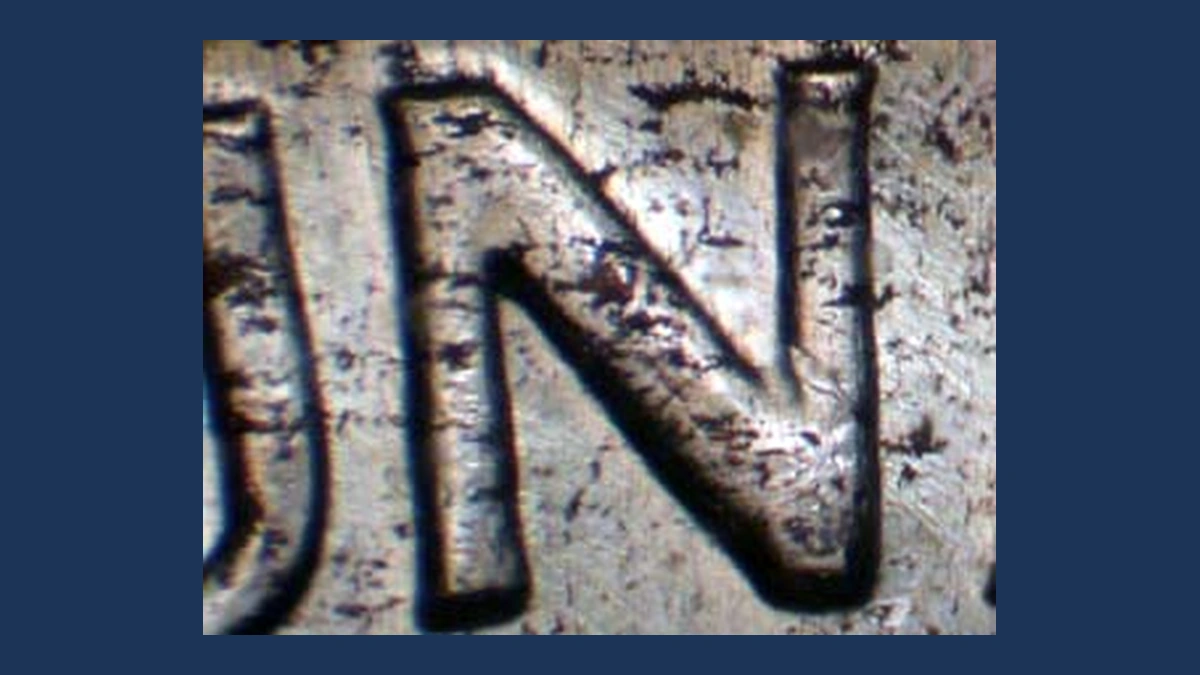
Star points below the national lettering can show extra outlines on both Denver and San Francisco coins. Some are slight; others are clearly separated.
The repeated picture began in the die, the steel tool that stamps coins. It could then appear on many coins from the same tool.
One Wexler Proof listing shows at least four images in stars below AMERICA. Other varieties affect the denomination, arrows, or only part of the upper star ring.
Do not expect every coin to show the strongest pattern. Different reference numbering systems also need photograph matches before assuming their numbers describe different tools.
Estimated Value
Minor back-side varieties are estimated at $25–$150. Strongly separated, recognized Proof examples are estimated at $100–$500.
These ranges use modest Kennedy doubled varieties as comparisons, including 1970 front-side Proof varieties. They are not individual sale records for every catalog entry.
Clearly separated stars can make a coin more appealing. Mint, finish, and preservation still matter, so prices for a famous variety from another year should not be copied onto this group.
How to Identify
Compare several neighboring star points, looking for the same direction and spacing of the extra outlines. One odd-looking tip is not enough.
Choose a Denver or San Francisco photograph matching the coin’s mint and finish. The strongest reported Proof has repeated stars below AMERICA; smaller varieties need their own letter-and-star matches.
Both issues use layered metal containing 40% silver. When safely accessible, compare a scale with 11.50 grams and calipers with about 30.61 millimeters, and inspect the edge grooves.
Use a 10× magnifier while moving the light. Look for rounded extra star points that stay in place and match across neighboring stars, rather than flat shelves or shifting shadows.
4. 1970 Half Dollar Reported Obverse Strikethrough (Estimated Up to $500)
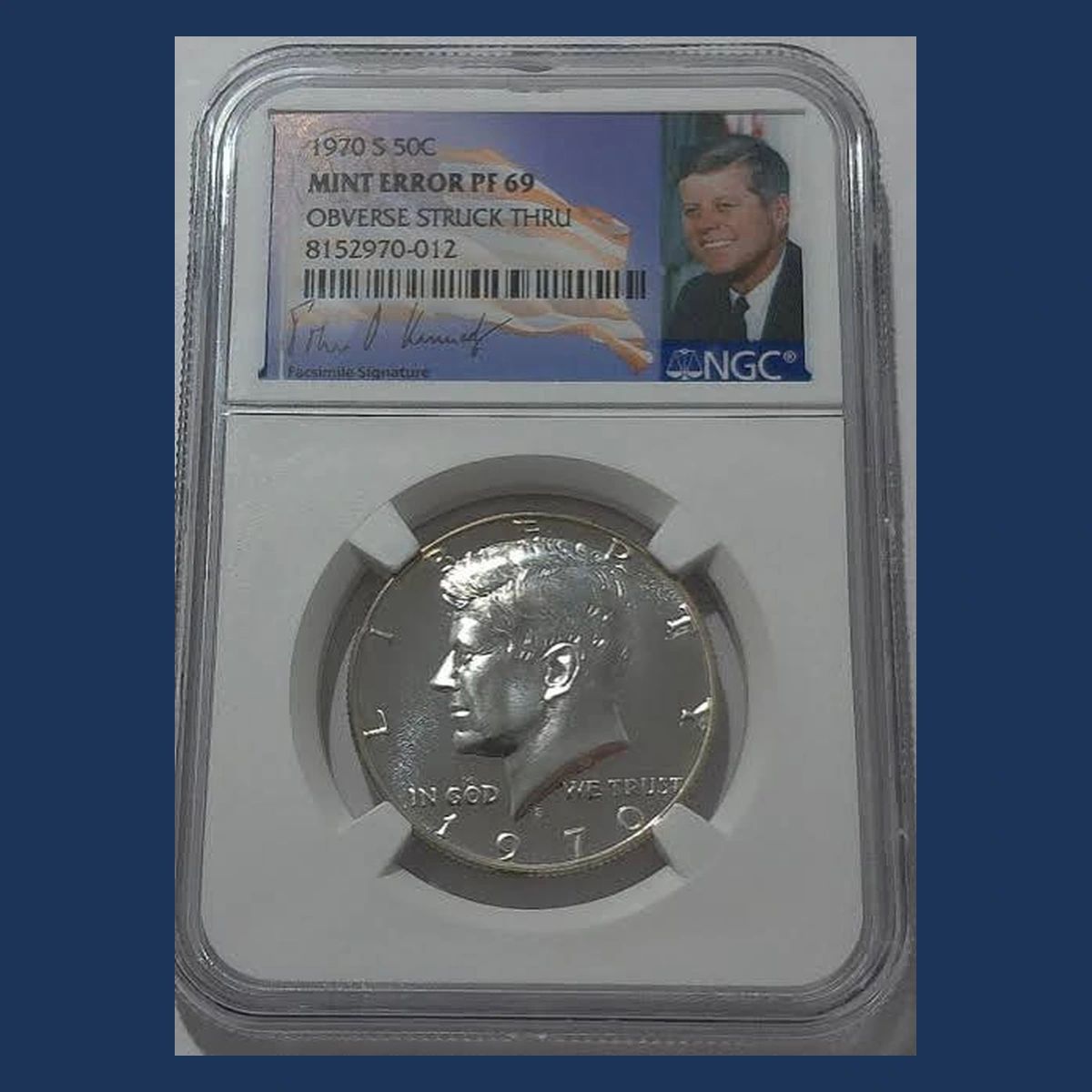
An object between the blank and stamping tool can leave a hollow on Kennedy’s side. It may also block part of a letter or picture.
Collectors call this a strike-through. The 1970 year list reports it without a specific mint, finish, or mapped location.
That description does not prove a wire, cloth, or grease caused the mark. The actual coin needs a recognizable impression before naming a material.
Later scratches and wear can also remove detail. The difference is whether the original picture failed to form in one place, or whether someone damaged a picture that was already complete.
Estimated Value
Estimate $40–$500 for genuine front-side strike-throughs, from small marks to larger visible impressions. Proof finish and original surface quality should be compared separately.
A 1967 Special Mint Set MS66 Cameo sold for $159 in January 2023 with this error. Special Mint Sets were collector issues with their own finish.
That earlier coin offers a 40% silver comparison. It is neither a 1970 Proof nor a regular Denver issue, and does not identify the reported obstruction.
How to Identify
Keep the 1970 date and D or S mintmark visible in photographs. These details identify the coin before the local mark is judged.
Normal examples weigh 11.50 grams and measure about 30.61 millimeters. Use a scale and calipers when safely accessible, and inspect the grooves around the edge.
Now magnify the point where sharp design meets the interruption. A scrape may cut across finished details and push metal up along its sides.
Only a clear texture or outline can identify the blocking material. Look for a local hollow or missing detail beside undamaged stamped surfaces, without abrasion trails or an impact lip from later damage.
5. 1970 Half Dollar Clashed Dies (Estimated Up to $600)
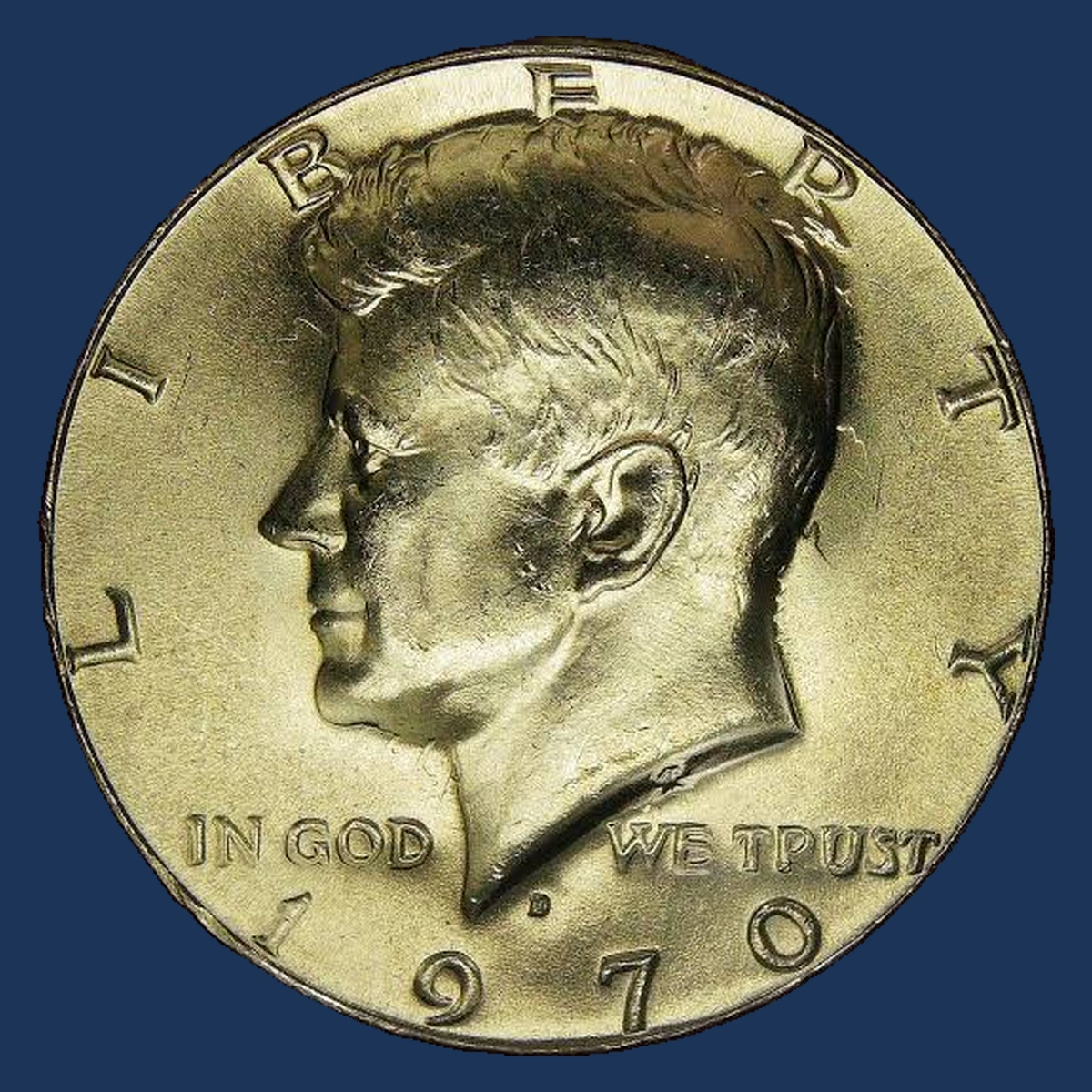
A faint extra shape can appear where it does not belong in the design. The two stamping tools hit each other without a blank between them.
One tool picked up part of the opposite picture. Later coins then received that unwanted outline.
A 1970-S NGC PR65 Cameo is specifically listed with this error, called a die clash. Denver variety references also report clashes after particular tools had been used longer.
The Denver marks do not locate the Proof’s marks. Each extra shape should match the correct part of the opposite picture when both designs are aligned properly.
Estimated Value
The 1970-S PR65 Cameo clash sold for $159 at Heritage in April 2022. Estimate $50–$600 for modest through unusually clear examples.
Proof preservation and a recognizable transferred shape affect the price. Random scratches do not earn the same error allowance.
Some Denver clashes appear alongside a doubled back variety. Those features belong to one complete coin, so do not add two separate whole-coin prices to value it.
How to Identify
Photograph both faces at the same scale and compare the unexplained mark with the opposite design. A correctly aligned mirrored outline can help show whether the shapes fit.
Keep Denver regular coins and San Francisco Proofs separate. A mark on one Denver tool cannot locate a different Proof’s clash.
For a safely accessible coin, check scale weight near 11.50 grams and caliper width near 30.61 millimeters. Inspect its edge grooves and nearby surfaces for alteration.
Use a 10× magnifier to separate narrow raised traces from cuts. Look for a recognizable piece of the opposite picture in the correct place, rather than a random line that only vaguely resembles it.
6. 1970-S Half Dollar Doubled Die Obverse (Estimated Up to $1,000)
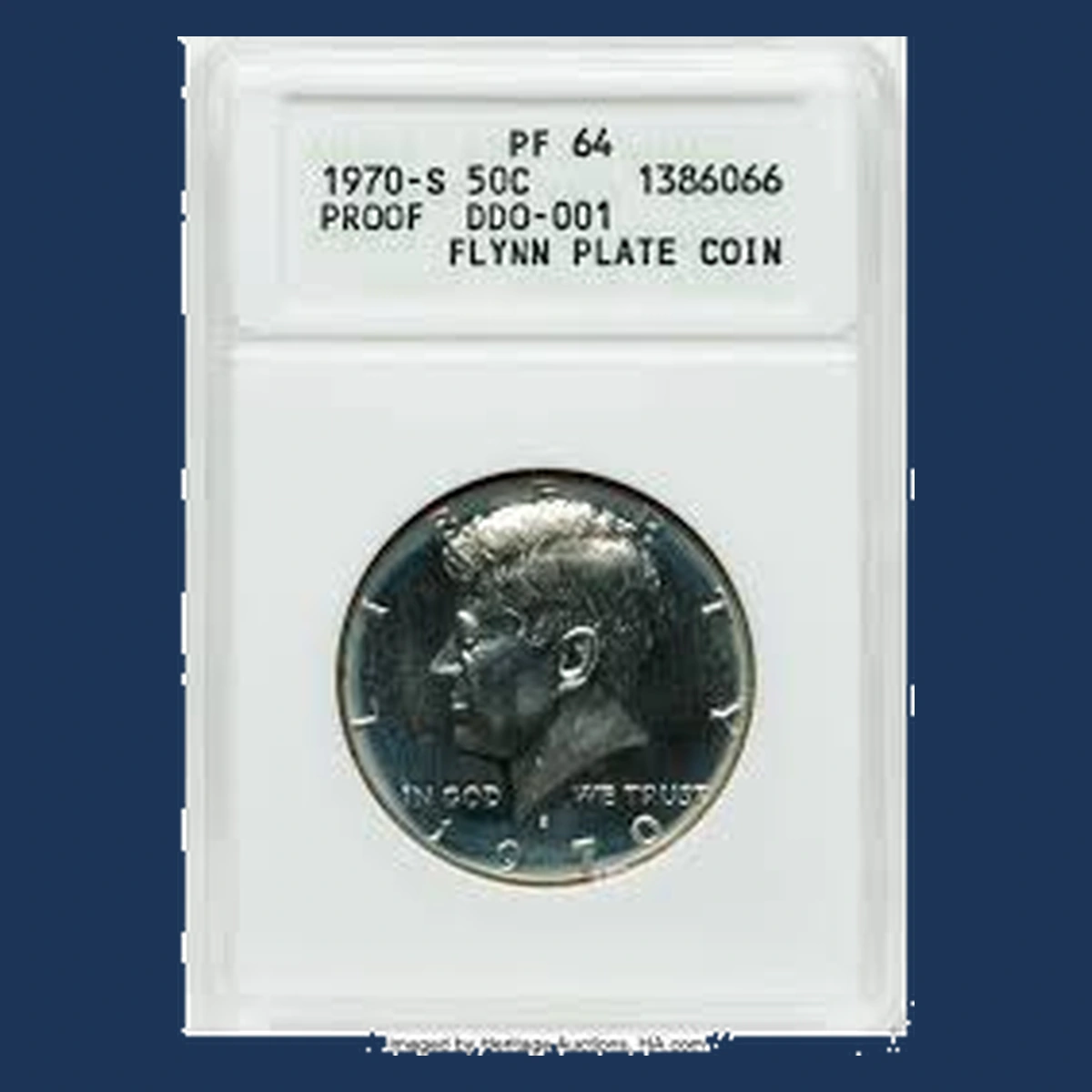
The strong FS-101 Proof shows extra outlines shifted counterclockwise around the front. They appear in lettering, the date, and hair detail.
FS-102 is a different pattern. The ST in TRUST provides a useful place to see its multiple raised outlines.
Other listed tools produced lighter separation, a different direction, or smaller hair features. Match several details on one coin instead of combining the strongest features from several photographs.
The doubling existed in the stamping tool before the coin was made. Normal Proof production uses repeated blows for sharp detail, but those blows do not automatically create this doubled-tool variety.
Estimated Value
PCGS records $940 for an FS-101 PR68 sold in July 2013. Its Cameo page separately records $851 for a PR68 Cameo in July 2021.
Estimate $50–$1,000 across minor recognized varieties through stronger, attractive examples. The highest figures belong to those specific FS-101 coins.
Compare the direction of doubling, marks, and surface contrast. Not every front-side listing has the same visible pattern or deserves the same high-grade price.
How to Identify
Check TRUST and the upper hair through a 10× magnifier before naming a variety. Then compare the date and LIBERTY with the same reference coin.
The extra outlines should agree across these areas. A flat shelf cutting down a letter can come from movement during striking instead.
San Francisco Proofs use 40% silver layered blanks, normally 11.50 grams and about 30.61 millimeters. Use a scale and calipers only when safely accessible, and inspect the edge grooves without opening a sealed holder.
Look for altered shine or fine scratches around the features. The best match has the same rounded extra outlines across the motto, date, and hair as one documented variety.
7. 1970-S Half Dollar Rotated Double Strike in Collar (Estimated Up to $2,000)
Only the front shows the shifted second picture on this unusual Proof. Heritage describes the upper stamping tool turning a few degrees clockwise before the next blow.
The PCGS PR63 coin therefore has overlapping front letters and ear outlines. Its back stayed normally aligned.
The collar, a ring around the blank, held the coin near its usual size. No wide blank crescent is needed to explain this error.
Proofs normally receive repeated blows. Here, the error is the changed tool position between them, so the extra front picture and ordinary-looking back both help explain what happened.
Estimated Value
The PCGS PR63 example sold for $1,150 in January 2007. Estimate $800–$2,000 for comparable Proofs with clear shifted impressions and original surfaces.
The normally aligned back is part of this coin’s explanation. It does not disprove the recorded front-side event.
A doubled tool or flat shelf from movement is a different cause. One side looking doubled does not by itself justify this double-strike estimate without the matching overlapping picture.
How to Identify
Place pictures of the front and back side by side. The back should stay aligned while the front letters and ear show a second rotated position.
Follow the movement through several features under a 10× magnifier. All should fit the same turn between blows rather than isolated flat shelves.
The restraining ring can keep a double-struck coin close to normal size. When safely accessible, check with calipers against 30.61 millimeters and a scale against 11.50 grams.
Inspect the edge grooves for squeezing or later damage. Look for one consistently rotated second front picture alongside the undisturbed back, with original stamped surfaces explaining both.
8. 1970-S Half Dollar Proof Broadstrike (Estimated Up to $3,500)
The E in LIBERTY and much of HALF DOLLAR look stretched on this Proof. The blank spread outward because the restraining ring failed to hold it.
NGC graded the known broadstrike PR65. It was slightly uncentered toward 12 o’clock, but outward spreading is the main feature.
Shiny, mirror-like areas preserve its Proof appearance. Some contrast between the pictures and surrounding surface is also described.
The coin did not receive a Cameo designation, however. That distinction matters when comparing prices: attractive shine alone should not turn the recorded PR65 into a different grade or contrast category.
Estimated Value
Heritage sold the NGC PR65 for $2,040 in July 2022. Estimate $1,200–$3,500 for comparable genuine Proof broadstrikes.
Surface preservation, spreading, and readable design affect that range. The comparison is a San Francisco Proof error, not an ordinary circulation broadstrike from another year.
Mirror-like areas can be attractive without a Cameo label. The recorded coin should keep its actual grade and contrast description when used to judge another example.
How to Identify
Use calipers to record the expanded outline before judging the stretched letters. Compare with a normal diameter of 30.61 millimeters and a scale weight of 11.50 grams.
Those checks should be made only when the coin is safely accessible. Keep a graded Proof in its holder.
Through a 10× magnifier, follow the E and denomination into the wider border. Look for silver spreading outward rather than cuts or details crushed by a later blow.
Inspect the edge for incomplete grooves where the ring failed to restrain it. The known coin’s slight upward shift is separate from its main clue: a widened blank with naturally stretched lettering.
9. 1970-S Half Dollar Off-Center Proof Strike (Estimated Up to $4,500)
The reports describe Proofs struck ten and fifteen percent off-center. Part of each blank lay beyond the stamping area, leaving untouched metal beside the displaced picture.
The percentage alone does not explain the whole coin. Check where the stamped design ends and the blank surface begins.
A complete picture shifted inside a wider outline may instead be a broadstrike. Missing outer details beside untouched metal fit off-center striking.
Keep the grades and photographs with their own reports. The different percentages do not prove whether the records show two surviving coins or two appearances of one specimen.
Estimated Value
The 15% off-center PCGS PR66 brought $960 in October 2022. An earlier 10% report records $3,737.50.
Estimate $800–$4,500, preserving that spread without pricing the coin by percentage alone. A smaller reported shift can still bring more money.
Proof surfaces, readable date, and the circumstances of each sale all matter. Compare the complete specimen rather than assuming that a larger blank crescent must earn a higher price.
How to Identify
Read the surviving 1970 date and S mintmark under a 10× magnifier. Keep both faces aligned in photographs and mark where the design runs beyond the metal.
The untouched margin should retain blank texture. Grinding can imitate an empty area but leaves disturbed surfaces where a picture was removed.
When safely accessible, compare scale weight with 11.50 grams and record the outline with calipers against the normal 30.61 millimeters. Stamping can change the shape without removing metal.
Inspect any remaining edge grooves and partially stamped regions. Look for corresponding shifted pictures on both faces beside real unstamped metal, rather than one uneven rim or an area filed smooth.
10. 1970-S Half Dollar Overstruck on an Aluminum Token (Estimated Up to $8,000)
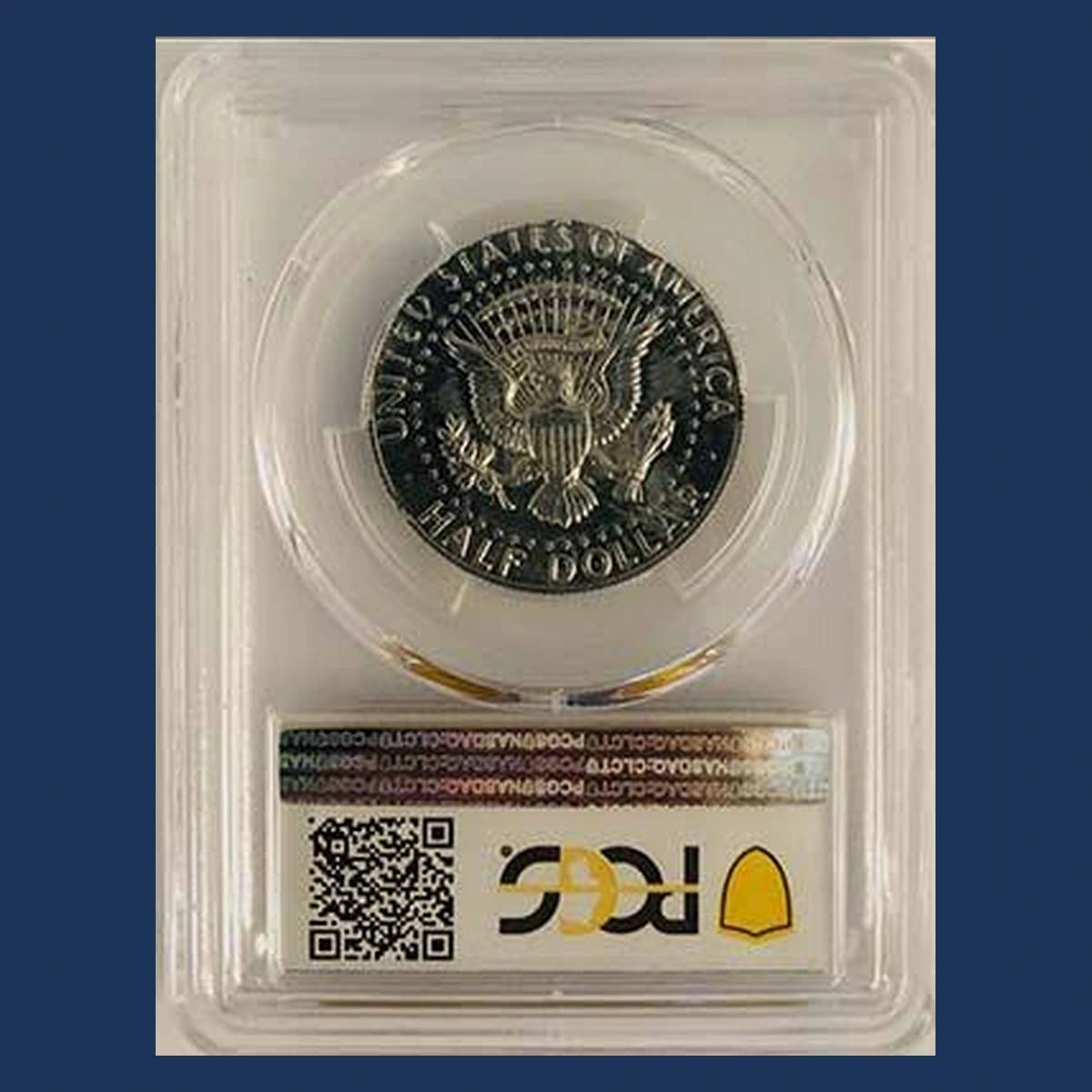
The words COIN and JEFFERSON CITY remain beneath Kennedy’s picture on a 1.7-gram aluminum piece. Rings within rings also survive from its original Missouri Shell token design.
This is an overstrike: an already made token received a later half-dollar impression. PCGS graded the piece PR62.
It met the restraining ring near 12 o’clock, then spread during stamping. Extra spreading appears around the date and national lettering.
A normal Missouri token accompanied the auction lot for comparison. That second object shows the earlier design, but it is not another error coin or part of the overstruck piece itself.
Estimated Value
The lot containing the PR62 overstrike and ordinary comparison token sold for $5,760 in April 2021. Estimate $4,000–$8,000 for this kind of confirmed Proof overstrike.
The surviving older picture helps establish its identity and appeal. The price covered the complete lot, not a separately recorded sale for each object.
It also does not price a plain aluminum disc. The Missouri words and rings are essential features of the documented example.
How to Identify
Find COIN, JEFFERSON CITY, and the concentric rings through a 10× magnifier. Trace where the half-dollar picture crosses those older token features.
The two designs should fit successive stamping, not words scratched in later. Compare an ordinary token to understand the remaining earlier picture.
A scale can check the recorded 1.7 grams against the normal half-dollar weight of 11.50 grams. Use calipers to record spreading against the usual 30.61-millimeter width when safely accessible.
Inspect edge contact marks without requiring the aluminum token to have normal half-dollar grooves. The useful match is recognizable Missouri lettering and rings beneath genuine half-dollar details on the same small aluminum piece.
11. 1970-S Half Dollar Proof on a Quarter or Nickel Planchet (Estimated Up to $10,000)
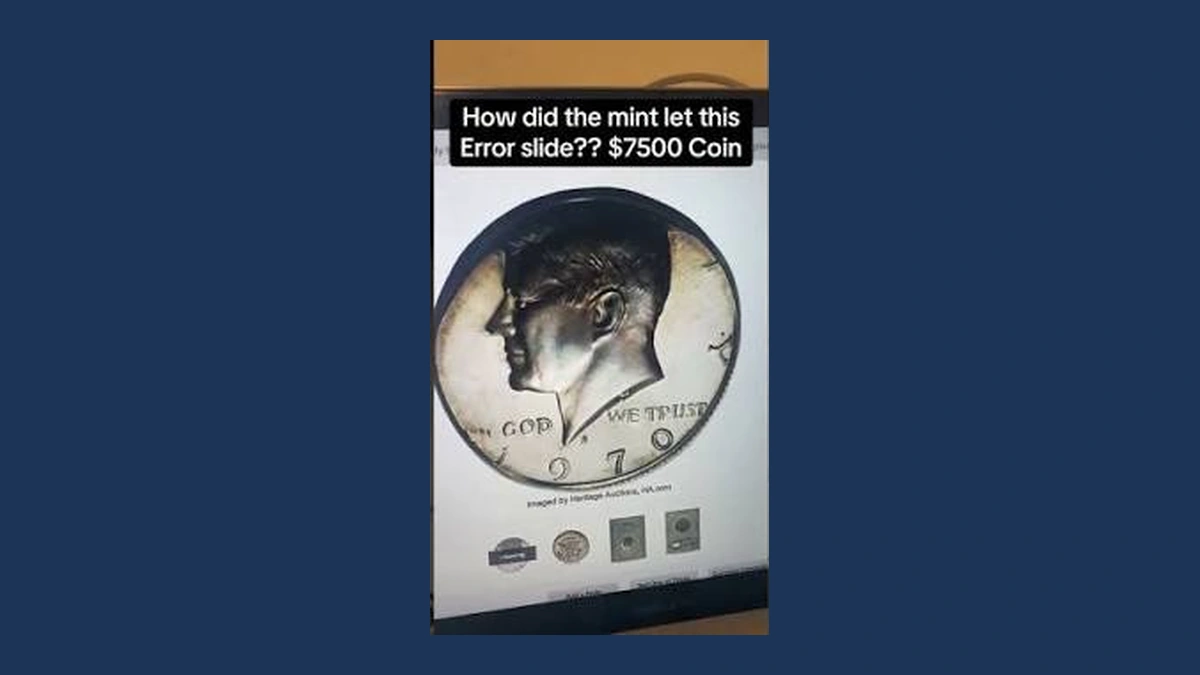
A smaller blank cannot hold all of the half-dollar lettering. The known nickel-blank PR67 weighs five grams and keeps the upper date portions and a clear S.
Those remaining details support its 1970-S identity. Its large Kennedy and eagle pictures crowd the smaller metal disc.
The separate PR66 quarter-blank coin is oval and uncentered toward 11 o’clock. Much of HALF DOLLAR lies beyond its edge.
Normal half-dollar measurements shown in that catalog are not measurements of the error. Both coins need their own blank identity, rather than assuming every small half dollar was cut down after minting.
Estimated Value
The quarter-blank PR66 sold for $7,475 at Heritage in January 2007. The nickel-blank PR67 realized $4,080 in August 2020.
Estimate $3,000–$10,000 across these major Proof errors, allowing for blank type and condition. The older quarter result is not a guaranteed current quote.
Compare the actual metal, readable date, and original surfaces. A similar-looking small coin needs the same checks before either historical price becomes useful.
How to Identify
Inspect the incomplete lettering and edge through a 10× magnifier. The oversized picture should end naturally at the smaller blank, without machining marks from later trimming.
The nickel example’s five grams is a recorded measurement. A nickel blank normally starts at 5.00 grams, compared with 5.67 grams for a contemporary quarter and 11.50 for the intended half.
Use a scale when safely accessible, remembering the quarter error needs its own measurement. Calipers can record ovality or spreading against the normal half-dollar width of 30.61 millimeters.
Check surviving edge grooves, date portions, and the S. Look for genuine half-dollar details pressed onto metal whose measured weight fits the smaller blank.
Conclusion
Start with the D or S mintmark, then decide whether the unusual feature changes the picture, the blank, or both. A faint doubled star needs a different check from an aluminum token carrying Kennedy’s portrait.
Estimated values range from $25 to $10,000. Keep each coin’s weight, grade, and pictures with its price comparison.
A normal token included in an auction lot remains a separate object. Its inclusion does not make it another error coin.