1937 Half Dollar Error List with Pictures

Two overlapping designs make one reported 1937 half dollar stand out. A year guide lists its auction price as $575, with a grade of AU58, meaning only slight wear.
Other 1937 half dollar errors are much smaller: extra letter outlines or a peeling patch of metal. Across the examples below, estimated values run from $80 to $750.
Compare the close-up clues to see whether the mistake began in the stamping tool, the metal, or the strike itself.
1. 1937 Walking Liberty Half Dollar Doubled Die Obverse Error (Estimated Up to $200)
Start with BER in LIBERTY. Extra outlines also appear at the upper star and the leaves to the right of Liberty’s head on this Philadelphia variety.
The design doubled when it was put into the die, the steel tool that stamps coins. Every coin made with that tool could copy the extra details.
Wexler’s catalog calls the front WDDO-001 and links it to the doubled back called WDDR-001. Both can appear on the same coin.
The front details show a small clockwise shift. They are not random scratches.
Estimated Value
Estimate $80–$200 for a confirmed example ranging from worn to a lower unworn grade. Clear doubling and better surfaces help its value.
For comparison, a 1939-D doubled-die half dollar graded PCGS MS64 sold for $144 in September 2026. That is a different year and variety.
The doubled back can help identify your 1937 coin. It does not mean you should add two separate error prices together.
How to Identify
Use a 10× magnifier on BER, the upper star, and the leaves beside Liberty’s head. Compare all three areas with one clear WDDO-001 reference photo.
Look just left of the top of the date’s 1 too. A mark made by a gouge in the die is an extra clue for this variety.
That small mark is not itself the doubling. It helps identify the tool that made the coin.
Flat shelves beside letters can come from movement during stamping. Wear can also blur fine outlines.
Check a loose coin with a scale and calipers against 12.50 grams and about 30.6 millimeters, with grooves around the edge. To confirm it quickly, match the front’s doubled details and its known doubled-back partner.
2. 1937 Walking Liberty Half Dollar Doubled Die Reverse Error (Estimated Up to $250)
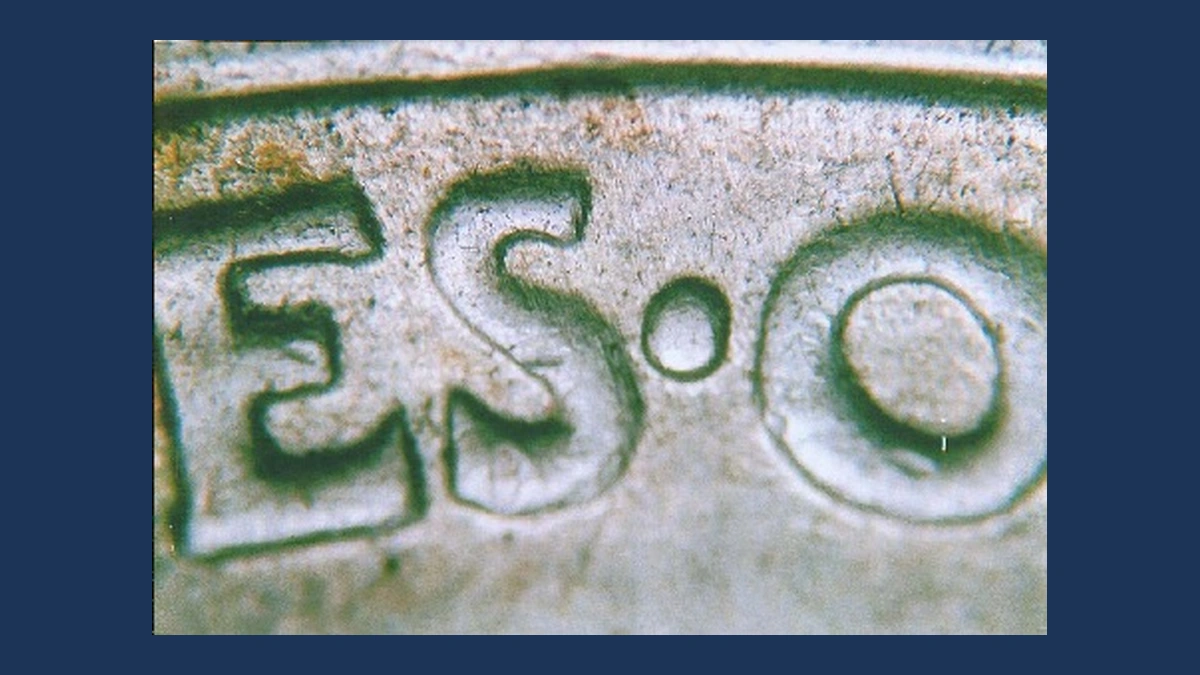
The letters in STATES OF AMERICA look thicker on this variety. The dots between the words are thicker too.
This back design is called WDDR-001. It is paired with the doubled front described above, so the two features can belong to one coin.
The extra thickness was already in the die before it stamped the silver. No extra metal was added afterward.
Look beyond a single wide letter. A small mark beside the R in DOLLAR helps distinguish this particular die from normal lettering blurred by wear.
Estimated Value
The estimated $80–$250 range covers the whole coin, from worn examples through lower unworn grades. Do not add it to the price in the previous section.
A different doubled-back variety offers a comparison: a 1946 FS-801 half dollar graded PCGS AU58 sold for $240 in September 2022. AU58 means slight wear.
That better-known 1946 variety is not the same coin or pattern. Use it as a comparison, not a recorded 1937 sale.
How to Identify
Compare STATES OF AMERICA with a normal coin at the same magnification. Include the dots between the words, rather than judging letter width alone.
With a 10× magnifier, inspect the lower right of R in DOLLAR. The small mark left by a gouge in the die is another recorded clue.
Turn the coin over. The front should match WDDO-001, including its extra outlines in BER and the upper design.
A loose coin can be checked with a scale and calipers: about 12.50 grams when unworn and 30.6 millimeters wide. The edge should have grooves.
These measurements cannot prove doubling. The quickest check is the thicker back lettering together with the R marker and the matching doubled front.
3. 1937-S Walking Liberty Half Dollar Lamination Error (Estimated Up to $300)
A thin layer can peel from a coin even though the metal is not plated. That is what collectors mean by lamination on this silver half dollar.
The reported 1937-S example has a small surface separation. A weakness in the metal mixture allowed the layer to split or come away.
Part of the flap may remain attached. If it falls off, it leaves a shallow, uneven patch.
This mint-made flaw does not always increase value. A collector looking for a clean example of the date may prefer a coin without the peeling.
Estimated Value
A year guide reports a $120 Heritage sale in 2019 for a 1937-S graded MS64 with minor lamination. MS64 describes an unworn coin with some surface marks.
For a similar unworn example with a small peeling area, estimate $100–$300. The remaining detail and overall appearance still matter.
A small flaw may interest an error collector while putting off someone who wants a clean date example. It does not guarantee extra value.
How to Identify
Focus on the edge of the peeling patch with a 10× magnifier. Angled light can reveal a lifting flap or a shallow rough area where one came away.
Leave any flap alone. Trying to lift it can break it off.
A straight cut with metal pushed to the sides suggests later damage. Color alone does not show that a layer has separated.
Weigh a loose coin against the normal 12.50 grams. Missing metal or wear can make it lighter, though a tiny flake may not change the reading noticeably.
Calipers should show about 30.6 millimeters, and the edge should have grooves. A visible thin layer separating from the coin is the fastest useful clue to lamination.
4. 1937 Walking Liberty Half Dollar Rotated In-Collar Double Strike Error (Up to $575)
You can see parts of two designs at different angles. The coin turned between two blows of the press, leaving an older impression beneath the newer one.
The collar, a metal ring around the blank, still held the coin’s outer edge. Collectors call this a rotated in-collar double strike.
The second blow flattened some of the first design. Other parts survived at their earlier angle.
A year guide reports a 1937 example graded AU58, meaning slight wear. This is different from a coin whose back simply faces the wrong way when you flip it.
Estimated Value
The year guide reports a $575 auction result for the lightly worn AU58 example. A similar genuine coin has an estimated value of $400–$750.
Clear parts of both designs make the error easier to recognize. A readable date also helps buyers identify the coin.
This estimate is for a coin that turned inside the holding ring. A second strike far off center creates a different-looking error and can bring a different price.
How to Identify
Find one clear piece of the design in two positions. Then look elsewhere on the same face for another pair with the same turn between them.
The outlines should fit together. A few unrelated scratches do not make a second design.
A 10× magnifier helps with small remaining details, but keep the whole coin in view. A doubled die repeats details from one tool; a double strike records two blows to the coin.
Check a loose example against 12.50 grams and about 30.6 millimeters using a scale and calipers. Inspect its grooved edge too.
A simply rotated back has no overlapping design. The fastest check here is to trace two consistent sets of details at different angles on the same face.
Conclusion
The estimated $80–$750 range covers several different mistakes. Thick letters can come from a doubled die, a peeling layer starts in the metal, and overlapping designs can record two strikes.
The paired front and back doubling belongs to one coin, so those prices are not added together. Compare the visible clues first, then choose a price for a coin in similar condition.