1979 Dollar Coin Error List with Pictures

Two dates can tell a dollar’s story. A 1979 Anthony design struck over a finished 1978 quarter sold for $13,200 in December 2022.
That unusual survivor is only one of the 1979 dollar errors worth learning to recognize. Others have a copper-colored face, a broken outline, or shallow traces of the opposite picture.
Estimated values across these groups range from $5–$25,000. Follow the checks below to distinguish how each feature formed and what affects its price.
1. 1979 Susan B. Anthony Dollar Clashed Dies
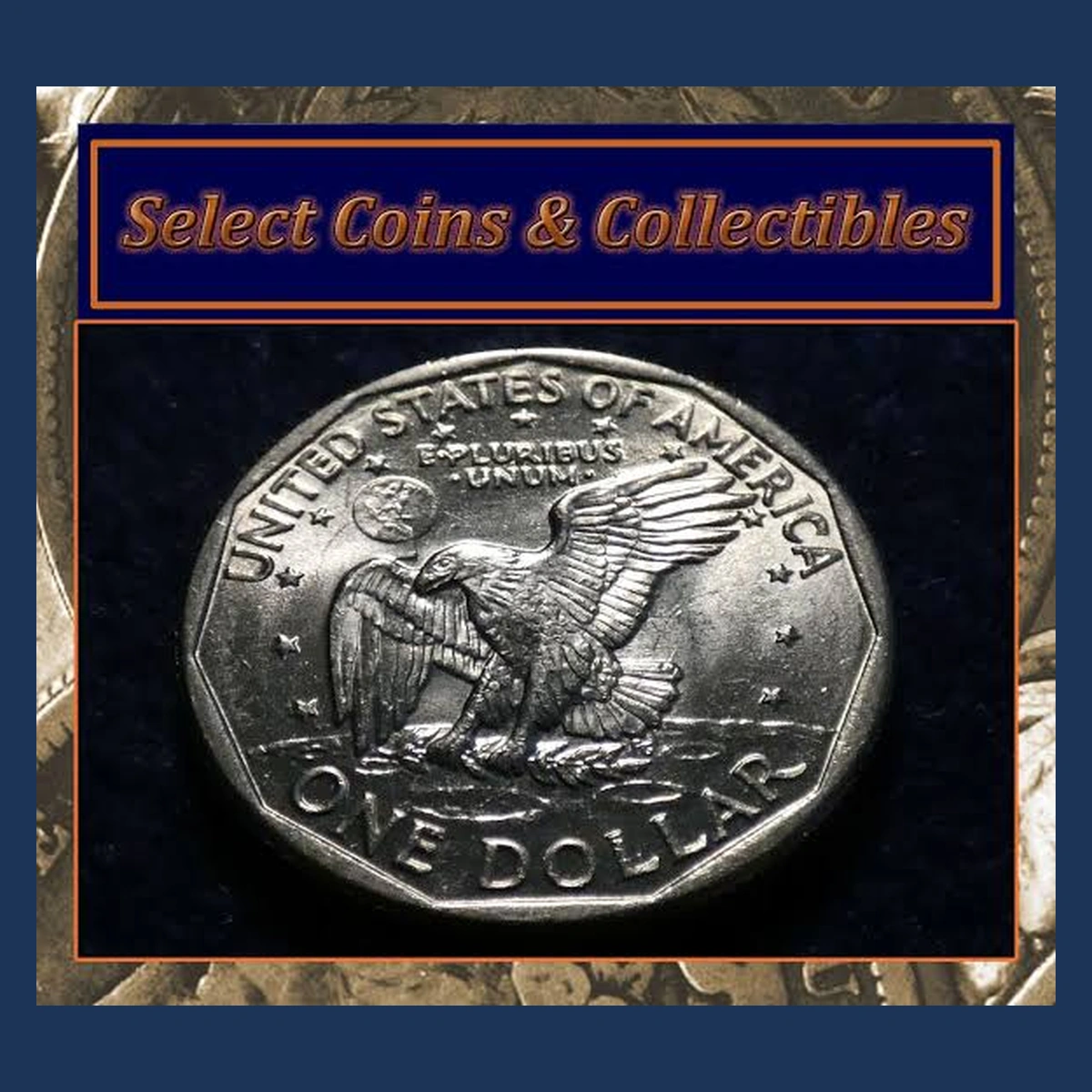
An unfamiliar shallow outline above Anthony’s shoulder can come from the opposite stamping tool. The two tools, called dies, can collide when no metal disc lies between them.
That contact leaves marks on the tools themselves. Later dollars receive those traces together with the intended design.
A 1979-D example has been described with these clash marks. Any suspected eagle or Moon outline must fit the actual relationship between the two faces.
The marks can be faint and show best under low light. A scratch or a second coin pressed against the surface later has a different cause.
Estimated Value
For a recognizable minor clash, estimate $10–$150. Greysheet illustrated a 1979-D example and reported an auction price of $23, showing that genuine errors can remain affordable.
The amount of visible transferred detail helps determine appeal. A faint line requiring very strong magnification may add little to the value of an ordinary dollar.
Clear surfaces help a collector see the feature. Cleaning scratches, rubbed high points, or heavy spots can obscure an otherwise interesting clash.
How to Identify
Study the area above Anthony’s shoulder with a magnifier and a lamp held low beside the coin. Move the light until the shallow extra outline becomes visible.
Compare that outline with a documented clash photograph, keeping nearby portrait details in view. It should fit the opposite design’s shape and position, rather than simply resemble an eagle by chance.
Check for scratches cutting through already raised letters or portrait details. Later squeezing between two coins may also leave impressed artwork with a different appearance.
The nearby metal should retain its original struck texture. Trace the unfamiliar outline through several matching points in the reference photograph before identifying the mark as a clash.
2. 1979 Susan B. Anthony Dollar Doubled Back Design
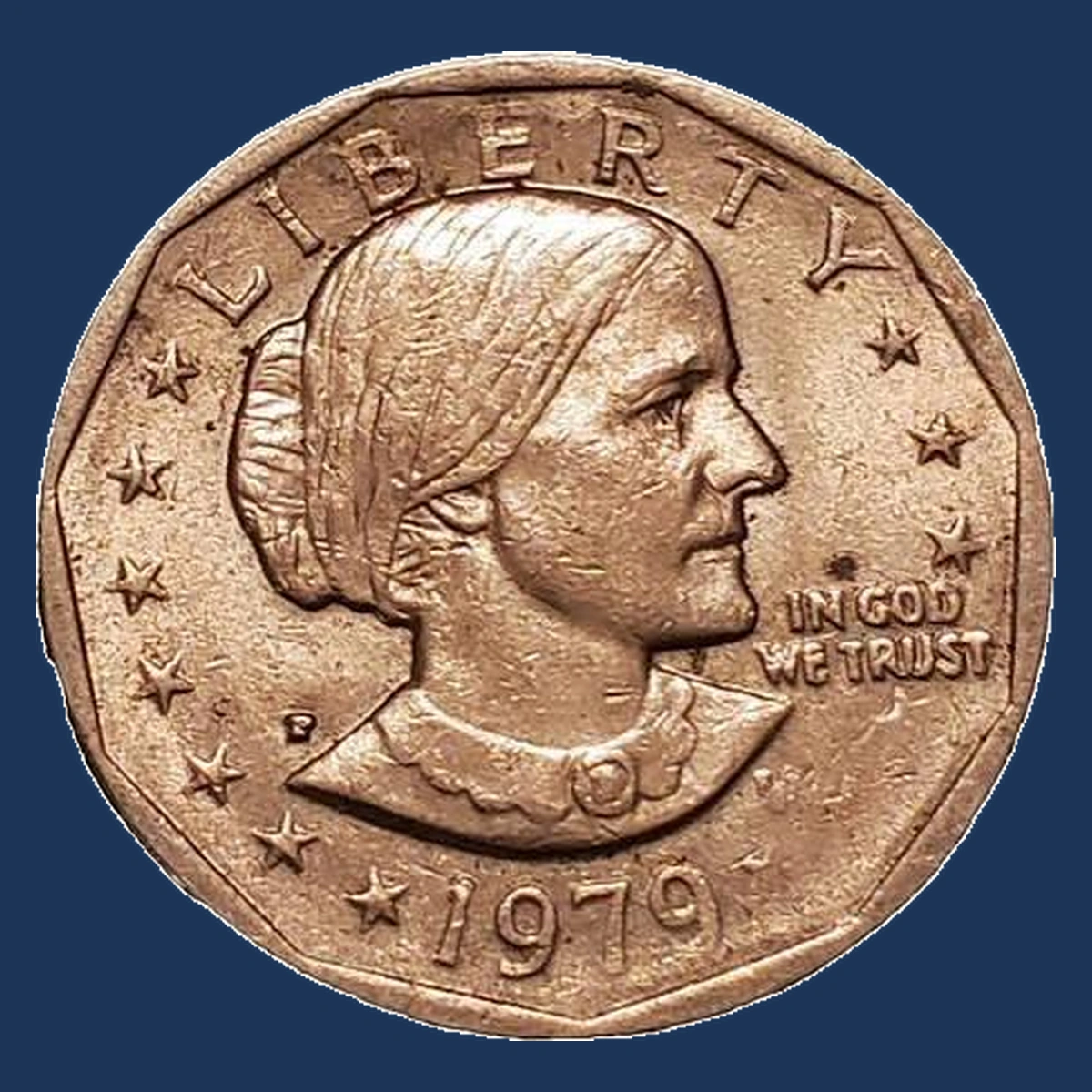
Extra outlines at the ends of back lettering can suggest doubling in the stamping tool. A tool carrying repeated details can transfer them to many coins.
This is called a doubled die. A 1979-D report points to ONE DOLLAR and eagle details, but a seller’s description alone does not establish the variety.
The repeated shapes must be raised and follow a consistent pattern. Low, flat shelves can instead result from movement when a coin is struck.
Large overlapping complete pictures belong to repeated strikes, a different error. A slightly thick letter is not enough to distinguish either process.
Estimated Value
If the coin is confirmed as a true doubled-die example, an estimated $20–$250 suits minor through clear back-design doubling. This is a conditional estimate for the reported type.
Strong separation at several matching letters is more useful than a vague thick edge. Preservation matters because wear can erase the small details needed for identification.
The range does not apply to ordinary flat strike doubling. Pay for a demonstrated repeated-tool pattern, with photographs that show the specific features clearly.
How to Identify
Begin with ONE DOLLAR on a 1979-D coin, examining more than one letter ending. Tilt each affected area under a ten-power handheld magnifier to distinguish a raised extra shape from a flat ledge.
Check nearby eagle details independently; they should support the same tool pattern rather than merely show wear. Compare a normal dollar of similar condition so ordinary thick lettering is not mistaken for doubling.
A matching identified example is more helpful than a seller’s generic doubled-die label. Photograph several letter endings and eagle features, then have a variety specialist compare those exact shapes before assigning a doubled-die premium.
3. 1979 Susan B. Anthony Dollar Abnormal Color from Annealing
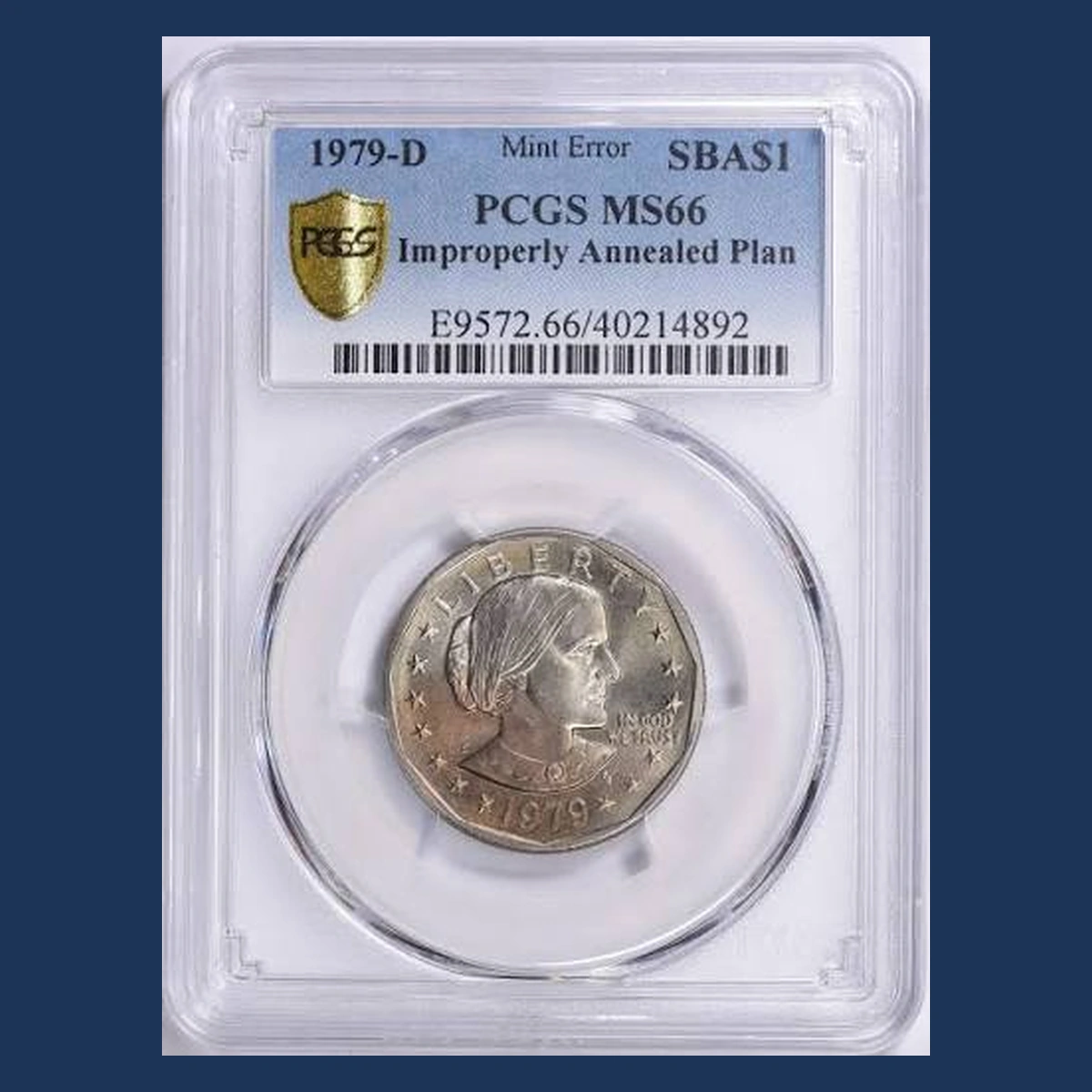
A 1979-S dollar may have unusual dark or coppery surface color while retaining its normal metal layers. One possible minting cause is improper annealing, the heating used to soften blanks before striking.
The altered surface can survive the strike and appear on a finished coin. PCGS MS66 and MS64 examples have been reported, including one described as affected on the back.
This does not mean an outer layer is missing. A normal Anthony dollar already has a copper center beneath its pale outer metal.
Later chemicals, heat, and ordinary tarnish can imitate unusual mint-made color.
Estimated Value
A PCGS MS66 1979-S improperly annealed dollar sold for $139 in February 2022. It provides a same-year comparison for this surface-color error.
An estimated $50–$400 covers clearly identified examples, depending on the strength of the color change and the condition beneath it.
Original shine and sharply preserved detail can make the effect easier to appreciate. Color alone adds no guaranteed premium, especially when staining, corrosion, or artificial heating offers a simpler explanation for the appearance.
How to Identify
Inspect the edge before deciding that a copper-colored face has lost a layer. Normal bonded layers, called clad construction, should still be present on an annealing-error candidate.
Compare the coin with an ordinary 1979-S dollar under neutral white light. Colored lamps and strong reflections can make a normal surface look unusual.
A magnifier can reveal corrosion pits, deposits, or streaks from later chemical treatment. Do not wipe them away while trying to identify the original surface.
Weight near the normal 8.1 grams is compatible with intact layers but cannot prove annealing. Ask an error specialist to examine the color together with the original shine, surface texture, and layered edge.
4. 1979 Susan B. Anthony Dollar Outer Layer Separated after Striking
A very thin piece can retain a dollar’s already struck design after separating from the rest of the coin. The metal layers failed to stay bonded together.
A recorded 1979-P outer layer weighs about two grams and was graded PCGS AU58. It is a detached piece, not a complete dollar struck on a two-gram blank.
A Denver back-layer separation has also been reported. Its remaining coin and loose layer must be distinguished from one another.
The order matters: these layers came apart after receiving the design. Missing-layer coins struck directly onto exposed copper have a different history.
Estimated Value
An estimated $100–$600 covers authenticated post-strike layer separations, depending on which piece survives and how much of its design remains.
A reported auction record for the roughly two-gram Philadelphia outer layer lists $396 in June 2023. That amount should not be transferred to an unidentified thin disc.
Bending, corrosion, and broken edges can reduce appeal. A separated layer still showing a readable dollar design is easier to explain and compare than a badly damaged fragment.
How to Identify
View the object from the side before calling it a complete coin. A detached outer layer is much thinner than a normal dollar, even when its struck face looks familiar.
Inspect its opposite surface for the rough separation texture left by the failed bond. A filed-down normal dollar usually shows a different pattern of tool marks.
For a loose piece, record its weight without bending or flattening it. The documented two-gram Philadelphia example is a useful comparison, not a required weight for every separation.
Keep photographs of the struck face, separated face, and thin edge together. Check whether the surviving object is the outer sheet or the remaining coin before selecting a matching example.
5. 1979 Susan B. Anthony Dollar Partly Confined Edge
An edge can have one narrow band beside another band that spread farther outward. The coin was only partly inside the collar, the ring that controls its width and forms the edge grooves.
The result is called a partial-collar strike. A ledge and interrupted grooves can make it recognizable from the side.
Recorded examples include a 1979-P graded ANACS MS61 and a 1979-S graded ANACS MS60. They are ordinary strikes, not automatically collector Proof coins because one bears an S.
The grooves around a normal Anthony dollar provide a useful comparison with the partly restricted edge.
Estimated Value
For individual partial-collar dollars, estimate $100–$700. A clear ledge, visible change in the edge grooves, and undamaged surfaces support the stronger end.
The recorded 1979-P and 1979-S examples sold with a third, 1999-P dollar for $1,080 in July 2021. That is the price of all three coins together.
The sale does not assign a separate value to either 1979 coin. Compare their individual edge shapes before using the group result as a broad market reference.
How to Identify
Use a normal dollar’s edge grooves as the first comparison. On a partial-collar candidate, the grooved band can stop beside a wider band that escaped the ring.
Photograph that transition from the side while slowly turning the coin. A visible step should connect the two bands, rather than being just a shiny reflection.
The portrait may look nearly normal, so include the entire edge instead of relying only on front and back views. Look for rolled metal, dents, or flattened grooves that suggest later damage.
For the Philadelphia and San Francisco examples, compare each actual ledge with its own certified image. Follow the groove endings around the step to locate the area that remained confined during striking.
6. 1979 Susan B. Anthony Dollar Expanded Broadstrike
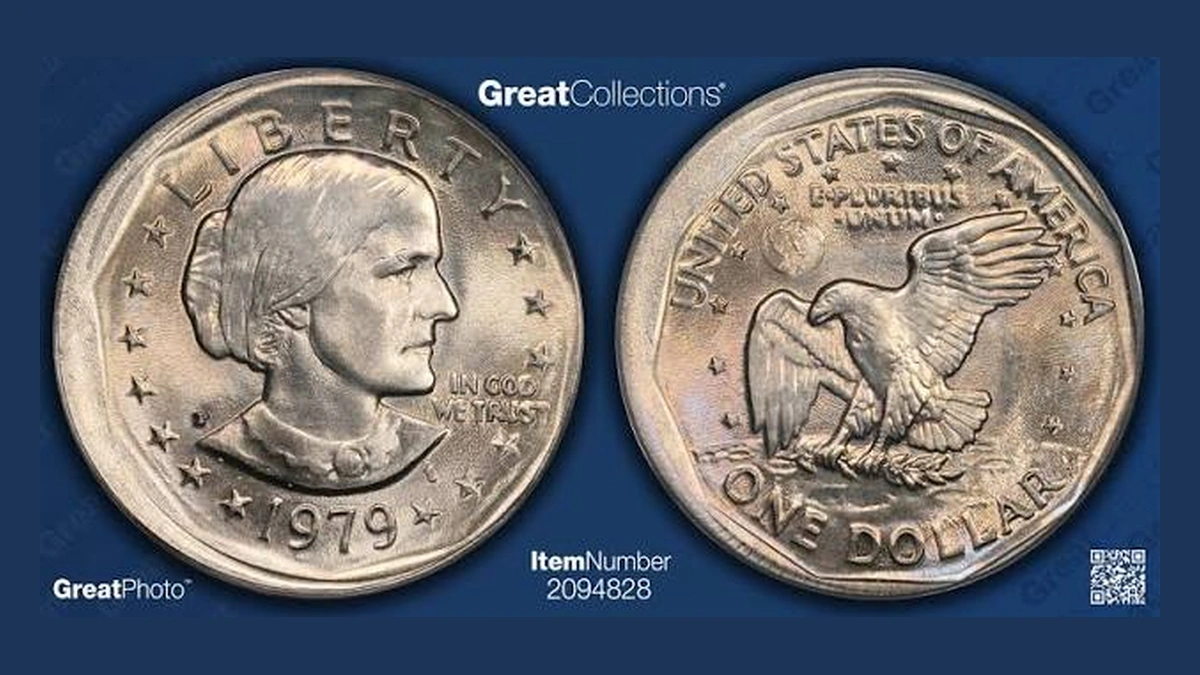
A dollar can spread beyond its normal outline while retaining its whole design. The collar failed to contain the metal during striking, producing a broadstrike.
Recorded 1979 examples include Philadelphia narrow-rim, Philadelphia wide-rim, and Denver coins. The two Philadelphia rim styles are intentional design varieties; the unusual expansion is the error.
The picture can sit off to one side inside the larger outline without losing any design. An off-center strike instead sends part of the picture beyond the metal.
Later flattening can also widen a coin. Crushed lettering and pressure marks help separate damage from original mint-made expansion.
Estimated Value
An estimated $100–$800 suits ordinary broadstruck dollars, with the shape, condition, and surviving rim details guiding the price.
A recorded 1979-D NGC MS66 broadstrike brought $228 in June 2024. That grade indicates an unworn coin with relatively few marks.
The Philadelphia rim variety should be identified separately from the error. A wide-rim dollar with no abnormal spreading is a normal variety, while a scratched broadstrike can remain less desirable than a cleaner example with a smaller expansion.
How to Identify
Identify the Philadelphia rim style before judging how wide the coin looks. The normal wide-rim variety places the date closer to its raised border without creating an error.
Now compare the space outside the intended picture with an ordinary coin of that variety. A broadstrike adds outward spread while keeping the outer lettering and design on the metal.
Turn it over and examine the eagle, stars, and ONE DOLLAR, checking for design cut off by the edge. Lost outer artwork points toward an off-center strike instead.
Calipers can compare a loose candidate with the normal 26.5-millimeter width, but size alone cannot exclude hammering. Tilt the high points under light to look for crushed lettering or pressure marks.
7. 1979 Susan B. Anthony Dollar Raised Cracks and Rim Breaks
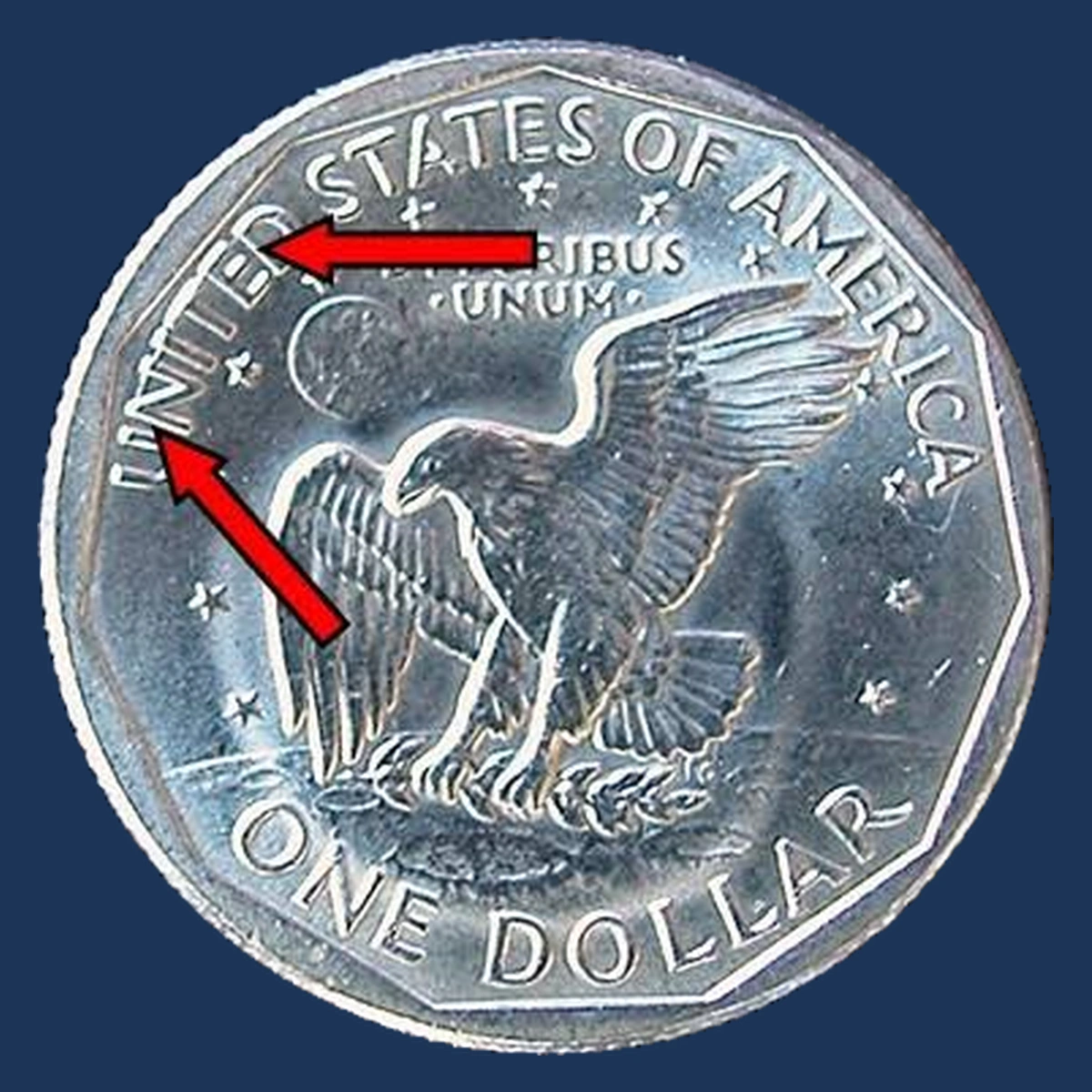
A raised line may appear where a stamping tool cracked. If a piece breaks away at the tool’s edge, the coin can receive a larger raised patch joined to its rim.
Collectors call that rim-connected patch a cud. Philadelphia, Denver, and San Francisco examples are cataloged for 1979.
The Philadelphia A$C79P-2 group includes different stages of a front-side break. Other catalog numbers describe separate shapes and should be matched to their own photographs.
A thin raised crack is less dramatic but comes from the same kind of tool failure. Neither feature should be confused with a cut into the coin.
Estimated Value
Small raised cracks have an estimated range of $5–$50, while recognizable larger breaks may reach $100–$1,000. The full group spans $5–$1,000.
A Philadelphia front-break example graded NGC MS62 sold for $483.60 in April 2020. Its catalog identity was A$C79P-2A.
That result does not price every tiny rim bump. The break’s size, exact shape, and survival of surrounding design help explain why one coin attracts more interest than another.
How to Identify
Check whether the feature rises above the normal surface or cuts below it. Changing the lamp’s direction helps distinguish a raised crack from an ordinary scratch.
For a suspected cud, follow the raised patch all the way to the rim. A small interior lump is not automatically a rim break.
Compare the entire shape with a catalog photograph for the same mint, keeping surviving letters and portrait details in view. A matching number fragment is not enough to identify a different catalog’s example.
The San Francisco catalog entries concern ordinary strikes unless their own evidence specifies otherwise.
Locate the patch’s exact endpoints against neighboring design details and compare them with the pictured break, rather than accepting a nickname alone.
8. 1979 Susan B. Anthony Dollar Design Blocked by Grease or Other Material
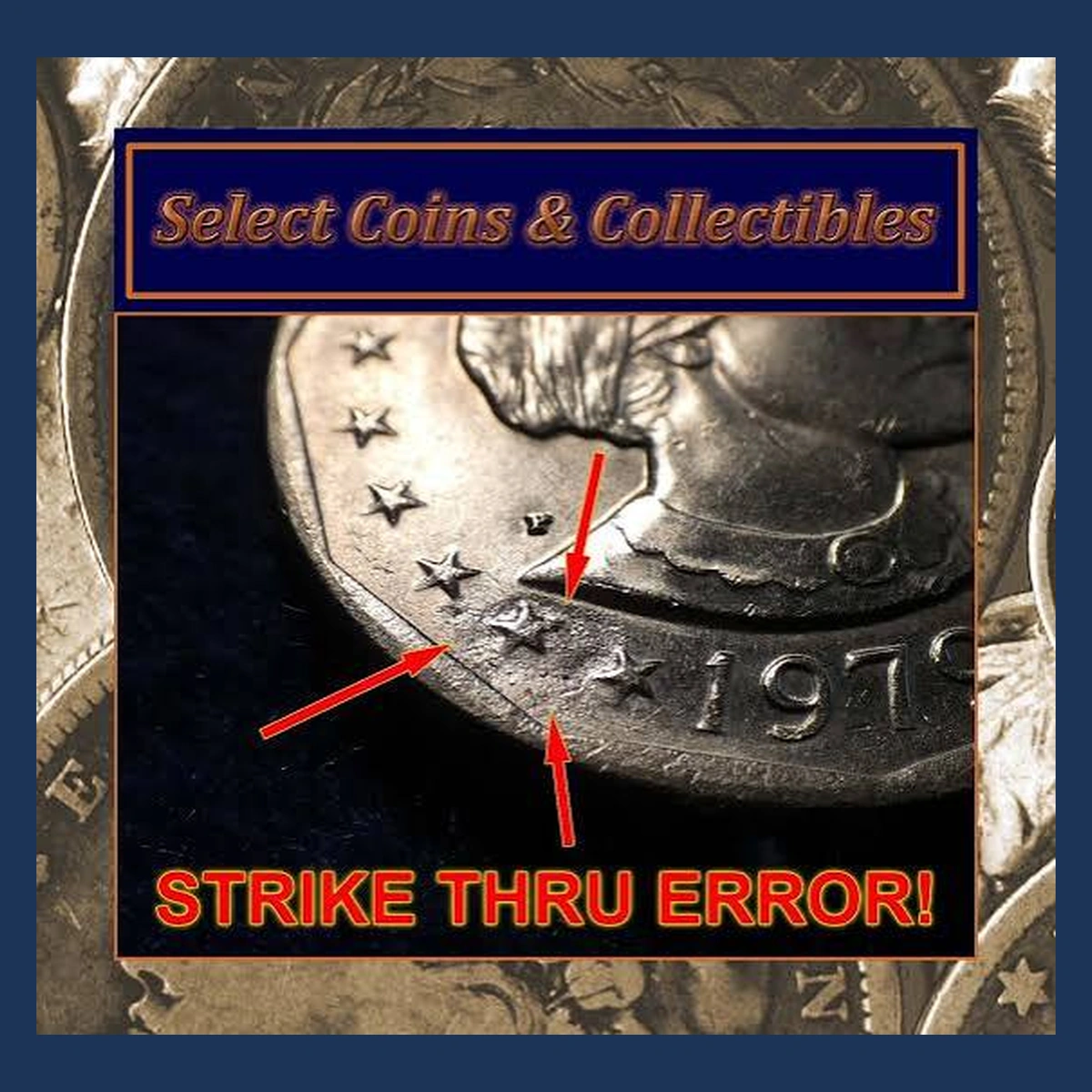
Some letters can be shallow or missing while nearby detail remains sharp. Grease or another obstruction prevented the stamping tool from reaching part of the coin.
The Philadelphia narrow-rim issue has a reported grease-filled type. A separate Denver example combines a large blocked back area with a partial-collar edge.
Another Denver dollar has been described by its collector as struck through a detached metal layer. That description does not by itself identify the material through testing.
These are struck-through errors. The object can leave an impression without remaining attached, and its exact identity cannot always be read from the shape.
Estimated Value
Estimate $15–$150 for clear minor grease-blocked details and $150–$1,000 for larger authenticated impressions or combined errors. The overall range is $15–$1,000.
A historical dealer catalog offered the Denver heavy back impression with partial collar at $125. That was an asking price, not a documented sale.
Its two features belong to one coin. An indistinct weak letter should not receive the same estimate as an obvious foreign-material impression with intact surrounding detail.
How to Identify
Compare the missing detail with the same design on a normal coin. A small blocked patch can interrupt one letter while adjacent lettering remains sharp.
General wear usually flattens several high points, so inspect Anthony’s portrait and the eagle before deciding that weak detail is unusual.
For a larger depression, examine its boundary with a magnifier. Raised displaced metal or scratches through finished details may reveal a later impact.
The Denver combined example also needs a separate side view of its partial-collar ledge. A collector’s detached-layer description should be tested against the visible impression rather than assumed from its label.
Follow the sharp-to-missing design transition around the affected patch before naming the obstruction.
9. 1979 Susan B. Anthony Dollar Missing Outer Metal Layer
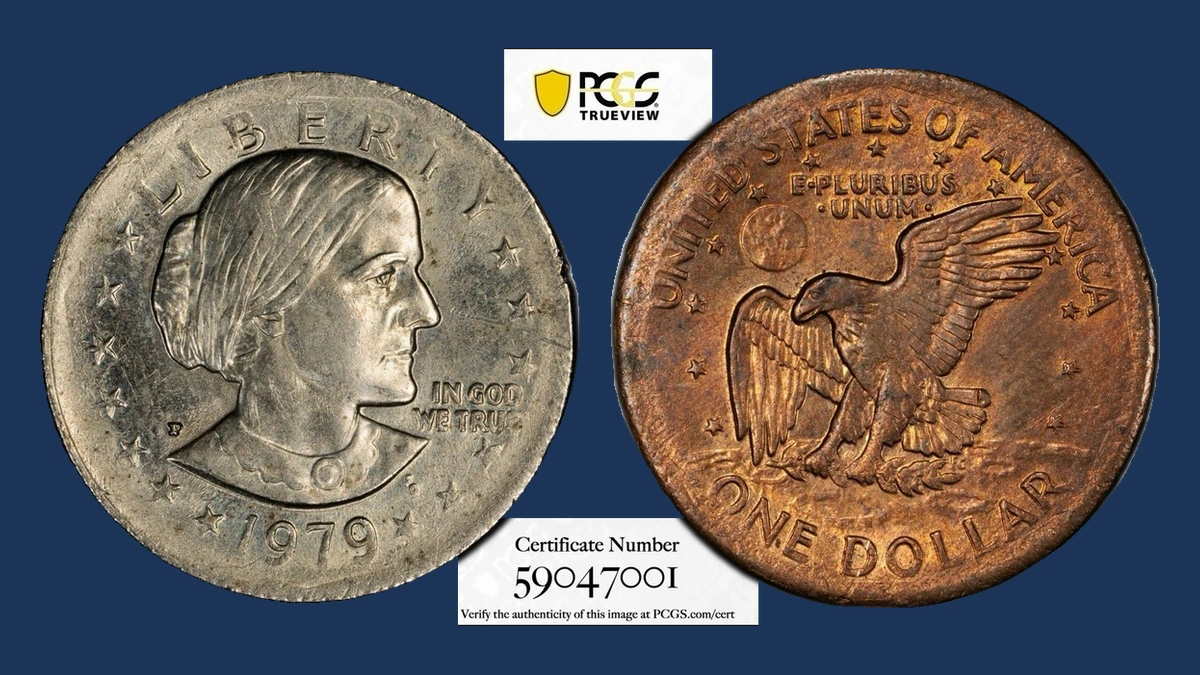
A copper-colored face beside a normal silver-gray face can indicate a missing outer layer. Anthony dollars have pale copper-nickel outer metal bonded to a copper center; they contain no silver.
Philadelphia and Denver examples are recorded with either face affected. One Denver front-layer example weighs 6.08 grams.
A San Francisco back-layer example is specifically described as losing its layer before striking. Its eagle design was then impressed into the exposed center.
The timing is not identical for every coin described as missing a layer. Surface color alone cannot show when the separation happened or distinguish it from later treatment.
Estimated Value
Authenticated missing-layer dollars have an estimated range of $150–$1,500. A clearly exposed copper face and well-preserved design usually make the strongest display.
A Philadelphia front-layer example graded NGC MS64 sold for $322 in June 2008. A separate Denver back-layer PCGS MS63 example brought $552 in April 2020.
These prices concern complete surviving coins, not loose outer sheets. Strong scratches, corrosion, or attempts to brighten the copper can reduce interest even when the original layer loss is genuine.
How to Identify
Compare both faces under the same white light, noting whether the copper color is limited to the face described on the holder. Check the edge for actual loss of a bonded layer rather than a coating that runs across intact surfaces.
A loose coin can be weighed against the normal 8.1 grams; the recorded Denver front-layer coin weighs 6.08 grams. Different degrees of layer loss need not produce that exact result, and grinding also removes weight.
Use a magnifier to inspect the exposed eagle or portrait for natural struck texture, scratches, and flattened details. Compare that texture with a certified specimen of the same separation timing before deciding the layer was absent during the strike.
10. 1979 Susan B. Anthony Dollar Depression from an Overlapping Blank
A smooth, curved depression can replace a large part of the dollar’s picture. Another blank, meaning an unstruck metal disc, overlapped the coin during the strike.
The overlapping disc blocked the tool and pressed into the softer metal below. The result is called an indent.
A historical 1979-D listing describes a forty-five-percent depression running from about nine-thirty to one o’clock. Another Denver example has a twenty-percent depression at twelve o’clock.
These are separate coins. A later dent can also remove detail, but its crushed edges and displaced metal need a different explanation.
Estimated Value
An estimated $150–$1,500 covers authenticated 1979-D indents, from modest overlapping areas to large, obvious depressions. Preserved surrounding designs make their shapes easier to appreciate.
The historical listings asked $200 for the forty-five-percent example and $125 for the twenty-percent example. Those older asking prices are not current realized sales.
Both the surface and the depression’s boundary matter. Damage that leaves a vaguely curved hollow does not receive the same premium as an indent formed during striking.
How to Identify
Examine where the curved hollow crosses the intended design. An indent should interrupt the strike where the overlapping blank prevented the normal picture from forming.
Then inspect the hollow itself under low light. Heavy scratches, sharp crushed edges, or metal piled around an impact can point toward damage after minting.
Compare the whole coin with the particular Denver example being claimed. The larger nine-thirty-to-one depression and the smaller twelve-o’clock depression have different outlines.
An indent’s percentage describes the area affected, not a compulsory size for the type. Follow the curved boundary across letters and open space to check whether it fits a blank blocking the original strike.
11. 1979 Susan B. Anthony Dollar Missing Sections from Clipped Blanks
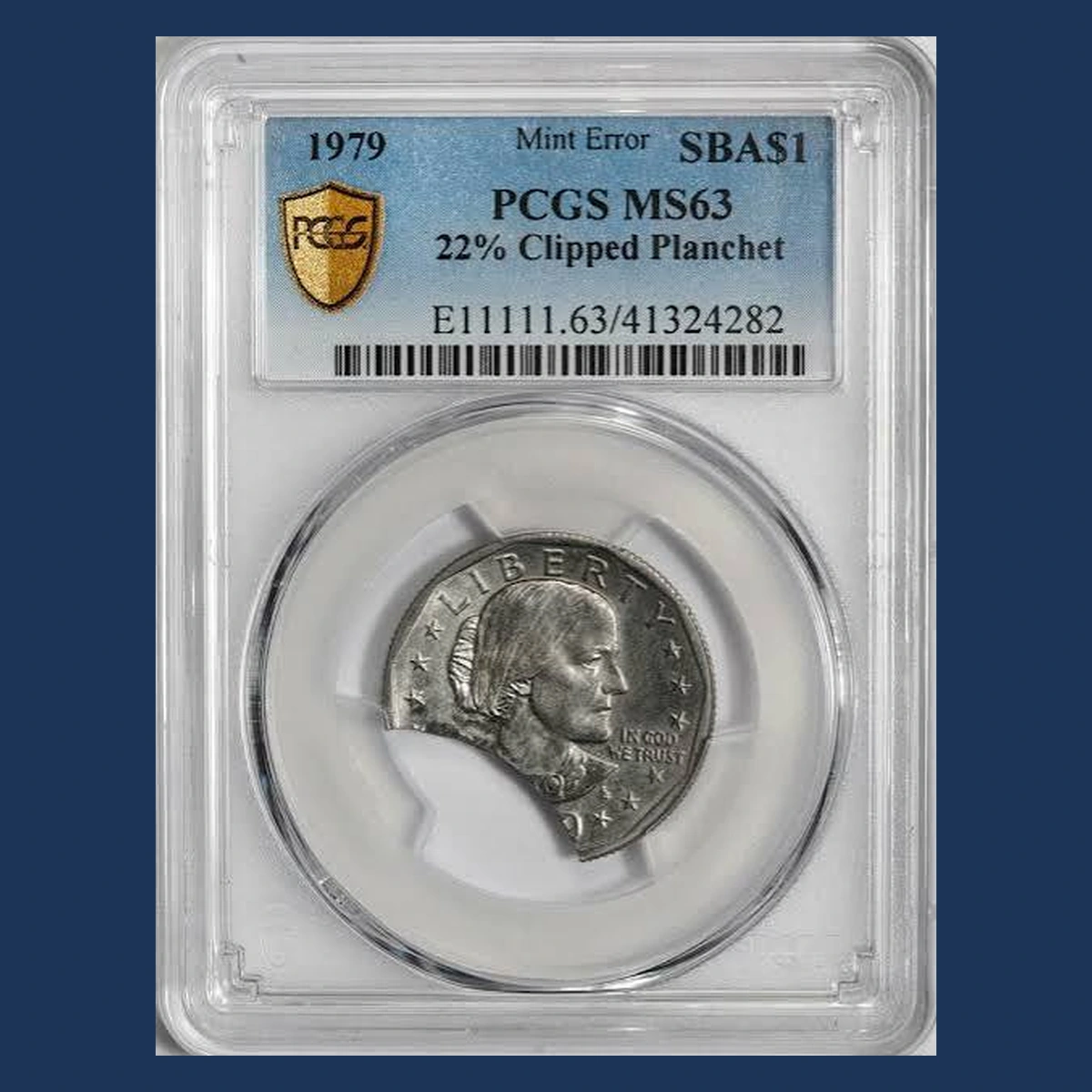
A blank can be punched across the edge of its metal strip or overlap an earlier punched hole. The resulting coin has a straight, curved, or irregular missing section.
San Francisco examples include a twenty-three-percent end-of-strip gap, a straight clip, and a five-percent double clip. Another has a curved gap plus a small rim clip.
A Denver six-percent straight-clipped coin weighs 7.5 grams. A separate San Francisco coin combines a large thirty-three-percent straight clip with outward spreading during the strike.
The shapes belong to specimens. Sawing or clipping a finished dollar can imitate the outline without reproducing the rim formation.
Estimated Value
For genuine clips, estimate $50–$2,500, with size, shape, condition, and any accompanying strike error affecting the result.
The San Francisco twenty-three-percent end-of-strip example graded PCGS MS64 brought $1,560 in July 2021. A separate ANACS MS63 straight clip sold for $1,200 that month.
Small clips can cost much less than these dramatic examples. A broadstruck coin with a large clip is valued as one object, rather than by adding independent premiums for each visible feature.
How to Identify
If the candidate is loose, record its weight first: the documented Denver straight clip weighs 7.5 grams, while a complete dollar normally weighs 8.1. The San Francisco curved-plus-rim example weighs 7.13 grams, which belongs to that separate specimen.
Inspect the missing edge under a magnifier for fresh burrs, saw lines, or filing, since later cutting also reduces weight. Then follow each gap into the original rim, looking for weak formation or stretched lettering where the blank ended.
A curved clip may have a weak rim opposite the gap, but this supporting clue varies in strength. For a double clip, compare both missing areas and their surviving design with the same certified example’s full-coin photograph.
12. 1979 Susan B. Anthony Dollar Off-Center Strikes
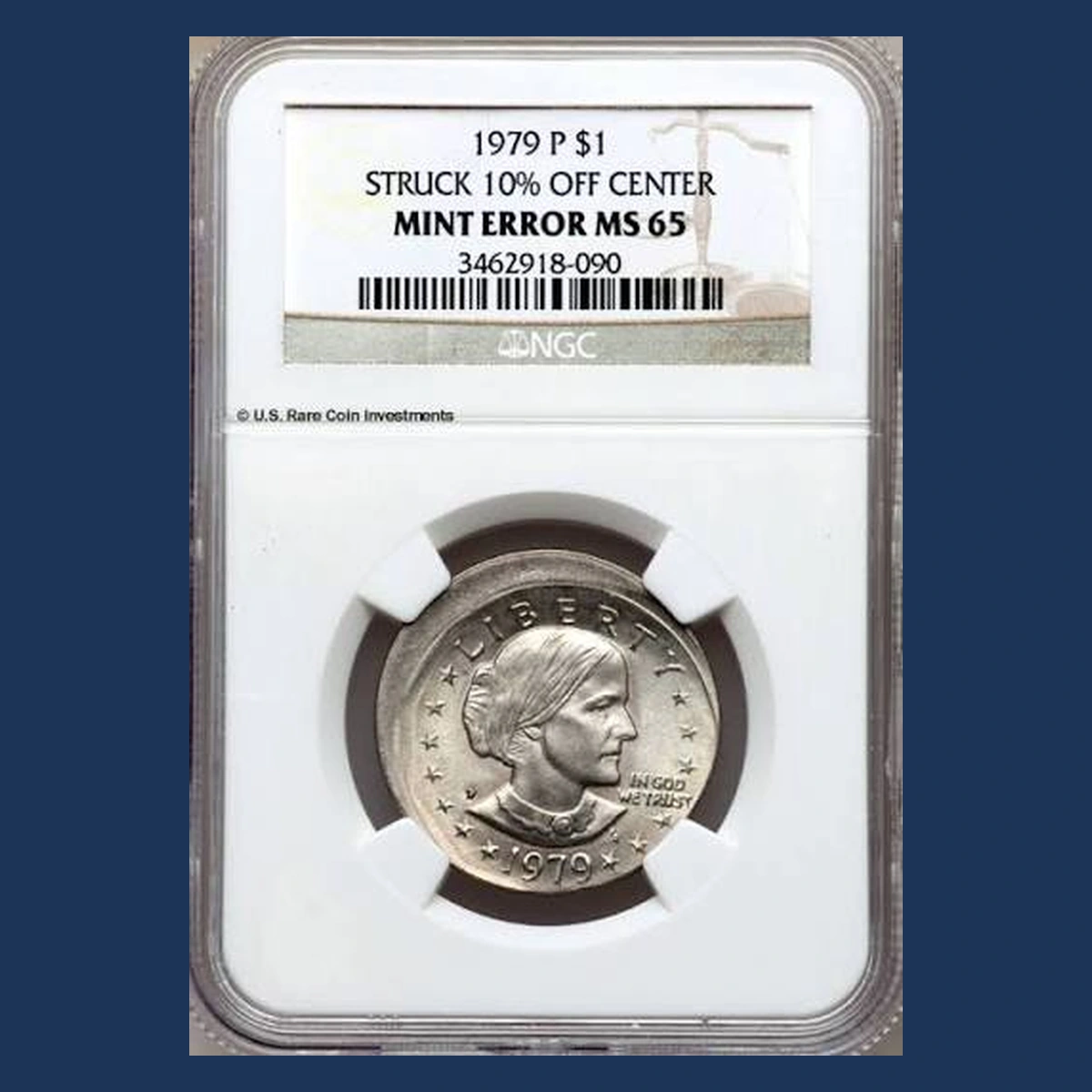
Most of a dollar can remain blank while a small crescent carries the design. The metal disc was misplaced between the stamping tools.
One PCGS MS64 example is seventy-five percent off center toward eleven o’clock. All four date digits remain, but the mintmark’s location lies beyond the surviving design.
That coin cannot be assigned to Philadelphia from its visible mintmark. Other documented examples include Philadelphia at fifteen percent and Denver at fifty-five percent.
The shift affects both faces because the whole blank was misplaced. A large blank area does not mean the remaining design was simply erased after striking.
Estimated Value
The seventy-five-percent off-center example sold for $690 in January 2004. It retains a complete date despite the dramatic displacement.
An estimated $100–$3,000 covers minor through major authenticated off-center Anthony dollars. A clear date, appealing layout, and good surfaces can strengthen the price.
The largest missing percentage is not automatically the most valuable. A readable portrait and an attractive balance between struck and blank areas may be more desirable than a nearly empty disc with little remaining identity.
How to Identify
Find the date before estimating how much of the design lies off the coin. Search separately for a surviving mintmark above Anthony’s shoulder instead of assuming one from the year.
Turn the coin over and compare where the picture runs off the edge on each face. Both sides should fit the same misplaced blank.
Inspect the empty crescent for grinding scratches or faint traces of a removed design. Natural marks on an unstruck blank differ from a finished picture deliberately worn away.
On the seventy-five-percent example, keep its complete date and missing mintmark separate in your description. Follow the strike boundary around both faces to establish that the blank was off center when struck.
13. 1979 Susan B. Anthony Dollar Off-Center Strike with a Chain Edge
A straightened edge beside an off-center design can record contact with another blank. Instead of overlapping deeply, the neighboring blank restricted the coin’s outward spread during striking.
Collectors describe the resulting contact as a chain edge. It should fit the way metal moved while the dollar received its design.
A 1979-D NGC MS66 example was cataloged as forty-five percent off center with this feature. The neighboring piece is not automatically included or known to survive.
The straight area differs from metal cut away before striking. Filing a finished edge can also make it straight, but leaves other clues.
Estimated Value
For an authenticated off-center dollar with a clear chain edge, estimate $300–$3,000. This values the combined appearance of one coin.
The same-year seventy-five-percent off-center dollar’s $690 January 2004 sale provides a broad comparison for displacement, though that specimen is not described as having a chain edge.
The extra contact feature needs to be recognizable rather than merely claimed. A well-preserved struck area and a natural straightened border can make the combined error easier to display and explain.
How to Identify
Study the straightened border in relation to the struck area, not just its overall shape. Metal should have met a neighboring blank while trying to spread outward.
Use low light and a magnifier to examine the border for fresh parallel filing marks. Those would offer a later explanation for a straight side.
Then inspect both faces for the off-center strike, checking that surviving letters run out of metal where expected. The chain contact and displacement must belong to the same coin.
Photograph the side profile as well as the faces. Match the contact edge’s shape and nearby metal flow to the cataloged example before identifying a straight border as a chain strike.
14. 1979 Susan B. Anthony Dollar Edge Strike with an Off-Center Design
An unusual impression on the narrow edge can accompany a displaced dollar design. The metal did not remain in the flat position throughout the striking event.
A historical catalog describes a 1979-D example as sixty percent off center with an edge strike. Both features belong to the same piece.
The side impression must be distinguished from the normal grooves around an Anthony dollar. Those grooves come from the collar and are not miniature versions of the face design.
Edge knocks can also distort this area. A damaged rim alone does not establish that the stamping tool struck the coin’s side.
Estimated Value
The historical catalog asked $900 for this combined error. It did not document a buyer’s completed transaction at that amount.
An estimated $500–$4,000 covers an authenticated 1979-D edge-strike and off-center combination, depending on its clarity and preservation.
Visible struck detail along the edge makes a stronger case than an unexplained crushed patch. The price concerns the entire coin and its two related features, without adding a separate full off-center value to an independent edge-strike value.
How to Identify
Begin with a side view of the alleged edge impression. Identify recognizable struck detail rather than relying on an uneven or flattened outline.
The normal edge grooves should be compared with an ordinary Anthony dollar. A group of damaged grooves does not by itself show that a face tool hit the edge.
Inspect the faces separately to establish the claimed off-center strike and the surviving date and D. Do not borrow a mintmark from another sixty-percent example.
Low-angle photographs can connect the side impression with the nearby strike boundaries. Have an error specialist compare those visible edge details with a documented edge-struck coin before accepting this complex identification.
15. 1979 Susan B. Anthony Dollar Matching Pair from One Striking Event
Two different-looking dollars can preserve matching evidence from the same strike. One overlapped the other, leaving part of its own front blank while pressing into the second coin.
The recorded 1979-D pair contains a PCGS MS64 dollar struck seventy-five percent off center toward one-thirty. Its partner, graded MS63, has a twenty-five-percent front depression centered near seven-thirty.
The second coin also has a tall, thin rim beside the depression. The first has a separate clash mark above Anthony’s shoulder.
Collectors call them a mated pair. Their value includes the relationship between two surviving coins, not just their individual appearances.
Estimated Value
This two-coin pair sold for $1,645 in April 2017. That is the total for both certified dollars.
An estimated $1,200–$5,000 suits a comparably clear, authenticated matching pair. Preserving both pieces together allows the striking event to be shown directly.
The estimate should not be applied separately to each coin. An unrelated off-center dollar placed beside an indented dollar is not automatically a matching pair, even when their dates and mintmarks agree.
How to Identify
Compare the overlapping outlines in photographs before attempting any physical fit. Pressing valuable coins together can add marks or bend a thin rim.
For the recorded pair, relate the first coin’s unstruck front area to the second coin’s depression. Their contact shapes should explain each other, rather than merely occupy similar percentages.
Check the first coin’s one-thirty displacement and the partner’s seven-thirty depression against their own full-face views.
The tall rim beside the depression belongs to the second coin, while the shoulder clash belongs to the first.
Keep both certification descriptions and photographs together, then compare the matching contact boundaries to confirm that the two pieces document the same striking event.
16. 1979 Susan B. Anthony Dollar Repeated Strikes and Expanded Proof Strike
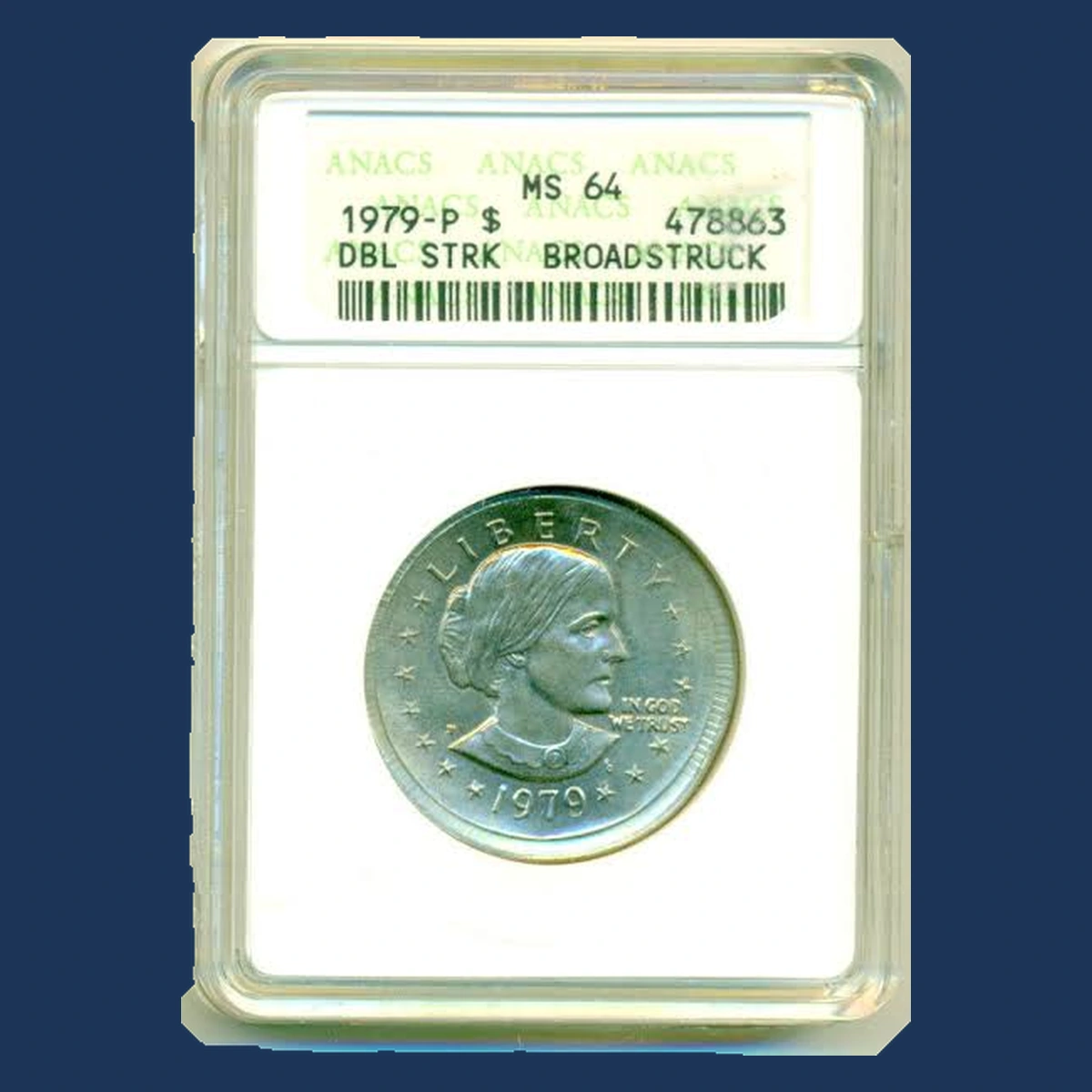
Two sets of letters can appear when a dollar moves between strikes. A Denver example remained inside the collar and kept full edge grooves.
Other Denver and Philadelphia coins spread outward during an additional strike. Their expanded borders distinguish them from the in-collar example.
A San Francisco Type One Proof also spread beyond the collar, leaving displaced details at GOD, TRUST, AMERICA, and DOLLAR. Proof coins are specially prepared collector pieces that normally receive repeated strikes.
Extra blows alone are therefore not the error on that Proof. The uncontrolled spreading and shifted lettering show what went wrong.
Estimated Value
Estimate $300–$1,500 for ordinary repeated-strike examples and $2,000–$7,500 for a comparable expanded Proof error. The group spans $300–$7,500.
The Denver in-collar PCGS MS63 example has a recorded $840 December 2025 sale. The San Francisco NGC Proof 63 Cameo coin sold for $4,887.50 in August 2007.
Clear spacing between impressions improves the display. On the Proof, its mirrored background and frosted design should remain distinguishable despite any contact marks.
How to Identify
Look for two readable impressions of the same letter or portrait detail. Each must fit a strike, rather than a flat shelf left by movement as the tool lifted.
The Denver in-collar example should retain its full edge grooves, so inspect the side as well as the repeated design. The broadstruck versions instead need an expanded outline.
On the San Francisco Proof, compare GOD, TRUST, AMERICA, and DOLLAR for the recorded displacement. Normal Proof manufacture can involve several blows without this visible shifting.
Keep the Proof’s rounded Type One S separate from the clearer Type Two style. Trace a second set of actual letters within the expanded border before identifying a repeated-strike error.
17. 1979 Susan B. Anthony Dollar Struck on Smaller Coin Blanks
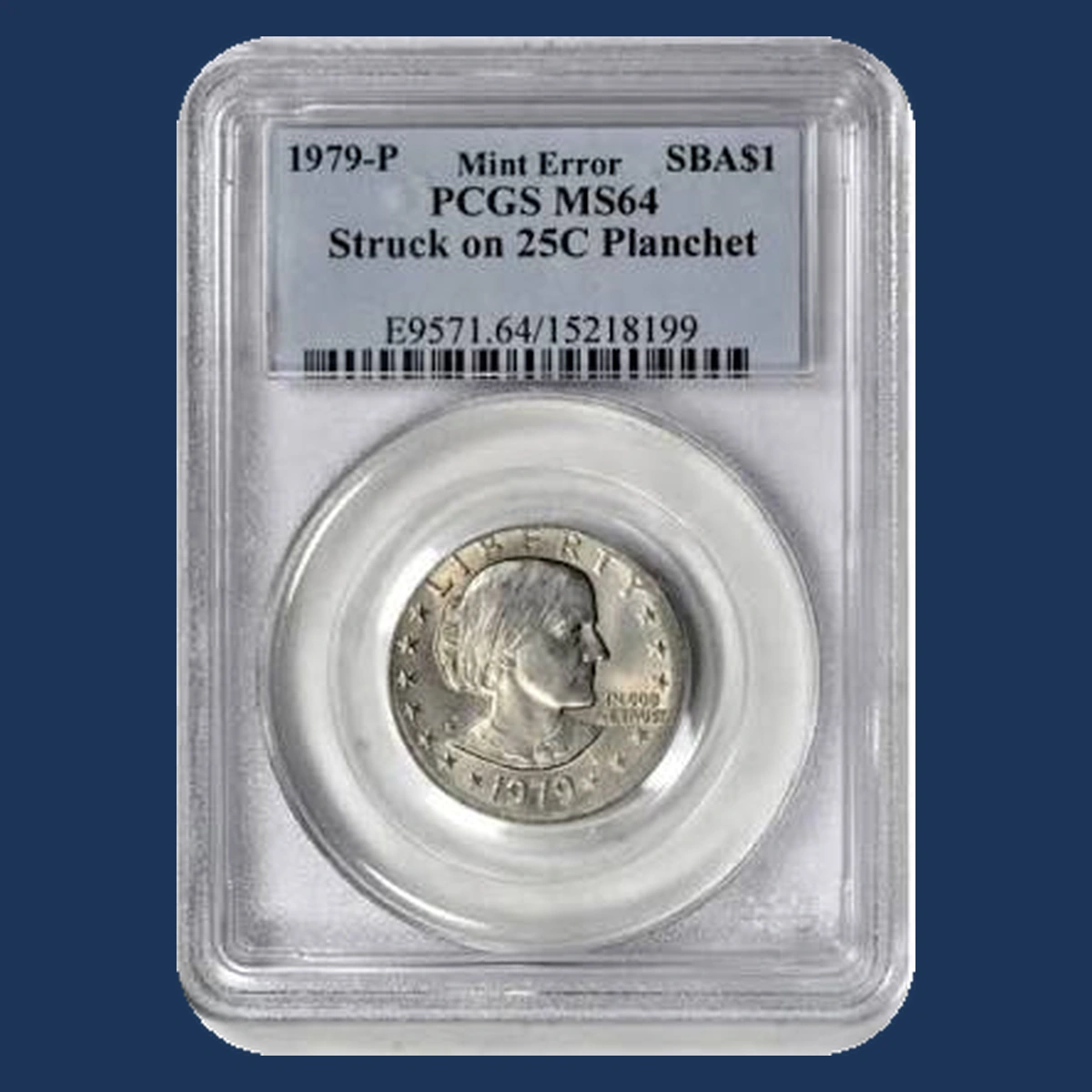
A small coin can carry only the middle of Anthony’s portrait because the dollar tools struck the wrong blank. Recorded examples use cent, nickel, dime, and quarter starting discs.
San Francisco pieces include cent and nickel blanks, a nickel blank with an indent, and a dime blank retaining 1979-S. Another cent-blank coin is expanded with one face blocked.
Philadelphia quarter-blank examples include an unfinished-rim blank and one with a recessed, backward impression. Denver has a quarter-blank example also seventy-five percent off center.
An undated cent-blank specimen is attributed to 1979. Its missing date should not be invented from other examples.
Estimated Value
An estimated $500–$15,000 spans these authenticated wrong-blank combinations. The intended denomination, surviving identity, and extra striking features all affect the result.
The San Francisco dime-blank PCGS MS65 example brought $10,062.50 in January 2004. A Philadelphia quarter-blank coin with a front mirror-image impression sold for $915 in June 2026.
Those are different objects with very different displays. A copper-colored coin is not automatically a cent-blank error, and a reduced diameter alone cannot rule out later trimming.
How to Identify
Read whatever remains of Anthony, the eagle, and the mintmark before naming the smaller disc. The San Francisco dime-blank specimen retains both 1979 and S, despite missing outer words.
Copper-colored cent blanks differ from pale nickel blanks and the bonded layers of dime or quarter blanks. Check the edge for plating, saw marks, or filing.
For loose coins, normal 1979 blanks provide weight comparisons: cent 3.11 grams, nickel 5.00, dime 2.27, and quarter 5.67. These standards are not substitute measurements of the actual error.
The quarter-blank brockage has a backward recessed design transferred by another coin, while the one-sided cent example has a blocked face.
An unfinished-rim quarter blank lacked its raised border before striking. Match the actual metal and cropped design to the claimed blank, with expert help where the mintmark or weight remains unresolved.
18. 1979 Susan B. Anthony Dollar Struck over Other Finished Coins
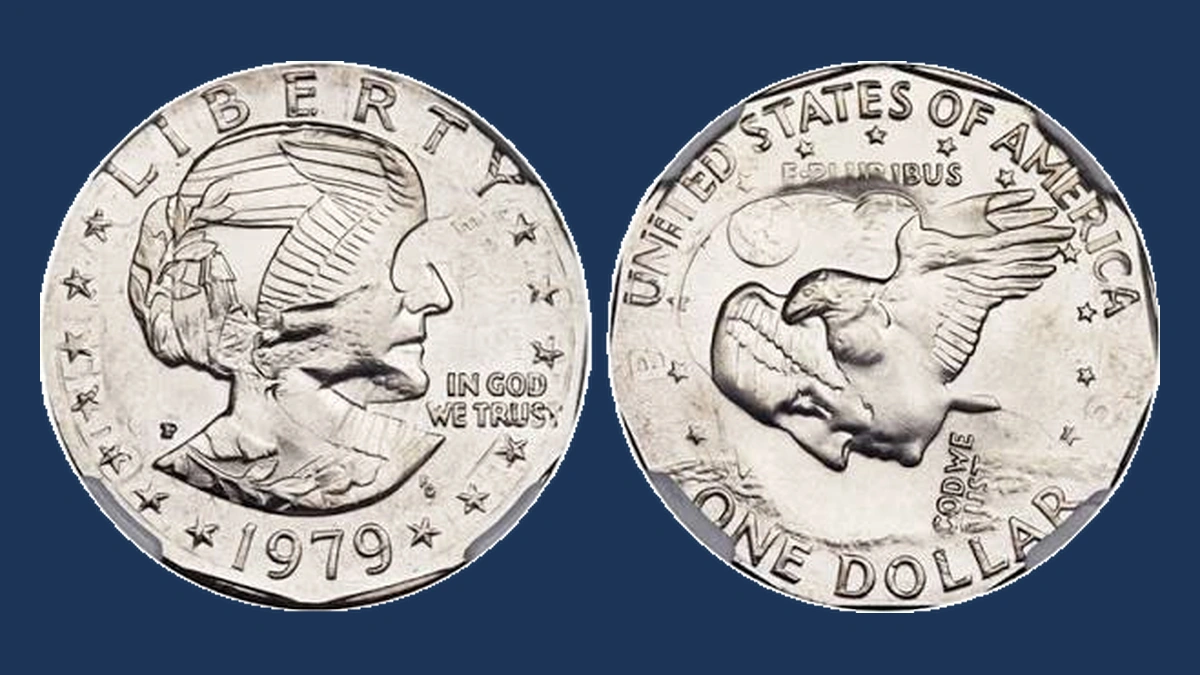
An earlier portrait, date, or building can survive beneath Anthony’s dollar design. The smaller coin was already struck before entering the dollar press, creating a double-denomination error.
Philadelphia examples include a 1978 nickel, a 1978 quarter, a cent, and a dime. San Francisco has a cent example, while Denver examples include a nickel and a 1978-D dime.
The Philadelphia nickel example shows Jefferson near the eagle’s legs and Monticello’s dome near Anthony’s nose. Part of the nickel’s 78 remains near the eagle’s wing.
The other coins preserve their own earlier designs. Their original dates are not automatically known.
Estimated Value
The Philadelphia dollar over a 1978 quarter, graded NGC MS67, sold for $13,200 in December 2022. This is a price for the complete double-denomination coin.
An estimated $4,000–$25,000 covers the authenticated combinations described here. Clear earlier artwork, a readable later identity, and strong preservation can support the higher end.
A wrong blank without earlier coin designs is a different error. Do not apply these values simply because a dollar is small or copper-colored.
How to Identify
On the Philadelphia dollar over a nickel, begin with Monticello’s dome near Anthony’s nose and Jefferson beside the eagle’s legs. Those recognizable features identify the earlier coin more clearly than size or color.
The lower portion of 78 near the eagle’s wing belongs to the nickel, while the later dollar carries 1979. Compare the two dates without completing any missing digits from imagination.
Other combinations need their own earlier designs: Lincoln or his memorial, Roosevelt or a torch, and Washington quarter details. The Denver dime example preserves the earlier 1978-D while its dollar year is attributed.
Illuminate both faces from several directions and photograph the overlapping artwork. Locate a recognizable earlier letter or portrait underneath the dollar’s raised design before accepting an overstrike identification.
Conclusion
Estimated values of $5–$25,000 cover small raised cracks through rare dollars struck over other finished coins. The shape and strength of the error matter more than an exciting label.
Compare both faces and keep each specimen’s measurements with its own photographs. A missing mintmark cannot be guessed from another coin.
Leave attached metal undisturbed, preserve matching pairs together, and obtain expert identification for major errors before paying a large premium.