1887 Dime Error List with Pictures

A shifted strike left an empty crescent beside the design on an 1887 dime that sold for $2,990 in August 2004. Smaller marks can tell equally useful stories, including a number hidden in Liberty’s shield.
This 1887 dime error list covers eleven types with estimated values from $20–$4,500. The examples come from Philadelphia and San Francisco, with each mint’s features kept separate.
Read on to distinguish marks made in the stamping tools from damage or weak detail on an individual coin.
1. 1887 Liberty Seated Dime Rusted Reverse Die (Estimated Up to $250)
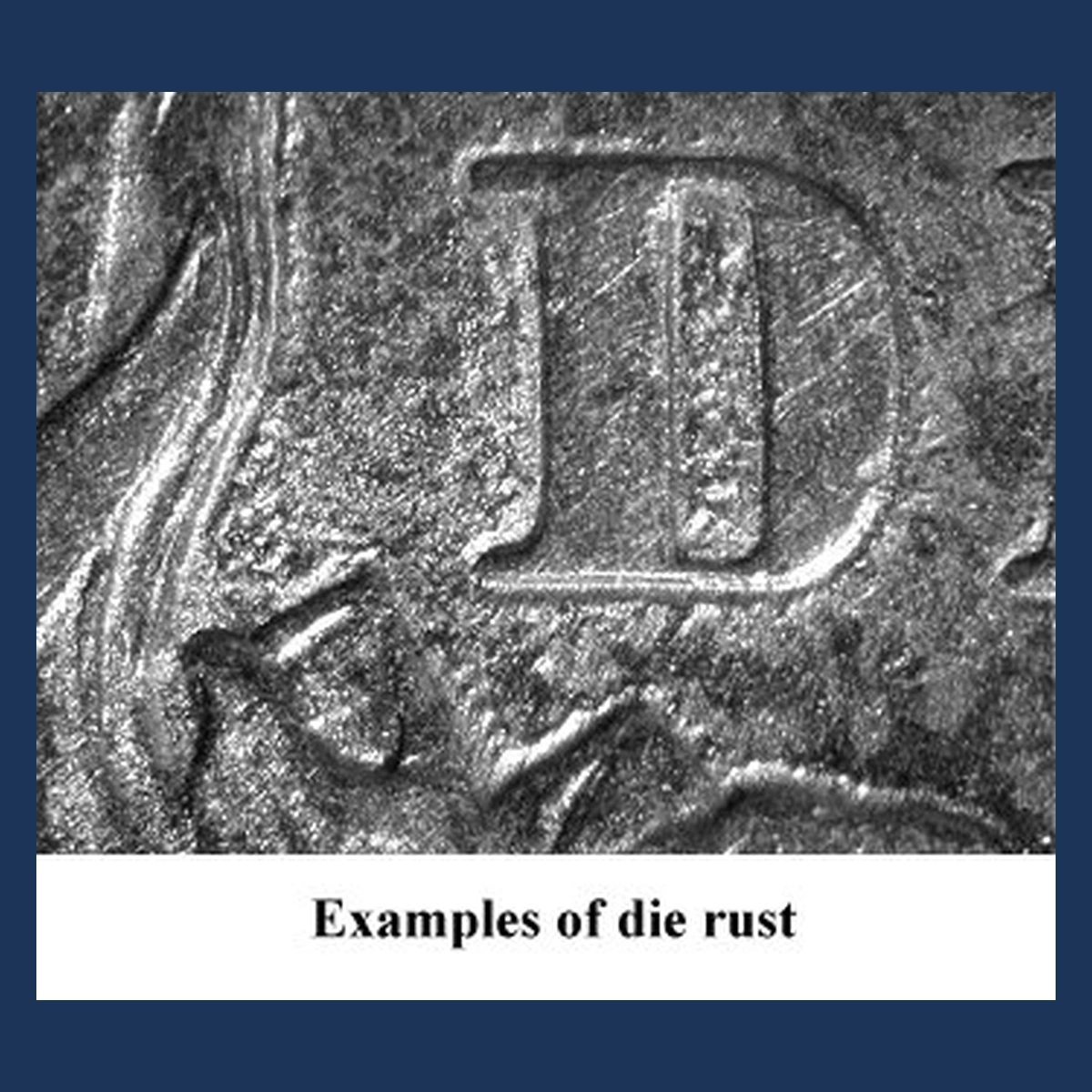
Tiny raised rough spots can record rust on the tool that made a coin. When rust leaves small holes in a die, the steel stamping tool, silver can fill those holes during striking.
The resulting bumps rise from the finished surface. Corrosion attacking a coin afterward more often eats into its metal instead.
The Philadelphia variety gallery identifies a rusted back paired with misplaced digits in the shield. It does not establish one exact patch to inspect on every example.
The texture must match the recorded coin. Do not choose a location simply because it looks rough.
Estimated Value
A worn Philadelphia dime with clearly matched tool-rust texture fits an estimated $25–$250 whole-coin range. Small bumps usually attract less attention than a bold displaced strike.
The value also depends on surviving detail and the associated shield digits. Those features belong to the same coin, so they should be priced together.
No separate auction price is assigned to the rusted tool here. Roughness from later corrosion does not qualify for this estimate.
How to Identify
Use side lighting and a 10× magnifier to decide whether the rough spots rise above the surface or sink into it. Photograph the texture without brushing or cleaning it.
Compare a larger area, not one isolated grain. Dirt, corrosion, and a cast copy can also create an uneven surface for different reasons.
The recorded Philadelphia pairing has misplaced shield digits on the front. Check those separately as support for the tool match, keeping the entire back visible.
A scale and calipers can compare the normal 2.50 g and 17.9 mm, with 90% silver and a grooved edge expected. Start with repeatable raised texture matching the recorded back, rather than random pits in the coin.
2. 1887 Liberty Seated Dime Clashed Dies (Estimated Up to $300)
An extra outline in an otherwise smooth area can belong to the design on the other face. It may appear after the two stamping tools hit each other with no blank between them.
That contact is a die clash. The damaged tools can carry traces of their partner’s design onto later coins.
Philadelphia records include clashes on both faces and lighter marks on the back. Their positions depend on the particular tools.
One unexplained line cannot identify every 1887 clash. Its shape must fit part of the opposite design in the correct position.
Estimated Value
Recognizable clashes on ordinary worn 1887 Philadelphia dimes have an estimated range of $30–$300. Clear shapes on original surfaces are easier to compare than faint lines on a scratched coin.
This is an appraisal for the whole piece, not a recorded sale of a specific clash. A repunched date or crack may accompany it, but each additional feature should not bring another complete coin price.
Strong preservation can matter more than the number of reported marks.
How to Identify
Lay photographs of the front and back side by side at equal size. Look for part of the wreath where it does not belong on the front, or a front-design trace on the back.
A 10× magnifier helps follow the outline. Align the two designs as the tools would meet before deciding that a familiar-looking shape really matches.
Inspect the surrounding metal for scratches or later pressure marks. A random line in the correct general area still needs an explanation.
Check about 2.50 g with a scale and 17.9 mm with calipers, and photograph the grooved edge. Begin with a recognizable opposite-design fragment whose position also fits the proposed contact.
3. 1887 Liberty Seated Dime Die Cracks and Shattered Dies (Estimated Up to $400)
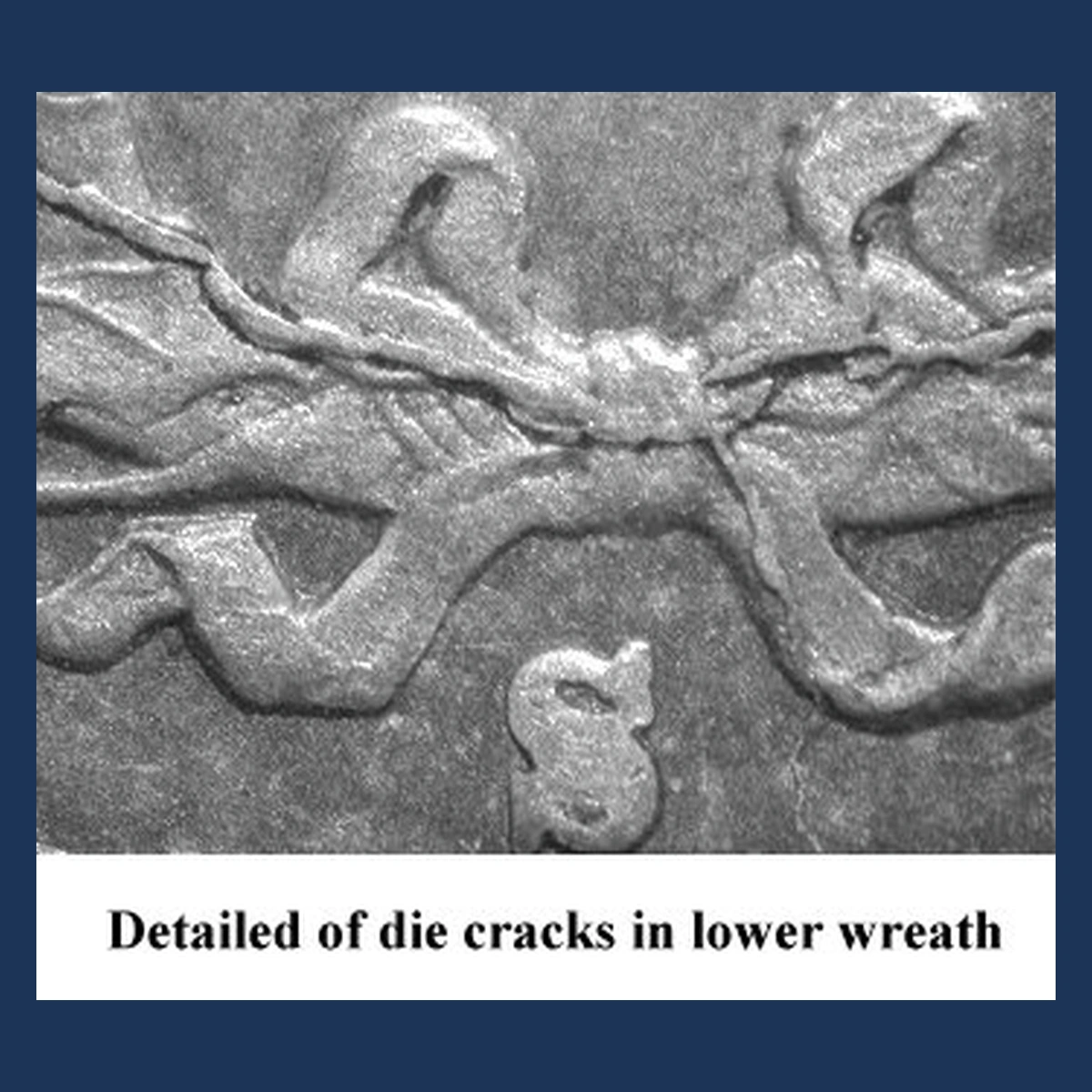
Several raised lines can form a web across the wreath or outer lettering. Each line can come from a split opening in the stamping tool as it wears out.
Philadelphia examples include lines through UNITED STATES and curved cracks around the wreath. San Francisco records show more extensively cracked backs with branching patterns.
The silver enters the tool’s openings, so these lines stand above the coin. A later scratch or a split through the coin itself is different, and a network of cracks should not automatically be called a rim cud.
Estimated Value
A practical estimate for worn through lightly worn examples is $20–$400. A clear branching pattern can add more collector interest than one short, faint line.
The mint and the coin’s remaining detail still affect the complete price. This range is an estimate rather than a documented sale of one shattered 1887 tool.
Avoid paying for dramatic appearance alone. Heavy scratches or corrosion can hide the original crack pattern and reduce the coin’s appeal.
How to Identify
Trace one line with a 10× magnifier. Side lighting should show a raised ridge crossing letters or leaves, rather than a groove cutting into them.
Check the opposite face if the coin appears physically split. A crack through the dime itself is different from a mark left by a broken tool.
Weigh a loose example on a scale against 2.50 g, then measure its 17.9-mm diameter with calipers. Normal coins contain 90% silver and have grooved edges.
Philadelphia examples have cracks around the outer wording and wreath. The San Francisco backs have separate branching patterns.
Follow a raised ridge across the design, then match its path to the correct mint’s photographs.
4. 1887 Liberty Seated Dime Repunched Date (Estimated Up to $650)
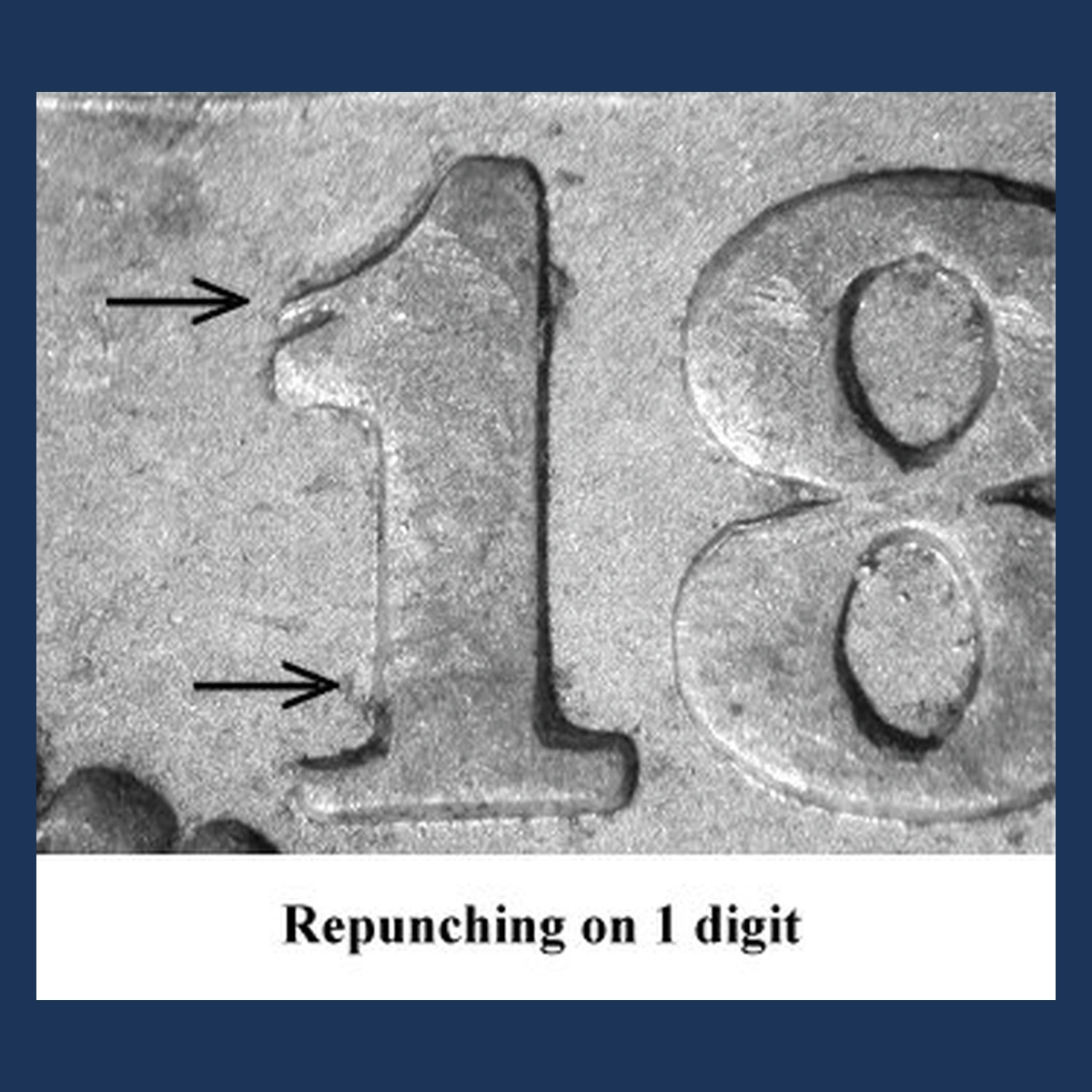
A second stem or curved edge beside a date numeral can be a leftover punch impression. The date punch entered the tool again in a slightly different position, leaving part of its earlier mark.
Philadelphia varieties include repunching on 1 or 18. San Francisco examples include an extra outline beside 1 or 7.
The same numeral is repeated near its intended position. This differs from a misplaced number inside the shield.
Check the correct variety for the direction of each extra stroke. Another coin sharing the year may have a different pattern.
Estimated Value
The estimated whole-coin range is $50–$650 for clear repunched dates in worn through lightly worn condition. Better preserved extra strokes make an example more useful to a variety collector.
These different Philadelphia and San Francisco tools do not share one auction price. A recent unworn 1887-S repunched mintmark sold for $360.
That offers nearby same-year context. However, a mintmark punch and a date punch create different features, with different demand among collectors.
How to Identify
Read the complete date and check for an S below the wreath bow. The mint tells you which set of date comparisons to use.
Under a 10× magnifier, follow the original 1, 8, or 7 before tracing any extra stroke. The extra metal should fit another placement of the numeral rather than a scratch crossing it.
Change the light angle to separate rounded raised contours from a flat ledge caused during striking. Keep several date digits in the photograph.
Use a scale and calipers to compare the normal 2.50 g and 17.9 mm. The dime should contain 90% silver and have a grooved edge.
Look first for a recognizable earlier numeral outline beside the correct date digit.
5. 1887 Liberty Seated Dime Misplaced Digits in the Shield (Estimated Up to $750)
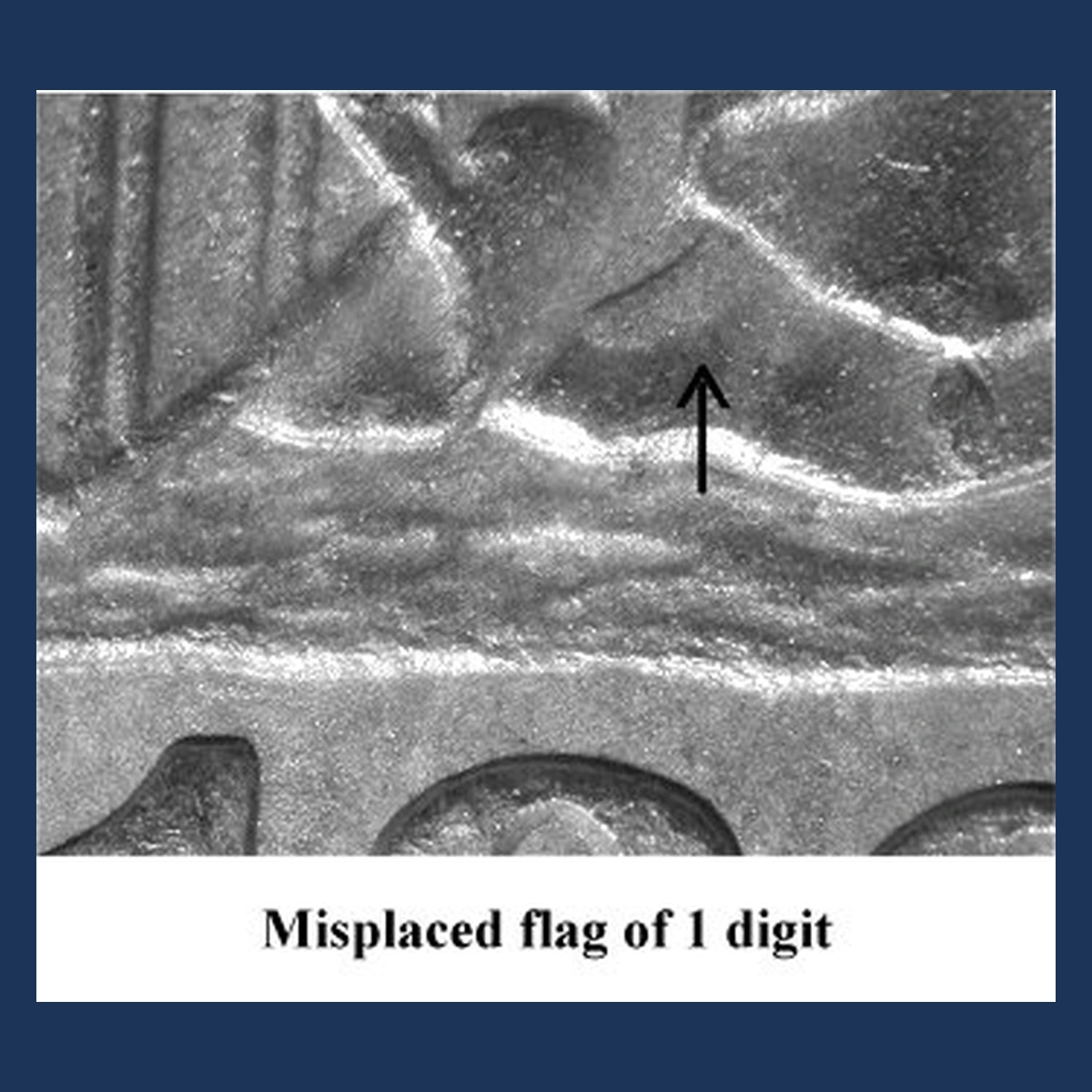
An extra numeral can hide among the shield’s normal lines, well above the date. It comes from a date punch placed outside the intended area while the tool was being prepared.
Philadelphia records describe misplaced shield digits and a misplaced 1. The San Francisco gallery identifies a 1 in the shield on its own variety.
A normal shield stripe can look like a numeral under one light angle. Other suggested shapes remain only possibilities.
Follow the documented number and position. Every irregular shield line should not become another date fragment simply because it resembles part of a numeral.
Estimated Value
For a clear misplaced digit on a worn through lightly worn dime, the estimated range is $75–$750. An identifiable number in an unusual position can attract interest even when it is small.
A different 1877-CC dime with an 8 in the rim teeth sold for $216 in February 2024, graded PCGS XF40 with circulation wear. That provides a recent misplaced-punch comparison, although its mint, date, and location differ from these shield examples.
How to Identify
Compare the shield with a normal coin before looking for a number. Under a 10× magnifier, an extra stroke should interrupt or add to its regular lines.
For San Francisco, photograph the S below the bow on the back. Its reported shield 1 needs to match that mint’s variety.
Use a scale and calipers to compare the normal 2.50 g and 17.9 mm. Photograph the grooved edge without cleaning it.
Philadelphia shield fragments need their own comparison. Scratches and small tool chips can also make short, misleading lines.
Look first for a numeral shape that does not belong to the shield’s normal pattern.
6. 1887 Liberty Seated Dime Struck-Through or Filled-Die Feature (Estimated Up to $800)
A weak patch or a small hollow can form when material gets between the blank and a stamping tool. Grease may block fine details, while a firmer object can leave an impression.
The 1887 year guide discusses this mechanism without identifying a particular dated example. It therefore gives a feature to investigate rather than a confirmed location on a named coin.
Wear, weak striking pressure, and polishing after minting can also remove detail. A candidate needs original surfaces that explain how the interruption formed, not simply a missing letter or an unfamiliar mark.
Estimated Value
For a professionally identified 1887 example, a comparison-based estimated range is $50–$800. The low end suits modest blocked detail, while an obvious impression can support a higher appraisal.
No 1887 sale is assigned to the general guide description. A different 1951-S Franklin half with a strike-through was indexed at $134 in April 2026.
Its NGC MS64 grade indicates an unworn coin with relatively few marks. The half dollar’s larger size limits its usefulness when pricing a dime.
How to Identify
Examine the edge of the weak or sunken area with a 10× magnifier. Compare the nearby letters and high points to see whether ordinary wear explains the missing detail.
A gouge may push metal up beside the cut. An obstruction during striking affects how the design forms, so the surrounding original surface is important.
Do not name grease, cloth, or wire from a smooth patch alone. Keep both faces and the complete date visible for a specialist comparison.
A scale and calipers should relate to 2.50 g and 17.9 mm, with 90% silver and a grooved edge. Start where clear normal design meets the interruption, looking for later scraping before assigning a striking cause.
7. 1887 Liberty Seated Dime Doubled Die Reverse (Estimated Up to $900)
A second outline on the back can belong to a doubled stamping tool. The duplicated shape was already part of the tool before it touched the coin.
Philadelphia records highlight the D of DIME. San Francisco examples instead include doubling in the lower-right wreath, so the two mints need different close-ups.
The extra outlines should match on coins made from the same tool. A flat shelf caused during one strike is a different effect.
A thick letter or soft leaf alone proves little. Look for the same rounded duplication at the locations recorded for that mint.
Estimated Value
An estimated $60–$900 covers identifiable reverse doubling on worn through lightly worn examples. Stronger separation and cleaner surfaces can make a subtle feature easier to collect.
A recent same-series comparison is an 1877 doubled reverse graded ANACS AU58 that sold for $149 in March 2024. It had only slight wear, but its different year and tool prevent an exact price transfer.
These figures value the complete coin, not each doubled letter or leaf separately.
How to Identify
On a Philadelphia coin, inspect DIME’s D with a 10× magnifier. For a coin bearing S below the bow, compare the lower-right wreath instead.
Move the light and look for separate rounded edges that remain part of the metal. A reflection may vanish, while a flat shelf can cut into the normal shape.
Photograph nearby details at the same enlargement. Several agreeing contours provide a better match than one thick edge.
Check weight with a scale against 2.50 g and diameter with calipers against 17.9 mm. Normal coins contain 90% silver and have grooved edges.
Begin with the extra outline at the correct mint’s recorded letter or wreath area.
8. 1887 Liberty Seated Dime San Francisco Doubled Die Obverse (Estimated Up to $1,000)
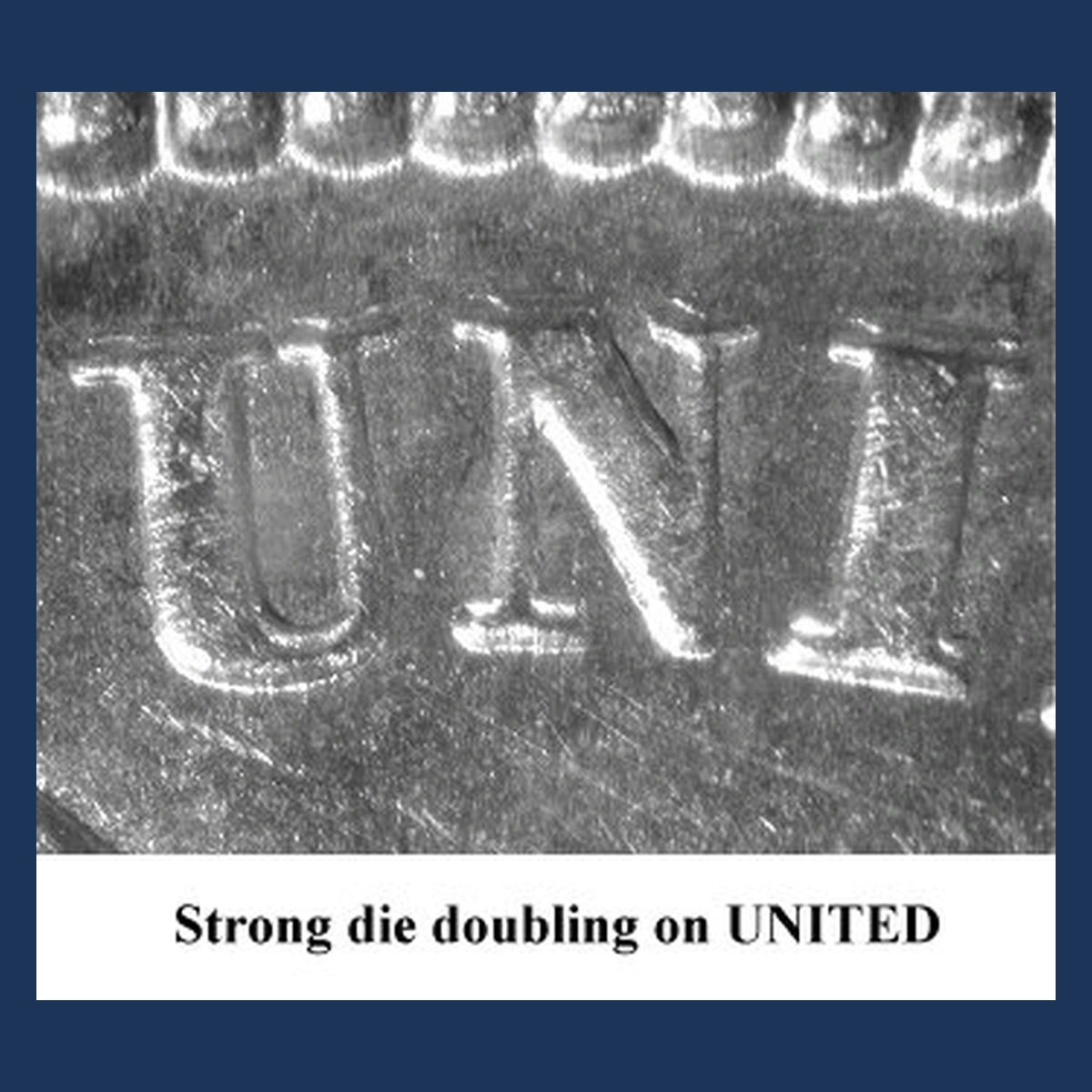
UNITED on the front is the place to inspect for this San Francisco doubled die. Extra letter contours belong to a tool carrying a doubled version of that part of the design.
The documented front was used with different back tools. Some coins can therefore have different reverse cracks while retaining the same doubled UNITED.
That pairing change does not require another front error to explain it. The repeated lettering should still match, and it should not be confused with a second full strike or random damage beside one letter.
Estimated Value
For a correctly matched worn through lightly worn 1887-S doubled front, estimate $75–$1,000. Clear separation across UNITED is more persuasive than one barely visible extra edge.
This is an estimate without an adopted auction price for that exact front tool. A repunched-S example sold for $360 recently in MS62.
That unworn coin had another feature, so it provides only same-year context. The actual doubled letters and condition still need their own price comparison.
How to Identify
Check the S on the back before studying UNITED on the front. A Philadelphia coin cannot match this San Francisco tool.
Normal measurements are 2.50 g and 17.9 mm, checked with a scale and calipers. The edge should have grooves.
Now use a 10× magnifier across several letters of UNITED. Look for extra contours following one consistent pattern rather than a single bright reflection.
Take another photograph with the light moved. Rounded raised contours should remain visible, while shadows can change.
Reverse cracks may differ because the front tool was paired with several back tools. Compare the doubled UNITED outlines first, then confirm the S below the wreath.
9. 1887 Liberty Seated Dime Repunched S Mintmark (Estimated Up to $1,200)
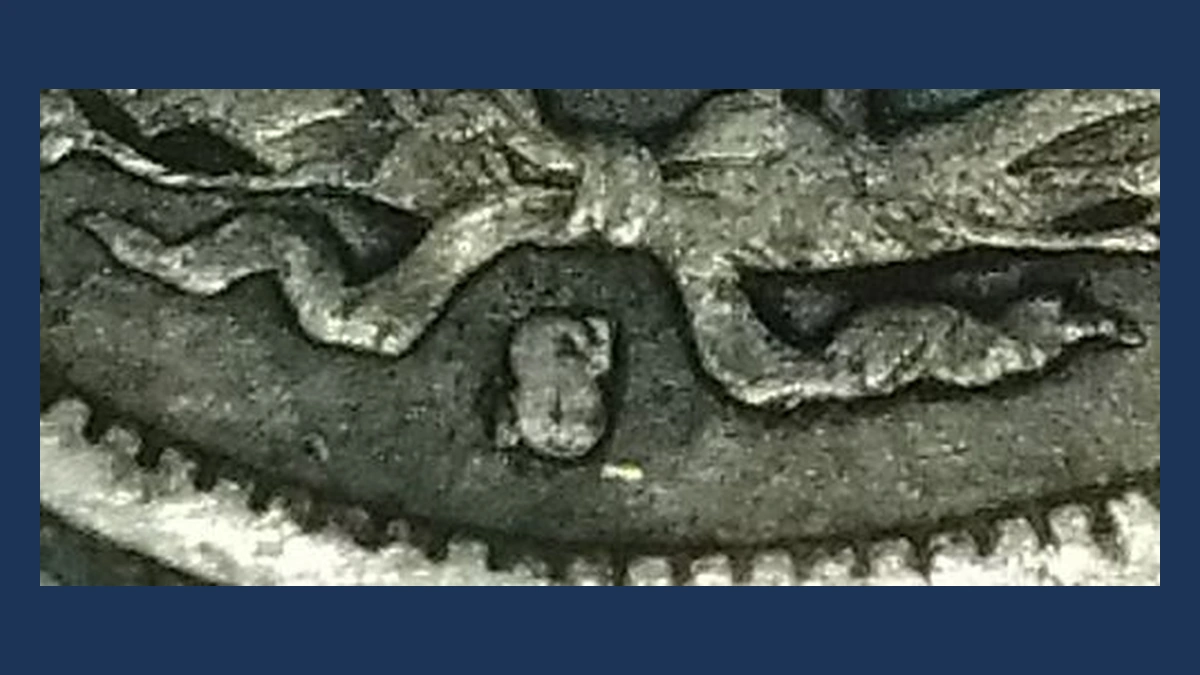
The S below the wreath can contain traces of an earlier S inside its loops. A mintmark punch entered the tool more than once, leaving overlapping letter shapes.
One documented variety shows the earlier outline in the upper loop. Another shows remnants in both loops, so each example needs its own comparison.
A medium-sized S is the normal letter used on these coins. Its size alone does not make an error.
A rough edge, flat shelf, or letter attached later can mislead the eye. Look for the actual repeated punch shape inside the loops.
Estimated Value
An F-104 repunched S graded PCGS MS62 sold for $360 at Stack’s Bowers in March 2026. That grade means no circulation wear but noticeable marks.
A worn PCGS XF40 example brought $281.25 at GreatCollections in October 2025. These sales support an estimated $80–$1,200 range across collectible worn through lower-grade unworn pieces.
The stronger outline and cleaner coin usually make the better comparison. Different loop patterns should retain their own identities.
How to Identify
Find the S below the wreath bow and photograph its complete outline. Use a 10× magnifier to follow any extra curve inside the loops.
The recorded F-104 example shows the upper-loop feature. Both loops need not show equal strength on every variety.
A scale and calipers should give about 2.50 g and 17.9 mm for this 90%-silver dime. Check its grooved edge and complete date too.
An added mintmark can leave a seam or tool marks around the letter. Inspect that surface before judging a possible repeated S.
The extra curved outline inside a documented loop is more useful than the mintmark’s overall size.
10. 1887 Liberty Seated Dime San Francisco Partial Rim Cud (Estimated Up to $1,500)
A raised broken area meets the back’s rim between eight and nine o’clock on the recorded San Francisco example. A network of cracks spreads across the same back.
The specialist gallery calls the edge feature a partial cud. It reflects failure at the edge of the stamping tool, rather than metal knocked out of the finished coin.
This late stage can differ from earlier coins struck by the same tools. Small earlier date-punch details may fade, so identification should follow the rim break and matching crack pattern rather than demand every earlier mark.
Estimated Value
A clearly matched partial cud on a worn through lightly worn 1887-S has an estimated range of $150–$1,500. The visible rim connection and surrounding crack network affect collector interest.
No sale price is assigned here to the exact recorded break. This is a whole-coin estimate, so the cracks and the cud are assessed together.
A clean boundary helps more than a battered edge. Damage can hide the original break and make a comparison less convincing.
How to Identify
Hold the back upright and inspect the rim between eight and nine o’clock. With a 10× magnifier, follow the edge break into the matching crack network shown in the San Francisco gallery.
Look for original metal replacing or changing the rim design. A dent or inward-folded edge can leave crushed grooves instead.
Confirm the S and examine the entire back, since an isolated bump does not establish this late cracked tool. Keep the front date in the photograph set.
Check normal measurements with a scale and calipers against 2.50 g and 17.9 mm. Begin with the eight-to-nine-o’clock rim feature joined to the documented network, rather than any loose raised spot.
11. 1887 Liberty Seated Dime Off-Center Strike (Estimated Up to $4,500)
An empty crescent remains beside the design when the blank sits partly outside the striking tools. Some of the intended design misses the metal on both faces.
Heritage recorded an 1887 Philadelphia dime struck 10% off-center toward one o’clock. PCGS graded it MS63, meaning no circulation wear but noticeable marks.
The auction notes a small edge mark within the empty margin. This is separate from the striking error.
A year guide describes another example as AU58, with slight wear. Its features should stay separate from the Philadelphia MS63 coin.
Estimated Value
The PCGS MS63 sold for $2,990 at Heritage on August 21, 2004. It provides a dated auction reference for a clear 10% displacement.
Estimated values of $800–$4,500 cover collectible worn through attractive unworn examples with readable dates. A smaller shift or damaged surfaces can reduce appeal.
The 2004 result is historical, not a current asking price. Compare condition and surviving design rather than pricing every percentage point alike.
How to Identify
Look at both faces together before estimating the shift. Each should show incomplete design beside the same area of untouched blank metal.
For the MS63 example, compare the movement toward one o’clock and keep the full date visible. A 10× magnifier helps separate the original empty surface from later grinding or polishing.
The normal blank weighs 2.50 g and is 90% silver. Check weight on a scale and measure the changed outline with calipers against an ordinary 17.9-mm dime.
Inspect surviving edge grooves and any later marks independently. Look first for a shared blank crescent beside incomplete designs on both faces.
A wider border surrounding complete designs does not establish an off-center strike.
Conclusion
A shield digit, an extra S outline, and a blank crescent give three very different places to start. Match the mint and the full design before deciding what caused a small mark.
Estimated values range from $20–$4,500. Keep later damage separate from the original feature, preserve photographs of both faces, and use the specific coin’s wear and surfaces when comparing an estimate with an actual auction result.