1874 Dime Error List with Pictures

A rare 1874-CC dime sold for $18,562.50 in October 2024. Its cracked back helps identify the tool that made it, but the high price mainly reflects the scarce date and mint.
This 1874 dime error list spans estimated $40–$45,000 whole-coin values. It also covers extra date pieces, repeated arrows, faint arrows, and unusual wreath details.
Start with the date and mint, then use the eight comparisons below to understand which feature belongs to your coin.
1. 1874 Liberty Seated Dime Wreath Doubling Report (Estimated Up to $900)
The wreath on the back of Philadelphia F-108 shows reported repeated detail. The description records an appearance without settling its cause.
A rounded extra outline could come from a doubled die, a steel stamping tool carrying repeated design. A low flat shelf may instead come from movement during striking.
Those explanations do not have the same collecting meaning. Two edges in an enlarged photograph are only the starting observation.
This is an everyday issue with arrows beside the date. A shiny surface or doubled-looking leaf alone does not turn it into a specially made Proof or a confirmed doubled-die variety.
Estimated Value
For recognizable Philadelphia examples from worn through lower-grade unworn condition, estimate $50–$900. This range does not assume the extra value of a confirmed doubled die.
The year’s F-103 repunched-date coin graded VF20 sold for $119.25. VF20 means worn with substantial detail remaining.
That different variety offers a nearby comparison for minor features. If the wreath only has a flat shelf from striking movement, compare the coin with ordinary examples of the same condition instead.
How to Identify
Light the wreath from opposite sides under a 10× magnifier. Decide whether the second shape has rounded design or is just a flat border beside the main leaf.
Keep the whole back visible in photographs rather than sharpening a small crop heavily. Match the complete F-108 example before naming the feature.
The normal Philadelphia dime has no mint letter. It contains 90% silver, weighs 2.50 grams before wear, and measures 17.9 mm.
Check safely accessible examples with a scale and calipers, then inspect the edge grooves. These measurements confirm the coin type but not the doubling’s cause.
The useful result is a clear view of the extra contour’s shape, separating what you can see from how it may have formed.
2. 1874 Liberty Seated Dime Die Clash (Estimated Up to $1,000)
The Philadelphia F-104a has strong clash traces on both faces and an extra outline on its left arrow. Those two features can help identify the same coin.
A clash happens when the two stamping tools meet without a blank between them. Each can pick up parts of the opposing picture and transfer them to later coins.
The repeated arrow came from punching that detail more than once during tool preparation. It has a different cause from the clash.
The short reference description does not map every transferred outline. Use complete photographs rather than assigning stray lines to an invented location.
Estimated Value
Estimate $75–$1,000 for collectible worn through lower-grade unworn Philadelphia examples. Remaining detail and surface quality affect how clearly the clash can be seen.
This is a whole-coin estimate for F-104a, not a recorded sale range. Its repunched arrow can help identify it without creating a second amount to add.
Compare coins of similar condition. Recognizable transferred shapes on both faces are more useful to a collector than faint unrelated-looking lines that require guesswork.
How to Identify
Begin with the ordinary measurements when the coin is safely accessible: 2.50 grams, 17.9 mm, and 90% silver. Use a scale and calipers and inspect the edge grooves.
Those checks establish the dime but cannot identify a clash. Turn to the left arrow and compare its repeated outline with F-104a.
Then inspect both faces with a 10× magnifier. Look for transferred shapes that fit parts of the opposite design.
Keep the full pictures beside close-ups so their positions remain clear. Scratches or isolated polishing lines should not be forced into a match.
The left-arrow feature and recognizable opposite-design traces together provide the useful identification, while their separate causes explain why both can share one coin.
3. 1874 Liberty Seated Dime Extra Date Remnant (Estimated Up to $1,200)
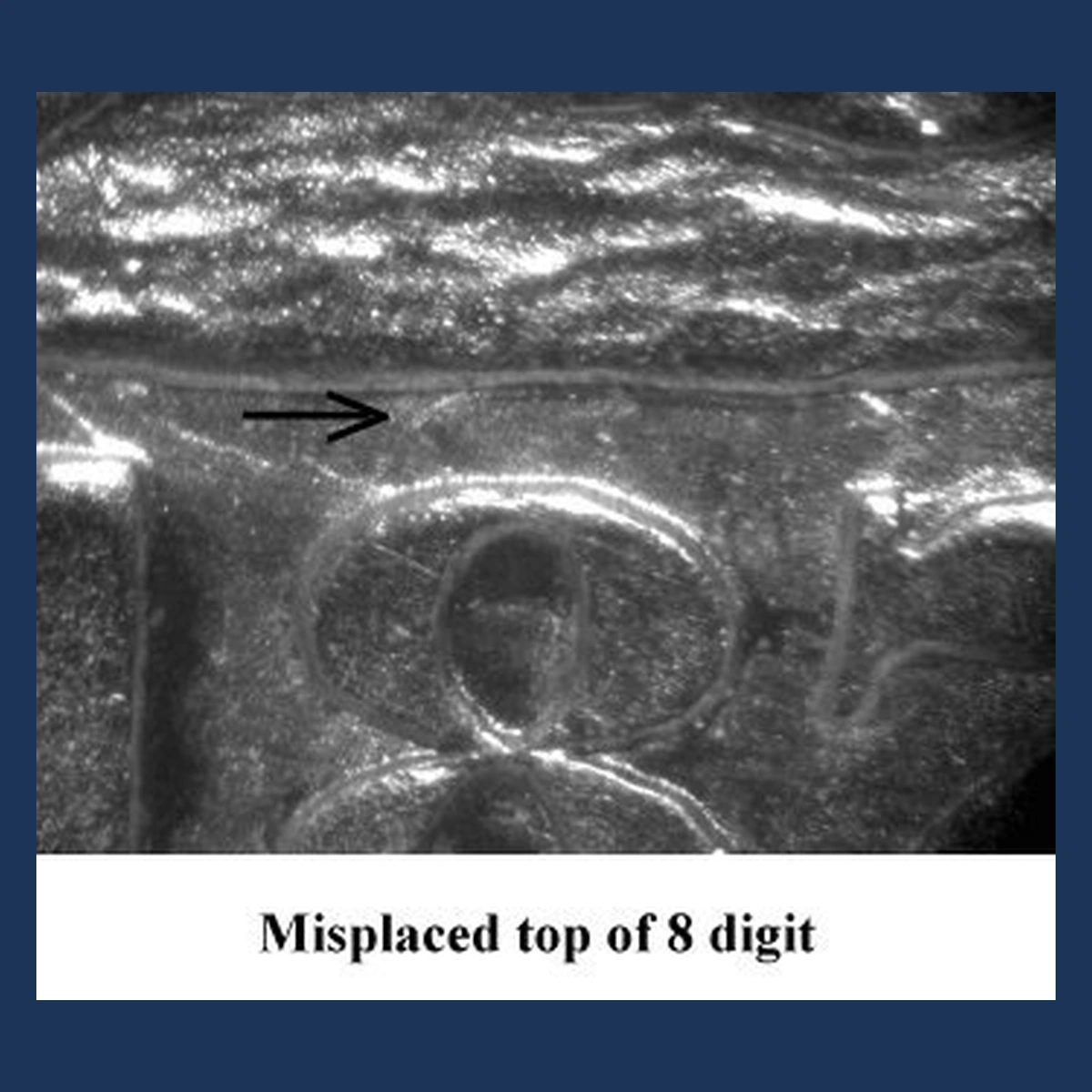
An extra arc appears between the normal 8 and the base beneath Liberty. The specialist reference interprets it as the top of another 8.
The fragment sits away from the numeral’s final outline. That location explains why it is called a misplaced date.
The reference also considers whether widely separated repunching better explains the curve. Both names concern the same visible fragment, not two different marks.
A later cracked version of the tool carries it too. Nearby crack lines need to be checked separately so an angular fracture is not mistaken for part of the numeral’s rounded shape.
Estimated Value
Estimate $50–$1,200 for worn through lower-grade unworn Philadelphia examples with a clear extra arc. Much of the spread reflects the underlying coin’s condition.
The remnant’s visibility and a close match to the variety add specialist interest. This is an estimate rather than a claimed sale of the exact example.
Calling the same curve misplaced or widely repunched does not create another premium. Heavy wear may weaken it enough to reduce its practical appeal to collectors.
How to Identify
Frame the ordinary 8, the space above it, and Liberty’s base together. With a 10× magnifier, follow the extra curve rather than inspecting an isolated bright dot.
Does it fit the upper arc of an 8 in the matching photograph? Exclude straight crack segments or a newly cut groove.
The coin should retain arrows beside the date and have no Philadelphia mint letter. Normal specifications are 90% silver, 2.50 grams, 17.9 mm, and edge grooves.
Check safely accessible coins with a scale and calipers. Compare surrounding cracks on their own paths instead of joining them to the numeral.
The direct match is a rounded date fragment in the space between the regular 8 and the base, whichever punching explanation is preferred.
4. 1874 Liberty Seated Dime Cud Report (Estimated Up to $1,200)
A true cud is a broad raised area joined to the rim. It forms when part of the stamping tool’s edge breaks away.
Metal fills the missing space during striking, leaving a lump without the normal design. An isolated inner bump or long narrow crack is different.
The older 1874 guide reports the category without an identified original example or fixed location. It supplies no particular mint or clock position.
A Carson City cud from another year cannot fill that gap. The readable date, mint, and raised break must all belong to the same coin before a comparison is made.
Estimated Value
For a genuine cud on a worn Philadelphia or San Francisco dime, estimate $100–$1,200. The range assumes a visible rim-connected break and collectible surfaces, rather than a tiny interior chip.
No specific 1874 transaction is assigned to the guide’s report. Its mint must be identified before applying a range.
Carson City requires a separate valuation because that rare coin can exceed these figures without an error. Its price should not be borrowed for an unidentified mint.
How to Identify
Photograph the raised patch together with the adjoining edge. Under a 10× magnifier, check that the original surface continues into a genuine connection with the rim.
A hit can squeeze metal upward, and an attached lump may show a seam. Compare those possibilities before calling the feature a cud.
Keep the date, arrows, and actual mint in the same set of photographs. Use a scale and calipers when safely accessible against 2.50 grams and 17.9 mm for this 90% silver issue.
Inspect the remaining edge grooves for filing or other alteration. A narrow crack alone is not the completed break.
The essential visible feature is a broad original raised patch reaching the rim, rather than a detached bump or thin line.
5. 1874 Liberty Seated Dime Repunched Left Arrow (Estimated Up to $1,500)
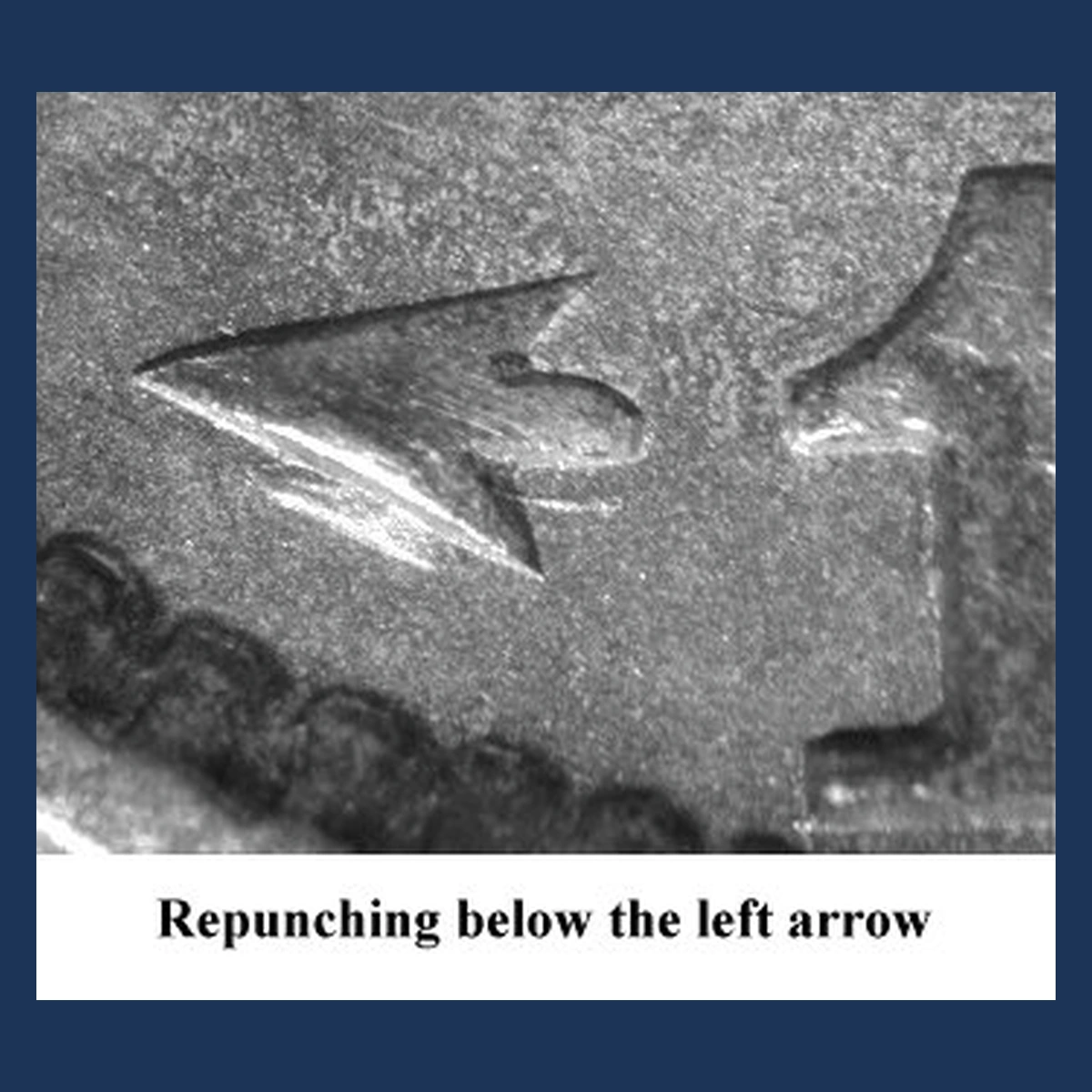
The top of the left arrow has a second punch trace on the illustrated San Francisco variety. Its back carries a small, thin S rather than the different micro S.
The reference example is graded AU55, meaning slight wear. Its two faces show why mint identification matters even when the unusual detail is beside the date.
The weaker back design belongs to this tool pairing and need not mean extra circulation wear. Compare the actual surfaces as well as sharpness.
Philadelphia has a repunched-left-arrow report. Its extra outline needs its own match rather than inheriting the San Francisco example’s direction.
Estimated Value
For recognizable worn through slightly worn San Francisco examples, estimate $100–$1,500. Comparable Philadelphia pieces have an estimated $75–$900 range.
These values include the whole coin and allow for different mint and condition levels. They are not one universal price for an extra arrow line.
The illustrated AU55 example with CAC quality approval is an identification reference, not a quoted sale. Clear upper-arrow detail and original surfaces can support a stronger price within the relevant mint’s range.
How to Identify
Turn the coin over first. Distinguish the small, thin S from a micro S or a Philadelphia back with no mint letter.
Now inspect the top of the left arrow under a 10× magnifier. Keep the date and other arrow visible so the position and shape remain clear.
An arrow simply pointing upward is normal variation and does not prove repunching. Look for a second formed outline at the documented spot.
Normal specifications are 90% silver, 2.50 grams, and 17.9 mm with edge grooves. Use a scale and calipers when safely accessible.
For the San Francisco example, the upper extra arrow contour must agree with the small, thin S; sharpness or arrow angle alone is not enough.
6. 1874 Liberty Seated Dime Repunched Date (Estimated Up to $3,500)
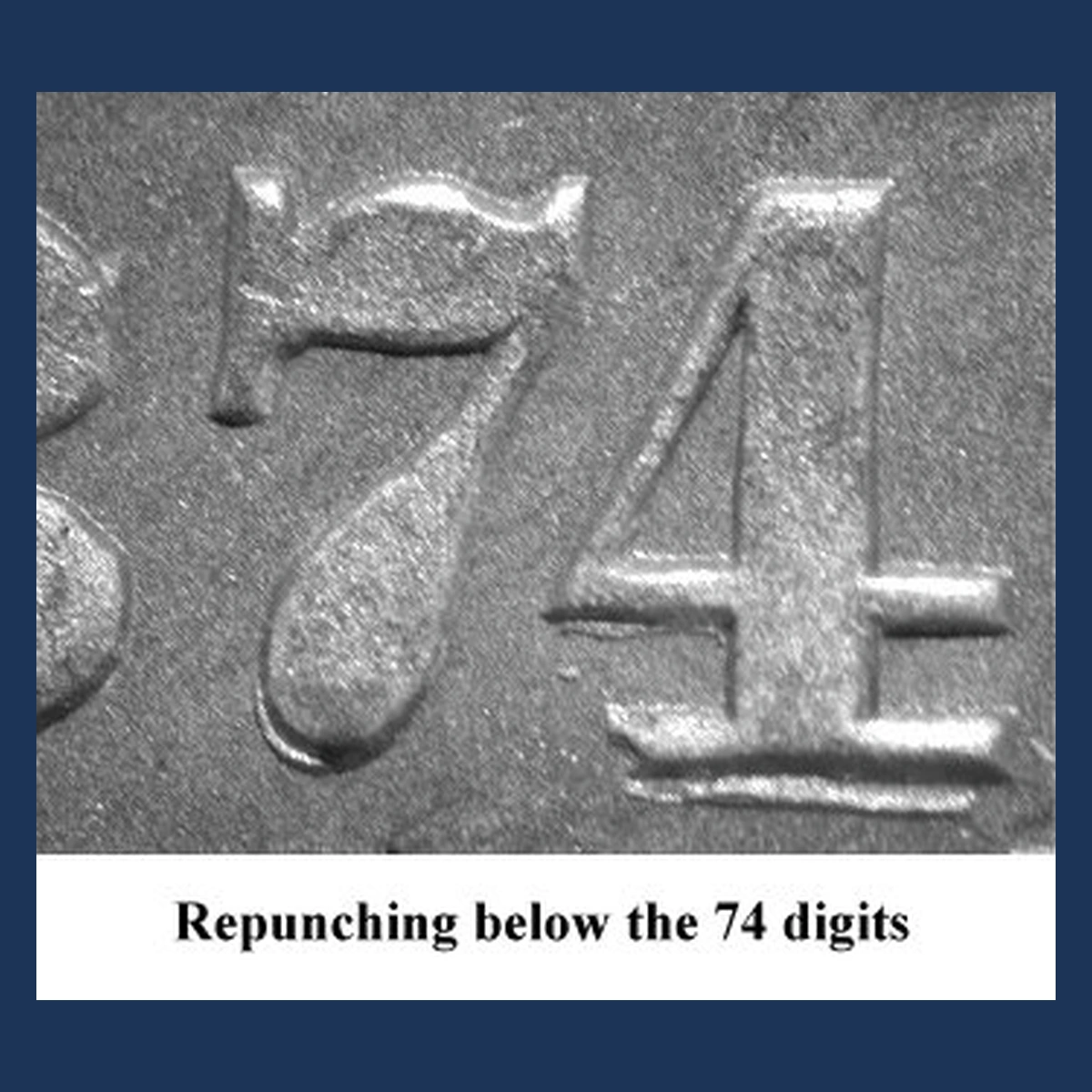
Early examples of Philadelphia F-103 clearly show extra strokes below 7 and 4. Another trace lies beneath the left crossbar of 4.
They came from an earlier date-punch impression left in the tool. Later coins received those remnants along with the final date.
Other everyday Philadelphia tools also show repunched numerals. A separate record describes a Proof with a repunched 4; Proofs are specially made collector coins.
The same digit name does not establish the same tool or finish. Tool wear can also soften the extra strokes, so genuine examples need not all show them with equal strength.
Estimated Value
A VF20 F-103 sold for $119.25 in October 2024. Estimate $50–$1,200 for recognizable worn through lower-grade unworn everyday examples.
For collectible lower-to-middle-grade Proofs, use a separate estimated $500–$3,500 range. The recorded sale belongs to the everyday F-103 and does not price the Proof repunched 4.
Remaining strokes, original surfaces, and condition matter together. Counting the affected numerals alone cannot explain the value, especially when the coins have different finishes.
How to Identify
Look beneath 7 and 4 with a 10× magnifier, including the left crossbar of 4. Photograph all three locations together instead of choosing only the clearest extra line.
The earlier strokes should have numeral-shaped raised outlines. Flat shelves from movement during striking can look doubled without preserving the same forms.
Check the whole coin before comparing a Proof. Polished everyday tools can also produce shiny flat areas, so reflection alone does not establish the collector finish.
A safely accessible example should suit 2.50 grams, 17.9 mm, and 90% silver, checked with a scale and calipers. Inspect its edge grooves too.
For F-103, compare both lower numerals and the trace beneath 4’s crossbar as one three-point pattern.
7. 1874 Liberty Seated Dime Faint or Missing Arrows (Estimated Up to $15,000)
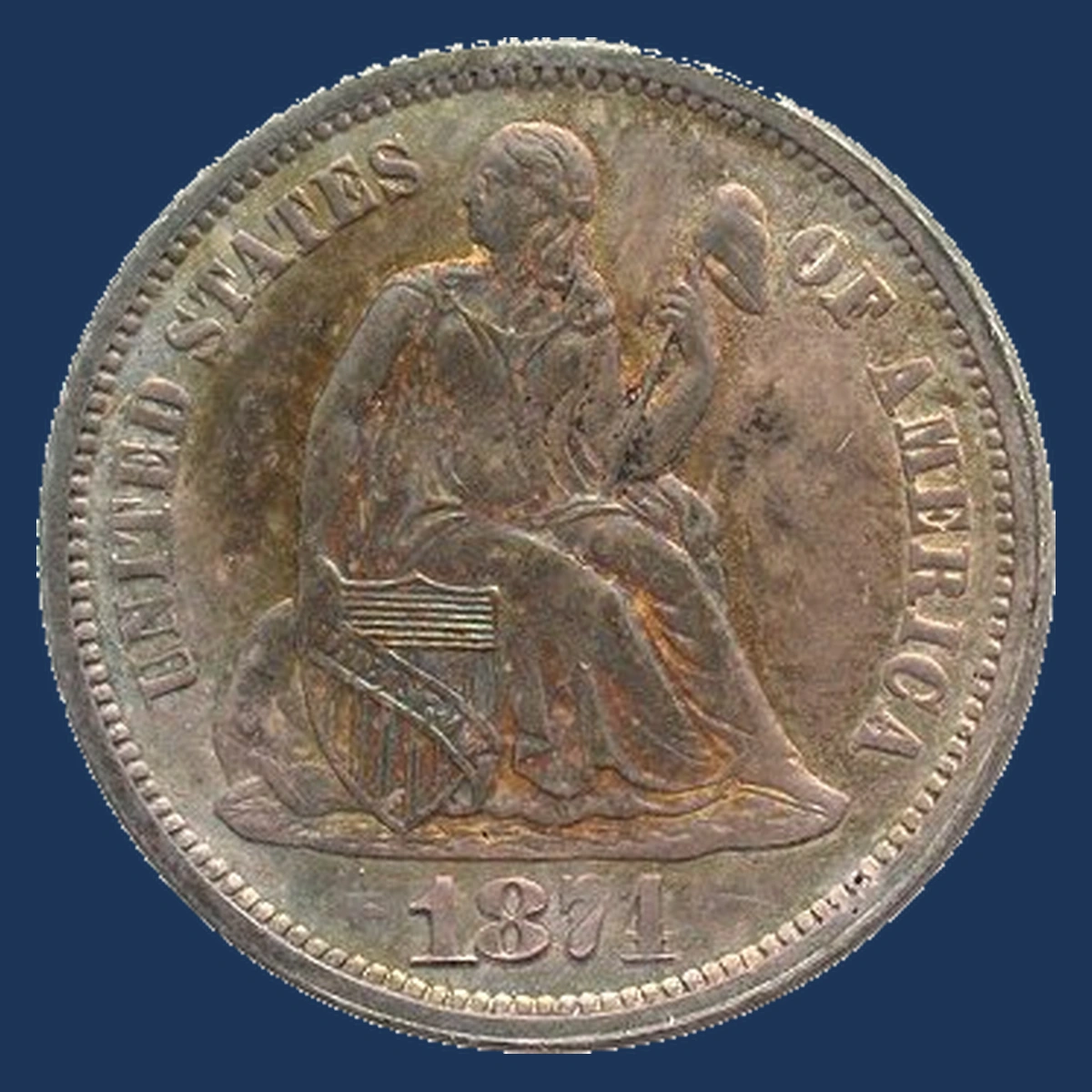
The arrows can become almost invisible without creating a different official coin type. Philadelphia F-106 has faint arrows together with repunched date digits.
The reference suggests polishing the tools and applying the date punch again as part of the history. It does not treat that explanation as finally settled.
A separate related appearance keeps a full left arrow while the right one is missing. That should not be mistaken for two equally faint arrows.
These are particular tool appearances. General wear, an altered surface, or a photograph with strong glare can also hide an arrow and needs a different explanation.
Estimated Value
A private sale of an AU55-to-AU58 example was reported at $10,000 in January 2009. It was not an auction result; both grades indicate slight wear.
Estimate $3,000–$15,000 for a convincing F-106 match in collectible worn through slightly worn condition. The separate missing-right-arrow appearance has a lower estimated $150–$1,500 range.
A $150 eBay sale was reported for that appearance in 2009. The two should not automatically share a rarity level or price.
How to Identify
First confirm the ordinary type: these remain 90% silver dimes of the 2.50-gram standard, measuring 17.9 mm with edge grooves. Use a scale and calipers when safely accessible.
Photograph both arrow positions with light from several directions. Under a 10× magnifier, look for scraped or depressed areas where an arrow may have been removed.
Compare faint paired arrows and lower date remnants with the F-106 reference. Keep the full-left, missing-right appearance separate.
The extra date strokes matter because an empty-looking patch alone cannot identify this scarce stage. Wear and glare may hide an ordinary arrow.
Surviving arrow traces and matching date repunching together provide a stronger identification than absence in one photograph.
8. 1874 Liberty Seated Dime Die Cracks (Estimated Up to $45,000)
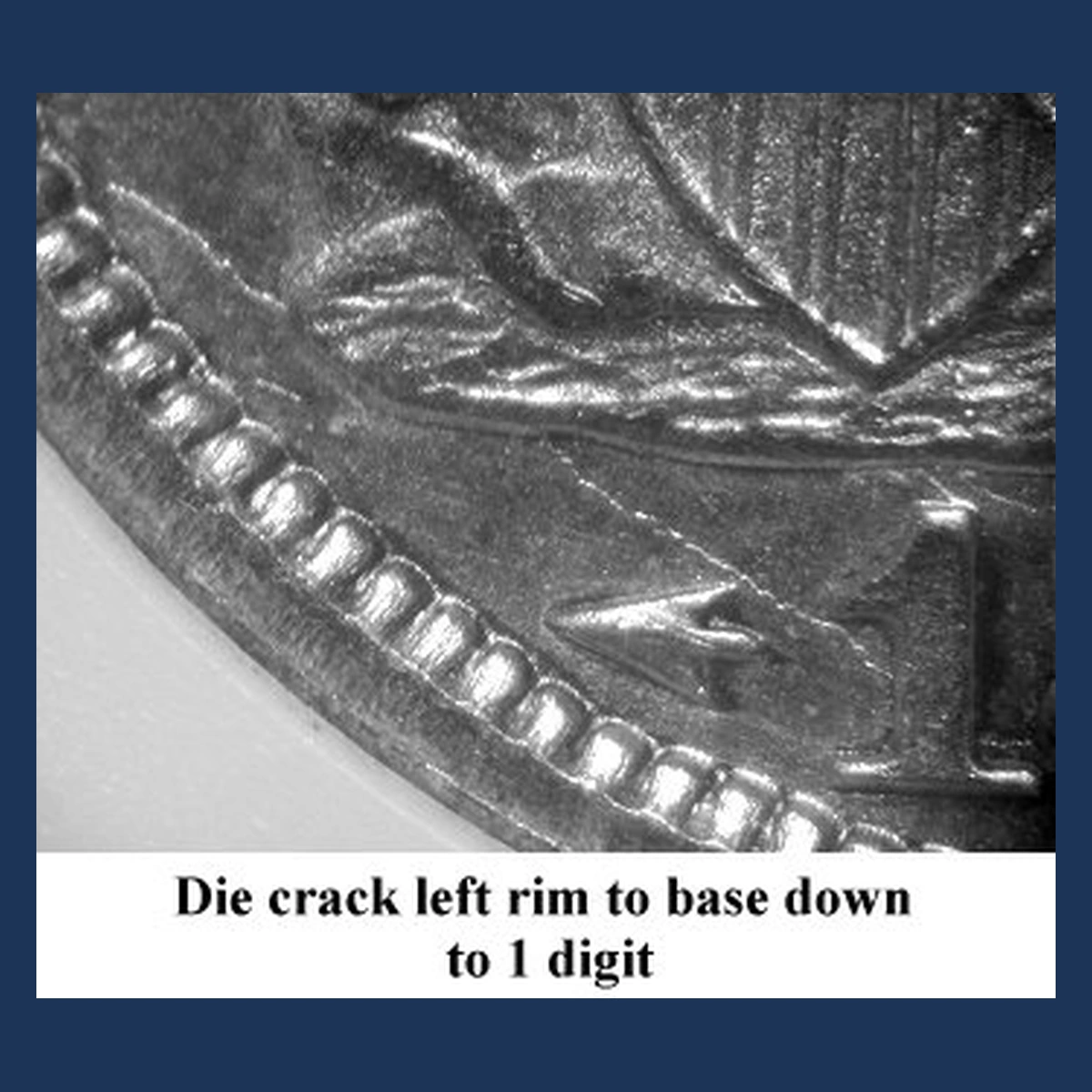
The Carson City crack lies in the back’s mint-letter area. The specialist reference describes the same back tool serving across 1871–1874, with that fracture present on the 1874 coins.
Philadelphia has different paths. One runs from the left base along the bottoms of 874 to the right arrow; another runs from the foot toward AMERICA’s final A.
These raised lines came from cracks in the tools. They do not show that a piece fell away to make a cud.
A copied crack can also appear on a counterfeit. The marker helps comparison but cannot authenticate an expensive coin by itself.
Estimated Value
Philadelphia examples have an estimated $40–$900 range in collectible worn through slightly worn condition. Carson City requires about $10,000–$45,000 for collectible heavily to moderately worn coins, with surface problems considered separately.
A Carson City F12 sold for $18,562.50 in October 2024. F12 indicates heavy wear with recognizable design.
That is a whole rare-date price, not a measured crack premium. It should not be assigned to an ordinary Philadelphia dime with a raised line.
How to Identify
On a CC example, compare the entire back and mint letters alongside the crack. A counterfeit may copy a single marker, so the whole coin needs authentication.
The specialist reference also notes wider edge grooves on Carson City coins than Philadelphia pieces. Treat that as another comparison, not proof by itself.
For Philadelphia, use a 10× magnifier to follow the lower-date route and the separate foot-to-A line. Each should rise from the surface instead of cutting into it.
Check safely accessible coins with a scale and calipers against 2.50 grams and 17.9 mm for the 90% silver issue. Keep both faces in photographs.
The correct mint’s complete raised route is the useful crack match; an isolated copied line cannot establish the valuable coin.
Conclusion
The estimated $40–$45,000 span includes ordinary Philadelphia varieties and the rare Carson City date, so the mint makes a major difference. A visible crack does not account for that entire price gap.
For the arrows, distinguish an extra punch outline from faint or missing detail. Keep Proofs separate from everyday issues, and judge an extra date arc or wreath outline by its actual shape before deciding how it formed.