1866 Dime Error List with Pictures

An 1866-S dime with two raised crack lines sold for $23,575 in January 2004. NGC graded it MS66, an unworn coin with few marks, so its condition explains much of that price.
This 1866 Liberty Seated dime error list covers doubled lettering, transferred design marks, and raised cracks. Estimated whole-coin values run from $150 to $25,000.
Start with the visible features below, especially the date position when the S mint letter is hard to see.
1. 1866 Liberty Seated Dime Proof Doubled Die Reverse (Estimated Up to $5,000)
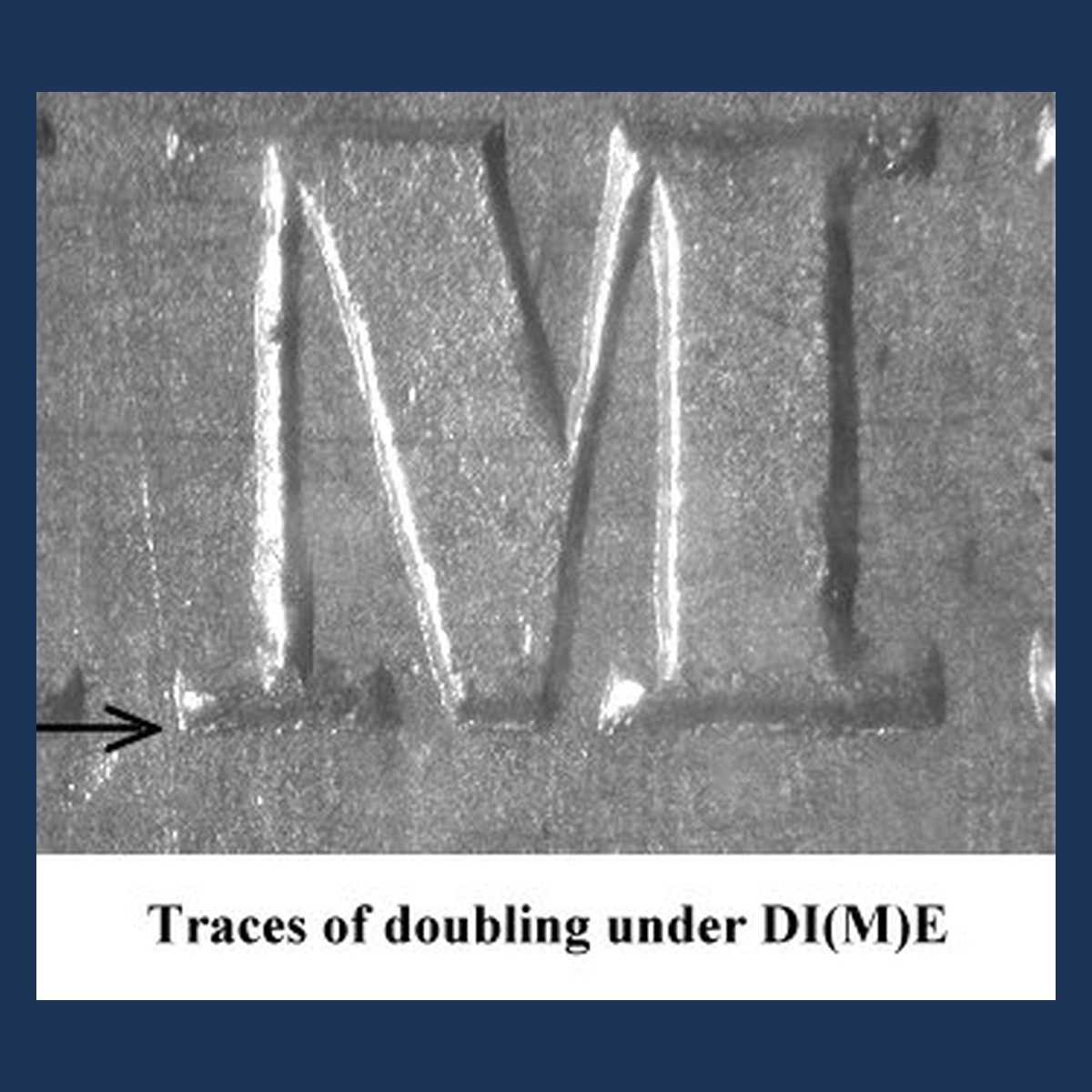
Look at the M in DIME on the back of this collector coin. The letter has slight doubling on the variety called F-101.
It is a Proof, a coin specially made for collectors with reflective surfaces. The extra outline came from the die, the steel tool that stamped the design.
The matching front has a medium-sized date that slopes slightly downward. That matters because other 1866 Proofs can have a differently placed date.
The doubling is small. A thick-looking M alone does not identify this variety, and the letter should be compared with a clear picture.
Estimated Value
The estimated whole-coin range is $600–$5,000. Condition and the reflective surface matter more than a small extra outline alone.
An 1866 Proof graded NGC PR66★ Cameo sold for $2,640 in November 2025. Another, graded PR67 Cameo, brought $3,782 in January 2026.
These are high condition grades; Cameo describes frosted pictures against mirror-like areas. Neither sale listing specifically identified the doubled M, so these are comparisons for collector Proofs generally.
How to Identify
Check the date first: it should slope gently downward on the matching front. Then use a 10× magnifier to study the M in DIME.
Move the light while keeping the coin still. A reflection can appear or disappear, but a true extra outline remains part of the raised letter.
Compare the M with the F-101 picture and with a normal M at the same size. A flat shelf or damaged letter can have a different cause.
When safely accessible, use a scale and calipers against about 2.49 g and 17.9 mm. The coin is 90% silver and has grooves around its edge.
The useful match is the slight doubling on M together with the correct date position, not a shiny surface by itself.
2. 1866 Liberty Seated Dime Reverse Die Clash (Estimated Up to $8,000)
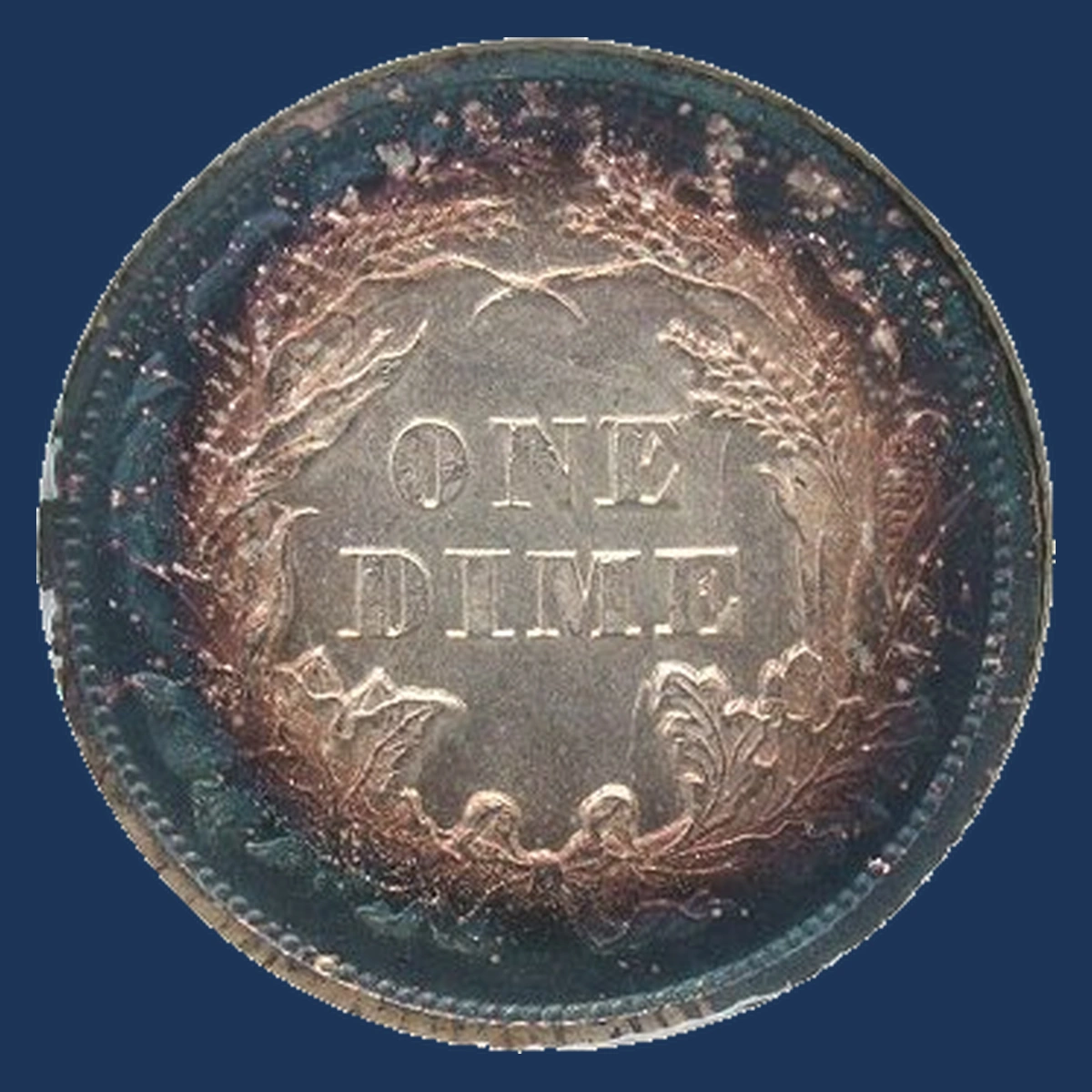
Extra shapes beside the E in DIME are the strongest clash marks on the variety called F-102b. Other traces appear between the wreath’s upper ends and beside the lower right oak leaves.
A clash happens when the two stamping tools hit each other with no blank between them. Each tool can pick up traces of the opposite design.
Later coins receive those unwanted shapes along with their normal design. Several marks can therefore come from the same event.
The positions matter. Random scratches in the same general area do not show that the tools struck each other.
Estimated Value
A PCGS MS66 F-102b example sold for $3,172.50 in March 2016. The estimated whole-coin range is $1,000–$8,000, including the value of this scarce Philadelphia issue.
The $2,640 Proof sale from November 2025 concerns a different kind of coin. It does not price this regular-strike clash.
A regular strike was made for everyday use. Its condition, mint, and visible clash marks should be compared with other regular strikes before using a Proof price.
How to Identify
Open Fortin’s F-102b photographs beside a clear picture of your coin. Keep both backs upright so the marks stay in the same positions.
Begin beside the E, then check the top opening in the wreath and the lower right oak leaves. Use a 10× magnifier to follow the shapes rather than counting every small line.
A scratch cuts into the finished surface. Clash marks should match traces transferred from the opposite design, with the pictured locations agreeing.
Check the front for the upward-sloping date. If safely accessible, compare scale and caliper readings with 2.49 g and 17.9 mm, then inspect the edge grooves.
Matching shapes beside E and in the other two areas provide a much stronger clue than one isolated line.
3. 1866-S Liberty Seated Dime Obverse Die Cracks (Estimated Up to $25,000)
A raised line can run from Liberty’s ear through her body toward the banner across the shield. Another follows the bottom of the date and extends to the right rim.
These lines formed as the front stamping tool cracked. Coin metal entered the narrow openings during striking.
Some earlier coins do not show both lines because the cracks grew over time. Missing one line does not automatically rule out the same tool.
The S on the back can be very faint or worn away. A high date with a strong downward slope helps identify the San Francisco coin.
Estimated Value
The NGC MS66 example with both front cracks sold for $23,575 in January 2004. Estimated whole-coin values range from $150 to $25,000.
The scarce San Francisco issue and condition explain much of that spread. The cracks do not account for the entire price.
Worn examples brought $630 in June 2025 and $552 in September 2025. Their grades were NGC VF35 and PCGS VF20 with CAC approval.
These sales compare condition levels, rather than separate payments for the cracks.
How to Identify
A missing-looking S needs care: wear can hide a weak mint letter. Inspect that area without polishing or scraping it.
The front can supply another clue. Look for a high date that slopes strongly downward, then follow the line from Liberty’s ear toward the shield banner.
Use a 10× magnifier to separate a raised crack from the folds in her clothing. The line below the date should also rise above the surface rather than cut into it.
Normal specifications are about 2.49 g and 17.9 mm before wear. Use a scale and calipers when safely accessible, and inspect the edge grooves for filing.
Follow each visible crack along its pictured route. An earlier example may show only one, so the complete date position remains useful when a second line is absent.
Conclusion
These 1866 dimes span estimated whole-coin values of $150 to $25,000. A faint doubled letter, a clash beside the wreath, and a raised crack each tell a different story.
Match the visible feature before comparing prices, and keep collector Proofs separate from coins made for everyday use. If the S seems missing, check the date position too: a worn mint letter can disguise a San Francisco dime.