1865 Dime Error List with Pictures

Even a worn, ordinary 1865 Philadelphia dime brought $1,150 in 2010. That sale reflects a scarce date, not a recorded error premium.
This 1865 dime error list ranges from extra date pieces to a back design turned by half a circle. The known rotated examples are proofs—specially made collector coins.
Estimated values span $200–$15,000. Read on to see which features belong to ordinary coins, proofs, or San Francisco examples.
1. 1865 Liberty Seated Dime Reverse D Die Defect (Estimated Up to $3,000)
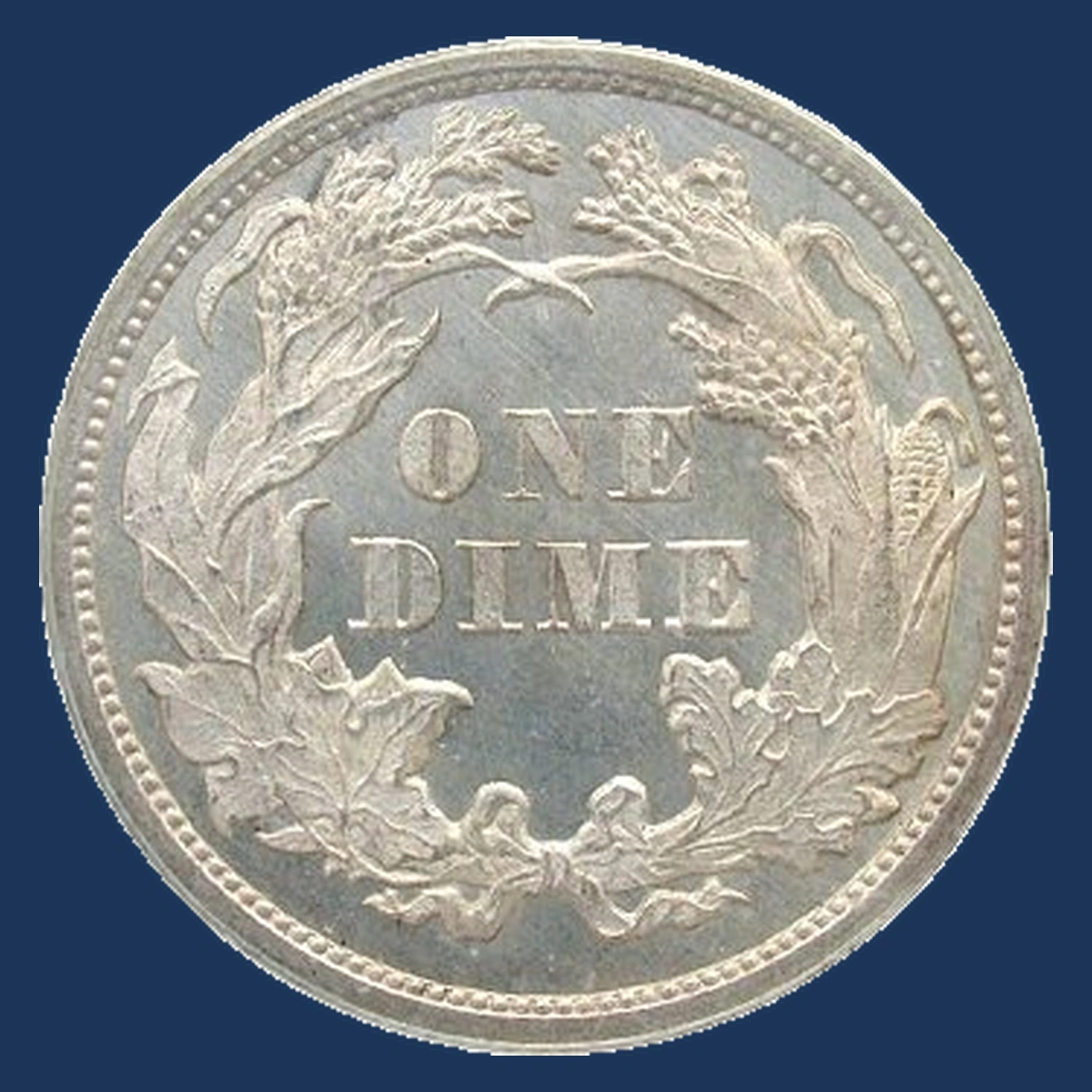
The D in DIME is the place to inspect on this Philadelphia variety. A specialist catalog records a defect there without giving a precise shape in its short description.
The defect belongs to a die, the steel tool that stamps coins. A flaw in that tool can leave the same mark on several coins.
A scratch or dent, by contrast, affects an individual coin after striking. The position alone does not prove the cause.
Reports about a different mark near M on a proof coin concern another tool. They do not identify this D feature.
Estimated Value
An estimated $700–$3,000 covers collectible, circulated Philadelphia dimes with the matching D feature. This prices the entire coin.
A normal PCGS VF25 example sold for $1,150 in 2010. VF25 means noticeable wear with many details still visible.
That coin was not advertised with a premium for this defect. Its sale shows how the scarce date can account for much of the value, even before a specialist studies the letter.
How to Identify
Photograph DIME together with the smooth silver around it. Use a 10× magnifier to compare D with the known variety, rather than cropping the letter so tightly that its surroundings disappear.
A dent may have a cut with metal pushed beside it. Dirt can also hide part of a normal D, so move the light before deciding the letter itself is unusual.
The normal Philadelphia dime has no mint letter, a grooved edge, 90% silver, and an original weight near 2.49 g. Its diameter is 17.9 mm; a scale and calipers can check a loose coin.
Because the catalog gives no single simple outline, match the actual shape of D to the photographed variety.
2. 1865 Liberty Seated Dime Repunched Date (Estimated Up to $5,000)
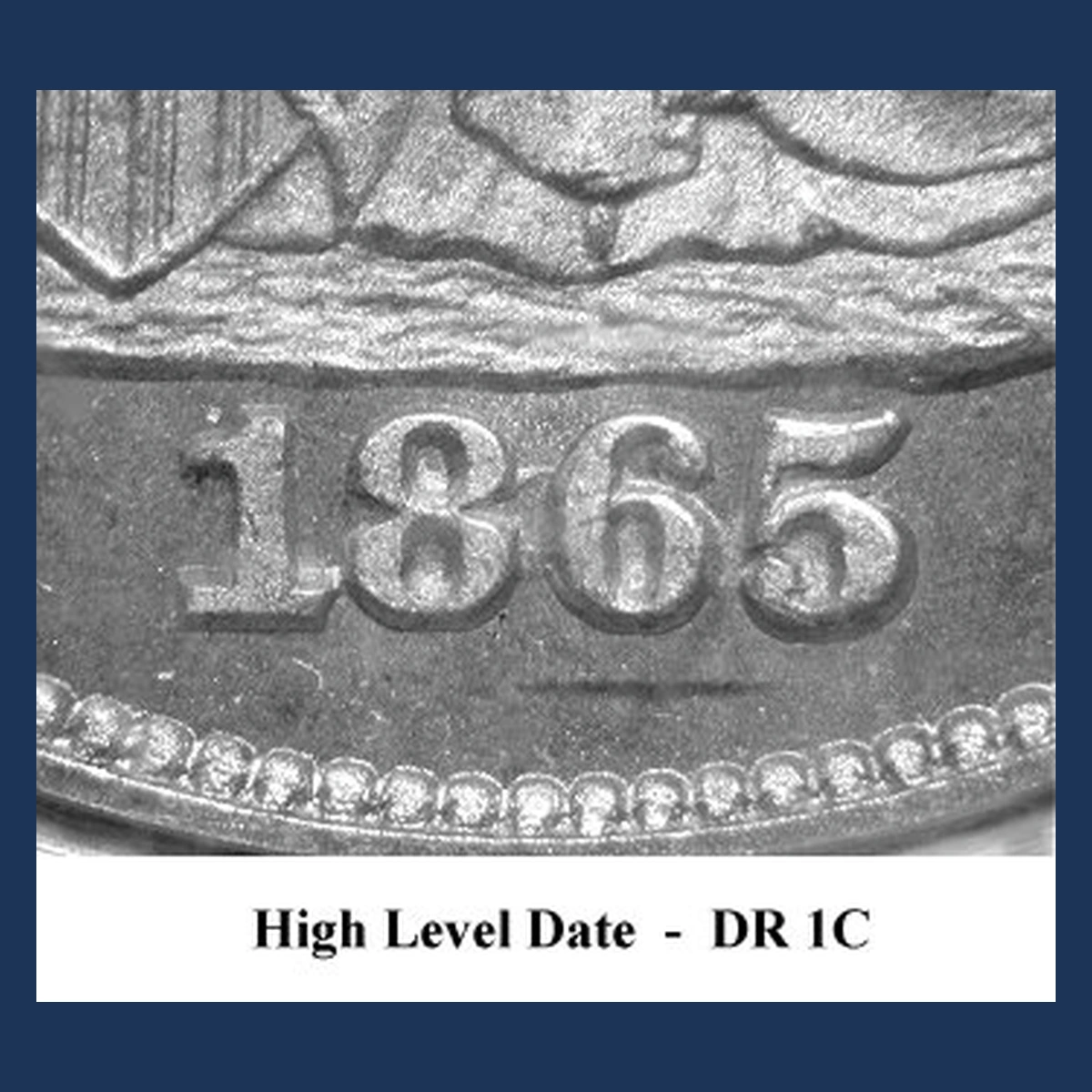
A small curve between 8 and 6 can be the upper loop of an earlier 6. The Philadelphia example was graded ANACS AU50, meaning light wear.
The date punch landed more than once in the stamping tool. Part of the earlier number remained beside the final date.
San Francisco coins have different extra pieces, involving 86 or 5. They should not be expected to show Philadelphia’s little loop.
An older writer reported early proof use of the Philadelphia tools, but specialist Gerry Fortin had not seen one. The illustrated example is an ordinary coin made for circulation.
Estimated Value
Estimate $200–$5,000 for circulated repunched dates across the two mints. Philadelphia examples and better-preserved San Francisco coins can cost more than heavily worn pieces.
The normal Philadelphia VF25 dime’s $1,150 sale in 2010 was not a sale of this date variety. It helps show the date’s underlying value, rather than a price for the extra loop.
Look at wear, surfaces, and how easily the earlier number can be seen when choosing a point within the range.
How to Identify
Find the mint first, then choose the matching date photograph. Philadelphia coins have no mint letter; San Francisco coins have S on the back.
For Philadelphia, magnify the gap between 8 and 6. The extra raised curve should resemble the upper loop of a 6, while San Francisco needs its own 86 or 5 comparison.
Normal dimensions are about 2.49 g and 17.9 mm, with 90% silver and a grooved edge. A scale and calipers cannot tell you whether the coin is a proof.
Use a 10× magnifier to reject scratches cut into the surface and flat shelves beside the numbers. On the Philadelphia example, start with the curved extra loop between 8 and 6.
3. 1865-S Liberty Seated Dime Reverse Rim Cud (Estimated Up to $5,000)
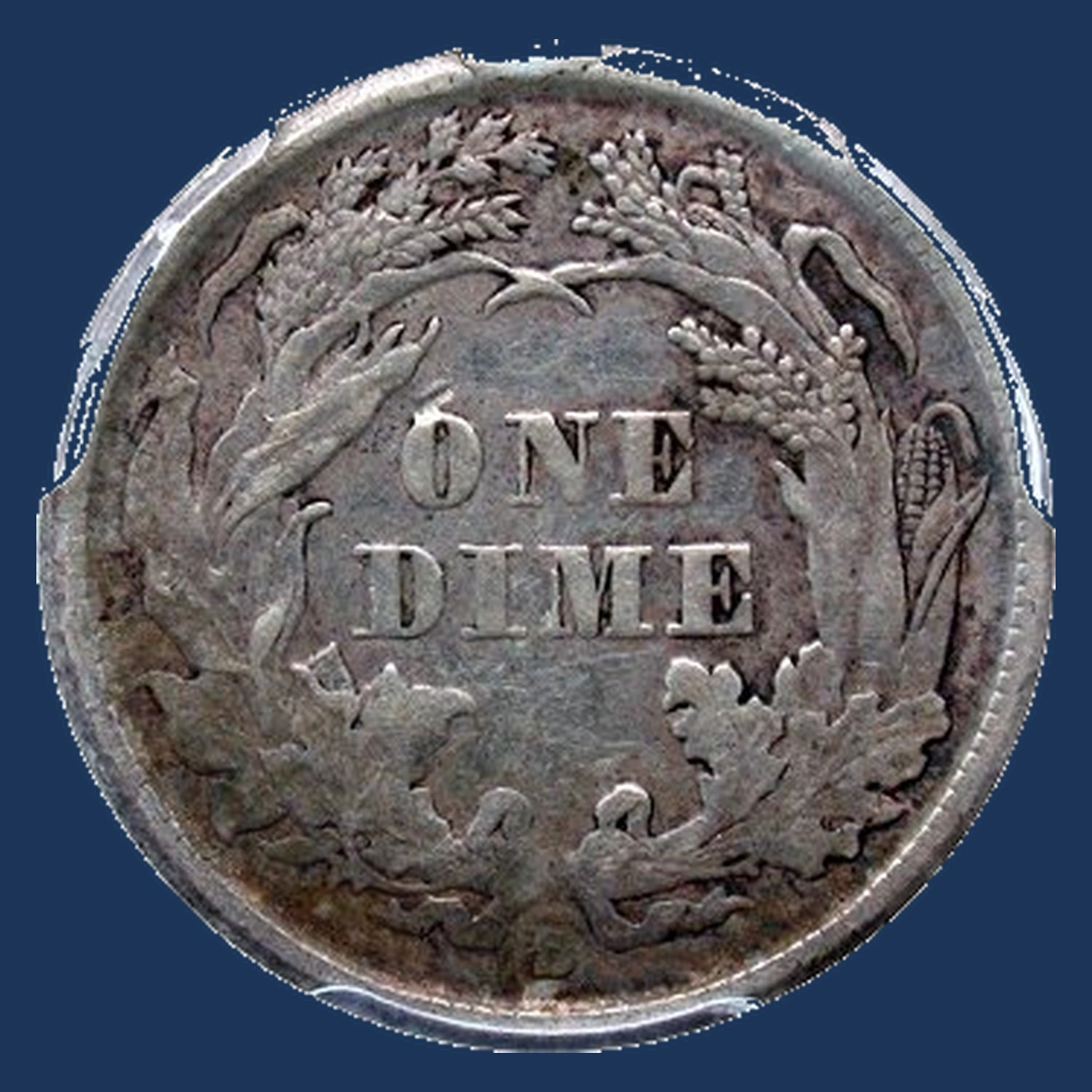
A raised patch joins the top rim on this San Francisco dime. With DIME upright, the patch sits at twelve o’clock.
Collectors call this a cud. A piece broke from the edge of the stamping tool, allowing silver to fill the empty space instead of receiving normal detail.
Fortin’s photographs show the feature with a small, thin S mintmark. That letter helps separate this example from other tools used in the same year.
The coin gained a raised patch; it did not lose part of its blank. That is why this error differs from a clip.
Estimated Value
Estimate $300–$5,000 for matching circulated examples. Better preservation and a clearly visible rim break support the higher part of that range.
This is an appraisal, not a recorded sale of the pictured coin. San Francisco dimes from 1865 can already be costly in better condition.
A badly worn lump with an unclear match should not receive the same price as a sharp example. Compare the small S, the top-rim shape, and the whole coin’s condition together.
How to Identify
Hold the back upright and go straight to the top edge. Under a 10× magnifier, the raised patch should meet the rim rather than sit alone inside the design.
Check the small, thin S and compare the rest of the back with the known example. The rusted shield on a Philadelphia proof is unrelated to this San Francisco feature.
Inspect the edge from the side for damage that squeezed metal inward. A normal loose dime can be checked with calipers and a scale against 17.9 mm and 2.49 g before wear.
Its metal is 90% silver and its edge normally has grooves. The strongest quick clue is the raised patch attached to the top rim above DIME.
4. 1865 Liberty Seated Dime Clashed Dies (Estimated Up to $6,000)
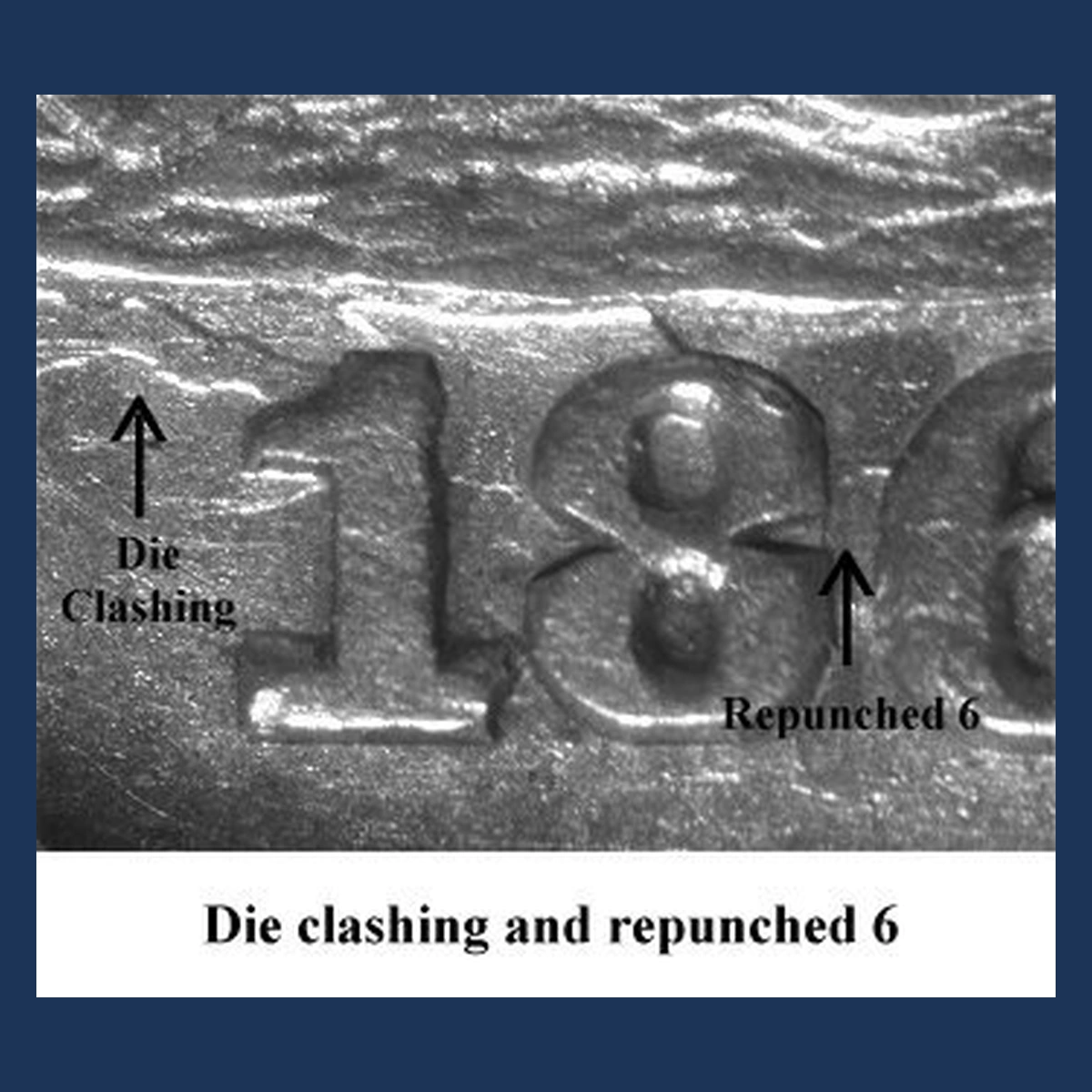
Small unfamiliar shapes appear near the first date number and Liberty’s forearm on the illustrated Philadelphia dime. More traces lie between the upper wheat stalks on the back.
These are clash marks. The two stamping tools struck each other without a blank between them, picking up parts of the opposite design.
The illustrated coin is ANACS AU50, an ordinary circulation coin with light wear. Its clash marks differ from extra date-punch pieces nearby.
An older account describes a stronger clash showing date detail at the top of the back. Fortin had not located that example.
Estimated Value
A clear, matching Philadelphia example from circulated condition through light wear has an estimated range of $1,000–$6,000. The specialist guide suggests collectors may pay a substantial premium for this later stage of the tools.
That guidance is not a recorded sale of the ANACS AU50 example. The scarce ordinary coin already accounts for much of the cost.
Recognizable marks on both sides and appealing surfaces offer more reason for a premium than one unexplained line near the date.
How to Identify
Look above and left of the little flag at the top of 1, then beside Liberty’s left forearm. Compare those shapes with the photographed example using a 10× magnifier.
On the back, inspect the space between the two upper wheat stalks. Keep normal stalk and grain details separate from any extra shape.
Photographs of both sides at equal size help show how a trace relates to the opposite design. A straight crack or a cut may not follow that design at all.
Use a scale and calipers on a safely accessible coin, or consult measurements recorded for a sealed example.
The usual dime is 90% silver, about 2.49 g and 17.9 mm, with a grooved edge. To check the clash quickly, pair the forearm and date-area traces with the extra marks between the upper stalks.
5. 1865 Liberty Seated Dime Rusted Proof Die (Estimated Up to $6,000)
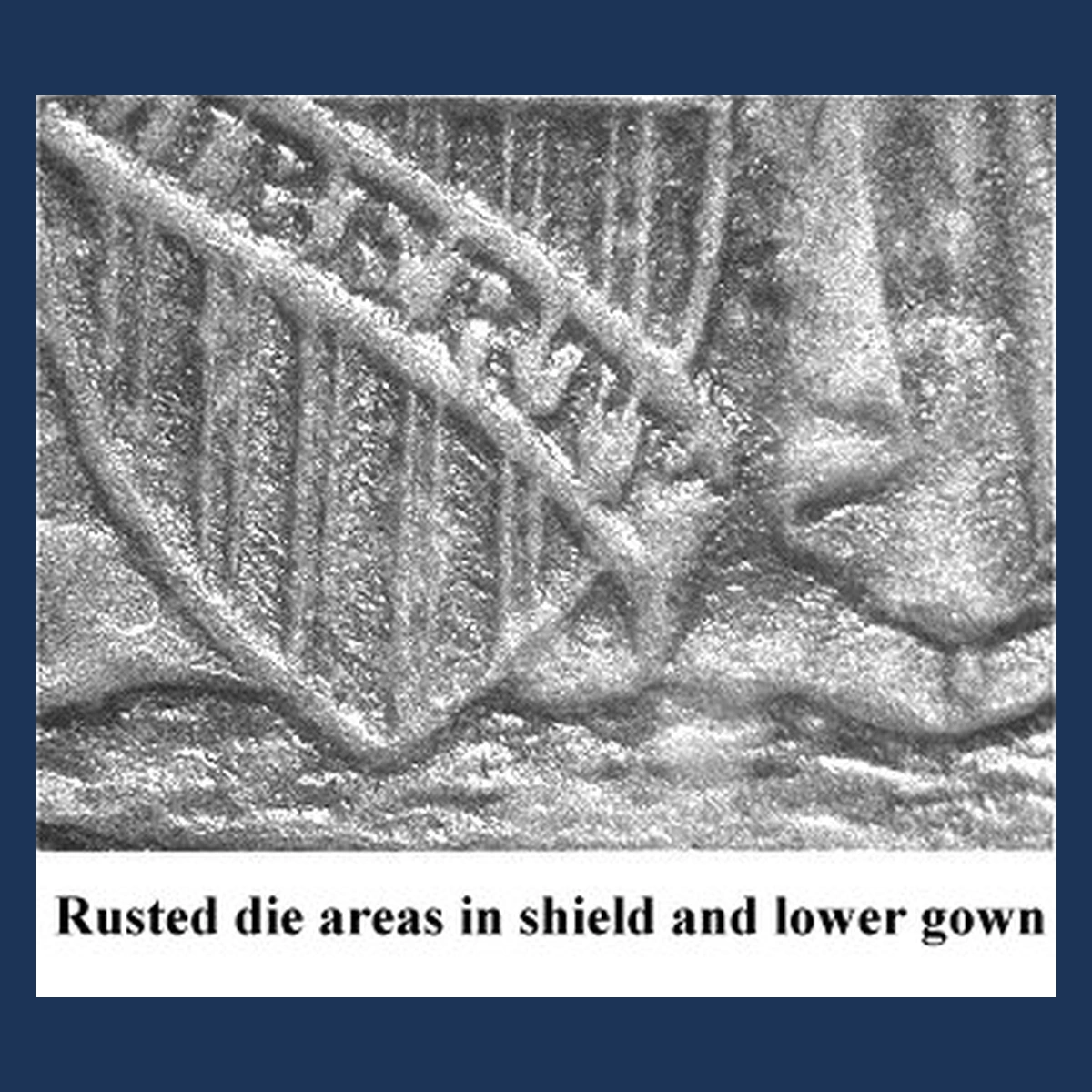
A proof coin can have a rough-looking patch even though it was specially made for collectors. On the pictured 1865 example, the shield, lower gown, and area beneath Liberty’s left armpit show this texture.
The stamping tool had rust pits. Silver entered those small hollows during striking, leaving raised specks on the coin.
This is different from corrosion eating holes into the coin afterward. The known positions of the rough areas help tell them apart.
The illustrated proof is graded PCGS PF64. Its tool marks do not mean the coin itself was rusty.
Estimated Value
Estimate $1,000–$6,000 for collectible proofs from lower grades through especially well-preserved examples. Bright mirrorlike backgrounds, attractive surfaces, and strong contrast can affect the price.
The PF64 illustration and a 2025 PR65 Cameo catalog listing document this tool texture. Cameo describes frosty raised designs against more reflective backgrounds.
Neither appearance supplies a sale price used here. The rust marks help identify the coin, but each rough patch does not add a separate amount to its value.
How to Identify
Move a lamp across the shield, lower gown, and protected area beneath the left armpit. A 10× magnifier should help show whether the texture consists of raised specks or holes in the silver.
Compare all three areas with the illustrated proof. One unrelated rough patch is less convincing than matching texture in the same places.
Do not clean the surface to make the marks brighter. That can damage both the reflective finish and details needed for comparison.
Use a scale and calipers on a safely accessible coin, or consult measurements recorded for a sealed example.
A normal proof has the same 90% silver, grooved edge, 2.49 g weight, and 17.9 mm diameter as the regular type. Raised specks in the shield and the two matching gown areas are the useful first check.
6. 1865 Liberty Seated Dime 180-Degree Proof Rotation (Estimated Up to $15,000)
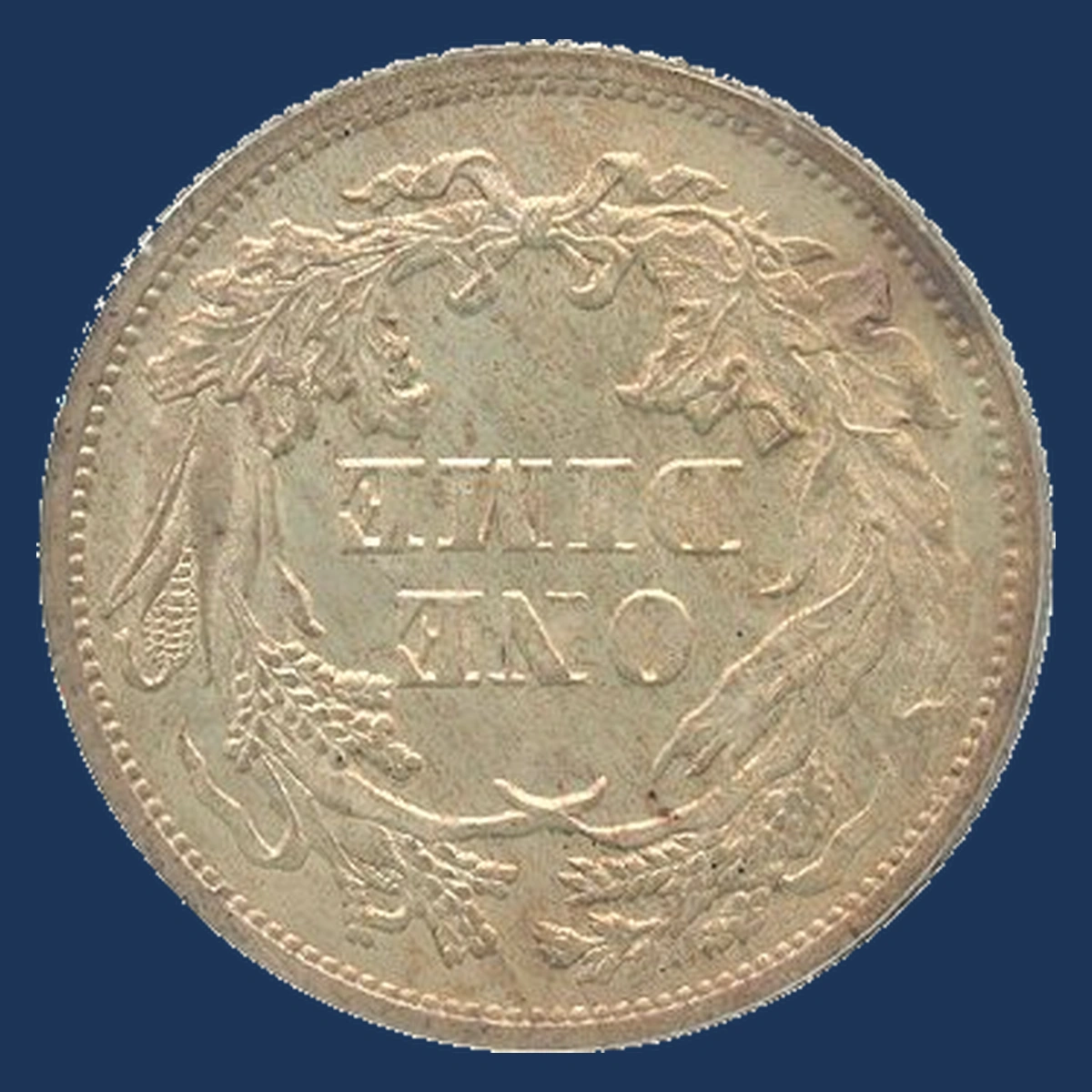
Turn this dime over from side to side and both faces stay upright. That differs from the usual arrangement on United States coins.
The back is turned 180 degrees, or half a circle, from its normal position. Collectors also call the resulting arrangement medal alignment.
An older account described an ordinary circulation coin, but Fortin’s photographed examples are certified proofs. The listed grades include PF62, PF63, PF64, and PF65 Cameo.
The PF63 example also lacks clash marks. Whether the unusual alignment was deliberate or accidental remains a historical question; the half-turn itself can be checked directly.
Estimated Value
For matching proofs around PF62–PF65 Cameo, estimate $3,000–$15,000. These proof grades reflect differences in marks and preservation; Cameo adds visible contrast between the raised design and reflective background.
The specialist guide suggests a strong premium, but that is not an auction result. Clear photographs showing both faces together help establish what is being offered.
Judge the complete rotated proof. Rust texture from its stamping tools can support identification without adding another full proof value to the price.
How to Identify
Keep the coin fixed in a transparent holder so it cannot spin by itself. Set Liberty upright, then flip the holder from side to side: the back should remain upright.
Reset it and flip from top to bottom instead. The back should now be upside down, confirming the half-turn difference from normal alignment.
Compare the coin with the photographed proof examples; rotation alone does not prove collector manufacture. Normal specifications remain 90% silver, a grooved edge, 2.49 g, and 17.9 mm.
For a sealed coin, consult recorded scale and caliper measurements rather than opening the holder.
Photographs straightened separately cannot demonstrate the angle. The direct test is an upright front and back after one controlled side-to-side flip, with no extra turn of the coin.
Conclusion
These 1865 dimes have estimated values from $200 to $15,000. The tiny extra date pieces, top-rim cud, and rotated proof belong to different coins and should be compared separately.
Check the mint and whether the coin is a proof before choosing a price range. A coin can show several tool marks, but those marks help explain one complete coin rather than creating several values to add together.