1960 Quarter Error List with Pictures

A copper-colored quarter can be more than a stained silver coin. A 1960-D quarter struck on a cent blank sold for $1,140 in July 2021.
This 1960 quarter error list follows the clues from small repeated letters to designs stamped onto the wrong metal. Estimated whole-coin values range from $25–$5,000.
Read on to compare each visible clue and its value. Proofs, specially made collector coins, need different comparisons from ordinary quarters.
1. 1960 Washington Quarter Raised Lines from Cracked Tools
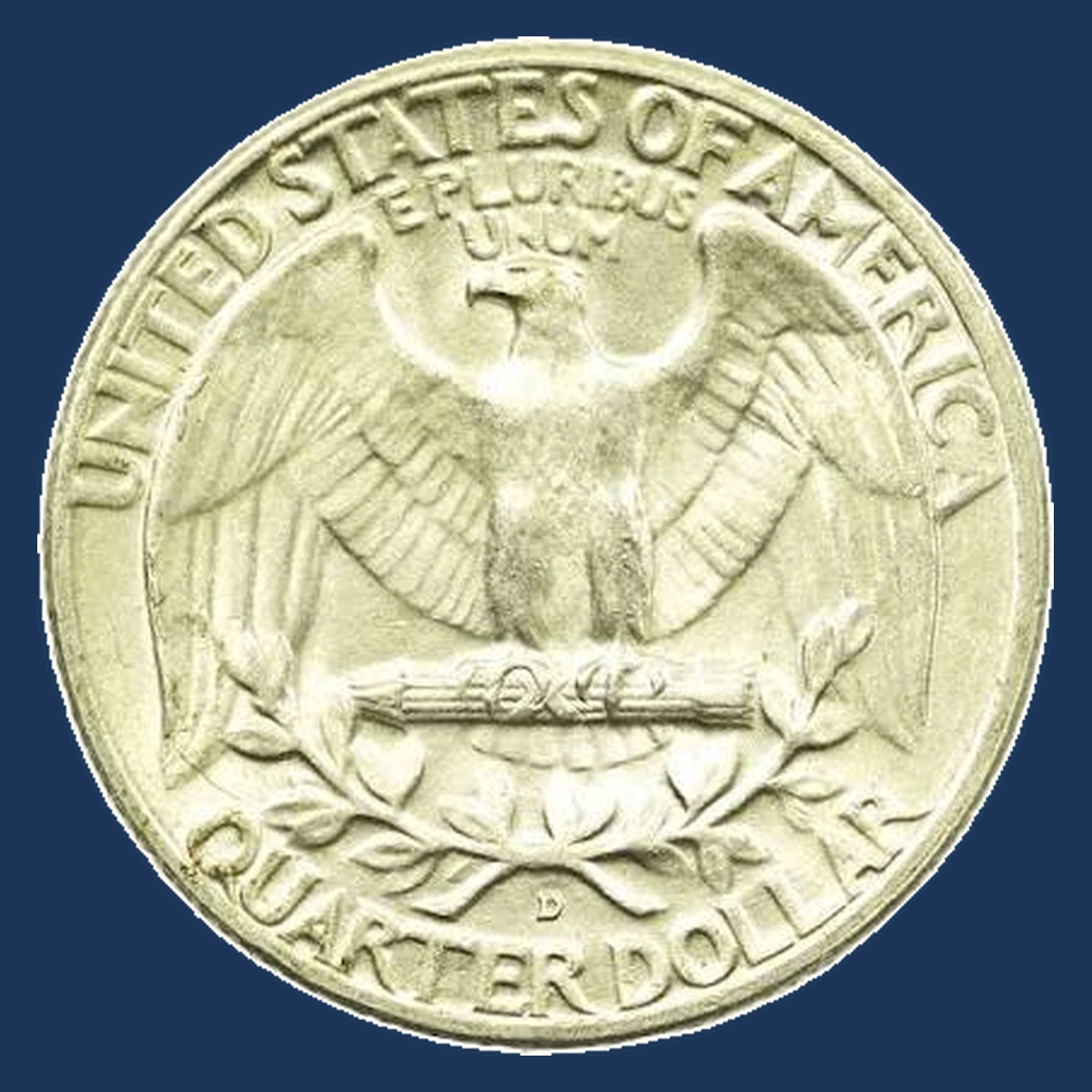
A narrow raised line can appear when the steel stamping tool develops a crack. Silver enters that opening during the strike and leaves an extra ridge on the quarter.
The tool is called a die, so collectors call the feature a die crack. Year-guide reports point to the neck, jaw, and eagle as areas to examine.
Those locations do not define one continuous crack shared by every coin. The line on a particular specimen must be followed from end to end.
A scratch or a split within the coin’s metal has a different origin.
Estimated Value
An estimated $25–$300 covers genuine minor cracks through more noticeable raised lines on otherwise collectible 1960 quarters. A tiny common line can add little beyond the underlying silver coin.
A stronger, easy-to-follow ridge gives a collector more to see. The surrounding detail and original surfaces still influence the complete coin’s price.
The top of this range should not be assigned to a random scratch or to a supposed named variety without a matching pattern.
How to Identify
View the line from the side with a magnifier and a low lamp. Silver filling a crack in the tool leaves a raised ridge, while a scratch cuts into the coin.
A scratch can have raised edges too, so inspect the middle of the mark. Turn the light to reveal any groove between those edges.
Trace the ridge where it meets the neck, jaw, or eagle. A continuous path through nearby details is more useful than an isolated bright spot.
If the metal itself seems to open, inspect the edge and opposite face. A split within the coin belongs to a different problem.
Photograph the whole path for comparison with another example, keeping the surrounding design visible.
2. 1960 Washington Quarter Faint Designs Left by a Die Clash
A faint piece of the eagle-side picture may appear where only open space should surround Washington. This can happen after the two stamping tools touch without a blank between them.
The contact marks the tools, and later quarters reproduce portions of those marks. This accident is called a die clash.
Reports for 1960 mention areas around Washington’s neck, cheek, and chin, as well as the eagle-side background. Each candidate needs a recognizable connection with the opposite design.
An unusual line does not become a clash just because it sits near the portrait.
Estimated Value
For an authenticated clash, estimate $25–$500, depending on how clearly the transferred design can be recognized. A faint common outline generally attracts less interest than an unmistakable piece of opposite-side artwork.
This is a whole-coin estimate for ordinary collectible grades. Wear can hide the faintest clues, while cleaning can introduce misleading lines and reduce appeal.
A group of unexplained scratches does not support the same comparison, even when the coin retains attractive silver color.
How to Identify
Keep a clear photograph of the eagle side beside the front and try to identify what the extra outline represents. Trace connected shapes under a magnifier rather than deciding from one short curve near Washington’s neck or cheek.
Compare a normal quarter too, so that an unfamiliar edge of the usual picture is not mistaken for an added mark. Move the lamp across the area to reveal scratches or parallel polishing lines that could explain it differently.
A matching clash photograph should show how the opposite artwork produced the shape and position of the mark on your coin. Several unrelated lines do not establish that the two stamping tools touched.
3. 1960 Washington Quarter Repunched D Mintmark
A smaller curve beside the D can remain from an earlier attempt to punch that letter into the stamping tool. The final impression overlaps it rather than removing every trace.
Coins struck from the tool repeat this combined letter. The feature is called a repunched mintmark, often shortened to D/D.
For this silver quarter, the D belongs on the back below the wreath. It is not in the front-side position used on later quarters.
The year’s report describes an earlier curved remnant. Its direction must be established from the particular coin being compared.
Estimated Value
Estimate $25–$750 for a matched 1960-D repunched mintmark across ordinary collectible conditions. A distinct earlier outline on a well-preserved coin is easier to appreciate than thick lettering with no clear separation.
The estimate covers the complete quarter rather than a fixed bonus for the letter. Wear and marks can hide the small features that identify a variety.
Compare the shape with an authenticated example before using the upper range; a doubled-looking reflection does not establish an earlier punch.
How to Identify
The letter to inspect is below the wreath on the back, not beside Washington. Magnify the D until both its outer curve and inner opening are easy to see.
Look for a fragment that can be followed as part of another D. Check where that curve begins and ends against a confirmed 1960-D example.
A patch of extra metal beside the letter is not enough to choose a variety. Its shape and position need to agree with the earlier punch.
Rock the coin under the lamp to test any apparent second outline. Reflections move with the light, but the struck curve stays in the metal.
If the extra edge is a low flat shelf, consider movement during striking instead of another punch.
4. 1960 Washington Quarter Type B Back on an Ordinary Philadelphia Coin
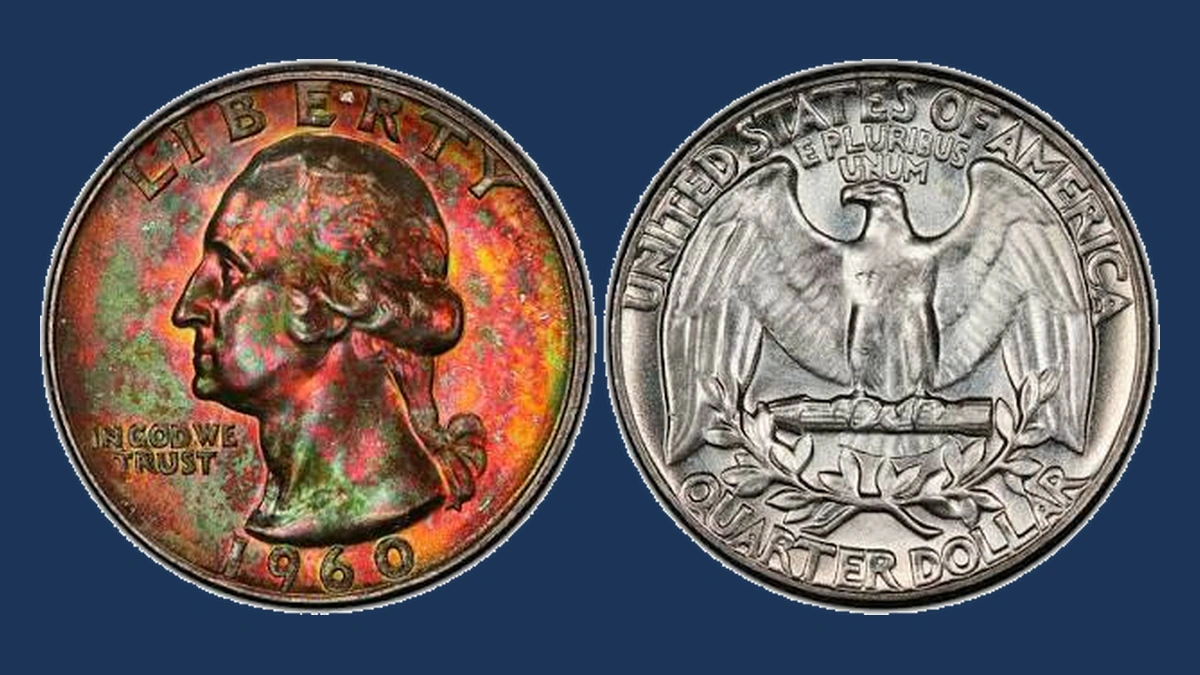
The eagle-side design normally used for collector Proofs also appeared on some ordinary Philadelphia quarters. Collectors call this combination a Type B reverse, meaning the back of the coin.
The variety is listed as FS-901 for 1960. Its lettering and branch details differ from the usual Type A back on ordinary quarters.
One useful clue is the separation between E and S in STATES. Compare the rest of the eagle-side details as well before choosing the variety.
A normal 1960 Proof already has the Proof-style back. That expected combination is not this error.
Estimated Value
For ordinary Philadelphia Type B quarters, estimate $25–$1,000, depending on preservation and the strength of the identification. The upper end calls for exceptional surfaces rather than the back design alone.
PCGS records an MS66 example at $200 in December 2013. MS66 describes an unworn coin with relatively few marks.
That reported result gives a specific comparison; it does not turn every Proof with separated letters into a valuable minting mistake.
How to Identify
The first question is how the coin was made, since a normal Proof already has this back design. Compare its surfaces with a known ordinary quarter and a specially made collector Proof.
For an ordinary Philadelphia candidate, use a magnifier on the E and S in STATES. Compare their gap and the nearby branch and leaf shapes with a clear Type B photograph.
Look at several features together, because worn or damaged letters can give a false impression of the spacing. There should be no Denver D below the wreath on this Philadelphia variety.
Do not use shine alone to call a coin a Proof. Polishing can make an ordinary quarter bright without changing the design on its back.
5. 1960 Washington Quarter Possible Lamination on a Type B Quarter
A weakness within the silver can allow a thin layer to separate. This kind of peeling is called lamination, and it differs from a line copied from a cracked stamping tool.
An owner reported a 1960 Philadelphia Type B quarter with a U-shaped front feature. Back marks were described above the R in QUARTER and across the left wing above the arrows.
Those marks remain a reported candidate rather than an independently authenticated lamination. Their physical boundaries must explain separation within the coin’s metal.
The Type B back itself does not establish a metal flaw.
Estimated Value
If the reported feature is authenticated as an original lamination, estimate $25–$1,000. A visible natural peel generally gives collectors more to examine than a faint unexplained line.
The complete Type B coin provides the starting point for valuation. Its design variety and possible metal flaw should not be priced as two separate coins and added together.
Wear, cleaning, and damage affect that whole-coin comparison. A seam on a cast copy would not qualify for this estimated error range.
How to Identify
Do not lift or bend any loose metal on the front. Hold a lamp low across the U-shaped feature and use a magnifier to see whether a thin layer actually separates.
A raised line with no opening may come from a cracked tool instead. Examine how the nearby stamped picture meets the line or peeled edge.
Turn to the back marks above QUARTER’s R and across the left wing. Check each separately rather than assuming that both faces show one connected split.
This candidate also needs a check for a cast copy. A seam around the edge or an unnatural grainy surface calls for closer examination.
Have a specialist inspect the coin and its metal before paying extra for the apparent peel.
6. 1960 Washington Quarter Clipped Blank
A curved gap can start when the machine cutting blank discs overlaps a hole already left in the metal strip. The incomplete disc then receives the quarter design.
The missing metal therefore predates the strike. That timing can influence the nearby letters and the rim opposite the gap.
A curved clip is included in reports for this year. The amount missing and the mint need to be checked on the individual specimen.
Cutting or filing an ordinary quarter afterward can produce a similar outline. The shape of the gap alone cannot establish when it formed.
Estimated Value
Use an estimated $50–$1,200 for authenticated 1960 clipped quarters across different sizes and levels of preservation. Small clips with worn surroundings generally belong toward the lower end.
A larger original gap and a clear surviving date can make the error more appealing. The natural rim transitions should remain easy to inspect.
Price the complete coin, including any surface problems. A clean-looking arc cut into a normal silver quarter does not earn a clip premium simply because metal is missing.
How to Identify
Place the gap under a magnifier and inspect the missing section’s inner surface. Saw grooves, file marks, and sharp burrs suggest that metal was cut away after striking.
The rim and nearby letters provide the next test. Follow them into both ends of the gap, looking for weakened or stretched details made as the incomplete blank was struck.
Check across the coin for a weak area on the opposite rim. This supports a genuine clip, although it is not equally clear on every example.
A digital scale can then compare a loose coin with the normal 6.25-gram weight. Missing metal and wear both lower the reading, so weigh it only after checking the struck edges around the gap.
7. 1960 Washington Quarter Struck Through Cloth or Other Material
A piece of material between the blank and its stamping tool prevents part of the picture from forming. The coin can receive the material’s texture instead.
A published 1960 quarter illustration reports cloth across the left side of the front and toward the lower-left rim. Its mint and finish need to be identified from the actual specimen.
Other year-guide examples are described as grease-filled designs. Grease can block fine details without leaving a woven pattern.
These are different forms of obstruction, not proof that every weak letter was covered by the same material.
Estimated Value
Estimate $50–$1,500 for authenticated examples, from modest blocked detail to a clear cloth impression across recognizable design. The size and texture of the affected area help determine its appeal.
A woven pattern gives a clearer clue than a smooth patch with no identifying texture. Surrounding surfaces also help show that the effect belongs to the strike.
A later scratch, impact, or rubbed area needs a different comparison. Weak detail alone should not receive the price of a distinctive cloth impression.
How to Identify
For the cloth example, follow the damaged-looking area from the front’s left side toward the lower-left border. Under a magnifier, search for crossing lines that form a woven pattern.
Compare that texture with the nearest portrait detail or letter. The normal design should be interrupted where the cloth lay, without the scrape marks expected from later rubbing.
A smooth weak area needs a different test, since grease may leave no woven lines. Compare neighboring high points to see whether they are worn down too.
Use low angled light, then change its direction before deciding from a photograph. Glare or a grainy image can make an ordinary patch look textured.
Retain a full view of the coin so its date, mint, and finish can be checked.
8. 1960 Washington Quarter Doubled Letters on Ordinary Coins and Proofs
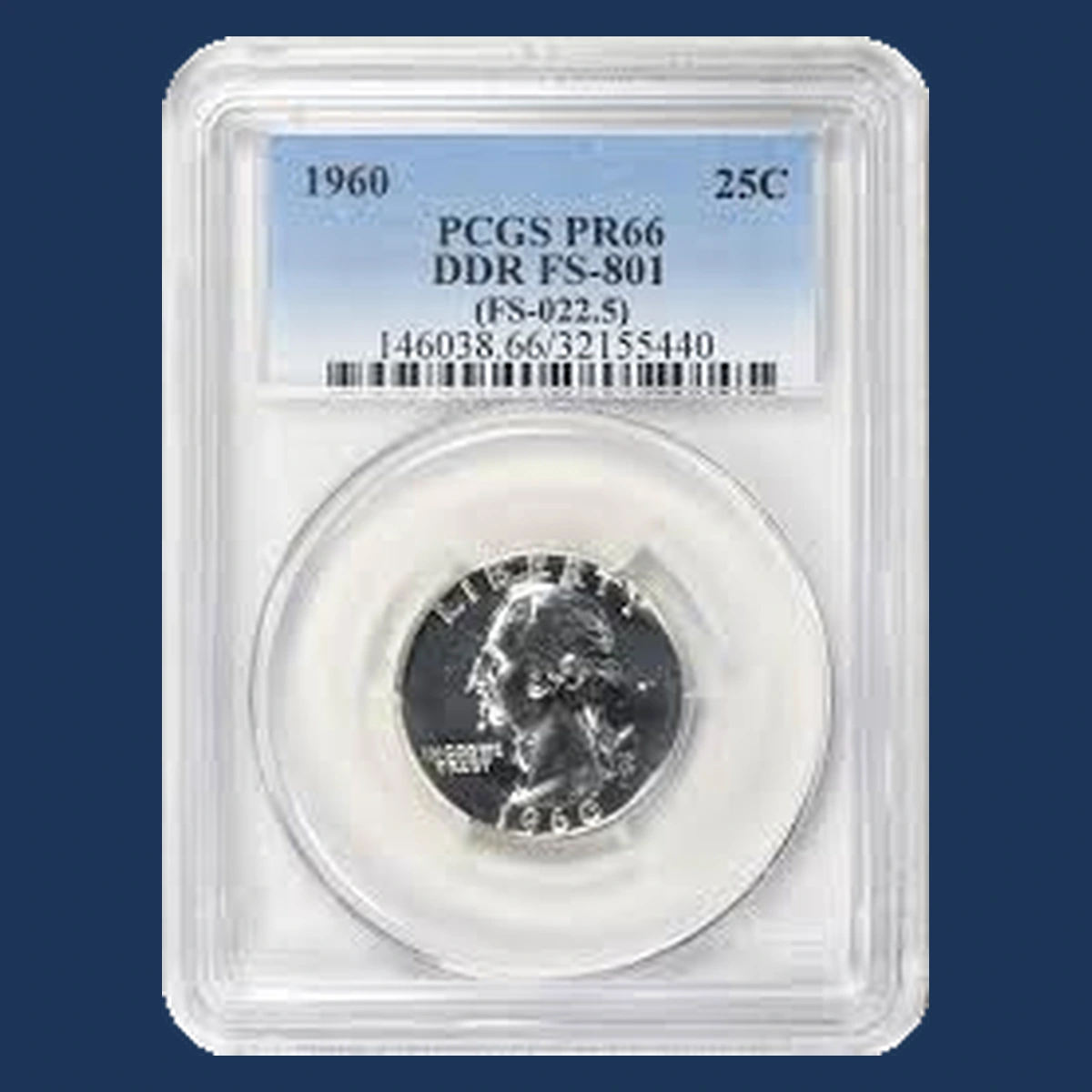
Close extra outlines can be copied from a stamping tool that received a doubled design during preparation. The resulting quarter needs only one normal strike to show them.
Front reports for 1960 include LIBERTY and IN GOD WE TRUST. Ordinary coins and specially made Philadelphia Proofs have been reported separately.
The Proof back variety affects E PLURIBUS UNUM and nearby branch or outer lettering details. An auction catalog lists a PCGS PR66 example, a well-preserved collector Proof.
These patterns require different comparisons. A reflective letter edge or a low flat shelf does not establish a doubled tool.
Estimated Value
Estimate $25–$2,000 for identified doubled-design varieties, depending on the particular pattern, finish, and condition. Strong separated outlines can draw more interest than slight thickness visible only under favorable light.
The cataloged PR66 back example is a Proof comparison, not a price guide for ordinary front doubling. Match the coin’s production type before assessing its preservation.
This range concerns the whole quarter. Normal repeated blows used to make a Proof do not automatically create the same collectible doubled-tool variety.
How to Identify
A thick letter is only a starting clue. With a magnifier, inspect its edges for rounded separation or small notches where two strokes meet.
For a front candidate, work through LIBERTY and IN GOD WE TRUST. Compare the pattern with the same ordinary or Proof issue, since those coins need different matches.
For a Proof back, inspect E PLURIBUS UNUM together with the branches and outer lettering shown in the variety photograph. Several matching details are stronger evidence than a single wide stroke.
Change the lighting to test whether the extra raised outline remains in place. A moving reflection is not part of the coin.
A low flat shelf beside the letter instead points toward movement during striking.
9. 1960 Washington Quarter Off-Center Strike
A crescent of untouched metal can remain when a blank is not fully between the stamping tools. Part of the intended design then falls beyond the metal available to receive it.
This is an off-center strike, and both faces should show a related shift. The empty crescent and missing artwork work together to explain the mistake.
The year guide includes this type for 1960 without establishing one specific percentage or direction. Those measurements belong to the specimen being examined.
A wide uneven rim with all the artwork present instead calls for a broadstrike comparison.
Estimated Value
For authenticated 1960 off-center quarters, estimate $100–$3,000, with the visible shift and remaining date helping determine collector interest. A dramatic displacement with readable identity provides a clearer display than a small unexplained border difference.
Compare coins with similar amounts of missing design and similar condition. An attractive original blank crescent is part of the feature, not an area that needs cleaning.
This estimate is for one off-center strike. A quarter that also received a second blow needs a separate comparison.
How to Identify
Compare both faces in the same alignment, looking at the blank crescent and the artwork that runs beyond the available metal. A shift confined to one face can come from a misplaced tool rather than a misplaced blank.
Find the date and photograph it with the entire coin, since a close view of blank metal cannot establish the year. If the complete design fits inside a broad border, consider a broadstrike instead.
With a magnifier, inspect where the struck design meets the untouched crescent. Filing, scraping, or sawing can remove a quarter’s border, but cannot produce the original blank surface beside a displaced impression.
10. 1960 Washington Quarter Design Struck on a Dime or Cent Blank
The quarter’s picture cannot fit normally onto the smaller disc intended for a dime or cent. Outer lettering runs out of room, and the finished error has a different size and weight.
Philadelphia examples struck on silver dime blanks include a PCGS MS65 and a separate NGC MS63 coin weighing 2.5 grams. Both remain silver despite their reduced size.
Cent-blank errors are recorded from Philadelphia and Denver. Their copper-rich metal differs from the normal quarter’s ninety-percent-silver alloy.
These blank errors do not require a surviving Roosevelt or Lincoln design. The wrong disc entered the press before receiving its intended picture.
Estimated Value
The Philadelphia cent-blank MS64 sold for $990 in January 2018; the Denver MS64 brought $1,140 in July 2021. Those grades describe unworn coins with visible marks.
The silver-dime examples brought $960 for the PCGS MS65 in July 2021 and $552 for the NGC MS63 in October 2021.
Estimate $500–$5,000 across authenticated wrong-blank examples. Readable dates, correct metal identification, original surfaces, and clear missing outer design support the comparison.
How to Identify
Weigh a loose coin on a digital scale, then compare the result with the expected metals. A normal silver quarter weighs 6.25 grams, a silver dime blank about 2.5 grams, and a period cent blank 3.11 grams.
Check the diameter with calipers and inspect the cramped outer letters. A small blank may spread during striking, so its final diameter need not exactly match an ordinary dime or cent.
Use a magnifier around the edge to look for filing that removed a normal quarter’s border. Copper color also needs an alloy check, because a thin added coating can disguise silver beneath.
Finally, read any surviving D below the wreath when comparing the Philadelphia and Denver examples. Record the candidate’s own measurements rather than treating the standard weights as measured results.
11. 1960 Washington Quarter Reported Double Strike after a Turn
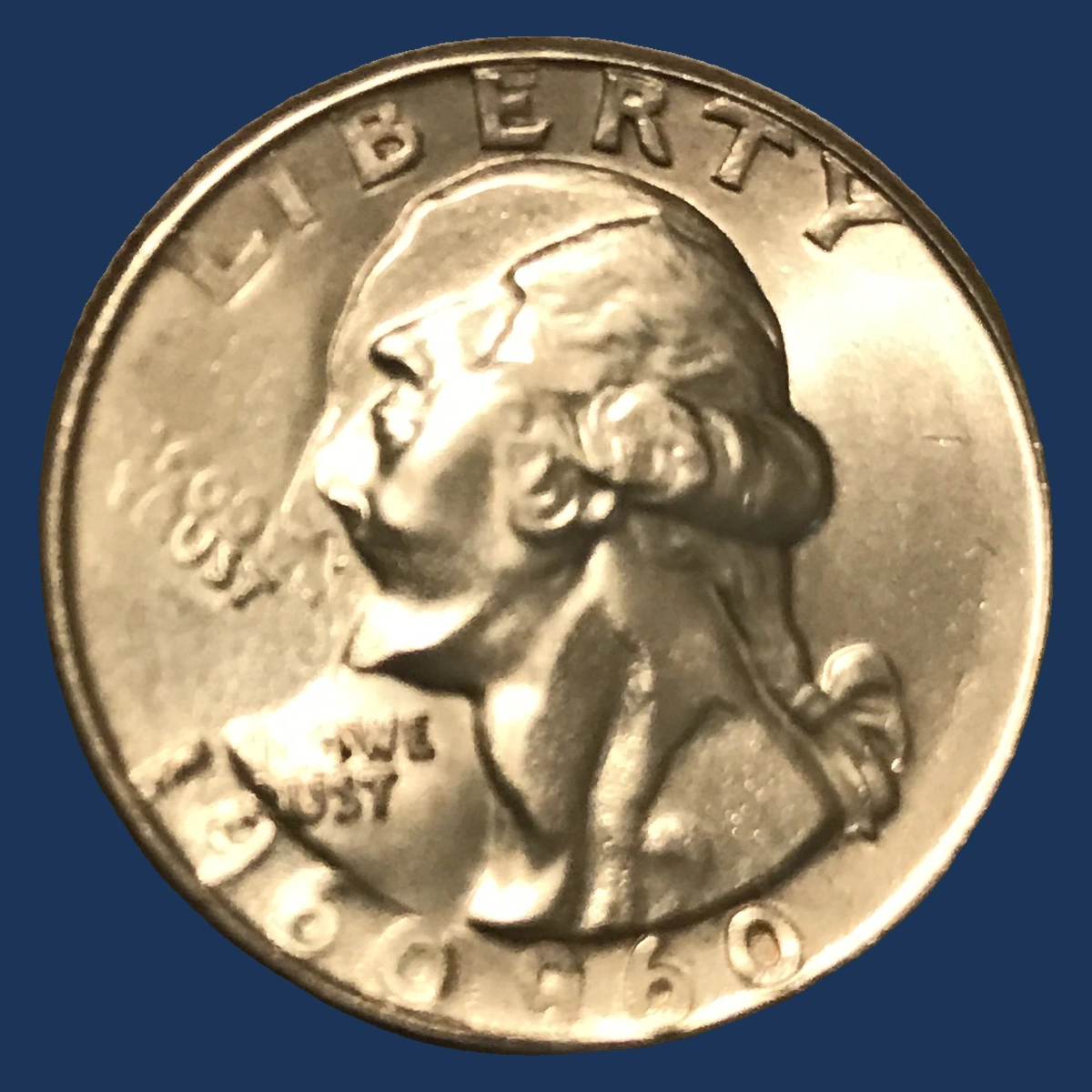
Two displaced sets of details can remain when a quarter receives another blow after turning in the press. The second picture partly covers the first rather than merely thickening one letter.
An owner described a 1960 silver quarter with roughly twenty degrees of movement between strikes. The report concerns overlapping designs on both faces.
That account is a candidate requiring authentication. The stated angle is the owner’s estimate, and no mint assignment should be inferred from it.
Convincing raised portions of both impressions must explain the sequence. Squeezing two finished coins together afterward can also produce confusing extra shapes.
Estimated Value
If authenticated as two genuine strikes, estimate $500–$5,000 for a 1960 quarter with clearly overlapping designs. The owner’s report does not establish a completed sale.
The estimate uses the market for comparable silver-quarter double strikes, allowing for preservation and how easily the two pictures can be followed. A date and strong extra details improve the display.
The quoted turn describes movement between blows, not the fraction struck off center. Those different measurements should not be exchanged when choosing a comparison.
How to Identify
Find a repeated date digit or a clear piece of the portrait before trying to measure the turn. Follow neighboring details from each impression to see whether the same movement explains them.
Examine the back in the same alignment as the front. Do not straighten each photograph separately, since that can hide the relationship between the two sets of pictures.
Under a magnifier, check whether the extra details rise above the surface. A backward sunken copy can result from someone pressing finished coins together afterward.
The rim and edge should be photographed as well as the overlaps. Keep both faces visible when asking a specialist to examine the candidate.
The owner’s roughly twenty-degree estimate is a comparison, not proof of two genuine Mint strikes.
Conclusion
A small blank can cut off the design, while a damaged stamping tool can add an unwanted line. Those clues call for different tests even when both coins look unusual.
Estimated values across these types run from $25–$5,000. Compare the coin’s actual feature, finish, and preservation before choosing a price.
Photograph both sides and the edge, and leave loose metal untouched so its original surface remains available for examination.