1840 Dime Error List with Pictures

Lines below Liberty’s chin gave one 1840 dime the nickname Chin Whiskers. An exceptionally well-preserved example sold for $16,800 in August 2022.
These 1840 dime errors have estimated values of $100–$20,000. All five sections concern the No Drapery design, which lacks the extra fold below Liberty’s elbow found on the revised portrait.
Read on to find raised lines, repeated stars, weak letters, and an unusually wide coin.
1. 1840-O Liberty Seated Dime Reverse Die Cracks (Estimated Up to $1,200)
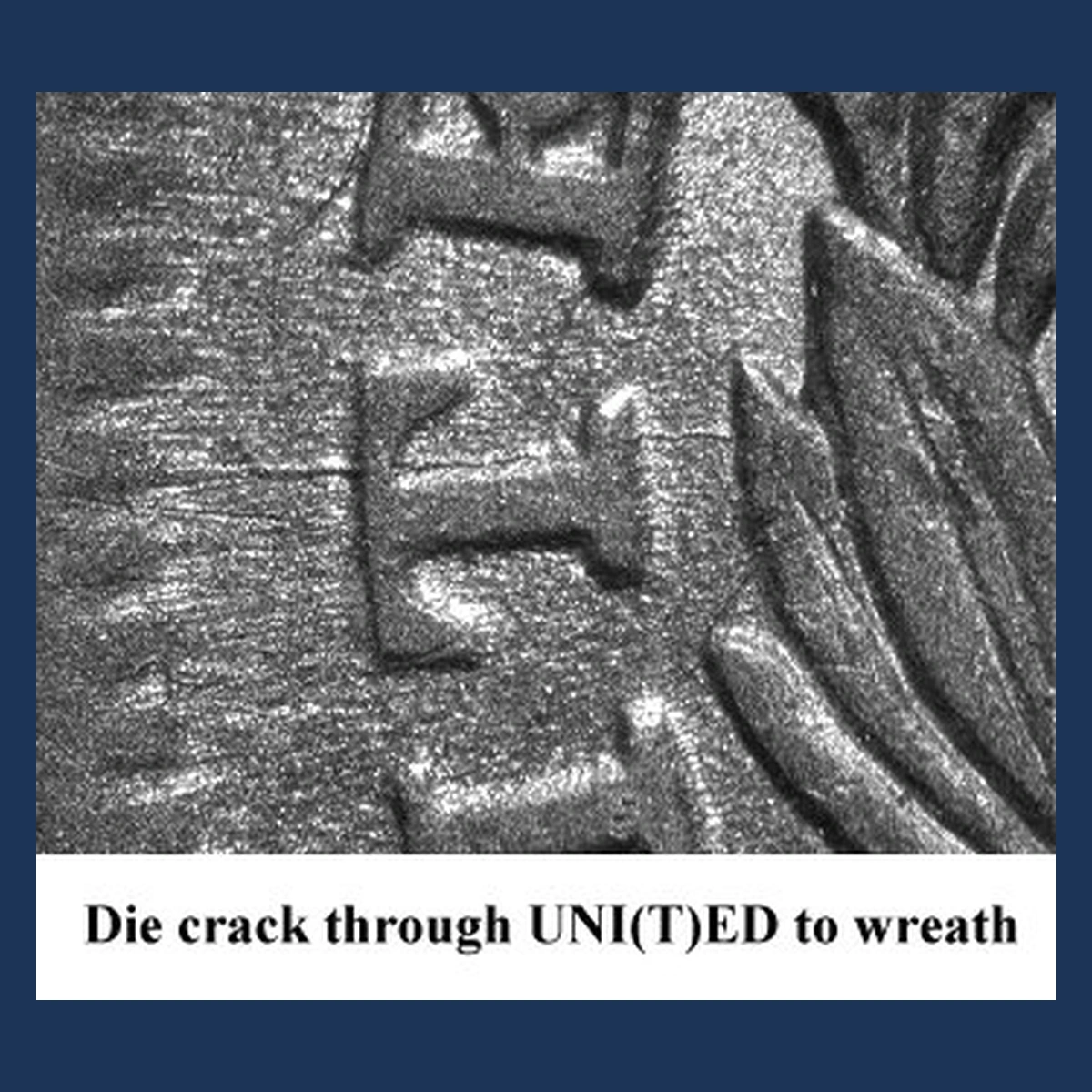
The raised line through E in STATES is a useful starting point on one 1840-O dime. It formed when the steel stamping tool, called a die, developed a crack.
Metal entered that opening as the tool struck the coin. The line therefore stands above the surrounding surface.
This example has a medium-sized O beneath the wreath. Another with a small O has a different crack through the UNITED area toward the left wreath.
These are separate examples. Match the O and the line together instead of combining the two routes into one pattern.
Estimated Value
Worn examples with recognizable back cracks have an estimated $100–$1,200 range. Clear remaining design and original surfaces help a coin reach the higher end.
No recorded sale sets a price for either pictured example. The estimate covers the complete dime, including the value of its year, mint, and condition.
A thin line does not add the entire range to an ordinary coin’s price. A worn or scratched example also needs a different comparison from a sharply detailed one.
How to Identify
Find O beneath the wreath on the back; it identifies New Orleans. Compare its size and position with the reference before following the crack.
With a 10× magnifier, trace the medium-O line through E in STATES. On the small-O example, follow the separate line through UNITED toward the wreath.
Tilt the coin under a lamp to see whether the line rises above the surface. A scratch usually cuts into the coin, even if it pushes metal up at its edges.
Check a safely accessible coin with a scale and calipers against 2.67 grams and 17.9 mm. The normal edge has grooves.
A matching O and a continuous raised line along the correct route support the identification.
2. 1840-O Liberty Seated Dime Repunched Stars (Estimated Up to $1,500)
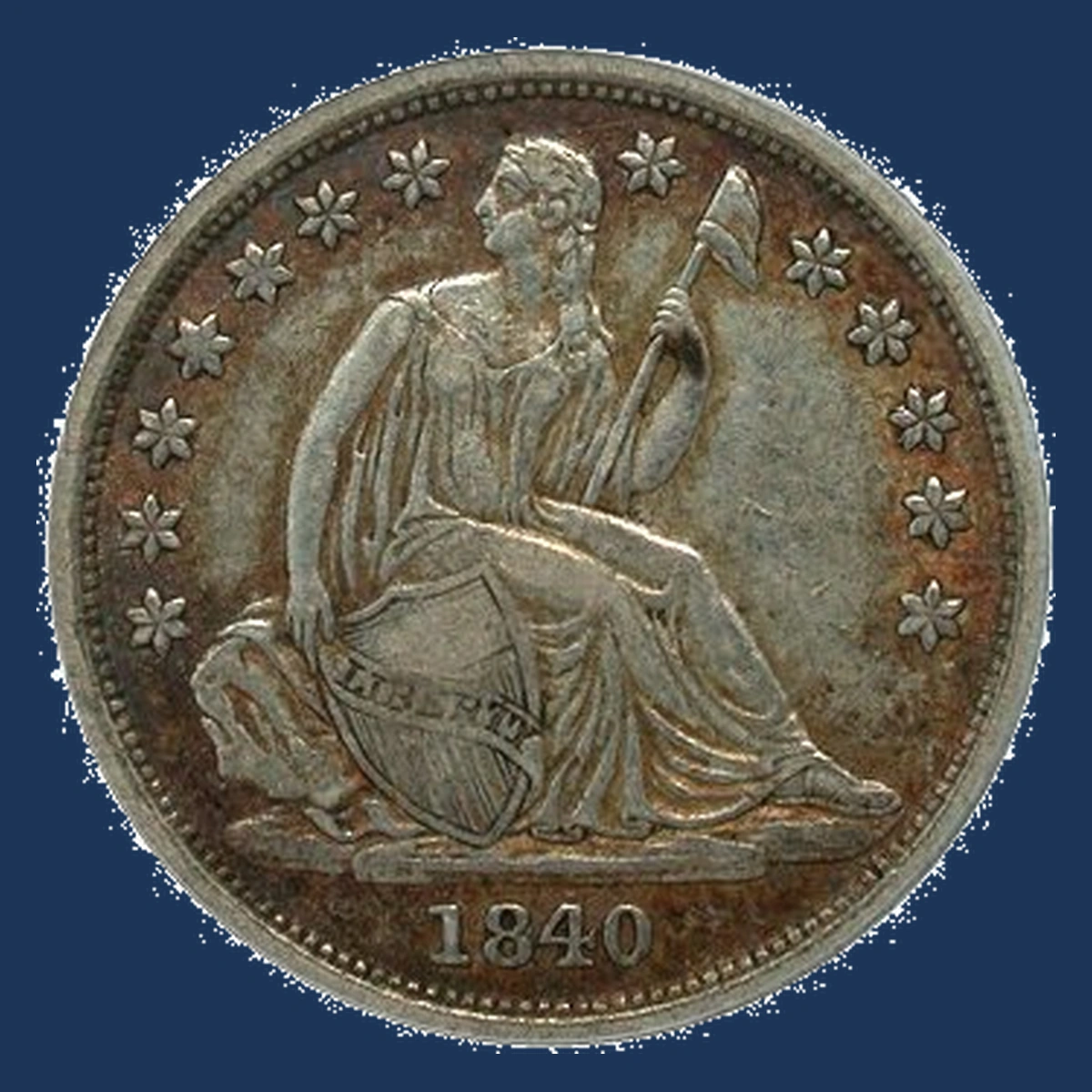
Some stars have pieces of an extra outline. The person preparing the stamping tool placed the star punch in slightly different positions, leaving part of the earlier impression.
On the medium-O example, look at star 11. A different small-O example shows the feature at stars 9 and 10.
The extra shapes began in the tool, before it struck the dime. They do not mean the finished coin received two strikes.
Wear can round the star points and hide the earlier outline. Use the correct full-coin reference before deciding that a broad or uneven star shows repunching.
Estimated Value
Examples with clearly identified repeated star outlines have an estimated $100–$1,500 range. This covers worn coins through those with only slight wear.
A clear earlier point or outline makes the feature easier to see. Heavy wear can leave too little detail for the same comparison.
This estimate covers the complete coin, with no sale assigned to the reference pictures. Several affected stars do not create separate charges to add together, and the two O sizes need their own comparisons.
How to Identify
Begin with a photograph of the complete front so you can count the stars correctly. Keep the date visible before enlarging star 11 or the separate stars 9 and 10.
Use a 10× magnifier to look for a raised piece of an earlier star point. A flat shelf beside the main shape can come from movement during striking instead.
Check the O on the back against the matching reference. Also confirm the No Drapery portrait, which lacks the added fold below Liberty’s elbow.
The normal silver dime weighs 2.67 grams and measures 17.9 mm. Use a scale and calipers when safely accessible, and inspect its grooved edge.
The feature to find is a recognizable second star outline, not simply a rounded or thick point.
3. 1840-O Liberty Seated Dime Filled-Die Missing Details (Estimated Up to $2,000)
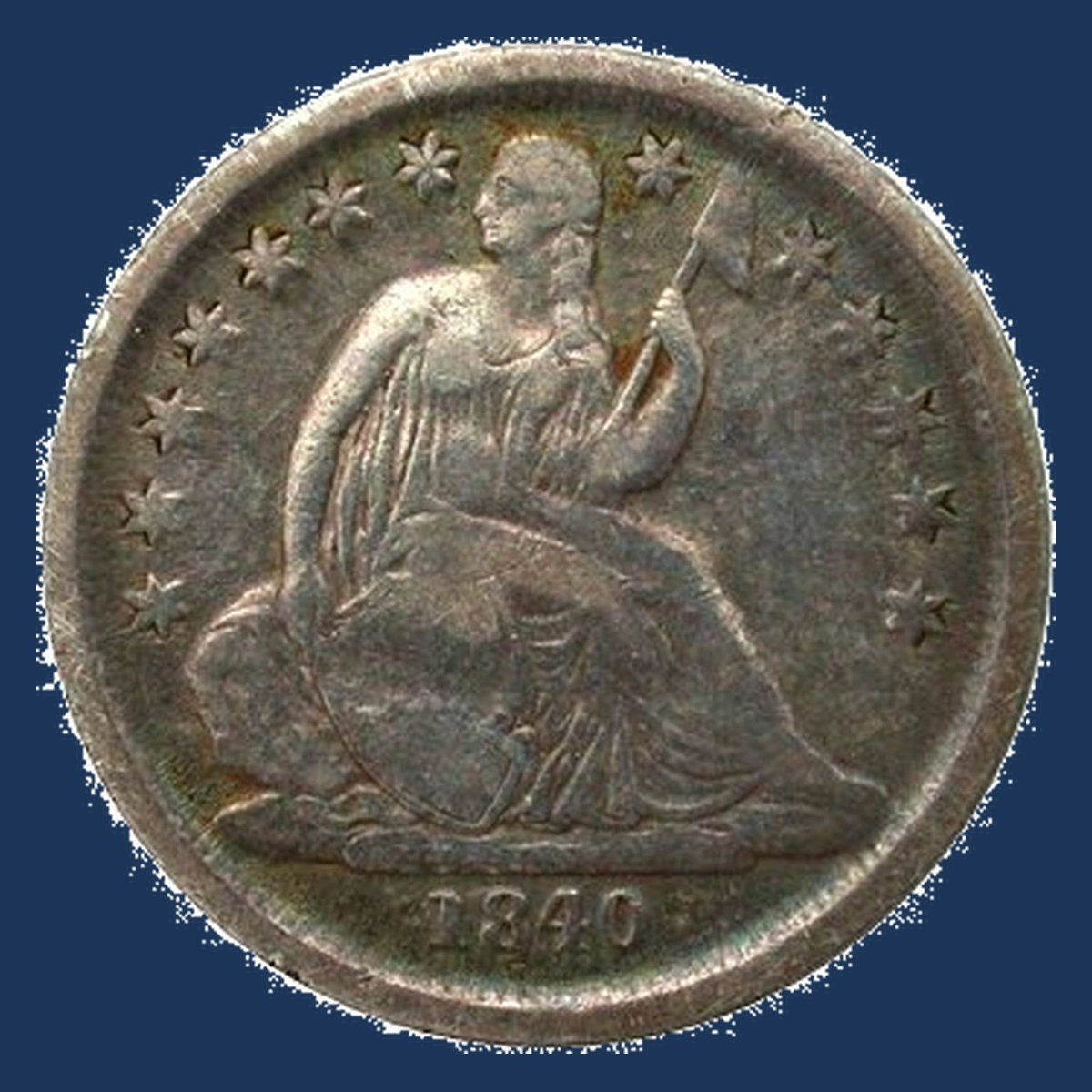
An almost invisible O once made this coin look like a Philadelphia dime. Closer examination showed that it was made in New Orleans.
LIBERTY is missing from the shield, and the tops of IM in DIME are weak. A faint outline of the small O remains.
Specialist Gerry Fortin examined the coin submitted by Angelo Macero. He suggested that material such as grease had blocked parts of the stamping tool.
That would stop some letters from forming while nearby details remained visible. The suggested cause fits the missing detail, but no particular blocking substance was identified.
Estimated Value
An estimated $150–$2,000 applies to clearly identified examples with this strong pattern of missing detail. The upper end assumes original surfaces and enough sharp surrounding design to show that ordinary wear did not cause it.
There is no auction result here for the Macero coin. Its value comes from the complete dime and its unusual appearance.
A weak O does not turn it into a Philadelphia issue. The surviving letter still matters when selecting a price comparison.
How to Identify
Compare the blank shield area and weak IM with nearby sharp details. Under a 10× magnifier, look for rubbing lines or cuts that could have removed the letters later.
Change the light over the mint-letter area beneath the wreath. The published examination describes a faint O that remains visible.
General wear weakens exposed parts of the design across a coin. A local group of missing details needs a different explanation when neighboring areas remain sharp.
Use a scale and calipers on safely accessible coins against 2.67 grams and 17.9 mm. Check the grooved edge for alteration.
The specific match is missing LIBERTY, weak tops of IM, and a surviving small-O outline on the same coin.
4. 1840-O Liberty Seated Dime Broadstrike (Estimated Up to $3,000)
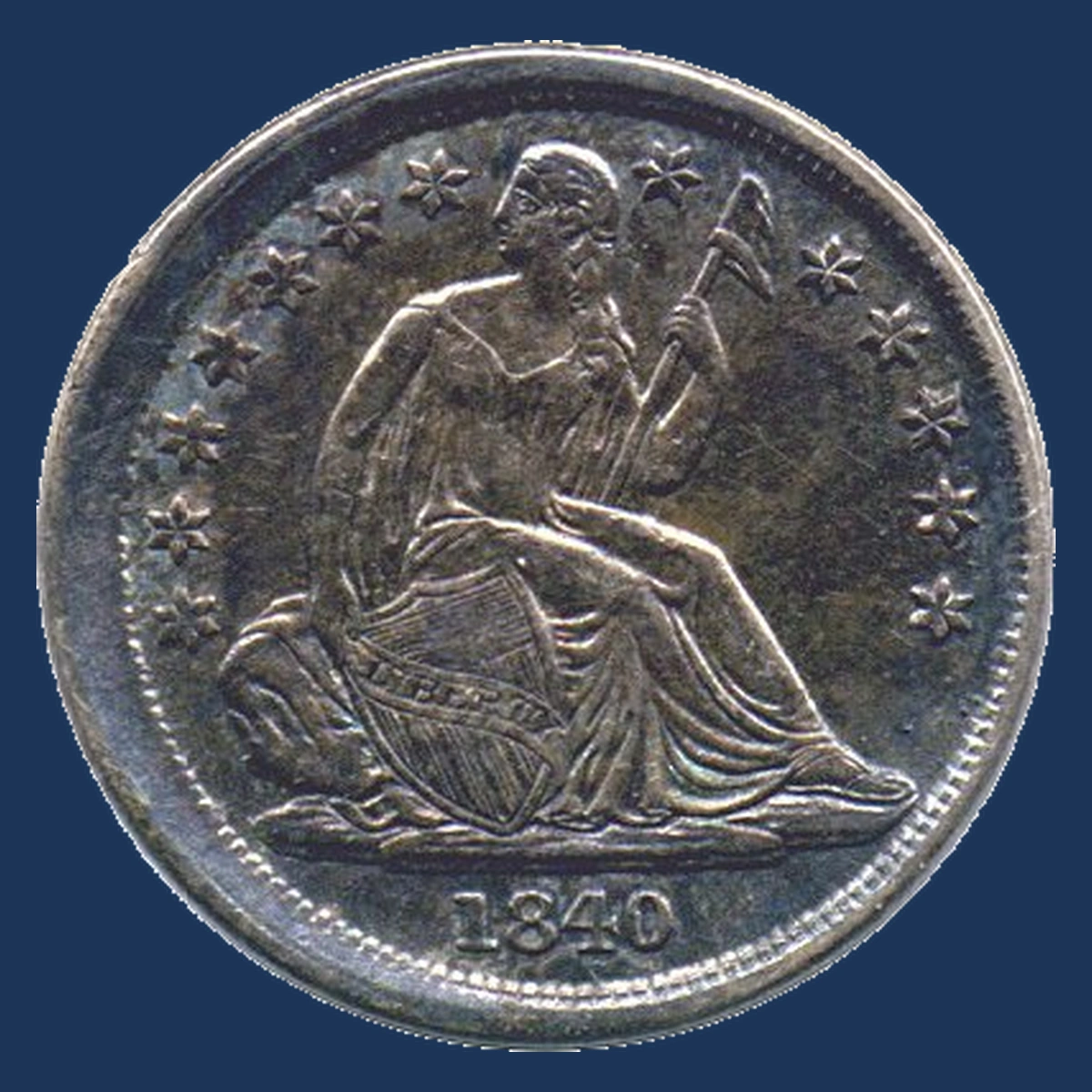
The tiny border marks remain visible around both faces of this unusually wide dime. Keeping the complete design is an important clue to its broadstrike.
A collar is the metal ring that limits a coin’s width during striking. If it fails to hold the blank, the metal can spread farther outward.
The stamping tools can still leave their whole pictures on the wider surface. This differs from an off-center strike that loses part of the design beyond the metal.
Kevin Zeitler acquired the reported medium-O example in 2000. Its recorded description gives no measured diameter or percentage of displacement.
Estimated Value
An authenticated 1840-O broadstrike has an estimated $500–$3,000 range. Clear expansion, preserved design, and attractive surfaces affect where an example belongs.
No purchase price is reported for Zeitler’s coin. A later 1916-S Barber dime broadstrike graded MS65 sold for $1,150 in February 2009.
MS65 describes a well-preserved unworn coin. That different-year sale offers context for a similar failure of the retaining ring, but its design and age differ from this early New Orleans dime.
How to Identify
Photograph both faces with the entire outline visible. Follow the tiny border marks with a 10× magnifier to see whether the design remains complete.
Compare the width with an ordinary medium-O No Drapery dime. Calipers can measure several spans against the normal 17.9 mm, while a scale checks against 2.67 grams.
The ordinary edge has grooves. Photograph it to see where the retaining ring failed to control the spreading metal.
A coin flattened after manufacture may also become wider, but its crushed details differ from an original expanded strike. Look for scraping or compression along the outer edge.
A complete design on naturally expanded metal supports a broadstrike; missing design beyond the outline raises a separate off-center question.
5. 1840 Liberty Seated Dime Chin Whiskers Die Lines (Estimated Up to $20,000)
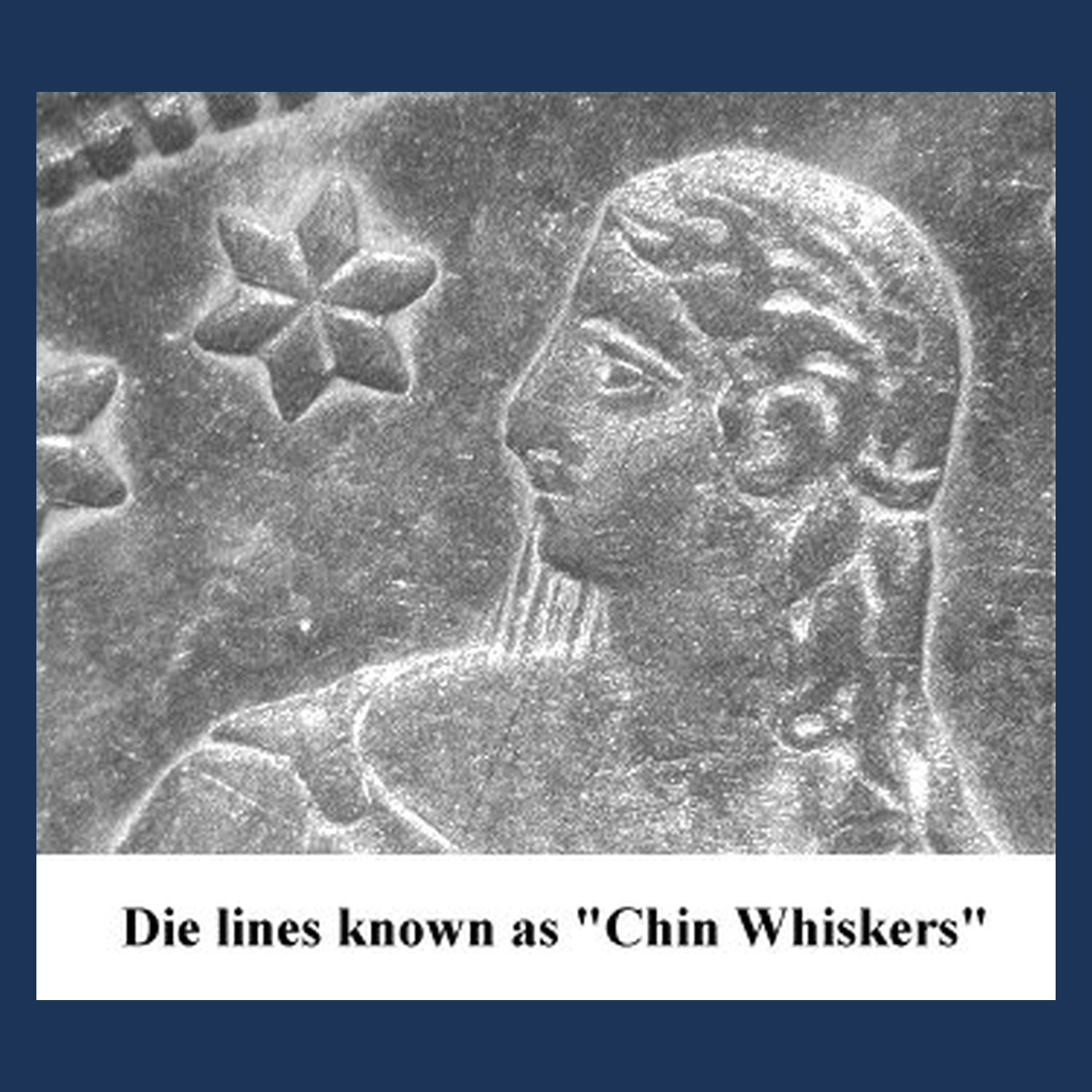
Raised lines run from Liberty’s chin toward her shoulder. They give this Philadelphia dime its memorable Chin Whiskers nickname.
The lines came from a defect in the stamping tool. They were copied onto the coin during manufacture, rather than scratched into it afterward.
Collectors identify the variety as F-103. On its back, additional tool lines appear behind the wreath’s bow and knot.
The date sits high and slopes slightly upward. Those details help confirm the complete coin, since a loose hair or later scratch can imitate a whisker in a close-up photograph.
Estimated Value
Worn Chin Whiskers dimes have an estimated $100–$900 range. Unworn examples span roughly $1,000–$20,000, with exceptional preservation commanding much more than ordinary condition.
An F-103 graded PCGS MS67 with CAC approval sold for $16,800 in August 2022. MS67 indicates an exceptionally clean unworn coin.
That price reflects the whole coin, including its condition. A readable whisker on a heavily worn dime should be compared with other worn examples rather than that unusually fine auction piece.
How to Identify
Light Liberty’s chin from the side and inspect the lines with a 10× magnifier. They should rise above the surface rather than cut into it.
Then turn to the back and find the supporting lines behind the bow and knot. Compare the high, slightly rising date with the F-103 reference as well.
Philadelphia coins lack O beneath the wreath. Confirm the No Drapery portrait before comparing it with the revised design also issued in 1840.
Use a scale and calipers when safely accessible against 2.67 grams and 17.9 mm, and inspect the grooved edge. Leave sealed coins in their holders and use recorded measurements.
Raised chin-to-shoulder lines in the correct positions, supported by the matching back details, identify more than a whisker-like shadow.
Conclusion
These 1840 dimes have estimated values of $100–$20,000, with the highest amounts reserved for exceptional examples. Start with the feature you can see: a raised line, an extra star outline, missing letters, or expanded metal.
Keep the O and portrait type in every comparison. The faint mint letter on one coin matters just as much as the obvious whiskers on another.