1890 Dime Error List with Pictures

Numbers can hide in Liberty’s clothing, while an extra strike can stretch a dime far beyond its familiar shape. One 1890 double strike appeared in published Heritage auction highlights at $9,300.
This guide to 1890 dime errors covers estimated values of $20–$12,000. Small tool-made details and large striking mistakes call for very different comparisons.
Look beyond the main date, then check the whole outline and both faces. The examples below explain what each clue means without treating every unusual mark as the same error.
1. 1890 Liberty Seated Dime Reported Lamination
A thin flap can separate where the metal within a coin is weak. This peeling is called lamination, and it may leave an attached sheet or a missing patch.
Lamination has been reported for 1890 in a year guide, without a securely identified specimen. Each suspected example needs its own examination.
These dimes contain a mixture of silver and copper throughout. They do not have the copper-nickel outer layers used on modern dimes.
A natural separation must follow a weakness within that silver alloy. Surface corrosion and scraping can leave rough patches with a different cause.
Estimated Value
For a confirmed 1890 surface lamination in ordinary circulated condition, use an estimated $20–$300. A clear natural layer boundary is more useful than a rough patch of unexplained damage.
The coin’s mint, wear, and the amount of peeling all affect the comparison. An attached flap can help show the cause, provided it remains undisturbed.
A small, worn peel belongs near the lower end of the range. Larger original separations with clear surrounding details can attract stronger offers.
How to Identify
Leave any loose flap exactly where it sits. Lifting it can remove the thin connection that helps explain how the metal separated.
Use low-angle light to follow that connection into the surrounding silver. An attached layer with a natural boundary is more helpful than an isolated rough patch.
Examine nearby letters and open areas for scraping, pits, or cuts across finished detail. Chemical damage can affect many scattered areas, while tool marks may leave repeated parallel grooves.
Photograph the date, both faces, and the edge without cleaning the coin. An error specialist can then examine whether the layer belongs to the original silver or reflects later metal removal.
2. 1890 Liberty Seated Dime Repunched S Mintmark
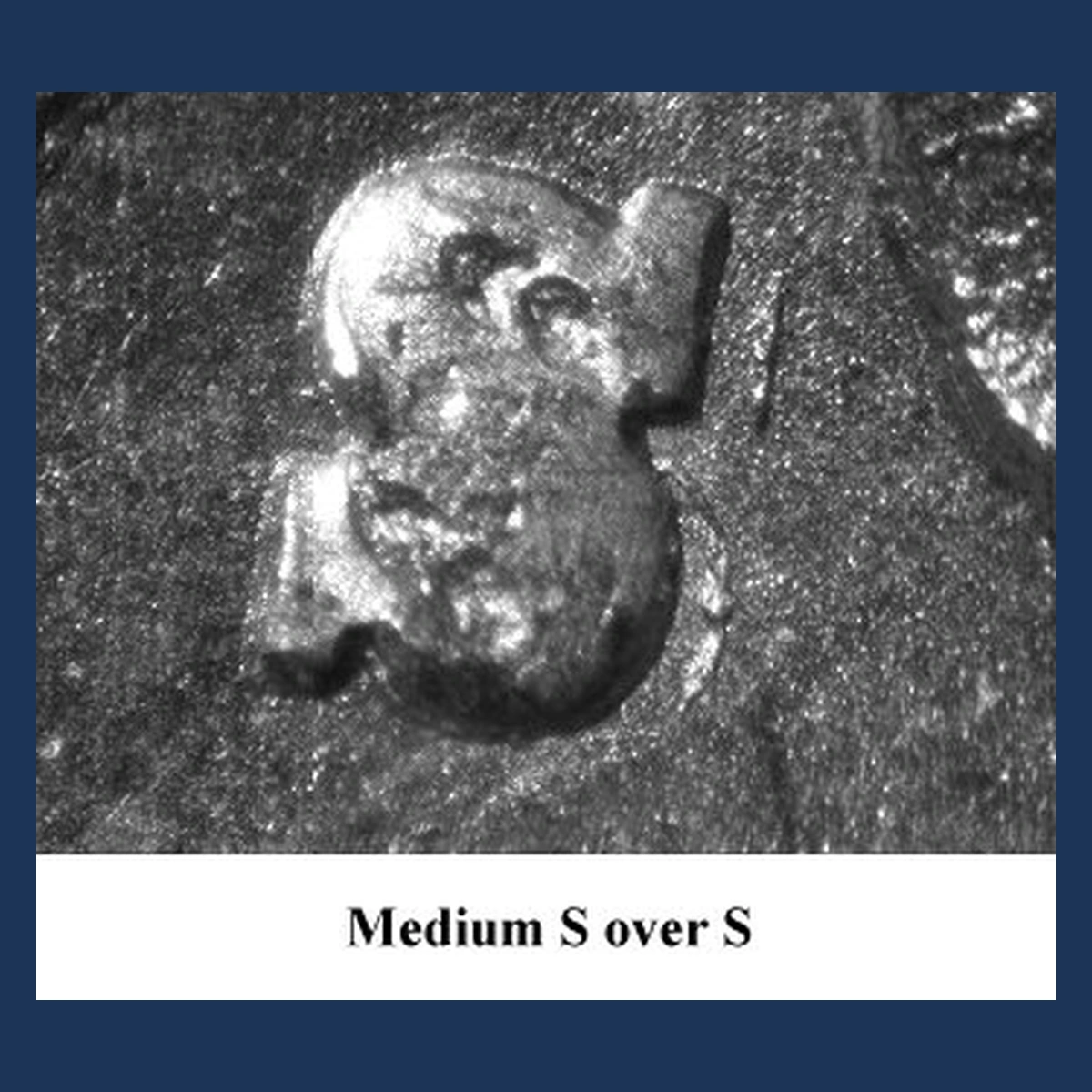
The S below the wreath can have another S-shaped trace beside it. That extra outline began on the die, the steel tool used to stamp coins.
Workers added the mint letter with a punch. If the punch landed again in a different position, part of an earlier S could remain visible.
The 1890-S reference gallery records a repeated S toward the right and another pattern with an earlier letter lower down. These are separate comparisons.
The letter’s shape and extra strokes matter more than simply noticing that one S sits differently from another.
Estimated Value
Estimate $30–$500 for correctly identified 1890-S repunched letters in worn through modestly unworn condition. Clear overlapping curves are easier to appreciate than a faint edge hidden by wear.
The normal value of the San Francisco dime is part of this whole-coin range. Original surfaces and sharper detail can support stronger prices.
A letter damaged during circulation should not receive the same variety premium. A single bump beside the S must fit a repeated letter before the comparison applies.
How to Identify
With the back upright, enlarge the S below the wreath and trace its upper and lower curves. Compare the extra outline with the rightward or lower S pattern in the 1890-S gallery.
Those two patterns need separate photographs. A match to one does not require the other to appear on the same coin.
Now change the light and examine where the extra curve joins the main letter. A flat shelf or pushed-up contact mark can look like doubling in one photograph.
The remnant should retain a recognizable piece of another S. Judge that letter shape against the correct photograph, rather than using the mintmark’s overall height or sideways position alone.
3. 1890 Liberty Seated Dime Clashed Designs
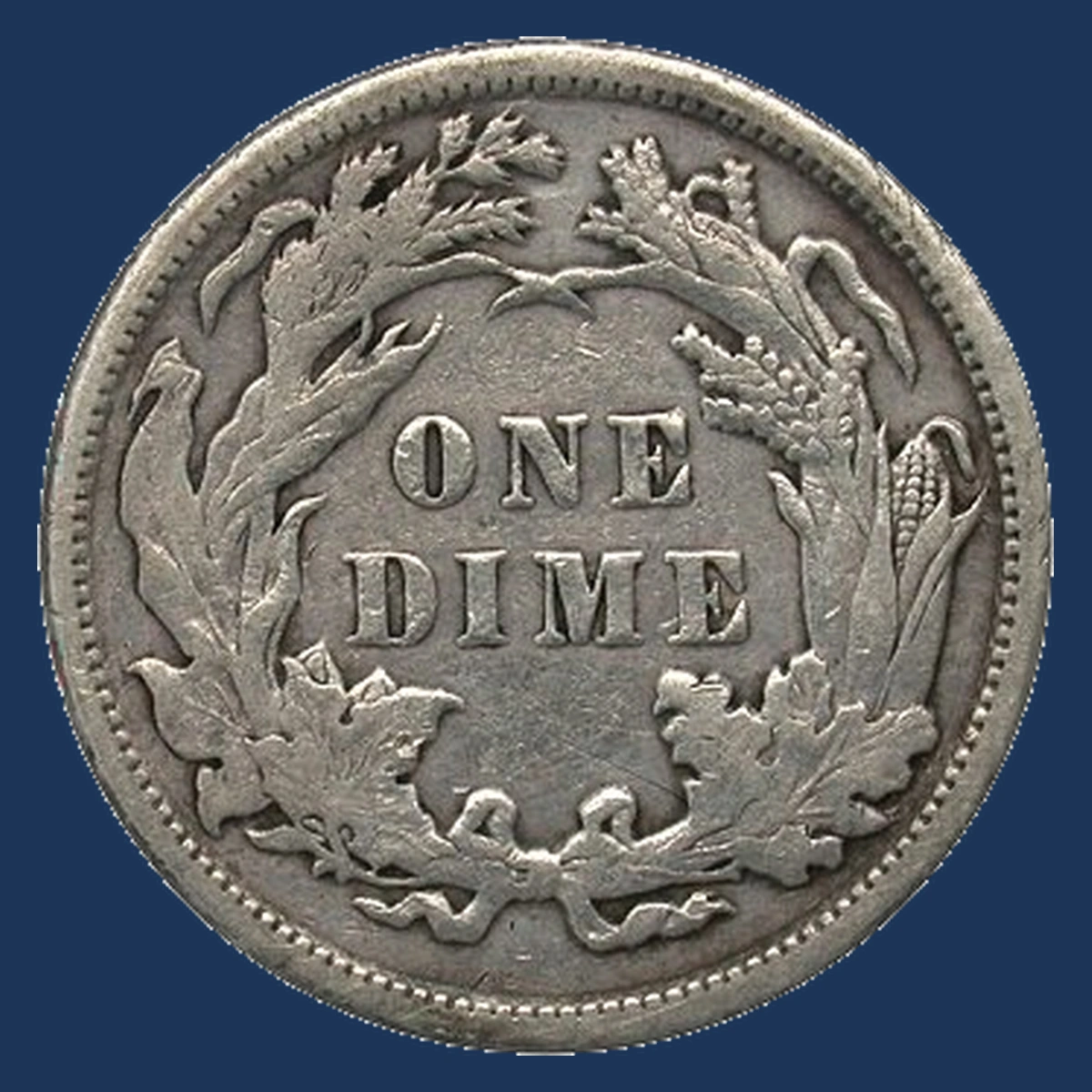
A faint piece of the opposite design may appear where it does not belong. The stamping tools can touch when no blank, or unstruck metal disc, lies between them.
The contact leaves marks on the tools, which can transfer to coins struck afterward. Collectors call the effect a die clash.
The Philadelphia gallery identifies one clash near the E of DIME. Other listed examples show lighter traces on different tool pairs.
A clash is not the same as two blows to one coin. The unusual detail was already present on the tool when that coin was made.
Estimated Value
For ordinary circulated through modestly unworn examples with recognizable clashing, estimate $30–$600. A transferred shape that can be followed clearly is more interesting than an unexplained faint line.
Compare the same tool pattern and a similar amount of wear. The clearest coin in one photograph may simply have better lighting, rather than stronger original clash marks.
A scratch near DIME does not qualify because it occupies the right general area. The shape must support contact between opposing designs.
How to Identify
Set an ordinary back photograph beside the suspected coin, keeping DIME upright in both images. Near the E, separate its normal letter edges from any extra outline.
Then compare a front photograph at the same scale. The unexpected shape must fit part of the opposing design, although only a small portion may have transferred.
Tilt the coin slowly under a small light to keep faint traces visible. A bright reflection that vanishes immediately may hide the true shape.
Follow connected portions without rubbing them. A scratch cutting across finished lettering needs a different explanation.
The Philadelphia examples do not all share one clash pattern. Match the transferred outline to a known example made by the same pair of tools.
4. 1890 Liberty Seated Dime Straight and Curled Clip Combination
Two different edge features appear on an 1890 dime cataloged by Heritage. It has a straight clip at ten o’clock and what the catalog calls a curled clip at four o’clock.
NGC graded the coin AU55, meaning light circulation wear. Both edge features belong to that one coin.
A straight clip reflects an incomplete blank rather than a picture struck away from the center. The second feature needs examination of its actual shape.
Curled describes metal turning at the edge, while curved describes the outline of a rounded gap. A side view helps distinguish them on this coin.
Estimated Value
Estimate $75–$1,000 for a comparable genuine combination, depending on its visibility and the coin’s preservation. Both original edge features should remain clear enough to examine.
The AU55 lot was marked not sold in November 2002. That listing therefore provides an example, not a realized auction price.
Large, undamaged missing sections can draw more attention than tiny edge faults. Cutting, bending, or filing after striking needs a different assessment and does not justify the same error range.
How to Identify
With Liberty upright, locate ten o’clock and four o’clock on the outline. Inspect the two areas separately before deciding how they formed.
At the straight gap, follow the exposed edge and the points where the struck rim enters it. Sawing can leave tracks or cut through already-completed detail.
The curled area requires a side photograph showing whether metal turns or bends at the boundary. Do not replace that view with an image of an ordinary curved clip.
Check nearby letters for crushing or movement that might show later damage. Keep any fragile metal in place.
Compare the whole combination with the cataloged AU55 coin. A matching missing section alone does not explain the second edge feature.
5. 1890 Liberty Seated Dime Reported Front Strike-Through
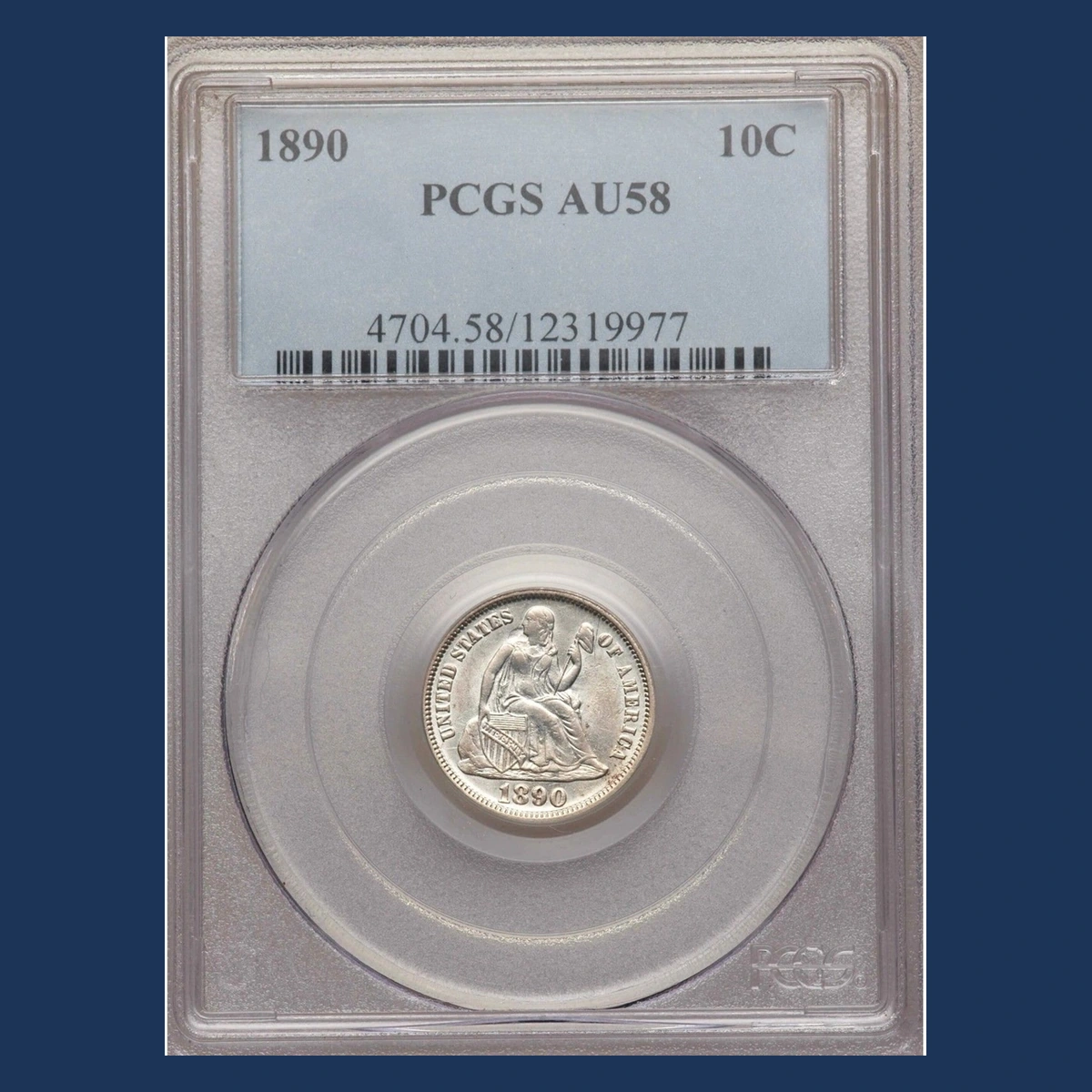
Part of Liberty’s chin or neck area can appear interrupted if material blocks the design during striking. The resulting surface is called a strike-through.
A collector describes this feature on an 1890 dime in a PCGS registry. The report places the affected areas in front of the chin and below or around the neck.
The coin has an AU58 grade, showing only slight wear. That grade does not itself certify the owner’s strike-through explanation.
The object responsible is not identified. The actual surface must distinguish a blocked strike from rubbing, scraping, or another kind of damage.
Estimated Value
Use a conditional estimate of $100–$1,000 for an authenticated example with a comparable visible front interruption. The size of the affected area and preservation of the surrounding design influence the price.
The collector’s AU58 coin offers a reported location, not a disclosed auction result for a certified error. Clear photographs and specialist examination help establish which comparison applies.
A polished patch can also weaken the chin or neck. Later removal of design does not receive the same estimated premium.
How to Identify
Find the affected patch in front of the chin, then examine the neck area separately. Compare both with a normal dime under the same lighting.
Follow the boundary where ordinary detail gives way to the interruption. Scratches, pushed-up metal, or polished smooth areas may show that detail was removed after striking.
A blockage during striking can interrupt the design without leaving those signs of later cutting. Its outline alone may still be insufficient to identify the material that caused it.
Photograph the whole coin and its holder before asking an error specialist to inspect the surface. AU58 describes slight wear; that grade alone does not establish the collector’s proposed strike-through cause.
6. 1890 Liberty Seated Dime Repunched and Misplaced Date Digits
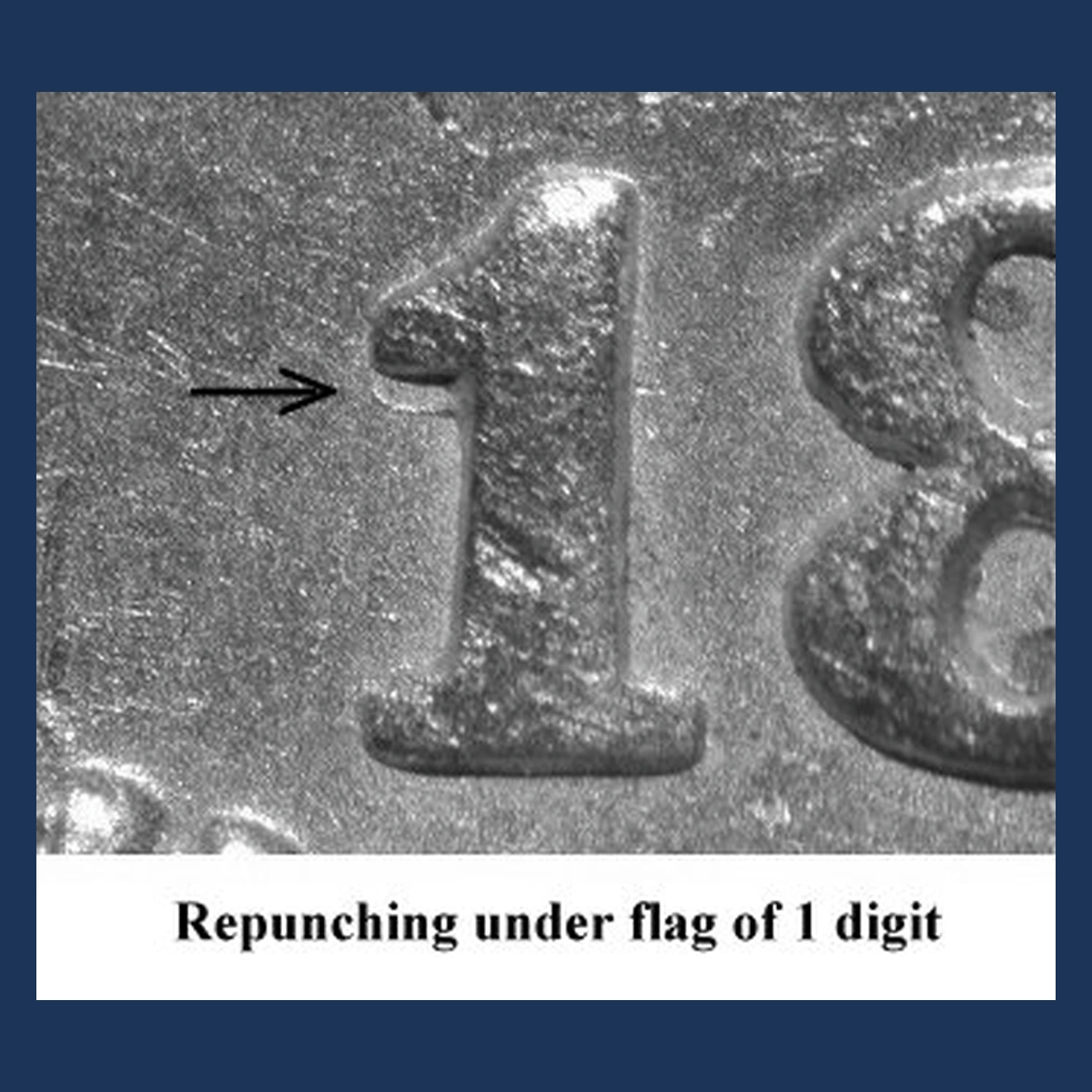
Not every date-punch trace sits beside the four main numbers. Some Philadelphia 1890 dies have misplaced digits in Liberty’s lower clothing, beneath the shield, or near the LIBERTY scroll.
Other examples show an 8 among the small border teeth. A separate repunched-date variety has an earlier outline of the 1 beside the main date.
These marks came from date punches applied to the stamping tool. Their positions distinguish repeated numbers beside the date from numbers placed farther away.
San Francisco also has a listed misplaced-date variety that needs its own comparison photographs.
Estimated Value
For identified date-punch varieties in ordinary grades, estimate $30–$1,500. A clearly recognizable misplaced digit in an unusual location can be more appealing than a faint remnant beside the date.
The amount of wear and the specific pattern affect the whole-coin value. Tiny traces can disappear quickly when the nearby design is worn.
One double-struck example later in this guide also has misplaced digits. Its dramatic striking error makes that sale unsuitable as the price of misplaced digits alone.
How to Identify
Inspect the main date for the repeated 1 first, then widen your search to the design above it. A date-only crop can miss misplaced digits in the clothing or shield.
In the Philadelphia gallery, separate examples place traces beside LIBERTY’s Y, near the hanging ornament, and among the border teeth. Compare the matching location instead of expecting one coin to show them all.
Look for raised curves that fit a number. A normal fold or shield line can resemble part of a digit when isolated.
For San Francisco, confirm the S below the wreath and choose its own reference photograph. The Philadelphia positions should not be assigned automatically to that mint.
Keep scratching and dirt separate from original raised punch remnants.
7. 1890 Liberty Seated Dime Doubled Front and Back Designs
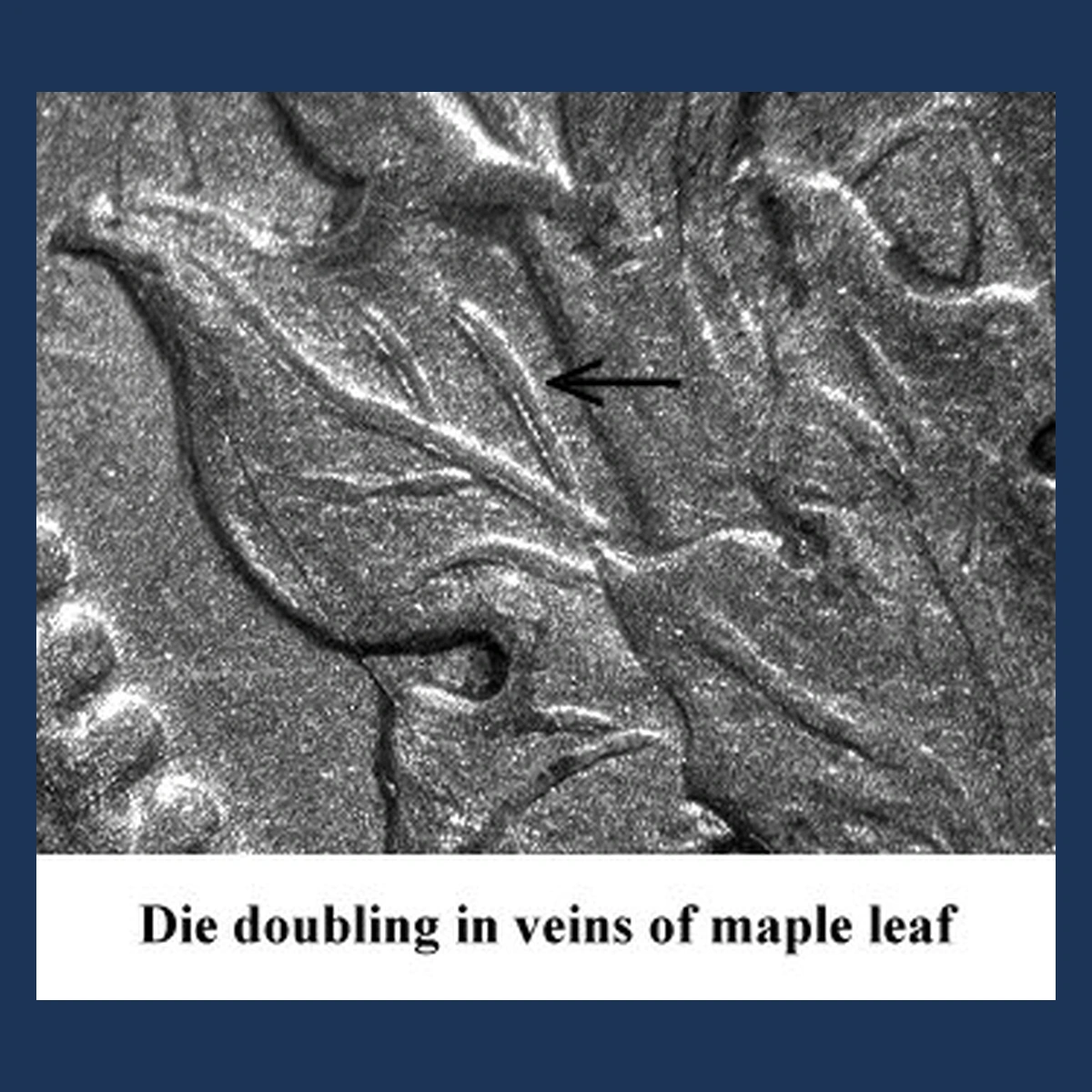
A repeated edge on a leaf can be part of the stamping tool’s design. Coins struck by that tool then share the same extra shape.
The Philadelphia variety has doubling on the left maple leaf in the back wreath. A San Francisco variety instead has a doubled front design.
These are different patterns on different sides. Finding the Philadelphia leaf feature does not identify the San Francisco front variety.
A close photograph of the correct variety is essential for comparison. Extra date-punch strokes, scratches, and normal leaf veins can resemble doubled design details at first glance.
Estimated Value
Estimate $30–$1,500 for identified doubled-design varieties from worn to attractive unworn condition. The exact pattern, strength of separation, and surface quality determine a useful comparison.
A fine extra edge on one leaf can interest specialists without making every similar-looking dime a high-value variety. Wear may leave too little detail for a firm match.
The front and back reports concern different mints and tools. Neither the location nor the price of one should be carried over automatically to the other.
How to Identify
Check the mint before choosing a comparison photograph. The Philadelphia variety involves the back, while the San Francisco variety requires examination of the front.
For Philadelphia, inspect the maple leaf on the left side of the wreath. Trace the repeated outer edges beside a normal leaf image at equal size.
Watch how the outlines continue around corners. Random scratches and bright reflections usually fail to follow the expected shape consistently.
On an S-mint coin, photograph the suspected front doubling and the S below the wreath on the back. Use an identified 1890-S example to match the actual repeated details, rather than applying the Philadelphia leaf test.
8. 1890 Liberty Seated Dime Broadstrike
A complete dime design can sit inside a wider-than-normal outline. This happens when the surrounding collar does not restrain the metal properly during striking.
The collar is the ring that normally controls the edge. Without that boundary, metal can spread outward instead of forming the usual narrow disk.
Heritage cataloged an 1890 broadstrike graded NGC AU55, a lightly worn coin. Its exact widest direction must be read from the actual example.
This is not a double strike or automatically an off-center strike. A broadstrike retains the intended design within the expanded metal.
Estimated Value
The NGC AU55 broadstrike sold for $396 on August 15, 2020. Use an estimated $150–$1,500 for comparable genuine examples across different conditions and amounts of spread.
A clear expanded border makes the cause easier to see, while attractive surfaces help preserve the original design. Minor extra width on a heavily worn coin offers a weaker display.
Hammering a finished dime flat can widen it too. That later alteration does not share the same error value.
How to Identify
Measure a loose coin across several directions and compare its outline with a normal 17.9 mm dime. Check the extra metal for hammer marks or flattened lettering, since later damage can also widen a coin.
Next read the complete date and outer design on both faces, looking for any part that extends beyond the metal. A broadstrike keeps the intended design inside its expanded outline, although the image may sit unevenly within that space.
Inspect where the widened border joins the struck detail for signs of natural metal flow rather than scraping or smoothing. Complete designs surrounded by that spread metal distinguish a broadstrike from a design partly missing beside an unstruck off-center area.
9. 1890 Liberty Seated Dime Die Cracks and Rim Breaks
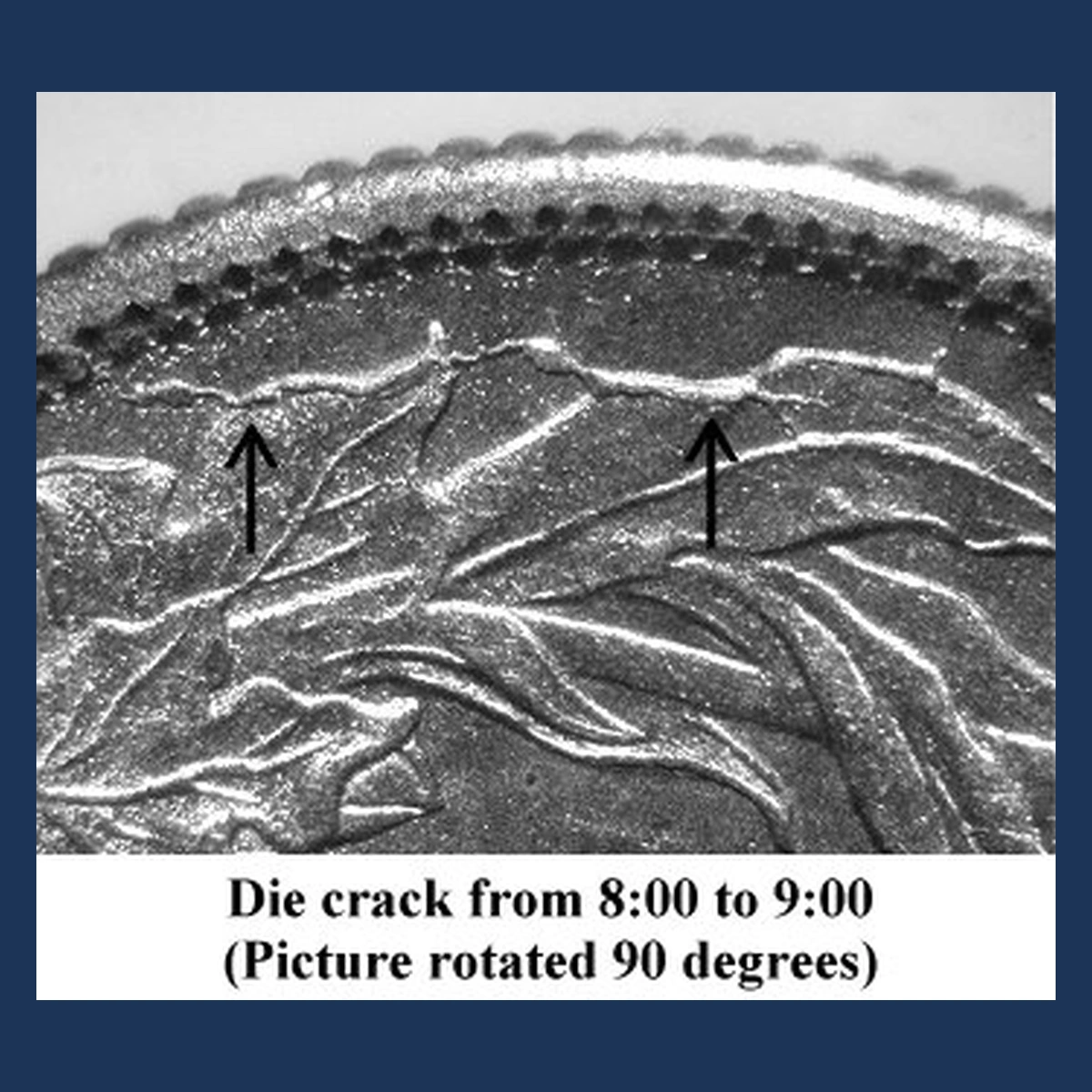
Raised lines can cross the wreath or lettering when silver fills cracks in a stamping tool. A larger broken section at the rim can leave a raised area called a cud.
Philadelphia examples include a back-rim cud near one to two-thirty o’clock. Other tool stages have partly separated rim sections near eleven o’clock or seven to nine o’clock.
San Francisco has its own crack patterns near the date and elsewhere. A reworked crack beneath the bow appears on a Proof tool, made for striking specially finished collector coins.
Each pattern needs its own coin and finish identified.
Estimated Value
Estimate $25–$1,500 for ordinary coins with small cracks through clear rim-connected breaks. For a documented Proof example with the matching tool feature, use a whole-coin estimate of $500–$3,000.
Proofs were specially made collector coins, so their original finish contributes to the price. The combined group range is $25–$3,000.
A small line and a large missing-tool area have very different visual impact. Do not price every faint crack as a dramatic cud.
How to Identify
First decide whether you are examining a narrow line or a larger area joined to the rim. Their shapes call for different comparisons.
A narrow raised line can follow a crack in the stamping tool. Shine light across it to distinguish solid raised silver from the groove and pushed-up edges of a scratch.
For a rim break, look inside the outlined area for surviving design. A partly separated tool section can retain detail that a fully missing section would not stamp.
Match the Philadelphia clock positions separately, then check the mint and finish. The reworked line beneath the bow requires its own Proof-tool comparison.
Proof means specially made for collectors. Bright surfaces and one shared line do not establish that a coin was made as a Proof.
10. 1890 Liberty Seated Dime Single Off-Center Strike
A crescent of blank metal can remain when the disk sits partly outside the stamping tools. The intended design misses the metal on the opposite side.
The documented PCGS MS63 example was struck twenty percent off-center toward eleven o’clock. MS63 describes an unworn coin with noticeable marks.
An older catalog lists another example at fifteen percent toward ten o’clock, graded XF40. That coin has circulation wear and is a separate comparison.
The difference is not merely a larger border. An off-center strike leaves some intended design beyond the blank instead of keeping it all within an expanded outline.
Estimated Value
The PCGS MS63 twenty-percent example sold for $6,325 in August 2004. Estimate $500–$8,000 for genuine dated 1890 off-center dimes across worn and better-preserved examples.
Remaining date digits, clear unstruck metal, and original surfaces influence collector interest. The auctioned coin’s condition forms part of its high result.
The separate XF40 listing does not inherit that grade or price simply because its displacement is also toward the upper left.
How to Identify
Read the year within the surviving design, then locate the boundary of the unstruck crescent. Keep the entire outline in view while comparing the missing portion of the picture.
Turn to the other face and check that both designs fit the same displaced blank. A centered back with a shifted front can indicate a misaligned tool instead.
Under a magnifier, examine the unused metal for filing or grinding that removed previously struck detail. Original blank surface should differ from a scraped-out design.
Keep the twenty-percent MS63 and fifteen-percent XF40 examples separate when comparing photographs. Their amounts of displacement and wear belong to different coins, so the correct match includes both features rather than direction alone.
11. 1890 Liberty Seated Dime Double Strike with a Widely Displaced Second Impression
Two impressions can cross when a dime remains in the press and moves before another blow. Much of the second image may then miss the coin entirely.
One recorded 1890 example is labeled PCGS MS62 with its second strike seventy-five percent off-center. The original date remains visible.
Another published description identifies an MS63 coin with an eighty-percent second strike and misplaced date digits. That extra date-punch feature began on the tool, while the shifted second impression happened during striking.
Keep the separate labels and descriptions intact instead of assuming that every large double strike has the same measurements.
Estimated Value
Published Heritage auction highlights report $9,300 for the MS63 misplaced-date coin with an eighty-percent second strike. Estimate $1,500–$12,000 for comparably identified double strikes in different conditions.
A readable first date and clear surviving second impression help explain what happened. Damage or poorly separated images can reduce the appeal.
The misplaced digits belong to the same coin as that auction result. Their value should not be added again as a separate maximum premium.
How to Identify
Find the original date before tracing the second impression. The visible first design should identify the coin even where the later blow has stretched or flattened part of it.
Follow repeated pieces of lettering or the seated figure to see whether they fit a second displaced image. Random cuts should not be selected simply because they resemble a digit.
Inspect both faces for the relationship between the two blows. A later impression can flatten earlier detail, so all parts need not survive equally well.
Use the matching label when comparing the reported seventy-five- and eighty-percent examples. Those descriptions should not be combined into one exact measurement.
Check any misplaced digits separately against their date-punch pattern. They explain the tool, not the coin’s movement.
Conclusion
Estimated values of $20–$12,000 cover small repeated letters, larger blank defects, and dramatic repeated strikes. A digit hiding in clothing tells a different story from a second image spread across the coin.
Keep the mint, finish, and visible feature together when choosing a comparison. Original surfaces and complete photographs help separate genuine mint-made details from damage without disturbing the evidence that makes an unusual dime interesting.