1946 Dime Error List with Pictures

The Roosevelt dime’s first year offers more than one kind of doubled detail. A 1946-S coin with both back doubling and a repunched S sold for $2,760 in June 2020.
This guide to 1946 dime errors and varieties covers estimated values of $10–$3,000. The examples include repeated mint letters, unusual blank shapes, and coins with more than one mint-made feature.
Start with the coin’s shape or the affected design, then follow the matching section. Philadelphia, Denver, and San Francisco made silver circulation dimes in 1946; there were no regular Proof issues.
1. 1946 Roosevelt Dime Sans Serif S Mintmark Variety
The ends of the small S can differ in shape without a second letter being present. One 1946 San Francisco style lacks the projecting tips called serifs.
Collectors call it the Sans Serif S, and PCGS lists the variety as FS-504. It is a mint-letter style rather than a repeated punch or an accidental loss of coin metal.
Compare its complete shape with the other S styles used that year. Wear, blocked detail, and a flattened letter can hide an ordinary letter’s ends, so two blunt-looking tips alone do not establish this variety.
Estimated Value
For an identified Sans Serif S, use an estimated whole-coin range of $10–$200 across worn and ordinary unworn examples. The letter’s clarity and the coin’s overall preservation affect the comparison.
This range values a recognized mint-letter style rather than assigning a premium for a broken stamping tool. Exceptionally preserved coins can require their own grade comparison.
A worn S with its ends rubbed smooth should not receive a variety price merely because the remaining outline looks blunt.
How to Identify
Find the S to the lower left of the torch on the back. Photograph the entire letter sharply before enlarging its two ends.
Compare it with an identified FS-504 example and with the other normal 1946 S shapes. Flared tips and rounded tips belong to different punch styles.
Use a magnifier to inspect whether wear or blocked detail has simply obscured the tips. The full curve and proportions need to match, not only the ends.
Check for an extra raised letter outline as a separate feature. A repeated punch adds part of another S; the Sans Serif style concerns the shape of one letter’s original ends.
2. 1946 Roosevelt Dime Broadstrikes with Expanded Borders
A complete dime design can sit inside a wider outline when metal spreads beyond its usual boundary. The collar, the ring that controls the edge, did not restrain the blank normally.
A Philadelphia broadstrike was graded NGC MS66 Full Bands, an unworn coin with very few marks. Full Bands means clear separation in the torch bands, not another error.
A separate San Francisco example is described as an uncentered broadstrike, nearly cent-sized. ANACS graded it AU50 with cleaning, meaning light wear and altered surfaces.
Its design sits unevenly within the spread metal rather than running off the edge.
Estimated Value
The Philadelphia MS66 Full Bands coin sold for $99 on July 15, 2021. Estimate $25–$300 for comparable simple broadstrikes across different amounts of expansion and preservation.
The San Francisco AU50 example has noticeable light wear and cleaning, which should be assessed separately from its widened outline. A larger diameter does not remove those condition issues.
A complete readable design and original edge make the spread easier to appreciate. Later flattening does not qualify as an original broadstrike.
How to Identify
Read around the outer lettering on both faces and check that all intended design remains on the metal. A broadstrike can place that complete image unevenly inside a widened border, unlike an off-center strike that loses outer detail.
For a loose coin, measure its width in several directions against the usual 17.9 millimeters. The San Francisco coin’s near-cent-size description is approximate, so record actual measurements rather than assigning a diameter from that phrase.
Examine the widened border and adjoining design for evidence that they formed together during striking. Hammering a finished dime wider crushes existing features, while cleaning can leave fine surface scratches without explaining an originally expanded outline.
3. 1946 Roosevelt Dime Repunched D and S Mint Letters
Parts of an earlier D or S can survive beside the final mint letter. Workers added the letter to the stamping tool by hand, and a shifted punch could leave more than one impression.
The 1946 catalogs record many Denver and San Francisco patterns. Some show an extra curve above, below, or beside the main letter, while others preserve parts of three or more impressions.
These belong to the same repunching process. Each pattern still needs its own match, and a repeated letter differs from a normal change in letter style.
Estimated Value
Estimate $15–$350 for identified minor repunched mintmarks across the reported patterns and ordinary conditions. Strong visible letter remnants on attractive surfaces can draw more attention than faint traces hidden by wear.
Some San Francisco repunched letters occur with doubled back designs. Those combinations need a whole-coin comparison, rather than separate maximum prices added together.
The estimate applies to a matched original letter pattern. A scrape, a small raised deposit, or a flat striking shelf is not another punch impression.
How to Identify
Read the actual D or S beside the torch base. Philadelphia dimes normally lack a mint letter, so their blank space is not a repunching error.
Outline the main letter in a close photograph, then trace the extra curved and upright strokes. They should fit earlier copies of that same letter.
Compare a catalog photograph with the same mint and direction of overlap. Two patterns with extra strokes above the letter can still have different surviving shapes.
Change the light to check the extra metal’s height. A flat shelf caused during striking does not form the same repeated letter structure.
Inspect any doubled back lettering separately. Sharing a coin with a repunched letter does not make every nearby thick word a doubled die.
4. 1946 Roosevelt Dime San Francisco Broadstrike with a Straight Clip
One San Francisco dime combines an incomplete blank with metal that spread outside normal collar control. It has a straight clip described as twenty percent and weighs 2.1 grams.
The blank was already short of metal when it received the design. The broadstrike then changed the shape of the remaining disk rather than supplying the missing portion.
NGC gave the coin an Uncirculated Details designation because of a wheel mark on its front. That mark is later damage, not a third minting error, and the coin should not be treated as an undamaged numerical-grade example.
Estimated Value
The 2.1-gram combined-error dime sold for $109 on June 12, 2023. Estimate $50–$500 for comparable authenticated clipped broadstrikes.
The missing edge and expanded border should be understandable together. Cleaner surfaces can improve presentation, while the recorded wheel mark affects this specimen’s condition.
The price belongs to one coin with two original defects and later damage. It should not be split into separate purchases or increased by counting the wheel mark as another error.
How to Identify
Examine the straight gap first, looking at the struck rim where it meets each end. File marks or a sharp cut through finished detail would suggest later alteration.
Then follow the remaining outline to find the metal that spread beyond the intended border. The clip and the broadstrike should explain different parts of the same coin.
Compare the reverse mint letter and date with the holder to preserve the San Francisco identity. The recorded 2.1 grams belongs to this specimen.
Inspect the front wheel mark separately from the original missing edge. Do not use that damaged surface to identify the clip or mistake the Details designation for a clean numeric Mint State grade.
5. 1946 Roosevelt Dime Elliptical Blank
An oval blank leaves less room for the dime design along its narrow sides. The surviving portrait and letters meet a different outline from the expected round disk.
A Philadelphia 1946 example is cataloged as struck on an elliptical blank and graded PCGS MS65. That grade describes an unworn coin with relatively few marks.
The published description gives no measured weight for this coin. Its edge and surviving design must explain the oval outline.
Filing or squeezing a finished dime can also change its shape. Even a round coin can look oval in a photograph taken at an angle.
Estimated Value
The PCGS MS65 elliptical-blank dime sold for $89 on April 15, 2020. Use an estimated $50–$500 for comparable authenticated examples in different conditions.
Readable identity and an undisturbed edge help collectors understand the unusual outline. A sharply preserved design can show where the limited blank space affected the strike.
A later-trimmed or squeezed dime does not belong in the same range. Its oval shape must reflect the original blank rather than damage to a completed coin.
How to Identify
Take a straight-on photograph of each face before judging the outline. A tilted round coin can look oval in a picture.
Follow the narrow sides and see how the original lettering meets the edge. Limited blank space should explain the missing outer detail.
Inspect the entire edge for filing, cutting tracks, or marks from squeezing. Compare both faces for damage that might have stretched a finished dime.
For a loose candidate, record its weight and both main diameters without squeezing its edge. A normal silver dime weighs 2.50 grams, but that standard is not a measured weight for this auction coin.
6. 1946 Roosevelt Dime Front Struck Through a Die Cap
A coin stuck to a stamping tool can form a cap over it. A later blank receives an altered impression through that covering instead of direct contact with the normal tool face.
The reported 1946 example has the front struck through a die cap. NGC graded it MS67 Full Bands, describing an exceptionally clean unworn coin with sharply separated torch bands.
This is the coin struck through the covering, not the cap itself.
The auction title also calls it clad, although normal 1946 dimes are silver. That conflicting word does not establish a wrong-metal error.
Estimated Value
The cataloged MS67 Full Bands example sold for $84 in July 2021. For an authenticated 1946 dime struck through a cap, estimate $75–$750.
Clear front-side distortion with preserved identity makes the error easier to appreciate. Sharply formed detail on the other face can also help explain what happened.
Compare the original surfaces as well as the distorted design. A portrait removed by grinding or polishing does not belong in the same price range, even with a sharp back.
How to Identify
Check the date and complete holder label against the original auction photographs. The title’s conflicting clad wording requires a separate check of the coin’s metal, not an assumption of a second error.
Compare the front and back for differences in how well the design formed. A cap covering one tool can alter its impression while the other face remains more normal.
Use side lighting to find surviving design inside the front’s weakened area.
Inspect for scratches or smooth polished patches that could show someone erased a finished portrait. Those later marks do not explain an original strike through a cap.
Keep a certified coin sealed and seek expert examination that leaves it undamaged. Photographs should include both faces and the complete label.
7. 1946 Roosevelt Dime Reported Sixty-Five Percent Off-Center Strike
Most of the design can miss the metal when a blank sits far to one side of the press. The finished dime then combines a small struck portion with a large plain crescent.
A 1946 auction listing describes an NGC MS65 example as sixty-five percent off center. That figure concerns displacement of the strike, not a loss of sixty-five percent of the silver.
The surviving year needs to be visible in its own photographs. An undated Roosevelt dime or a coin assigned only to the silver-era date range cannot establish the same specific 1946 identity.
Estimated Value
For an authenticated and identifiable 1946 off-center dime, estimate $50–$800. The reported sixty-five-percent example needs its own condition comparison within that broader range.
A later 1967 clad dime fifty percent off center sold for $93 in January 2022. Its different year and metal make it context rather than an exact match.
A readable date improves usefulness to a year collector. Heavy marks or loss of identifying detail can limit appeal despite a dramatic amount of plain metal.
How to Identify
Read the remaining date before judging the size of the plain area. A silver Roosevelt dime’s general style cannot narrow an unreadable year to 1946.
Check both faces for incomplete design meeting the same original outline. The bare crescent should remain intact blank metal, not a space created by grinding away finished letters.
Do not infer Philadelphia solely because the back-side mintmark area missed the strike. Any surviving mint evidence needs to be examined directly.
Compare the actual coin with its listing photographs before using the sixty-five-percent description. A broadstrike instead retains its intended design inside extra metal, while a misplaced tool may shift only one face.
8. 1946 Roosevelt Dime Doubled Designs and San Francisco Mintmark Combinations
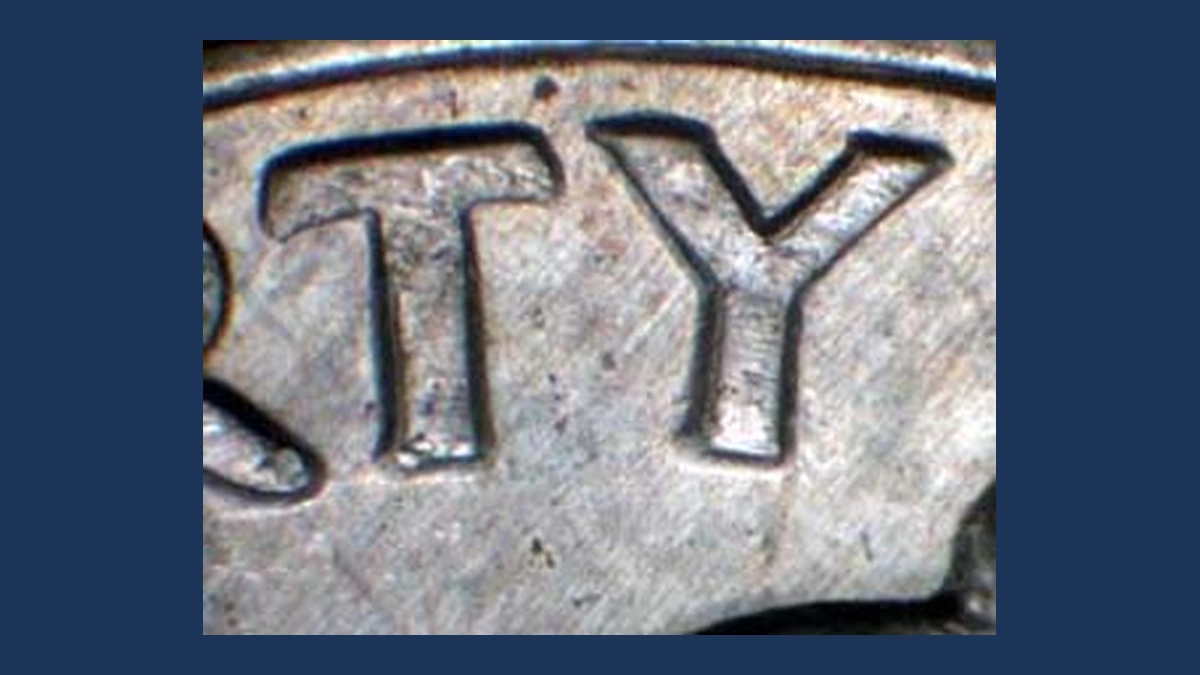
Repeated outlines can appear on the date, motto, portrait, or back lettering when a die already carries a doubled design. A die is the steel tool used to stamp the coin.
Philadelphia, Denver, and San Francisco all have cataloged 1946 doubled dies. Their repeated shapes differ by mint and by individual tool.
Some San Francisco back varieties also occur with repunched S letters. Both effects can therefore appear on one coin.
The San Francisco FS-501 and FS-502 combinations need separate comparisons. A named pattern must match its own repeated design, not just any extra edge around a nearby letter.
Estimated Value
A San Francisco FS-501 combination graded MS68 Full Bands sold for $2,760 in June 2020. That exceptional preservation is part of its value.
PCGS also records a Philadelphia FS-101 front-and-back doubled MS64 dime at $750 in March 2021 through eBay. These are separate varieties and sales.
Estimate $20–$3,000 across identified minor patterns and exceptional combinations. Price the complete coin; doubled lettering and a repunched S on one specimen are not separate amounts to add.
How to Identify
Find the D or S beside the torch base, or establish that the mint-letter space is blank, before choosing comparison photographs. Then match the affected front details, such as the date, JS initials, LIBERTY, or motto, to that specific variety.
For San Francisco FS-502, compare the lower-right extra S with back doubling strongest toward the left in the motto and nearby design. Use separate photographs for FS-501 rather than carrying those positions over to the other combination.
Examine several connected points under changing light to distinguish raised repeated shapes from flat shelves caused during striking. Faint doubling shared by many dies does not identify a valuable named variety simply because one letter looks thick.
Conclusion
The estimated $10–$3,000 range spans distinct mint-letter styles, expanded or incomplete blanks, and doubled designs in exceptional condition. A small letter variation and a dramatically misshapen disk need different comparisons.
Choose the correct mint and visible feature before using a price. Keep the surfaces untouched, and compare a complete design inside spread metal separately from a strike that loses part of its design beyond the edge.