1961 Dime Error List with Pictures

The extra outlines on a 1961-D dime’s back helped make one MS65 example a $125 eBay result in August 2019, as recorded by PCGS.
A thread caught during striking left a very different mark on a Proof, a specially made collector coin.
This 1961 dime error list covers estimated values of $10–$1,500, including reported categories that need an individual coin examined.
Use the comparisons below to separate doubled details, missing metal, and damage on these silver dimes.
1. 1961 Roosevelt Dime Small Raised Die Chips
A little raised bump can form when a small piece chips out of a die, the steel stamping tool. The next blank’s metal fills that small opening and copies its shape.
These bumps are reported on 1961 dimes. One cataloged Proof doubled-die example also has a small forehead chip and another below the first A in AMERICA.
Proof means a specially made collector coin. The chip locations help compare that particular stamping tool.
Not every forehead bump belongs to this variety. Nor does a bump alone prove that an ordinary dime shares the Proof’s doubled design.
Estimated Value
A modest chip can put a collectible example in an estimated $10–$150 whole-coin range, depending on finish and preservation. The comparison is with small raised tool flaws on similar silver Roosevelt dimes.
A clear, original bump is easier to study than a tiny spot hidden by wear. On a coin that also has a doubled design, judge the complete coin once; do not add two independent prices simply because the same example shows both features.
How to Identify
A bump should rise from the coin’s own surface, rather than rest on it like glue or solder. Move a lamp across the spot while examining its base through a 10× magnifier.
For the particular Proof discussed here, compare both the forehead and the area below the first A in AMERICA. Having just one vaguely similar bump does not identify the same tool.
Check nearby scratches and contact marks too. A hit can push metal into a raised lip beside a hollow, which differs from a bump formed in a chipped tool.
Photograph the spot from two angles without cleaning it. A continuous, naturally struck connection between the bump and surrounding design is the most useful visible clue.
2. 1961 Roosevelt Dime Repunched D Mintmark
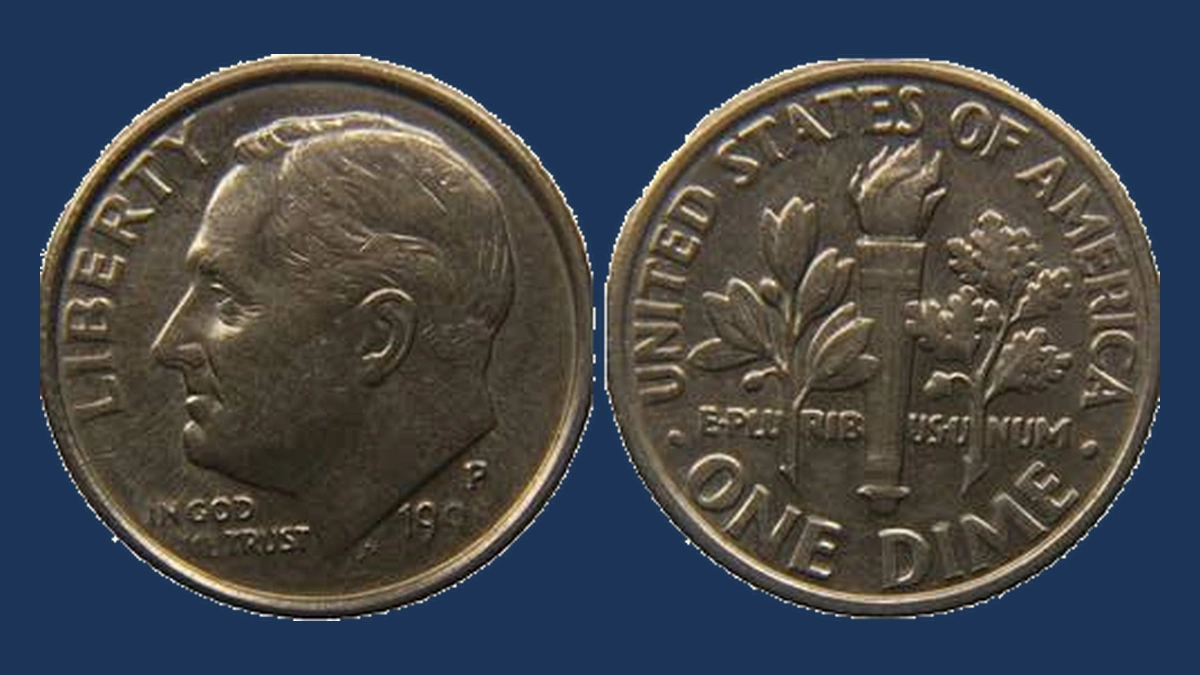
A second small outline around D can come from a mintmark punch applied twice to the stamping tool. The second impression may not line up exactly with the first.
Coins made from that tool can preserve part of the earlier letter. Collectors call this a repunched mintmark, often shortened to RPM.
A collector’s record lists a 1961-D/D RPM-001 dime, but the readable listing does not settle the direction of the extra impression. The D belongs on the back, left of the torch, rather than near the date as on later Roosevelt dimes.
Estimated Value
For a correctly matched repunched D, estimate $15–$175 across worn and attractive unworn examples. This range compares minor silver-dime mintmark varieties, rather than treating the collector’s listing as a completed sale.
An extra curved stroke that stays clear under normal magnification can add interest. Wear, scratches, and flat strike doubling can obscure or imitate it, so the strength of the actual letter detail matters more than the size of an enlarged photograph.
How to Identify
The D you need is on the back, immediately left of the torch. Start with a photograph that shows that position, then enlarge the letter itself.
Trace the D’s upright stem and curved bowl. Look for a separate rounded stroke that could belong to an earlier impression of the same letter.
Compare the whole pattern with an identified 1961-D/D example, using a 10× magnifier on the coin. This prevents an isolated scratch or bright edge from doing all the work.
Change the light direction. A real extra stroke stays in place even when its shadow moves.
Low, flat shelves may come from strike movement. Favor a consistent second-letter shape over general thickness, without assuming a direction for RPM-001 that the available record does not establish.
3. 1961 Roosevelt Dime Front Metal Lamination
A strip of silver alloy can lift where the blank contains a weak layer. The design may remain on the lifted metal or be interrupted where a piece falls away.
This is a lamination flaw within the alloy. A 1961 dime is not built from copper-nickel outer sheets around a copper core, so peeling should not be explained as loss of modern clad plating.
An NGC AU58 example is cataloged with front lamination. A dealer list also mentions a head-area flaw, but the records do not establish that these descriptions refer to the same physical dime.
Estimated Value
The NGC AU58 dime sold for $32 in January 2016. Estimate $25–$200 for genuine front laminations with different levels of wear and visible separation.
AU58 means only slight wear. An intact lifted strip can help show how the metal failed.
Corrosion or fresh scraping makes a rough patch harder to understand. Consider the flaw’s size alongside the remaining date, portrait, and original surfaces when comparing prices.
How to Identify
Leave lifted metal attached. Photograph the edge of the separation through a 10× magnifier instead of probing underneath it.
A loose coin with all metal present may still approach 2.50 g on a scale. If a flake has detached, record the lower weight without assuming the exact amount that originally broke away.
Calipers should compare intact parts with the usual 17.91 mm diameter. Use side lighting to inspect where the natural layer rejoins the surrounding silver alloy.
A later gouge cuts through finished design and may pile metal beside the cut. The useful clue is an internal separation boundary, with original detail continuing onto any surviving flap.
4. 1961 Roosevelt Dime Broadstrike
A broadstrike can leave extra metal outside the normal circle of the design. The collar, a ring surrounding the blank, did not contain the metal during striking as intended.
The blank spreads sideways, potentially leaving weak or missing edge grooves. Its design can remain complete even if it sits unevenly inside the enlarged border.
The year report includes broadstrikes for 1961 without identifying a particular measured specimen. An oversized appearance needs to agree with the strike and edge, since flattening or squeezing a finished silver dime can also make it look wider.
Estimated Value
For a genuine dated 1961 broadstrike, estimate $30–$200. This compares uncomplicated silver Roosevelt dime broadstrikes with complete designs and varying amounts of wear.
A clean expanded border can be easy to display, but diameter alone does not set the price. Original surfaces, a clear date, and naturally formed edge detail help explain the error.
Later hammering or squeezing can also widen a dime. That damage reduces its collectible value rather than adding a genuine error premium.
How to Identify
Inspect the border from several points around the coin, not only its widest-looking side. A 10× magnifier should show whether metal flowed outward during the strike or was flattened afterward.
Calipers can record the outline in two directions against the normal 17.91 mm. Use a scale to compare a loose example with 2.50 g, since expansion need not remove metal.
Turn the coin over and trace the outer letters and design. The intended image should still lie on the blank.
Examine the edge grooves for the effect of lost collar contact. Original outward spread around a complete design is more convincing than a broad rim with crushed surrounding detail.
5. 1961 Roosevelt Dime Partial Collar or Railroad Rim
A step around the edge can form when only part of the blank enters the collar. The ring contains one portion while another spreads more freely during the strike.
The result is often called a railroad rim because the two levels resemble tracks. It is an edge feature, not simply a second circular line seen from above.
A year guide reports the effect on 1961-D dimes without giving one measured example. Both the level change and the edge grooves need inspection before deciding that an odd rim records partial collar contact rather than later pressure.
Estimated Value
An estimated $30–$250 covers identified partial-collar errors on comparable silver Roosevelt dimes. The range depends on the visibility of the edge step and the coin’s overall preservation.
A clear change between grooved and less-contained metal is easier to explain than a faint line around the face. Damage from rolling, squeezing, or mounting the coin can imitate an unusual rim, so that altered metal should not be priced as a genuine collar error.
How to Identify
Look at the coin edge-on first. Rotate it under a lamp to follow the height change around the circumference, using a 10× magnifier where the levels meet.
Note how the grooves continue or stop across that boundary. The stepped structure should fit different degrees of contact with the collar.
For a loose coin, use calipers to record widths at several positions against 17.91 mm. A scale should also compare its weight with the normal 2.50 g.
Examine both faces for crushing that could have formed the step later. A genuine change in the edge’s level and groove pattern is the starting evidence; a double circle around the portrait alone is insufficient.
6. 1961 Roosevelt Dime Struck Through Thread or Blocked Letter
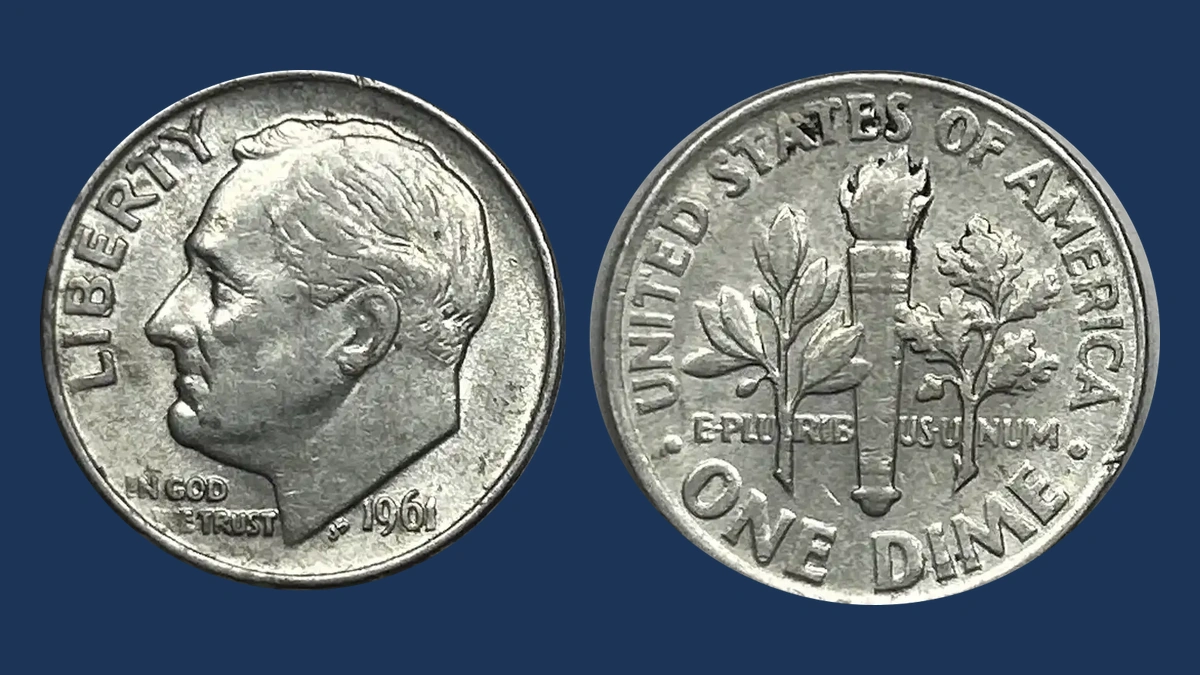
A fine sunken line can be the space where a thread blocked the stamping tool. The metal receives an impression of that obstruction instead of the full design beneath it.
A 1961 Proof example was cataloged as struck through thread in ANACS PR65. Its affected face and exact path are not established by the auction title.
Separate year reports mention a weak or missing I in IN GOD WE TRUST, with filled detail offered as the explanation. That letter’s appearance needs its own examination; it should not be attributed to the thread from the different Proof coin.
Estimated Value
The ANACS PR65 thread-struck Proof sold for $65 in September 2023. Estimate $40–$250 for comparable clear thread impressions on collector dimes.
A confirmed small filled-letter effect fits a lower estimated $10–$50 range. Proof surface quality and the impression’s visibility matter.
A missing I caused by wear or later removal would not qualify. Compare prices for the actual cause, rather than simply the amount of missing design.
How to Identify
Follow the Proof’s narrow hollow from one end to the other under side lighting. A 10× magnifier helps show whether it interrupted the design during striking or cut through finished details later.
Look along both sides for metal pushed up by a scratch. Keep the collector surfaces untouched, and do not probe the line.
The missing-I candidate needs a different comparison. Examine the empty letter position alongside the neighboring motto and the smooth background.
General wear may weaken several high details together, while scraping can leave directional lines or a disturbed patch. An original thread-shaped impression and a localized blocked letter should each have their own undamaged boundary, rather than share an explanation automatically.
7. 1961 Roosevelt Dime Off-Center Strike
The blank can enter the press away from its intended position. Part of each design then misses the metal, leaving a displaced image beside an unstruck crescent.
That is an off-center strike. A stamping tool shifted on only one face creates a different sort of uneven rim.
Year lists report this error for 1961 without specifying a mint, direction, or percentage for an individual example. A candidate needs photographs of both faces and its actual outline, rather than a label borrowed from a more dramatic off-center coin of another year.
Estimated Value
Estimate $30–$350 for a dated 1961 off-center dime with a clearly identified original strike. This compares silver Roosevelt examples ranging from small shifts to more dramatic, well-preserved errors.
A surviving date is useful when much of the intended design lies beyond the blank. Also consider scratches, remaining detail, and the original unstruck surface.
An extreme shift with no readable year is not automatically worth more. A moderate, attractive dated example can be easier for a collector to display and identify.
How to Identify
Find where the design ends at the metal’s edge. Then examine the opposite area where part of the blank remained outside the dies and received no design.
With a 10× magnifier, inspect that unstruck surface for original texture rather than grinding. Check that the year can actually be read as 1961.
A scale may still show nearly 2.50 g because the complete blank was simply misplaced. Calipers can document its shape against the ordinary 17.91 mm diameter.
Turn the dime over and compare the reverse. Both designs should be displaced relative to the same blank.
That two-sided displacement with an original blank crescent separates the error from a one-sided narrow rim or a coin cut after striking.
8. 1961 Roosevelt Dime Doubled Die on Proof or Denver Coins
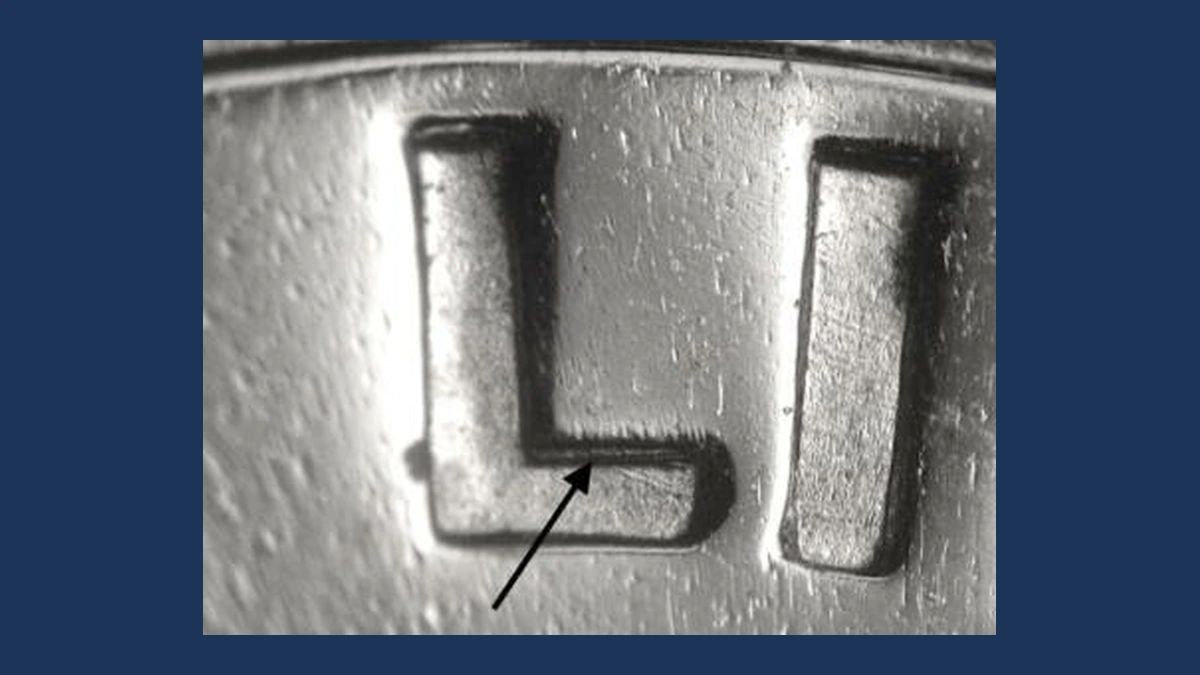
Some 1961 Proof dates have extra raised outlines, including a pattern with three images of the digits. Other Proof varieties show doubling in the initials, motto, reverse lettering, flame, or branches.
These details began in the stamping tools, not from striking the finished coin several times. Different patterns need their own photograph matches.
The ordinary 1961-D FS-801 dime has a separate doubled reverse, including lettering around the torch and ONE DIME. Its D mintmark and circulation-strike finish distinguish it from the Philadelphia Proof varieties, even when both show extra lettering on the back.
Estimated Value
PCGS records a $125 eBay result in August 2019 for the Denver FS-801 in MS65, an unworn grade with relatively few marks. Estimate $25–$300 for comparable Denver examples.
The separate Proof varieties fit an estimated $20–$500 comparison range, depending on the pattern and surface quality. Strong rounded separation is easier to demonstrate than faint thickness, and several cataloged patterns should not be priced as separate errors on one coin.
How to Identify
Choose the mint and finish before comparing the extra details. Denver’s D is left of the reverse torch, while the specially made Philadelphia Proofs have no mintmark.
For a Proof, compare its date, initials, or reverse with the appropriate catalog photographs carefully under a 10× magnifier. Match the complete, pictured pattern, since the different varieties do not all show the same doubled letters.
The Denver FS-801 needs its separate reverse comparison around the torch and ONE DIME. Follow several rounded extra outlines or split letter corners: flat, lowered shelves suggest movement during striking, and one thick letter is not enough.
9. 1961 Roosevelt Dime Curved Clip or Elliptical Blank
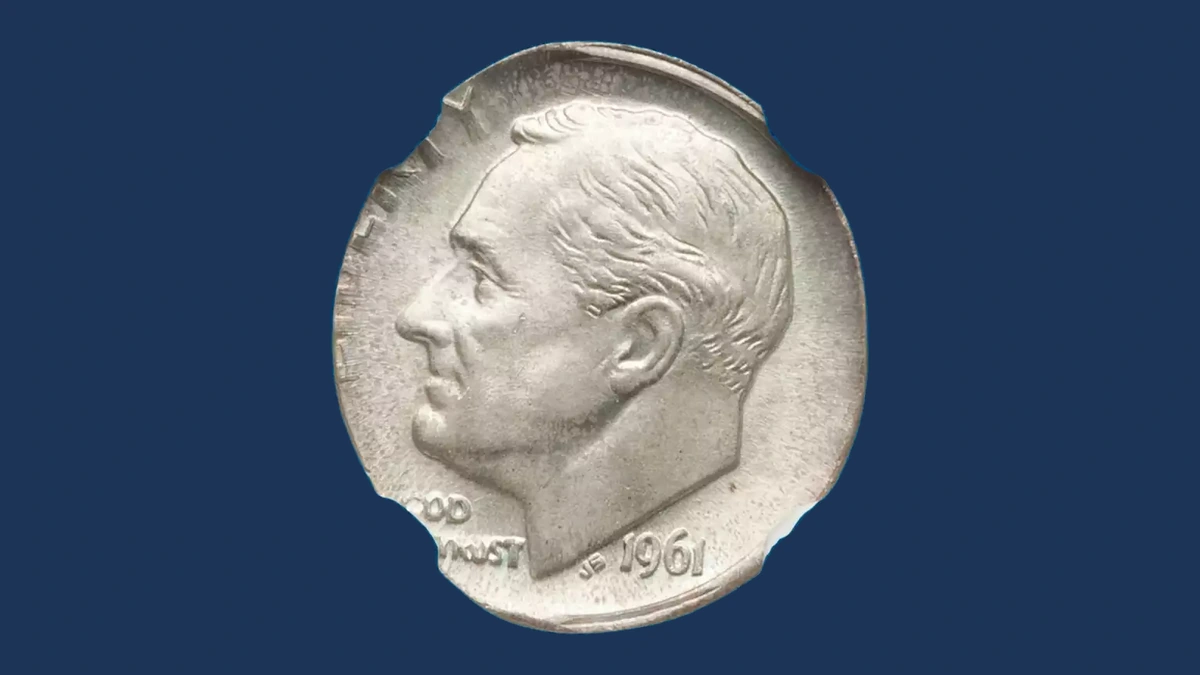
The documented elliptical dime has a long, narrow blank rather than the usual circular outline. Its NGC MS66 Full Bands record gives an actual weight of 1.8 g.
Full Bands means the small horizontal bands on the reverse torch are sharply separated. The unusual outline and low weight describe the blank without proving its exact cutting history.
A separate 1961-D NGC MS64 dime has a curved clip near 10 o’clock. It was offered with a 1963 dime, which is another coin and should not supply a second date, weight, or clip position for the 1961 example.
Estimated Value
For an identified elliptical silver-dime blank, estimate $150–$900, depending on shape, readable design, and preservation. Sharp torch bands and clean surfaces can make the unusual outline more attractive to collectors.
Ordinary curved clips fit an estimated $35–$250 range. The Denver clip’s auction included a 1963 coin.
Any combined total belongs to that pair. It cannot serve as the single 1961-D dime’s price, even when that coin has the more dramatic missing section.
How to Identify
Weigh a loose elliptical coin before treating it as an ordinary dime stretched by damage. The documented example’s 1.8 g is below the normal 2.50 g.
Use calipers to measure both its length and width against the usual 17.91 mm circle. Keep those measurements with photographs of both faces.
Inspect the curved sides through a 10× magnifier for cut grooves, crushing, or other later reshaping. The design and blank boundaries must fit an original strike.
For the separate Denver coin, examine the gap near 10 o’clock and both places where it joins the rim. Look for natural metal flow at those ends.
Supporting rim weakness opposite the gap can help. A curved bite alone does not establish when the metal disappeared.
10. 1961 Roosevelt Dime Folded Blank Candidate
A folded blank would contain metal doubled over before or during the strike. The overlap could create an unusually thick area and distort the design struck into it.
This mechanism is different from simply cutting away a section of the blank. A reported folded shape therefore needs evidence of overlapping metal, not only an incomplete round outline.
The 1961 year list mentions folded blanks alongside clipped blanks but does not establish one specific specimen. The category remains a reported candidate, with no exact fold direction, shape, or measured weight assigned to an actual 1961 coin.
Estimated Value
If a genuine folded-blank 1961 dime is identified, estimate $200–$1,500. This conditional range compares recognizable folded silver-dime blank errors, not a completed transaction for an established 1961 example.
A visible fold combined with a clear date and original design would help explain the process. Bending a finished coin can also create overlapping metal, so the stronger values require evidence that the strike occurred with the fold present rather than afterward.
How to Identify
Look for a real metal overlap, including an edge where one portion folds over another. A 10× magnifier can help distinguish that structure from an ordinary high rim or a missing piece.
Check how the struck design crosses the overlap. Later bending can distort existing letters without showing a strike into the folded metal.
Record a loose candidate with a scale and calipers. Compare its weight with 2.50 g and its outline with 17.91 mm, keeping actual measurements separate from those normal standards.
Do not unfold the metal to test it. The critical evidence is original struck detail shaped by the fold, together with an intact overlap that expert examination can explain.
Conclusion
Estimated values of $10–$1,500 cover small raised marks, unusual blank shapes, and larger striking errors. The strongest comparison uses the same mechanism, finish, and level of preservation.
Check the date and mintmark, photograph both faces, and keep the edge visible. A Proof’s thread impression, a Denver doubled reverse, and an elliptical blank each tell a different story, even though all belong to the 1961 dime series.