1959 Nickel Error List with Pictures

An opening along the edge, a copper-colored portrait, or an extra set of letters each tells a different story. The 1959 Jefferson Nickel errors below range from small tool defects to coins struck over finished pennies.
One 1959-D nickel with a staple pressed into its front sold for $780 in October 2021. Estimated values across these categories run from $5 to $3,000.
Follow the visible clues below to find out which kind you may have.
1. 1959 Jefferson Nickel Weak Details from a Filled Die
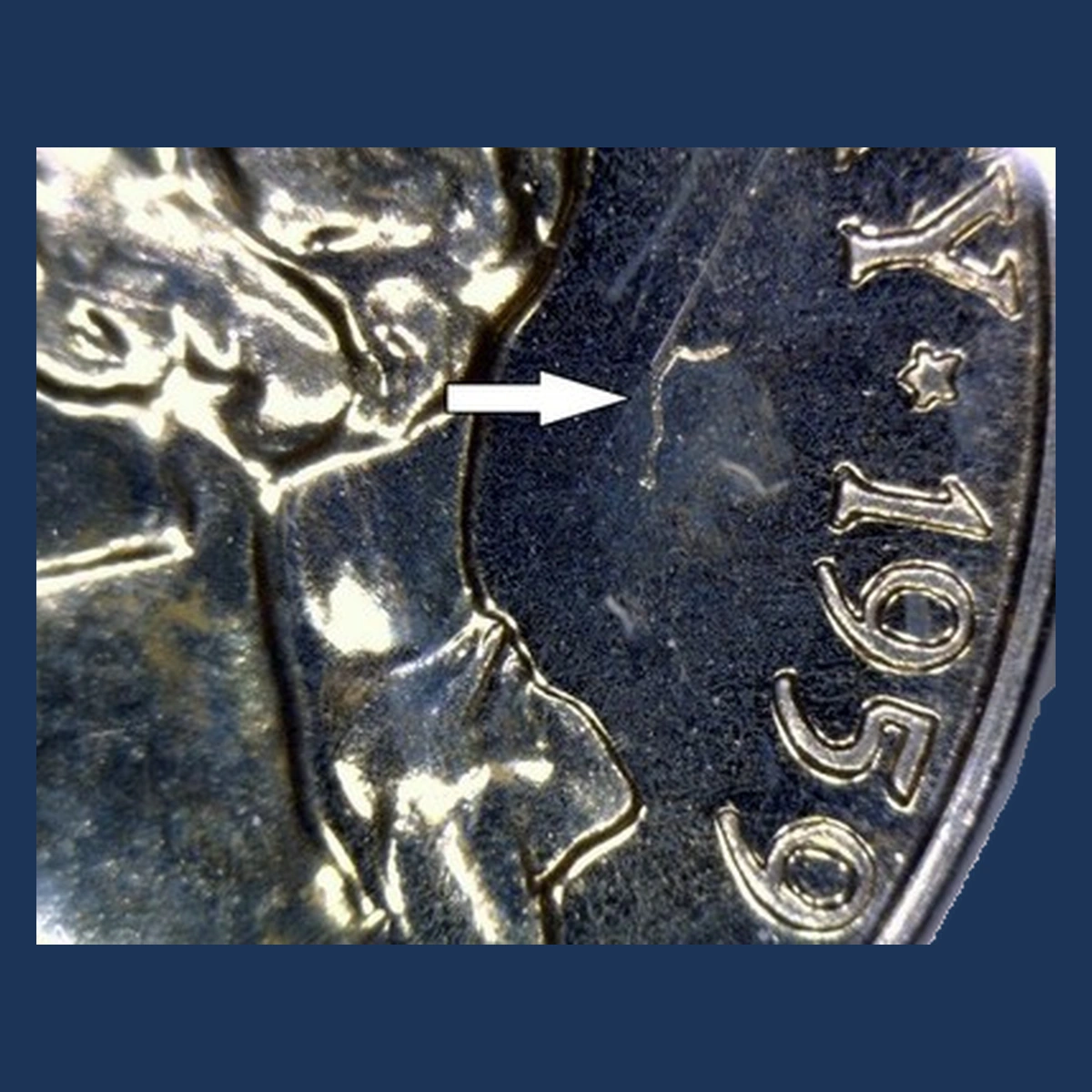
Monticello’s steps or nearby letters may look faint while surrounding details remain clearer. Grease and dirt packed into the stamping tool can block the recesses that normally form those raised features.
The tool is called a die, and this blockage is often called a filled die. It changes how the design reaches the coin without cutting metal away afterward.
Weak steps are also common on ordinary Jefferson nickels, however. A soft strike or circulation wear can produce a similar appearance, so faint steps alone do not prove a grease-related error.
Estimated Value
Estimate $5–$25 for a modest confirmed filled area and $25–$100 when a larger patch clearly interrupts the design. These are type estimates for genuine Mint-made weakness.
An ordinary softly struck nickel can lack an error premium even if the steps are hard to see. Strong nearby details, an obvious boundary to the weakness, and good overall condition make the explanation more convincing and the coin more appealing.
How to Identify
A scale and calipers help rule out a thin or altered coin before you judge weak details. An ordinary loose nickel should be close to 5 grams and 21.2 mm, with a plain edge.
Compare Monticello’s weak steps with the highest parts of Jefferson’s portrait and the surrounding letters, looking for a sharply limited area of missing detail. Wear tends to affect exposed points more widely, while a weak strike can soften details on both faces.
With a 10× magnifier, search the faint region for shallow surviving outlines and inspect nearby metal for scraping or polishing lines. Photograph the whole weak patch beside clearly struck details; that contrast is more useful than a blurry close-up of the steps alone.
2. 1959 Jefferson Nickel Repunched D Mintmark
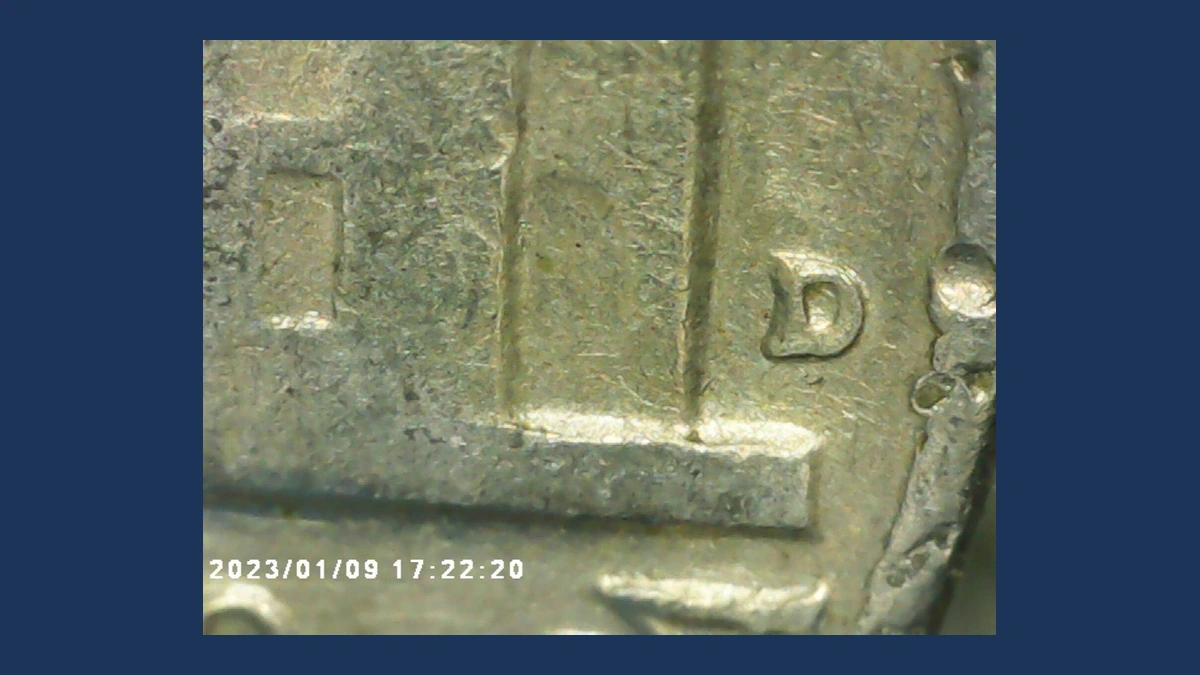
The D to the right of Monticello can contain pieces of another D. Before striking coins, a worker added this mintmark to the die with a small hand punch.
If another punch landed at a different angle or position, both impressions could remain. WRPM-003 and WRPM-006 show a D above the main letter, while WRPM-005 has an extra impression toward the upper left.
Other recorded varieties have tilted impressions. These small differences belong to separate tool varieties; they do not mean the nickel itself went through the press twice.
Estimated Value
For a clear match, allow an estimated $10–$50 in worn condition and $50–$150 for an attractive unworn coin. These are estimates, not sales assigned to each numbered variety.
The amount of visible extra letter matters more than a seller’s long list of catalog numbers. A scratch near the mintmark, or a D that merely looks thick, should not be priced as a confirmed repeated punch without matching its actual shape.
How to Identify
A normal loose 1959-D nickel has a plain edge and measures about 21.2 mm with calipers. A scale should read close to 5 grams.
Next, turn to the small D beside Monticello. Ignore the date while examining this feature.
Use a 10× magnifier to follow any repeated letter shape. Compare it with Wexler’s photographs of the tilted, northward, and northwest impressions.
Two varieties can have the same general direction, so a northward extra edge alone does not choose a catalog number. Match the D’s actual shape first, then the smaller surrounding marks.
A recognizable piece of a second D is the important starting point, rather than an unrelated nearby scratch.
3. 1959 Jefferson Nickel Improper Annealing
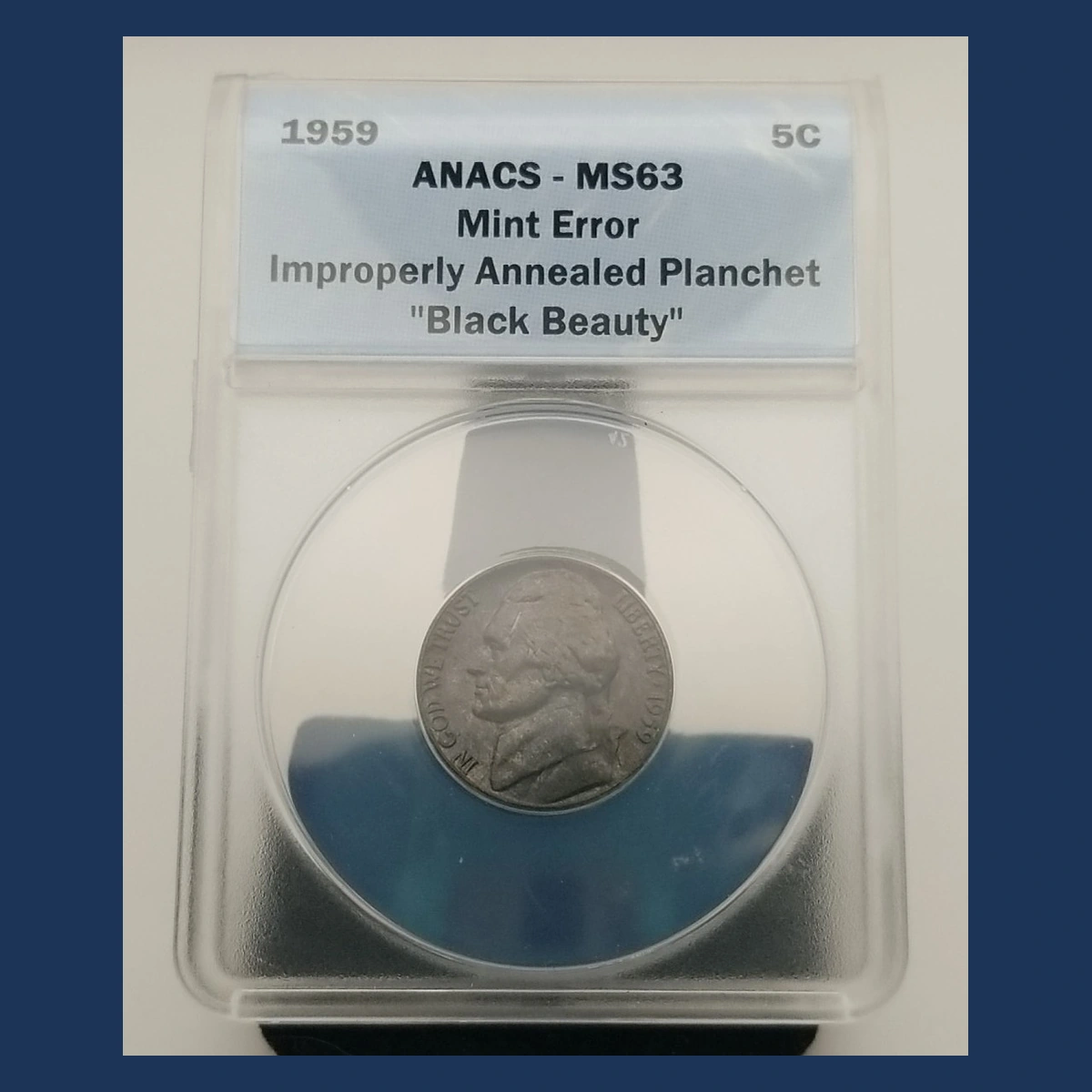
The recorded 1959 example has an unusual dark surface and an NGC MS65 grade. Collectors often call dark nickels “Black Beauties,” although the nickname alone does not explain their origin.
Before striking, the Mint heats blanks to soften them. This step is called annealing, and problems with heat or the furnace atmosphere can change the surface.
The coin remains a solid copper-nickel alloy, not separate copper and nickel layers. Later heat, chemicals, or poor storage can also darken a nickel, so an attractive black color is only the first clue.
Estimated Value
An estimated $25–$100 covers genuine examples with some wear, rising to $100–$300 for attractive unworn pieces. The recorded 1959 MS65 appeared in a four-coin lot, whose total is not an individual price.
A 1971-D nickel with improper annealing and a low D mintmark sold for $149 in July 2022. That different-year sale offers a useful comparison, while ordinary staining should not receive the same error estimate.
How to Identify
Use soft daylight or a neutral lamp and rotate the coin slowly. Look for original shine moving beneath the dark color, rather than a thick covering that hides the surface.
Examine the protected spaces beside letters with a 10× magnifier. Paint, corrosion, and chemical damage may leave crusts, pits, or residue that a Mint heating error does not require.
The plain edge should be checked as carefully as the faces. On a loose coin, use calipers and a scale to compare with the normal 21.2 mm diameter and 5-gram weight.
Do not rub a bright spot into the coin. Preserve the surface for an error specialist, since color and normal measurements cannot establish when the darkening occurred.
4. 1959 Jefferson Nickel Curved and Straight Clips
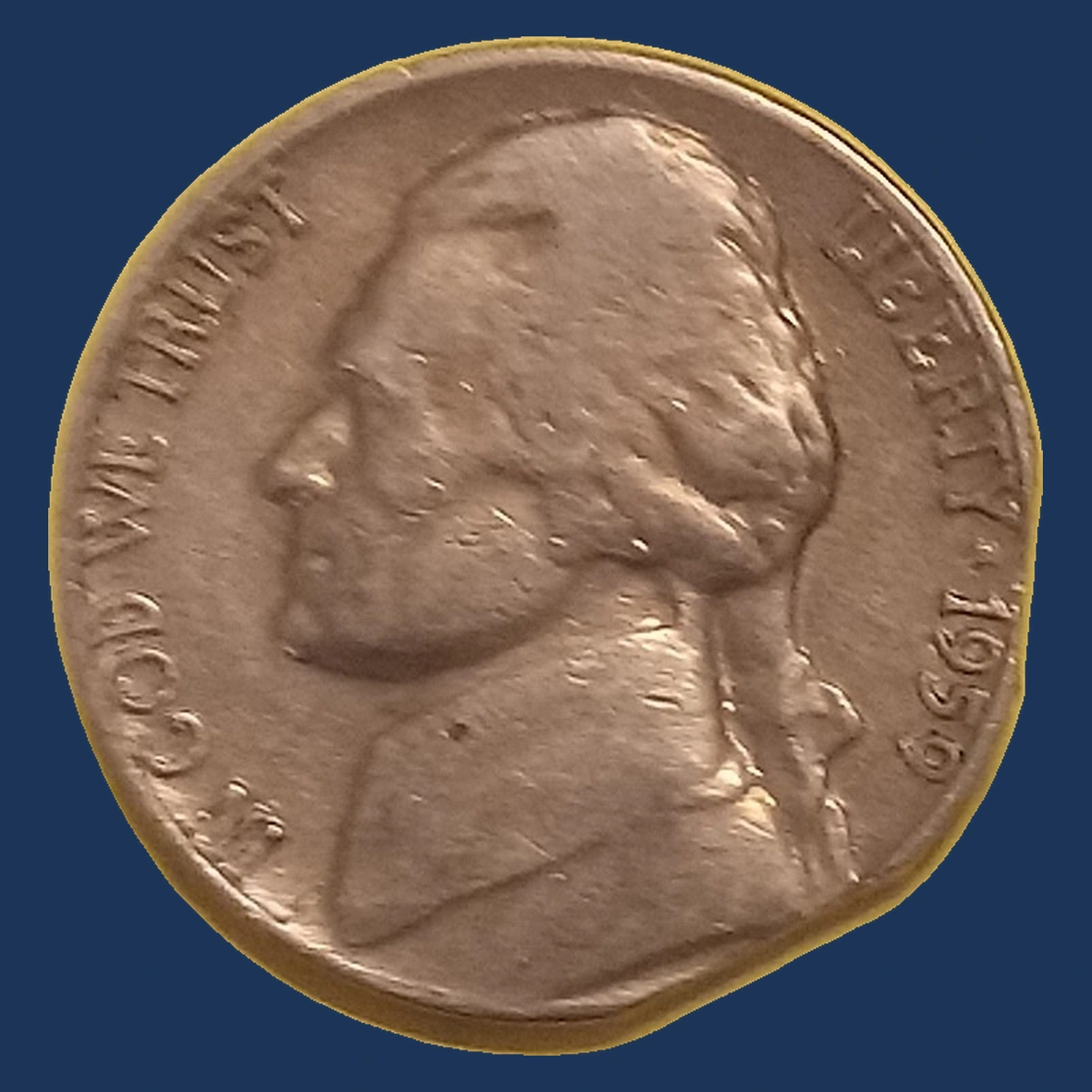
One clipped nickel has a bite-shaped gap; another can lose a straight section along its edge. Both begin when the blank is cut from metal strip with part of its intended area missing.
A curved clip can result from a cut overlapping an earlier hole. A straight clip can form when the cut reaches the edge of the strip.
These forms are reported for 1959, without one fixed size or position. The remaining metal receives the design, while the missing portion stays absent; a coin sawn or filed afterward is a different matter.
Estimated Value
Use an estimated $15–$75 for modest genuine clips and $75–$300 for stronger examples with a clear date. The range covers both reported shapes without assigning them an invented percentage.
A twenty-percent clip on a 1997-P nickel sold for $124 in March 2025, providing a different-year comparison. Larger gaps may attract more interest, but rough damage, cleaning, and loss of the date can reduce their appeal.
How to Identify
Weigh the coin first, comparing it with the normal 5 grams. A missing piece should reduce the weight, although filing or sawing can do that too.
Examine the gap with a 10× magnifier and follow its boundary through the design. Original flow and softened detail near the missing section support a clip that existed before striking.
Calipers can compare the surviving outside arc with the normal 21.2 mm diameter. Continue around the plain edge, watching for cutting marks, burrs, or freshly exposed metal.
Look opposite the gap for a weak rim, a helpful clue that is not present equally on every clip. Accept the missing section only when its boundary and striking effects agree, rather than relying on that rim alone.
5. 1959 Jefferson Nickel Doubled and Tripled Design
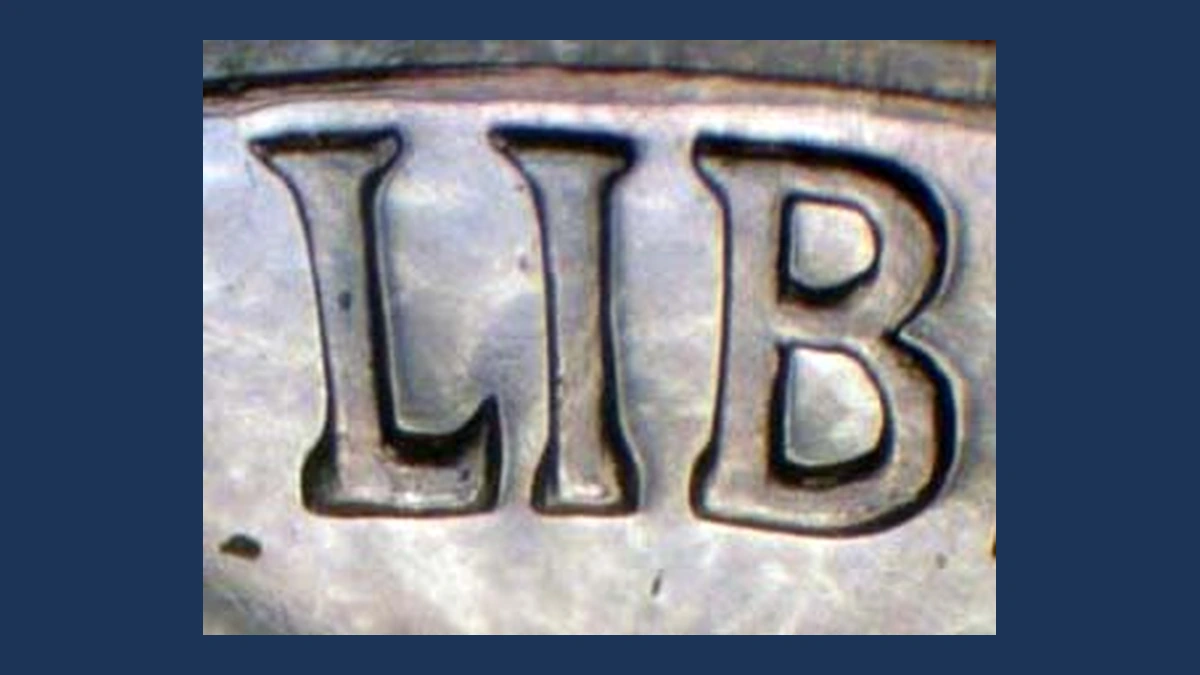
The Y in LIBERTY or letters around Monticello can show extra edges instead of one clean outline. A die can acquire those repeated details while its design is being made.
For example, Philadelphia Proof WDDO-003 has tripling at the lower part of the date’s 1 and the Y in LIBERTY. Proof means specially made for collectors.
Denver varieties instead include doubling in UNITED STATES OF AMERICA and E PLURIBUS UNUM. Philadelphia also has back varieties, but the pattern and finish must be matched separately rather than mixing features from several coins.
Estimated Value
Estimate $10–$75 for smaller identified varieties and $75–$400 for stronger examples with pleasing surfaces. Proof finish and condition can contribute to the whole coin’s value as well.
As a different-year comparison, a 1963 ordinary nickel with the FS-801 tripled back sold for about $277 in October 2014. That sale illustrates collector demand for clear tripling; it does not make every 1959 doubled letter worth the same amount.
How to Identify
Photograph the clearest repeated letter through a 10× magnifier. Does it have rounded extra outlines, or a flat shelf that looks scraped?
A scale reading near 5 grams and a caliper measurement near 21.2 mm establish the usual size of a loose nickel. The edge should be plain.
For Proof WDDO-003, compare the lower 1 and the Y in LIBERTY together. Damage to one isolated letter will not match both.
Denver back varieties require a different comparison: follow the spacing across UNITED STATES OF AMERICA and then E PLURIBUS UNUM. Match both words to the same variety photograph.
Confirm the finish before naming a Philadelphia variety, since both ordinary coins and Proofs lack a mintmark.
6. 1959 Jefferson Nickel Clamshell Split
An opening through the edge can make a nickel look like a partly opened shell. The metal has separated through its thickness while a section remains attached like a hinge.
This is called a clamshell split. Weakness inside the original blank allows the two parts to pull apart, exposing an internal surface.
A 1959-D example graded PCGS AU55 is recorded at 3.58 grams. Its unusually low weight is a fact about that coin, not a rule for every split nickel; a crack through a stamping tool creates raised lines instead.
Estimated Value
The recorded 1959-D PCGS AU55 example sold for $159 in June 2024. Estimate $100–$250 for an authenticated, stable split and $250–$500 for a more striking example with strong remaining detail.
The opening and attached metal are central to its appeal. A forced bend or a split made worse by handling does not add value, and the 3.58-gram weight should not be used to price unrelated specimens automatically.
How to Identify
Support the coin flat and look into the existing opening without pulling it wider. The attached area is fragile.
A 10× magnifier can show where the split follows the metal internally and where both parts remain joined. A saw cut may instead leave a regular channel with repeated tool marks.
Weigh the loose coin on a padded scale tray, noting the recorded example’s 3.58 grams against the normal 5 grams. Calipers can check the surviving diameter against 21.2 mm without closing the split.
The original outside edge is plain. Follow the natural internal separation to its attached hinge; do not confuse an opening through the coin with a raised crack line on its face.
7. 1959 Jefferson Nickel Off-Center Strike
Jefferson’s design can be pushed toward one edge while a blank area remains on the other side. The coin blank entered the press away from the intended center.
Only the metal beneath the stamping tools received the designs. Part of the portrait or surrounding letters may therefore disappear beyond the edge, even though no one cut the coin.
A 1959-D example is recorded in an error-auction table, and Philadelphia examples are also reported. The precise angle and missing-design percentage vary; neither can be determined simply from the coin’s year or mintmark.
Estimated Value
For a genuine example, estimate $50–$200 when the displacement is modest and $200–$600 when the design is more dramatically shifted. A clear date and mintmark help a buyer identify the coin.
These are estimated ranges rather than a price assigned to the table’s incompletely described 1959-D piece. Evaluate the remaining design and surface quality together, because a large offset that loses the date can be less desirable.
How to Identify
Inspect Monticello before looking at Jefferson: the design should also run off the back beside unstruck metal if the whole blank was misplaced. A shift confined to one face may instead come from a misplaced stamping tool.
Turn the coin over and compare the two directions of displacement, using a 10× magnifier to examine where the struck design meets untouched metal. Include the date and the back’s D, when present, in your photographs.
Use a scale to check for a weight near 5 grams, since this error usually keeps the blank’s metal rather than removing it. Check the plain edge and measure the widest span with calipers against 21.2 mm, allowing for spreading during the strike.
8. 1959 Jefferson Nickel Die Cracks and Rim Breaks
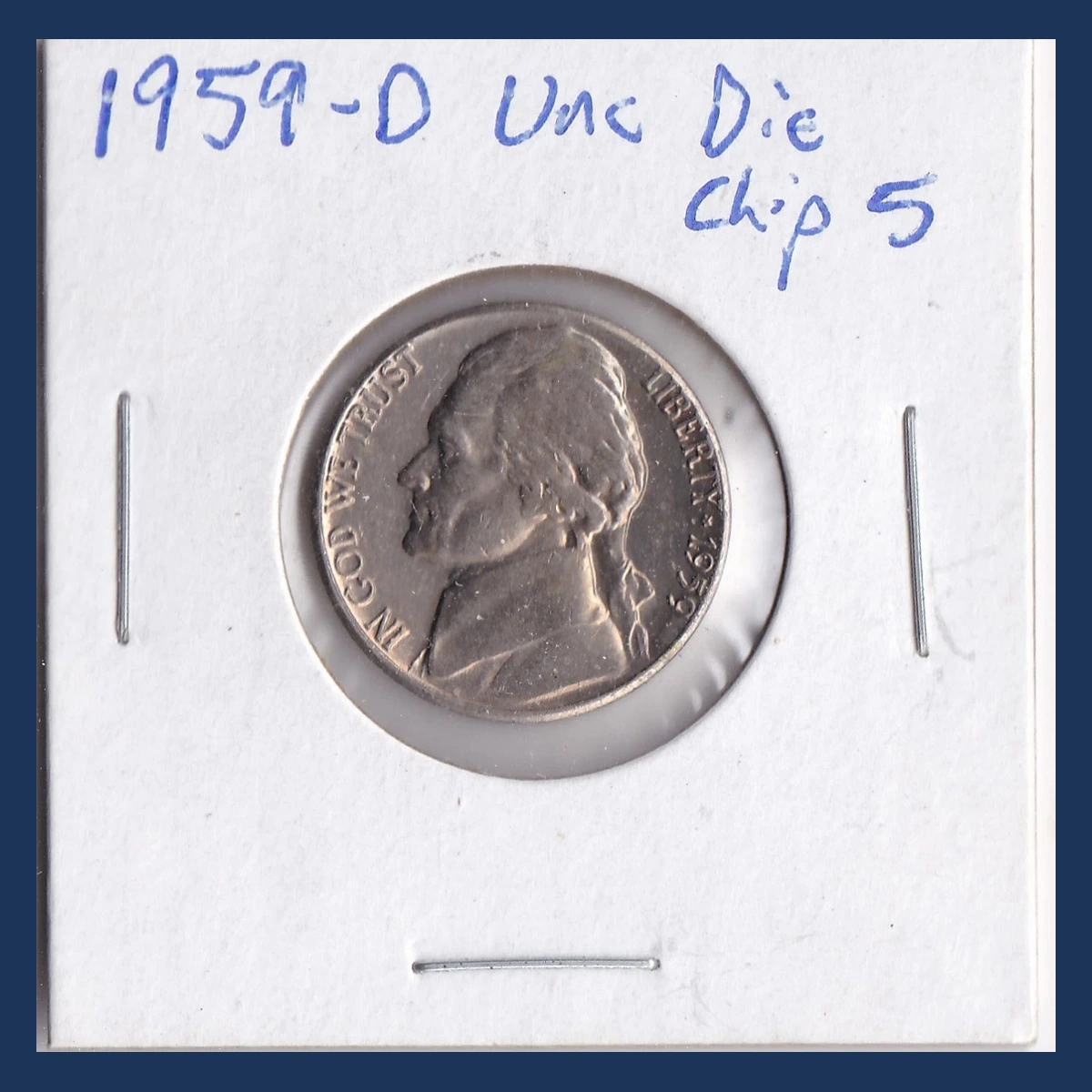
A raised line can appear when metal enters a crack in the stamping tool. If a larger piece of that tool breaks away at its edge, the coin can receive a raised blob joined to the rim.
Collectors call the rim-connected blob a cud. A 1959-D example is recorded in PCGS MS65 condition, while smaller crack and chip reports also exist for the year.
Their positions are not all alike. A line above Jefferson’s head helps identify one particular repunched-mintmark variety, but it is not a required feature on every 1959 cracked-die coin.
Estimated Value
A 1959-D cud graded PCGS MS65 sold for $504 in May 2021. Estimate $5–$50 for small cracks or chips and $100–$750 for larger, well-preserved rim breaks.
The size and visibility of the added metal explain much of that spread. A faint line should not inherit the price of a major cud, and later dents or solder attached to the surface do not qualify as die breaks.
How to Identify
Hold a lamp low to the coin and see whether the suspect line rises above the surface. A cut usually sinks into it.
Then inspect the line with a 10× magnifier. Displaced metal beside a scratch can mimic a raised feature, so examine both sides of it.
For a large rim blob, trace its connection to the original rim and look across to the opposite face for related weakness. Neither feature requires the crack pattern of a repunched-mintmark coin.
Check the loose coin’s weight and diameter with a scale and calipers: approximately 5 grams and 21.2 mm are normal. The edge should remain plain.
Look for one continuous original surface over the raised feature, without a join indicating that metal was attached later.
9. 1959 Jefferson Nickel Double Strike with a Blocked Back
The recorded 1959-D nickel received a second strike seventy-five percent off center. This left displaced design details rather than merely a doubled edge on individual letters.
The back was also described as uniface, meaning an area did not receive the normal back design during that strike. An obstruction between the coin and the tool can block that impression.
The example was graded NGC MS64. Its two effects belong to one striking sequence, but the exact direction and extent of the blocked area must come from that coin rather than a different double strike.
Estimated Value
The NGC MS64 example sold for $129.25 in January 2016. Estimate $100–$300 for a comparable double strike and $300–$750 for a more dramatic, well-preserved combination.
A large offset does not guarantee the highest price: the surviving first and second impressions need to be readable. A similar example listed in an earlier auction cannot be assumed to be the same coin solely because both received the same grade.
How to Identify
Find the smaller second impression before trying to name the blocked area on the back. Under a 10× magnifier, trace recognizable letters or portrait details where that impression overlaps and flattens the first.
Now turn the coin over and inspect the matching area: an earlier back design can survive even where the second back impression was blocked. Do not expect the entire face to be blank simply because the description uses “uniface.”
On a loose coin, a scale reading near the normal 5 grams is compatible with two strikes, since another blow need not remove metal. Measure expansion with calipers against the normal 21.2 mm diameter, then examine the plain edge and overlap for later impact damage.
10. 1959 Jefferson Nickel Struck Through a Solid Object
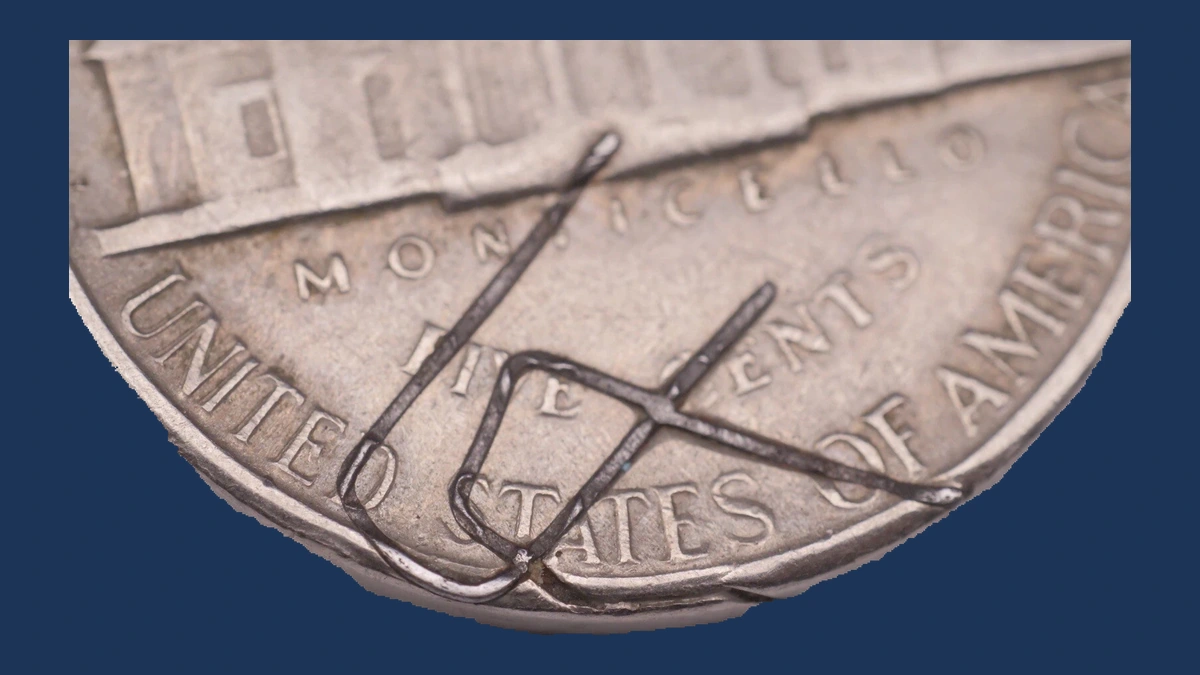
A piece of metal trapped in the press can interrupt the design and become embedded in the coin. Recorded 1959-D examples include a staple pressed into the back and another pressed into the front.
A separate report identifies retained wire from a wire brush. Its thin shape should not automatically be called a staple.
There is also an ANACS MS65 listing described as struck through fragments. These cases involve solid material between the coin and stamping tool, leaving physical impressions or retained pieces rather than the soft weakness caused by grease.
Estimated Value
The front-staple example graded NGC XF45 sold for $780 in October 2021. The back-staple NGC VF30 brought $528 in August 2020.
Estimate $50–$250 for smaller authenticated fragment impressions and $300–$1,200 for clear retained objects. The object’s visibility and original attachment matter greatly; the separate wire report should not inherit a staple coin’s exact sale price merely because both objects are thin.
How to Identify
Do not probe an embedded object with a needle. A loose piece can detach, taking important evidence with it.
Inspect its shape and the surrounding surface through a 10× magnifier. Check for struck metal pressed naturally around it, as opposed to adhesive or a gouge made afterward.
Confirm which face contains the object before comparing auction photographs. The front-staple and back-staple examples are different coins, and a strand of brush wire needs its own identification.
For a loose specimen, record its weight and diameter using a scale and calipers, with 5 grams and 21.2 mm as normal references. Examine the plain edge and opposite face for later impacts.
The undisturbed object-to-coin boundary is the most useful place to begin authentication.
11. 1959 Jefferson Nickel Wrong Blank
Some 1959 nickels are copper-colored because they were struck on metal meant for cents. The recorded Denver example weighs 3.08 grams, and its outer lettering stretches toward the edge.
A Philadelphia cent-blank coin has a similar expanded appearance with almost complete lettering. Philadelphia nickels of this year have no P stamped on them.
A separate 1959 nickel on a silver dime blank is reported in ANACS AU55 Details condition, with cleaning noted. That smaller silver blank is a different mistake; neither its color nor its weight should be borrowed from the cent-blank examples.
Estimated Value
The Philadelphia cent-blank MS64 Red and Brown sold for $564 in September 2019. The Denver NGC MS64 Red and Brown brought $624 in the same auction.
Estimate $300–$900 for comparable cent-blank nickels and $300–$1,500 for authenticated silver dime-blank pieces. The silver range is an estimate, with cleaning reducing appeal; it is not a quoted result for the reported AU55 Details coin.
How to Identify
Color can suggest where to start, but use a scale before naming the wrong blank. A normal nickel weighs 5 grams; the recorded Denver cent-blank piece is 3.08 grams.
Calipers should document the actual diameter rather than assuming every cent-blank strike remained cent-sized. The recorded examples spread enough to retain almost complete lettering, so compare that outward stretching with a normal 21.2 mm nickel.
Under a 10× magnifier, inspect the plain edge for plating, grinding, or an added coating. A silver dime blank normally starts at 2.5 grams, but that standard is not a measured weight for the reported cleaned coin.
Confirm the metal and measured weight together before deciding between a cent blank, silver blank, and altered normal nickel.
12. 1959 Jefferson Nickel Struck over a Finished Cent
This copper coin carries traces of two different denominations. A finished 1959 Lincoln cent entered the nickel press and received Jefferson nickel designs over its existing images.
The recorded NGC MS63 Brown example has the nickel’s front over the cent’s back. On the other face, the cent’s date survives near CENTS in the nickel design.
Collectors sometimes call such pieces “six-cent” errors because both denominations can be recognized. The nickname does not change their face value, and the surviving Lincoln design is what separates them from nickels struck on unused cent blanks.
Estimated Value
Allow an estimated $750–$3,000 for an authenticated example with readable traces of both designs. The recorded 1959 MS63 Brown coin has no sale amount quoted here.
For comparison, a 1975 nickel struck over a 1975 cent sold for $900 in August 2022. That different-year sale supports the general range, while the strength of the earlier date, surface quality, and overall readability determine how closely another coin compares.
How to Identify
Start near CENTS on the back, where the recorded coin preserves the earlier Lincoln cent’s date. Use a 10× magnifier to separate those smaller digits from the later nickel lettering.
Follow other surviving cent details across both faces, checking that their positions agree with the cent being struck beneath the nickel designs. A vague line or a copper color alone cannot establish an overstrike.
Weigh a loose example with a scale: a 1959 bronze cent normally starts near 3.11 grams, rather than the nickel’s 5 grams. Calipers can record spreading relative to the normal 21.2 mm nickel diameter, and the edge should remain plain.
The earlier cent date and recognizable cent design beneath the nickel impression provide the direct confirmation.
Conclusion
The estimated $5–$3,000 range for 1959 Jefferson Nickel errors covers very different coins. Weak filled details sit near the low end, while a nickel struck over a finished cent can bring far more.
Begin with what the coin actually shows: raised metal, missing metal, another design, or an embedded object. Keep fragile pieces untouched, and save clear photographs of both faces and the edge before seeking an expert opinion.