1935 Penny Error List with Pictures

Thick back lettering on a 1935 Wheat penny deserves a different check from two overlapping portraits. One can begin in the stamping tool; the other can record a second strike.
A doubled-front example sold for $396 at GreatCollections in 2012. Across the error types below, estimated values range from $2 to $1,500.
Read on for the features to compare, the difference between an asking price and a sale, and the basic checks for each type.
1. 1935 Lincoln Wheat Penny Die Cracks and Chips, Including BIE (Estimated Up to $75)
A raised thread of metal across the design may be a crack mark, while a small bump can come from a missing tool chip. Neither feature is cut into the penny.
The die, or steel stamping tool, had the damaged area. Coin metal filled it as the design was struck.
The 1935 reports include marks near Lincoln’s lower collar and on the Wheat back. A separate BIE report concerns a chip between B and E in LIBERTY.
That chip resembles an extra I. Interior bumps should not be called rim-connected cuds unless they actually join the coin’s rim.
Estimated Value
Most small genuine 1935 cracks and chips fit an estimated $2–$75 range. A visible BIE shape can be more appealing than a faint line that requires careful lighting.
The range compares minor Wheat cent tool breaks, rather than quoting a particular certified 1935 sale. There is no automatic premium for every tiny raised dot.
Collectors consider the whole coin, including wear and surface quality. A small break may add little to a heavily worn or damaged example.
How to Identify
Check the height of the mark before deciding what caused it. A 10× magnifier with light from the side distinguishes a raised line from a scratch cut into the surface.
Trace the feature through the design and note where it stops. For BIE, check specifically between B and E rather than looking for an extra letter anywhere in LIBERTY.
The plain edge should show no squeezing that could have pushed up metal. Use a scale and calipers to compare 3.11 g and 19.05 mm.
An ordinary crack or chip normally leaves the disc’s basic measurements unchanged. Confirm a naturally raised line or chip joined to the struck surface, with the letter-space location matching any BIE claim.
2. 1935 Lincoln Wheat Penny Die Clash (Estimated Up to $100)
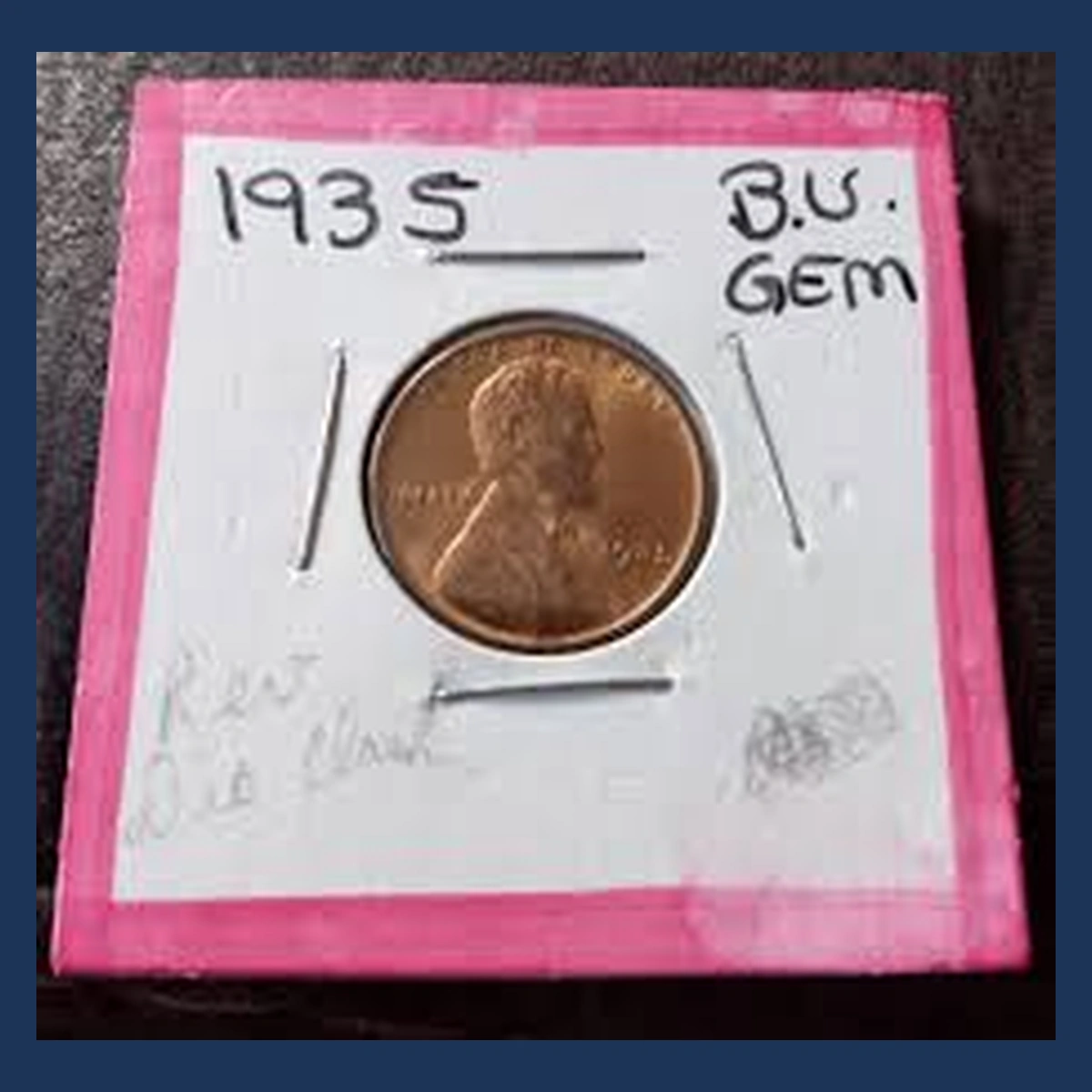
An outline that does not belong among the back’s letters may have come from Lincoln’s side of the coin. This can happen when the two stamping tools collide without a disc between them.
The collision leaves traces on the tools, which can then mark later coins. Collectors call the result a die clash.
The 1935 Philadelphia report places a clash trace between the lower parts of C and E in CENT. The surrounding Wheat design remains in its normal position.
The coin did not receive a second complete strike. The misplaced trace belongs to a different process from repeated lettering.
Estimated Value
A clearly matched 1935 clash has an estimated value of $5–$100. Visibility matters: a faint trace on a worn coin is less appealing than a distinct original outline.
This estimate uses minor Lincoln cent clash varieties as a comparison, rather than claiming a known auction price for this particular trace. The normal coin’s preservation still contributes to its value.
Scratches or tool-polishing lines do not earn the same premium merely because they appear in the reported area.
How to Identify
Find CENT on the back and inspect the space between the lower C and E. A 10× magnifier should reveal the trace without requiring you to imagine an entire portrait.
Compare its shape and placement with a photographed 1935 clash, then check the nearby letters for unrelated scratches. A random line in the right area is not sufficient.
The 3.11 g weight and 19.05 mm diameter remain normal; a scale and calipers provide those basic checks. Inspect the plain edge for alteration.
Keep the trace separate from any doubled lettering elsewhere on the coin. Match an opposite-side design remnant in the reported C–E area instead of treating a stray scratch as a clash.
3. 1935 Lincoln Wheat Penny Repunched Mintmark (Estimated Up to $150)
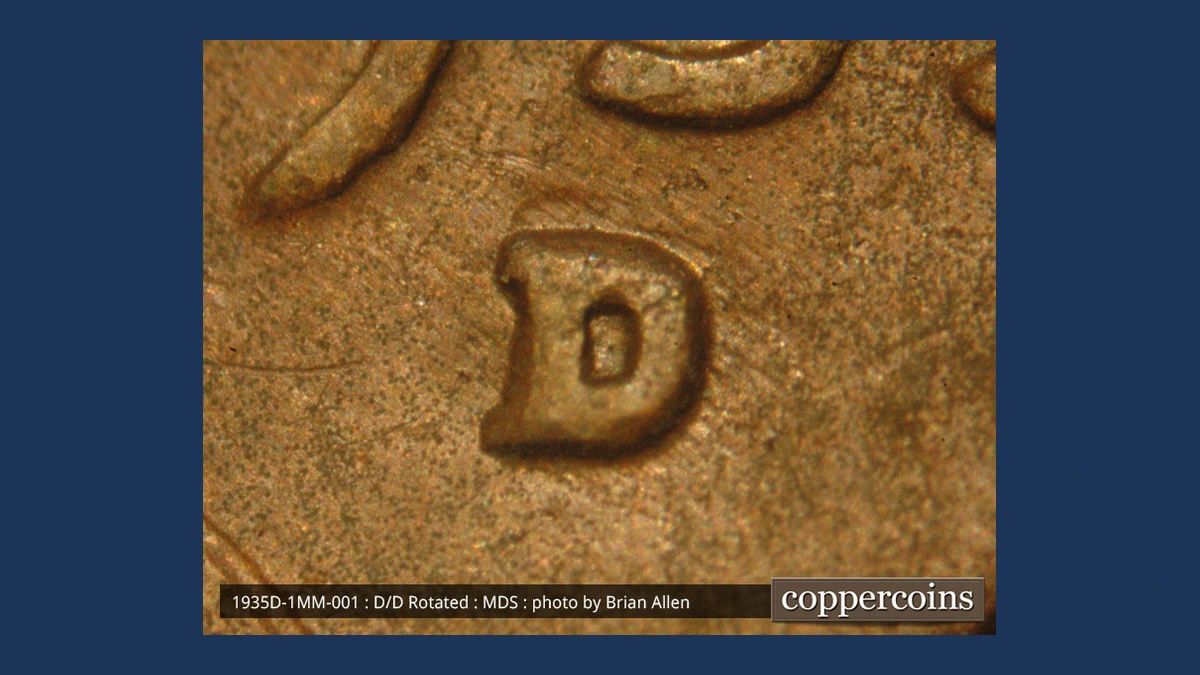
A D or S may look doubled even when Lincoln and the date look ordinary. The mint letter was added separately to the steel stamping tool.
A second hand punch in a different position could leave part of the earlier impression showing. The finished coins then repeated both letter outlines.
The 1935 reports include Denver and San Francisco examples, which must be judged separately. A shape found on one mint’s letter cannot identify the other mint’s coin.
A thick or ragged mintmark is not enough. The extra stroke needs to make sense as part of an earlier D or S.
Estimated Value
An estimated $5–$150 covers minor to stronger genuine 1935 repunched mintmarks. A clear extra stroke on an attractive coin generally draws more interest than a weak irregularity.
The estimate compares other minor hand-punched mintmark varieties in the Wheat cent series. It is not a verified sale price for a specific 1935 D/D or S/S specimen.
Condition and the exact variety both matter. An added mint letter or a damaged mark should not be valued as an original mint-punching error.
How to Identify
Place the candidate beside an ordinary D or S coin from the same year. Compare the letter at equal size before increasing magnification.
Use a 10× magnifier to follow the suspected earlier stroke. Look for a coherent part of the letter, rather than a detached chip or a flattened shelf.
A normal 1935 cent is 3.11 g and 19.05 mm; check with a scale and calipers. Examine the plain edge and the base of the mintmark for evidence of alteration or added metal.
No mint letter is normal for Philadelphia, so its absence is not a repunching error. Match the extra D or S segment to the correct mint’s known punch pattern.
4. 1935 Lincoln Wheat Penny Off-Center Strike (Estimated Up to $500)
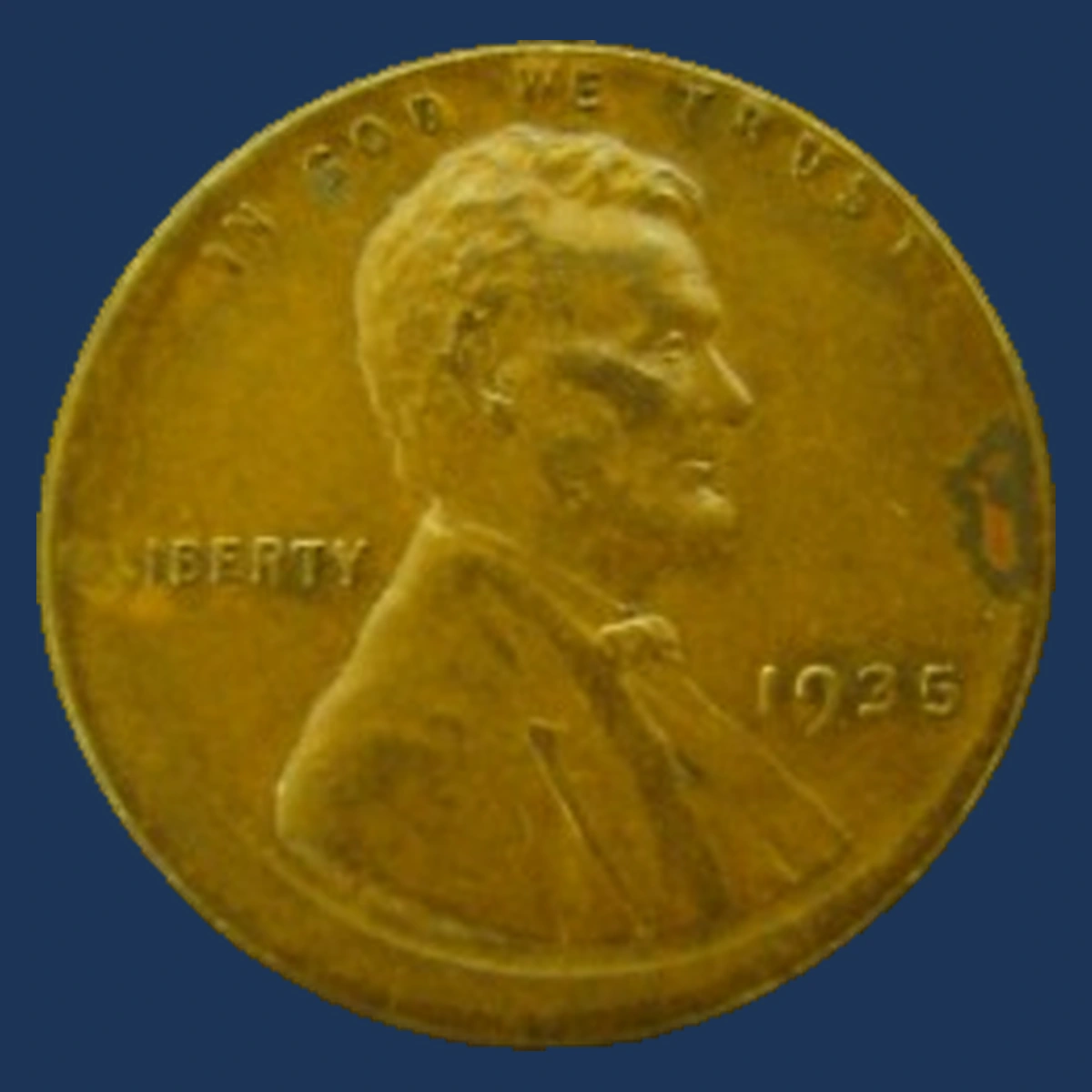
An off-center penny keeps an unused area of metal beside a design that runs beyond the disc. The metal disc was out of position when the stamping tools closed.
A recorded 1935 example is described as 10% off center. Other reported examples need their own measurements rather than inheriting that percentage.
The shape should be inspected on both sides, with attention to the surviving date. A readable 1935 makes the piece easier to identify and collect.
An uneven border on only one face may have another cause. The missing design and unused metal must fit the same displaced strike.
Estimated Value
A 1935 cent struck 10% off center brought $144 at Heritage on March 23, 2026. NGC graded it MS62 Brown, describing an unworn coin with noticeable imperfections.
An estimated $40–$500 covers modest genuine shifts through especially attractive, more dramatic examples. This is not a rule that price rises directly with percentage.
A readable date, original surface, and clear error shape all help. Damage or heavy wear can keep a larger shift from bringing a higher price.
How to Identify
Inspect the blank area and the opposite side of the design as a pair. The coin should retain original unused metal while part of the intended design lies beyond the disc.
A 10× magnifier helps reveal the boundary between those areas. Look for natural striking texture rather than abrasive lines where someone erased detail.
Weigh the coin against 3.11 g and compare its outline with 19.05 mm using calipers. The complete disc generally remains, although striking can distort its shape.
Check the plain edge for cutting, then compare both sides for the same displacement. Identify an original unused crescent and genuinely missing design together, with the surviving date clearly reading 1935.
5. 1935 Lincoln Wheat Penny Doubled Die (Estimated Up to $800)
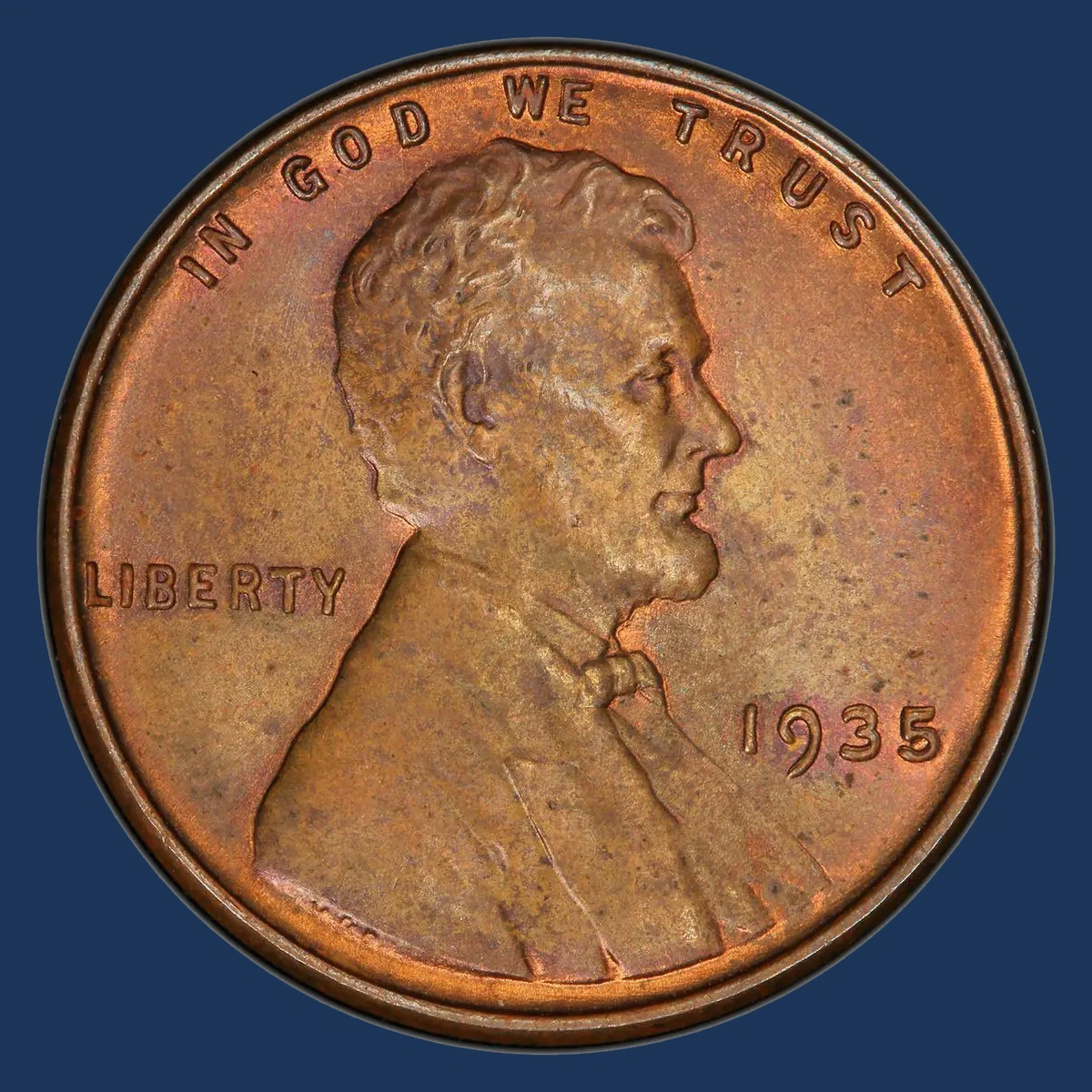
Not every doubled design shows two cleanly separated lines. Some 1935 Philadelphia back varieties have unusually thick letters, dots, and Wheat details instead.
Front varieties can affect the motto, date, or eyelid, depending on the particular tool. Those different clues should not be combined into one imagined variety.
The doubling began when the die, the steel stamping tool, received its design. The resulting penny may have been struck only once.
On the back, E PLURIBUS UNUM and the Wheat ears are useful starting places. Their exact shapes must be compared with the appropriate variety, not simply with any doubled coin.
Estimated Value
PCGS records a $396 GreatCollections result for an MS64 doubled-front example on February 5, 2012. That is a real same-year comparison for an unworn coin.
Minor identified varieties have estimated values around $10–$100, while stronger, well-preserved examples can extend toward $100–$800. The front and back varieties do not all command the same price.
Clear features and original surfaces matter. A loosely applied doubled-die label does not turn normal thick lettering into a valuable variety.
How to Identify
Compare the candidate with an ordinary Philadelphia penny under the same lighting. No mint letter should appear below the date for the varieties described here.
Use a 10× magnifier to inspect the reported front feature or the back motto, dots, and Wheat details. Some back varieties require matching unusual thickness rather than finding two complete outlines.
Check the coin with a scale and calipers against 3.11 g and 19.05 mm. Examine the plain edge for alteration and keep random surface damage separate from the design.
A flattened ledge beside a letter can be mechanical doubling. Match the same group of repeated or thickened details shown for one specific 1935 variety, without combining clues from different tools.
6. 1935 Lincoln Wheat Penny Double or Multiple Strike (Estimated Up to $1,500)
The coin can carry two shifted copies of Lincoln or repeated sections of lettering. It stayed in, or returned to, the press and received another strike.
A second strike may land after the coin moves or turns. The overlap can leave parts of the first design visible beneath the later one.
A published dealer example from 1935 was graded PCGS VF35, with a centered first strike and a second strike 15% off center. That is one specific arrangement.
Other examples need not share it. Small doubled letter edges alone are not proof that a coin received two separate blows.
Estimated Value
A published listing asked $550 for the PCGS VF35 example with a 15% off-center second strike. That figure was a dealer’s asking price, not a confirmed auction sale.
An estimated $200–$1,500 covers genuine 1935 multiple strikes with differing condition and design overlap. The clarity of both impressions strongly affects appeal.
For comparison, a 1917 Wheat cent with a second strike 10% off center sold for $517.50 in June 2004. It is a different-year transaction.
How to Identify
Try to trace the first design independently of the second. A 10× magnifier should reveal repeated portrait or lettering sections that keep their own relationship to one another.
Check both faces rather than judging one doubled word. Later impressions made by squeezing coins together can produce misleading marks.
The standard disc weighs 3.11 g, so record its weight on a scale. Use calipers to compare the distorted outline with the normal 19.05 mm diameter, then inspect the plain edge for crushing or seams.
Do not assign the published example’s 15% figure to another coin. Follow two genuine struck designs through their overlap, showing where the second strike shifted or rotated away from the first.
Conclusion
Inspect the size and position of the unusual feature before naming the error. A tiny chip, a thickened letter, and a second portrait tell different stories.
The estimated $2–$1,500 range covers modest tool breaks through substantial multiple strikes. Use a matching type and condition when comparing prices, and keep dealer asking prices separate from completed sales.
Original surfaces and a clear date make those comparisons more useful.