1962 Penny Error List with Pictures

The back of a 1962 penny can hold a surprise worth far more than its copper color suggests. A Proof with doubled lettering brought $2,200 at David Lawrence in November 2022.
That collector coin is one of several very different errors to examine. Estimated values below run from $2 to $2,500, covering small raised chips, incomplete metal discs, misplaced strikes, and a silver penny.
Read on to learn which features deserve a closer look and which ordinary signs of damage can mislead you.
1. 1962 Lincoln Penny Repunched D Mintmark (Estimated Up to $150)
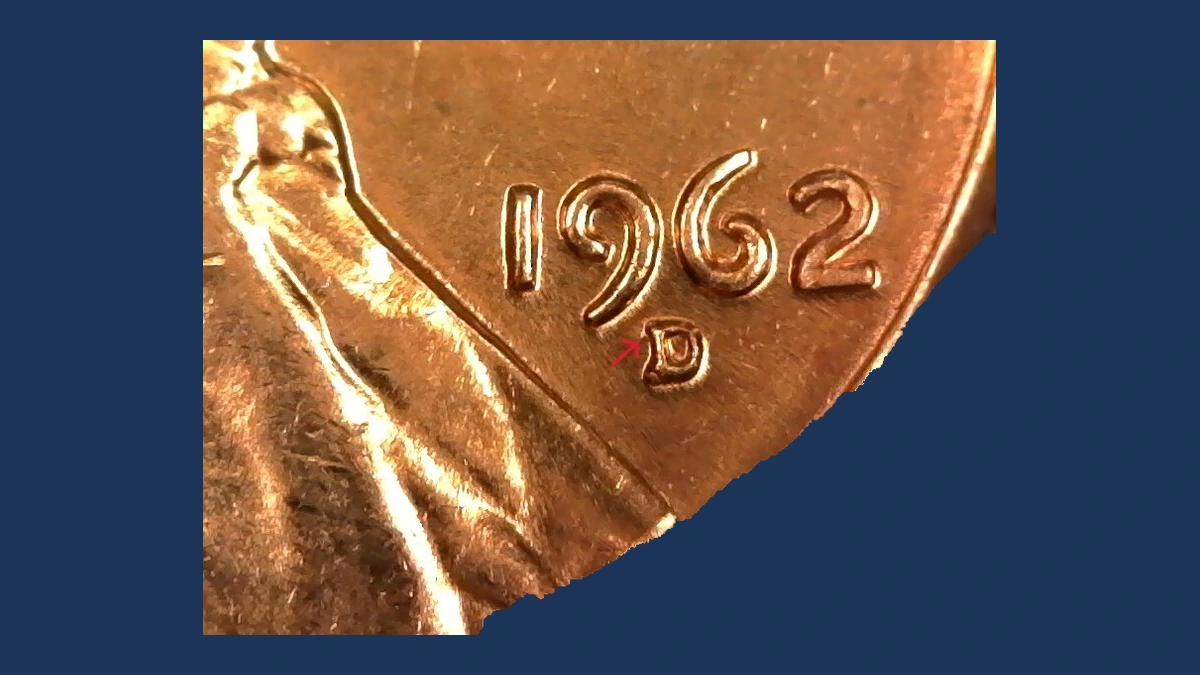
The small D below the date can contain part of a second D. This happened when the mint letter was punched into the die, the steel stamping tool, more than once.
A shifted punch left an extra curve or line beside the main letter. The tool then placed that same shape onto the pennies it struck.
Reported 1962-D varieties belong to this group, but the direction of the extra stroke depends on the particular variety. A bump beside the D is not enough by itself.
Philadelphia pennies have no mint letter to repunch.
Estimated Value
For a correctly identified D-over-D variety, estimate $5–$150. The stronger end of that range suits clear extra strokes on well-preserved coins rather than tiny, worn traces.
This estimate uses comparable minor repunched mintmarks on nearby Lincoln cent dates. It is not a reported sale price for every 1962-D variety.
A bright surface does not make an unclear mark valuable. The extra stroke must first fit a genuine second punch of the letter.
How to Identify
Use a scale and calipers for the ordinary 3.11 g weight and 19.05 mm diameter, and inspect the plain edge. Those checks screen the whole coin before you concentrate on its tiny mint letter.
The D below the date supplies the evidence for this error. A 10× magnifier should reveal a curved or straight stroke that fits another D in a different position.
Compare its shape and direction with the correct variety photograph, not any picture labeled doubled mintmark. The extra stroke may show only a small part of the earlier punch.
A flat ledge can result from movement during striking, while an added lump may leave a seam. Check the surrounding surface for those different explanations.
2. 1962 Lincoln Penny Defective Metal Disc (Estimated Up to $300)
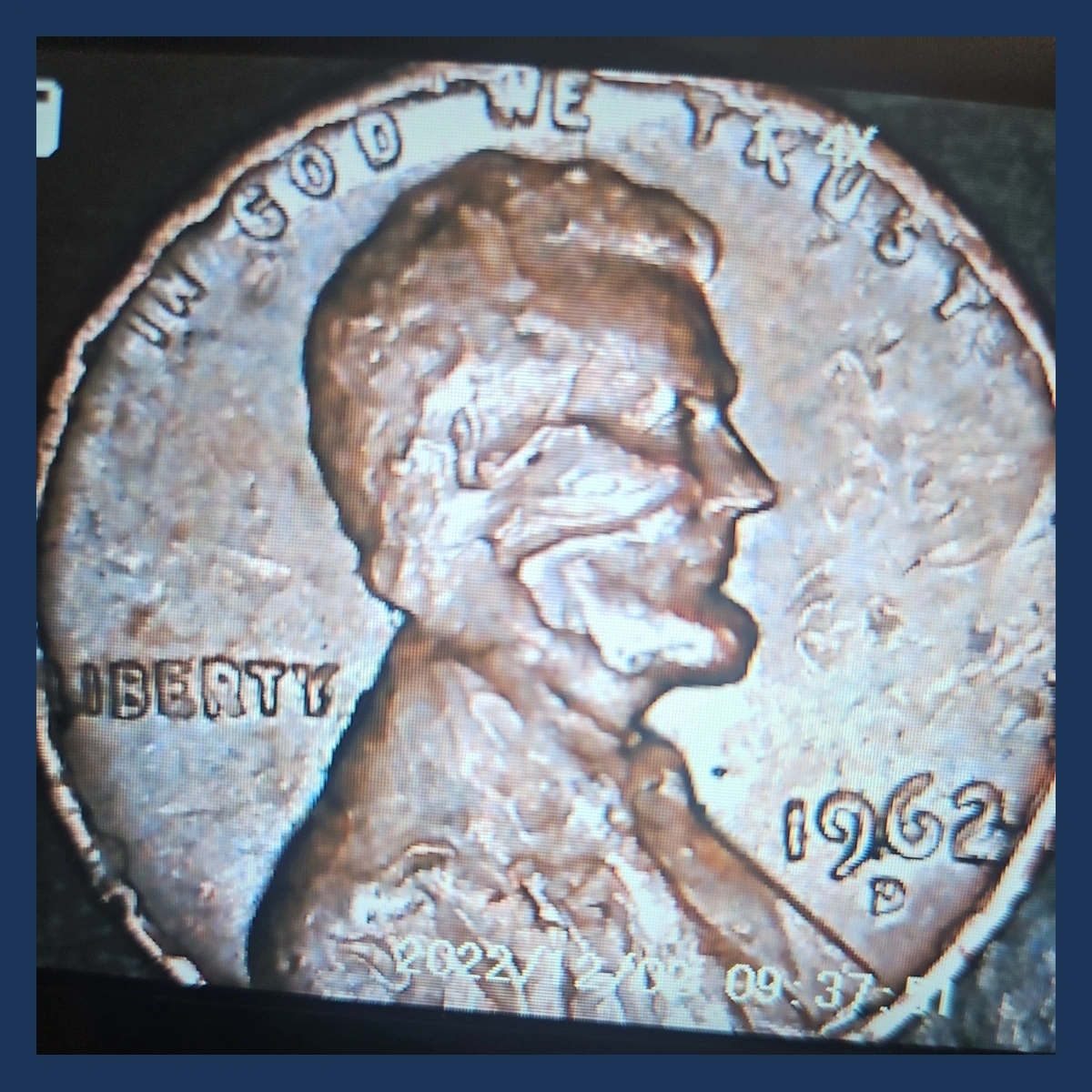
The trouble can begin with the metal before any design is stamped onto it. A faulty blank may have an uneven surface or another original flaw that affects the finished penny.
A recorded Philadelphia example weighs 2.7 g and was graded NGC MS65 Red. Another was graded MS64 Red, describing a separate well-preserved coin.
The broad label defective planchet means a faulty disc. It does not, on its own, say that a particular crack or hole is present.
Follow the actual surface feature rather than adding a more dramatic name to the listing.
Estimated Value
An estimated $20–$300 is useful for authenticated examples with a visible original metal flaw. The extent of the defect and the remaining design matter more than the broad label.
For a related same-year metal problem, a 1962-D clamshell split sold for $65 in June 2024. That is a comparison with a different form of faulty metal, not a sale of the 2.7 g coin.
Corrosion or grinding cannot receive the same estimate.
How to Identify
Weigh your candidate on a scale against the normal 3.11 g and measure it with calipers against 19.05 mm. A lower weight also occurs when corrosion or later cutting removes metal.
Record what you can see before naming the defect: is metal uneven, missing, or peeling? The recorded 2.7 g weight does not answer those questions.
Under a 10× magnifier, follow the struck design as it crosses the affected area. An original flaw should relate to that strike rather than simply slice through completed lettering.
Turn the coin sideways and inspect its plain edge for filing. Match the actual surface and certification photographs before treating the broad catalog description as a particular crack or hole.
3. 1962 Lincoln Penny Clamshell Split (Estimated Up to $350)
From above, a penny may look nearly normal while its edge is starting to open. A clamshell split separates layers within the metal but leaves them connected along part of the disc.
The name describes that partly open shape. It does not mean that two finished pennies have been glued together.
A recorded 1962-D example has a 15% clamshell split and a PCGS AU55 grade. That grade indicates light wear with much detail remaining.
This is a problem inside the copper-alloy disc, not the loss of a thin copper coating from a modern zinc penny.
Estimated Value
The PCGS AU55 coin with a 15% split sold for $65 in June 2024. An estimated $15–$350 covers comparable genuine clamshell pieces with different levels of visibility and preservation.
An intact connection between the layers helps explain the error. Prying the layers farther apart can break that connection and damage the coin.
A larger opening does not automatically mean a higher price. Originality, readable detail, and the condition of the exposed metal all matter.
How to Identify
View the edge at eye level instead of starting with the portrait. A narrow opening with a surviving metal connection explains the clamshell shape better than a top-down photograph.
Use a 10× magnifier to look along the exposed layers without pulling them apart. A saw cut tends to leave tool marks, while two joined coins can show an artificial seam.
The ordinary specifications are 3.11 g and 19.05 mm; check them with a scale and calipers. Both layers may still be present, so a dramatic weight loss is not required.
Inspect the rest of the plain edge and the D below the date. Photograph the existing opening as it is, keeping the fragile joined portion untouched.
4. 1962 Lincoln Penny Ragged Clip (Estimated Up to $400)
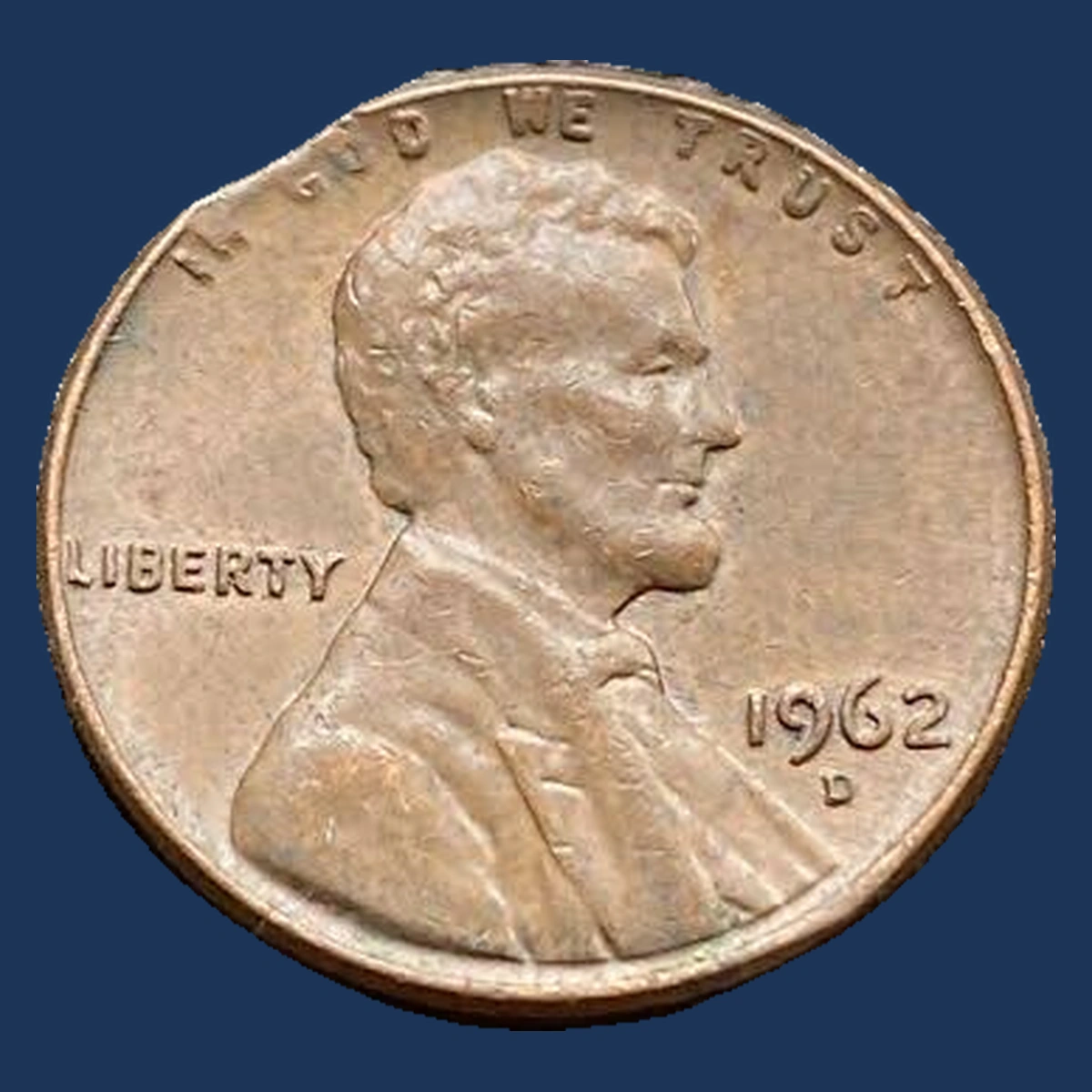
A rough missing section can come from the original edge of the metal strip used to make blanks. Once the incomplete disc was struck, its penny design formed around that uneven boundary.
This is called a ragged clip, even though the missing outline need not resemble a neat curved bite. One recorded 1962 example weighs 2.0 g.
NGC graded that coin MS65 Red and Brown, an unworn grade with mixed copper color. A separate MS63 Red and Brown example also has an off-center strike.
The two descriptions should not be combined into one coin.
Estimated Value
Estimate $15–$400 for an authenticated ragged clip, with size and original edge formation influencing the value. Small rough gaps sit in a different price category from dramatic missing sections.
A 1962 coin combining a ragged clip with an off-center strike sold for $138 in July 2021. Its price covers both features together.
That result is not a separate payment for each error, and it does not establish the price of the 2.0 g example.
How to Identify
Check the missing boundary before looking at how centered Lincoln appears. A ragged clip concerns absent metal, while an off-center strike concerns where the tools landed.
The 2.0 g example is much lighter than the normal 3.11 g cent. Use a scale for that comparison and calipers to compare the surviving outline with 19.05 mm.
Study the uneven edge and nearby lettering through a 10× magnifier. The design should have formed beside an existing gap, rather than being torn away after striking.
Follow the remaining plain edge for fresh cutting or filing. If the strike is also off center, record that independently and do not assign the 2.0 g measurement to a different specimen.
5. 1962 Lincoln Penny Split Disc Struck After Separation (Estimated Up to $450)
A penny can be thin because its blank split into layers before entering the press. One separated layer then received the normal front and back designs.
The thinner metal may not fill the stamping tools as strongly as a complete disc. It can still carry recognizable detail on both sides.
A Philadelphia 1962 example was certified PCGS MS61 Brown with a split-before-striking description. That is an unworn coin with brown copper surfaces.
This differs from a finished penny that later loses a layer and exposes an unstamped inner surface. The timing changes what appears on each face.
Estimated Value
An estimated $40–$450 fits authenticated split-before-striking cents of this general kind. Clear designs on both faces and a convincing thin-disc structure help collectors follow what happened.
A comparable 1964 example graded PCGS MS60 Brown sold for $53 in May 2021. That nearby-year sale supports the lower part of the estimate, rather than supplying a transaction price for the 1962 coin.
Later grinding or chemical thinning is damage and should not receive this error’s value.
How to Identify
Look for struck design on both faces of the thin piece. If one face is simply a raw inner surface, separation after striking may better explain it.
A 10× magnifier can show weakly formed letters on an original split surface. Sanding may instead cut across those letters or leave repeated abrasive lines.
Check the plain edge from the side and measure the width with calipers against 19.05 mm. Weigh it on a scale against the full-disc standard of 3.11 g.
The recorded 1962 listing does not supply a specimen weight, so do not borrow one from another year. Thin metal, reduced weight, and original striking on both sides must agree with the proposed sequence.
6. 1962 Lincoln Penny Die Breaks and BIE Chips (Estimated Up to $500)
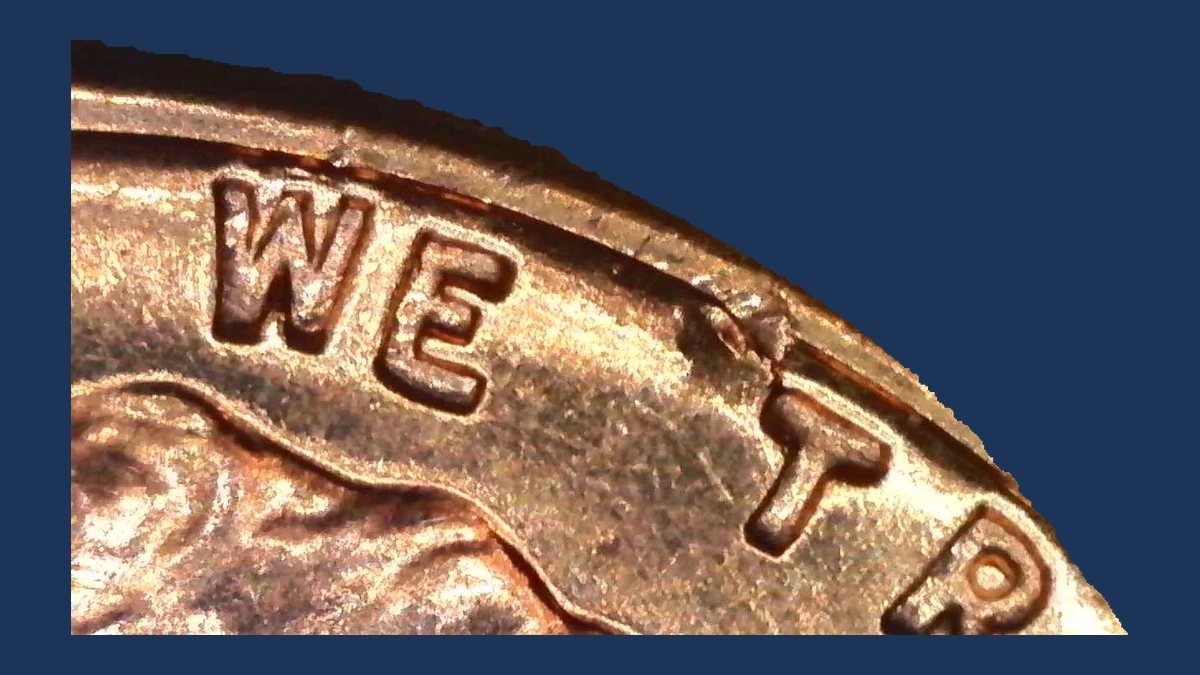
An extra raised patch can form when part of a stamping tool breaks away. Coin metal fills the new gap instead of receiving the intended design there.
A major 1962-D break was graded ANACS MS63 Red and Brown. Its specific position must be checked on the coin rather than inferred from the words major break.
Smaller reports include a BIE chip, a raised bar between B and E in LIBERTY. That bar resembles an added I.
A large break connected to the rim is called a cud; an interior bump needs a different description.
Estimated Value
The certified 1962-D major break sold for $79 in August 2021. Estimate $40–$500 for comparable major breaks, depending on how clearly the missing-tool area affects the design.
Small BIE chips have a more modest estimated range of $2–$40, based on similar small Lincoln cent chips. They do not inherit the price of a large rim-connected break.
Added solder, dirt, or metal pushed upward by an impact should be excluded before applying either range.
How to Identify
Check for later damage before enlarging the raised feature. A squeezed plain edge can push a false ridge onto the face, even when the scale weight remains near 3.11 g.
Use calipers to compare the width with 19.05 mm, then tilt the coin under a lamp. A tool break leaves extra metal standing above the surface; a gouge removes metal.
Through a 10× magnifier, read the letters on either side of a claimed BIE bar. A claimed cud instead needs a connection between the raised patch and the rim.
The 1962-D auction title alone cannot locate that coin’s major break. Compare its actual photographs without borrowing a position from a different date.
7. 1962 Lincoln Penny Front Indent (Estimated Up to $500)
A curved depression can mark where another blank overlapped the penny in the press. The upper blank blocked part of the design while the tools struck the exposed metal.
Collectors call the depressed area an indent. It can look like a shallow bite pressed into the face even though the coin’s metal was not cut away.
A recorded 1962-D example has the indent on its front and an NGC MS63 Red and Brown grade. The brief description does not give its clock position.
The shape must come from that specimen, not a generic photograph.
Estimated Value
Use an estimated $40–$500 for a genuine 1962-D front indent of this kind. A clear boundary with a readable date generally makes the error easier to appreciate.
As a related comparison, a 1964 cent with a broadstrike and a 7% front indent sold for $54 in March 2025. That price belongs to its combined features and does not describe the 1962-D sale.
A random dent from a later blow has no comparable mint-error premium.
How to Identify
Follow the curve separating the depressed patch from Lincoln’s surrounding design. Through a 10× magnifier, look for evidence that the design formed beside an obstruction rather than being smashed after it was complete.
A newly made dent may push up sharp metal or destroy finished detail. An indent needs an explanation consistent with an overlapping blank during the strike.
The normal 3.11 g weight is useful here because indentation does not cut out the coin’s metal. Record a scale reading and compare the diameter with 19.05 mm using calipers.
Check the D below the date and inspect the plain edge for later blows. The front location is established, but a precise direction must come from the actual coin.
8. 1962 Lincoln Penny Off-Center Strike (Estimated Up to $600)
When the blank is not under the center of the tools, some design falls beyond its edge. The struck area sits beside metal that never received the normal picture.
A recorded 1962-D penny was struck 75% off center and graded PCGS MS62 Brown. A different Philadelphia coin combines an off-center strike with a ragged clip.
On the combined example, absent metal and displaced design are separate features. The blank did not become clipped merely because the strike landed away from its center.
A slightly uneven border with all intended design present needs a different assessment.
Estimated Value
Genuine 1962 off-center cents have an estimated range of $20–$600. A readable date, attractive surface, and clear separation between struck and unused metal can support stronger prices.
The Philadelphia example with an additional ragged clip sold for $138 in July 2021. Its combined-error result provides context rather than a fixed value for the 75% Denver coin.
A larger percentage is not automatically better. Losing the date can make the coin harder to identify and compare.
How to Identify
On an ordinary off-center strike, the blank area should still be original coin metal. If that area is physically absent, consider whether a clip is also present.
Rotate the coin in your hand to compare the two faces, keeping the date readable. Their displaced designs should relate to the same unused portion of the disc.
Check the boundary with a 10× magnifier for polishing that might have erased an ordinary strike. Examine the plain edge for cutting or hammering.
A scale normally stays near 3.11 g unless the piece also lacks metal. Calipers compare its outline with 19.05 mm, allowing for stretching caused by the strike rather than expecting a perfectly round coin.
9. 1962 Lincoln Penny Double Strike (Estimated Up to $1,000)
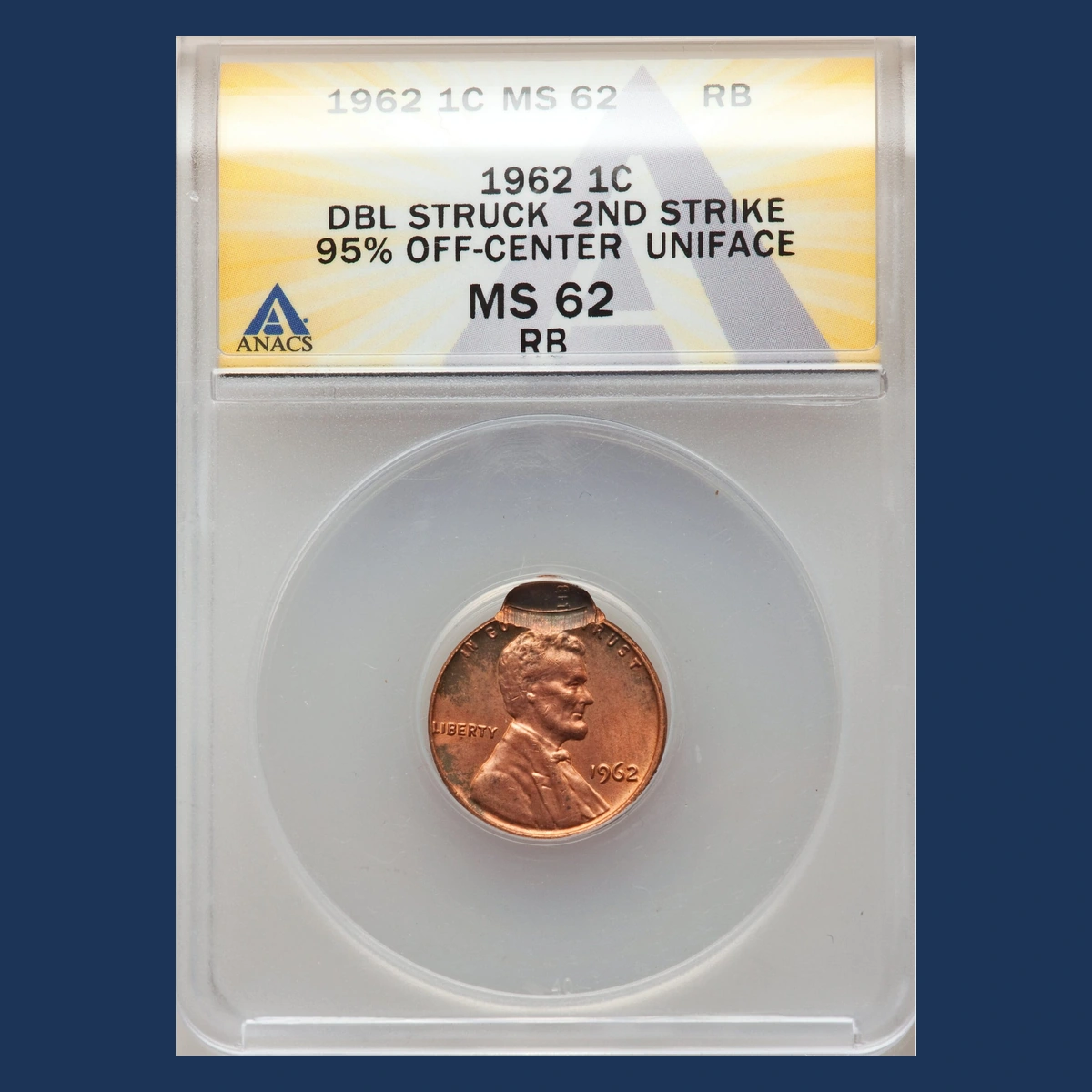
A second strike does not always cover most of the penny. On one 1962 example, the second blow was 95% off center and touched only a small part of the disc.
The earlier strike supplied the main design. A second, shifted impression near the edge records the coin’s return beneath the tools.
ANACS graded this example MS62 Red and Brown, an unworn grade with mixed copper color. The second impression can be a small fragment rather than another complete portrait.
This movement of the whole coin differs from a doubled stamping tool.
Estimated Value
The ANACS MS62 Red and Brown example sold for $99 on January 3, 2022. An estimated $75–$1,000 covers genuine double strikes with different amounts of overlap and visible detail.
A second strike that barely touches the rim may be less eye-catching than two clearly separated portraits. The number of blows alone therefore cannot establish a high value.
Preserved original surfaces and a readable date help, while later squeezing or damage can weaken both identification and demand.
How to Identify
Find the small area struck a second time before trying to trace another full Lincoln portrait. A blow 95% off center can leave only a limited design fragment.
Check the plain edge for later pressing, then record weight and size with a scale and calipers against 3.11 g and 19.05 mm. Distortion alone does not mean metal was removed.
Use a 10× magnifier to compare that fragment with the corresponding part of the normal design. Its position should make sense as a shifted second strike, not a random dent beside the rim.
The first impression provides a reference for the date and orientation. Flat shelves along individual letters are more consistent with movement during one blow.
10. 1962 Lincoln Penny Struck on a Silver Dime Blank (Estimated Up to $2,000)
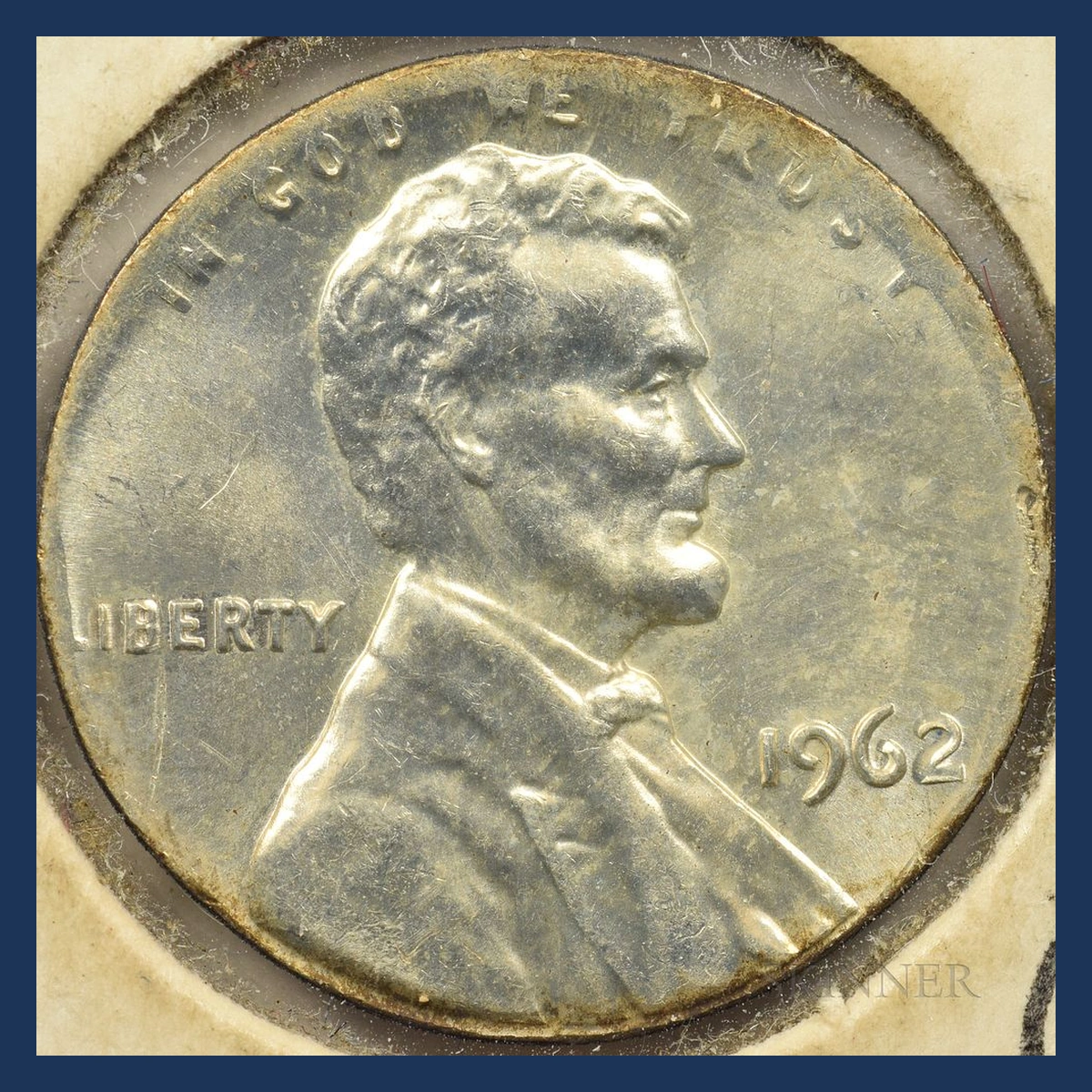
Lincoln can appear on silver because a blank intended for a Roosevelt dime entered the cent press. In 1962, the dime blank was a 90% silver alloy, smaller and lighter than a cent disc.
One Philadelphia example sat toward four o’clock during striking. Its date is clear, but the rim is missing around ten o’clock on the front and eight on the back.
The upper motto looks stretched, and parts of Lincoln’s shoulder and the back lettering are weak. Denver examples are also recorded.
An unused dime blank carries no earlier Roosevelt portrait.
Estimated Value
The Philadelphia coin graded PCGS MS63 sold for $1,110 on May 6, 2022. Estimate $500–$2,000 for comparable authenticated silver-blank errors.
The standard dime blank’s weight and metal matter more than a silvery surface alone. A coated ordinary penny does not belong in this range.
Readable dates, strong central detail, and less wear can support better prices. The recorded rim gaps describe that Philadelphia specimen rather than every Denver example.
How to Identify
Place the candidate on a scale before trusting its color. A silver dime blank normally weighs 2.50 g, compared with 3.11 g for a regular 1962 cent.
Use calipers to compare the coin with the cent’s 19.05 mm diameter and the dime blank’s 17.91 mm standard. Striking can spread the smaller disc, so these are starting comparisons rather than an exact finished measurement.
Under a 10× magnifier, examine the date and the missing outer detail. Inspect the edge for a surface coating, exposed copper, or filing; an ordinary cent has a plain edge.
Professional metal testing should establish the silver alloy. The combination of metal, reduced weight, and a genuine cent strike provides stronger evidence than any one feature.
11. 1962 Lincoln Penny Doubled Die, Including the Proof DDR (Estimated Up to $2,500)
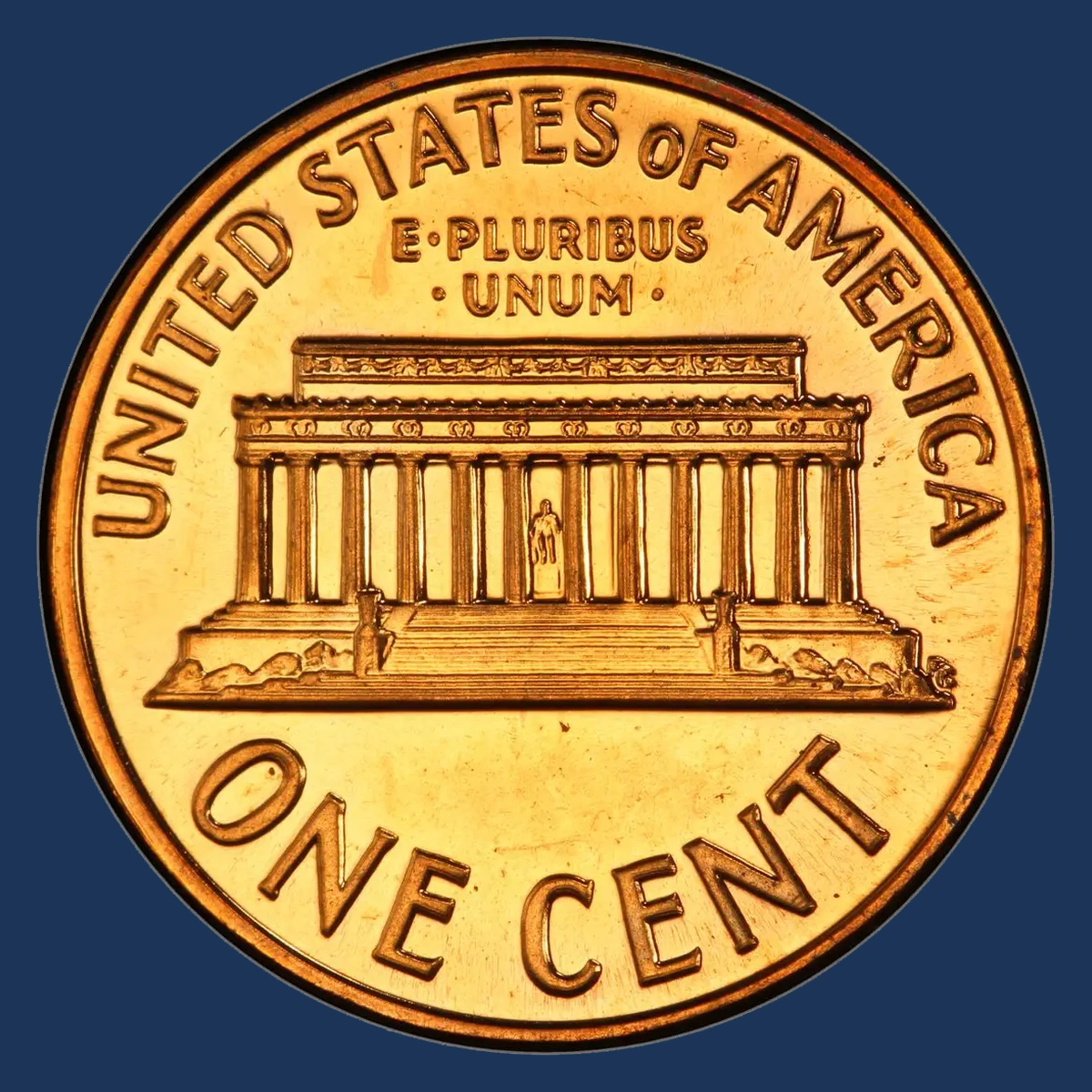
The letters on the back can carry extra outlines before the coin is even struck. A doubled die is a stamping tool whose design was doubled during its preparation.
The recognized 1962 FS-801 is a Proof reverse variety. Proofs are specially made collector coins, and reverse means the back with the Lincoln Memorial.
Check ONE CENT and E PLURIBUS UNUM for the repeated design. The normal use of more than one blow when making a Proof does not create this tool variety.
Smaller front-doubling reports are separate and should not inherit the Proof identification.
Estimated Value
PCGS records a $2,200 sale for a PR67 Red FS-801 at David Lawrence on November 27, 2022. Estimate $60–$2,500 for correctly attributed examples, with condition accounting for much of the spread.
Minor front varieties have a separate estimated range of $5–$100, based on comparable small Lincoln cent doubled dies. Those estimates require an actual matching variety, not merely thick lettering.
A polished ordinary penny is not a Proof.
How to Identify
Proof identity comes before the FS-801 comparison. A shiny ordinary penny should not be matched to this collector issue just because both have no mint letter.
With a 10× magnifier, compare the back’s ONE CENT and E PLURIBUS UNUM against photographs of the known Proof variety. Look for corresponding repeated outlines rather than general shine or blurry edges.
A claimed front variety needs its own comparison around the date or motto. Keep its mint and strike type separate from the Proof reverse.
The normal checks remain 3.11 g on a scale, 19.05 mm with calipers, and a plain edge. Fine polishing lines or flat, shaved-looking doubling suggest a different explanation from a doubled tool.
Conclusion
A 1962 penny can have an extra letter stroke, a split edge, or even the wrong metal. Each clue needs its own test before a price comparison makes sense.
The estimated $2–$2,500 span includes modest chips and valuable Proof doubling. Keep the special collector Proof separate from ordinary pocket-change cents, and check a silver-looking piece by weight as well as color.
Clear photographs and untouched surfaces will make those comparisons easier.