1943 Penny Error List with Pictures

Silver-gray is normal for a 1943 Wheat penny: this year used zinc-coated steel. The famous brown bronze mistakes belong to a very different group.
One Denver bronze cent sold for $840,000 at Heritage in 2021. The errors below span estimated values from $2 to $1,000,000, with small tool breaks at one end and authenticated bronze rarities at the other.
Read on to recognize the visible differences, compare real sales, and check a possible error without damaging it.
1. 1943 Lincoln Wheat Penny Broadstrike (Estimated Up to $300)
Extra metal outside the lettering can make a steel penny look off center. If every part of the intended design remains, however, it can be a broadstrike.
The collar, a ring surrounding the disc, normally keeps its size under control. A strike without that support lets metal spread outward.
A recorded 1943 example has extra space near the two o’clock position and complete lettering. Its uneven appearance does not require part of the design to be missing.
That coin also has corrosion. The spread came from production, but the damaged surface is not another mint error.
Estimated Value
Genuine 1943 broadstrikes have an estimated range of $40–$300. A clear enlarged outline helps, while corrosion and other damage reduce collector appeal.
For perspective, a 1999 broadstruck cent graded PCGS MS65 Red sold for $67 in March 2023. Its different metal and date make it a general comparison rather than a direct match.
The 1943 estimate allows for interest in the one-year steel issue. It is not a quoted sale price for the corroded example.
How to Identify
Lay an ordinary steel cent beside the candidate with both portraits upright. The standard diameter is 19.05 mm; use calipers across the candidate in several directions to locate the extra spread.
Now read the complete outer lettering on both faces. The recorded broadstrike keeps its intended design even where the border widens near two o’clock.
Check 2.70 g on a scale and inspect the plain edge through a 10× magnifier. Hammering can flatten the rim and design together, while corrosion can lower the weight.
A magnetic response is normal for the steel disc. Follow the entire design around the expanded coin: complete lettering beside naturally spread metal identifies the broadstrike better than an off-center-looking portrait.
2. 1943 Lincoln Wheat Penny Clipped Planchet (Estimated Up to $500)
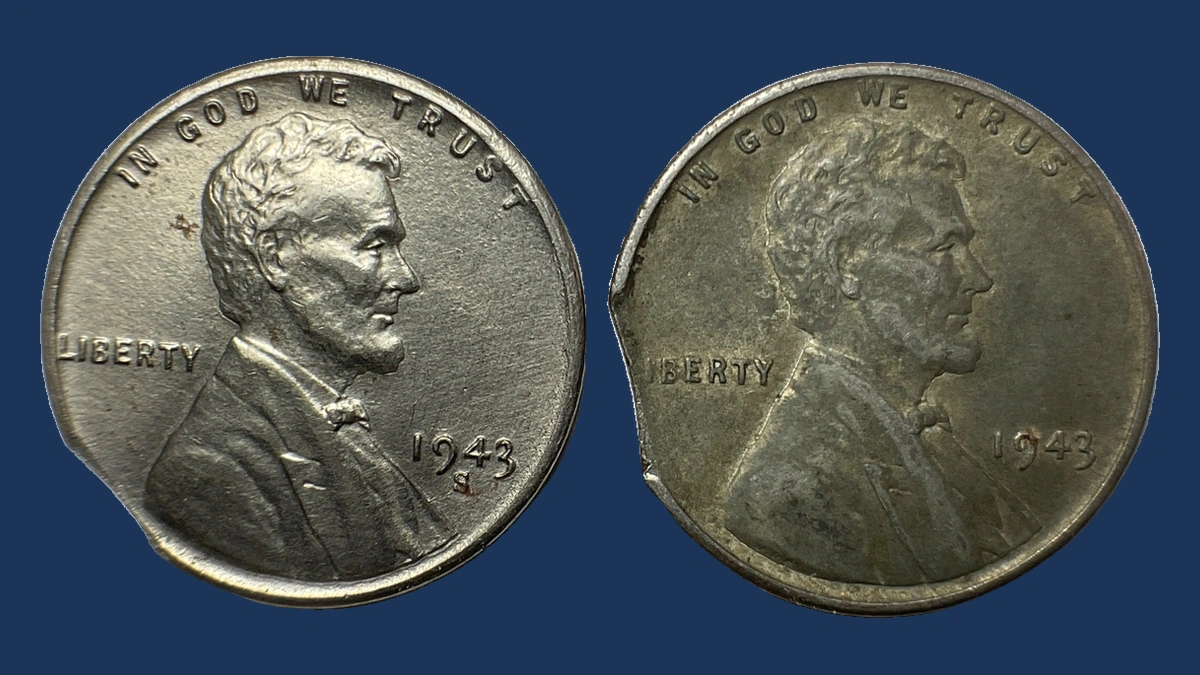
A missing section of the disc can leave a curved or straight gap in the penny’s outline. The incomplete disc is called a clipped planchet.
Known 1943 examples include a Philadelphia coin with a 5% curved clip. Another steel cent has both curved and straight missing sections totaling about 20%.
The larger example has no readable mint identity, so it should not automatically be called Philadelphia. Its year comes from the catalog identification.
The original missing metal affects how the nearby rim and design form. A notch cut from a finished penny does not reproduce that whole process.
Estimated Value
The steel cent with a 20% curved and straight clip sold for $282 in November 2013. PCGS graded it MS62, meaning unworn with noticeable imperfections.
An estimated $25–$500 covers smaller genuine clips through more prominent examples. Shape, condition, and whether the date remains readable affect where a coin fits.
This range uses a real 1943 clip result, rather than treating every missing piece as equally valuable. Later-cut coins do not qualify.
How to Identify
Do not assume that the missing area contains a readable mintmark. The larger recorded curved-and-straight clip cannot be assigned to Philadelphia simply because no letter survives.
Examine the ends of the gap with a 10× magnifier. The adjacent design should reflect striking beside missing metal, without fresh saw lines on the boundary.
A weak rim opposite the gap can help, but it is not compulsory. Check the rest of the plain edge for later cutting.
Compare the remaining width with 19.05 mm using calipers, then weigh it against the normal 2.70 g. A substantial clip should be lighter.
Concentrate on the two ends of the missing section, where original rim formation can distinguish a mint clip from a later notch.
3. 1943 Lincoln Wheat Penny Missing Zinc Coating (Estimated Up to $500)
A steel cent without its intended zinc covering can look darker than an ordinary example. The coating was meant to protect the steel beneath it.
Missing-coating errors are reported for 1943, but dark color alone does not establish one. Wear, rust, chemical stripping, and later replating can all change a steel penny’s appearance.
The plain edge needs special care when judging this claim. Cutting discs from coated sheet exposed steel along the edge as part of normal production.
An uncoated edge is therefore not enough. A genuine error must show that the intended surface coating was absent during manufacture.
Estimated Value
For a professionally confirmed 1943 coating omission, a working estimate is $100–$500. This is a conditional estimate for a genuine production error, not a price for any dark steel penny.
Later missing-coating cents provide only a broad comparison: an unplated 1995-D cent sold for $180 in March 2023. Its copper coating and zinc center are different.
Corroded or stripped 1943 coins should be valued as altered or damaged coins instead of receiving this premium.
How to Identify
The edge is a poor starting point for this error. Normal discs cut from coated steel sheet could expose steel along their plain edges.
Instead, study protected areas beside the letters through a 10× magnifier. Surviving bright coating beside bare, scratched surfaces can point toward later stripping rather than a production omission.
Record 2.70 g and 19.05 mm as the normal comparisons for a scale and calipers. A small coating difference may be too slight for an ordinary scale to resolve.
A magnet checks the steel beneath the surface; it does not date the loss of zinc. Leave the surface untouched.
Ask for an assessment of the original coating on both faces, rather than treating dark color or an exposed edge as proof.
4. 1943 Lincoln Wheat Penny Struck Through Grease or Debris (Estimated Up to $600)
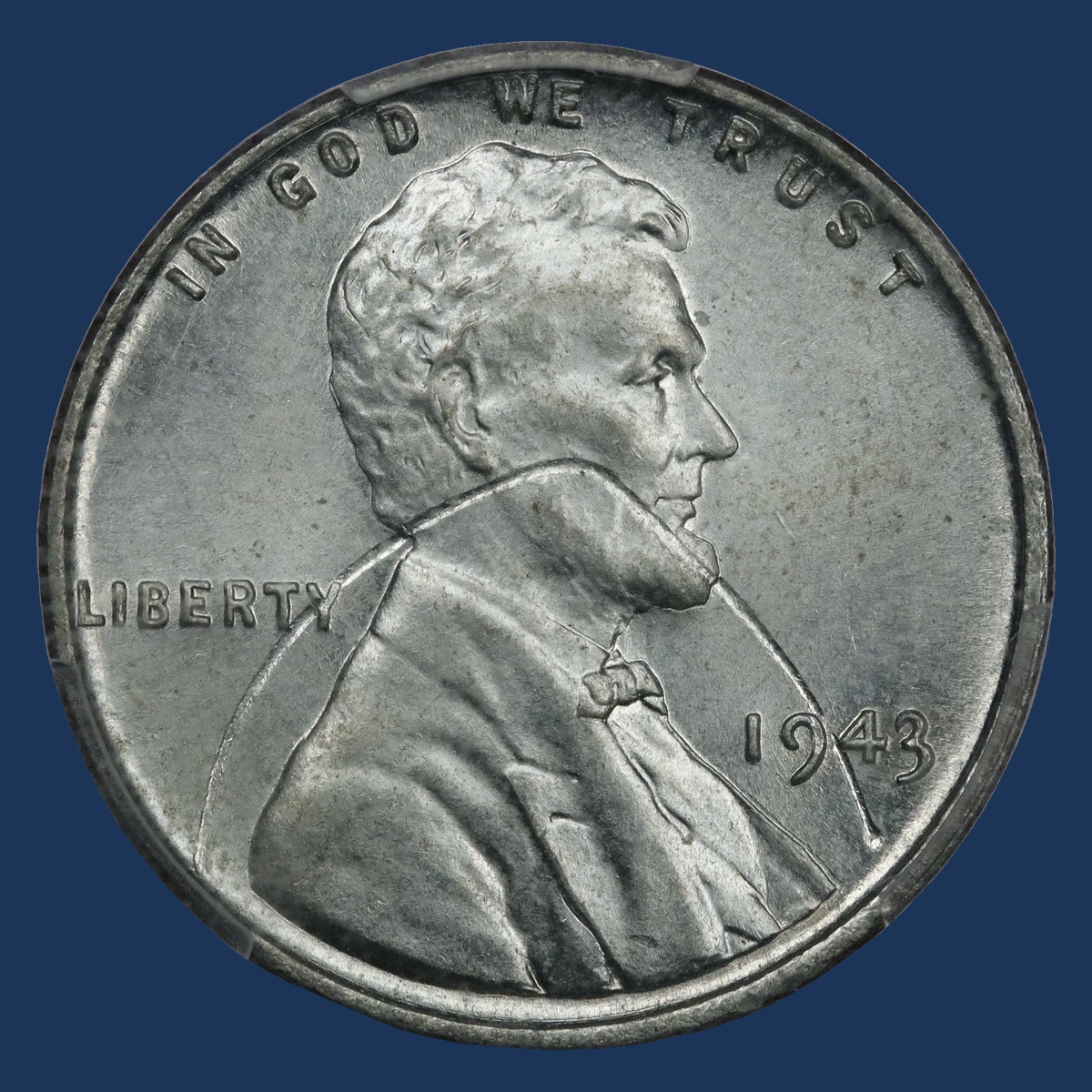
A patch of missing detail can appear where grease or debris blocked the stamping tool. The object need not stay attached to the finished coin.
One 1943 steel cent was certified by ANACS as struck through grease. A separate reported example has a larger affected area in front of Lincoln’s chin, without an identified material.
A 1943-S seller report combines weak front detail with a BIE chip between B and E. Those features have different causes.
Grease blocks detail; the chip adds a raised shape. A seller’s grade for that combination is not the same as a grading-service opinion.
Estimated Value
The ANACS MS60 grease example brought $411.25 at Heritage in November 2013. For the range of genuine 1943 grease and debris strikes, use an estimated $15–$600.
A small faint area may sit near the low end, while a larger clear obstruction attracts more interest. Surfaces still matter.
The price of the certified grease coin should not be transferred to the ungraded BIE combination. Each coin needs its own assessment of the actual missing detail.
How to Identify
Pick a clear letter next to the weak area and compare their surface texture through a 10× magnifier. A local obstruction can block one patch while nearby details strike normally.
The separate chin-area example needs that actual location checked; it does not supply a location for every grease strike. On the S-mint BIE combination, the raised letter-space chip must also be examined independently.
Weight and size mainly screen damage here: use a scale and calipers against 2.70 g and 19.05 mm. Check the plain edge for signs of crushing.
Ordinary wear rounds the exposed high points, while scraping leaves disturbed metal. Look for a smooth interruption of the struck design beside original detail, without scraped edges or widespread wear explaining the loss.
5. 1943 Lincoln Wheat Penny Off-Center Strike (Estimated Up to $1,000)
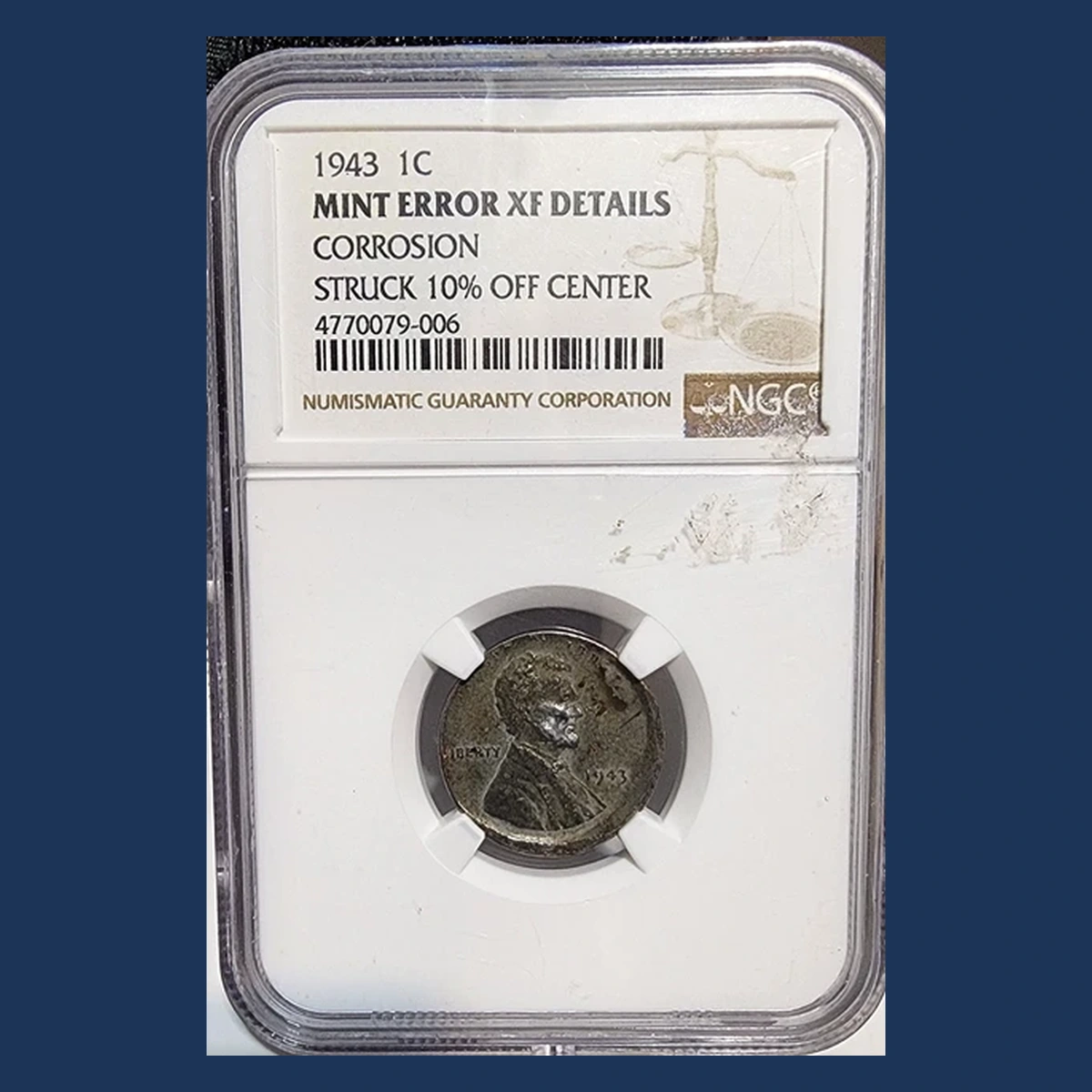
A blank crescent beside a partly missing design shows that the disc was not centered under the stamping tools. That is an off-center strike.
Recorded Philadelphia steel cents include shifts described as 5%, 15%, and 40%. A San Francisco example is described as 10% off center.
Those percentages describe separate coins, not a rule for the entire year. Direction also varies, and a date may be partly or completely lost.
A coin with every letter still present needs a broadstrike check instead. Both errors can look uneven, but they do not leave the same evidence on the disc.
Estimated Value
A Philadelphia 1943 cent struck 40% off center sold for $258.50 in November 2013. PCGS graded it MS62.
An estimated $40–$1,000 covers modest shifts through more striking, well-preserved examples. A legible date makes the error easier to place in a year collection.
The percentage alone does not set the price. Rust, a damaged edge, or a nearly lost date can outweigh the appeal of a larger shift, while an attractive smaller error may sell well.
How to Identify
Read the surviving date before estimating how far the strike moved. If it is absent, identification must rest on the certified coin rather than an invented reading.
Turn the coin over while keeping track of the unused area. Missing design and untouched metal should agree with the same displacement on both faces.
Use calipers to compare the outline with 19.05 mm, allowing for distortion. A scale normally remains near 2.70 g because no section of the disc was deliberately removed.
With a 10× magnifier, inspect the plain edge and the boundary of the unused metal. Abrasive lines suggest erasure after striking.
Find the original blank crescent opposite genuinely lost design; an uneven border alone does not establish an off-center strike.
6. 1943 Lincoln Wheat Penny Weak Strike (Estimated Up to $1,000)
A weak strike can leave much of the design shallow even though the coin has not worn smooth in circulation. Too little effective pressure failed to fill the design fully.
A 1943 example was cataloged as a Die Adjustment Strike and certified by NGC. That label describes the weakly struck coin.
It does not make the operator’s intention visible. The coin itself cannot prove whether someone was deliberately testing or adjusting the equipment.
This type also differs from grease blocking a local patch. The distribution of weakness and the remaining original surface help explain how the design failed to form.
Estimated Value
The NGC-certified 1943 weak strike sold for $411.25 in November 2013. For genuine examples with convincing original surfaces, an estimated $100–$1,000 is a useful working range.
The extent of the weakness and the clarity of the mint-error identification both matter. A coin simply worn flat is not comparable.
The recorded piece did not receive a numeric grade in that auction description. It should not be priced as an invented high-grade example.
How to Identify
Choose an ordinary worn steel cent for comparison. Its high points should be rubbed, while a weakly struck coin may retain original surface where the design never filled out.
Tilt both coins beneath a lamp and inspect them with a 10× magnifier. Compare broad areas of weakness on both faces, rather than relying on one faint letter.
Before accepting the comparison, check for removed metal: weigh against 2.70 g and measure against 19.05 mm with a scale and calipers. Inspect the plain edge for grinding.
A local blocked patch suggests a different explanation such as grease. The auction label’s adjustment wording does not reveal an operator’s intention.
Look for shallow details surrounded by surviving original texture instead of rounded, rubbed-down high points.
7. 1943 Lincoln Wheat Penny Die Cracks, Chips, and Cuds (Estimated Up to $1,500)
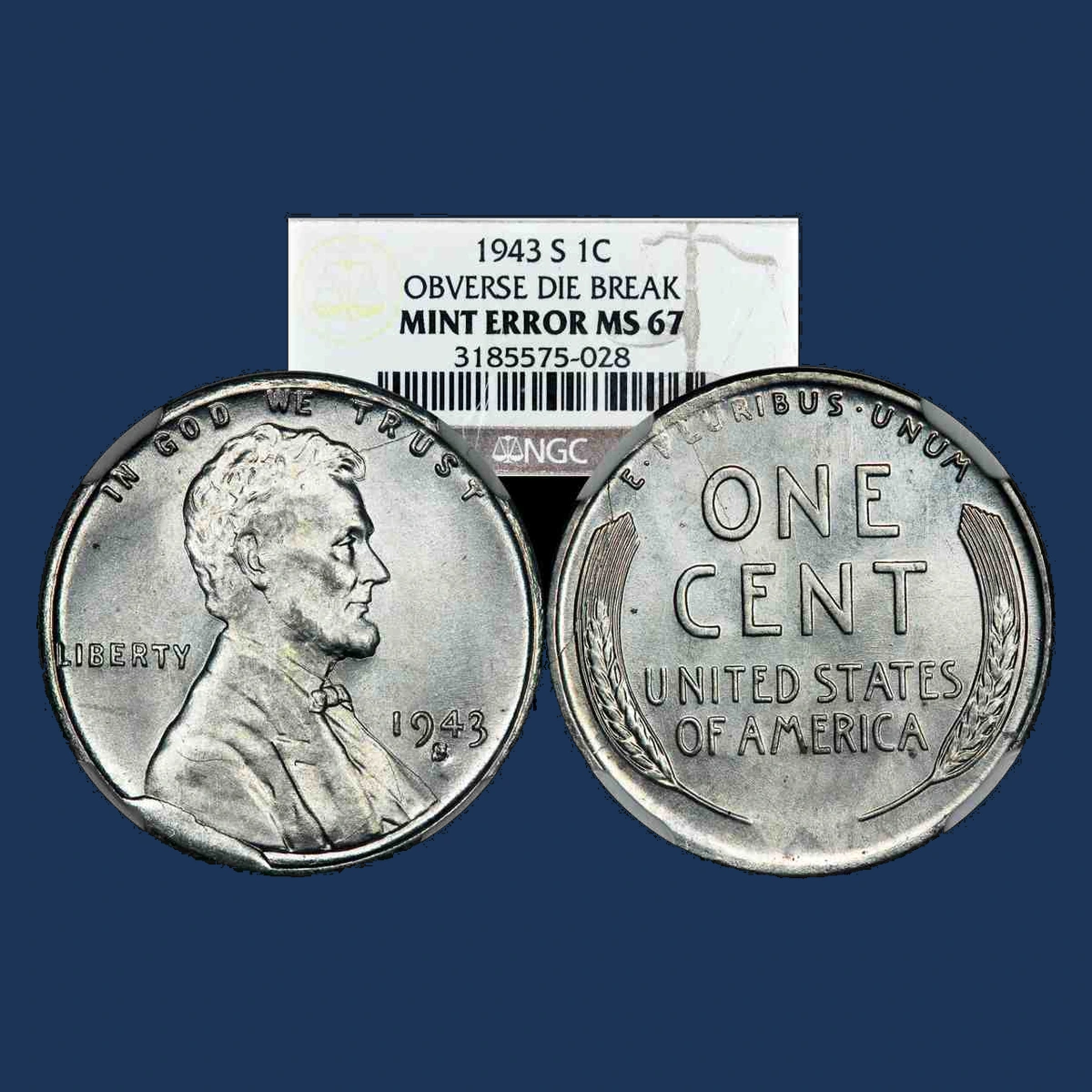
Steel cents can show raised lines, small bumps, or larger areas where normal detail has disappeared. A cracked or broken stamping tool caused those shapes.
A rim-connected lump is called a cud. When a broken tool piece remains in place, its outline may form a step while some design survives.
Other breaks affect only the rim or the spaces between letters. A chip between B and E is called BIE; a chip between I and B is different.
The numerous 1943 varieties show these stages in different places. Their specific shapes matter more than simply finding any raised mark.
Estimated Value
An estimated $2–$50 covers many small cracks and letter-space chips. More prominent retained breaks and full cuds can range roughly from $50 to $1,500.
For a later Lincoln cent comparison, a 1979 cud graded PCGS MS64 Brown brought $1,020 in May 2021. That different-year result illustrates demand for a strong, visible break.
It does not assign the same price to every 1943 catalog number. Size, surviving detail, corrosion, and collector demand all affect the actual coin.
How to Identify
The first question is whether the raised area reaches the rim. An interior bump, a rim-only break, and a large missing-tool area leave different shapes.
Inspect the plain edge before examining tiny details, looking for squeezing that pushed metal upward. A scale and calipers should remain near 2.70 g and 19.05 mm for an ordinary tool-break coin.
Use a 10× magnifier to trace the boundary around any raised section. Surviving detail inside a step can indicate a broken tool piece that remained in place.
For a letter-space chip, read the letters on either side: B–E and I–B are different positions. Match the complete raised outline and its rim or letter connection to the pictured variety.
8. 1943 Lincoln Wheat Penny Double Strike with an Indent or Off-Center Second Strike (Estimated Up to $2,000)
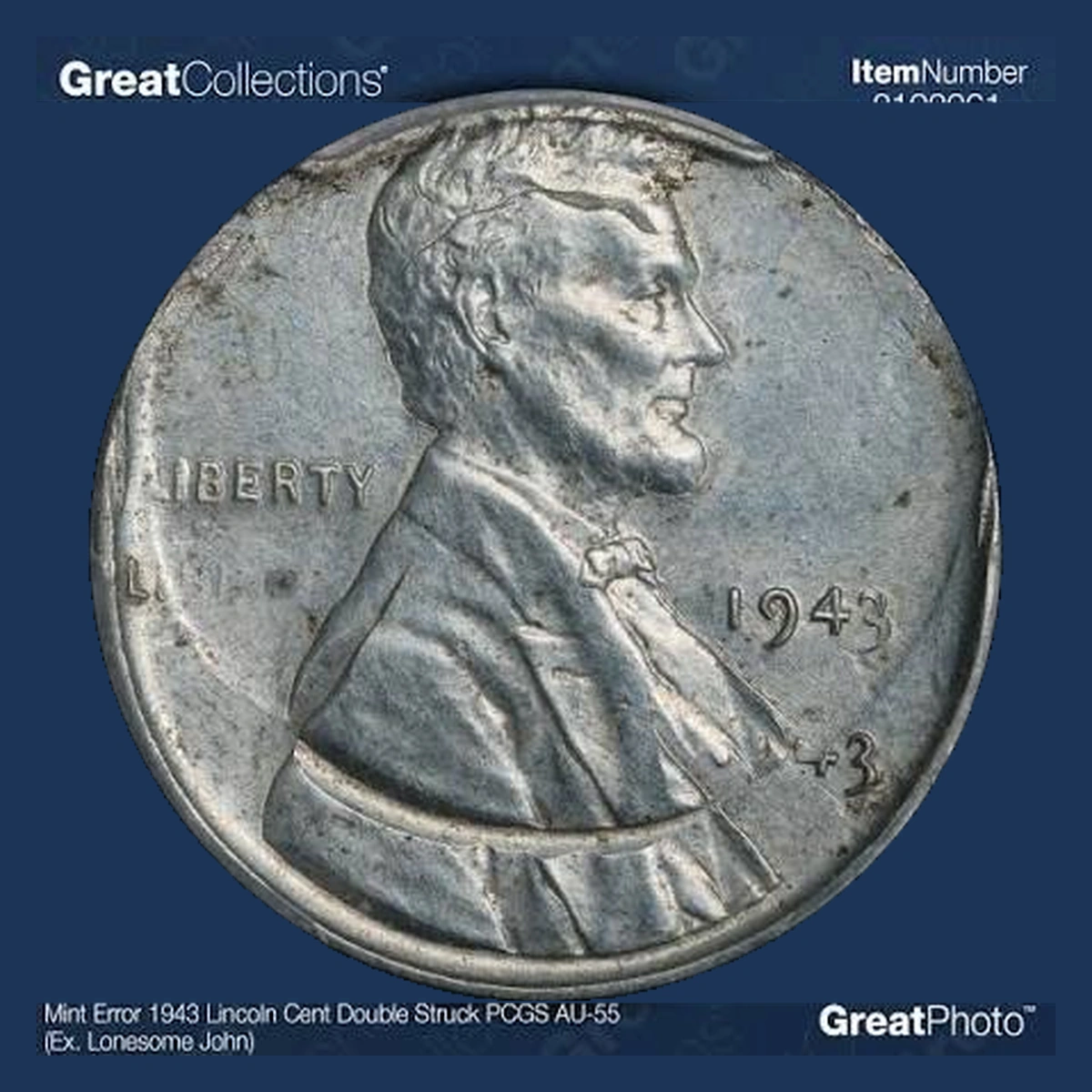
Two overlapping Lincoln designs mean the coin received another strike. The second strike can happen inside the retaining ring or after the coin shifts out of position.
A recorded 1943 example stayed inside the ring and also received a 25% semicircular depression low on the front. Another metal disc pressed against it during striking.
A different example has a 15% depression. A third received its second strike about 45% off center, hiding the date and mint area.
The last coin is assigned to 1943 from its identification record. Its missing date cannot be read directly from the surface.
Estimated Value
A 1943 double strike with a 25% depression brought $411.25 at Heritage in November 2013. An estimated $250–$2,000 covers genuine examples with differing strike positions and condition.
The price depends on how clearly both strikes can be followed. A larger depression does not automatically make the coin worth more.
The 15% and 25% examples are separate objects. Their features and prices should not be combined to create a more dramatic imaginary coin.
How to Identify
Find two copies of a substantial feature, such as Lincoln’s coat or a run of lettering. Follow each copy separately through a 10× magnifier before interpreting their overlap.
The recorded 25% indent coin adds a semicircular depression low on the front and a raised lip near the upper back. The separate 15% specimen must not borrow those measurements.
Check the plain edge for later squeezing and compare size and weight with 19.05 mm and 2.70 g using calipers and a scale. A second strike can distort the outline without removing the disc’s metal.
If the shifted strike hides the date, use the certification photographs. Trace two distinct struck designs through the overlap, rather than counting flat ledges beside individual letters as another strike.
9. 1943 Lincoln Wheat Penny Struck Through a Capped Die (Estimated Up to $3,000)
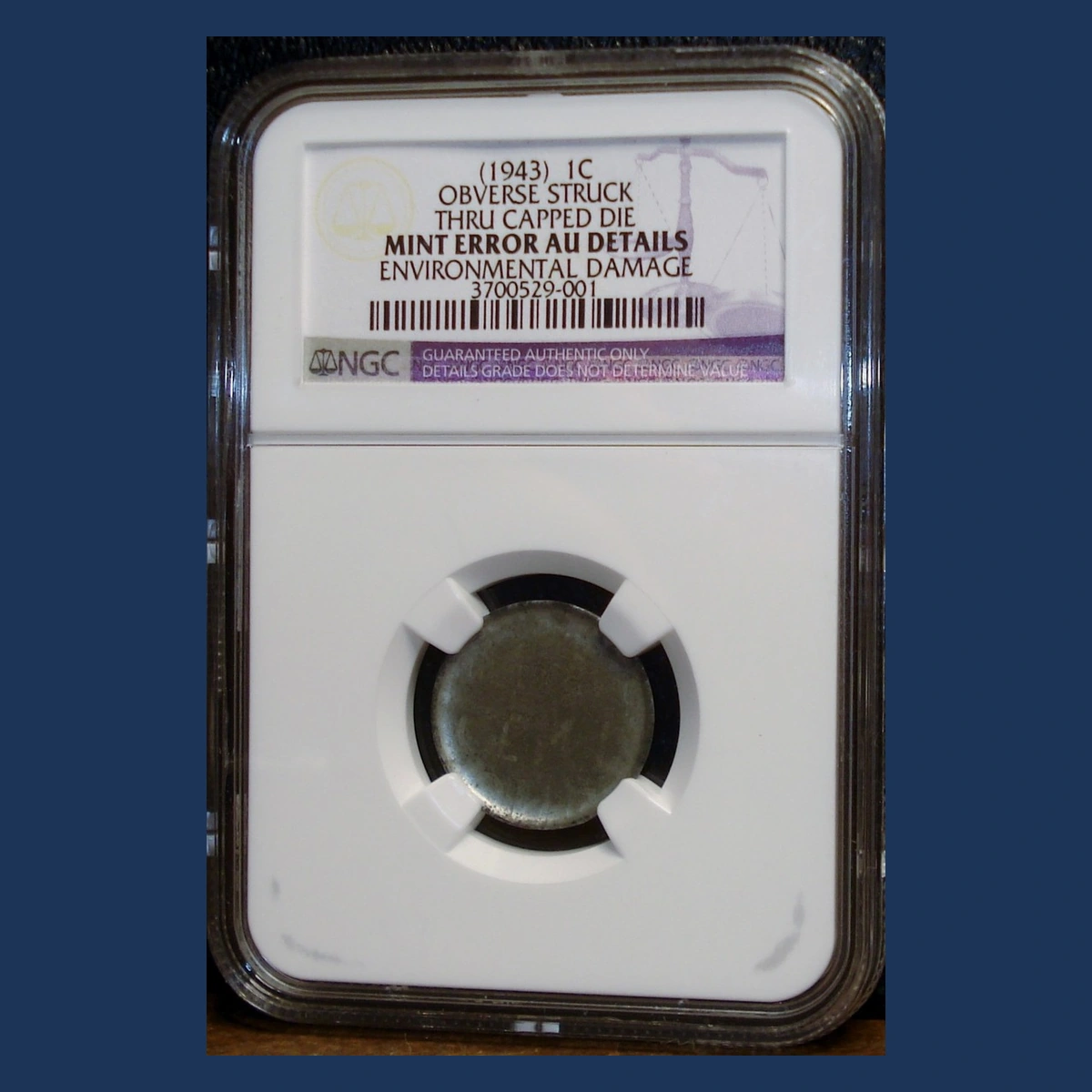
A ghostlike Lincoln portrait can appear beneath large backward lettering. The new disc was struck through another coin stuck to a die, the steel stamping tool.
The stuck coin acted as a cap and blocked the normal design. The piece here is the coin struck underneath it, not the cap itself.
One NGC MS63 steel example shows a faint portrait with enlarged backward ONE CENT and United States lettering. Its back remains normally designed.
The date cannot be read on that example. Its 1943 identity comes from the certification, while a separate San Francisco report has its own identity.
Estimated Value
A 1943 capped-die strike graded NGC MS63 sold for $1,128.50 on June 29, 2026. The dramatic ghost-portrait example brought $2,530 in July 2009.
An estimated $300–$3,000 allows for the difference between faint blocking and an especially clear, unusual impression. These are prices for coins struck under caps.
They should not be quoted as sales of the cup-shaped cap itself. Corrosion and heavy wear can reduce the appeal of an otherwise interesting strike.
How to Identify
On the recorded ghost-portrait coin, the normally designed back gives you a starting reference. Turn to the front and locate the faint Lincoln portrait beneath the enlarged backward lettering.
A 10× magnifier helps compare that distorted lettering with the sharp design of an ordinary cent. Stretching and blurring fit repeated striking through a stuck coin better than a crisp first-contact impression.
Weigh the piece against 2.70 g and use calipers against 19.05 mm. Examine the plain edge for seams or later mechanical damage.
The coin being identified is the recipient of the cap impression, not the stuck cap itself. Compare the blocked portrait and enlarged backward words with the certified example, including its unreadable date rather than supplying one yourself.
10. 1943 Lincoln Wheat Penny Split Disc with a Blank Front (Estimated Up to $5,000)
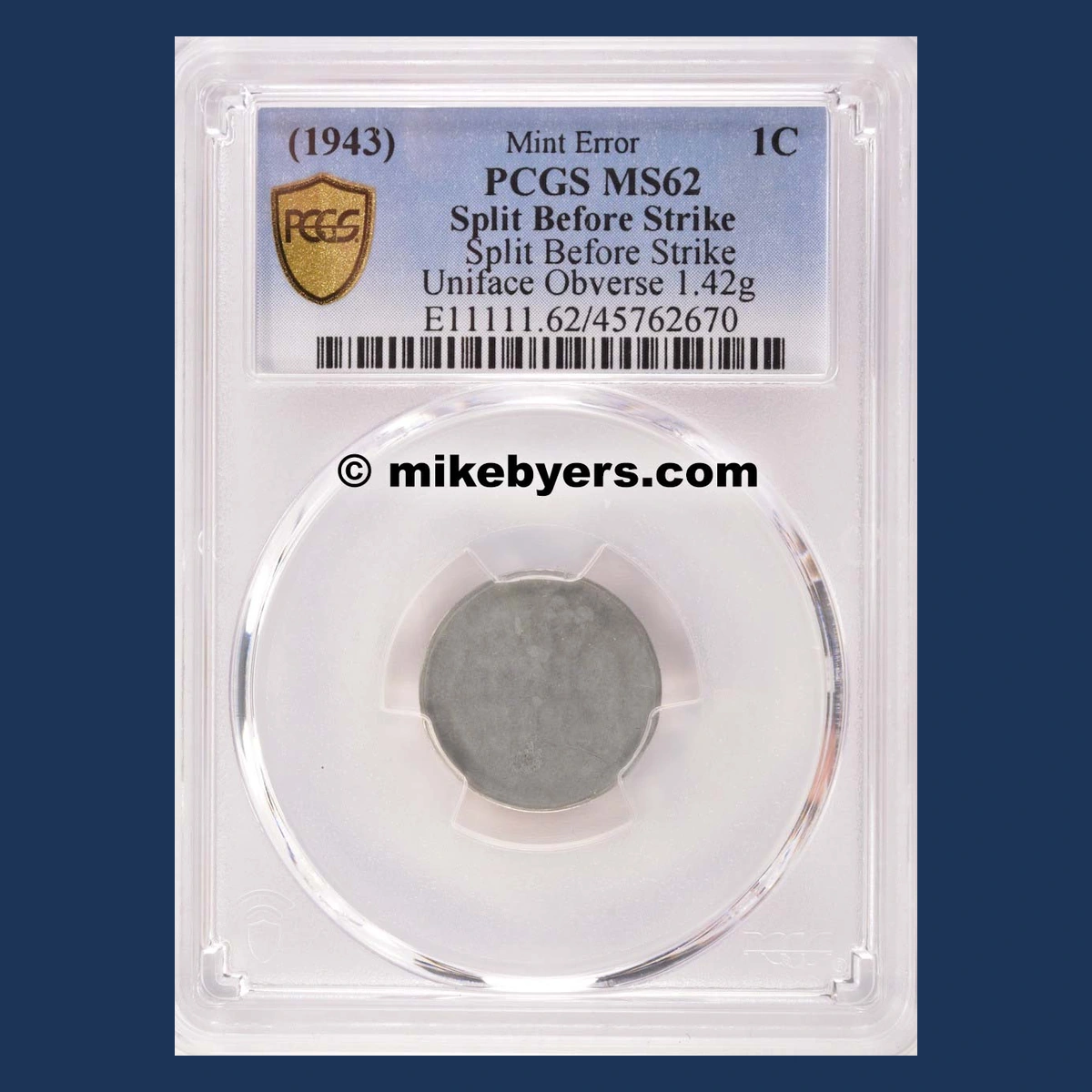
One side is blank and the other carries the Wheat cent back. The recorded steel example weighs only 1.42 g, roughly half a normal steel penny.
The metal disc had split before striking. It then entered the press beneath another disc, which kept the front tool from reaching it.
Only the lower back tool stamped its design onto this thin piece. The result combines an earlier metal split with a one-sided strike.
PCGS graded the coin MS62. Because the front was not struck, neither the date nor a mint letter can be confirmed by simply looking at that blank side.
Estimated Value
A working estimate for this unusual certified combination is $1,000–$5,000. The dealer listing marks the coin sold but does not publish its selling price.
As a simpler split-before-striking comparison, a 1947-S copper-alloy cent with a partial split sold for $144 in June 2026. It lacks this steel coin’s blank-front combination.
The higher estimate reflects the distinct material and combined errors. It is not a reported transaction or a claim that every thin steel penny has the same value.
How to Identify
The blank front cannot supply a date or mint letter. Begin with the certification photographs so that you are examining the recorded coin, not merely a penny with an erased front.
Check the thin plain edge under a 10× magnifier. Grinding lines or an artificial seam would require a different explanation from a disc that split before striking.
This example’s 1.42 g weight is important: use a scale to compare it with the normal 2.70 g. Calipers check the outline against the standard 19.05 mm diameter.
On the other face, follow the struck Wheat design and compare its texture with the untouched front. Match the certified coin’s thin edge, low weight, and genuinely blank front with its struck back.
11. 1943 Lincoln Wheat Penny Doubled Die, Including the 1943/2-S (Estimated Up to $10,000)
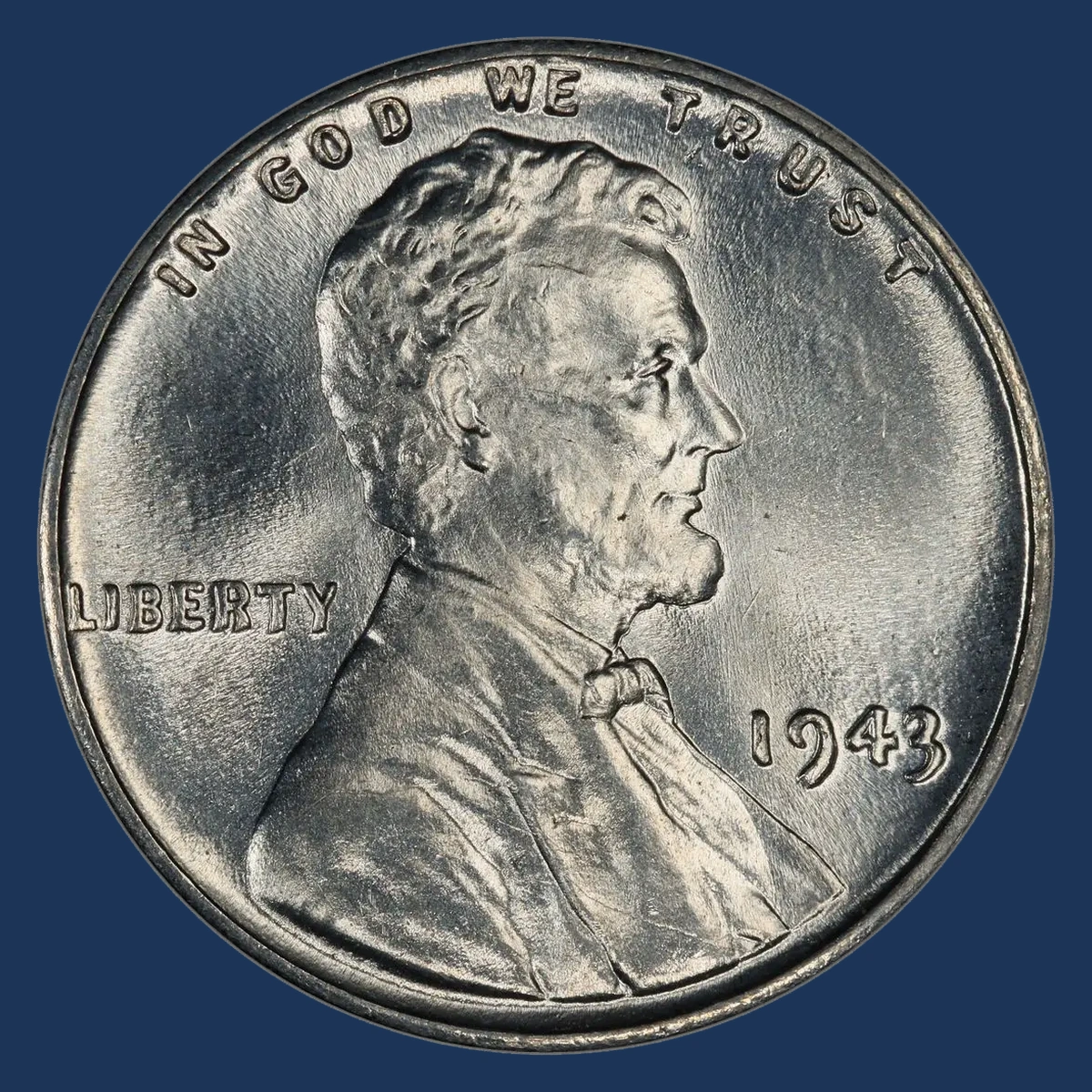
An extra eyelid or repeated letter edge can be part of the stamping tool itself. Such a doubled die repeats its altered design on each coin it makes.
Philadelphia, Denver, and San Francisco have different front and back varieties. Some show thickened letters, while others have separated outlines.
The 1943/2-S FS-101 also preserves part of an earlier 2 beneath the final 3. It belongs to the same variety once commonly described only as a doubled front.
Clash marks on later examples of Philadelphia WDDO-012 are separate tool-contact traces. They are not additional eyelid doubling.
Estimated Value
Minor identified varieties have estimated values around $10–$150. The stronger 1943/2-S variety can extend roughly from $100 to $10,000, depending greatly on preservation.
PCGS lists a $10,000 eBay result for an MS67 example in October 2022. That is a reported marketplace result, not a typical price for a worn coin.
Small eyelid varieties should not inherit the overdate’s high-end figure. Match the exact variety before using its price range.
How to Identify
Decide which feature is being claimed before enlarging the whole coin. An extra eyelid needs a different comparison from thick back lettering or the 1943/2-S date.
Use a 10× magnifier on that feature, then select photographs from the correct mint. The S overdate should show the earlier 2’s curve at the upper right of the 3, along with its associated doubling.
For other varieties, compare the complete pattern of repeated details rather than expecting that date remnant. Flat, shaved-looking ledges may be mechanical doubling.
The plain edge, 2.70 g weight, and 19.05 mm diameter remain useful checks with a scale and calipers. On an overdate candidate, locate the earlier 2 and match the surrounding doubled details to FS-101.
12. 1943 Lincoln Wheat Penny Repunched Mintmark (Estimated Up to $22,000)
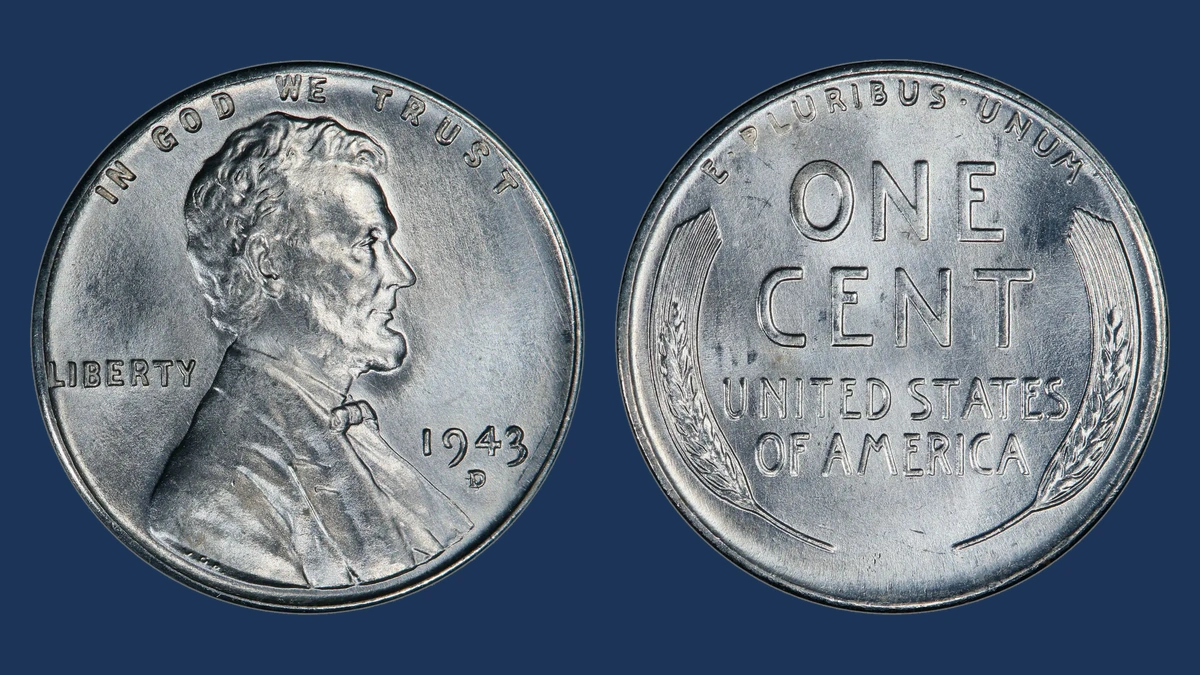
The letter below the date can show a second D or S peeking out from the first. The letter was punched into the stamping tool more than once.
If the punches landed in different positions, both outlines could remain. A tilted punch can also leave an extra curve without producing two complete letters.
Several 1943 Denver varieties show three D impressions, while San Francisco has its own S-over-S patterns. These are mint-letter mistakes rather than doubled portraits.
Some coins combine a repunched mintmark with a doubled design. Each feature still needs to match its own known pattern.
Estimated Value
The major 1943-D/D graded PCGS MS67 sold for $21,275 at Heritage in February 2011. Such exceptional preservation is far beyond most pocket finds.
Minor repunched letters have estimated values around $5–$100. Stronger major D/D examples can range roughly from $100 to $22,000 as grade and appearance improve.
This broad spread does not make every extra D curve a major rarity. Rust, new plating, and an incorrect variety label can greatly reduce its value.
How to Identify
A Philadelphia steel cent normally has no mint letter, so it cannot provide a D/D or S/S identification. Choose the proper Denver or San Francisco comparison first.
Check the whole coin on a scale and with calipers against 2.70 g and 19.05 mm. Inspect its plain edge and confirm the normal steel response to a magnet.
Now examine the mint letter through a 10× magnifier. Look around its base for an added-metal seam before treating an extra curve as an earlier punch.
The extra stroke must fit another D or S in the variety’s documented position. Trace that surviving letter shape and compare it with the correct major or minor variety, rather than applying the valuable major D/D name to any bump.
13. 1943 Lincoln Wheat Penny Tin-Rich Metal Composition (Estimated Up to $25,000)
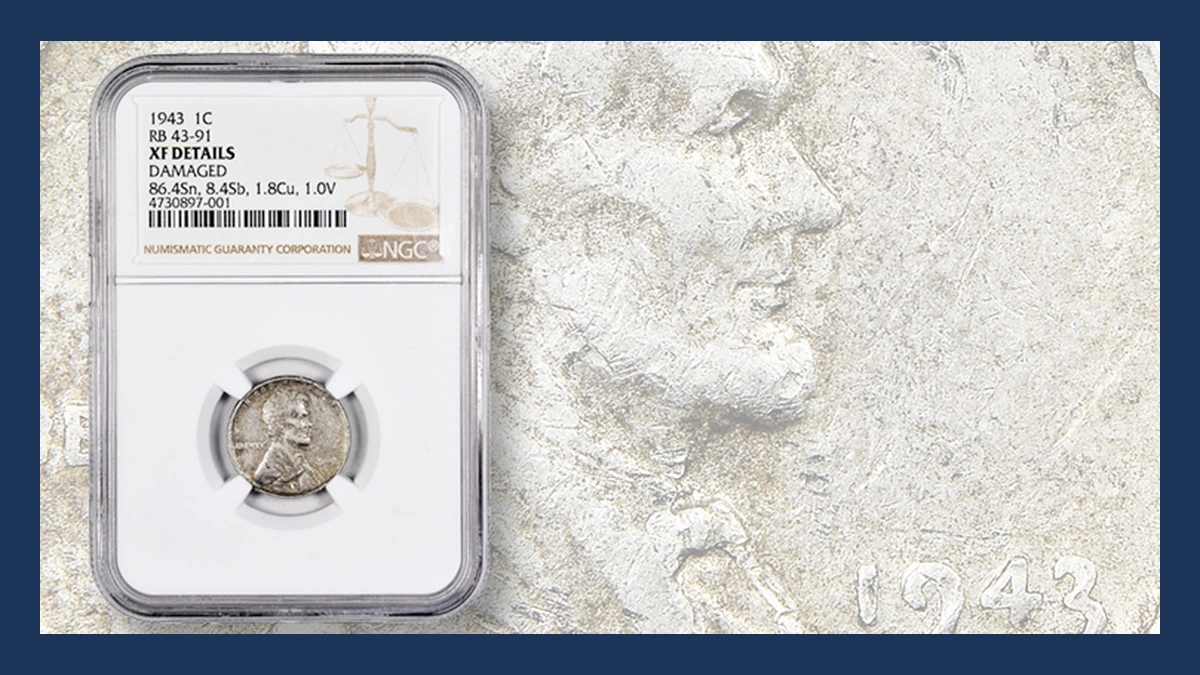
A reported 1943 cent looks unusual because its metal is mostly tin rather than steel or copper. Testing found about 86.4% tin and 8.4% antimony, with smaller amounts of other elements.
The coin weighs about 2.7 g, close to a normal steel cent. Weight therefore cannot distinguish this unusual alloy by itself.
NGC identified the coin with an XF Details grade and noted damage. That means its detail can be described, but damage prevents a normal numeric grade.
Its origin is not established as a routine wrong-disc accident. An experimental purpose also remains an interpretation rather than a proven fact.
Estimated Value
For the authenticated tin-rich piece, an estimated $5,000–$25,000 reflects interest in a major 1943 metal anomaly. This is an estimate, not a published auction result for that specimen.
The comparison is with scarce wrong-metal 1943 cents, including foreign silver-disc errors. The different alloy, damage, and unresolved production history prevent a simple price transfer.
A gray coin of normal weight does not qualify for this range. Its unusual composition and genuine date must both be established.
How to Identify
A normal-looking weight does not settle the metal in this case. The reported tin-rich coin weighs about 2.7 g, very close to an ordinary steel penny.
Record the weight with a scale and compare diameter with 19.05 mm using calipers. A magnet offers a steel comparison but cannot tell you the percentages of tin and antimony.
Professional nondestructive metal analysis is necessary. Keep its results with the certification instead of guessing an alloy from gray color.
Use a 10× magnifier to check the date for alteration and the plain edge for seams. Assess the reported surface damage separately.
Confirm the actual metal-analysis result and genuine date together; neither ordinary weight nor unusual color establishes the tin-rich identity.
14. 1943 Lincoln Wheat Penny Struck Over Another Coin (Estimated Up to $25,000)
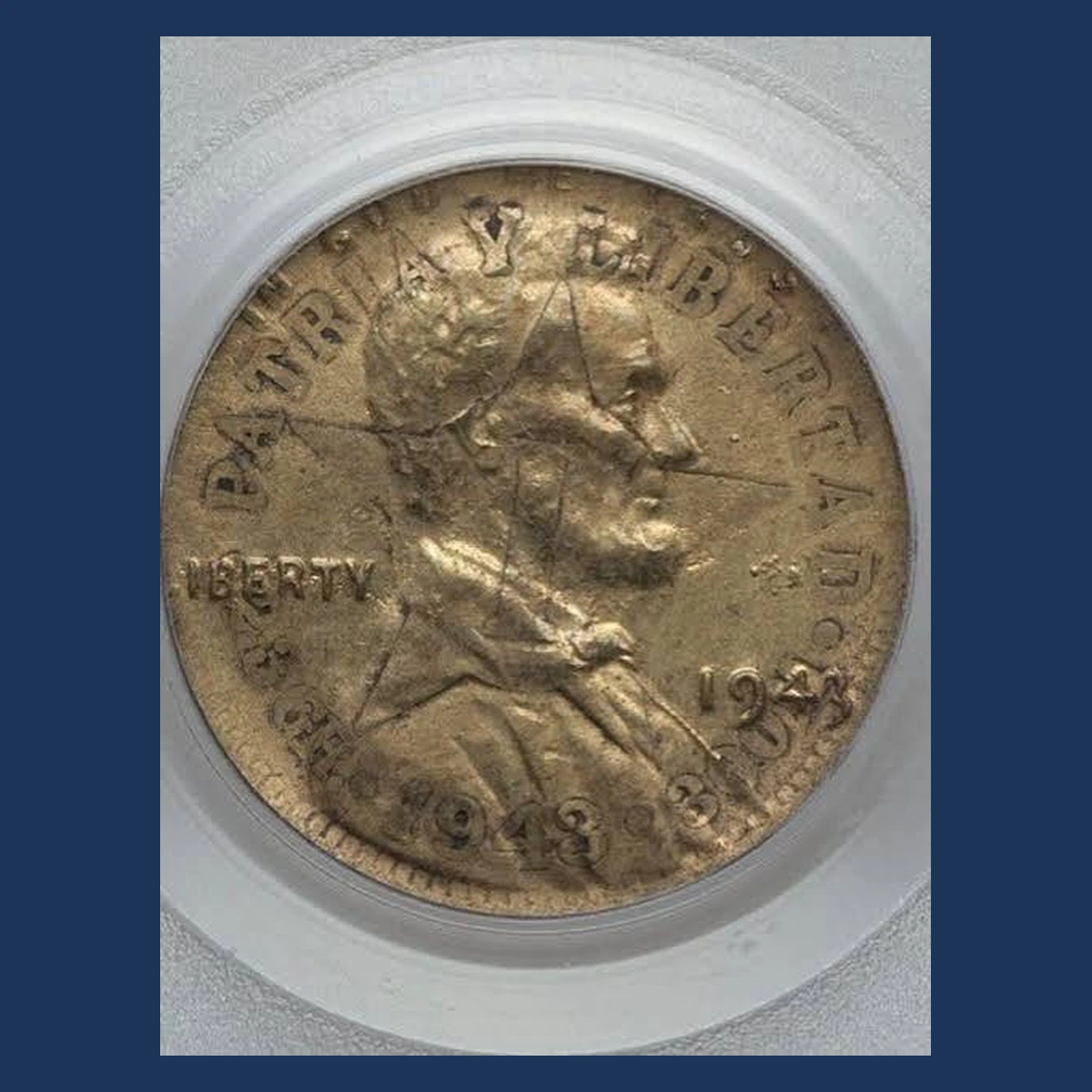
Part of a different coin’s design can survive underneath Lincoln and the Wheat cent lettering. The cent tools struck a coin that had already received another design.
A recorded Cuban one-centavo example retains its star and surrounding lettering. Its two sides also have the same upright orientation when turned sideways, unlike a normal United States cent.
Another example was struck over a 1943 Mercury dime. Parts of the dime’s design remain around the cent details.
These are different from unused foreign discs or dime blanks. The earlier coin’s actual stamped picture is the evidence that makes them overstrikes.
Estimated Value
The PCGS MS62 cent struck over a Cuban one-centavo sold for $10,925 at Heritage on January 4, 2006. For authenticated 1943 overstrikes of this kind, use an estimated $8,000–$25,000.
The Mercury dime example needs its own assessment; the Cuban sale is a same-year mechanism comparison, not its transaction price. Both the earlier design and the cent strike should be clearly identifiable.
Added counterfeit cent designs on genuine dimes do not qualify for this range.
How to Identify
Ignore the Lincoln design briefly and try to identify the older coin. The Cuban star or surviving Mercury dime details should form recognizable parts of that earlier design.
Use a 10× magnifier to follow their relationship to the cent lettering. On the Mercury example, the areas above Lincoln’s ear and around ONE CENT provide specific places to compare.
Record weight and diameter with a scale and calipers against the steel cent’s usual 2.70 g and 19.05 mm. Then compare those readings with the particular underlying coin’s specifications.
Inspect the edge for grooves, plain sections, or alteration without making it the sole test. Match the arrangement of both designs to the authenticated coin, since a genuine dime can still carry a counterfeit added cent impression.
15. 1943 Lincoln Wheat Penny Mirror Brockage (Estimated Up to $35,000)
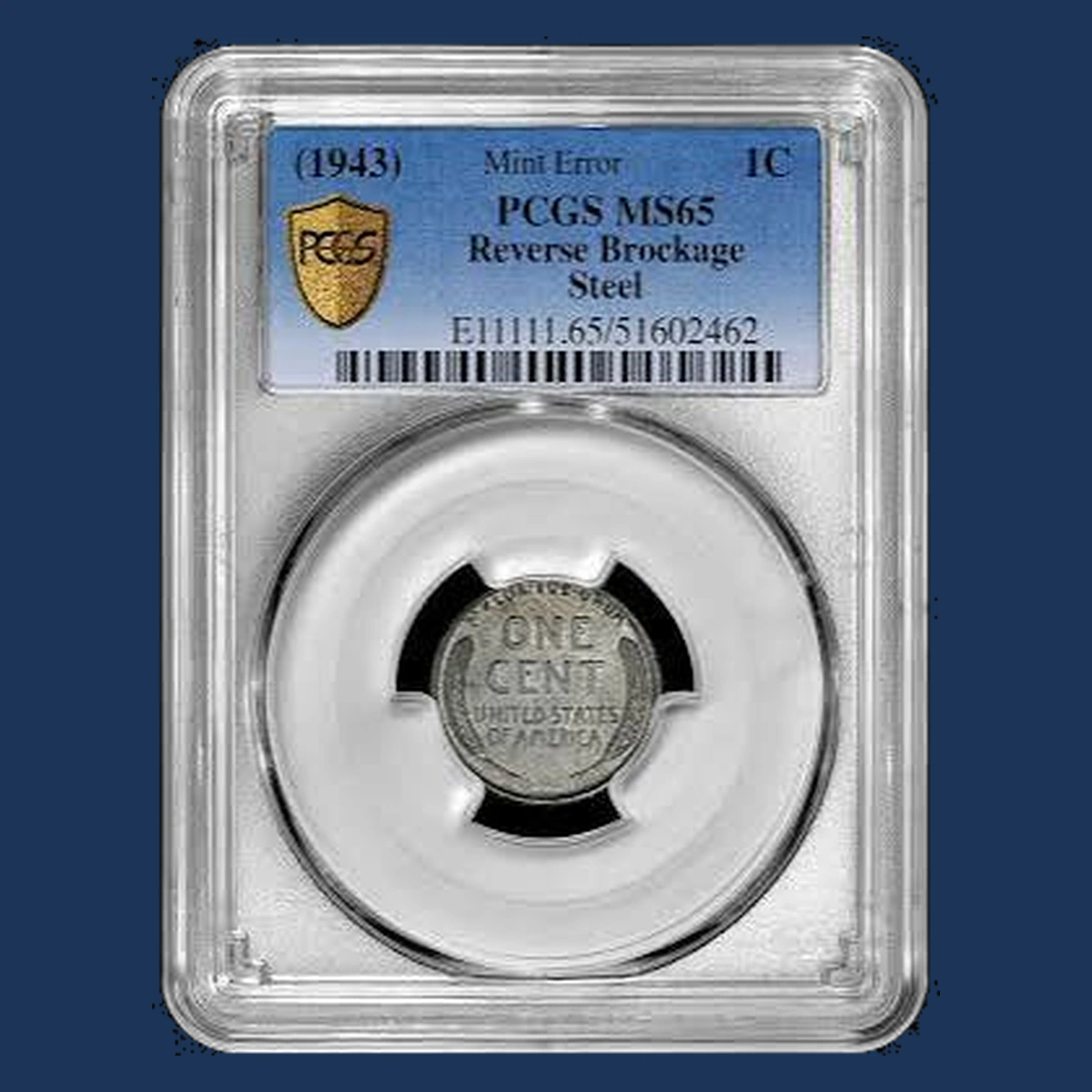
Lincoln appears on both sides, but one portrait is backward and pressed into the surface. This reversed impression is called a brockage.
A finished cent remained in the press and touched the next disc during striking. Its raised design acted like a stamp, making a sunken mirror image.
The reported 1943 example has a normal front and the mirrored front design on its other side. PCGS graded it MS63.
The term obverse mirror brockage refers to the front design that made the reversed image. It does not mean the error shows a normal Wheat back with ordinary raised lettering.
Estimated Value
The PCGS MS63 example reportedly sold for $31,200 in a Stack’s Bowers auction, as documented in Mint Error News. An estimated $15,000–$35,000 is appropriate for a comparable authenticated full mirror brockage.
A partial or heavily distorted impression should not automatically receive the same estimate. The clarity of the recessed design and the condition of the steel surfaces matter.
This price concerns the struck coin itself, not the earlier coin that transferred its portrait.
How to Identify
Place an ordinary cent front beside the suspect side and view that ordinary design in a mirror. The candidate’s portrait and lettering should reverse together, not simply contain scattered dents.
Next, use low-angle light and a 10× magnifier to establish that the reversed design is recessed. The other face should show a normal raised Lincoln front.
Check for an assembly seam along the plain edge. A scale and calipers provide the usual 2.70 g and 19.05 mm comparisons, but normal measurements cannot rule out later squeezing.
Certification photographs are especially useful because pressing finished coins together can also make backward marks. Match the whole recessed mirror design and the normal opposite front to the authenticated 1943 specimen.
16. 1943 Lincoln Wheat Penny Wrong Metal or Foreign Planchet (Estimated Up to $1,000,000)
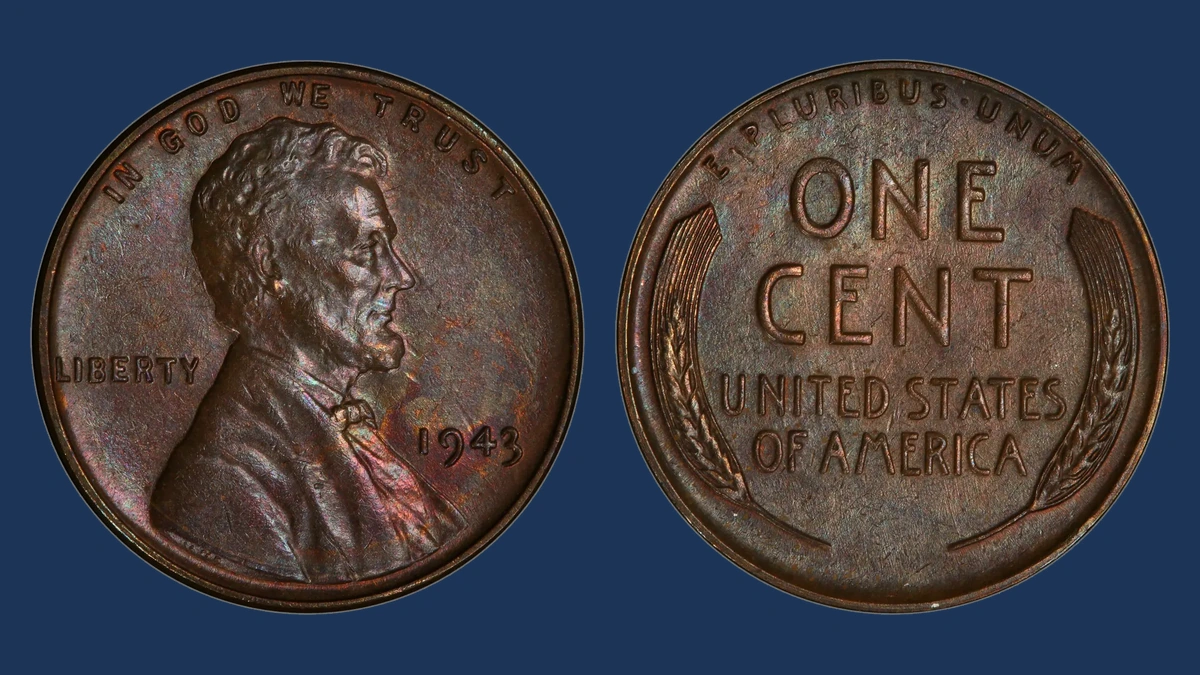
A brown 1943 penny can be a major rarity, but color is only the beginning. Genuine bronze examples used the wrong metal disc instead of the normal zinc-coated steel.
Other recorded errors used silver dime discs, Australian sixpence discs, and Netherlands or Curaçao 25-cent discs. A Cuban one-centavo brass blank is also reported.
These pieces differ in weight, size, and metal. The Australian-disc example also spread during striking, while the Cuban blank left part of the design off the edge.
No earlier foreign design is required. An unused disc can carry a wrong-metal error without being an overstrike.
Estimated Value
$1,000–$25,000 is an estimated range for many authenticated silver or foreign-disc examples. A 1943-D Australian sixpence-disc coin brought $4,560 in May 2022.
Bronze pieces occupy a different market, roughly $100,000–$1,000,000 depending on mint and condition. The PCGS MS64 Brown Denver bronze cent sold for $840,000 in January 2021.
These ranges require confirmed identities. Copper-plated steel and an altered date cannot inherit the bronze coin’s value merely because they look brown.
How to Identify
Bring a magnet near the coin before trusting its color. A copper-plated steel penny still reacts strongly, while genuine bronze does not.
Weigh it on a scale: a normal bronze disc is about 3.11 g, compared with 2.70 g for steel. A silver dime disc is normally 2.50 g; the recorded Australian-disc example weighs 2.82 g.
Use a 10× magnifier on the final 3 to check for a changed date. Inspect the edge for plating or seams, remembering that an ordinary cent has a plain edge.
Calipers compare the diameter with 19.05 mm, but each foreign disc needs its own specifications. Have the date and metal authenticated together after matching the weight and magnetic response to the particular claimed disc.
Conclusion
The normal steel penny is the starting point, not an error by itself. Check the specific feature: extra lettering, a missing section, an unusual strike, or a genuinely different metal.
Estimated values range from $2 to $1,000,000, but the largest figures belong to authenticated rarities. Color or an odd-looking date alone cannot establish those identities.
Keep the surfaces untouched and compare both sides before drawing a conclusion.