1957 Penny Error List with Pictures

A hole through the middle helped make one 1957-D penny memorable. Its design was struck on a washer, and the coin brought $7,475 in January 2012.
This 1957 penny error list also covers tiny raised bars, missing pieces, and cents struck over silver dimes. Estimated values run from $3–$12,000 across these very different mistakes.
Read on to see which features you can check with a magnifier and which need a closer look.
1. 1957 Lincoln Penny Doubled Die (Estimated Up to $100)
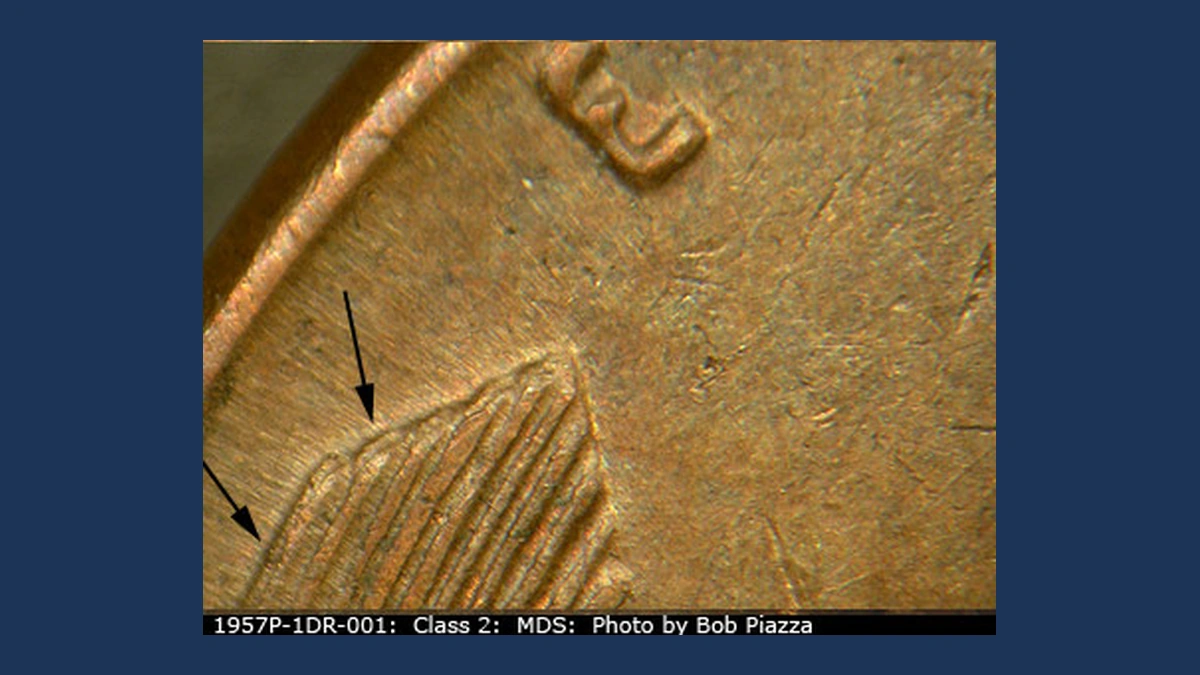
An extra edge beside a date digit may point to a doubled stamping tool. On the back, the large words ONE CENT offer another place to look.
A doubled die is a steel tool that already carries a doubled design. Each coin it strikes can repeat that feature without receiving another blow.
Year guides report front and back doubling for 1957, but do not establish one exact pattern or mint. The two reports should be compared separately.
Normal tool wear can stretch lettering outward, while movement during striking can leave flat shelves beside it.
Estimated Value
For minor, correctly identified front doubling, estimate $5–$100; for modest back varieties, use $5–$75. Clear features and little wear support the stronger part of each range.
These are comparison estimates for small Lincoln cent doubled dies. They do not transfer the high prices of famous doubled dates to every thick 1957 letter.
A close-up should show the actual extra stroke, so buyers can judge the feature rather than rely on the label alone.
How to Identify
Keep the coin still while inspecting it through a 10× magnifier. A blurry phone picture can create a false double image before you even examine the lettering.
For the front, study the date, LIBERTY, and the motto; for the back, inspect ONE CENT and the Wheat details. These are search areas, not a claim that all of them must be doubled.
Change the light angle and see whether a shaped extra stroke stays in place. Glare moves, while flat shaved-looking ledges often suggest movement during striking.
Use a scale and calipers against 3.11 g and 19.05 mm, and inspect the plain edge for alteration. Compare any promising detail with the same mint and strike type rather than mixing unrelated varieties.
2. 1957-D Lincoln Penny Repunched Mintmark (Estimated Up to $125)
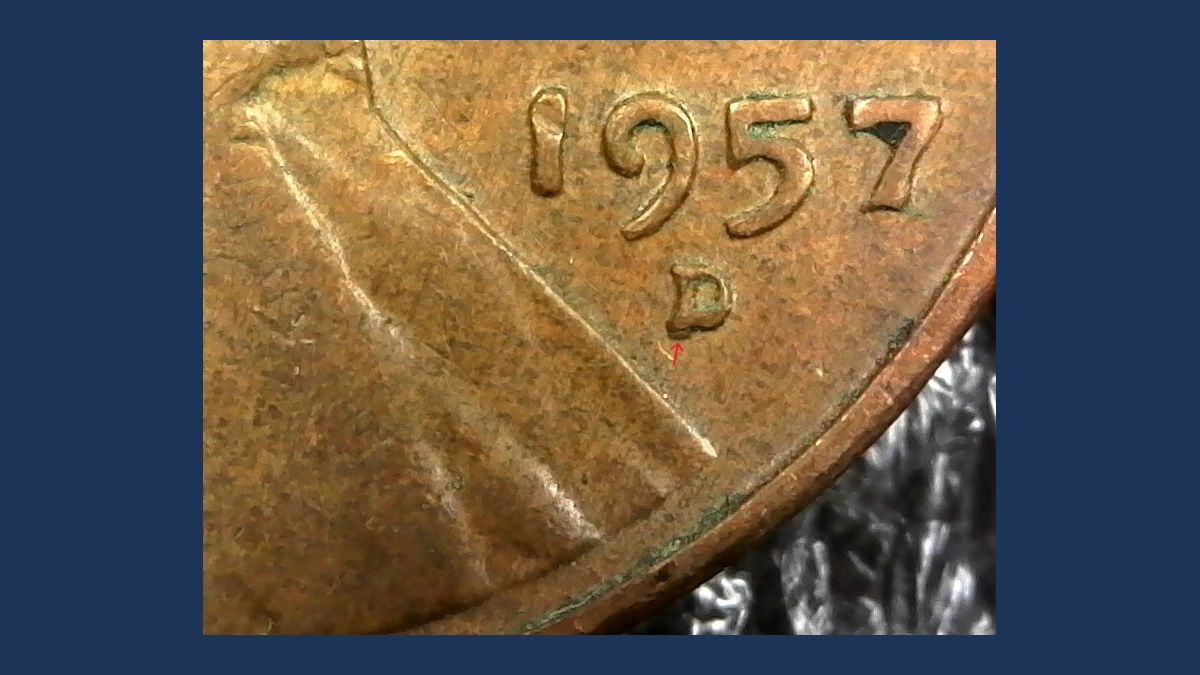
The little D below 1957 was added separately to the stamping tool. If the punch landed in slightly different positions, more than one D outline could remain.
That is a repunched mintmark. The finished coin can show a curved extra stroke or part of a second upright beside the main letter.
Reports for this year include more than two impressions. Still, an odd-looking D alone does not establish a triple punch.
A lump inside the letter may instead come from a tiny broken area of the tool. Scratches can also create misleading edges.
Estimated Value
Allow roughly $5–$125 for identified 1957-D repunched mintmarks, depending on strength and condition. Small extra strokes on worn coins tend toward the lower end.
For comparison, a dealer listed separate 1953-D repunched-mintmark cents at $10 and $15. Those were asking prices for another year.
The higher estimate suits sharper, more appealing examples with a clearly matched mintmark pattern, rather than an unexplained blob.
How to Identify
First find the D below the date. A genuine Philadelphia penny without a mintmark cannot have this D-over-D error.
Keep the coin still under a 10× magnifier and trace the outside of the letter. Separate curved strokes are more useful than a filled opening.
Compare the complete D shape with an identified example, including the direction of each extra stroke. Do not count reflections as additional punches.
Weigh the loose cent on a digital scale and measure across it with calipers. Normal specifications are 3.11 grams, 19.05 millimeters, and a plain edge.
Check the other lettering for broad, flat strike doubling. An extra D-shaped stroke beside the main mintmark gives the clearest starting clue.
3. 1957 Lincoln Penny BIE Chip and Raised Tool Cracks (Estimated Up to $150)
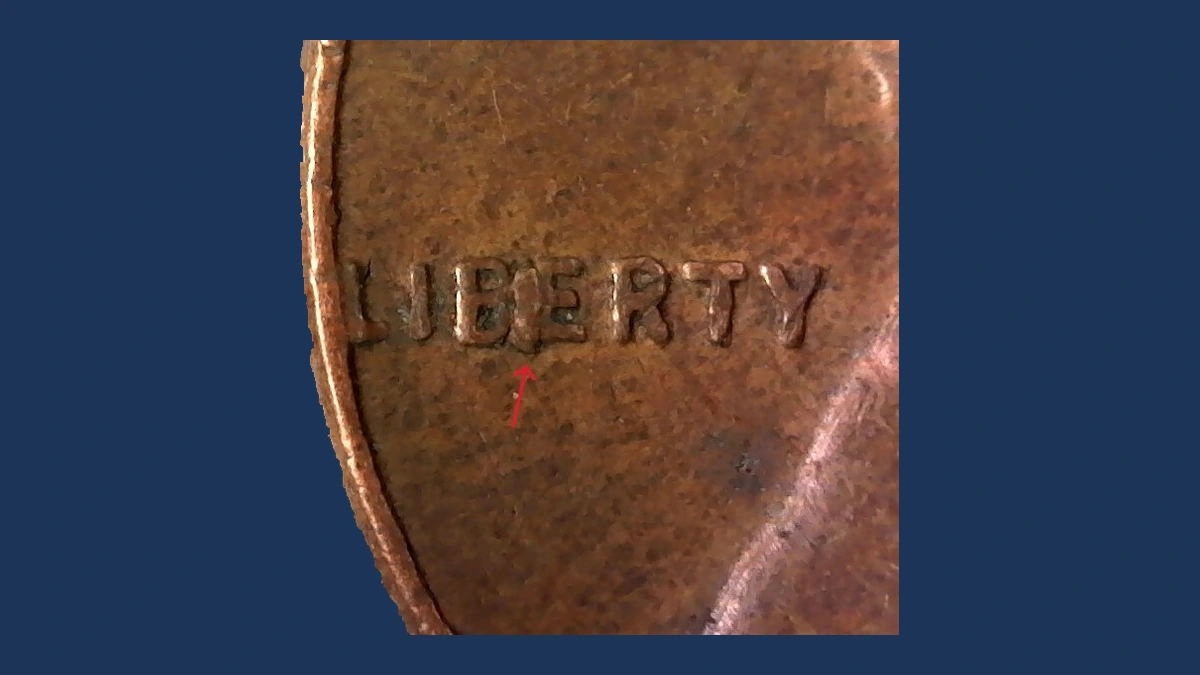
LIBERTY can appear to gain an I when a small tool chip leaves a raised bar between B and E. A cracked tool may instead leave a thin ridge across Lincoln’s head.
Both effects are reported on 1957 pennies. They add raised metal to an otherwise normal design.
A separate 1957-D seller listing describes a retained break near the lower right wheat ear, plus front-side chips and cracks. A retained break means a cracked tool section remained in place.
Its boundary must reach the rim before the stronger “retained cud” description fits.
Estimated Value
Budget an estimated $3–$30 for small BIE bars or head cracks, and $15–$150 for stronger identified breaks. Size and visibility matter more than an elaborate nickname.
The 1957-D combination listing asked $9 for an uncertified coin. That is a seller’s price, not an auction result or independent grade.
Several small features on one coin do not automatically add several separate premiums.
How to Identify
Under low side lighting, a genuine tool crack should stand above the surface. A scratch normally cuts into it, although pushed-up scratch edges can confuse the picture.
Examine B and E with a 10× magnifier for the BIE bar. For the head-crack report, follow the raised line across Lincoln’s hair.
On the separately reported Denver coin, inspect the lower right wheat ear, the 9, and the shoulder. Trace any claimed retained-break boundary all the way to the rim.
A scale and calipers should place an undamaged loose coin near the normal 3.11 grams and 19.05 millimeters. Tiny chips do not explain a large weight change.
Tilt the coin to confirm that the suspicious bar or line rises from the surface rather than cutting through it.
4. 1957-D Lincoln Penny Lamination and Attached Flake (Estimated Up to $200)
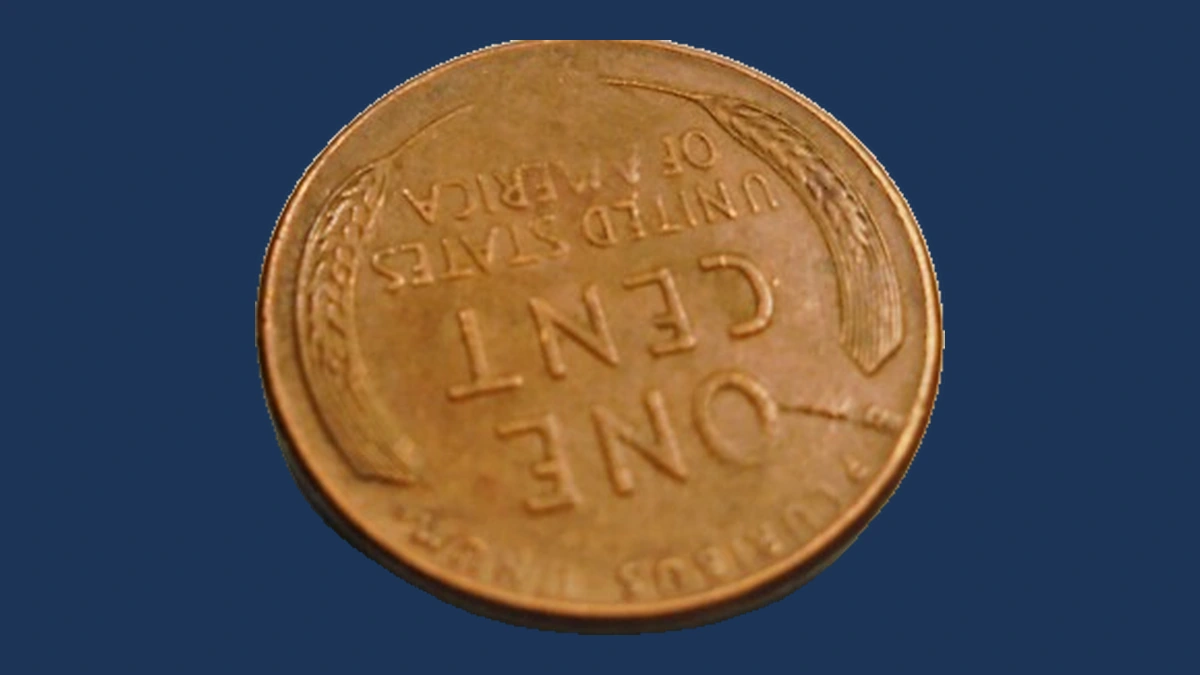
A thin flap of metal can lift from a wheat penny without the whole coin splitting in two. This surface separation is called a lamination.
Impurities or weak areas inside the copper alloy can let a shallow layer loosen. The resulting patch may be rough, partly missing, or still attached at one edge.
An ANACS-graded MS62 Brown 1957-D example appears in a Heritage catalog. Another dealer report describes an attached flake between roughly 10 and 2 o’clock.
Those are separate coins. The second report does not establish which face carries the flake.
Estimated Value
Estimate $10–$200 for these laminations, from small missing flakes to prominent attached pieces. An intact flap can make the original problem easier to understand and more attractive to collectors.
A dealer’s $7 asking price for a 1942-S front lamination shows how affordable small wheat-cent examples can be. It is a different-year comparison.
Larger 1957-D pieces deserve individual pricing, especially when their flakes remain attached and undisturbed.
How to Identify
Leave the flap alone. Lifting it can break the attachment and remove useful evidence of how it formed.
Use a 10× magnifier and light from the side to examine the torn boundary. Look for a thin layer separating from the coin, rather than glue holding a foreign object on top.
A 1957 penny is 95% copper alloy throughout, not a modern zinc cent with a thin copper coating. Its normal weight is 3.11 grams and diameter is 19.05 millimeters.
Check those measurements with a scale and calipers only if handling will not catch the flake. A missing layer may lower weight slightly.
Follow the flap to the edge where it remains joined to the original surface.
5. 1957 Lincoln Penny Clipped Blank, Including an Off-Center Combination (Estimated Up to $300)
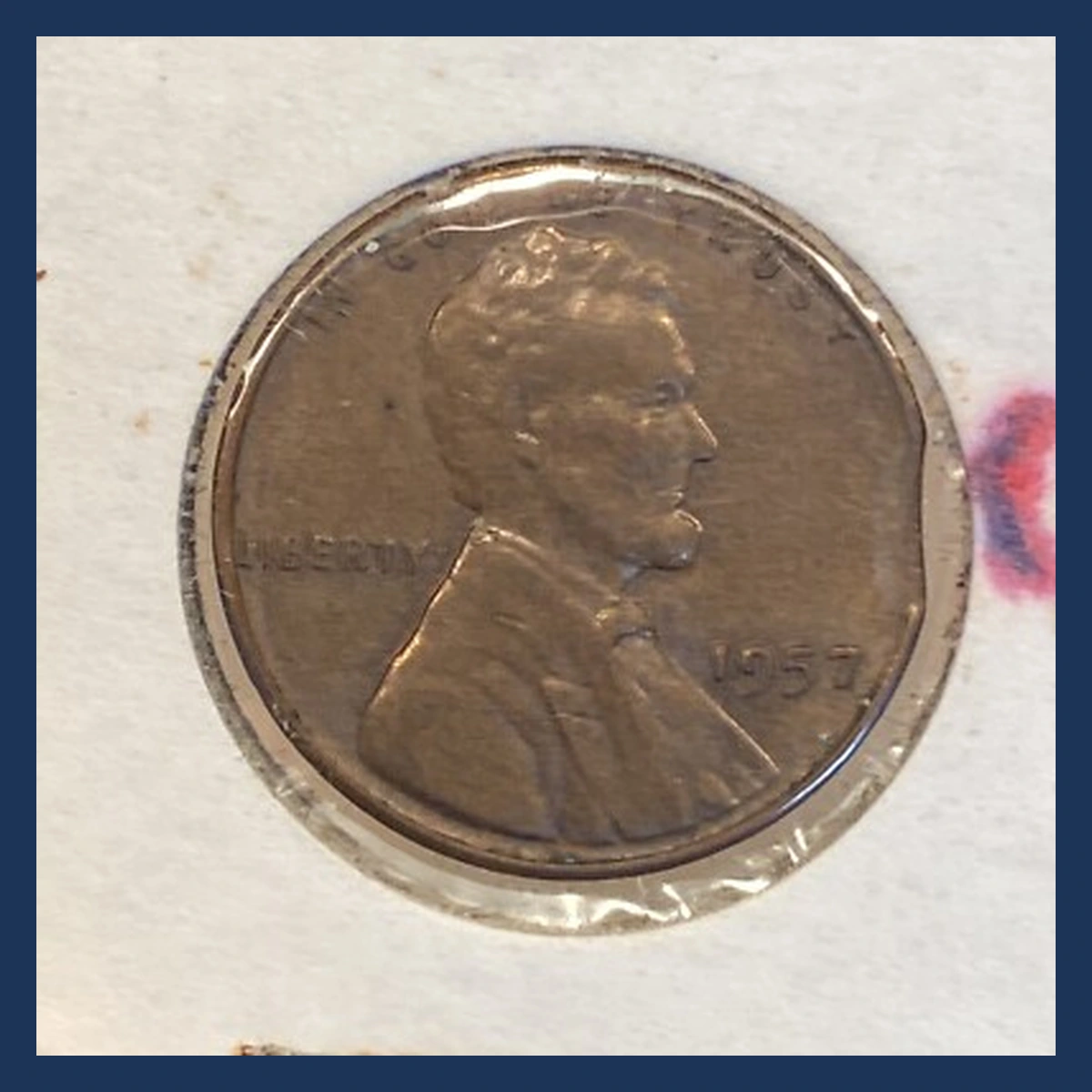
A missing section of the rim may begin before the coin receives its design. The cutting machine can punch a blank from an incomplete area of the metal strip.
The resulting clipped blank then passes through the press. Letters near the missing edge may become weak or stretched as metal moves during the strike.
A dealer lists a clipped 1957-D cent. A separate year-guide example combines roughly 15% off-center striking with about a quarter of the blank missing.
The percentages describe that report approximately. They are not exact measurements of every clipped 1957 penny.
Estimated Value
A dealer offered a 1957-D clipped cent for $20. That asking price supports an estimated $15–$100 range for ordinary clips of different sizes.
For the reported clip and off-center combination, allow roughly $75–$300. Missing metal and displaced design must both be genuine.
Buyers usually favor a visible date, natural surfaces, and a clear missing section over a tiny notch with little detail.
How to Identify
Look across the coin from the missing section. Some genuine clips have a weak rim on the opposite side, though this feature is not always strong.
A 10× magnifier can show how the design meets the clip. Normal strike flow is more persuasive than sharp file marks or a cut passing through finished lettering.
Use a scale to compare the remaining weight with the normal 3.11 grams. Calipers should show about 19.05 millimeters across an undisturbed part of an otherwise normally struck coin.
For the combination, also find a blank crescent beside the shifted design. Do not mistake the missing piece itself for off-center striking.
Start where a letter approaches the missing edge and inspect whether the strike naturally fades there.
6. 1957 Lincoln Penny Indent (Estimated Up to $500)
A smooth hollow can form when another blank partly covers a cent inside the press. The upper blank blocks the design and is pushed into the lower piece.
Collectors call that hollow an indent. The affected coin keeps its metal, unlike a clipped blank with a section missing.
A Stack’s Bowers March 2020 catalog lists a 1957 indent graded AU58, meaning slight circulation wear. The available description does not fix its size or which face is affected.
A dent made later can look similar. The way the surrounding design meets the hollow is important.
Estimated Value
For a genuine 1957 indent, estimate $75–$500. A broad, easily seen depression with an intact date generally attracts more interest than a shallow mark.
This range uses comparable copper Lincoln cent indents, rather than assigning an unreported result to the AU58 catalog coin. Surface damage can reduce the amount considerably.
A buyer should be able to see the hollow and the nearby undamaged design clearly in the photographs.
How to Identify
An indent should form a depression, not a hole through the coin. Check both faces before deciding that missing design means missing metal.
Place the coin beneath angled light and inspect the boundary with a 10× magnifier. A later punch may leave torn edges, scratches, or a matching bulge on the other face.
A scale is useful here because a normal copper-alloy cent starts at 3.11 grams. An indent does not remove a large piece of that metal.
Measure with calipers against the standard 19.05-millimeter diameter, allowing for spreading caused during the error strike. Keep an already graded coin inside its holder.
The key view shows a smooth recessed area interrupting the design without a cut-out edge.
7. 1957 Lincoln Penny Off-Center Strike and Chain Strike (Estimated Up to $600)
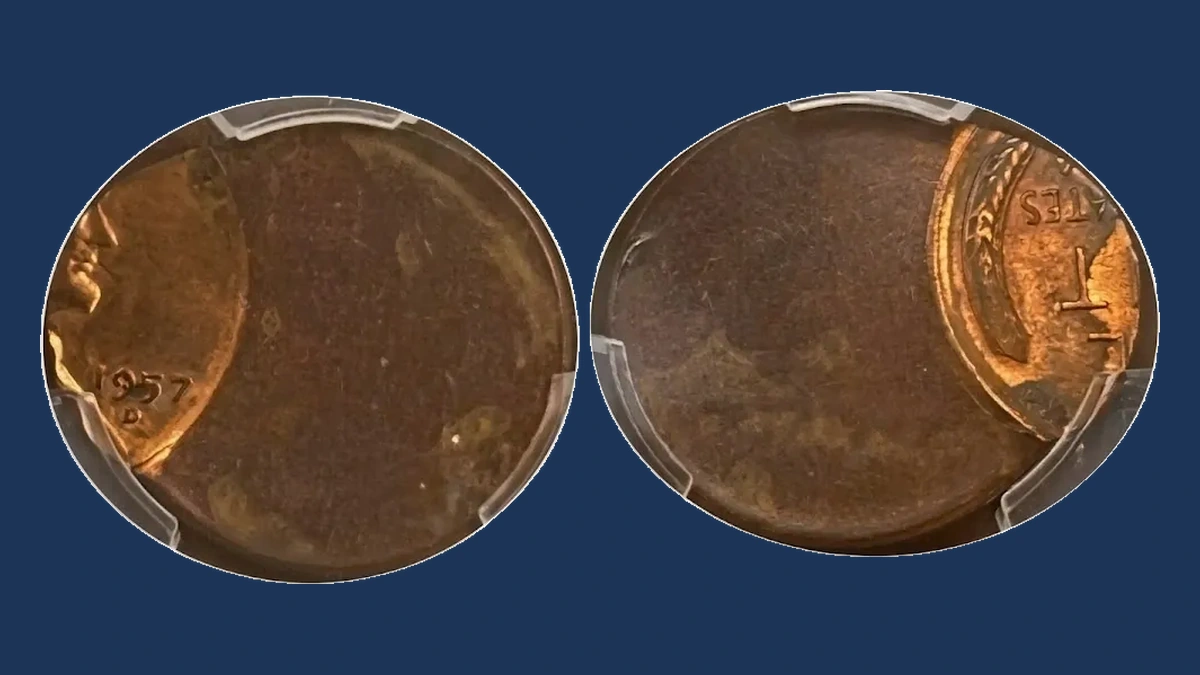
An off-center wheat penny leaves part of its copper blank untouched by the stamping tools. The design moves toward one side, and some letters can disappear beyond the edge.
A Philadelphia example is reported 80% off center toward 8 o’clock. Denver examples have their own positions and degrees of displacement.
One 1957-D coin combines a 75% off-center strike with contact against another blank. This chain strike leaves a flattened contact area along the edge.
The other blank is not needed to recognize the contact, and no matching partner is established for this example.
Estimated Value
Recent sales show why the percentage alone cannot set a price. A 1957-D 75% off-center chain strike, PCGS MS64 Red, brought $169 in December 2024.
In March 2025, separate Denver coins sold for $139 at 85% off center and $234 at 65%. They were both graded MS63, meaning no circulation wear but visible marks.
Use $40–$600 as an estimated range, with date visibility, color, and presentation influencing the result.
How to Identify
Hold the date upright and locate the untouched part of the blank. Both sides should support a displaced strike, rather than just a misplaced front design.
Compare the remaining letters with a normal wheat cent. Off-center coins lose design at the edge, while broadstruck coins can spread outward with the design still complete.
For the chain-strike example, examine the flattened edge under a 10× magnifier. Later vise damage can also flatten an edge, but may leave grip marks.
A digital scale should be near the ordinary 3.11-gram weight when no metal is missing. Use calipers to record the stretched outline instead of expecting every span to equal the normal 19.05 millimeters.
The untouched crescent beside the displaced design makes the off-center strike easy to spot.
8. 1957-D Lincoln Penny Silver Scrap Struck into the Reverse (Estimated Up to $1,000)
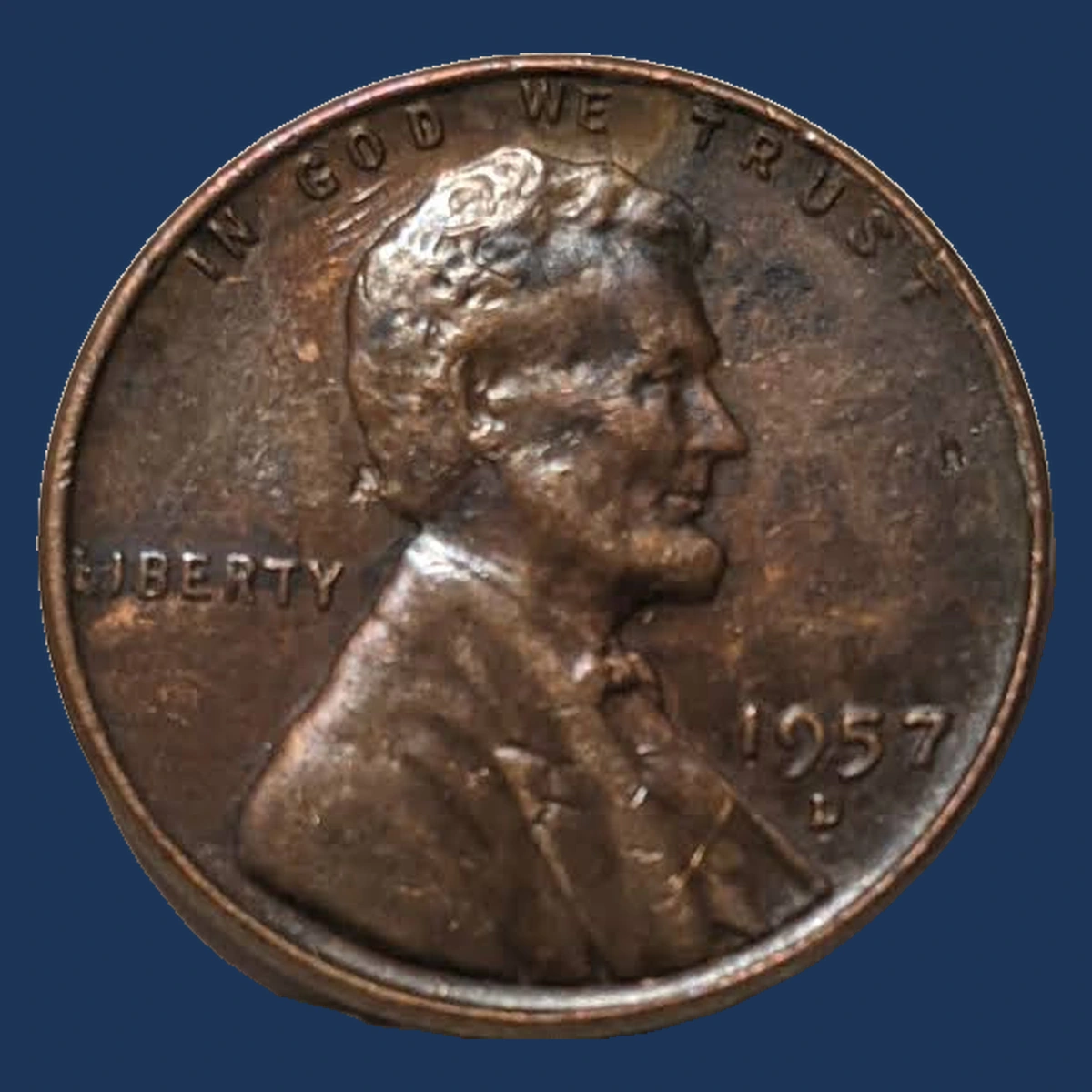
A silver-colored patch on the wheat side can represent an extra piece of metal rather than the coin’s original material. A Heritage catalog describes a 1957-D cent with silver scrap struck into its reverse.
NGC graded that coin MS64 Brown. Brown describes the copper surface color, while the silver scrap is a separate addition.
The scrap was caught during the strike and pressed into the coin. That differs from a cent made entirely on a silver dime blank.
Solder applied afterward may look similar, so color by itself cannot establish this error.
Estimated Value
An estimated $150–$1,000 covers an identified retained metal scrap on a 1957-D cent. Larger, more obvious pieces can attract buyers who would overlook a small patch.
For a recent comparison, a 1961 cent with a staple struck into its reverse sold for $576 in June 2023. It was NGC MS62 Brown, with a different object and year.
The amount paid for a staple is a comparison, not this silver-scrap coin’s sale price.
How to Identify
Inspect the edge of the silver-colored patch before judging its shine. A magnifier and side light can show whether the metal was flattened together with the penny’s design.
Do not pick or scrape the patch. That can remove the very boundary needed to distinguish struck-in scrap from later solder.
The underlying cent normally measures 19.05 millimeters and weighs 3.11 grams. Calipers and a scale can record changes, but an added piece need not produce a large weight difference.
A specialist can test the metal without scratching it if the silver identity needs checking. For a sealed graded coin, use its label and photographs.
Look for coin detail pressed into the foreign piece and a natural connection to the surrounding struck surface.
9. 1957 Lincoln Penny on a Honduras Centavo Blank (Estimated Up to $2,000)
This little copper coin carries Lincoln’s design on a blank intended for a Honduras centavo. Its 1.5-gram weight is less than half that of a normal wheat penny.
The U.S. Mint also made Honduras coins during this period. A foreign blank could therefore enter the wrong production stream.
The auction example reads 195(7), with only the upper left corner of the last digit present. Heritage described that corner as suggesting a 7, rather than showing a complete date.
The strike meets the surrounding collar near 7 o’clock on this particular piece.
Estimated Value
Heritage sold the NGC MS66 Red example for $646.25 in September 2015. That grade describes an unworn coin with few marks and substantial original copper color.
Allow an estimated $500–$2,000 for a comparable identified foreign-blank error. The older sale provides a starting point, while preservation and bidder interest can change the result.
The partial final digit remains part of its identity and should stay visible in any sales description.
How to Identify
The date needs special care. Enlarge all four positions and note that this example does not show a complete final 7.
A scale should distinguish the reported 1.5 grams from the regular cent’s 3.11 grams. Measure the outline with calipers and compare it with the normal 19.05-millimeter cent.
Use a 10× magnifier around the edge to look for filing or grinding. A deliberately reduced penny may be light but still show a cut edge and damaged design.
The copper color alone cannot identify a Honduras blank. Its metal, weight, remaining design, and professional identification must agree.
Check the partial date and low weight together before comparing the coin with this specific auction example.
10. 1957 Lincoln Penny on a Silver Dime Blank (Estimated Up to $3,500)
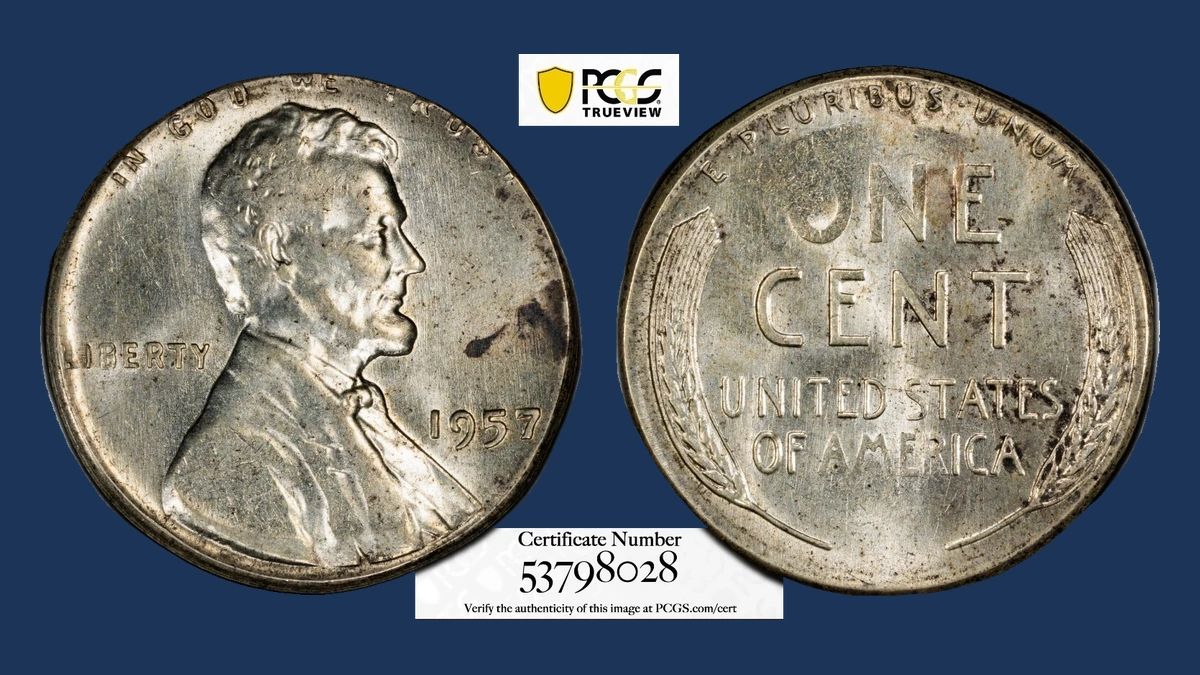
A silver dime blank is smaller and lighter than the copper blank meant for a penny. When it receives Lincoln’s design, lettering near the edge can become crowded or incomplete.
Both Philadelphia and Denver examples are recorded for 1957. They are different coins, not two views of the same piece.
The Philadelphia AU55 example meets the collar near 10:30 and shows stretched lettering near the rim. AU55 means light circulation wear.
A blank has no earlier dime design to show through. Visible Roosevelt or torch details would instead point toward an already struck dime.
Estimated Value
The Philadelphia PCGS AU55 silver-blank cent sold for $646.25 in January 2013. A separate Denver example is recorded in PCGS MS61, meaning unworn but noticeably marked.
An estimated $400–$3,500 allows for differences in condition, date strength, and eye appeal. The upper end is intended for more desirable identified examples.
A silver coating on an ordinary cent does not qualify for this range, even when its color looks convincing.
How to Identify
Weigh before relying on color. A silver dime blank has a nominal weight of 2.50 grams, compared with 3.11 grams for a normal 1957 cent.
That 2.50 figure is a standard, not a recorded measurement of every example. Use a precise scale and calipers to document the actual coin against the regular 19.05-millimeter cent.
Check the whole edge with a 10× magnifier for plating wear or exposed copper. Do not scratch it to test the metal.
Examine both faces for traces of a previous dime design. Also keep Philadelphia and Denver comparisons separate when matching the lettering near the rim.
A light, reduced silver-colored coin with only Lincoln and wheat designs is the useful first lead.
11. 1957 Lincoln Penny Struck over a Silver Dime (Estimated Up to $6,000)
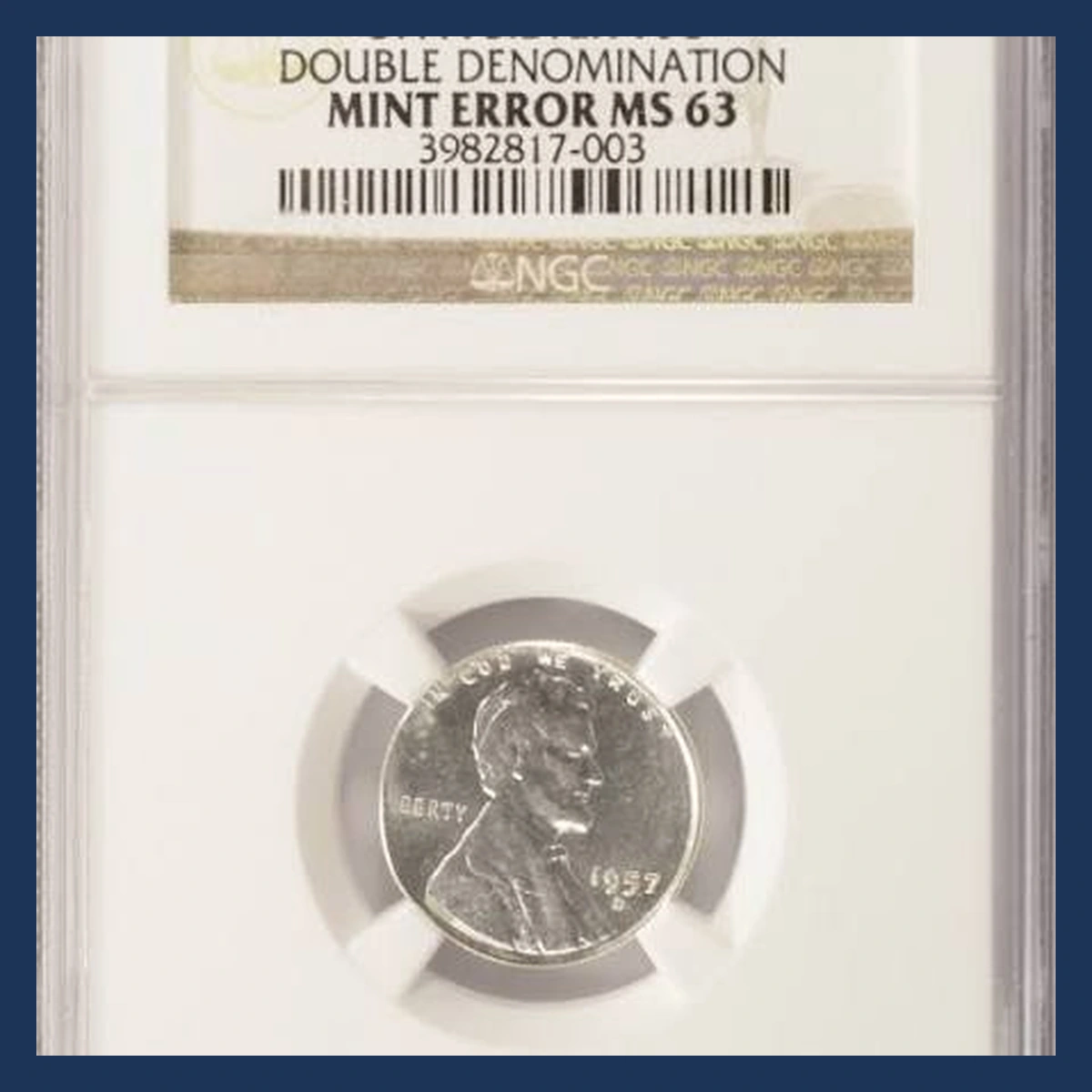
Two familiar designs can share one coin when a finished dime enters the cent press. Lincoln and the wheat ears are stamped over Roosevelt and the dime’s torch.
This is a double-denomination error. Collectors sometimes call the combined one-cent and ten-cent designs an “11-cent” coin.
On the Philadelphia AU58 example, Lincoln lies inside Roosevelt’s remaining outline and parts of the torch and leaves survive. Heritage also described a 1957 dime date near IN.
A separate Denver coin is graded NGC MS63. Its remaining dime details should be read from its own photographs.
Estimated Value
Two recent results give this error a useful price anchor. The Philadelphia PCGS AU58 coin brought $3,720 in September 2025, while the Denver NGC MS63 example sold for $3,172 in January 2026.
Estimate $2,000–$6,000 for comparable pieces. Clear traces of both denominations can matter more than a small grade difference.
Wear, cleaning, or a poorly visible underlying design can reduce demand despite the unusual combination.
How to Identify
Find something that belongs to a dime, such as Roosevelt’s outline or part of the torch. A silver-colored cent alone does not show that the blank was already a finished coin.
Turn each side slowly under a 10× magnifier. Follow separate pieces of the older design rather than trying to force every faint line into a portrait.
For the Philadelphia example, compare the date near IN and the surviving leaves. Do not require the Denver coin to show them in the same places.
Use a scale and calipers: a silver dime starts near 2.50 grams, unlike a 3.11-gram, 19.05-millimeter cent. Striking can spread its outline.
The clearest confirmation is recognizable dime artwork beneath the later Lincoln and wheat designs.
12. 1957-D Lincoln Penny Struck on a Washer (Estimated Up to $12,000)
A large opening through the center is the most striking feature of this 1957-D error. The press stamped the penny design onto a washer rather than a normal solid blank.
PCGS graded the recorded example MS62, meaning no circulation wear but visible marks. Its unusual shape is part of what entered the press.
The washer’s earlier purpose is not established. A machinery origin or a story about deliberate placement would add claims the coin itself cannot prove.
A drilled penny can imitate the hole, but drilling after the strike leaves different marks around its edge.
Estimated Value
The PCGS MS62 washer strike sold for $7,475 on January 7, 2012. It provides a documented price for this unusual object, rather than a value borrowed from an ordinary holed penny.
For a comparable professionally identified example, estimate $6,000–$12,000. Original surfaces, visible date and mintmark, and the way the design surrounds the opening all affect appeal.
A later drill hole adds damage instead of this premium.
How to Identify
Focus on the inner edge of the opening. Under a 10× magnifier, look for metal shaped by the coin strike rather than fresh cutting, spiral tool marks, or sharp burrs.
Check the date and D carefully, then follow nearby design elements toward the hole. Their shape should fit a blank that already had an opening when struck.
Record the weight on a scale and outer size with calipers. The normal cent’s 3.11 grams and 19.05 millimeters are comparison points, not required washer measurements.
Professional authentication is especially useful because a drilled coin can fool a quick glance. The decisive close-up is where struck lettering or design approaches the original inner edge.
Conclusion
A raised bar in LIBERTY and a silver dime beneath Lincoln tell very different stories. Look at the shape first, then check the coin’s weight and surface.
The estimated $3–$12,000 range includes modest chips and unusual washer strikes. Larger prices depend on a clearly identified error, not simply an odd color.
Keep fragile flakes attached and compare both sides before deciding what you have.