1952 Penny Error List with Pictures

A small extra eyelid and a silver-colored cent call for very different checks. Both appear in this 1952 penny error list.
A 1952-S cent made on a silver dime blank sold for $2,880 in September 2025. A related 1957-D cent struck over a finished dime brought $3,172 in January 2026.
Estimated values here run from $2 to $8,000. Follow the feature you can see, then use the measurements and close-up checks to narrow it down.
1. 1952 Lincoln Penny Die Cracks and Chips (Estimated Up to $75)
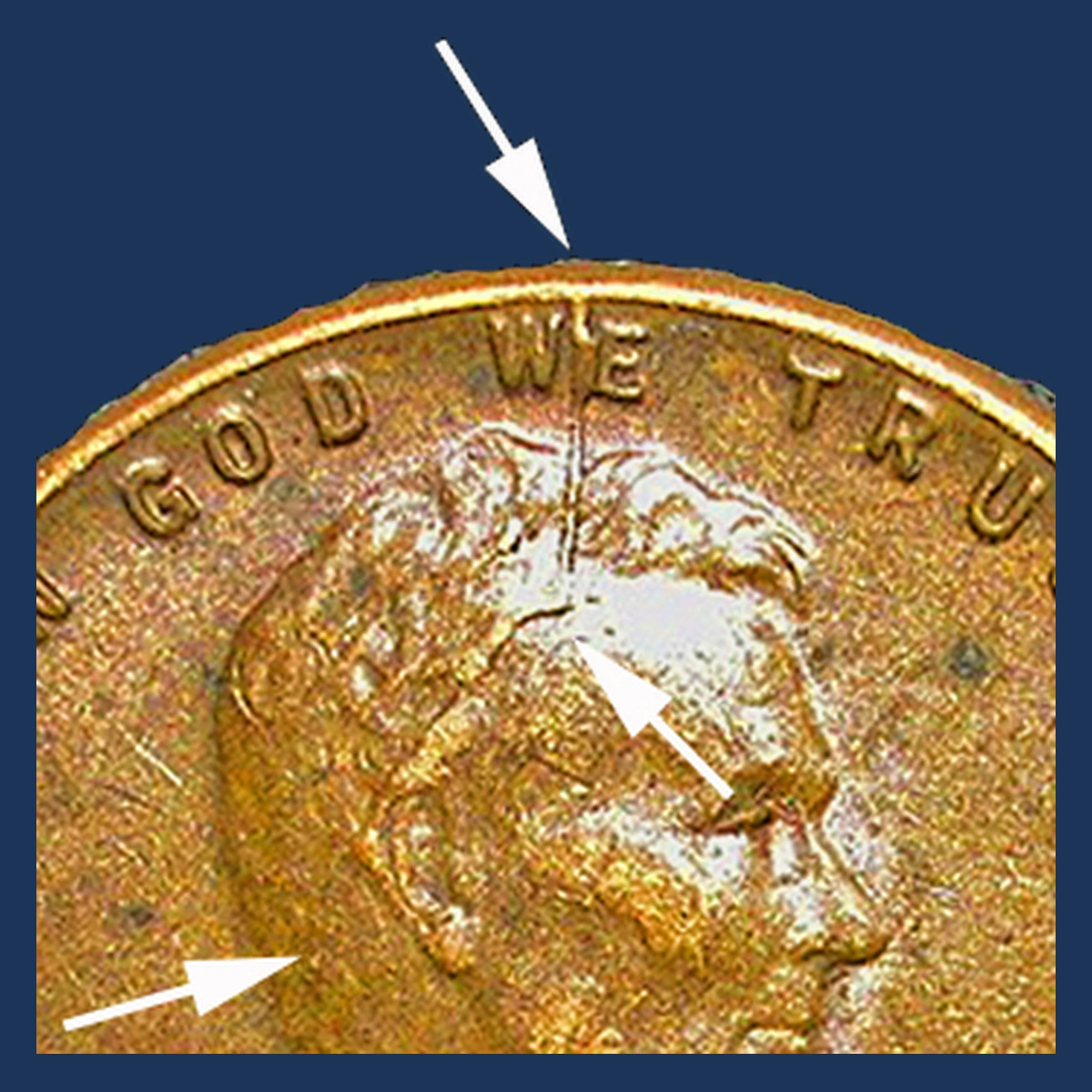
A fine raised line can cross the coin without cutting into its surface. Small raised lumps may appear nearby.
These marks form when a die, the steel tool that stamps coins, develops a crack or loses a tiny piece. Metal fills the damaged space during the strike.
Some 1952 pennies show these small breaks, including later examples of a Philadelphia doubled design. On that variety, cracks near the shoulder or above the ear help track tool wear.
A crack alone does not prove doubled lettering or an extra eyelid.
Estimated Value
Allow about $2–$75 for small cracks and chips, depending on their size and the penny’s condition. This is an estimate for minor breaks.
A small line often adds little to an otherwise common Wheat cent. A clear raised lump attracts more attention.
Do not apply prices for huge missing rim sections to these marks. Those much larger tool failures create a different appearance and usually draw different buyers.
How to Identify
Move a desk light from one side of the coin to the other. A raised line casts a small shadow; a scratch usually cuts below the surface.
Use a 10× magnifier around the ends of the line. A genuine tool crack may branch or join another raised feature.
Check the coin’s identity before using a variety photo. A normal 1952 cent weighs about 3.11 grams, measures 19.05 millimeters across, and has a smooth edge.
Use a scale and calipers when the coin is safely accessible. Keep a sealed coin in its holder.
For a quick decision, look for an irregular raised ridge rather than a straight groove with pushed-up metal beside it.
2. 1952 Lincoln Penny Lamination (Estimated Up to $200)
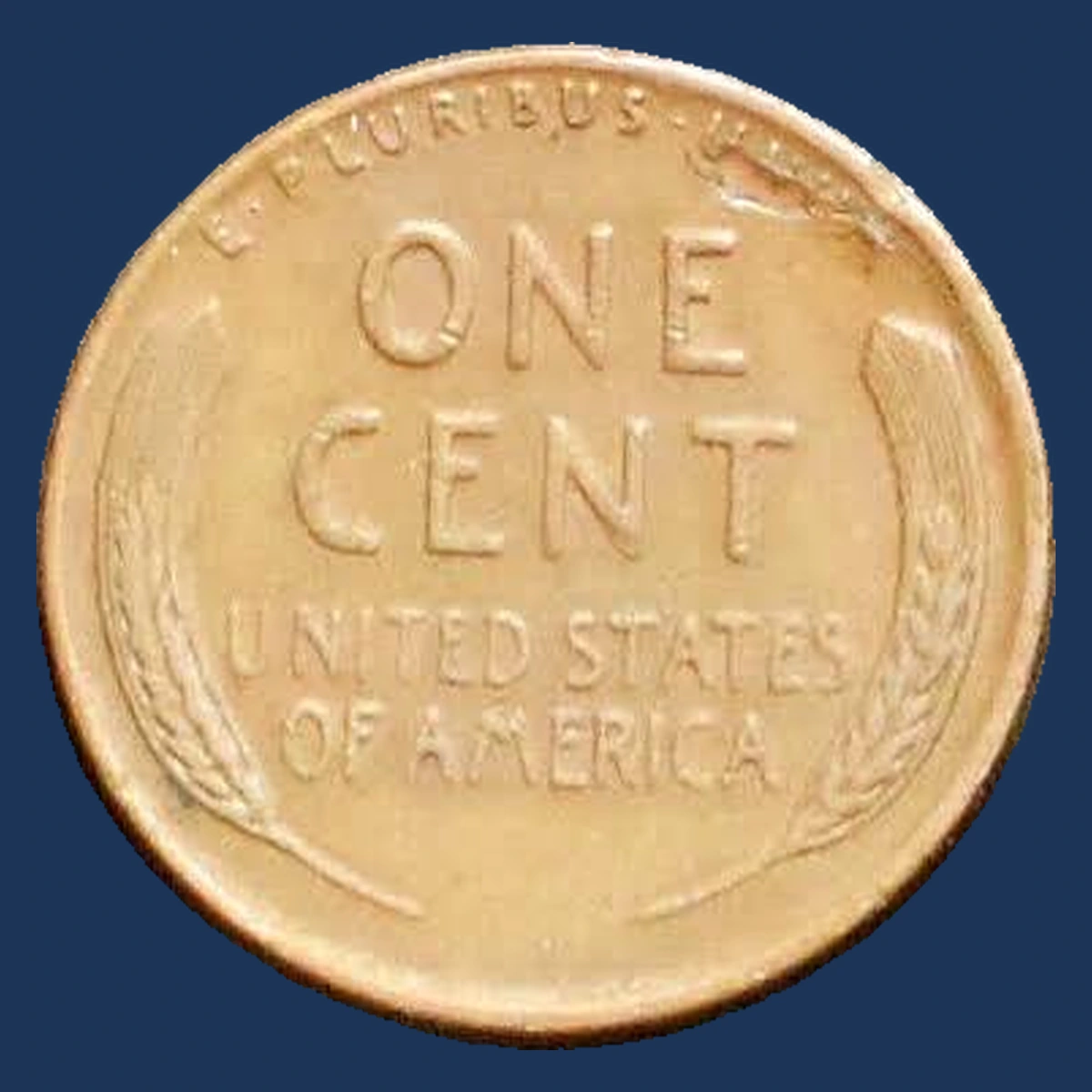
A peeling patch on a 1952-D penny can come from weakness inside the metal. The front surface may lift as a thin flap or leave a rough patch after separating.
Collectors call this lamination. The problem starts within the copper alloy rather than in a coating added to the coin.
A documented Denver example received an AU55 grade, which means it shows some wear. Its peeling area belongs to the front.
This is a solid copper-alloy Wheat cent, so modern zinc-cent plating explanations do not fit it.
Estimated Value
A 1952-D front lamination graded NGC AU55 Brown sold for $35 in July 2013. That older sale provides a modest starting point.
An estimated $10–$200 covers small worn examples through larger, clearer separations. A large attached flap can be more appealing than a shallow rough spot.
Scratches, corrosion, and cleaning lower the price. The value also depends on how much original design remains around the peeling metal.
How to Identify
Leave a loose flap alone. Lifting it can destroy the very feature that helps explain the error.
Photograph the patch with light coming from the side, then look for a thin metal layer curling away. A rough boundary may continue beneath an attached part.
Compare that boundary with nearby letters or portrait details. Rust-like pitting spread across unrelated areas points toward corrosion instead.
An intact normal cent is about 3.11 grams and 19.05 millimeters wide. Missing flakes can reduce its weight, so record scale and caliper readings without treating every light coin as a different blank.
Inspect the smooth edge for cuts as well. A thin peeling layer with a continuous natural seam is the useful clue.
3. 1952 Lincoln Penny Struck Through a Die Cap (Estimated Up to $250)
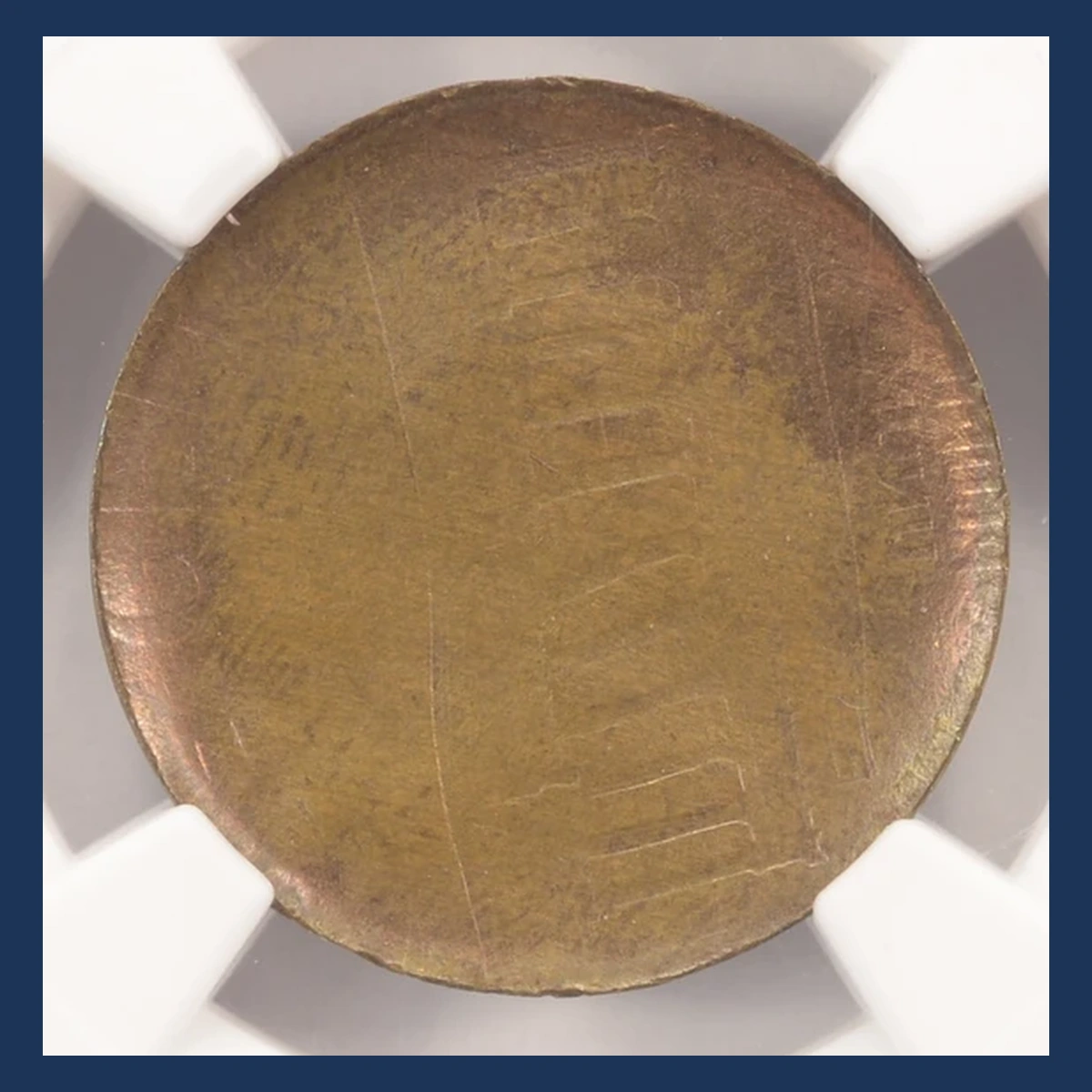
Lincoln’s portrait can look blurred even though the coin has little wear. One reason is a coin stuck to the stamping tool above it.
That stuck coin forms a cap. Later blanks are struck through it, so they receive a softened or altered design.
A no-mintmark 1952 example with this front-side error was graded NGC MS63 Brown. MS63 means unworn, with visible marks or other surface limits.
The collectible described here is the coin beneath the cap. It is not the cup-shaped coin that stayed attached to the tool.
Estimated Value
An estimated $50–$250 suits confirmed examples with a clear 1952 date and a visible cap effect. The shape and strength of the altered design matter.
For a later Wheat-cent comparison, a 1956-D late-cap strike graded PCGS AU50 sold for $54 in December 2024. That worn coin is not the 1952 MS63 example.
A sharper date and cleaner surface may support more. Ordinary wear or a weak strike deserves no cap-error premium by itself.
How to Identify
Place a normal Wheat cent beside the suspect coin. Compare the front and back separately rather than judging the whole coin as simply weak.
On the reported 1952 example, the front is the affected side. Look for the altered portrait and lettering to share the cap effect, while checking the other side for ordinary struck detail.
A weakly struck coin can also have soft details, and wear flattens the highest points first. Neither alone proves a cap.
Where accessible, compare its scale reading with 3.11 grams and its caliper reading with 19.05 millimeters. Inspect the smooth edge for grinding or added metal.
The best first clue is a front design distorted together, rather than isolated high spots rubbed flat.
4. 1952 Lincoln Penny Tapered Planchet (Estimated Up to $300)
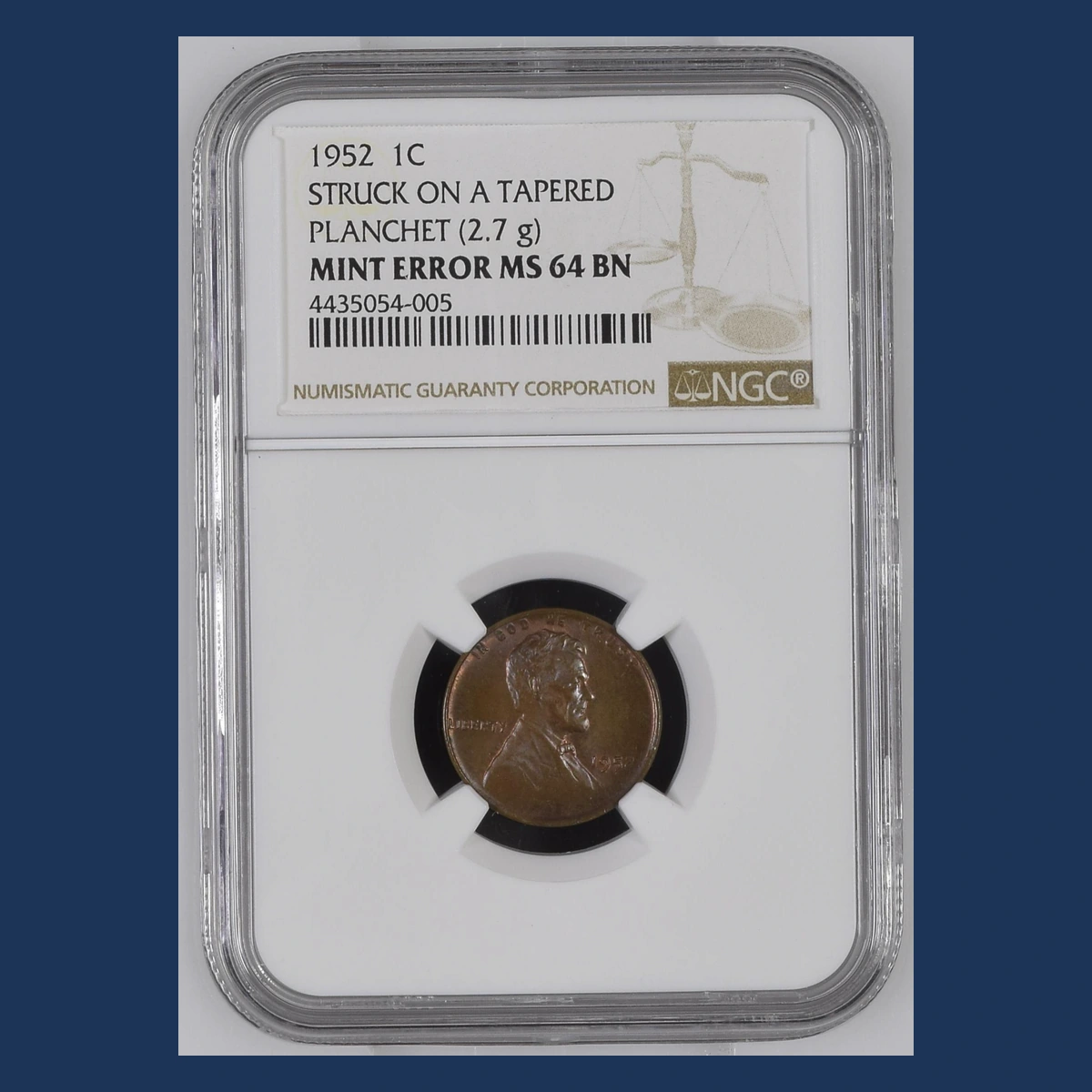
One side of the blank was thinner than the other before this penny was struck. The finished coin may therefore show an uneven strength of design.
A coin blank is also called a planchet. When its thickness slopes across the disc, collectors describe it as tapered.
The documented Philadelphia example weighs 2.7 grams and was graded NGC MS64 Brown. It is lighter than a normal cent, but its changing thickness is the important feature.
A uniformly thin disc belongs to a different problem. Weight alone does not tell these shapes apart.
Estimated Value
For a confirmed 1952 tapered blank, use an estimated $75–$300. The 2.7-gram measurement describes the known coin, not every example.
A 1951-S tapered cent weighing 1.94 grams sold for $84 in September 2024. It was graded MS60 Red and Brown, meaning unworn with noticeable marks and mixed copper color.
That is a different year and a greater weight loss. A clear thickness slope is more useful than choosing a price from weight alone.
How to Identify
A 2.7-gram reading is a reason to examine the edge, not a complete identification. Compare it with the normal 3.11-gram weight.
With the coin safely accessible, use calipers gently at several positions across the disc. Also record the diameter; a normal cent is 19.05 millimeters wide.
Check whether the edge becomes thinner toward one side. Avoid confusing a bent coin with a tapered one.
Next compare the thin area with the struck detail nearby. Less metal may leave weaker parts of the design, while filing leaves cut or scraped surfaces.
A certified example can be checked through its photographs and recorded measurements. The key is a gradual thickness change that agrees with the coin’s weaker area.
5. 1952 Lincoln Penny Broadstrike (Estimated Up to $350)
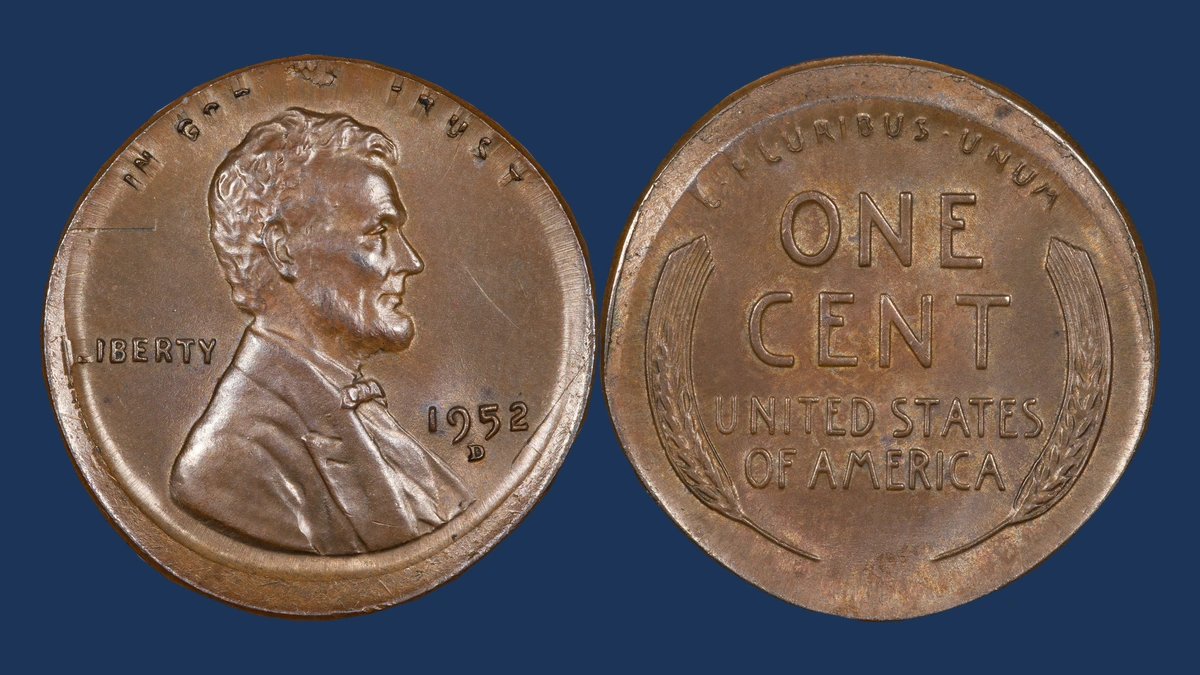
A broadstruck penny has extra metal around a design that still fits on the coin. The blank spread outward because the surrounding retaining ring did not hold it properly.
That ring is called the collar. It normally controls the coin’s diameter during the strike.
A 1952-D example was graded NGC MS64 Red and Brown. Its Denver mintmark remains part of the cent’s design.
Broadstrikes can be uneven, so a wide border on one side is possible. The distinction from an off-center strike is whether part of the intended design is missing.
Estimated Value
A practical estimate is $50–$350 for a genuine 1952 broadstrike. Wider spreading, better color, and fewer marks can move a coin toward the upper end.
A 1946-S broadstruck Wheat cent sold for $89 in December 2024. That sale offers a nearby-series comparison, rather than a sale price for the 1952-D coin.
A slightly wide coin needs convincing evidence of the striking error. Added metal around an ordinary cent does not create comparable value.
How to Identify
Measure the outer disc with calipers before focusing on the lettering. The normal diameter is 19.05 millimeters, while a broadstrike may spread beyond it.
Weigh the coin as well. A normal copper-alloy blank starts near 3.11 grams; spreading changes its shape, not the amount of metal.
Now trace the complete design around both sides with a magnifier. Broadstriking should leave the intended design present, although edge detail can look weak.
Study the smooth edge for solder, a seam, or a separate added ring. Damage can create a misleading oversized outline.
On the 1952-D example, confirm the D below the date. A complete cent design inside an expanded outer border is the quickest useful comparison.
6. 1952 Lincoln Penny Split Planchet Before the Strike (Estimated Up to $400)
This Denver penny began with less metal than the press expected. Part of its blank had separated along a weak internal layer before the design was stamped.
The remaining piece then entered the press. Its split surface could receive coin detail, though that detail may look weak or rough.
A 1952-D example was graded PCGS MS61 Brown. The reported record identifies splitting before the strike rather than a layer falling away afterward.
That timing matters. A fresh split made after striking usually exposes a surface without a newly stamped design.
Estimated Value
Estimate $50–$400 for an authenticated 1952 split-before-striking cent. Thinness, readable design, and surface condition affect where it falls.
A 1963 cent struck on a split blank weighing 1.6 grams sold for $159 in June 2024. Its later Memorial back differs from the 1952 Wheat design.
The 1.6-gram figure belongs to that comparison coin. It must not become an assumed weight for the 1952-D example when assessing an offer or checking a seller’s label.
How to Identify
Look across the rough side for parts of the stamped design. Letters or portrait detail impressed into that surface help place the separation before the strike.
A broad bare fracture with no new design can point to separation afterward instead. Do not peel attached metal to investigate.
A scale should show how far the coin falls below the normal 3.11 grams. Calipers can compare its width with 19.05 millimeters and record its reduced thickness.
Read the edge next. A natural layered surface differs from the circular tool marks left by grinding a coin thinner.
For the known Denver type, the useful combination is a thin original piece with coin detail struck onto its split face.
7. 1952 Lincoln Penny Thick Planchet (Estimated Up to $500)
At 3.9 grams, this Philadelphia penny contains noticeably more metal than a normal 1952 cent. It was struck on a thick blank.
The documented coin received an NGC MS63 Brown grade. Its brown color describes the surface, not the cause of its extra weight.
The thickness comes from the metal supplied for the blank. It should not be explained as copper plating built up over a zinc core.
A heavy reading also does not identify a foreign country’s blank. That claim requires additional evidence about the metal and the original blank’s specifications.
Estimated Value
An estimated $100–$500 is suitable for a confirmed 1952 thick-blank error with readable design. The reported 3.9-gram example gives a useful physical target.
A 1976 thick-blank cent weighing 3.78 grams sold for $129 in December 2024. It was graded PCGS MS63 Brown.
That later cent has a Memorial back and is not the same coin. A stronger strike or better surface can justify more, while added metal or an inaccurate scale reading cannot.
How to Identify
Check the scale with a suitable calibration weight, then weigh the penny again. A small weighing error should be ruled out before investigating a heavy coin.
Compare the result with 3.11 grams, the usual 1952 weight. The documented thick example is 3.9 grams.
Use calipers to compare thickness at several points and width against the normal 19.05 millimeters. A normal-looking diameter can still accompany excess thickness.
Inspect the smooth edge for a join, coating, or metal attached to another coin. Study both designs for natural flow from striking rather than a surface built up later.
Extra weight supported by genuine excess thickness is the important pairing; a heavy reading on its own is not enough.
8. 1952 Lincoln Penny Clipped Planchet (Estimated Up to $600)
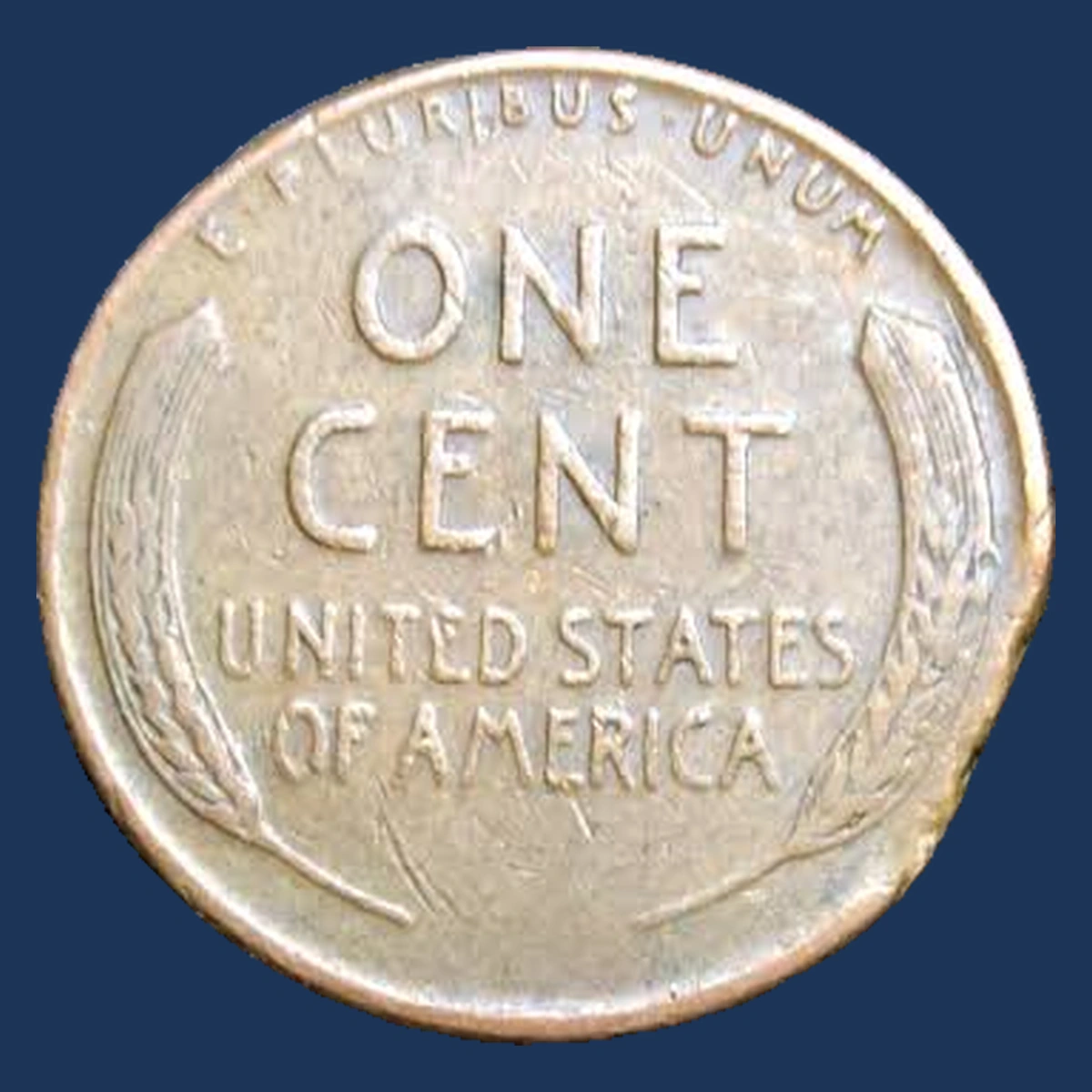
A clipped blank reaches the press with a piece already missing. The design is then struck onto what remains, leaving a gap in the coin’s outline.
Reports include ordinary 1952 clips and a Philadelphia straight clip combined with a broadstrike. On the latter, the remaining metal also spread beyond its normal boundary.
These features belong to one coin when they occur together. A broadstrike does not explain away the missing piece.
The outline of each gap needs its own examination. The reported clip type alone does not establish a particular shape on every specimen.
Estimated Value
Small verified clips may fall around $10–$100, while larger examples and clear clip-plus-broadstrike combinations may reach $100–$600. These are estimated ranges.
For a modest comparison, a 1967 cent with a 13% straight clip sold for $39 in July 2021. It has a later back design.
A combined 1952 error should receive one whole-coin estimate. Adding a full broadstrike price to a full clip price would overstate what the two features establish.
How to Identify
Photograph the missing area from the front, back, and edge. A piece cut out after minting often leaves tool marks or a sharp disturbed boundary.
Under a magnifier, check whether nearby letters and rim detail weakened naturally as metal moved during striking. On some clips, the opposite rim is also weak.
The normal starting measurements are 3.11 grams and 19.05 millimeters. A scale records the missing metal, but the surviving outline and any broadstrike affect caliper readings.
For the straight-clip combination, look separately for the gap and the expanded coin shape. Neither feature should be inferred from weight alone.
The strongest first check is struck detail meeting a natural missing-blank boundary without fresh cutting marks.
9. 1952 Lincoln Penny Doubled Die (Estimated Up to $600)
Start with Lincoln’s eye. Several 1952 varieties have an extra eyelid line, but other examples show the change in date digits or lettering.
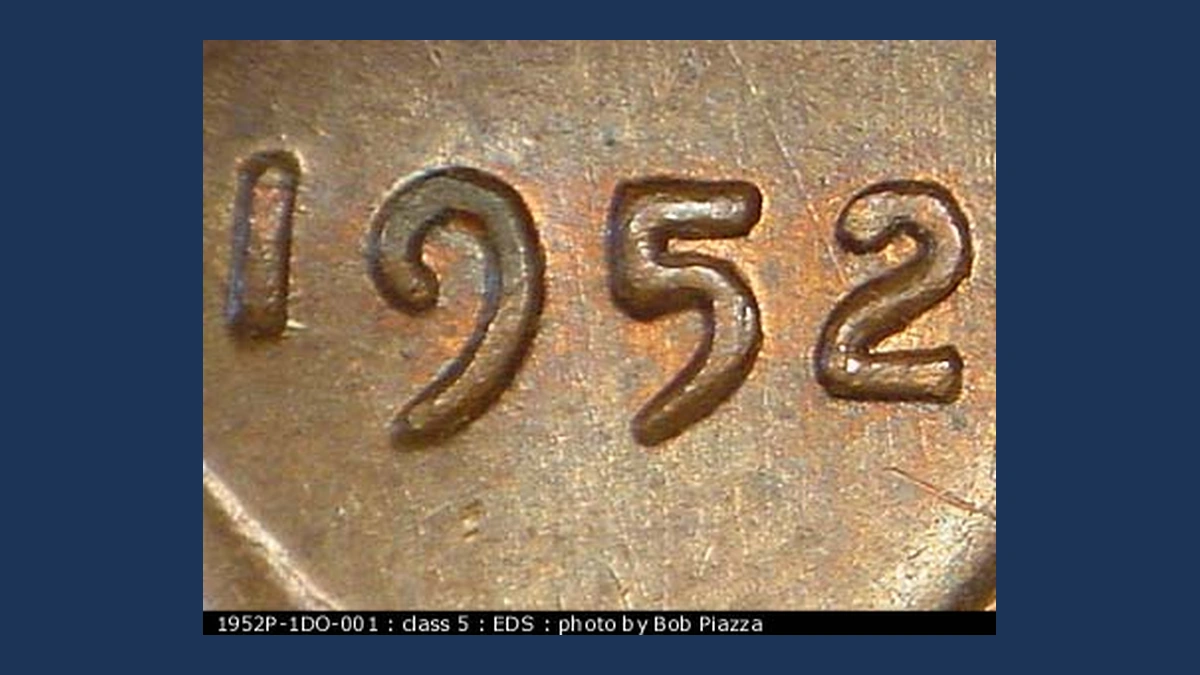
A doubled die contains a repeated part of the design before it strikes a coin. Its coins repeat that same raised feature.
Philadelphia, Denver, and San Francisco examples are reported, along with a Philadelphia doubled back. The location differs between varieties.
One Denver example combines an extra eyelid with a repunched D mintmark. That is one coin with two features, rather than proof that every doubled-eye cent has the same mintmark.
Estimated Value
Most small 1952 doubled features fit an estimated $10–$150. Clear, matched varieties in better condition may reach $150–$600.
These are estimates for the minor varieties described here, not quoted auction records. A tiny eyelid line does not deserve the price of a much stronger doubled-date rarity.
Condition and a close match to published photographs matter. A coin with both an eyelid variety and a repunched mintmark needs one price for that exact combination.
How to Identify
Separate the coins by mintmark before using close-up photographs. Philadelphia has no letter below the date; Denver uses D and San Francisco uses S.
With a 10× magnifier, compare the exact feature. Denver examples include extra eyelids and doubled 52 digits; San Francisco examples include eyelids, a first T in TRUST, and slight date doubling.
The Philadelphia back variety needs a matching back photograph. A front-side crack cannot identify doubled back lettering by itself.
Normal size and weight remain about 19.05 millimeters and 3.11 grams, with a smooth edge. Use a scale and calipers when accessible, but focus on raised design shapes rather than normal measurement differences.
A repeatable second eyelid or rounded doubled letter that matches the correct mint’s photographs is the useful test.
10. 1952 Lincoln Penny Repunched and D Over S Mintmarks (Estimated Up to $750)
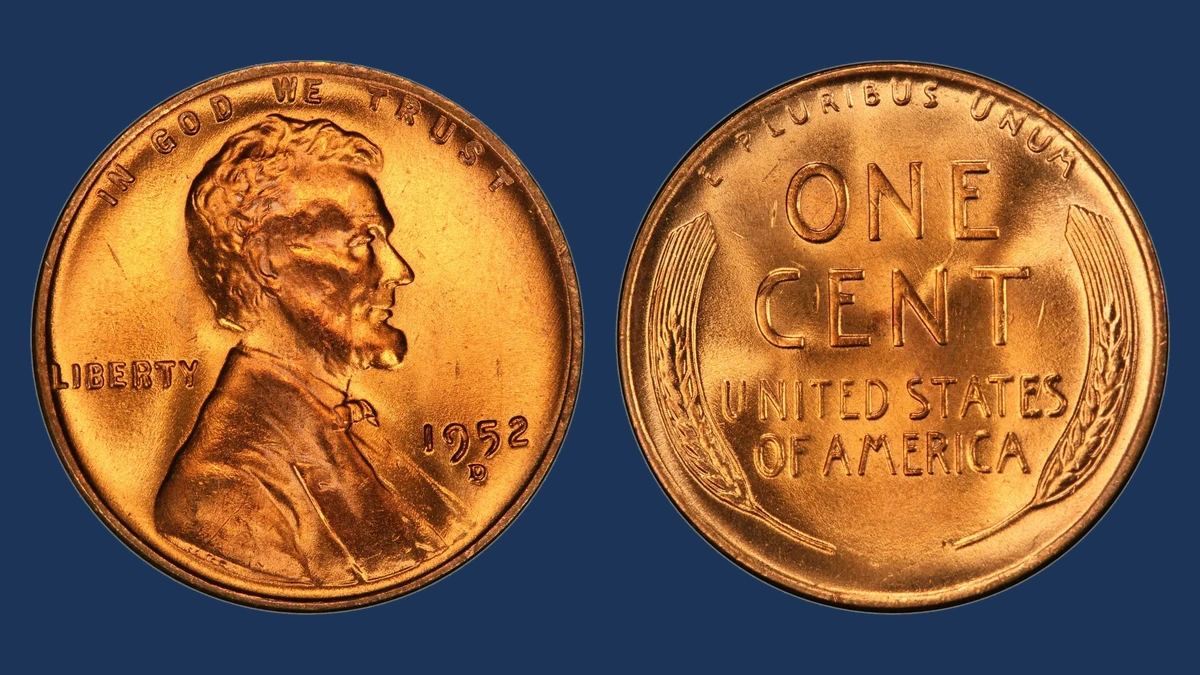
The small letter below the date can contain a second outline. In 1952, mintmarks were punched into stamping tools by hand, so a misplaced punch could leave visible traces.
Repeating the same letter produces a repunched mintmark. Examples include D over D, S over S, and reported multiple impressions.
The D-over-S variety is different: a D overlaps remnants of an S. It is known as FS-511.
The direction and number of extra outlines vary. Some slant or rotate, so one enlarged mintmark picture cannot identify all these pennies.
Estimated Value
Use an estimated $10–$150 for minor repunched letters and $100–$750 for stronger, well-matched varieties in better condition. A clear D-over-S may fall in the latter group.
PCGS records a $210 January 2023 sale for an FS-511 graded MS65 Red. That means unworn with good preservation and red copper color.
The sale belongs to the D-over-S variety. It is not a price for every 1952 penny with a thick or misshapen mintmark.
How to Identify
Draw the outline of the visible mintmark from a clear enlarged photograph. This helps distinguish a second letter shape from a random bump or scratch.
For FS-511, compare the S remnants inside and below the main D. For same-letter repunching, follow the extra D or S curves instead.
Some Denver examples lean; several San Francisco ones show extra shapes in different directions. Match their location, not just the catalog number printed by a seller.
These errors use normal copper-alloy blanks: about 3.11 grams, 19.05 millimeters across, and a smooth edge. Scale and caliper checks help reject altered or wrongly identified objects.
A clear surviving part of the earlier letter is more useful than a mintmark that merely looks unusually fat.
11. 1952 Lincoln Penny Off-Center Strike (Estimated Up to $800)
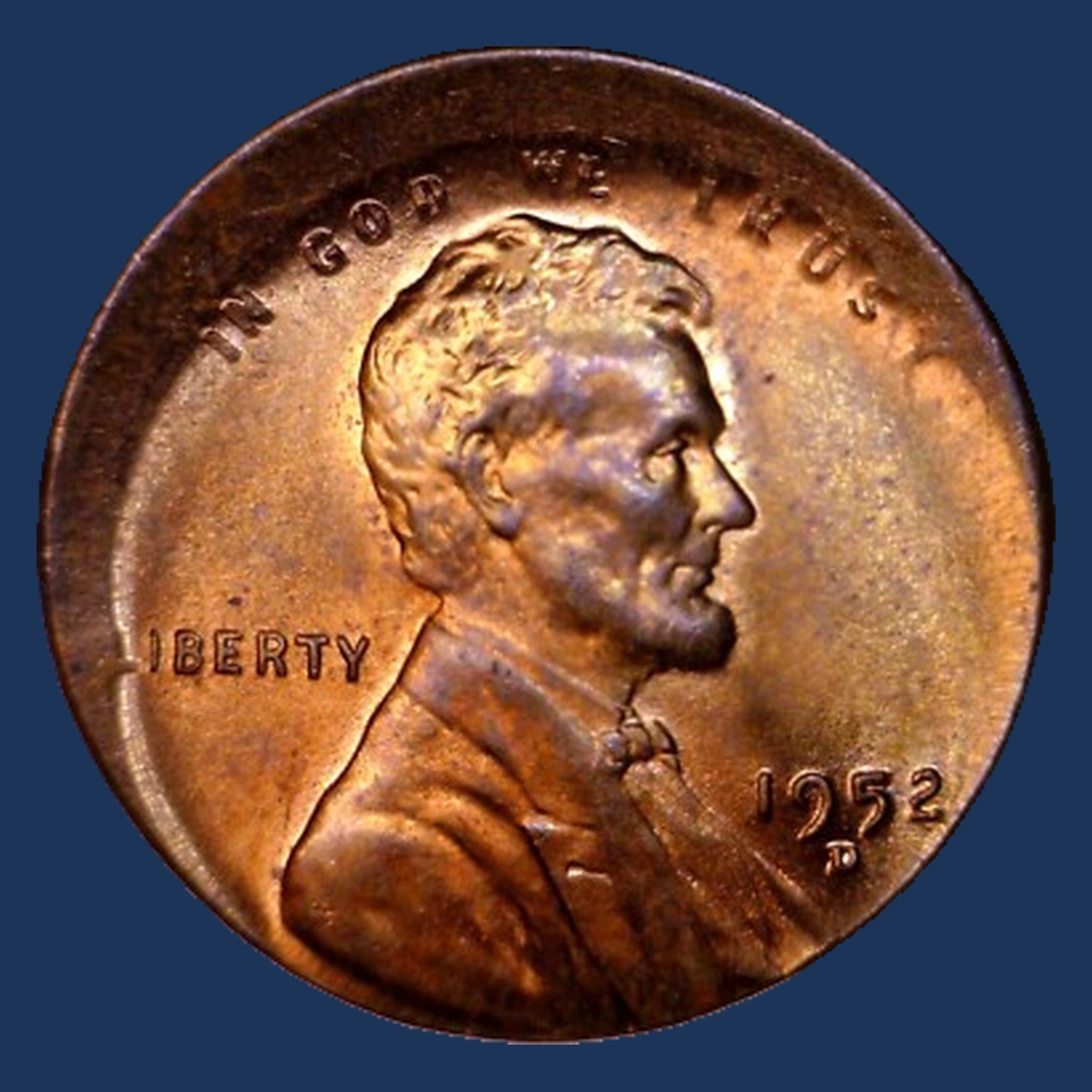
A blank sitting partly outside the striking position receives only part of the cent design. The remaining area stays blank, while letters or other details disappear on the opposite side.
Reported 1952 examples come from Philadelphia, Denver, and San Francisco. They do not all share the same direction or amount of shift.
Denver examples include 35% and 50% off-center strikes. A San Francisco example is described as 10% off center and cleaned.
The amount matters, but a complete date matters too. An unreadable date makes a specific 1952 identification harder.
Estimated Value
Estimated values range from $40 to $800, covering modest shifts through larger, clear-date errors in better condition. Cleaning or other damage can lower the result.
A 1964-D cent struck 50% off center sold for $114 in March 2025. That later cent is a comparison, not a sale of the 1952-D example.
A dramatic shape does not automatically mean the highest price. Buyers also want a legible date, a sound surface, and convincing original edges.
How to Identify
Find the date before estimating the shift. Make sure the digits really read 1952 and that any D or S is part of the struck design.
Next compare both sides. An off-center strike leaves an incomplete design beside an unstruck area, while a broadstrike can keep the entire design.
The Denver 35% example points toward roughly eight o’clock; the reported San Francisco 10% example points toward two o’clock. Those directions should not be copied to other coins.
A normal blank weighs 3.11 grams and starts about 19.05 millimeters wide. Weigh accessible coins and measure their altered outline with calipers; examine the smooth edge for cuts.
Blank space paired with missing design on the opposite side is the quickest visual distinction.
12. 1952 Lincoln Penny Double Strike (Estimated Up to $2,000)
Two strikes can leave very different shapes. One 1952-D penny stayed inside the retaining ring but rotated about 30 degrees before receiving another impression.
That coin also has a small depression on the back where another blank overlapped it. The depression is called an indent.
A separate Denver example received its second strike 85% off center. Its later impression is far from the first.
These are repeated strikes on individual coins, not doubled stamping tools. The shifted designs come from movement between strikes rather than a repeated feature already present on the tool.
Estimated Value
The rotated, in-collar 1952-D double strike with a small indent sold for $1,116.25 in June 2017. It was graded PCGS MS63 Brown.
An estimated $300–$2,000 covers the two double-strike forms described here, depending on preservation and how clearly both impressions show. It is a whole-coin range.
The small indent was part of the coin in that sale. Its price must not be added again as though a second error coin had also been sold.
How to Identify
Follow one dated design around the coin, then trace the displaced one. Two struck impressions should form understandable parts of the same cent design.
On the in-collar example, the second design is rotated rather than carried onto a large new extension. Check the small back indent near nine o’clock as a separate feature.
For the 85% off-center example, look instead for the later impression near the edge of the first coin. Do not assume it shares the other specimen’s indent.
A scale can compare the weight with 3.11 grams. Calipers show how its outline differs from the normal 19.05 millimeters; inspect the smooth edge for damage.
Two coherent cent designs in different positions are the key, rather than flat shadows beside individual letters.
13. 1952 Lincoln Penny Brockage (Estimated Up to $2,500)
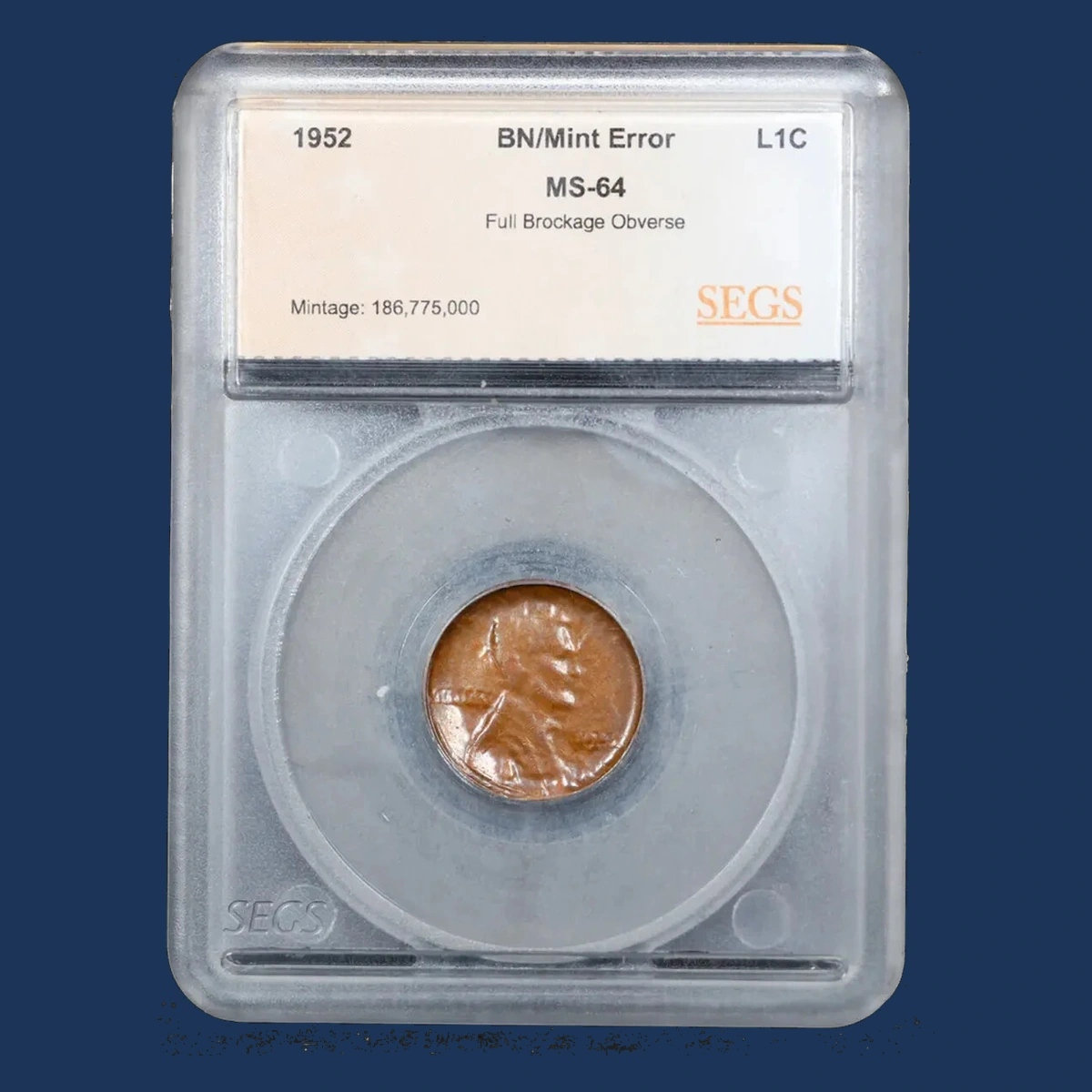
Backward lettering pressed below the surface is the striking clue to a brockage. It forms when an already struck coin takes the place of a normal stamping surface.
That coin presses its raised design into the next blank. The transferred image is therefore reversed and sunken.
A Philadelphia 1952 example has a 50% front brockage and was graded PCGS AU55. A separate Denver full brockage is reported in XF45, a worn condition grade.
The affected area differs between them. A partial front impression should not be described as a full-face mirror image.
Estimated Value
A separate 1952 cent with a 50% front brockage sold for $97 in October 2022. That sale helps place partial examples at the more affordable end.
Estimate $75–$500 for partial brockages and $400–$2,500 for confirmed full impressions, depending on detail and condition. The upper range is not a reported sale of the Denver XF45 coin.
A complete backward image with readable detail generally attracts more interest than a small blurred transfer.
How to Identify
Read any transferred letters in a mirror or reverse a photograph on screen. Their backward order should become easier to recognize.
Then use side lighting to check depth. A genuine brockage image is sunken, while the ordinary struck side has raised detail.
Compare the full front and back pictures before deciding how much area is affected. The known Philadelphia partial example does not establish the exact mirrored design on the reported Denver full example.
Ordinary copper-alloy measurements are about 3.11 grams and 19.05 millimeters, with a smooth edge. Record scale and caliper readings when safe, and look for crushing or other later damage.
The immediate clue is recognizable coin detail that runs backward and lies below the surrounding surface.
14. 1952 Lincoln Penny Struck on a Silver Dime Blank (Estimated Up to $4,000)
The material is wrong before the press even strikes. A silver dime blank enters the cent press and receives Lincoln and the Wheat-ear back instead of a dime design.
Examples are documented from Philadelphia, Denver, and San Francisco. The smaller blank can lose outer lettering while keeping central details.
The San Francisco example has weak areas on the right Wheat ear and Lincoln’s shoulder. Its upper back lettering runs beyond the available metal.
These features come from that particular coin. They should not be assigned automatically to every mint’s silver-blank cent.
Estimated Value
The 1952-S example graded PCGS MS63 sold for $2,880 on September 29, 2025. The same specimen had brought $2,760 in January 2012.
An estimated $1,000–$4,000 covers authenticated silver-dime-blank examples with varying wear and preservation. The mint and strength of the remaining date also matter.
The holder’s copper-color wording does not change the coin’s silver material. Price comparisons should follow the actual wrong blank, rather than ordinary red-cent condition records.
How to Identify
Start with weight and metal. A silver dime blank normally weighs about 2.50 grams, compared with 3.11 grams for a copper-alloy cent.
Its original diameter is about 17.9 millimeters, though striking can change the final width. Record caliper measurements and inspect the edge without scratching or testing it with acid.
Look around the outer lettering for details that could not fit. Then check whether genuine dime design remains: a blank should not contain an earlier finished-dime image.
Silver plating can imitate the color, so professional metal testing is useful. A plated normal cent does not become a silver-blank error.
A small, light silver coin bearing an incomplete cent design is the right starting combination for this check.
15. 1952 Lincoln Penny Struck Over a Finished Silver Dime (Estimated Up to $8,000)
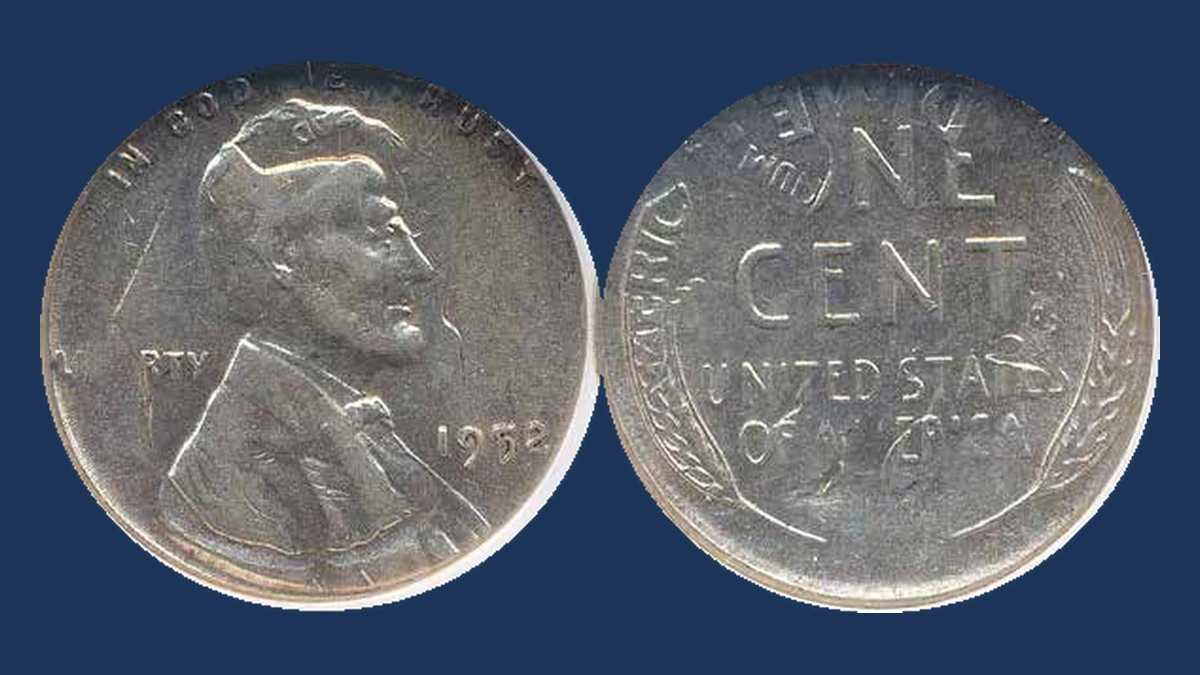
Two denominations share this piece of metal. A finished silver dime entered the cent press and received a 1952 Lincoln cent impression over its existing design.
Collectors call this a double-denomination error. It differs from a cent made on an unused dime blank because the older design was already present.
A Philadelphia example is reported with a PCGS AU55 grade. That means the coin has some wear.
The remaining dime detail must be read on the actual specimen. Its older date and the positions of its surviving features should not be guessed.
Estimated Value
Allow an estimated $2,500–$8,000 for an authenticated 1952 cent over a finished silver dime. Clear overlapping designs and a readable cent date support stronger prices.
A 1957-D cent struck on a silver dime sold for $3,172 in January 2026. It was graded NGC MS63, so it differs in year, mint, and condition from the reported 1952 AU55 coin.
This comparison supplies a real sale, not a claimed transaction for the 1952 example.
How to Identify
Search both sides for genuine dime lettering or design that crosses beneath the cent image. Silver color alone cannot separate this error from a silver-blank cent.
Use enlarged photographs and turn them to follow the older design. Do not force a vague mark into a claimed host date.
A silver dime starts near 2.50 grams and 17.9 millimeters across. Weigh the piece and measure its final outline when accessible; the added cent strike may spread it.
Examine the edge and overlap areas for signs that two coins were joined or altered. Keep a certified piece sealed and compare its label with clear photographs.
Recognizable dime detail surviving beneath the 1952 cent design is the direct distinction from an unused wrong blank.
Conclusion
The smallest raised cracks may be worth only a few dollars, while a cent struck over a silver dime belongs at the other end. Estimated values across these 1952 errors run from $2 to $8,000.
Begin with the visible feature: extra letter outlines, missing metal, a shifted design, or the wrong material. Keep peeling metal intact and avoid cleaning.
A clear date, useful photographs, and the correct measurements make the next comparison much easier.