1935 Quarter Error List with Pictures

A second blank left a deep, round mark across the eagle on one 1935 quarter. That unusual coin sold for $2,640 in January 2019.
Other 1935 quarter errors require a closer look at small letters or the coin’s outline. The estimated values below range from $20–$4,000.
Read on to see how an extra mintmark, a widened edge, and a missing patch of design tell different stories.
1. 1935 Washington Quarter Repunched D and S Mintmarks
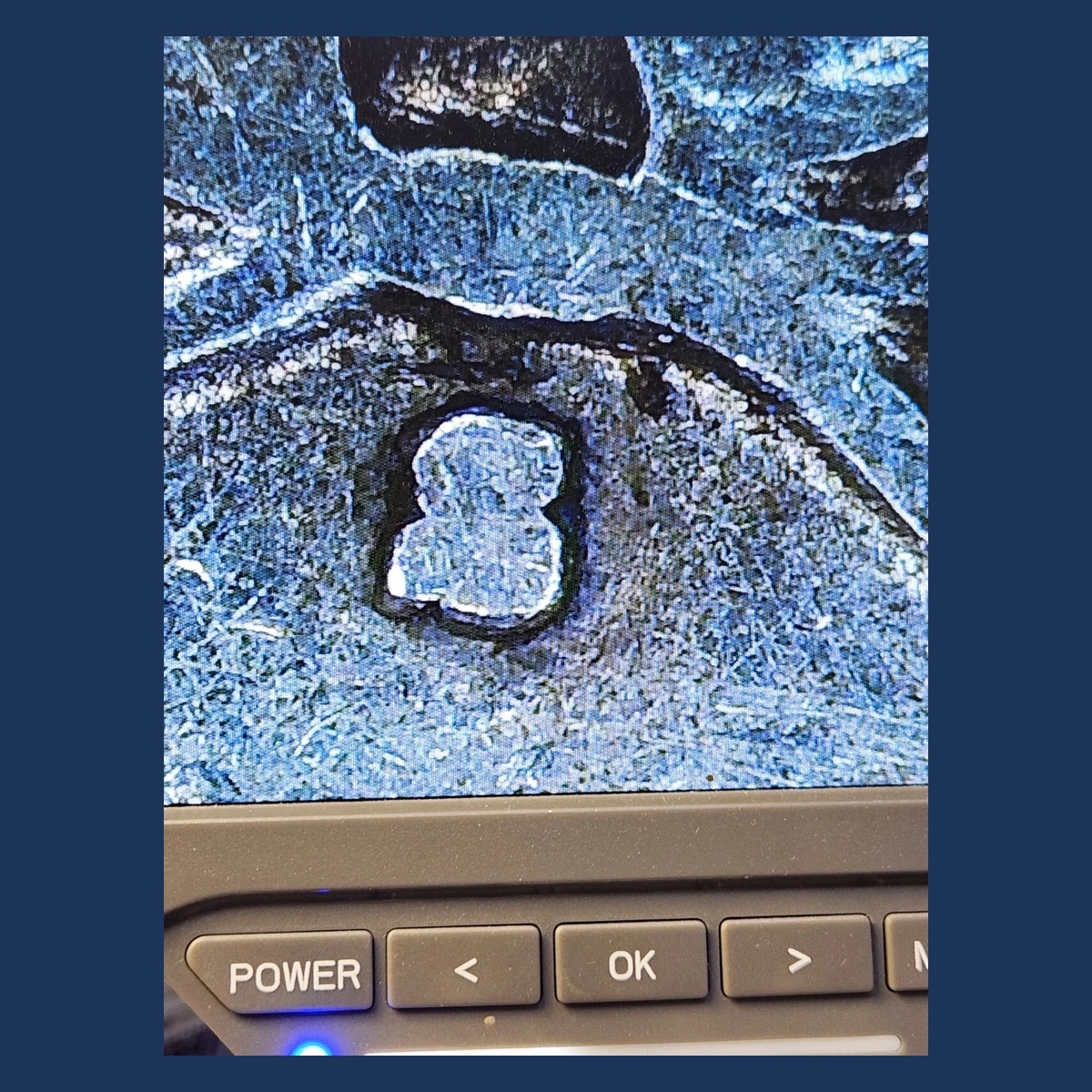
A small extra curve beside the D can be a remnant of an earlier mintmark punch. Workers then added mintmarks by hand to the die, the tool that stamped the coin.
Repositioning that punch could leave more than one letter outline. The coin itself did not need a second strike.
Denver examples include a reported outline left of the D and another pattern with traces below it. These are different tool patterns.
A San Francisco repunched S is also reported. Its letter shape needs a separate comparison; Denver’s D pattern cannot identify it.
Estimated Value
Estimated whole-coin values are $25–$350 for a clearly identified repunched mintmark. Lightly worn examples with small extra traces generally suit the lower portion.
A well-preserved Denver coin can already be valuable before the mintmark variety is considered. Sharp detail and natural surfaces therefore matter alongside the repeated letter.
Use the upper portion for an attractive, clear example. An extra curve blurred by wear or cleaning is harder to identify and sell.
How to Identify
The small letter below the eagle’s wreath gives you the first place to look through a 10× magnifier. Trace the outside of the D or the two curves of the S.
For the reported westward Denver pattern, compare the extra curve on the left with a clearly identified example. The other Denver pattern calls for a separate comparison below the main letter, where earlier outlines are reported.
Rock the coin under the light to separate raised metal from a reflection that changes or disappears. A repunched mark should reproduce part of a second letter rather than form a random bump beside the mintmark.
2. 1935 Washington Quarter Doubled Dies on the Front and Back
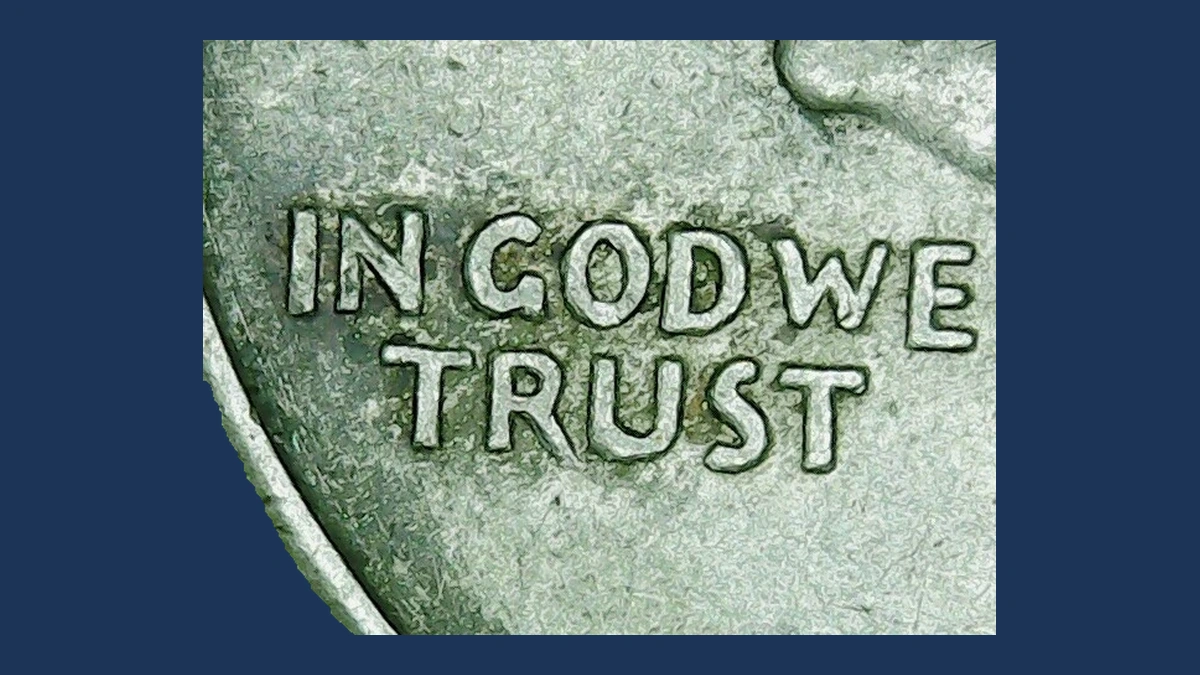
Two raised edges on a letter can come from a doubled design in the stamping tool. Every coin made from that tool can repeat the same feature.
On Philadelphia’s FS-101 variety, examine IN GOD WE TRUST. The extra outlines belong to the motto, rather than a second full strike across the coin.
CONECA also lists other Philadelphia front varieties and a back variety. Its list includes Denver front doubling and San Francisco front and back doubling.
These do not all share the same visible pattern. Each coin needs a match to its own mint and face.
Estimated Value
Allow an estimated $25–$500 across this doubled-die group. Stronger, clearly matched doubling on an attractive coin can earn more than a faint extra edge.
PCGS records an FS-101 example graded MS64 at $25 in February 2019. That grade means no circulation wear, with noticeable marks.
The sale concerns one Philadelphia variety and one coin. Better condition, a different mint, or a different doubled pattern can change the whole-coin value.
How to Identify
IN GOD WE TRUST is the useful starting point for FS-101. Enlarge several letters together so their positions remain clear.
Check that a second raised edge follows the same pattern as a correctly identified example. Mechanical doubling often leaves a lower, flat shelf beside a thinner main letter.
The CONECA list separates several 1935 tools. An entry for front doubling does not identify a doubled eagle or back inscription.
Confirm the mintmark before comparing photographs, using a magnifier if the letter is small. With other listed varieties, seek a picture of that exact pattern rather than applying FS-101’s motto test to every coin.
3. 1935 Washington Quarter Possible Struck-Through and Filled-Die Errors
A missing letter or sunken patch can result when material gets between the blank and a stamping tool. Grease can fill a small part of the tool and keep that detail from forming.
A solid object can instead leave its shape pressed into the coin. These are different appearances within the struck-through group.
For 1935, this remains a possible type without a clearly identified specimen in the available source. Weak lettering alone does not establish it.
Wear and an ordinary weak strike can also remove fine detail. Both need to be considered first.
Estimated Value
For an authenticated 1935 example, estimate $20–$150 for small grease-filled areas and $100–$750 for stronger object impressions. The combined estimated range is $20–$750.
A recognizable shape is easier to understand than a faint, poorly defined patch. Original texture around the interruption also helps separate an error from damage.
These are estimates for qualifying coins, not a claimed 1935 auction result. Ordinary wear does not receive the same error premium.
How to Identify
Choose a normal 1935 quarter with similar wear and place it beside the candidate. Compare the affected area before inspecting tiny marks.
If both coins lose detail on the highest parts of the portrait and eagle, wear is a likely explanation. A blocked strike may leave a localized weak area beside much sharper detail.
Look closely at the boundary under a magnifier. Scraping often cuts across the original surface, while a struck-through impression can interrupt the design without those cut lines.
An attached fragment should stay in place for examination. Tilt the coin under light and look for the point where normal raised detail ends against the affected patch.
4. 1935 Washington Quarter Broadstrike with a Wide Right Margin
The picture can remain complete even when it sits well left of the coin’s center. A 1935 broadstrike graded PCGS MS61 shows its widest blank margin at three o’clock.
The coin spread because the collar, a ring around the blank, did not hold the metal to its intended width. Broadstrikes can therefore be uneven rather than neatly centered.
On this example, the outer lettering is slightly stretched. Washington’s hair is soft, but the eagle is sharply formed.
Those details distinguish this particular coin. A normal quarter flattened later may look wider while showing crushed design.
Estimated Value
The documented PCGS MS61 broadstrike sold for $235.75 in September 2003. MS61 means no circulation wear but enough marks or other flaws to limit the grade.
For comparable 1935 broadstrikes, use an estimated $150–$900. More attractive surfaces and clear spreading can support the upper portion.
The older sale is a useful example, not a current guaranteed price. A prominent mark above Washington’s ear affected that coin’s grade despite its distinctive widened shape.
How to Identify
Check the outside lettering first: a broadstrike keeps the intended design on the metal. Missing letters beyond the edge suggest an off-center strike instead.
The known 1935 example has a wide margin on the right. Compare that margin with the opposite side, then look at the slightly stretched outer words.
For a loose candidate, measure its width with calipers against the normal diameter of about 24.3 millimeters.
A digital scale can compare its weight with the normal 6.25 grams. Widening should not add metal.
Inspect the edge and portrait for hammer marks or flattening. Then follow the complete design inside the expanded outline.
5. 1935 Washington Quarter Off-Center Strike
An off-center strike loses part of the design beyond the metal’s edge. On the other side of the outline, a blank crescent remains because that area missed the stamping tools.
The blank entered the press in the wrong position. This differs from a broadstrike that keeps the whole design within a wider outline.
A year-specific guide reports 1935 off-center quarters, but the mint and exact displacement of individual examples need confirmation. A readable date helps keep a candidate tied to this year.
The blank crescent should belong to the strike, not to later grinding.
Estimated Value
Estimate $100–$1,500 for an authenticated 1935 off-center quarter with a readable identity. Greater displacement often makes a stronger display, provided enough design survives.
As a different-year comparison, a 1988-P quarter struck thirty percent off center brought $109 in January 2022. It was graded ANACS MS63, meaning unworn with noticeable marks.
The older silver issue can attract different demand. Date visibility, surface condition, and the amount of missing design should guide a closer comparison.
How to Identify
Read 1935 before judging the empty crescent. A dramatic error without its date may be impossible to assign to this year.
Next, follow the design toward the opposite edge. The portrait or outer letters should run out of metal there, while the blank crescent stays unstruck.
Turn the coin over to see whether the eagle side follows the same misplaced blank. A centered back with only the front shifted calls for a different explanation.
Use side lighting and a magnifier on the empty area. Grinding lines, flattened letter remnants, or scraped metal indicate that someone may have removed a finished design.
6. 1935 Washington Quarter Reverse Indent from a Dime Blank
A round hollow crosses the lower back of one 1935 quarter and reaches the eagle’s head. A dime blank was caught against the quarter when the press struck.
The extra disc blocked that part of the design and pressed into the larger coin. The quarter itself remained a quarter-sized coin, rather than being struck on the smaller dime blank.
The indent also covered the usual mintmark area. Its mint therefore cannot be determined from the missing letter.
PCGS graded the surviving quarter AU58, indicating very slight wear. This is a distinct, documented coin.
Estimated Value
This PCGS AU58 quarter sold at Heritage for $2,640 on January 11, 2019. Its large, clear indent makes the production mistake easy to see.
An estimated $1,500–$4,000 suits comparable authenticated 1935 dime-blank indents. Condition and the size of the interrupted design affect where a coin fits.
The covered mintmark does not make this a missing-mintmark variety. Its value belongs to the entire indented coin, without adding a separate premium for the hidden letter.
How to Identify
Look below the eagle before turning to the coin’s front. The documented hollow starts just inside the six o’clock rim and reaches the top of the eagle’s head.
Examine the boundary under a magnifier to see how the rounded depression interrupts the normal design. A later circular punch can damage a finished coin, so a round shape alone is insufficient.
Check the holder’s error description when comparing a certified piece. “Indented by dime planchet” means a dime blank pressed against this quarter; it does not mean the quarter was made on that blank.
The lower depression covers the mintmark position. Do not label the coin Philadelphia simply because no D or S can be seen.
Conclusion
Estimated prices run from $20–$4,000, with minor blocked details at the lower end and a large dime-blank indent at the upper end. Shape alone is not enough to identify the cause.
Inspect the motto and mintmark for repeated outlines, then compare the complete coin for missing or expanded design. A deep circular indent still belongs to a quarter-sized coin, and its hidden mintmark cannot name the mint.