1915 Quarter Error List with Pictures

A broad rim can change the outline of Liberty’s familiar portrait without removing the design. A 1915 Philadelphia quarter cataloged as broadstruck and graded PCGS AU58 illustrates this error, with comparable examples estimated at $300–$3,000.
The 1915 quarter errors below also include doubled letters, extra mint-letter traces, and peeling metal. Estimated whole-coin values range from $25–$5,000.
Work through the visible differences to see which explanation fits your coin.
1. 1915 Barber Quarter Flaking or Peeling Silver Alloy
An irregular flap can lift from the surface when a weak section inside the metal separates. Collectors call this lamination, and the opening may remain even after part of the flake falls away.
Peeling is reported for 1915 Barber quarters without one fixed face or position for every example. A real candidate therefore needs to be judged by its own metal and design.
These quarters contain a single silver-copper alloy rather than the separate outer sheets of modern coins. A flaky patch is not evidence that a copper core has been exposed.
Estimated Value
Comparable genuine 1915 peeling errors have an estimated whole-coin range of $25–$750. Modest flakes on worn examples tend toward the lower end, while attractive unworn coins can cost more.
For a different-year silver-quarter comparison, a 1932-S graded NGC AU58 with front peeling sold for $228 in September 2023. Its date and mint also contributed to the price.
An intact, visible separation can be more appealing than a heavily scraped or corroded opening.
How to Identify
Use a normal Barber quarter to learn which lines belong to the portrait and eagle before examining the unusual patch. A legitimate flake should interrupt or carry the design rather than resemble an ordinary feather or clothing line.
Direct light across the edge of the separation and look for a thin sheet still joined to the surface. Do not lift it to look underneath.
Check the surrounding area for scraping that has pushed metal into a lip. Corrosion pits may also leave rough edges but need not form a continuous layer.
Keep the whole coin visible in photographs, then add a closer view of the attachment. The mint and degree of wear help identify the example being compared.
2. 1915 Barber Quarter Extra D or S from a Repeated Mint-Letter Punch
An extra curve above a mint letter can be the trace of an earlier punch position. In 1915, the D or S was placed separately into the steel stamping tool.
If another punch impression landed slightly away from the first, later coins could show part of both letters. This is called a repunched mintmark.
The Barber Coin Collectors’ Society lists a 1915-D with an extra D to the north, meaning above the main letter. It also lists a 1915-S repeated S; the Denver direction should not be assigned automatically to the San Francisco example.
Estimated Value
For confirmed 1915-D/D or S/S examples, estimate $40–$1,000 across worn and attractive higher-grade coins. Clear separation and a match to an identified variety help support the upper part of the range.
A later silver quarter, the 1949-D/D FS-501 graded PCGS MS65, sold for $384 in March 2018. That different-year sale offers a comparison, not a recorded price for a 1915 mint-letter variety.
Ordinary letter shapes and impact marks do not qualify for the same premium.
How to Identify
Turn to the back and find the mint letter below the eagle, above QUARTER DOLLAR. An unmarked Philadelphia coin cannot show a repunched D or S.
For a Denver candidate, inspect the space immediately above the main D with a 10× magnifier. Look for a raised portion that follows the shape of another D, not a stray scratch or a flat shelf beside the letter.
For an S, compare the entire letter with a documented 1915-S example rather than expecting the Denver pattern. A dent may push metal outward on one side, so examine the nearby surface as well as the apparent extra curve.
3. 1915 Barber Quarter Doubled Lettering on the Back
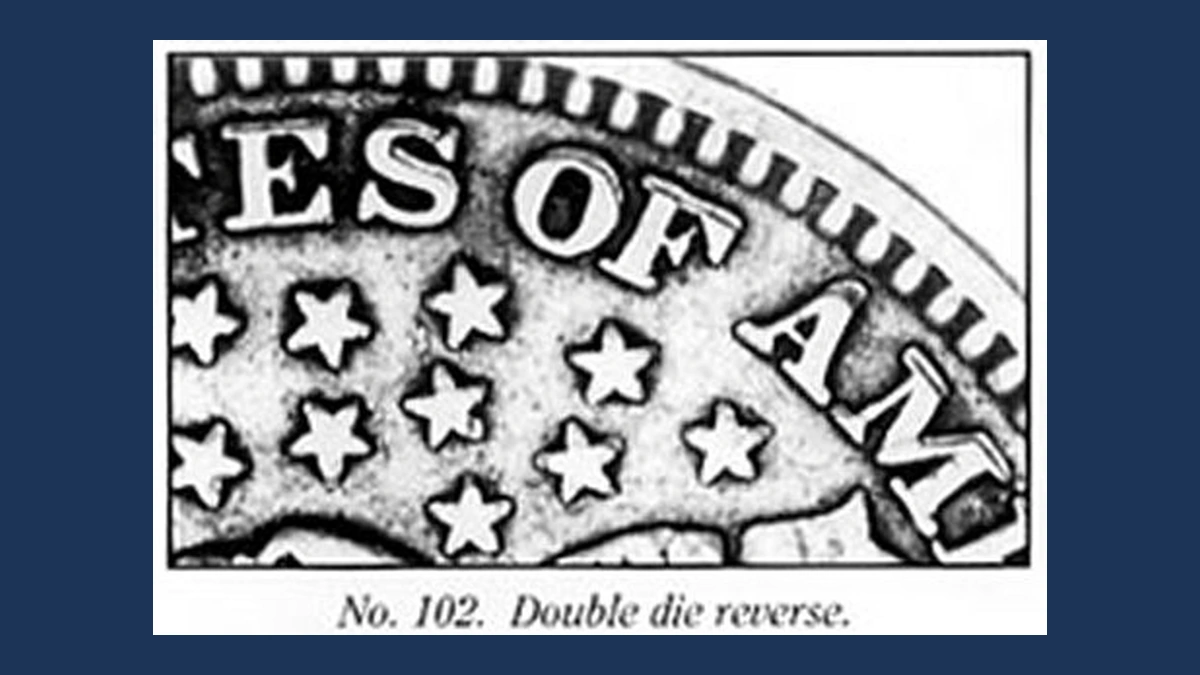
Small extra edges in the back lettering can reveal a design doubled on the stamping tool. The same arrangement can repeat on each coin made from that tool.
The Philadelphia variety is reported around the last letters of STATES and the words OF AMERICA. The Barber Coin Collectors’ Society survey also lists a San Francisco doubled back.
Those are separate mint varieties, not one pattern that must appear on both coins. Doubling created on the tool also differs from a coin moving and receiving another complete strike inside the press.
Estimated Value
Estimate $50–$1,500 for a confirmed 1915 doubled-back variety, depending on mint, wear, and the strength of the extra lettering. A faint worn trace and a bold unworn example require different comparisons.
A 1945 Philadelphia quarter with a doubled front, FS-101 in PCGS MS65, sold for $552 in March 2018. It is another silver-quarter tool-doubling example, not the same date or affected face.
Flat strike-related shelves should not receive a doubled-tool premium.
How to Identify
On a Philadelphia coin, begin at the final ES of STATES and continue through OF AMERICA. Photograph this stretch as one area so the relationship between the extra edges remains visible.
Now compare individual letter corners under magnification. Rounded separation or small notches can be more useful than one wide, worn letter.
Change the light direction to check that a reflection is not creating the apparent second edge.
A San Francisco coin needs a matching San Francisco reference before the doubling can be named. The Philadelphia locations alone cannot establish that separate variety.
Include the mint-letter area in a full-back photograph and preserve the original surface. Cleaning can obscure the tiny shapes needed for comparison.
4. 1915 Barber Quarter Expanded Outline from a Strike outside the Edge Ring
A wide border can form when the coin spreads beyond its normal outline during striking. The edge ring, called the collar, normally restrains that metal and forms the grooves around a quarter.
Without full restraint, the disk can expand while keeping its main design. This is called a broadstrike.
GreatCollections cataloged a 1915 Philadelphia example graded PCGS AU58, a grade indicating only slight circulation wear. Its expanded outline belongs to the minting process; a quarter hammered flatter afterward can also grow wider, but that later damage is a different thing.
Estimated Value
Comparable genuine 1915 broadstrikes have an estimated range of $300–$3,000. How far the metal spreads and how well the coin preserves its design can matter as much as the grade.
A much later 1965 Type 1 broadstrike graded PCGS MS61 sold for $192 in June 2024. The older Barber coin requires a different date-and-series comparison.
Use the estimate for an original expanded strike. A widened coin with hammered surfaces does not belong in the same range.
How to Identify
If the coin is loose, calipers can show whether its widest span exceeds the normal diameter of about 24.3 millimeters. Do not remove a graded example from its holder to measure it.
Study how the outer letters and stars meet the expanded border. The metal should show a natural spread from the original strike rather than crushed detail from later flattening.
Inspect the edge for evidence of the retaining ring and compare both faces for impact marks. A wider measurement alone cannot establish why the coin expanded.
Keep the complete design in view when distinguishing broadstrike from off-center striking. A large blank crescent paired with missing design calls for the off-center comparison instead.
5. 1915 Barber Quarter Design Shifted onto One Side of the Blank
A bare crescent can remain when a blank metal disk is not centered between the stamping tools. The design reaches one side of the disk while part of the opposite side receives no image.
Off-center striking is reported for 1915 Barber quarters, but no fixed percentage applies to every candidate. The amount of missing design must be judged on the actual coin.
This is different from an uneven border on just one face or a coin with its edge cut away. The combination of displaced images and original blank metal explains the error.
Estimated Value
For a confirmed 1915 off-center quarter, estimate $250–$5,000. Small shifts on worn coins fall lower, while dramatic examples with clear dates and attractive surfaces can command more.
A 1965 quarter graded NGC MS65 with a twenty-five-percent shift sold for $180 in December 2025. That later-date comparison shows the error type but does not set the price of an older Barber quarter.
Keep the mint and visible amount of displacement in each individual assessment.
How to Identify
Locate the date before following the crescent around the coin. A missing or badly damaged last digit can make it difficult to establish that an off-center quarter is actually from 1915.
View both faces together and see how the displaced designs relate to the same piece of metal. If only the front rim is uneven and the back is centered, compare a misaligned-tool explanation.
Check the bare area for original surface rather than file marks or a cut edge. Missing metal from trimming cannot create the same unused portion of an original blank.
Photograph the entire outline and whatever mint-letter area survives. Do not assign a D or S when that part of the design never reached the disk.
Conclusion
Estimated $25–$5,000 values cover the 1915 quarter errors discussed here. A tiny extra mint-letter trace calls for magnification, while an expanded outline can be visible from across a table.
Keep the original mint and condition in each price comparison. Look for what the metal actually shows, avoid scraping loose flakes, and distinguish a complete spread-out design from a strike that missed part of the blank.