1856 Quarter Error List with Pictures

A small S hiding beneath a larger S produced one of the most valuable varieties among 1856 quarter errors. PCGS records an AU58 example, with only slight wear, selling for $39,100 in August 2007.
Other clues need a different search: a numeral inside Liberty’s clothing, an uneven back border, or a stepped edge. They do not all come from the same mint or the same mistake.
Estimated whole-coin values below extend from $40 to $40,000. Use the close-up checks to connect each visible feature with the right type of error.
1. 1856 Liberty Seated Quarter Slightly Misaligned Back Design
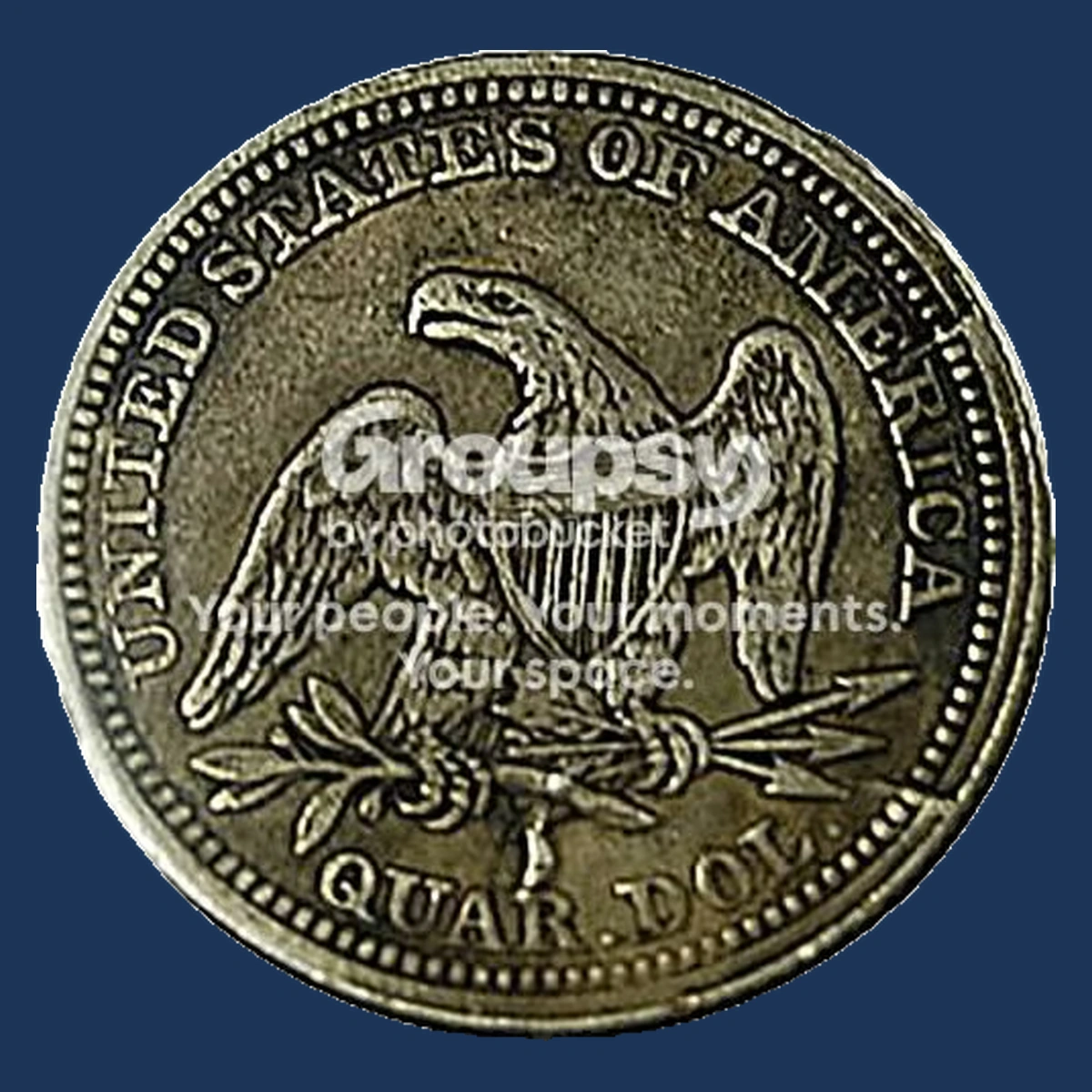
The back design can sit slightly to one side while the front remains better centered. The border then looks narrow on one side and wider opposite it.
This happens when one die, the steel tool that stamps a coin, sits out of line. It differs from an off-center strike, where the blank itself sits away from the striking center.
Error specialist Fred Weinberg identified slight back-tool misalignment in a discussion of an 1856 quarter. Other unusual marks on that coin received conflicting explanations and do not prove additional errors.
Estimated Value
For a small, confirmed back-design shift on an ordinary Philadelphia example, estimate $40 to $500. Most of that value can still come from the underlying coin.
A narrow border difference usually attracts less interest than a shift that cuts into lettering. Smooth, attractive surfaces also matter more than a dramatic photograph.
The discussed coin has no documented sale attached to this estimate. If a mintmark identifies a scarcer issue, its normal date-and-mint value must also be considered.
How to Identify
Place straight-on photographs of both faces next to each other, keeping the complete rims in view. A tilted camera or tight crop can make a centered design appear displaced.
Compare the distance from the outer letters to the rim around the back. Then examine the front at the corresponding positions to see whether the two sides tell different stories.
An intact circular outline with one shifted design supports misalignment. An unstruck crescent beside displaced designs on both faces suggests an off-center strike instead.
Inspect the narrowest border for filing or flattened metal that changed its width after striking. Do not let unrelated lumps or scratches decide whether the stamping tool was out of line.
2. 1856 Liberty Seated Quarter Reported Doubled Die Front
A repeated outline at the 6 has been reported on one 1856 Philadelphia doubled-die front. A doubled die is a stamping tool that carries a repeated part of the design.
The coin receives that repeated shape when the tool strikes it. It need not pass through the press twice.
Greg Johnson lists this front separately from examples with a hand-repunched 6. Those similar-looking date features therefore need separate identification.
The 6 is the stated starting point. Extra lines at Liberty’s face, stars, or shield should not be assumed to belong to this variety without a matching example.
Estimated Value
Use an estimated $75 to $1,200 for a confirmed example of the reported doubled-die front. This range allows for circulated coins through better-preserved pieces with clear extra detail.
The repeated shape must remain easy to recognize. A heavily worn date offers less to a variety collector than a sharp, undamaged one.
Surface scratches or aggressive cleaning can lower the price even when the correct front is present. This is an editorial estimate, not a recorded 1856 doubled-die auction result.
How to Identify
Find a photograph specifically identified as the reported doubled-die front before judging your enlarged 6. A picture of a repunched date is not an interchangeable comparison.
Trace the upper curve, inner opening, and lower loop of the numeral. The added outline should match the identified example in shape and placement, rather than merely make the digit look thick.
A low, flat shelf alongside the numeral can result from movement during striking. Scratches are another trap, especially where they cross the date and nearby open surface.
When the matching picture does not resolve the difference, send complete coin photographs and a sharply focused date image to a Seated-quarter specialist. Keep the label provisional until the tool match is made.
3. 1856 Liberty Seated Quarter Partial Collar Strike
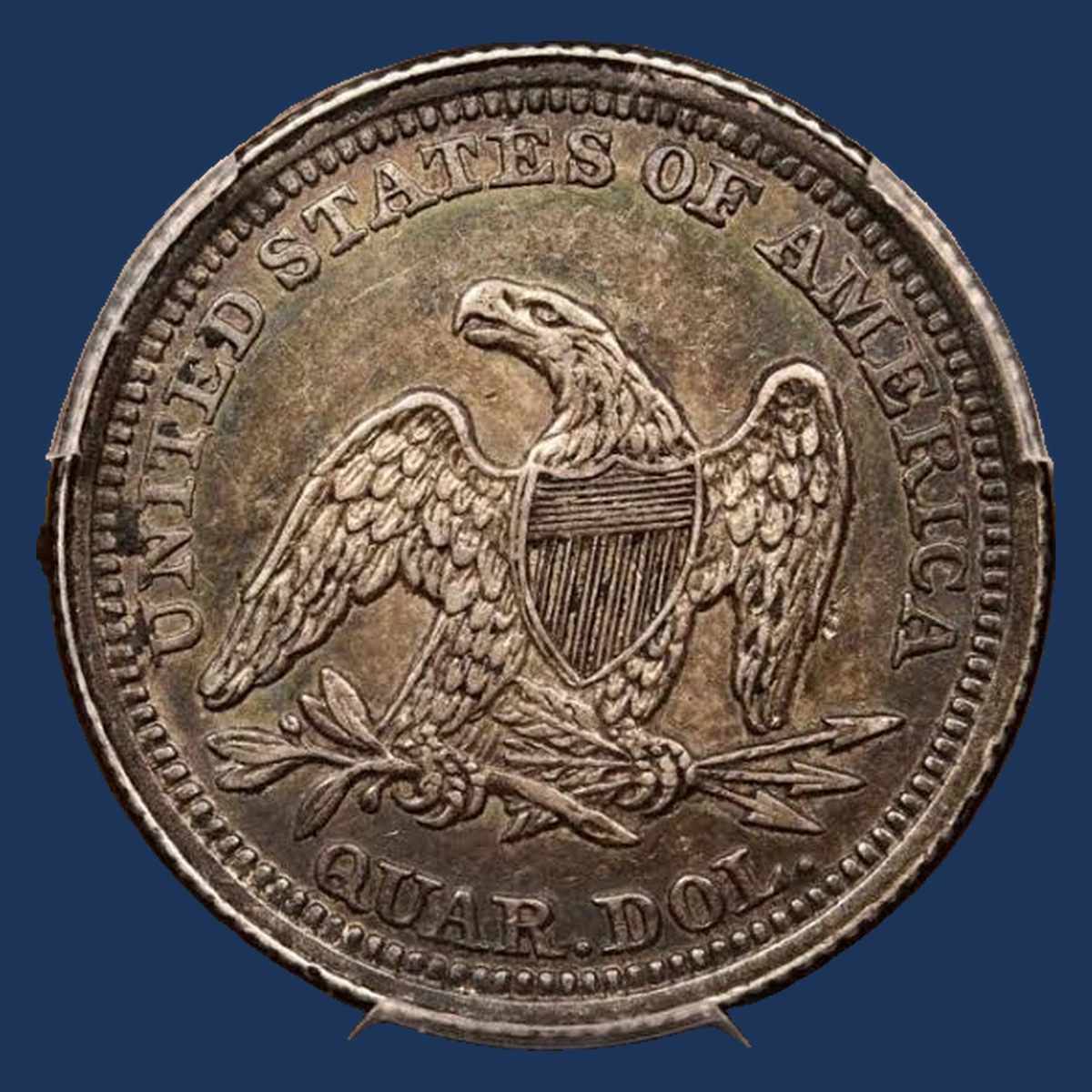
The side edge of this error has two levels: part carries normal grooves, while another part is smooth and expanded. Collectors often call the shape a railroad rim.
The collar is the ring that controls a coin’s width during striking. Here it enclosed only part of the blank’s thickness, allowing the exposed silver to spread.
David Kahn described an 1856 Philadelphia example graded PCGS XF45. That grade indicates wear with much detail remaining.
Its front appeared wider than normal, while the back retained normal diameter and a high, sharp rim. The side view explains that difference.
Estimated Value
A dealer listing offered the PCGS XF45 example for $650. That is an asking price, not a confirmed auction result.
An estimated $300 to $1,500 suits circulated examples through attractive pieces with a clearly visible stepped edge. A sharp transition between smooth and grooved metal makes the error easier to appreciate.
Heavy rim damage can obscure that transition and reduce value. Better preservation and a strong, original outline support the upper part of the range.
How to Identify
This check needs a side view, not just enlarged front and back photographs. Ask for an edge photograph showing where the grooved band meets the smooth, expanded band.
The step should relate to the different outlines seen from the two faces. On the described coin, the front spreads outward while the back has a high, sharp rim.
For a loose coin, compare its width gently with the normal diameter of about 24.3 millimeters. Do not squeeze the edge with calipers or open a sealed holder to obtain a measurement.
Flattened grooves and tool marks can reveal a rim altered after striking. A smooth expanded band adjoining an original grooved band is more persuasive than a battered rim alone.
4. 1856 Liberty Seated Quarter Misplaced and Repunched Date Digits
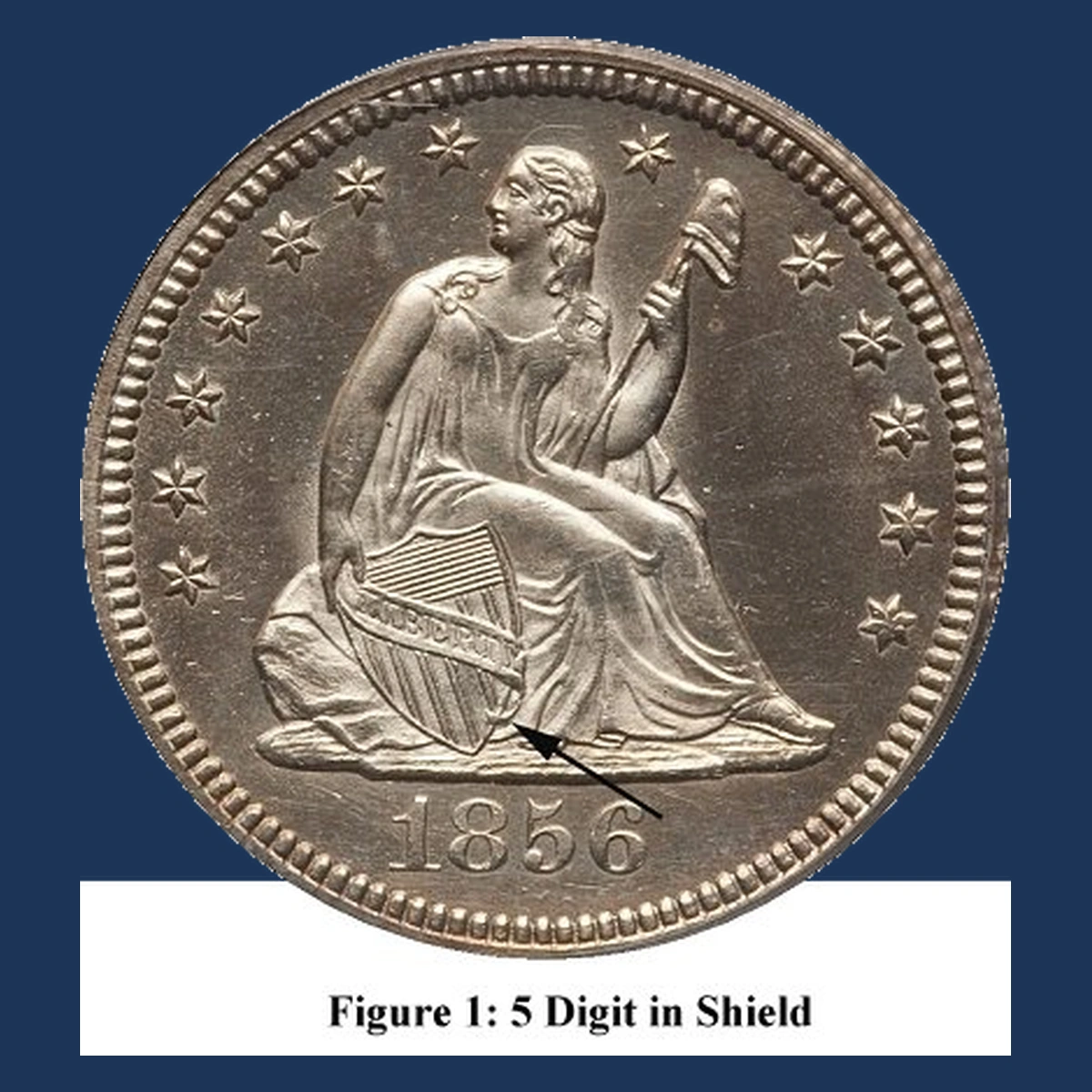
A small piece of a numeral can turn up far above the date on an 1856 Philadelphia quarter. Reported examples include the top stroke of a 5 in the shield and a 1 in Liberty’s gown.
Other examples show a possible loop of 6 in the rock. These are separate tool varieties, not a set of marks expected on one coin.
The misplaced-digit study describes these unusual positions. Related hand-punch mistakes also left a repeated 6 at the normal date position.
Both result from placing or adjusting numerals on the stamping tool.
Estimated Value
Estimated values run from $50 to $3,000 for confirmed date-punch varieties, depending on the particular feature and the coin’s preservation. The more familiar gown mark need not command the same price as the scarce shield example.
A complete, clear digit remnant is easier to sell than a mark lost in wear. Attractive surfaces also help distinguish the shape.
These are whole-coin estimates. Do not add separate prices for each visible trace on a single coin.
How to Identify
Decide where the extra shape sits before choosing a comparison: inside the shield, among the gown folds, in the rock, or beside the normal 6. Each location belongs to a different example.
For a misplaced digit, follow its short straight stroke or curved loop under a 10× magnifier. Compare the surrounding normal design as carefully as the suspected numeral.
A fold can resemble part of a 1, and a curved scratch can imitate a 6. A genuine match should repeat the same shape in the same place on another coin from that tool.
At the normal date, check for the earlier outline alongside the final 6. Do not use an image of a digit in the rock to identify a repeated digit below it.
5. 1856 Liberty Seated Quarter Large S Over Small S Mintmark
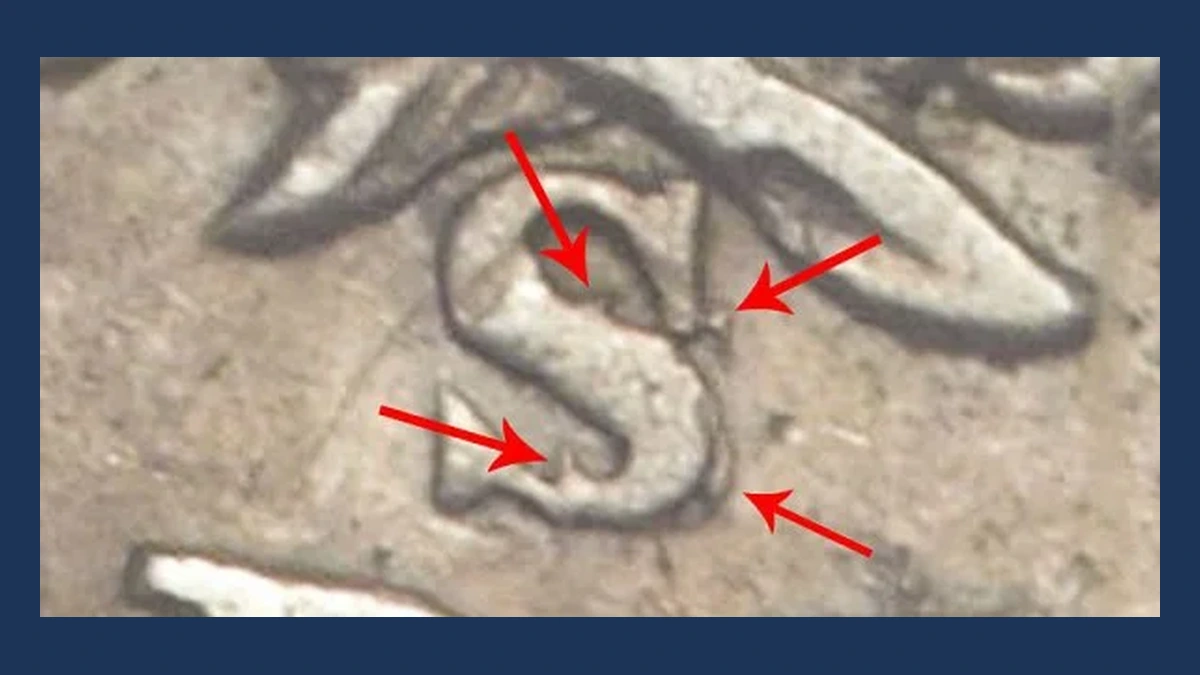
Two sizes of S occupy the same mintmark area below the eagle. The larger final letter partly covers a smaller S, leaving traces visible beneath it and to the right.
This is a repunched mintmark: the letter was entered more than once while the stamping tool was prepared. Each coin from that tool inherited the overlapping letters.
The variety is known as Large S over Small S and also carries the catalog number FS-501. Those names describe the same feature.
A broad or worn single S is not enough. The smaller letter’s surviving shape is what matters.
Estimated Value
PCGS records an AU58 example at $39,100 in August 2007 in its Large S over Small S listing. AU58 means only slight wear remains on an otherwise well-preserved coin.
For worn examples through exceptional lightly worn pieces, estimate $500 to $40,000. A clear smaller S and appealing surfaces support stronger prices.
The San Francisco date is valuable in good condition even without this variety. The repeated mintmark adds collector interest, but the auction price still buys the entire coin.
How to Identify
View the S below the eagle at enough magnification to separate its curved outline from nearby marks. A full back photograph should remain available so that the letter’s position is clear.
The final S is large. Look beneath it and to its right for the smaller letter peeking out, then compare those remnants with a recognized Large S over Small S example.
Check the junctions where the two shapes overlap, rather than measuring only the outside width. A flattened single mintmark may be wide without preserving any smaller S.
If wear hides most of the lower letter, an expert comparison is worthwhile before paying a strong premium. Added metal, scratches, and a flat shelf beside one S must not substitute for the matching small-letter curves.
Conclusion
An extra digit belongs to a different story from an expanded edge or a shifted back design. On an 1856 quarter, first decide which part of the coin has changed.
The estimated $40 to $40,000 range reflects everything from minor misalignment to the valuable large S over small S. Match the mint, feature, and condition before comparing prices.
Keep separate examples separate when looking at the picture details.