2019 Penny Error List with Pictures

A W below the date makes a 2019 penny different from pocket change, but it is a normal West Point mintmark. An impression left by trapped material is a separate feature worth examining.
This 2019 penny error list covers ordinary and collector coins, with estimated ranges from $2–$2,000. As a comparison, a cent dated 1981-D on a dime blank sold for $372 in September 2025.
Start with the coin’s finish, then use the visible clues below to choose the right comparison.
1. 2019 Lincoln Penny Letter Near the Rim and Die Misalignment (Estimated Up to $50)
The L in LIBERTY can appear very close to the rim. That narrow gap alone does not make a penny a valuable error.
A die is the steel tool that stamps the design. If one tool shifts sideways, its design can sit off center while the opposite face remains centered.
The 2019 letter-near-rim report needs this distinction. Ordinary border width, worn tools, and later impacts can also crowd a letter.
AMERICA on the back provides another area to inspect. Its position should be judged on that face rather than assumed to match the front.
Estimated Value
For a confirmed, visible one-sided misalignment, estimate $2–$50. A minor shift belongs near the lower end, while a clearer original displacement can attract more interest.
This compares modest modern-cent alignment errors. It does not assign an error premium to every 2019 penny with L close to the rim.
A normal narrow border or a rim pushed inward after striking remains outside that estimate. Both faces should support the claimed cause before price becomes the deciding factor.
How to Identify
Photograph the complete front and back straight on. Cropping tightly around L removes the wider border needed to judge alignment.
Under a 10× magnifier, follow the rim around each face. Check whether the whole front design shifts toward one side while the back remains centered.
Look for impact marks beside the crowded letter. A blow can move rim metal inward without moving the original design.
Compare an accessible coin with 2.50 grams on a scale and 19.05 mm using calipers. Its edge should be smooth, without signs of squeezing.
A consistent shift across one whole face is stronger evidence than a single letter touching an otherwise ordinary rim.
2. 2019 Lincoln Penny Weak Strike (Estimated Up to $100)
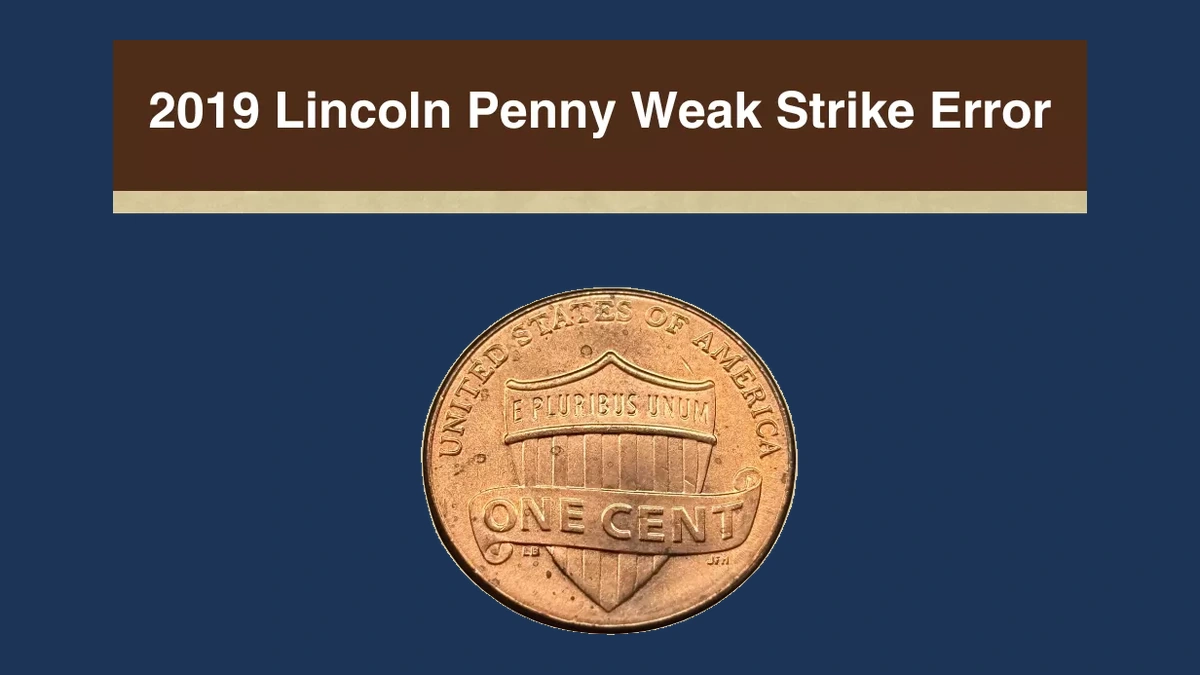
Lincoln’s hair may look shallow even on a penny that shows little wear. Fine shield lines can also fail to stand out clearly.
The design did not form as sharply as usual. Pressure, worn stamping tools, and material blocking the tool are possible explanations for weak details.
The 2019 report does not identify one cause for every example. It should not be turned into a claim that the coin was used to test a press.
Wear can produce a similar first impression. Check the original surface and the pattern of weak areas before deciding what happened.
Estimated Value
A clearly identified weak strike can be estimated at $5–$100, depending on its strength and condition. Slight softness on an otherwise ordinary penny may add very little.
The range compares modern-cent striking problems. It does not represent a documented sale of a particular 2019 test strike.
Distinctive, widespread weakness is easier to demonstrate than one soft strand of hair. The comparison must also exclude worn coins, since missing detail from circulation does not receive the same production-error premium.
How to Identify
Look at Lincoln’s cheek and other high points alongside the weak hair. Normal wear tends to affect exposed parts of the design first.
A 10× magnifier can help separate smooth worn areas from original shallow detail. Inspect the shield as well, rather than judging the entire coin from one patch.
Grinding leaves disturbed surfaces that need a different explanation. Local grease blockage may also fit better than a generally weak strike.
With a scale and calipers, compare a loose coin with 2.50 grams and 19.05 mm. Check its smooth edge for alteration.
Preserved original surface beside shallow detail is the useful starting clue; worn high points suggest a different cause.
3. 2019 Lincoln Penny Doubled Ear and Other Doubled Designs (Estimated Up to $200)
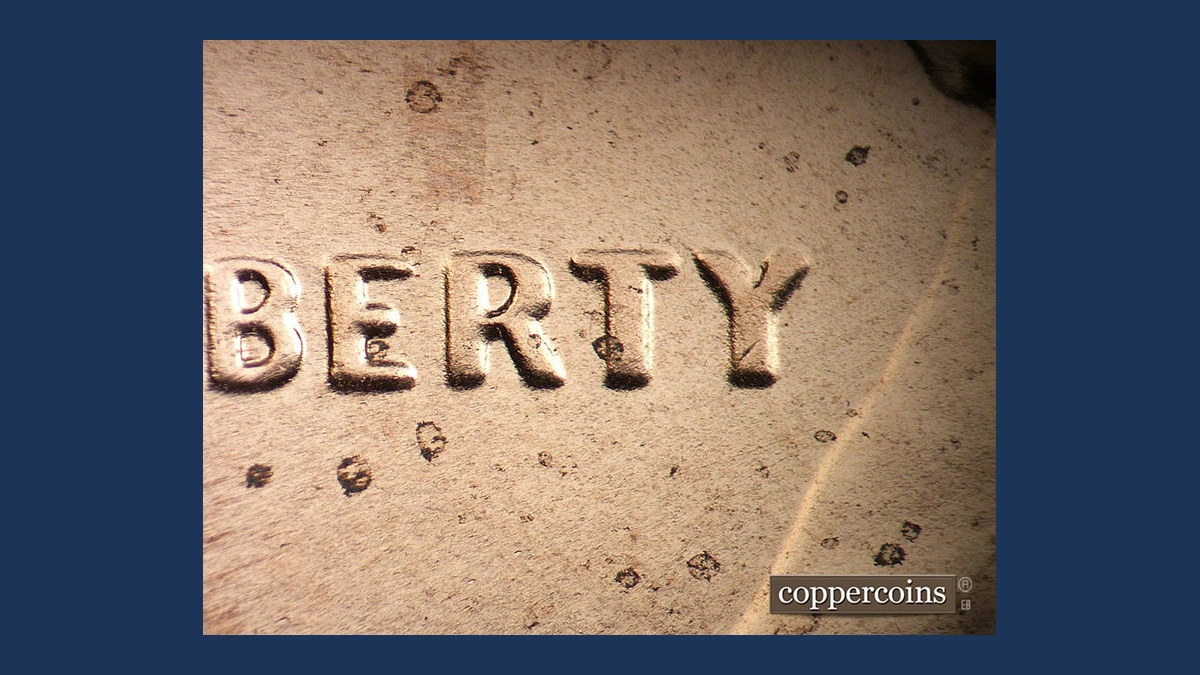
An extra rounded outline below Lincoln’s ear can resemble a second earlobe. A reported 2019-D variety directs attention to that small area.
A doubled die carries repeated detail in the stamping tool itself. Coins made from it can repeat the same extra shape.
Philadelphia also has separately listed doubled designs. Those entries do not establish that the Denver ear feature appears on every mint’s coin.
Back-side reports concern shield stripes, ONE CENT, or E PLURIBUS UNUM. Each pattern needs its own comparison; a thick letter or flat shelf alone does not identify a doubled die.
Estimated Value
Estimate $5–$40 for minor identified doubling and about $40–$200 for stronger, well-matched examples. These ranges compare modest modern Shield-cent varieties.
They are not a single auction result for all 2019 doubling. An obvious extra ear can be easier to show than a faint change in one back-side letter.
Condition and the exact matching pattern both matter. A coin with features on both faces should be valued as one specimen, without adding two complete estimates together.
How to Identify
For the extra-ear report, first find the D below the date. Use a 10× magnifier to inspect the rounded area immediately below the earlobe.
Compare with the same mint’s confirmed pattern in a Lincoln cent variety catalog. For back-side doubling, choose the correct shield or lettering pattern separately.
A flat shelf can result from movement during striking. Split copper plating may also outline letters without duplicating the tool’s design.
The normal copper-plated zinc penny weighs 2.50 grams and measures 19.05 mm, with a smooth edge. A scale and calipers provide basic checks when accessible.
A repeated rounded contour matching the same variety is more useful than general thickness in unrelated letters.
4. 2019 Lincoln Penny Blistered or Split Copper Plating (Estimated Up to $250)
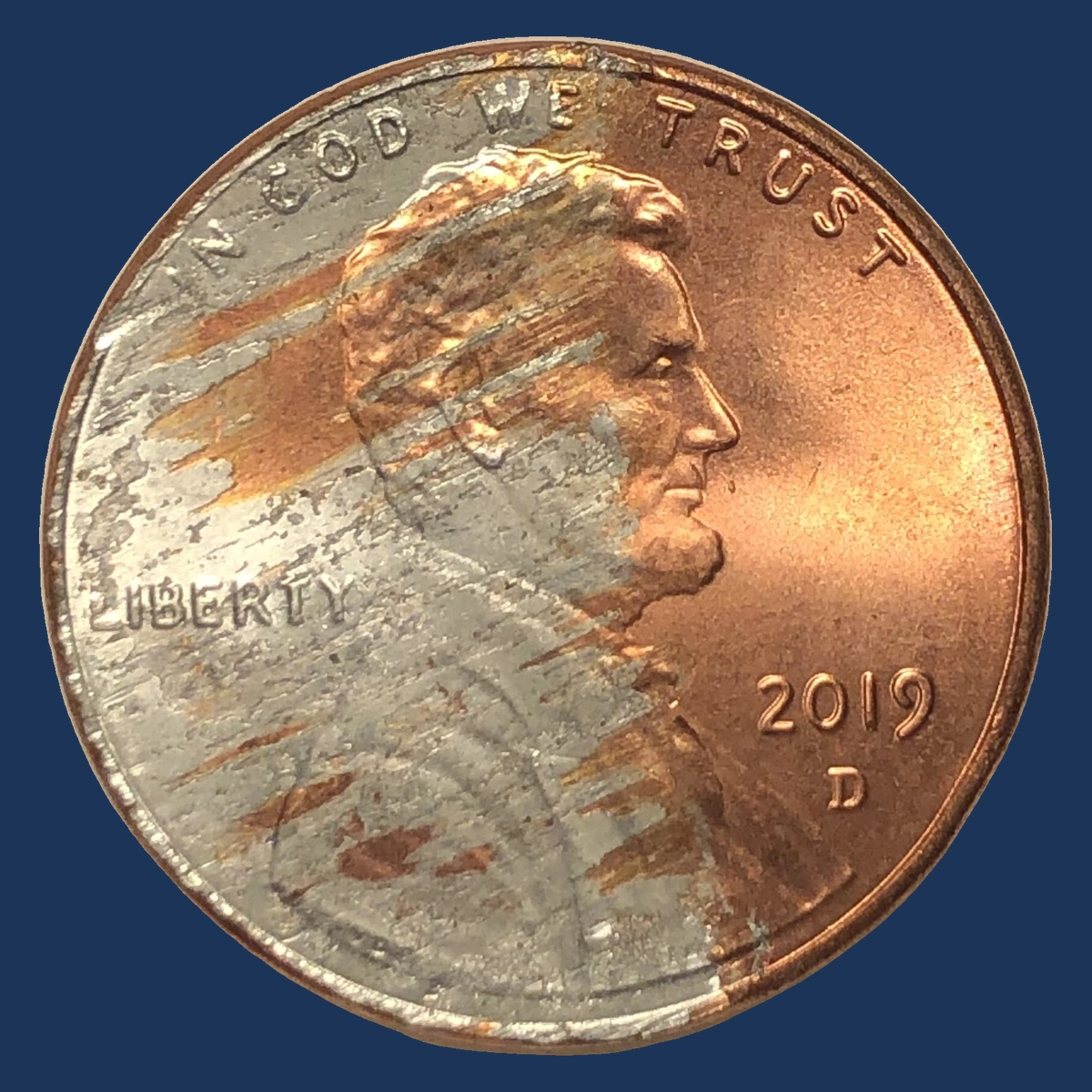
A modern penny has a zinc center beneath a thin copper coat. A bubble can lift that coat, while a split can reveal the gray metal underneath.
The 2019 reports include both appearances. Weak bonding can allow a blister, and stretching during striking can split the copper near a letter or edge.
They should not all be assigned one cause. Heating and corrosion after minting can also lift or break the coating.
The surrounding surface helps explain the sequence. A coin that was scratched or chemically stripped may show exposed zinc without a manufacturing defect.
Estimated Value
For confirmed original plating defects, estimate $2–$50 for small features and $50–$250 for larger, clearer examples. The range compares modern copper-plated cents.
A narrow split around lettering can be common and add little. A larger intact blister needs to be assessed for origin as well as size.
These figures do not price later heat damage or corrosion as mint errors. Preserving the coating and nearby design makes the original feature easier for a buyer to examine.
How to Identify
Use low side lighting to see whether the copper rises in a bubble or separates along a split. A 10× magnifier will help reveal the boundary.
Leave the coating untouched. Pressing a blister or lifting a flap can destroy the attachment that an examiner needs to see.
Inspect both faces and the smooth edge for corrosion, scraping, or an added surface treatment. Exposed gray zinc alone does not reveal when the copper disappeared.
Check an accessible coin with a scale and calipers against 2.50 grams and 19.05 mm. A tiny copper loss may barely affect weight.
An undisturbed copper layer with a clear lifting or splitting boundary gives the best starting point for identifying the defect.
5. 2019 Lincoln Penny Broadstrike (Estimated Up to $350)
The lettering can all fit while the penny is noticeably wider than usual. That combination is characteristic of a broadstrike.
The collar is the metal ring that controls outward spread during striking. Without its normal restraint, the blank can expand beyond the intended diameter.
The 2019 report describes this type without establishing one measured size for every coin. A quoted example of 21 mm should not be treated as a required measurement.
The design may be unevenly placed within the wider metal. What matters is that it remains complete rather than running off the edge.
Estimated Value
An estimated $20–$350 covers genuine modern-cent broadstrikes from modest expansion to stronger, attractive examples. The wider appearance and surviving original detail should support the price.
This is a comparison-based range, not a recorded sale for a 2019 penny measured at 21 mm. The actual coin must supply its dimensions.
A hammered penny can also spread outward. Damage to its letters and high points separates that later alteration from a collectible error made in the press.
How to Identify
Start at the outer words on both faces and follow them around the coin. A complete design distinguishes a broadstrike from an offset strike that loses lettering.
Use calipers in more than one direction. The normal diameter is 19.05 mm, while a scale should remain near 2.50 grams if no metal was lost.
Under a 10× magnifier, look for naturally struck letters inside the wider border. Flattened high points may show that a finished penny was squeezed afterward.
Inspect the smooth edge without demanding a completely rimless appearance. Different amounts of spread can leave different border shapes.
Complete original designs within an enlarged outline provide the direct check, supported by normal metal weight.
6. 2019 Lincoln Penny Die Cracks, Interior Breaks, and Cuds (Estimated Up to $400)
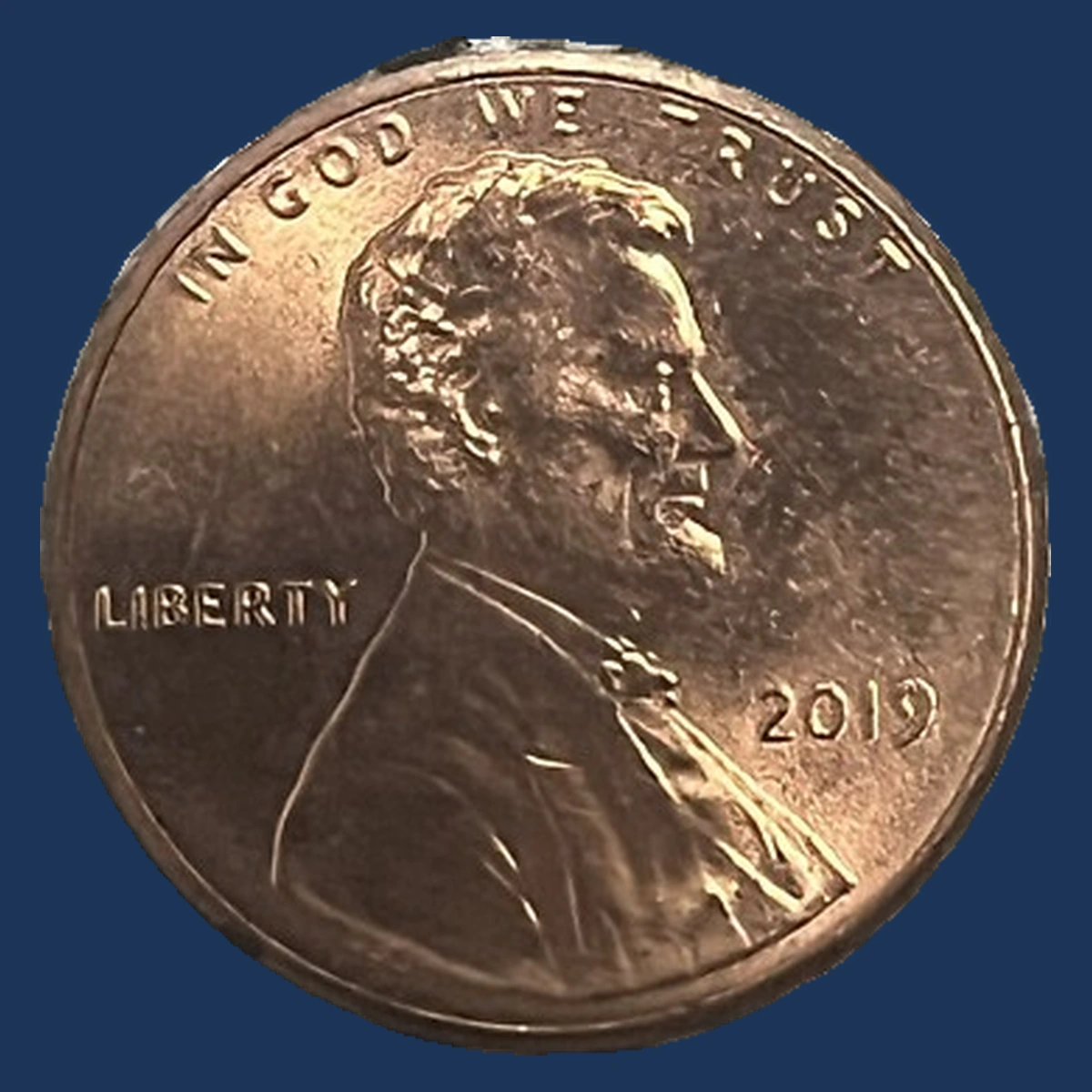
A raised line can run from the rim into Lincoln’s head. Collectors sometimes use the nickname “Assassination,” but it is a tool crack, not a special commemorative design.
Metal enters a crack in the stamping tool and becomes a raised line on the penny. A missing tool piece can instead leave a broader lump.
A reported interior break sits above T in ONE CENT. It does not need to connect to the edge.
A cud is different: its raised patch reaches the rim. These shapes belong to related tool damage but should remain separate visual comparisons.
Estimated Value
Tiny cracks or small internal bumps can be estimated at $2–$50. Larger, clearly formed rim breaks can fit approximately $50–$400.
For comparison, a 2021-D penny with a retained cud sold for $186 in September 2025. Its broken tool piece had stayed partly in place, so it is not identical to every 2019 break.
The nickname on a head-crossing line does not set its price. Judge the size, condition, and visible structure of the complete coin.
How to Identify
Shine light from the side to determine whether the feature rises above the surface. A scratch usually cuts down into the finished metal.
Use a 10× magnifier above T in ONE CENT for the reported interior bump. For a cud, follow the patch until its connection with the rim is clear.
A plating bubble can rise too, so inspect the copper skin and nearby design without pressing it. Dirt should not be mistaken for extra struck metal.
On an accessible coin, compare 2.50 grams and 19.05 mm with a scale and calipers. Examine its smooth edge for dents.
A solid raised feature with a traceable boundary distinguishes the tool-break candidate from a simple cut or surface deposit.
7. 2019 Lincoln Penny Off-Center Strike (Estimated Up to $500)
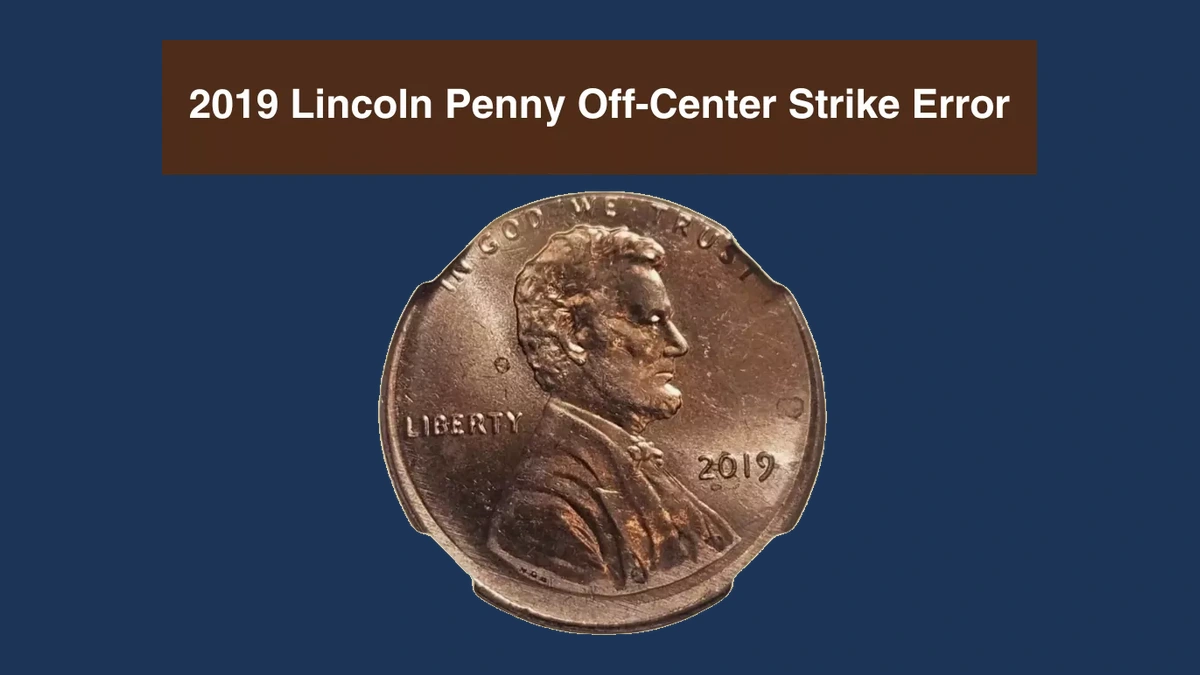
A broad plain area can sit beside part of Lincoln’s portrait. The blank was outside its proper position when the tools came together.
Only the area between the tools received the design. Unlike a clip, the plain crescent still contains the original metal.
The 2019 reports include an example described as roughly half off center. That does not establish a fixed direction or amount for every coin from the year.
A surviving date is especially useful for identification. Both faces should show design loss consistent with the same misplaced blank, rather than a shift confined to one tool.
Estimated Value
Estimate $15–$100 for modest, genuine offsets and about $100–$500 for stronger examples with readable dates. These ranges compare modern Lincoln cents.
A 2006 cent struck four percent off center sold for $39 in March 2025. That smaller, different-year error provides context rather than a price for the reported half-offset 2019 coin.
The empty crescent is only part of the appeal. Clear identification, original surfaces, and the absence of later damage also affect what collectors pay.
How to Identify
Keep the full outline visible in photographs. Then locate the 2019 date without assuming a missing mintmark was ever struck.
Compare both faces to see whether their incomplete designs meet the same plain area. A centered back with only a shifted front suggests tool misalignment instead.
A 10× magnifier helps reveal grinding where someone has removed a finished design. Original unstruck metal should not show that kind of later working.
Check weight against 2.50 grams with a scale. Calipers can record the changed outline against a normal 19.05-mm penny; also inspect the smooth edge.
An intact plain crescent beside matching design loss on both faces is the key feature to establish.
8. 2019 Lincoln Penny Struck-Through Errors, Including W Proofs (Estimated Up to $800)
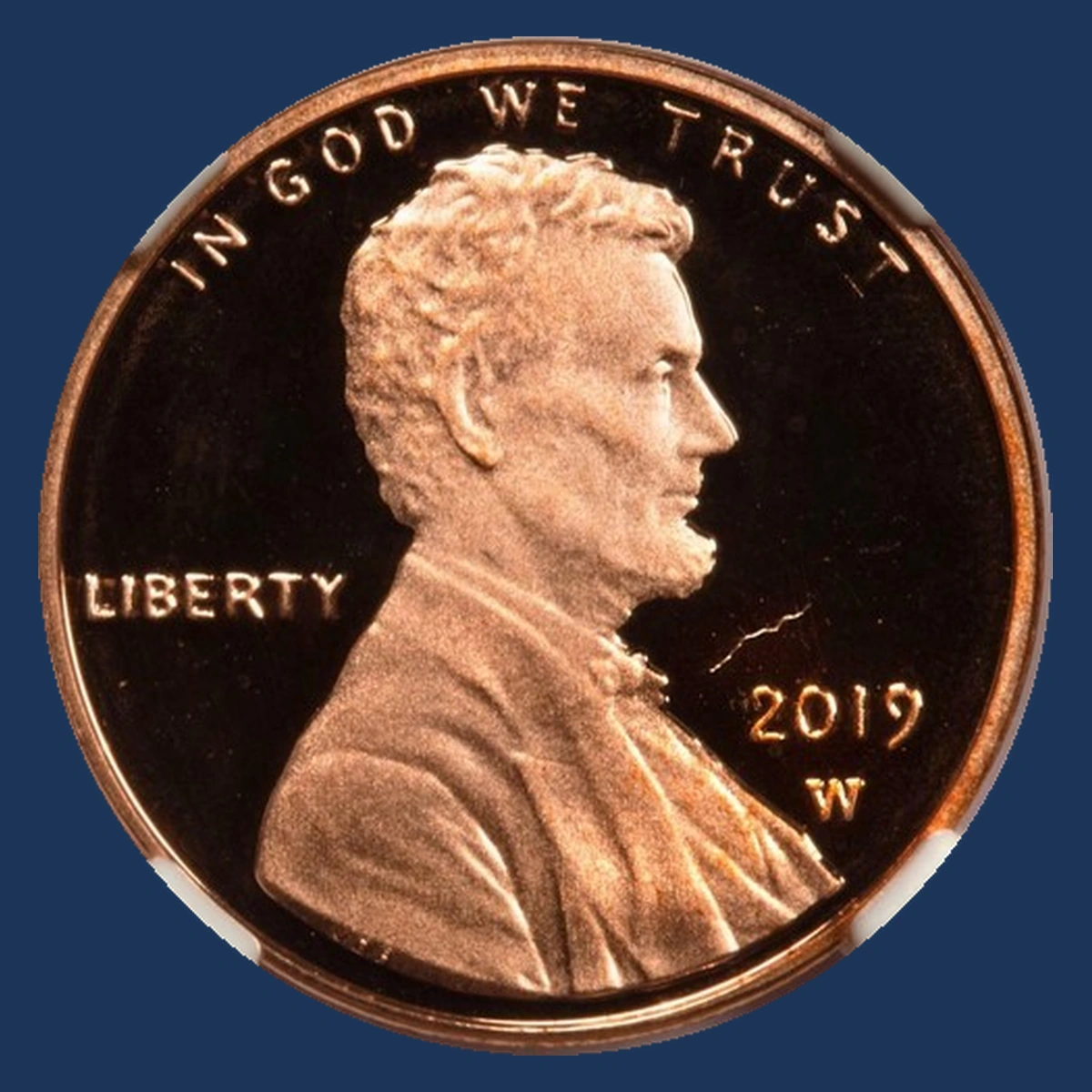
Trapped material can interrupt the design while a penny is struck. Ordinary 2019 reports include weak BU in E PLURIBUS UNUM and separate weak portrait or date details.
West Point collector coins provide other examples. A W Proof struck through threads shows marks beside Lincoln’s face and in the upper background.
Proof means a specially made collector coin, usually with mirrorlike background and frosted design. Reverse Proof switches that contrast.
A separate W Reverse Proof has a front-side struck-through error. Its finish and impression must not be confused with those of the thread-marked Proof.
Estimated Value
For ordinary 2019 pennies, estimate $5–$200 for confirmed blocked details. Comparable W Proof or Reverse Proof errors can be estimated at $100–$800, depending on the impression and condition.
These are estimates, not reported sales of the two W examples. A 2021-D grease-struck cent sold for $84 in September 2025, offering context for the ordinary-coin category.
The W mintmark alone earns no error premium. Compare the same finish before judging the extra value of a visible impression.
How to Identify
Read the mintmark and identify the finish first. A normal W collector penny is not automatically a struck-through error.
For the ordinary reports, inspect BU and the separately affected portrait or date with a 10× magnifier. Grease can block detail; a harder object may leave a defined depression.
Compare the thread-marked Proof with the published W Proof example. The Reverse Proof needs its own comparison rather than the same presumed object or location.
Normal specifications are 2.50 grams, 19.05 mm, and a smooth edge. Use a scale and calipers only for accessible coins, leaving certified examples sealed.
An original impression interrupting a correctly identified finish is the useful check, with later scratches excluded.
9. 2019 Lincoln Penny Wrong-Blank Claims (Estimated Up to $2,000)
A Lincoln design can be stamped on metal intended for another coin. The prepared metal disc is called a planchet, so collectors also call this a wrong-planchet error.
The 2019 category needs an identified specimen before a particular blank can be assigned. A gray penny or a low weight alone does not establish a dime blank.
Modern cents contain gray zinc under copper, and stripping the coating exposes that zinc. Corrosion can also reduce weight.
If a smaller blank is involved, some design may not fit. The stamping tool does not shrink Lincoln to suit it.
Estimated Value
An authenticated wrong-blank strike can be estimated at $300–$2,000, with the actual metal, condition, and remaining design determining the comparison. The estimate applies after the blank is identified.
A 1981-D cent on a clad dime blank sold for $372 in September 2025. That older coin supplies a real comparison, not proof of a 2019 example.
Chemical stripping or filing does not place a penny in this price range.
How to Identify
Write down the weight and diameter before naming a blank. Compare readings from a scale and calipers with the normal 2.50 grams and 19.05 mm.
The edge is normally smooth. A blank meant for a dime does not arrive with its finished edge grooves already formed, so grooves are not a required test.
Under a 10× magnifier, check for exposed zinc, corrosion, and filing. Those changes can make an ordinary cent smaller or gray.
A professional metal examination can then test the proposed blank without damaging the coin. Keep certified examples in their holders.
The decisive combination is a genuine 2019 design on an identified different blank, with matching metal and measurements.
Conclusion
A 2019 penny can look unusual for several reasons, so identify its normal finish before naming an error. West Point’s W and its different collector finishes are part of the intended coin.
The estimated $2–$2,000 span covers small surface features through an authenticated wrong blank. Keep the three struck-through finishes separate when comparing prices, and let the actual shape guide your examination of a raised line or missing detail.