2016 Penny Error List with Pictures

One 2016 penny combined a broken stamping tool with a back turned about a quarter-turn from normal. Its unusual pairing shows why both faces deserve attention.
The 2016 penny errors below have estimated values from $2–$800. For a related price comparison, a 2021-D retained-cud cent sold for $186 in September 2025; that sale did not involve the 2016 combination.
Work through the visible clues to separate misplaced designs, lifted copper, and raised metal from ordinary wear.
1. 2016-D Lincoln Penny Unusual Mintmark Claims (Estimated Up to $100)
A D below the date identifies a Denver cent. A report that the letter is misplaced needs more than a photograph taken at an odd angle.
By 2016, mintmarks were already part of the design used to make working dies, the steel stamping tools. They were not individually punched into each working tool.
That rules out the old hand-punched explanation for a supposed extra D. Damage or an added letter can also make a mintmark look unusual.
Philadelphia cents from 2016 normally carry no P. A seller’s P abbreviation names the mint, not a letter expected on the coin.
Estimated Value
If a genuine mint-made design abnormality is established, use a conditional estimate of $5–$100 for a minor feature. That range compares modest modern-cent varieties.
It does not price an ordinary D, an added letter, or a misleading photograph. The reported claim supplies no identified variety or original sale used for this estimate.
A clear explanation of the abnormal design must come first. A familiar term for older mintmark errors cannot by itself justify a premium on a 2016 cent.
How to Identify
Place a normal 2016-D beside the candidate and photograph both straight on. Keep the date, D, and lower portrait visible together.
Under a 10× magnifier, compare the letter’s outline and its position relative to the whole design. A sideways shift of everything is different from a change affecting only D.
Look for surface disturbance or an attachment around the letter. Do not scrape it to see whether it comes off.
Use a scale and calipers against the normal 2.50 grams and 19.05 mm where the coin is accessible. Inspect the smooth edge for alteration.
A specific original design difference, supported by a matching example, is the useful evidence rather than a claimed misplaced letter alone.
2. 2016 Lincoln Penny Clashed Dies (Estimated Up to $150)
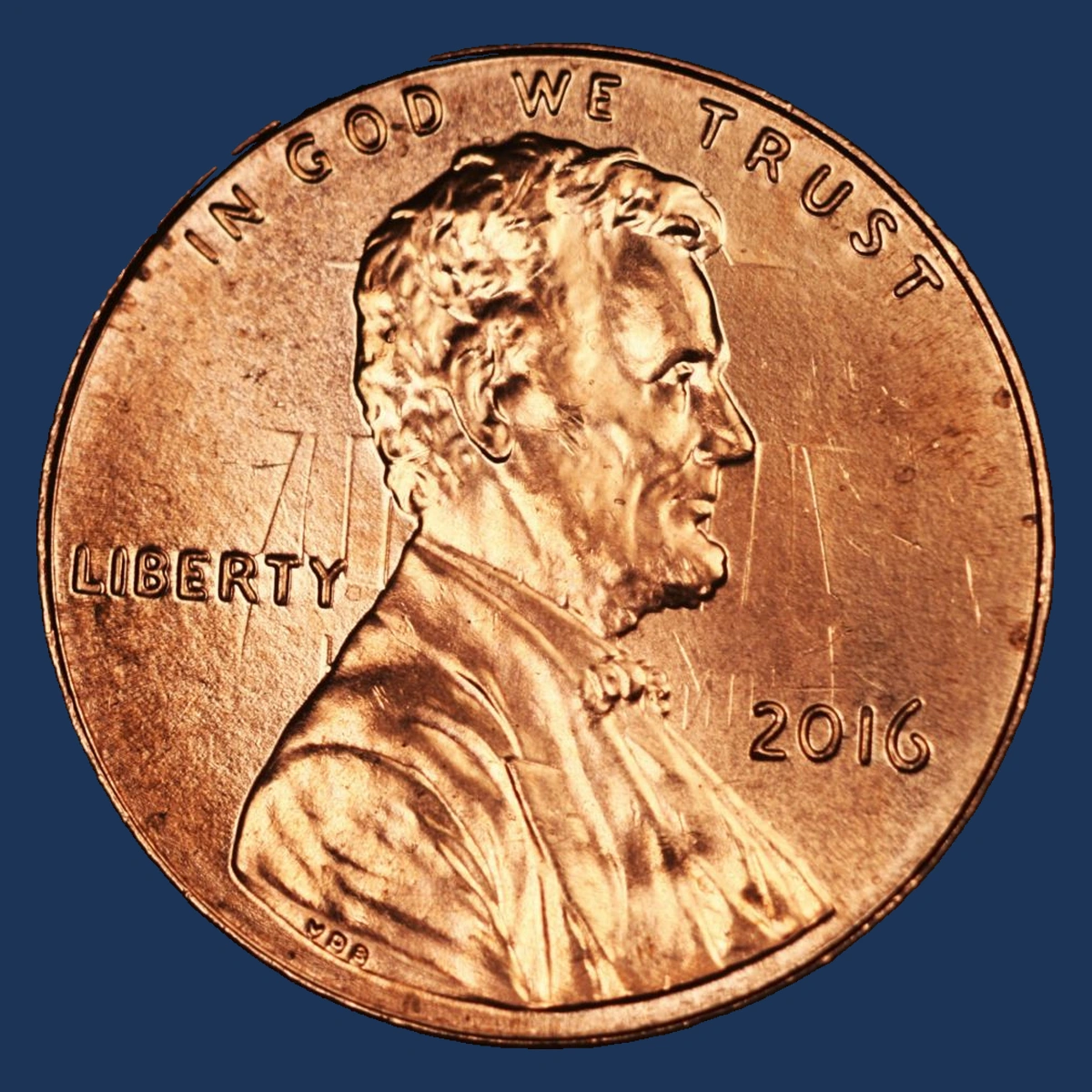
A faint part of the shield can appear in an area where only Lincoln’s design belongs. This can happen after the two stamping tools collide.
Normally a blank separates them. If no blank is present, their contact can leave marks that pass onto later pennies.
A Philadelphia 2016 clash is reported without a fixed diagnostic position here. Its individual traces need comparison with the opposing portrait or shield.
Not every extra line is a clash. Polishing marks, scratches, and wrinkles in the copper coating can also cross the background without reproducing another design.
Estimated Value
A recognizable clash can be estimated at $10–$150. The stronger end calls for clear transferred shapes on an attractive coin, rather than several unexplained lines.
These figures compare modern Shield-cent clashes. They do not represent a recovered sale amount for the reported Philadelphia example.
Condition can change how readily a buyer sees the feature. Wear may blur a genuine trace, while scratches can interfere with it; neither is corrected by adding a more dramatic name to the listing.
How to Identify
Identify which part of the opposite design could explain the extra line. Keep photographs of a normal front and back nearby for that comparison.
Follow the suspect curve with a 10× magnifier and move the light slowly. A match should involve both shape and position, rather than a resemblance created by one reflection.
Check for signs that two finished coins were pressed together afterward. Such contact can leave a different impression and surrounding damage.
For an accessible penny, a scale and calipers can compare 2.50 grams and 19.05 mm. The normal edge is smooth.
A recognizable fragment of the opposing design is the first useful clue, followed by a match to a confirmed clash.
3. 2016 Lincoln Penny Doubled Designs (Estimated Up to $200)
A second contour near Lincoln’s eye or bow tie can prompt a closer look. If the repeated feature belongs to the stamping tool, later coins can carry it too.
That is a doubled die. It is different from a coin shifting during the blow and leaving a flat ledge beside a letter.
Philadelphia reports cover front-side details and separate back-side features. One back-side listing points to extra thickness around the small initials LB.
These are separate comparisons, not a checklist that every coin must satisfy. Cracked copper coating can also create pale outlines around ordinary raised details.
Estimated Value
For correctly matched minor varieties, estimate $5–$40. Clearer repeated shapes on well-preserved coins can fit roughly $40–$200.
The estimates compare modern Lincoln doubled dies, rather than attaching a famous older variety’s price to a 2016 penny. General thickness is weaker evidence than a repeated, identifiable contour.
No single auction amount is assigned to the front and back reports. Value a complete coin for its actual variety and condition, without adding separate full prices for every thick letter.
How to Identify
Choose a comparison photograph for the same face and mint. Philadelphia’s ordinary 2016 penny has no letter below the date.
Inspect the eye or bow tie with a 10× magnifier for the front report. On the back, examine the exact shield feature or LB area shown for the proposed variety.
Tilt the lamp to see whether the extra edge is a rounded design contour or a flat shelf. A split in the copper skin may reveal gray zinc instead.
The normal coin is 2.50 grams and 19.05 mm with a smooth edge. Use a scale and calipers only when it is accessible.
Seek the same repeated shape in the same position, rather than treating all thick or bright edges as doubling.
4. 2016-D Lincoln Penny Partial-Collar Strike (Estimated Up to $200)
A step around the edge can be more informative than the portrait. It may show that the blank sat only partly within the collar during striking.
The collar is the ring that limits how far metal spreads outward. One portion stays held while another can expand beyond it.
A Denver 2016 partial-collar example is reported with an MS60 grade, meaning unworn but noticeably marked. The step still needs examination on the actual edge.
Cents normally have smooth edges. The absence of grooves is not an error, and two circles seen from above do not establish a partial collar.
Estimated Value
A genuine edge step can support an estimated $15–$200 range. A clearly visible difference in level and attractive original surfaces generally offer more appeal.
The reported MS60 grade describes condition, not a verified sale price. The estimate uses similar modern-cent collar errors.
A subtle border line that cannot be shown from the side is a weaker comparison. Metal rolled inward after striking may also make a stepped-looking edge, but it does not belong in the same mint-error price range.
How to Identify
Turn the coin edge-on and move the light along its side. A 10× magnifier can show the boundary between the restrained and expanded portions.
Photograph the step from more than one angle. A top view alone may hide whether the edge truly changes level.
Compare an accessible piece with a normal penny using calipers and a scale. The usual figures are 19.05 mm and 2.50 grams, although uneven expansion can change its outline.
Inspect the smooth edge for pushed-in metal and repeated impact marks. Later rolling or squeezing can imitate an unusual border.
A distinct original step along the side, supported by outward spread, is the feature that separates this error from a double-looking rim.
5. 2016 Lincoln Penny Clipped Planchet (Estimated Up to $250)
A portion of the blank can be missing before any design is added. Collectors call the prepared blank a planchet, making this a clipped-planchet error.
Overlapping punch cuts can produce a curved gap. A strip edge can produce a straighter missing boundary.
The 2016 report identifies the category without fixing one mint or clip shape. Those details must come from the individual coin.
Later cutting can create a similar outline. The surrounding rim and design therefore matter as much as the gap, and a weak rim opposite it is supporting evidence rather than an absolute requirement.
Estimated Value
A 2021 Shield cent with a five-percent straight clip sold for $114 in September 2025. Its MS64 Red grade describes an unworn coin with marks and copper-red color.
For genuine 2016 clips, estimate $15–$250. The later sale offers a comparison without establishing a straight clip or the same percentage for this year.
A readable date, original gap, and attractive surface can support more. Missing metal created by cutting a finished coin does not carry the same value.
How to Identify
Weigh the coin before estimating how much metal is gone. A scale reading below the normal 2.50 grams can fit a clip, but it also fits later cutting.
Use calipers across an intact span, comparing with 19.05 mm. Measuring directly across the gap would understate the original blank’s width.
At 10× magnification, follow both ends of the missing section into the rim. Look for a natural transition rather than saw marks or filing.
Inspect the opposite rim for weakness, but do not reject a coin solely because that effect is faint. The surviving edge is normally smooth.
Original design meeting a pre-existing gap provides the strongest starting point, supported by the appropriate loss of metal.
6. 2016 Lincoln Penny Struck-Through Error (Estimated Up to $300)
Lincoln’s hair or part of the shield can remain weak when material gets between the blank and a stamping tool. The obstruction prevents normal detail from reaching the metal.
A soft substance can leave a smooth blocked area. Something firmer may leave a more distinct depression.
The 2016 reports do not identify one material or mint for every example. Blurred hair alone cannot establish grease, and a line alone cannot establish wire.
The border of the affected area is useful. It can show how clear struck detail gives way to an interruption, unlike broad circulation wear.
Estimated Value
An estimated $5–$300 covers small blocked areas through larger, clear impressions on modern cents. A narrow patch usually offers less visual appeal than a distinctive interruption.
A 2017-D front-side struck-through cent sold for $228 in March 2025, graded MS65 Red. That unworn, copper-red example is a different-year comparison.
The estimate is not a sale assigned to the reported 2016 hair or shield marks. Judge the individual impression and surface rather than treating every missing detail as equally desirable.
How to Identify
Study the transition from sharp design into the weak area. A 10× magnifier can show whether an obstruction interrupted the strike or a later scrape crossed completed detail.
Inspect the portrait’s high points for wear and the depression for disturbed metal. Corrosion can also erase lettering while roughening the surface.
Photograph front and back without naming an unseen object. The date and any mintmark should remain connected with the actual affected coin.
A normal penny weighs 2.50 grams and measures 19.05 mm with a smooth edge. Use a scale and calipers for an accessible example.
A local interruption surrounded by original sharper detail is the feature to compare, followed by ruling out wear and damage.
7. 2016 Lincoln Penny Broadstrike (Estimated Up to $350)
A broadstrike can give the portrait and shield an unusually wide outer border. The blank spread without the collar containing it normally.
The full intended designs remain on the metal, although they need not be perfectly centered. That separates a broadstrike from an offset strike that loses part of the design.
A Philadelphia 2016 example is reported as MS62, meaning unworn with noticeable marks. Philadelphia pennies from this year normally have no mint letter.
A smooth side is ordinary for this coin. The error lies in its spread and surviving design, not in a lack of edge grooves.
Estimated Value
For identified examples, an estimated $20–$350 allows for modest expansion through a much stronger visual effect. Original, undamaged letters make the difference easier to appreciate.
The reported 2016 MS62 description supplies condition information without a verified sale amount. These prices compare similar modern-cent broadstrikes.
A penny flattened after minting can also become wider. If its high points and lettering were crushed by that treatment, extra diameter alone does not give it the same collectible mint-error value.
How to Identify
Follow the outer words around both faces before reaching for calipers. The complete design should remain within the metal despite its expanded border.
Measure several widths against the normal 19.05 mm. A scale reading near 2.50 grams helps show that the blank kept its metal while changing shape.
Use a 10× magnifier to inspect high points and lettering for crushing. A naturally struck design inside the wider outline differs from one flattened afterward.
View the smooth side for tool marks or signs of squeezing. Leave sealed coins in their holders and use recorded measurements.
The direct test is complete original design within natural outward spread, with later flattening excluded.
8. 2016 Lincoln Penny Peeling Copper Plating (Estimated Up to $400)
A thin copper flap can lift from the gray zinc beneath it. The 2016 Philadelphia report describes peeling on both faces, with a separate Denver seller report.
This concerns the copper coating, not thick bonded sheets like those in a dime. The penny’s thin skin can separate when its attachment fails.
The visible result needs examination to establish when it happened. Corrosion and chemical treatment can also loosen copper after a coin leaves the Mint.
A remaining flap is useful evidence. Peeling it farther changes the boundary and can remove the surface that helps distinguish production trouble from later damage.
Estimated Value
Confirmed original plating separation can be estimated at $10–$400. Small areas tend lower, while extensive, well-preserved separation may attract stronger interest.
The range compares other modern copper-plated cents. It is not a completed sale for either the Philadelphia report or the separate Denver listing.
The amount of exposed zinc cannot set the price alone. A coin badly damaged by chemicals may lose much of its copper without becoming a mint error of the type described here.
How to Identify
Look along the lifted boundary under a 10× magnifier. Note whether the nearby copper and struck design remain undisturbed or show corrosion and scraping.
Do not tug at a flap or press a bubble. Its attachment can provide more information than a larger exposed area would.
Check both faces and the smooth edge, since a chemical treatment may extend beyond the obvious patch. A natural peeling boundary still needs its cause established.
A scale and calipers can compare an accessible penny with 2.50 grams and 19.05 mm. Thin copper loss may barely change the reading.
Identify the copper skin separating from zinc, then determine whether original bonding trouble or later treatment explains it.
9. 2016 Lincoln Penny BIE, Die Cracks, and Cuds (Estimated Up to $400)
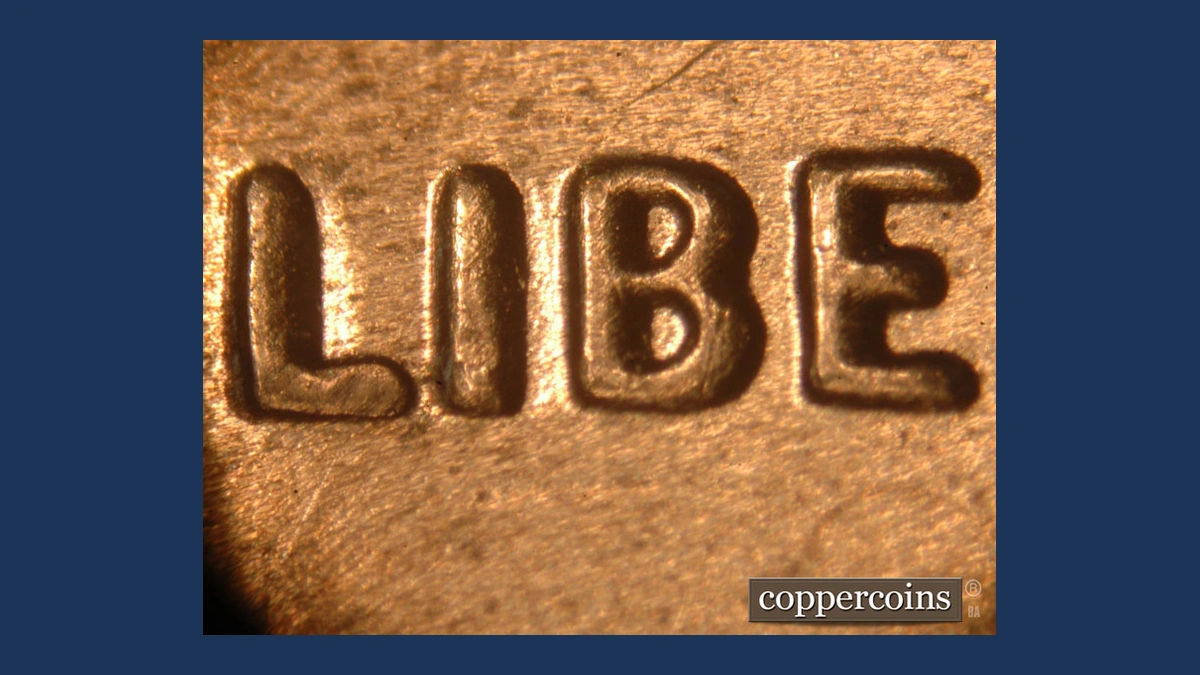
Between B and E in LIBERTY, a small raised bar can look like an extra I. That BIE feature is reported for both Philadelphia and Denver pennies.
A small gap in the stamping tool fills with coin metal and leaves the bar. A narrow crack can similarly leave a raised line.
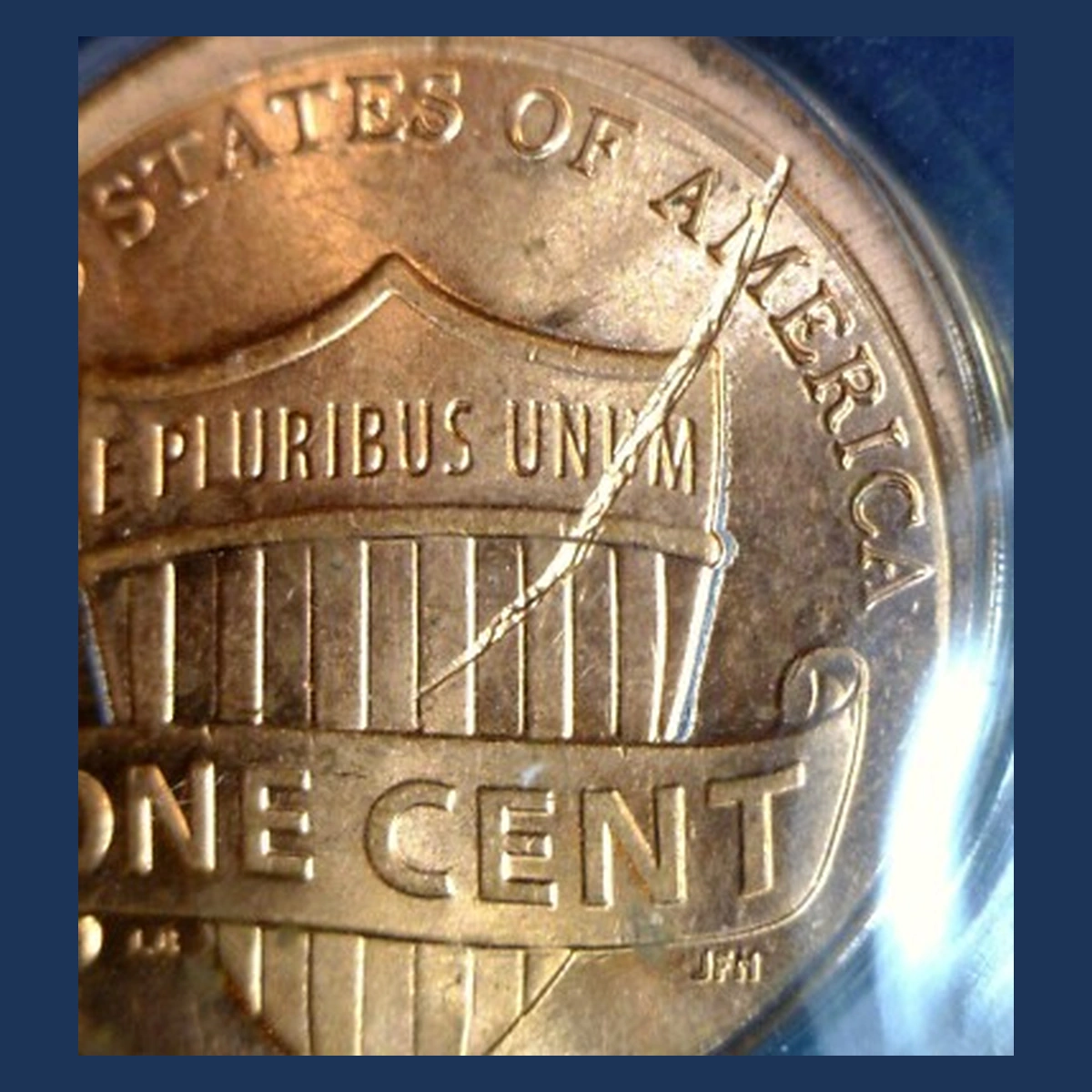
The Denver reports include a shield-side crack and a larger rim-connected cud. A cud forms where part of the tool has broken away at its edge.
These are different shapes within the tool-break group. A raised internal lump or a copper bubble should not automatically be called a cud.
Estimated Value
An estimated $2–$50 suits small BIE bars and fine cracks. Larger, clear rim breaks can fit approximately $50–$400.
A 2021-D retained-cud penny sold for $186 in September 2025. Its broken tool piece stayed partly in place, making it a related example rather than a price for every 2016 bump.
Size, shape, and condition determine the useful comparison. Several cracks on one penny should be assessed together, not priced as separate complete errors and added up.
How to Identify
For BIE, focus the magnifier on the gap between B and E. A bar in another location needs a different name.
On the shield side, follow an extra line beyond the normal stripes. Side lighting at 10× magnification helps separate raised tool-crack metal from a scratch cut into the surface.
Trace a larger patch to the rim before calling it a cud. Inspect the copper skin for blistering or added material, without pressing the raised area.
Compare an accessible penny with 2.50 grams and 19.05 mm using a scale and calipers. Check the smooth edge for impact damage.
The shape and rim connection identify the useful category more reliably than the size of a random bump.
10. 2016 Lincoln Penny Missing Copper Plating (Estimated Up to $500)
A normal 2016 penny receives its copper color from a thin coating over zinc. If that coat was missing when the coin was struck, part of the surface can look gray.
The Philadelphia report concerns missing copper on one face. It does not establish that the entire coin was unplated.
This differs from a copper layer peeling away and leaving a flap. It also differs from someone removing copper from an ordinary finished penny.
All can expose gray zinc. The struck texture and the surviving copper boundary are therefore more useful than color alone when deciding which explanation fits.
Estimated Value
For missing copper confirmed as a mint-made defect, estimate $25–$500. Extent, condition, and the clarity of its origin influence where a piece fits.
That comparison range uses modern plated-cent errors rather than a documented transaction for the 2016 Philadelphia report. A largely gray face is not automatically the highest-value form.
Chemically stripped and abraded pennies fall outside this estimate. Their appearance may be striking, but it does not show that the blank entered the press without its normal coat.
How to Identify
Examine where gray metal meets remaining copper with a 10× magnifier. Look for sharp original design crossing the boundary, along with any chemical pitting or abrasion.
Inspect the high points and smooth edge for rubbing. Those areas can expose zinc through wear or deliberate removal of the coat.
Use a scale to compare an accessible coin with 2.50 grams. A small weight change may be too subtle for a basic scale and cannot identify the cause by itself.
Calipers provide the normal 19.05-mm size comparison. Keep the surface untouched for professional examination.
Original struck texture across a copper-to-zinc boundary is worth checking; color alone is not a missing-plating diagnosis.
11. 2016 Lincoln Penny Off-Center Strike (Estimated Up to $500)
The reported Philadelphia 2016 penny is described as about 15% off center. Part of the blank lay outside the striking tools when they came together.
That area stayed plain while the design ran beyond the other side. Both faces should reflect the same misplaced blank.
The example is reported as MS65, meaning unworn with relatively few marks. That grade does not establish its offset direction or a selling price.
A single wide border is less useful evidence. One stamping tool can shift while the opposite design remains centered, producing a different alignment problem.
Estimated Value
A modest, date-visible off-center penny can fit an estimated $15–$100 range. More dramatic examples with clean surfaces can support approximately $100–$500.
For comparison, a 2006 cent struck four percent off center sold for $39 in March 2025. That smaller offset on an older Memorial design does not fix the price of the reported 2016 coin.
The amount of shift matters alongside the readable date and overall condition. Grinding away a design cannot create an equivalent mint error.
How to Identify
Keep the complete outline in view and locate the 2016 date. A no-mintmark Philadelphia identification should fit the surviving struck area, not an assumption about missing design.
Compare front and back to see whether both incomplete designs meet the same plain crescent. A centered back requires a different alignment explanation.
Under a 10× magnifier, inspect the unstruck area for grinding or polishing marks. Its original surface should fit the way the strike ended.
Check an accessible coin with a scale against 2.50 grams and calipers against the normal 19.05-mm outline. Inspect the smooth edge too.
Original plain metal beside matching design loss on both faces provides the clearest off-center clue.
12. 2016 Lincoln Penny Retained Cud with Rotated Reverse (Estimated Up to $800)
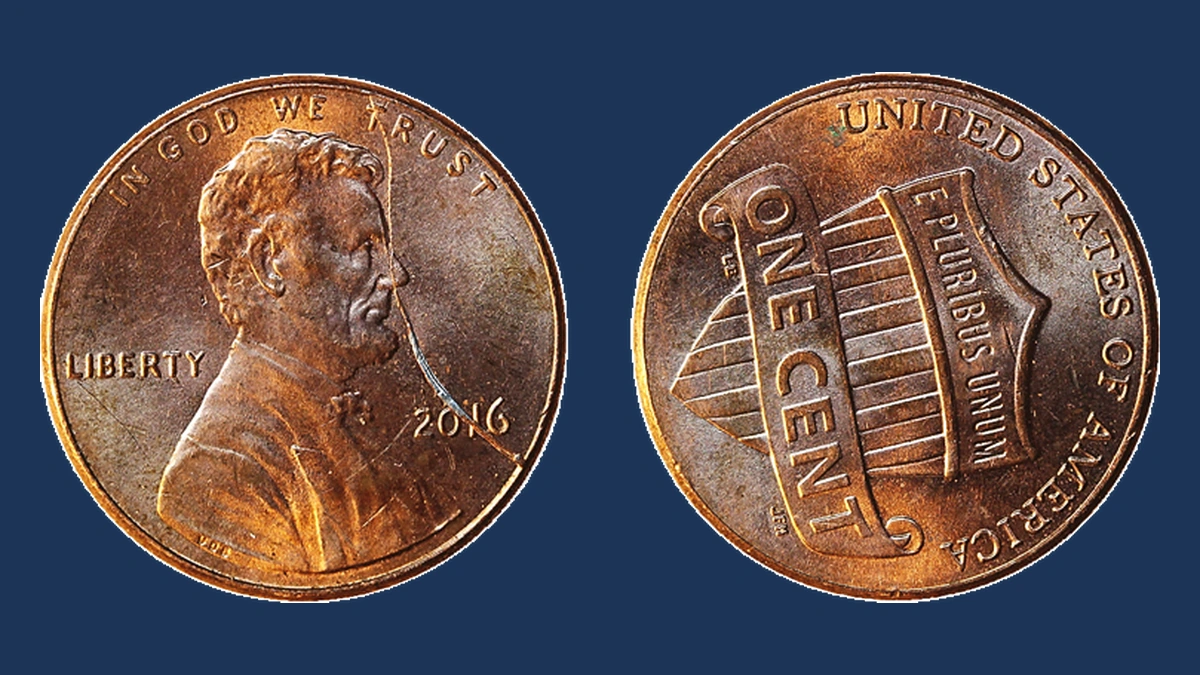
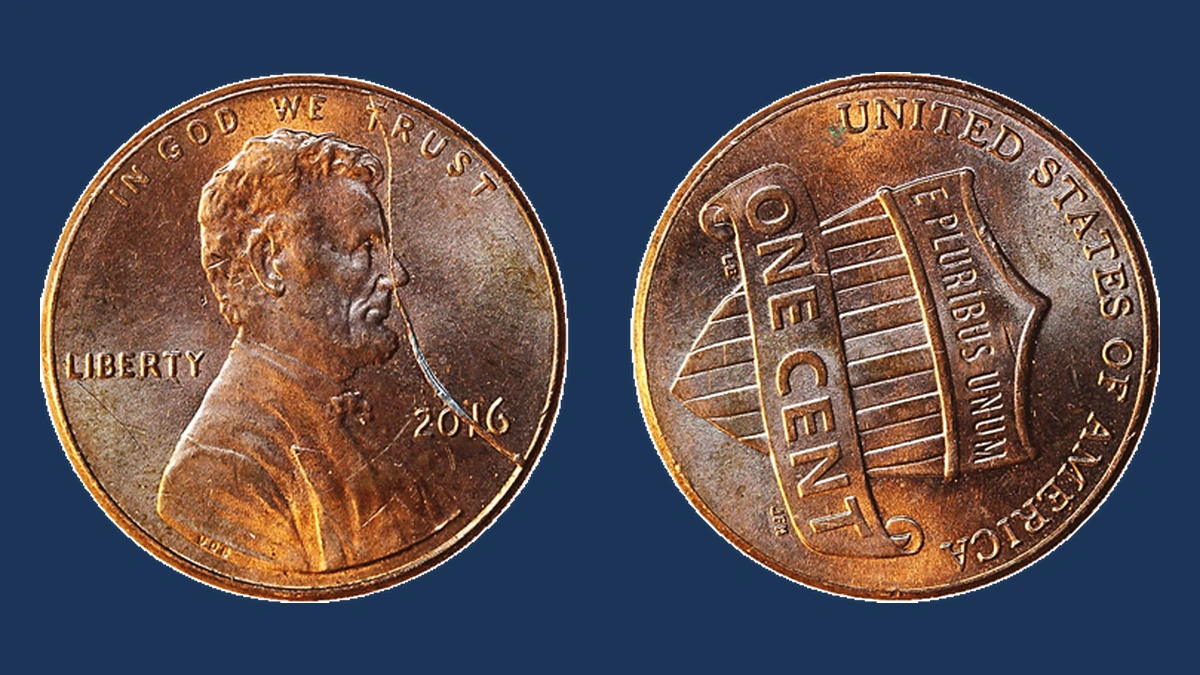
A single 2016 penny brought two problems together. Its front tool was broken, and the back appeared rotated 95 degrees counterclockwise relative to the portrait.
Mike Diamond examined the coin and described a retained cud covering roughly the right quarter of the front. Retained means the damaged section still stayed in place enough to stamp detail.
The break produced a step and sideways mismatch across the first T in TRUST and the date’s 1. The rotation is a separate feature on the same coin.
The examination did not establish which stamping tool had rotated.
Estimated Value
For an authenticated combination with clear retained detail and a large rotation, use an estimated $150–$800. This compares modern retained breaks and rotated designs together.
The 2021-D retained-cud sale at $186 in September 2025 supplies a related reference. It does not price the 2016 combination or establish the same rotation on the later coin.
Value the complete specimen rather than adding two independent upper estimates. Visibility, condition, and confirmation of both features determine the closest comparison.
How to Identify
Read the illustrated 2016 examination with the whole coin visible. Use a 10× magnifier to follow the break across T and 1.
Next hold Lincoln upright and flip the coin from top to bottom without twisting sideways. A normal shield should end upright; a rotated reverse stays tilted.
Repeat the motion with a normal penny first. Camera rotation can otherwise create a misleading comparison.
For an accessible piece, check 2.50 grams and 19.05 mm with a scale and calipers. Inspect the smooth edge without pressing the raised break.
The combination requires both displaced detail inside the retained break and a repeatable abnormal angle between the two faces.
Conclusion
The most distinctive 2016 example combines a broken front tool with an unusually turned reverse. Smaller finds can still teach the same habit: compare both faces and the edge before choosing a name.
Estimated values span $2–$800. A gray patch, a crowded mintmark, and a raised shield line each need different evidence.
Keep fragile plating intact and photograph the complete coin, so its original shape remains available for comparison.