2001 Penny Error List with Pictures

Lincoln on the front and a dime’s torch on the back: that wrong pairing brought $114,000 in June 2021. The 2001-D coin was struck on a penny blank with tools that should never have been paired.
This 2001 penny error list spans estimated values of $3–$150,000. Most examples sit far below that exceptional sale, including small missing details, curved clips, and doubled columns.
Read the checks below to distinguish the separate mistakes and understand which features support each price.
1. 2001 Lincoln Penny Curved Clip (Estimated Up to $40)
Part of the round blank can be missing before Lincoln’s portrait is ever struck. A cutting punch overlapped an earlier hole in the metal strip, leaving a curved gap.
The 2001 report describes this kind of clip without assigning a mint or edge position. The surviving design should show that it formed around an already incomplete blank.
A weakened rim opposite the gap can support that explanation. It is not equally visible on every clipped coin.
Later cutting can imitate the missing crescent. Inspect the cut edge, nearby design, and opposite rim together instead of trusting the outline alone.
Estimated Value
The year guide gives roughly $5–$25 for ordinary examples. An estimated $5–$40 allows for stronger clips and better preservation without assuming a large premium for every missing piece.
Keep the readable date in mind when comparing coins. A small clean clip with a clear year may be more useful to a collector than a heavily damaged example.
No particular 2001 specimen sets this range. It is an estimate for identified curved clips rather than a completed auction result.
How to Identify
Photograph the gap from both faces and from the side. A 10× magnifier can show whether surrounding struck details fit metal that was already missing.
Inspect the opposite rim for weakness, while remembering that this supporting feature can be faint or absent. Do not scrape the clipped edge to judge whether it feels smooth.
Use a scale against the normal 2.50-g weight and calipers against the remaining 19.05-mm outline. The missing piece normally reduces weight, but cutting after minting does that too.
Look for saw marks, fresh squeezing, or grinding at the gap. A convincing pre-strike edge together with the way nearby details formed is the strongest quick check.
2. 2001 Lincoln Penny Doubled Memorial Columns (Estimated Up to $75)
The tiny columns beside the seated statue can hold more information than the large lettering. An added sliver beside a column may come from a doubled design in the die, the steel stamping tool.
Wexler’s 2001-D WDDR-001 shows doubling at the lower left of the seventh column, beside the statue’s legs. Other numbered examples have different positions.
This is back-design doubling, not a report of an extra eye or bow tie on the front. Those descriptions should not be used to identify this example.
The added shape repeats in the same place on coins struck with the affected tool.
Estimated Value
An estimated $10–$75 fits identified minor Memorial doubled-die varieties, depending on strength and condition. It is a working range rather than a recorded sale for WDDR-001.
A clear extra column edge is easier to collect than vague thickening visible only in a blurred image. Clean surfaces also make the small detail easier to compare.
The exact variety matters more than a broad doubled-die label. Do not use a famous doubled front variety from another year as the price comparison.
How to Identify
Confirm D below the date, then locate the seated statue inside the Memorial with a 10× magnifier. Count columns from the left and compare the seventh with the catalog photograph.
For WDDR-001, follow its lower left edge beside the statue’s legs. Check the small dot near the bottom of the seventh opening and the mark above the eleventh column too.
Use a scale and calipers to check the usual 2.50 g and 19.05 mm. These checks identify a normal plated-zinc cent, not the doubled detail itself.
Ignore flat strike shelves that do not match the pictured shape. The column sliver in the correct position is the quickest route to a useful comparison.
3. 2001 Lincoln Penny Raised Die-Crack Lines (Estimated Up to $150)
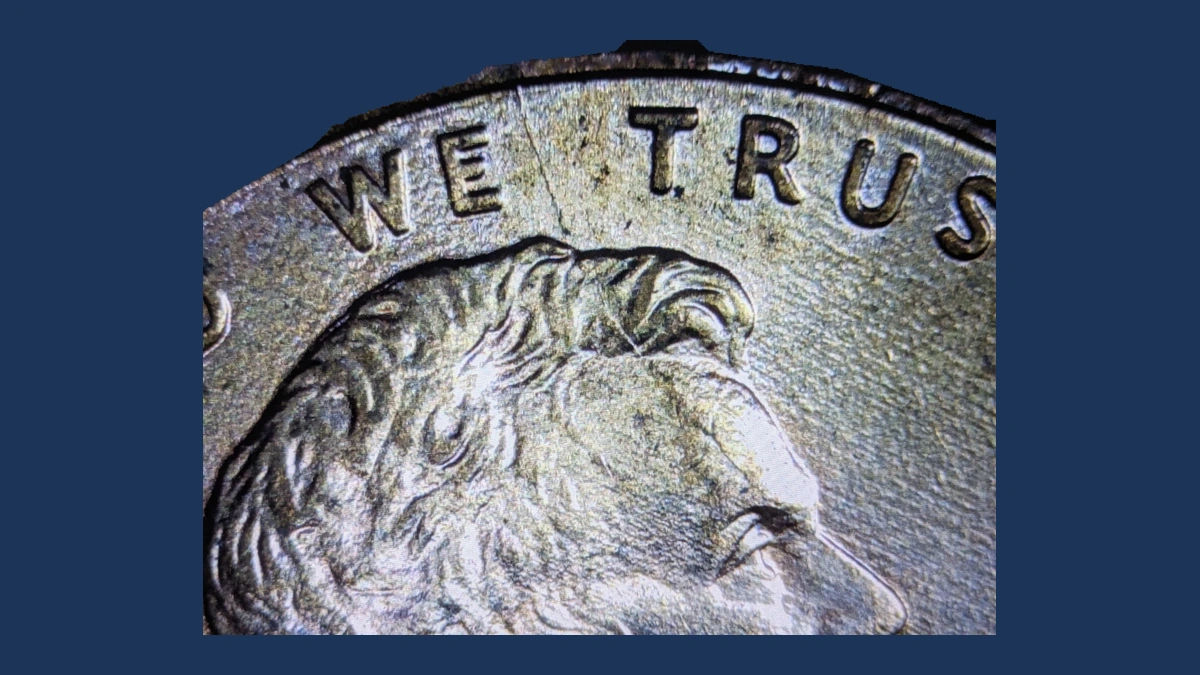
A line running from Lincoln’s shoulder toward the rim can sit above the coin’s surface. Metal entered a fracture in the stamping tool and recorded its shape.
The Philadelphia report describes that path. It does not establish the same line on every unusual 2001 cent.
Fine cracks can grow thicker as a tool continues working. A broader internal break can produce a larger raised patch without necessarily reaching the edge.
Neither appearance means the penny itself has split. A crack through the actual coin opens into its metal, while a tool crack usually leaves added raised metal.
Estimated Value
Start with an estimated $5–$150 for identified examples, from fine worn ridges to prominent lines on attractive coins. The stronger end needs a feature that can be seen clearly.
The year guide mentions a much higher shoulder-to-rim result, but its original auction record is not established here. That reported amount is not used to price this range.
Wear can hide the line’s shape, and damage can imitate part of it. A readable path matters more than a dramatic description.
How to Identify
Examine the shoulder area and follow any raised line toward the edge under a 10× magnifier. Keep the entire path in view rather than judging one bright segment.
Light it from opposite directions to separate a solid ridge from metal pushed up beside a scratch. A real crack through the penny will look different again.
Compare 2.50 g on a scale and 19.05 mm with calipers. A crack in the stamping tool does not normally remove material from the coin.
Check nearby surfaces for scraping or corrosion that might confuse the shape. The direct first test is a continuous raised ridge following the reported path without a cut underneath it.
4. 2001 Lincoln Penny Slide Doubling and Smeared Design (Estimated Up to $200)
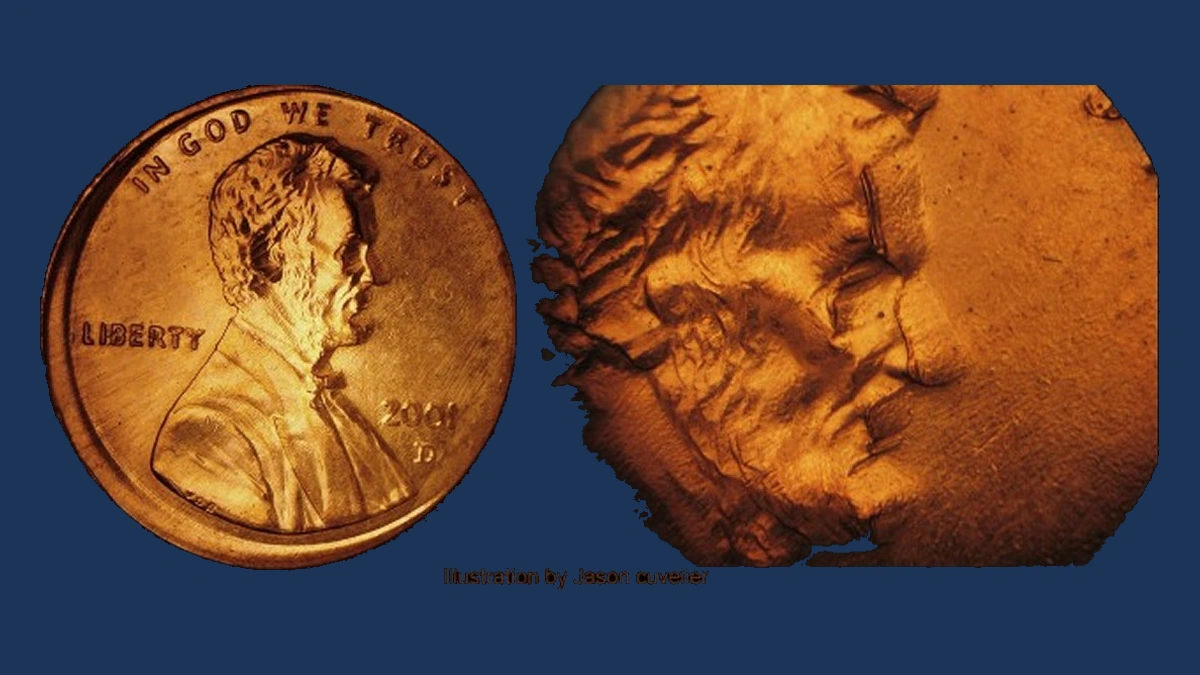
Some doubling looks smeared rather than neatly repeated. A stamping tool moved sideways while touching the coin, erasing part of the new design and dragging metal into ridges.
Error-Ref illustrates this on a 2001-D cent. The upper tool first shifted northeast during its downward stroke, leaving an erased crescent toward the southwest.
It then moved back toward the southwest and dragged through the fresh design. That changing direction explains the distorted surface.
This is movement during striking, not a doubled image already present in a tool. It also goes beyond the small flat ledges commonly called machine doubling.
Estimated Value
Ordinary flat machine doubling usually adds little or no collector value. For a dramatic, correctly identified slide event like the illustrated 2001-D, use an estimated $10–$200.
That estimate reflects the visible erasure and dragged metal rather than an auction record for the pictured coin. A mild shelf beside one letter is not an equivalent comparison.
Original surfaces help establish how the movement occurred. Later scraping that merely resembles a smear should not receive this error premium.
How to Identify
Compare the erased crescent and displaced ridges in Error-Ref’s 2001-D example. Keep their directions in view instead of treating every doubled edge as a separate feature.
With a 10× magnifier, trace where a design element has been rubbed out and where its metal has piled up. Both should fit movement of the tool while it contacted the coin.
The normal cent weighs 2.50 g and measures 19.05 mm. A scale and calipers can record changes, but neither measurement proves the cause of a smear.
Look for later gouges or scratches that do not fit that sequence. Erased design beside matching dragged ridges is the key first combination.
5. 2001 Lincoln Penny Grease or Debris Strike-Through (Estimated Up to $200)
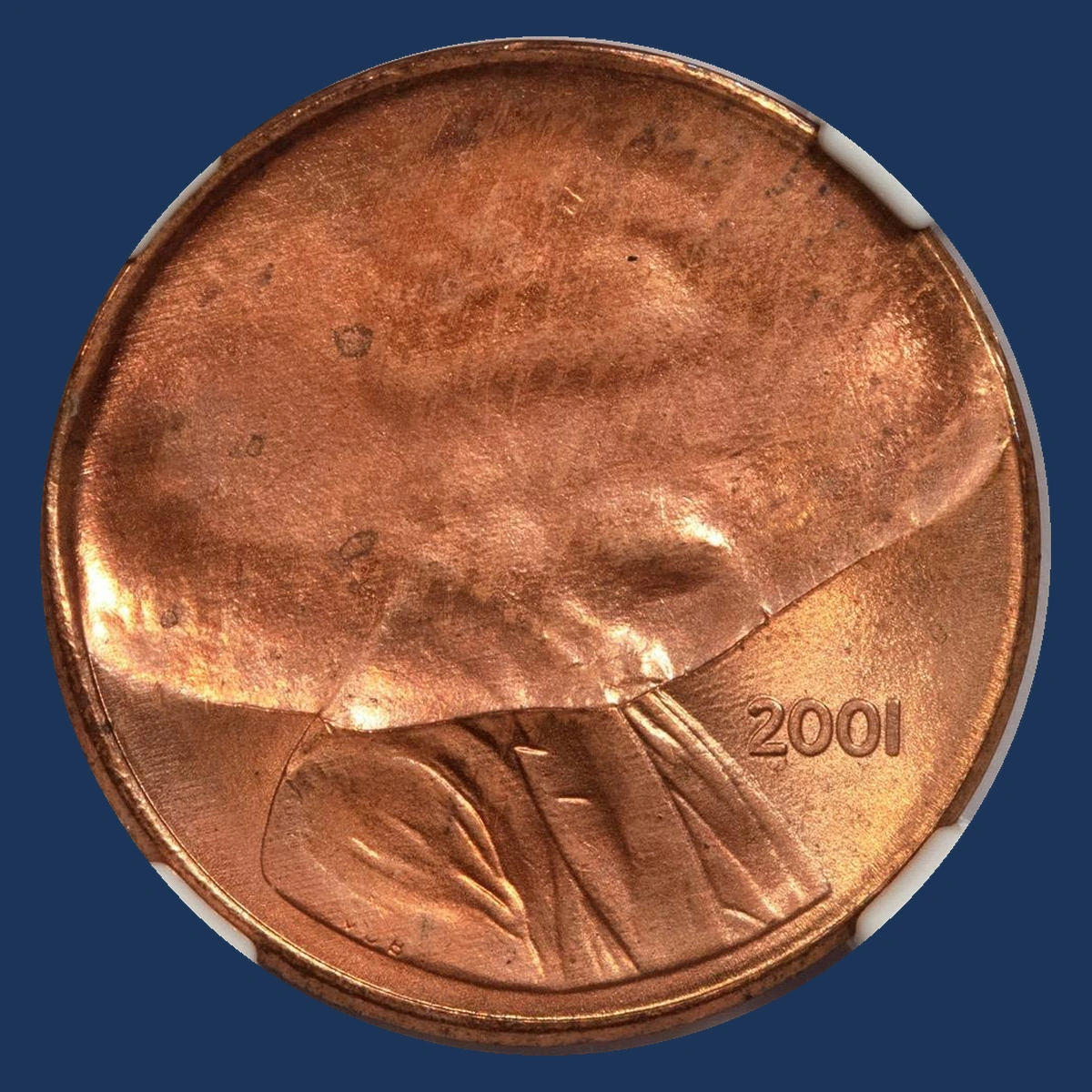
One letter or a larger patch may fail to form while nearby details remain sharp. Material between the blank and a stamping tool blocked the design from reaching the metal.
The guide reports grease-related examples. A missing word alone cannot identify the material or date a generic pictured example to 2001.
Grease may fill small spaces in the tool, while other debris can leave a more distinct interruption. The boundary helps explain what happened.
Circulation wear instead removes detail that once existed. Polishing and scraping can also erase an already struck area and need to be excluded.
Estimated Value
An estimated $3–$200 spans minor blocked details through larger, clearly original interruptions. The year guide places many single-letter effects near $3–$10.
A broad patch on an unworn coin can command more because the sharp surrounding design shows the contrast. Grade alone does not make a faint missing letter dramatic.
These are guide-based estimates, not prices assigned to one authenticated 2001 grease specimen. The size, location, and preserved surface must support the comparison.
How to Identify
Find the sharpest design next to the weak area and inspect their boundary with a 10× magnifier. Original surface should continue through the interruption without scraping lines or displaced metal.
Compare both faces to see whether the weakness is local or widespread. Do not assume that a missing OF, date digit, or other word proves grease.
A scale and calipers check the ordinary 2.50-g weight and 19.05-mm diameter. An obstruction may leave both measurements unchanged.
Examine high points for wear that could explain the lost detail. The quickest useful check is an undamaged transition from fully formed design into a local area that never formed properly.
6. 2001 Lincoln Penny Broadstrike (Estimated Up to $350)
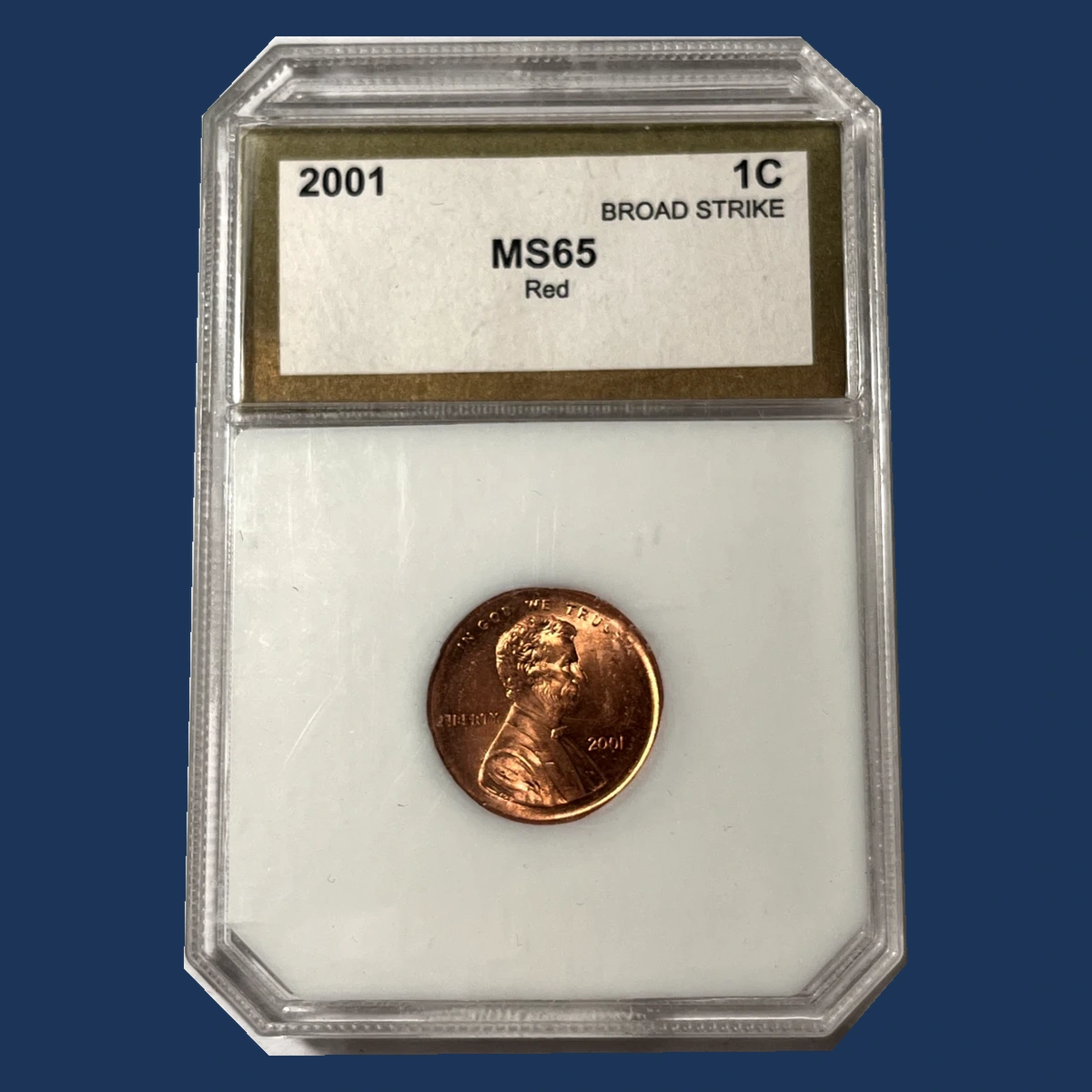
A wider-than-normal cent can retain its complete portrait and Memorial. The blank spread outward because the collar, the ring surrounding it, did not provide normal restraint.
A PCGS collector gallery records a no-mint-letter 2001 broadstrike graded MS65 Red. The expansion belongs to the strike rather than being inferred from one wide border.
The coin need not expand equally in every direction. What matters is the combination of spreading and a complete design.
Pennies normally have plain edges, so smoothness is not an error clue. Later flattening can also enlarge a cent but usually damages the existing raised details.
Estimated Value
A complete, attractive design inside a clearly expanded outline can support an estimated $20–$350. Minor spreading or visible wear belongs nearer the lower end.
The gallery’s MS65 Red label means unworn, with relatively few marks and retained copper-red color. It establishes a graded example, not a realized selling price.
Compare the amount of expansion and the untouched surface before relying on a high guide figure. A slightly uneven rim alone is a different and much weaker selling point.
How to Identify
Measure the coin in several directions with calipers and compare it with 19.05 mm. Then check that the full design survives rather than being cut off by a displaced strike.
Under a 10× magnifier, inspect the expanded border and the highest design details. Flattened letters, heavy scraping, or squeezed edges can point to damage after minting.
A scale should read near the standard 2.50 g if the original metal is still present. Note any weight loss before treating width alone as proof.
Keep the front date visible in your photographs. Full designs on original struck surfaces inside an expanded outline provide the most direct initial check.
7. 2001 Lincoln Penny Die Clash (Estimated Up to $400)
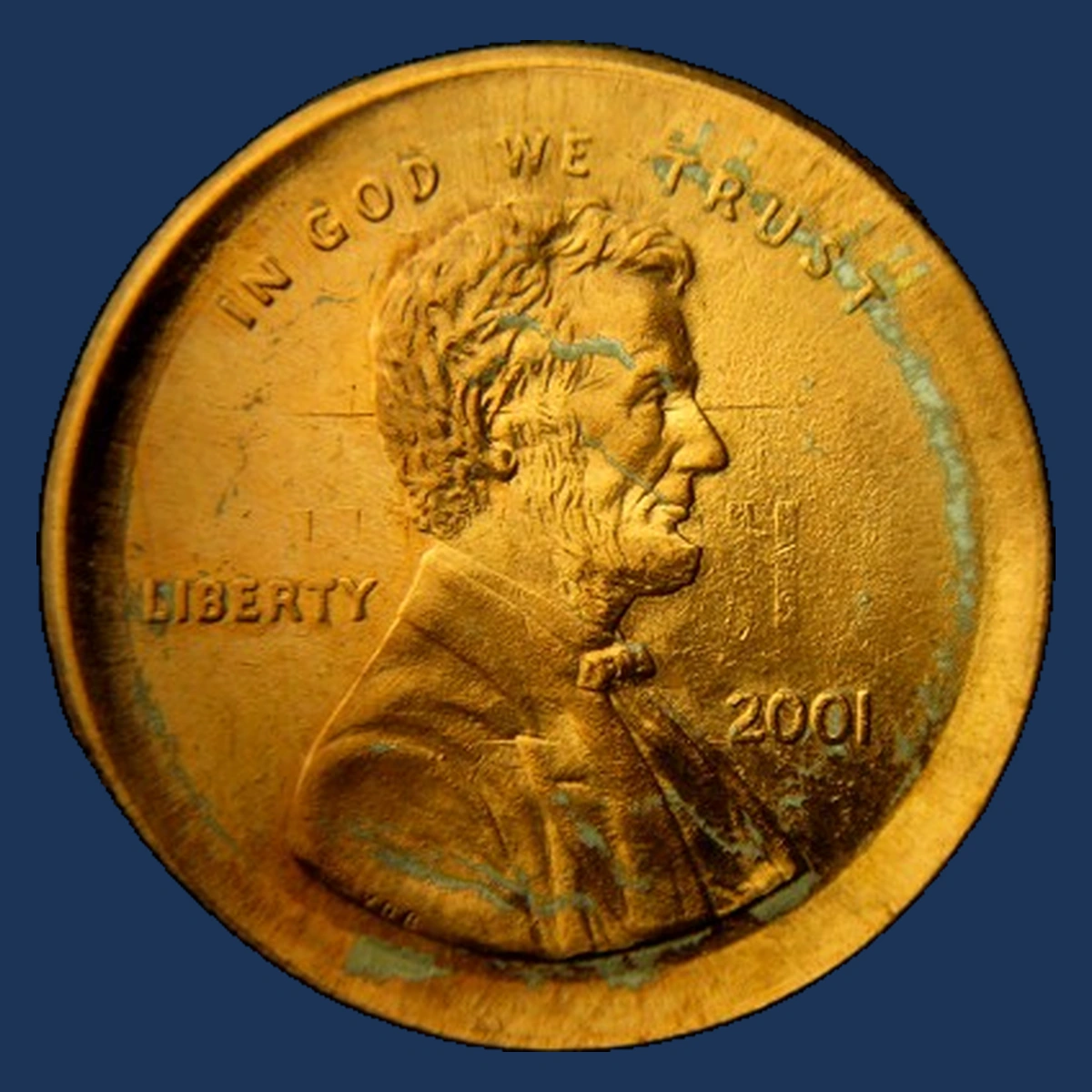
An unexpected outline can belong to the design on the other side of the coin. The two stamping tools touched without a blank between them and left marks on each other.
Later coins picked up those altered tool surfaces. This produces recognizable fragments rather than a complete second coin design.
Mad Die Clashes lists Philadelphia and Denver examples. Each pattern needs a separate match, without assuming a fixed line across Lincoln’s face.
A random scratch can resemble part of a column or portrait. Its shape must fit the opposite design in a position that tool contact could produce.
Estimated Value
The strength of the recognizable outline drives the comparison. An estimated $15–$400 covers identified examples from faint worn traces to strong patterns on clean unworn coins.
A mint letter does not set a standard clash premium. The particular outline and the condition around it matter more.
Look for a feature visible under ordinary magnification rather than a shape suggested by a blurry photograph. A strong, recognizable fragment gives a buyer a clearer reason to pay more.
How to Identify
Photograph both faces at the same scale, then compare the extra shape with the opposite design. Mad Die Clashes lists 2001 examples that can help guide the comparison.
Use a 10× magnifier and changing light to follow the shape. Its position must fit contact between the two tools, not just resemble a familiar object.
Check the mint area and retain the full-coin views. A scale and calipers should show about 2.50 g and 19.05 mm on a normal cent.
Scratches and later pressed-in marks need separate explanations. A recognizable opposite-side fragment in the correct contact position is the best first test.
8. 2001 Lincoln Penny Die Chips and Rim Breaks (Estimated Up to $500)
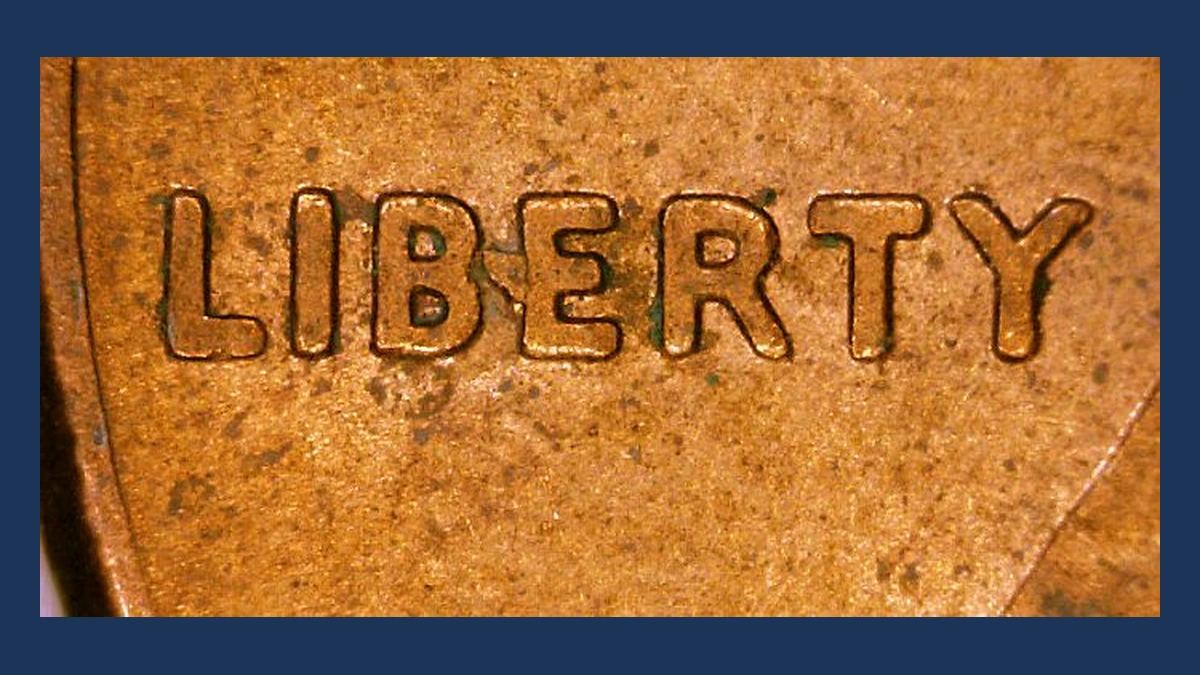
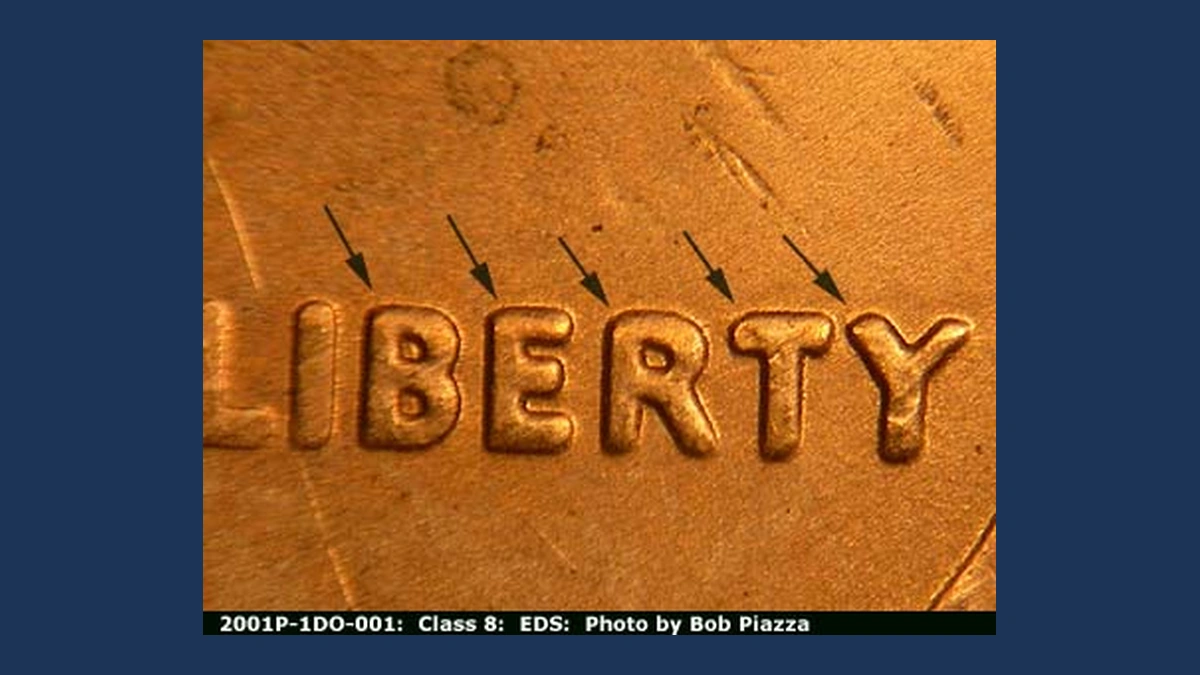
A small block between B and E in LIBERTY can resemble an added I. Collectors call that local tool break a BIE chip.
A larger piece missing from the edge of a stamping tool creates a different shape: a raised patch joined to the coin’s rim. That patch is called a cud.
The reports include BIE chips and cataloged Philadelphia rim breaks. They share a broken-tool cause, but their positions and sizes differ.
Metal filled the tool’s missing area during striking. Neither feature is an extra letter deliberately punched into the coin or a piece attached afterward.
Estimated Value
For a small BIE chip, estimate $5–$25. Larger identified rim breaks can fit $50–$500, depending on the missing design and condition of the remaining coin.
These working ranges distinguish a tiny lettering feature from a substantial rim-connected patch. The catalog entries establish examples, but no individual sale is assigned to every listed break.
A large patch needs clear evidence of its cause. Squeezed edge metal or an attached blob should not be priced as a genuine cud.
How to Identify
A BIE check starts in the B–E gap: use a 10× magnifier to find a solid raised bar between those letters. A copper bubble or a groove with pushed-up metal needs a different explanation.
A rim break instead calls for a side view showing how the raised patch joins the edge and replaces design. Weakness on the opposite face can support that explanation, though it need not be strong.
Check the usual 2.50 g and 19.05 mm with a scale and calipers, leaving the plain edge untouched. First distinguish a small bar inside LIBERTY from a broad design-replacing patch that reaches the rim.
9. 2001 Lincoln Penny Off-Center Strike (Estimated Up to $600)
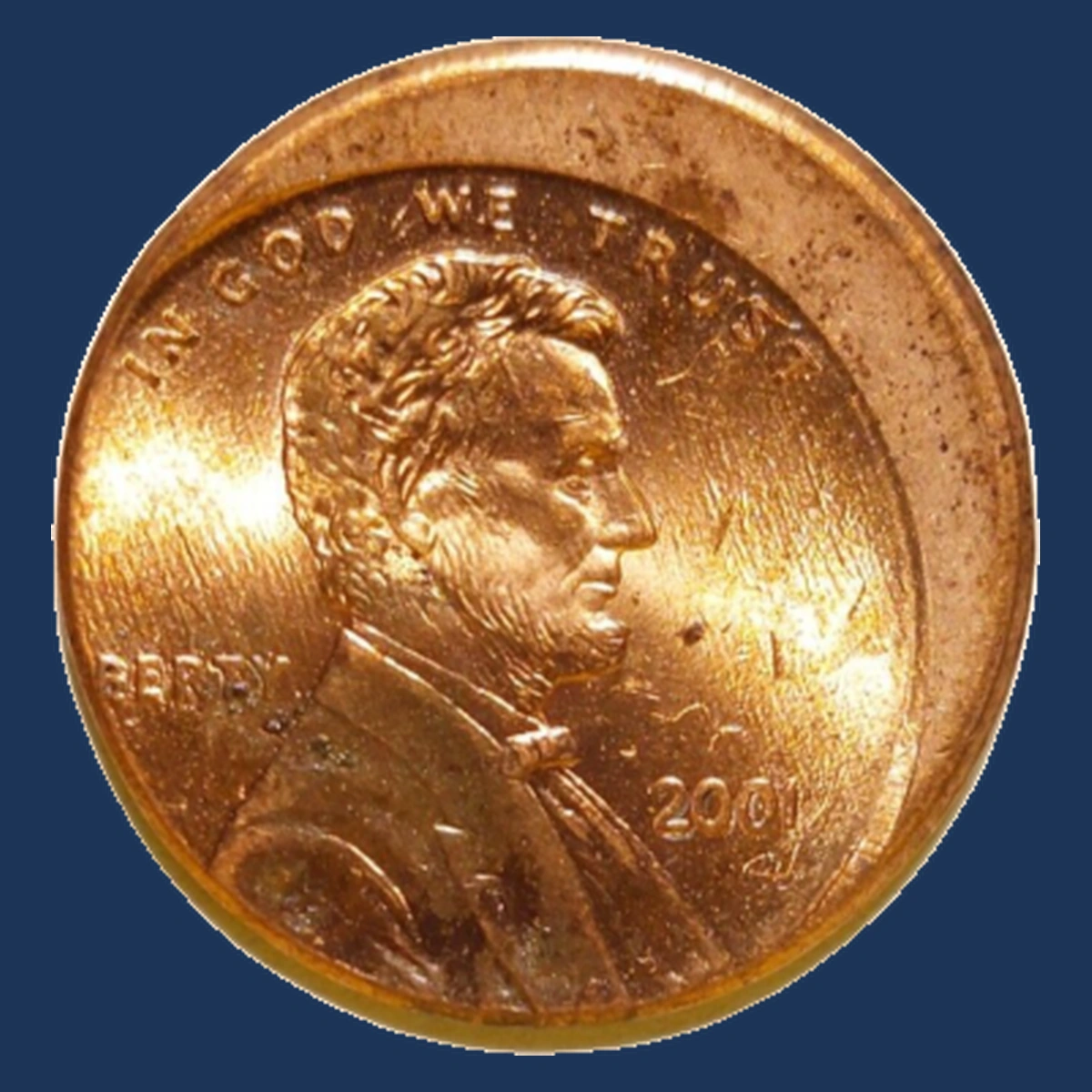
An incomplete design beside blank metal shows that part of the cent missed the striking area. Both tools impressed a blank that sat away from its intended position.
The guide reports a Denver example about 15% off center. That figure should not be assigned to another coin without checking its actual displacement.
The unstruck metal remains part of the coin. A curved clip instead removes part of the original blank.
A readable 2001 date and D help establish the issue. The outline may also change during striking, so perfect circularity is not required for an off-center coin.
Estimated Value
Estimate $25–$600 for identified examples with useful surviving date and design. A modest worn shift fits below a dramatic example with attractive original surfaces.
The guide’s reported 15% Denver coin supplies a year-specific description, but its auction identity is not established here. The estimate does not treat an exceptional grade claim as a verified selling price.
Compare readable design as well as the missing portion. A larger blank crescent does not always mean a more valuable coin.
How to Identify
Check the readable date and D before estimating the displacement. Under a 10× magnifier, follow where the design ends and the unstruck surface begins.
Turn the coin over to confirm that both impressions fit the blank’s shifted position. One uneven face alone can suggest a misaligned tool instead.
Calipers can record the outline relative to a normal 19.05-mm cent, while a scale compares the normal 2.50-g weight. The empty design area does not represent an equal loss of metal.
Exclude ground-down details and later edge damage. Original unstruck metal adjoining incomplete design on both faces is the clearest first distinction.
10. 2001 Lincoln Penny Struck Through a Capped Die (Estimated Up to $650)
A broad weak design can result when an earlier coin remains over a stamping tool. That trapped coin acts as a cover, changing what reaches the next blank.
The next coin may receive a distorted or weakened impression through the cover. It is the coin struck through the cap, not necessarily the coin that became the cap.
Auction listings show a Philadelphia front example and a separate Denver back-side example. They should not be combined into one two-sided specimen.
The Denver label alone does not establish a cup-shaped coin. The actual edge and design must show which stage is present.
Estimated Value
For identified examples struck through a capped tool, estimate $50–$650. Dramatic distortion and clear remaining identity can support more interest than a merely soft-looking face.
The two year-specific auction listings establish different affected faces. No realized price is assigned to them from an unrelated neighboring lot.
This estimate concerns the covered-tool strike, not an assumed deep cup-shaped die cap. The physical form and preserved surfaces must support the exact category before a collector compares higher prices.
How to Identify
Compare the affected face with the opposite side under a 10× magnifier. Broad distortion should be considered with any surviving design rather than judged from weakness alone.
Inspect the edge to distinguish a coin struck through a cover from one that itself wrapped around a tool. Use full side views when the auction wording is abbreviated.
The ordinary starting cent weighs 2.50 g and measures 19.05 mm. A scale and calipers can document spreading or material loss without proving the cause by themselves.
Check for wear, polishing, or later crushing that could flatten one face. The best first evidence is a distorted covered-tool impression on a coin whose edge fits that role.
11. 2001 Lincoln Penny Partial Front Brockage (Estimated Up to $700)
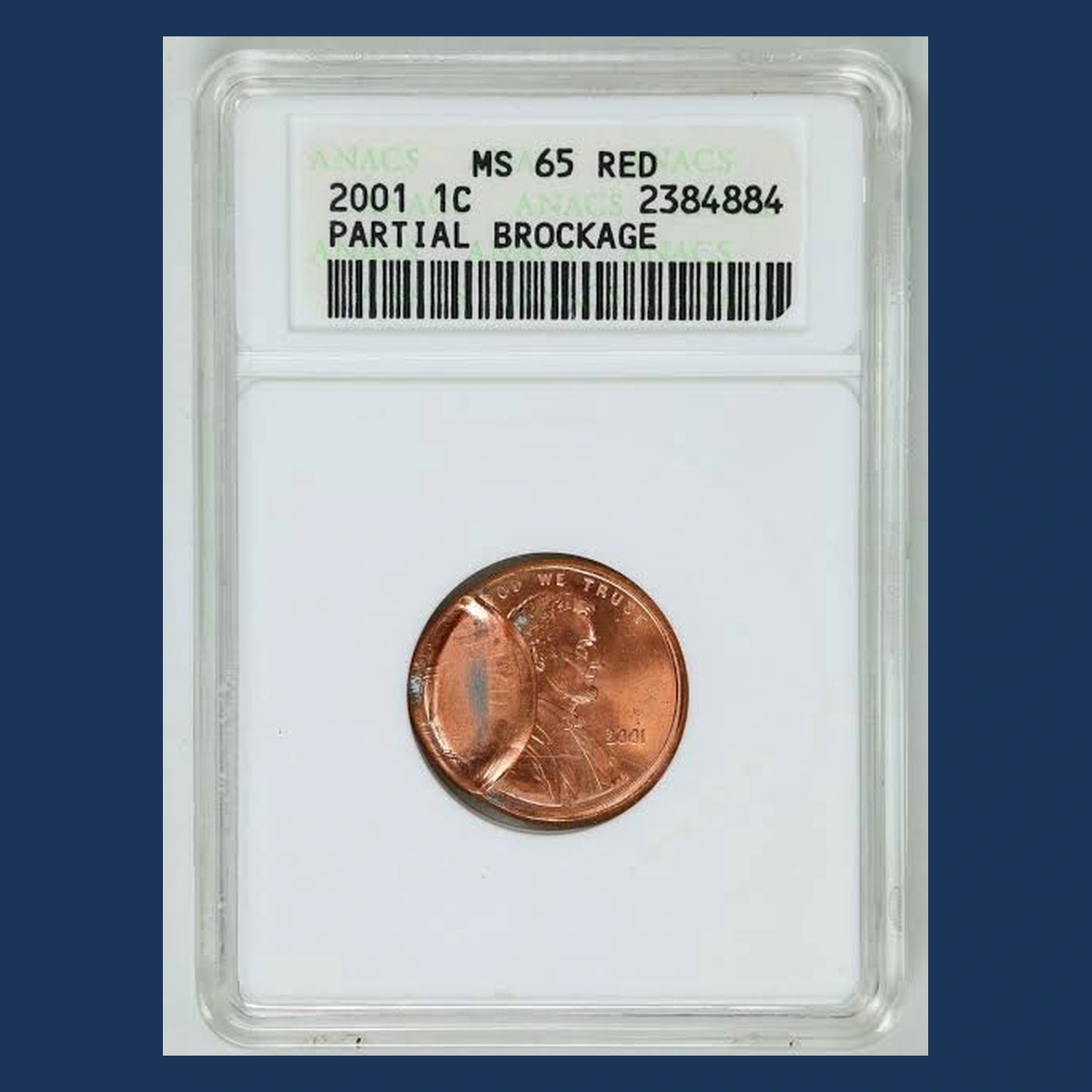
Backward detail pressed into a coin can show where another struck cent acted as a stamp. Its raised design left a sunken mirror image in the new blank.
This impression is called a brockage. The 2001 auction example has a partial brockage on the front rather than a complete reversed face.
The normal portion and the recessed portion should be examined together. Their boundary helps show how contact interrupted the intended strike.
A clash begins when two bare tools touch and later leave faint traces. A brockage transfers design directly from one coin to another during striking.
Estimated Value
The NGC MS64 Red partial-front example sold for $79 in March 2025. That grade indicates an unworn coin with fairly few marks and retained copper-red color.
An estimated $50–$700 allows for different sizes, clarity, and preservation among identified brockages. The actual $79 result is a useful reminder that partial examples need not approach the top.
Price the visible mirror impression. A broad depression without readable backward detail provides less evidence and a weaker basis for a premium.
How to Identify
Read the sunken letters, if present, through a 10× magnifier. Their direction should reverse the normal design rather than simply repeat a raised outline.
Follow the edge of the partial impression into the normally struck area. Then inspect the other face for the expected cent design and surviving date.
Later pressing between coins can imitate a mirrored impression, so examine the surrounding metal for damage. Valuable examples deserve a specialist’s assessment of the full strike.
A scale and calipers compare the normal 2.50-g weight and 19.05-mm diameter, allowing for strike-related spreading. Start with a coherent backward, recessed design and its original boundary, not a shape that only resembles a portrait.
12. 2001 Lincoln Penny Double Strike and Flip-Over (Estimated Up to $1,000)
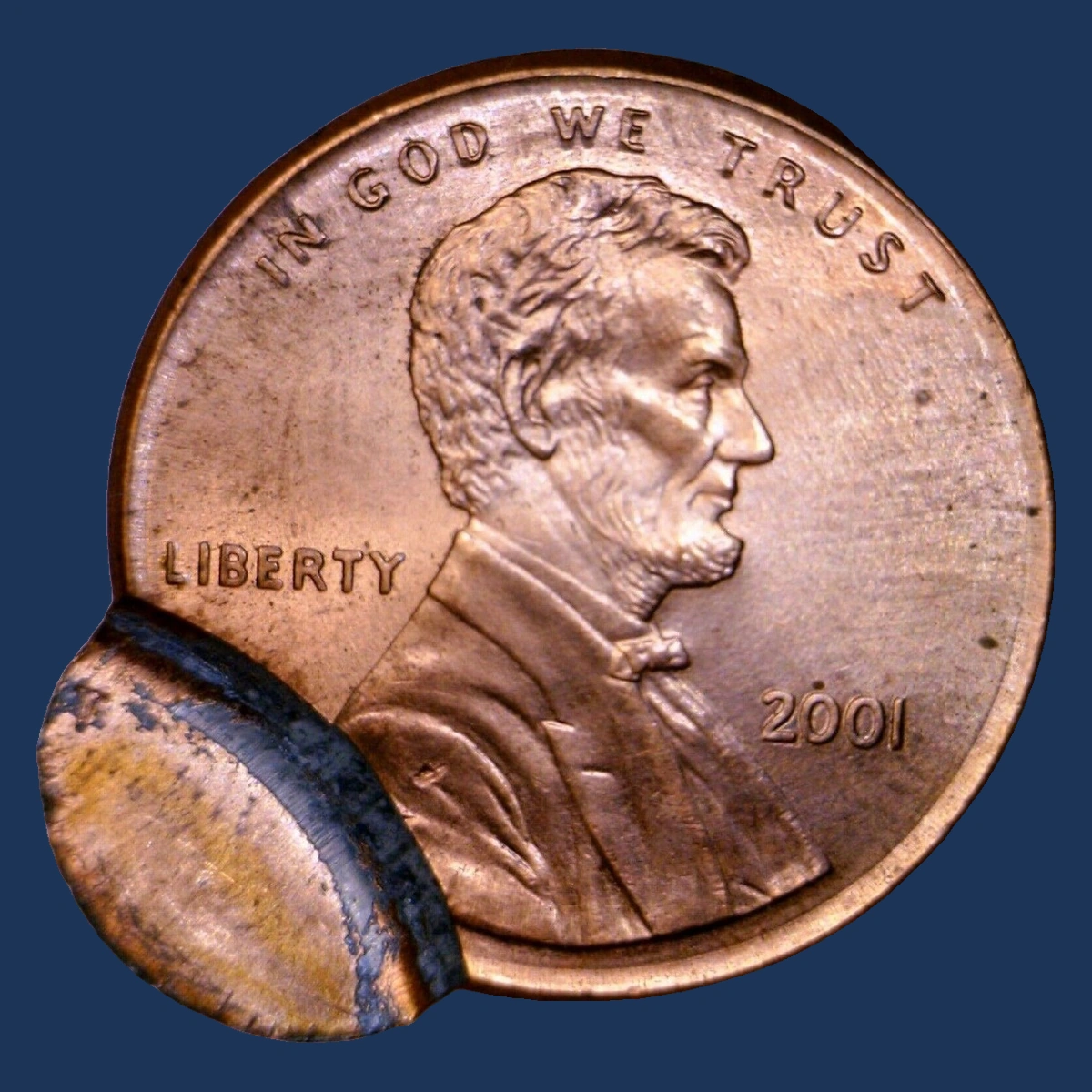
A second strike can leave another portrait or set of letters across the first. If the coin turns over between blows, front and back remnants can share a face.
Heritage described a 2001 example struck about 50% off center first, then flipped and struck about 55% off center. A new blank blocked one tool during the second blow.
That blank flattened part of the first impression, including WE TRUST. The coin therefore records more than a simple repeated outline.
The mint letter is not established. Its two off-center blows form one combined event, not two unrelated examples.
Estimated Value
The illustrated auction example brought $299 in February 2005 in NGC MS63 Red. That means an unworn coin with noticeable marks and retained red color.
Use an estimated $100–$1,000 for identified 2001 multiple strikes, depending on displacement, remaining date, and surface quality. The older sale is one comparison, not a current fixed price.
Clear evidence of both blows matters more than strike count. Flattening caused by an intervening blank should not be mistaken for later damage.
How to Identify
Locate one set of surviving letters, then trace the second impression under a 10× magnifier. Keep their directions separate so the sequence of blows remains understandable.
For the described flip-over coin, compare the first strike toward seven o’clock with the later one toward four o’clock. Look for the flattened part of WE TRUST caused by the intervening blank.
These directions describe that specimen only. A scale should read near the starting 2.50 g, while calipers record the expanded outline from a normal 19.05-mm blank.
Do not infer the mint from a missing letter. The clearest first clue is two distinct struck impressions with overlap that explains their order.
13. 2001 Lincoln Penny Chain Strike at the Edge (Estimated Up to $1,500)
A flattened edge can form when two blanks or coins expand into each other during striking. Their contact limits spreading at the point where they meet.
This is called a chain strike. It differs from a clipped blank because the edge was shaped by contact during a strike rather than cut from incomplete metal beforehand.
The 2001 auction example combines a chain-strike edge with a double strike. Its exact contact position must be read from the coin.
A straight-looking side alone does not establish the cause. Cutting, grinding, or later pressure can also change an edge and must be excluded.
Estimated Value
The cataloged 2001 example is NGC MS65 Red and Brown, an unworn coin retaining a mixture of original red and toned brown color. Its double strike is part of the same specimen.
Estimate $150–$1,500 for identified examples of this combination. The range is not a realized price for that catalog lot.
A visible contact edge and readable overlapping impressions help explain the premium. Do not add two independent headline prices merely because the coin carries two related effects.
How to Identify
Inspect the changed edge from above and from the side with a 10× magnifier. Look for metal flow that fits contact with another expanding coin rather than a cut surface.
Trace the double-strike impressions separately to see how the edge feature fits the overall shape. Do not assign a clock position from an unrelated chain-strike photograph.
A scale can compare the usual 2.50 g, and calipers can record departures from a normal 19.05-mm outline. Grinding may reduce weight while leaving telltale tool marks.
Keep any matching piece separate unless its relationship is established. The quickest useful check is a strike-shaped contact edge supported by the surrounding flow of metal.
14. 2001 Lincoln Penny Struck on a Dime Blank (Estimated Up to $1,500)
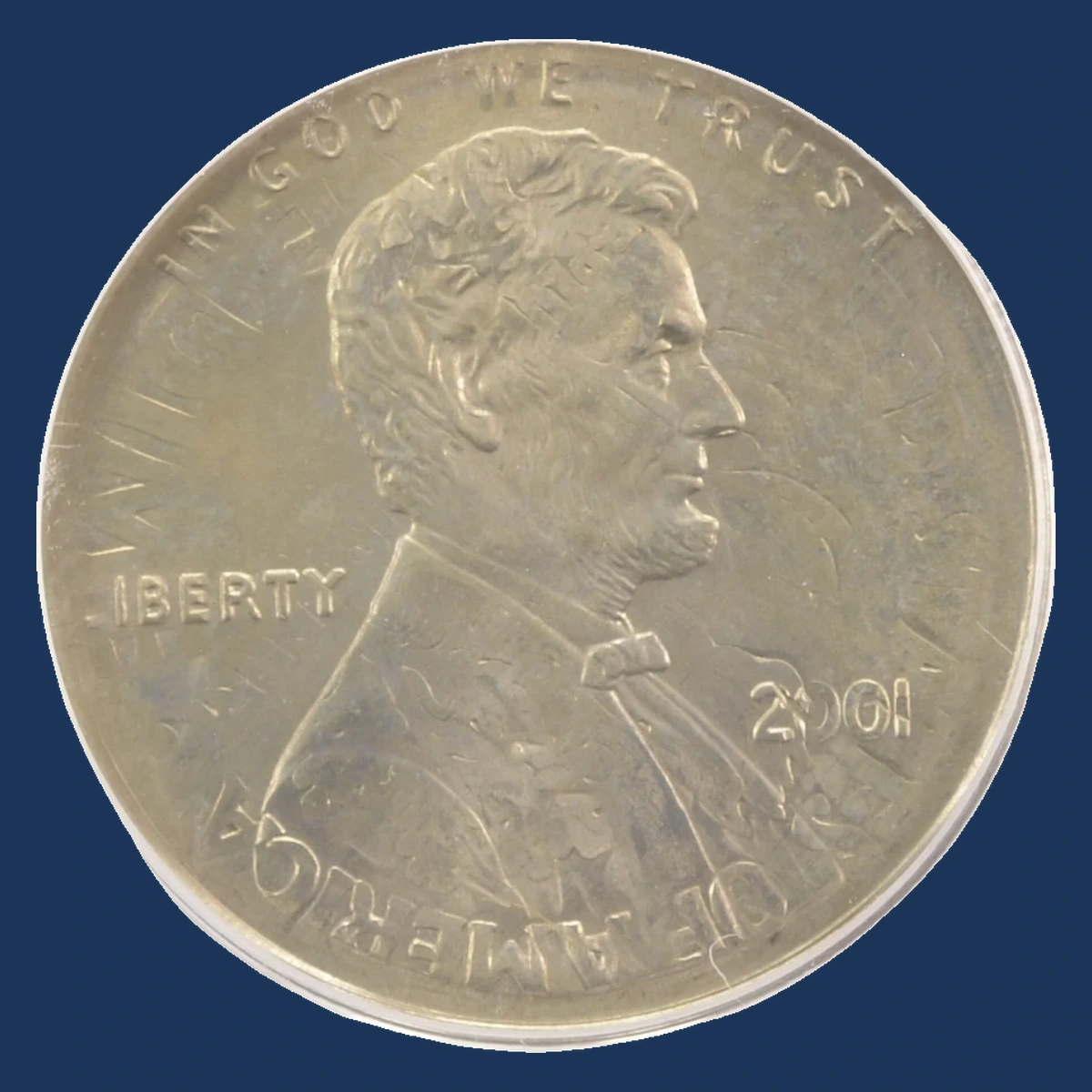
A cent design can appear on silver-colored metal when the press receives a dime blank. A planchet is simply the prepared metal blank used for striking.
Heritage cataloged a 2001 cent on a dime planchet weighing 2.2 g. Its smaller starting blank leaves less room for the cent design.
There is no earlier Roosevelt design to find on a blank. That separates this error from a cent struck over an already finished dime.
Color alone is insufficient. Removed copper plating can expose gray zinc on an ordinary penny without changing which blank originally entered the press.
Estimated Value
The NGC MS66 dime-blank cent sold for $446.20 in January 2009. Its grade describes an unworn coin with few marks, and the recorded weight is 2.2 g.
An estimated $250–$1,500 provides a working range for comparable identified 2001 examples. Surface quality and how much of the date survives affect the comparison.
The auction description does not establish a mint letter to add to its price. A chemically stripped zinc cent belongs outside this wrong-blank range.
How to Identify
A silver-colored surface is only a starting clue: use a 10× magnifier to inspect its metal and the design near the edge. Search for any Roosevelt details, which would indicate an already struck dime instead of an empty blank.
Compare its weight on a precise scale with 2.50 g for a cent and nominally 2.268 g for a clad dime blank. The auctioned example was recorded as 2.2 g, without establishing a mint letter.
Calipers document its final outline, which may differ from the dime blank’s usual 17.9 mm after receiving the larger cent design. Cent-only design on correctly identified dime metal is the essential first distinction from a double-denomination overstrike.
15. 2001 Lincoln Penny Matching Two-Coin Error Pair (Estimated Up to $2,500)
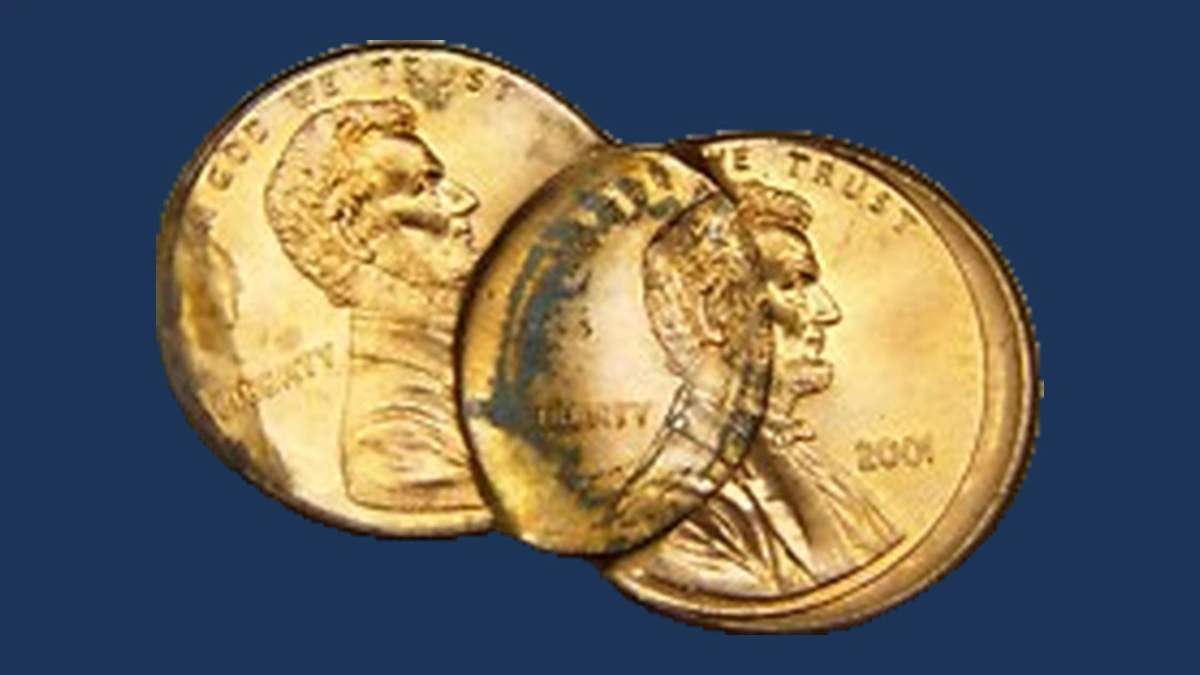
Two separate coins can preserve opposite parts of the same striking accident. Matching contact features explain why collectors call them a mated pair.
The 2001 auction pair contains one double-struck cent whose second blow landed about 70% off center. Its partner is broadstruck with a partial brockage.
These remain two individual coins rather than one permanently joined object. Their relationship depends on matching strike evidence, not simply a shared year.
Keeping the pair together preserves more of the event than either coin shows alone. Two unrelated errors should not be described as partners because their sizes or colors look similar.
Estimated Value
The pair sold for $1,320 in March 2025. ANACS graded the coins MS64 Red and MS65 Red, both unworn with different levels of surface marks.
Estimate $750–$2,500 for the complete pair, with the clarity of their relationship affecting value. That range is not a separate price for each coin.
An isolated partner may be harder to understand and market. Preserve the records that establish why the two pieces belong together.
How to Identify
Compare photographs of the two coins at the same scale before attempting any physical fit. Under a 10× magnifier, find the matching outline and transferred design details.
On the double-struck member, trace the second off-center impression. On its partner, locate the partial mirror image and expanded border that correspond to the same event.
Do not press the coins together to demonstrate the match. Each began as a normal 2.50-g cent blank near 19.05 mm, though striking changed the final outlines.
Use scale and caliper records for sealed pieces. The most direct first test is a specific contact pattern that matches between the two separate coins, not just similar-looking errors.
16. 2001 Lincoln Penny Bonded Two-Blank Pair (Estimated Up to $4,000)
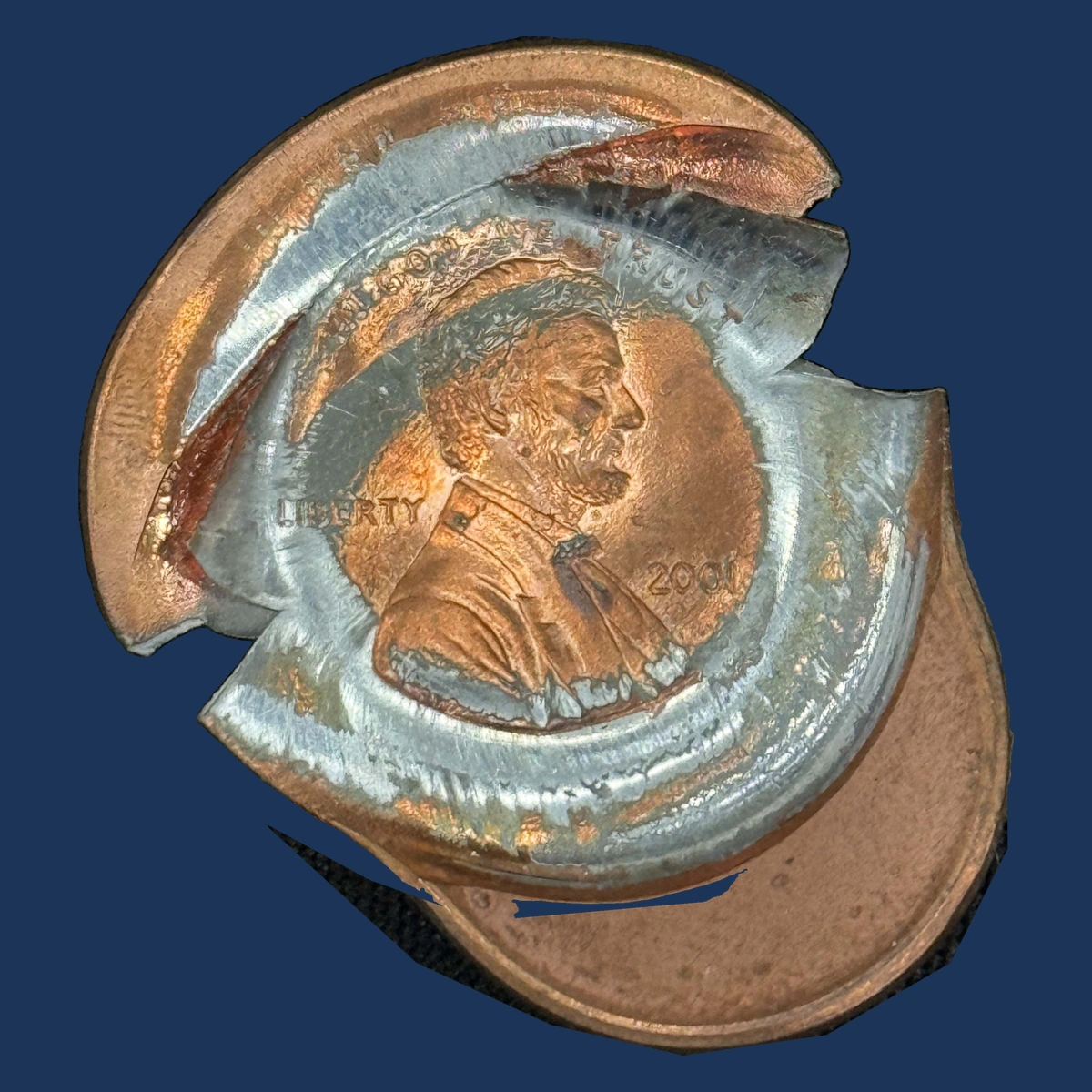
Two blanks can remain joined after being struck together. The result is one connected piece carrying about twice the metal of a normal cent.
Greg Bennick described a 2001 bonded pair weighing 5.02 g and measuring about 35 by 28 mm. Both blanks spread widely because the normal collar did not contain them.
The joined piece was graded NGC MS66 Red and Brown. It is different from two separate matching coins kept together as a collectible pair.
Later glue or heat can join ordinary coins too. Those alterations do not reproduce the same strike-driven flow and overlapping surfaces.
Estimated Value
Estimate $1,500–$4,000 for an identified, visually strong bonded pair of this kind. The striking relationship and condition of the joined surfaces are central to its appeal.
A later advertisement asked $2,850 for a 2001 pair in a PCGS MS65 Red holder. That asking price is a comparison, not a confirmed sale or proof of identity with the NGC example.
Both grades describe unworn pieces, but the holders and color descriptions differ. Do not merge their histories without supporting records.
How to Identify
The documented 5.02-g weight is a useful starting point because two normal cent blanks contain about 5 g of metal. Use the existing scale record for this sealed example.
Its recorded outline is about 35 by 28 mm, far larger than one normal 19.05-mm cent. Caliper measurements describe that expansion but do not prove the join is original.
With a 10× magnifier, follow the connection and the way designs meet the spreading metal. Do not try to pull the blanks apart.
Inspect for glue, solder, or later heat damage. The quick visual check is a strike-shaped connection whose flowing metal agrees with two blanks having expanded together.
17. 2001 Lincoln Penny Cent Over a Struck Dime (Estimated Up to $5,000)
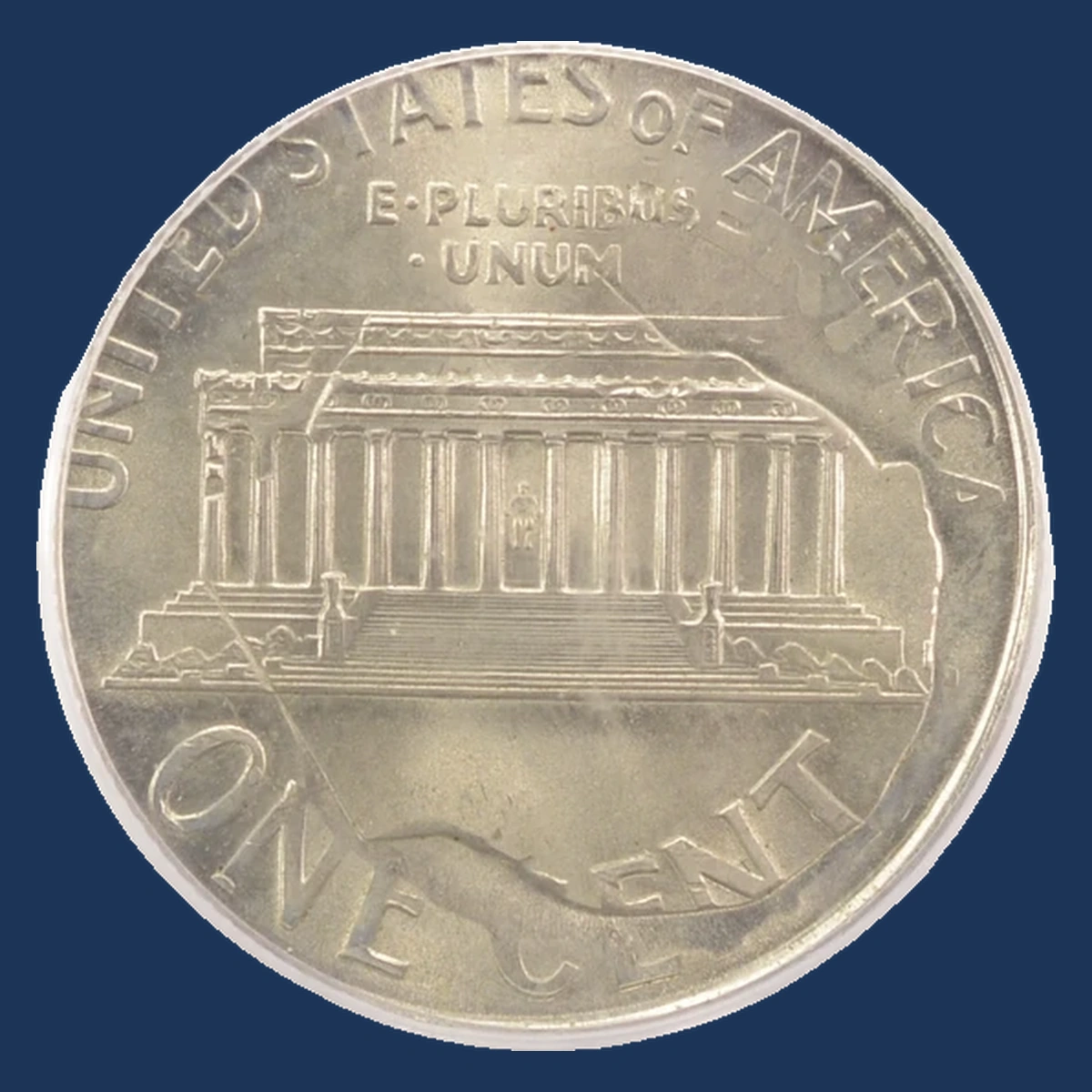
A faint Roosevelt portrait beneath Lincoln can show that the blank was already a finished dime. It entered a cent press and received a second denomination’s design.
Cataloged 2001 Philadelphia examples retain different amounts of the dime impression. One shows the two portraits crossing at roughly a right angle.
A separate Denver example places Roosevelt upside down relative to the Memorial. Its orientation should not be transferred to the Philadelphia coins.
This overstrike differs from a wrong pair of tools. An unstruck dime blank would also lack any original dime design beneath the cent.
Estimated Value
A 2001 cent struck on a 2001-P dime sold for $2,340 in March 2025, graded NGC MS68. That grade means unworn with exceptionally few marks.
Estimate $1,000–$5,000 for identified 2001 cent-over-dime examples, depending on how clearly both designs survive and the overall preservation. The figure is not a standard price for every mint or orientation.
Readable dates can strengthen the identification. A dramatic overlap needs to remain understandable rather than being lost beneath heavy scratches or corrosion.
How to Identify
Find one feature that belongs only to the dime, then one belonging to the cent. Under a 10× magnifier, follow where the later cent impression crosses the earlier design.
Check the dates and mint letters separately wherever they survive. The Philadelphia portrait relationship differs from the Denver example with Roosevelt inverted relative to the Memorial.
A scale should read near the underlying dime’s usual 2.268 g, not a normal cent’s 2.50 g. Calipers document how the second strike changed the original dime outline.
Do not remove a sealed coin to measure it. Surviving dime design beneath a genuine cent strike is the fastest useful distinction from a cent struck on a blank dime planchet.
18. 2001 Lincoln Penny Lincoln–Roosevelt Mule (Estimated Up to $150,000)
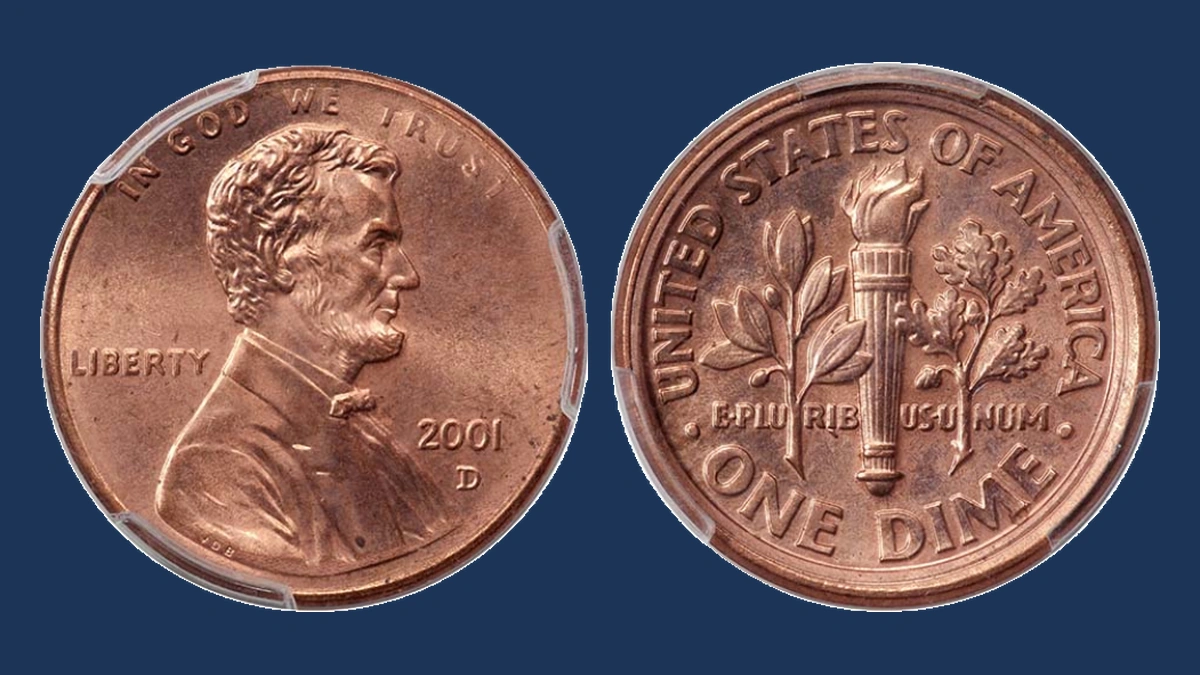
A torch and branches replace the Memorial on this copper-colored cent. A Lincoln front tool was paired with a Roosevelt dime back tool on a cent blank.
That incorrect pairing is called a mule. Each side received its design from a tool during striking, rather than one coin design being pressed over another.
The documented 2001-D example therefore has a different cause from a cent struck on a dime. The cent blank determines its identity in this pairing.
Novelty coins can imitate this pairing. A seam, hollowed shell, or glued join would give it a different origin.
Estimated Value
PCGS records a $114,000 Heritage sale in June 2021 for the 2001-D cent-and-dime mule. That exceptional result concerns the documented wrong-tool pairing on a cent blank.
A working estimate of $75,000–$150,000 reflects its rare pairing and auction history. It is not a price for a homemade two-sided coin or a normal cent-over-dime error.
At this level, the specific coin’s identity and established history are essential. Ordinary condition differences cannot explain away a joined or altered construction.
How to Identify
Check for a normal Lincoln front dated 2001 with D, paired with the dime’s torch-and-branches back. A 10× magnifier should show genuine struck surfaces rather than a glued assembly.
Examine the entire plain edge for seams, and compare thickness around the circumference. A scale and calipers should support a cent blank near 2.50 g and 19.05 mm.
A correct weight alone does not establish a mule. Use professional authentication and the known coin’s records before treating the combination as this rare error.
Do not open a certified holder for a home test. The critical first distinction is two properly struck denomination designs on opposite sides of one unjoined cent blank.
Conclusion
Check what the coin actually shows before following an impressive price. A dime blank, a previously struck dime, and a dime tool paired with a cent tool produce three different errors.
Estimated values range from $3–$150,000. Small surface changes need careful magnification, while complex pairs require matching strike evidence and reliable identification of both pieces. Keep their original surfaces intact.